
Bacterial & Fungal Infections in Dwarf Cichlids: Spotting the Signs Early

Welcome to Aquarium Mastery!
Are your delicate dwarf cichlids looking a little under the weather? Don't panic! This article dives deep into the world of dwarf cichlid bacterial infections, helping you spot the early warning signs and understand how to give your finned friends the best chance at a full recovery. Curious about what those subtle changes in behavior or appearance might mean? Read on to unlock the secrets to keeping your dwarf cichlids healthy and thriving!
- Understanding Dwarf Cichlid Health: A Crucial Guide for Aquarium Keepers
- Recognizing Bacterial Infections in Dwarf Cichlids: Key Symptoms
- Identifying Fungal Infections in Dwarf Cichlids: A Visual Guide
- Causes of Bacterial and Fungal Infections in Dwarf Cichlids
- Treating Dwarf Cichlid Bacterial Infections: Effective Methods
- Treating Dwarf Cichlid Fungal Infections: A Comprehensive Approach
- Preventing Bacterial and Fungal Infections in Dwarf Cichlids: Proactive Measures
- Long-Term Care and Recovery for Dwarf Cichlids After Infection
- Conclusion: Prioritizing Dwarf Cichlid Health for a Thriving Aquarium
-
Frequently Asked Questions
- What are the most common signs of bacterial infections in Dwarf Cichlids?
- How can I prevent bacterial infections from occurring in my Dwarf Cichlid aquarium?
- What are some effective treatments for bacterial infections in Dwarf Cichlids?
- How can I distinguish between a bacterial infection and a fungal infection in my Dwarf Cichlid?
- What role does water chemistry play in Dwarf Cichlid bacterial infections?
- Final Reflection: Protecting the Jewels of Our Aquariums
- Ignite Your Cichlid Expertise: Act Now!
Understanding Dwarf Cichlid Health: A Crucial Guide for Aquarium Keepers
The Importance of Early Detection in Dwarf Cichlid Diseases
Early detection is paramount when dealing with any health issue in dwarf cichlids, as these fish, including popular species like Apistogramma and Ram cichlids, are often sensitive to environmental changes and disease progression. A swift response can mean the difference between successful recovery and irreversible damage or even loss of the entire tank population.
For instance, a common symptom like clamped fins, if caught within the first 24-48 hours, might indicate mild stress or the very beginning of a dwarf cichlid bacterial infection, allowing for immediate corrective action such as a targeted water change or minor medication. Delaying intervention by even a few days can allow pathogens to multiply exponentially, making treatment significantly more challenging and less effective.
Furthermore, dwarf cichlids, due to their smaller size and often intricate social structures, can succumb rapidly to illness once symptoms become pronounced. A study on ornamental fish health indicated that diseases diagnosed and treated within 72 hours of symptom onset had an 80% higher success rate compared to those treated after this window. This highlights the critical need for daily observation of fish behavior, appetite, and physical appearance. Regular scrutiny helps in identifying subtle changes that might otherwise go unnoticed until the infection has severely weakened the fish, making the prognosis for any dwarf cichlid bacterial infections much graver.
Maintaining Optimal Water Parameters for Dwarf Cichlid Health
Maintaining optimal water parameters is the bedrock of preventing and mitigating dwarf cichlid bacterial infections and other diseases. Dwarf cichlids, originating from specific aquatic environments, thrive within narrow ranges of temperature, pH, and water hardness. For example, many popular Apistogramma species prefer soft, acidic water with a pH typically between 5.5 and 6.8 and temperatures around 76-82°F (24-28°C), while Bolivian Rams tolerate slightly harder water with a pH up to 7.5.
Consistent fluctuations outside these ideal ranges cause severe physiological stress, compromising the fish's immune system and making them highly susceptible to opportunistic pathogens. A sudden pH crash from 6.5 to 5.0, for instance, can induce severe gill damage, creating entry points for bacteria.
Beyond pH and temperature, the complete absence of ammonia ( NH3/NH4+) and nitrite ( NO2-), and low nitrate ( NO3-) levels (ideally below 20 ppm) are non-negotiable. Ammonia and nitrite are highly toxic byproducts of the nitrogen cycle, and even trace amounts can burn fish gills, damage internal organs, and suppress immune function. A tank with consistently elevated nitrates, perhaps 50 ppm or higher, indicates insufficient water changes and allows a build-up of organic waste, which provides a breeding ground for harmful bacteria and fungi. Regular water testing, ideally weekly, using a reliable liquid test kit, is essential to monitor these parameters and ensure a stable, healthy environment for your dwarf cichlids, significantly reducing the risk of dwarf cichlid bacterial infections.
Recognizing Bacterial Infections in Dwarf Cichlids: Key Symptoms
Identifying Common Bacterial Infections Affecting Dwarf Cichlids
Bacterial infections are among the most prevalent health issues in dwarf cichlids, often stemming from poor water quality or stress. These infections can manifest in various ways, ranging from external lesions to systemic internal diseases. One common culprit is Aeromonas hydrophila, a ubiquitous bacterium found in most aquatic environments that becomes pathogenic when fish are stressed or immune-compromised. It can cause conditions like hemorrhagic septicemia, characterized by widespread redness, inflamed fins, and internal organ damage. Another frequent pathogen is Pseudomonas fluorescens, often associated with fin and tail rot, which can rapidly destroy fin tissue if not addressed.
Recognizing these dwarf cichlid bacterial infections early requires keen observation. Affected fish may exhibit lethargy, loss of appetite, or abnormal swimming patterns, such as darting or rubbing against tank decor. Physical signs can include cloudy eyes, swollen abdomen, or open sores on the body. For instance, a healthy Apistogramma cacatuoides typically displays vibrant colors and active foraging behavior; a sudden dulling of coloration combined with hiding and refusal to eat could be an early indicator of a developing bacterial issue. Understanding these general signs alongside specific physical manifestations is crucial for prompt diagnosis and treatment.
Fin Rot in Dwarf Cichlids: Symptoms and Progression
Fin rot is a common and often devastating dwarf cichlid bacterial infection caused by bacteria such as Aeromonas, Pseudomonas, or Flexibacter. Initially, the edges of the fins, particularly the caudal (tail) and pectoral fins, may appear frayed, ragged, or cloudy. The vibrant colors of the fin rays might dull, or a white, opaque band could develop along the margin. For example, a healthy German Blue Ram's flowing dorsal fin will be intact and clear, while one with early fin rot might show slight tears or a milky appearance at the tips.
As the infection progresses, the fin tissue begins to literally rot away, receding towards the body. The fin rays themselves can become exposed and appear bloody or black at the tips. In severe cases, the entire fin can be lost, and the infection may spread to the body, leading to secondary systemic dwarf cichlid bacterial infections. This progression can be remarkably fast in smaller fish like dwarf cichlids; what starts as a minor fraying can become significant tissue loss within 24-48 hours if water quality issues, the underlying cause, are not addressed immediately.
Body Ulcers and Lesions: Recognizing Bacterial Damage
Body ulcers and lesions represent more advanced stages of dwarf cichlid bacterial infections, indicating that the bacteria have breached the fish's protective slime coat and skin. These manifest as open sores, red inflamed patches, or eroded areas on the body, often appearing as if a piece of skin has been scraped off.
The initial stage might be a small red spot, which then develops into a larger, deeper ulcer with white or gray necrotic tissue around the edges. For example, a Kribensis cichlid might develop a pea-sized red lesion on its flank that gradually expands and deepens over a few days.
These ulcers are typically caused by virulent bacteria like Aeromonas or Pseudomonas that exploit existing injuries or weakened immune systems. The open wounds serve as gateways for secondary infections, both bacterial and fungal, further complicating treatment. In severe cases, these lesions can expose muscle tissue or even bone, leading to systemic organ failure. Immediate isolation and targeted antibiotic treatment are crucial to prevent the infection from becoming fatal, as the presence of such lesions indicates a significant bacterial load and compromised health.
Pop-Eye (Exophthalmia) in Dwarf Cichlids: A Sign of Internal Infection
Pop-Eye, or Exophthalmia, is not a disease itself but rather a symptom of an underlying condition, frequently a serious internal dwarf cichlid bacterial infection or organ damage. It is characterized by one or both eyes protruding abnormally from the fish's head. The eye may appear cloudy, swollen, or even bloody, depending on the severity and cause. For instance, an Apistogramma borellii with pop-eye might have one eye significantly bulging, making it difficult for the fish to focus or see properly.
While pop-eye can sometimes be caused by physical injury or gas bubble disease, it is most commonly indicative of a systemic bacterial infection, such as those caused by Mycobacterium species (fish tuberculosis) or other gram-negative bacteria. These bacteria can cause fluid accumulation behind the eye, leading to the protrusion. It can also be a sign of kidney failure or internal tumors. Because it often signals a severe internal issue that has progressed significantly, pop-eye in dwarf cichlids requires immediate and aggressive treatment, often involving broad-spectrum antibiotics, to prevent further internal damage and potential mortality.
Differentiating Bacterial Infections from Other Dwarf Cichlid Ailments
Distinguishing dwarf cichlid bacterial infections from other common ailments like parasitic infestations or fungal infections is crucial for effective treatment. While symptoms can sometimes overlap, key differences exist. For instance, fish with external parasites such as Ich (white spot disease) will typically exhibit small, salt-like white spots on their body and fins, accompanied by scratching against decor. In contrast, bacterial infections like columnaris might present as white, fuzzy patches resembling cotton, but these are usually more organized and often have a brownish tint at the edges, unlike the distinct spots of Ich.
Another differentiator lies in the progression and specific physical manifestations. Bacterial infections, particularly those causing fin rot or ulcers, tend to result in tissue erosion and open sores, often with redness or inflammation. Fungal infections, while also appearing cotton-like, primarily grow on existing wounds or dead tissue and lack the deep tissue damage initially associated with bacterial ulcers.
Parasitic infections, such as those caused by flukes, might lead to excess slime coat production or visible worms, which are absent in pure bacterial cases. Observing the exact nature of the lesion, its color, texture, and progression rate is key to accurate diagnosis. For example, a Bolivian Ram with a bacterial ulcer will have a distinct open wound, whereas one with a fungal infection will primarily show a fuzzy growth over an existing lesion or on the fins.
Identifying Fungal Infections in Dwarf Cichlids: A Visual Guide
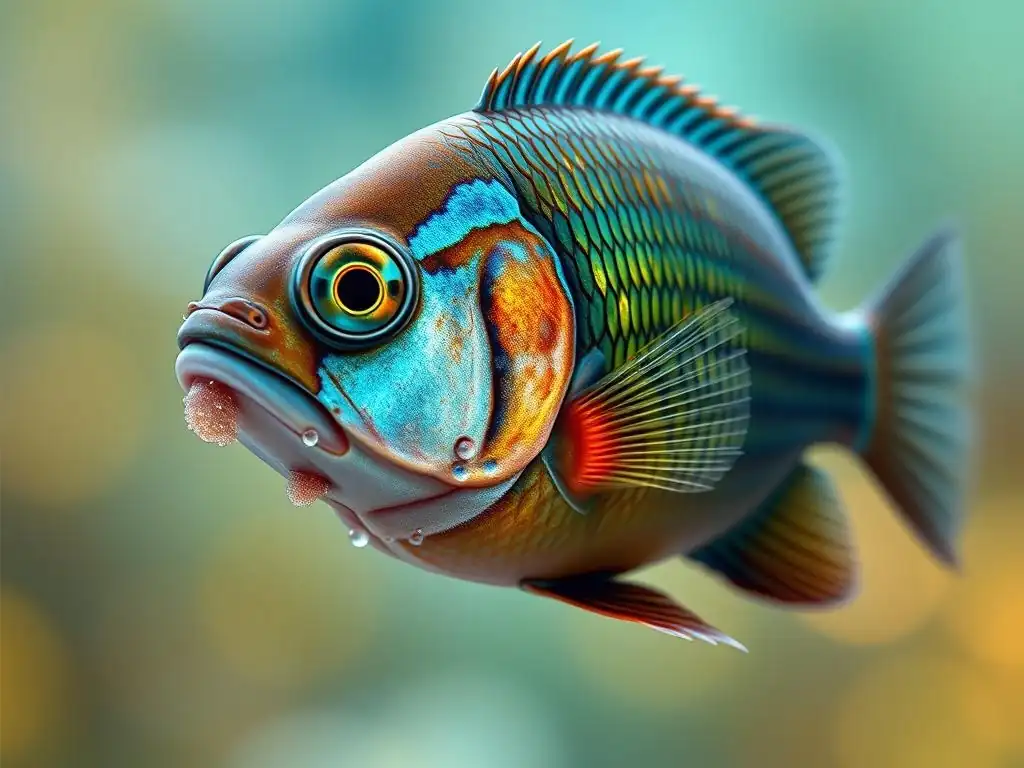
Common Fungal Infections in Dwarf Cichlids: Saprolegnia and Achlya
Fungal infections in dwarf cichlids are primarily caused by water molds belonging to the genera Saprolegnia and Achlya. These opportunistic pathogens are ubiquitous in aquatic environments and typically only affect fish that are already stressed, injured, or suffering from a weakened immune system. They do not usually infect healthy, intact fish directly. For instance, a minor scrape on a Kribensis cichlid from a sharp rock, combined with poor water quality leading to immune suppression, can provide the perfect entry point for Saprolegnia spores to colonize and grow.
Once established, these fungi feed on dead or decaying organic matter, including damaged fish tissue. They can rapidly spread across the fish's body, gills, or fins, leading to significant tissue damage and making the fish highly vulnerable to secondary bacterial infections. The presence of these fungi often indicates underlying problems such as improper tank cycling, infrequent water changes, or overcrowding, which contribute to a high organic load in the water. Addressing these root causes alongside antifungal treatment is essential for preventing recurrence and ensuring the long-term health of your dwarf cichlids.
Recognizing the Appearance of Fungal Growth on Dwarf Cichlids
The visual identification of fungal infections on dwarf cichlids is relatively straightforward due to their distinct appearance. Unlike bacterial infections that often manifest as internal issues, fin erosion, or ulcers, fungal infections typically present as external growths. These growths are characterized by their texture and color, making them quite discernible to the observant aquarist. The most common appearance is a white or grayish, cotton-like fuzz that adheres to the fish's body, fins, or mouth. This fuzz may appear singular or in multiple patches, varying in size from tiny specks to large, engulfing growths.
Upon closer inspection, particularly with good lighting, the fungal growth can sometimes resemble a delicate web or strands extending from the fish's surface. This filamentous structure is characteristic of water molds like Saprolegnia. The affected area may also appear dull or discolored underneath the fungal growth, and in severe cases, the underlying tissue might be visibly damaged or necrotic. The distinct "cotton wool" appearance is a strong indicator of a fungal infection, prompting immediate action to prevent further spread and damage to the dwarf cichlid.
Cotton-Like Patches: A Tell-Tale Sign of Fungal Infection
The presence of white or grayish cotton-like patches on a dwarf cichlid is the most classic and reliable sign of a fungal infection. These patches can appear anywhere on the fish's body, but are frequently observed on damaged fins, open wounds, or areas of the body that have been stressed or injured. For example, if a male Apistogramma has engaged in a territorial dispute and sustained a minor fin tear, a white, fuzzy growth might appear on that tear within a day or two, indicating a fungal colonization.
These growths often start small, perhaps a few millimeters in diameter, but can rapidly expand into larger, more extensive patches, sometimes covering significant portions of the fish's body or entire fins. The texture is distinctly fuzzy, resembling a piece of cotton wool or mold growing on food. Unlike some bacterial infections which can also appear whitish, fungal growths typically lack the red inflammation or deep tissue erosion initially. Their primary characteristic is the superficial, filamentous cottony appearance, making them visually distinct and prompting the need for antifungal treatment.
Fungal Infections Around the Mouth and Fins of Dwarf Cichlids
Fungal infections frequently target the mouth and fins of dwarf cichlids, primarily because these areas are prone to injury or stress. The mouth area is susceptible to scrapes from foraging on substrate or aggressive feeding, while fins can be torn during territorial disputes, nipping by tank mates, or even from rapid movements against decor. These minor injuries provide ideal entry points for water molds. When a fungal infection takes hold around the mouth, it can appear as a white, fuzzy growth encircling the lips or extending into the mouth cavity, making it difficult for the fish to eat.
On the fins, fungal growth typically manifests as white, cottony tufts along the edges or on torn areas. Unlike fin rot, which causes tissue erosion and fraying, fungal infections on fins appear as an external growth on the fin, though prolonged infection can lead to tissue decay.
For example, a Bolivian Ram that has been stressed by fluctuating temperatures might develop small, fuzzy patches on its caudal fin, distinct from the ragged appearance of bacterial fin rot. These localized fungal infections, if left untreated, can spread, impairing the fish's ability to swim or feed effectively and eventually leading to systemic issues.
Distinguishing Fungal Infections from Bacterial or Parasitic Issues
While some symptoms can appear similar, distinguishing fungal infections from bacterial or parasitic issues in dwarf cichlids is critical for correct treatment. The primary distinguishing factor for fungal infections is their characteristic "cotton wool" or fuzzy appearance. This white, sometimes grayish, filamentous growth is typically external and often grows on existing lesions or dead tissue.
Bacterial infections, such as dwarf cichlid bacterial infections, often present with more direct tissue damage like fin erosion (fin rot), open red sores (ulcers), or systemic signs like swollen bodies or cloudy eyes. For instance, a fish with columnaris (a bacterial infection) might have a white patch, but it often has a more defined, saddle-like shape or a yellowish tint, and can quickly lead to tissue necrosis, unlike the fluffy, superficial nature of early fungal growth.
Parasitic infections, conversely, have their own distinct signs. Ich, for example, is characterized by tiny, salt-like white spots that are distinct from the larger, fuzzy patches of fungus. Velvet appears as a fine, dusty, yellowish-gold coating.
Flukes might cause excess slime coat or visible worms. While a fungal infection might appear on an existing wound caused by bacteria or parasites, the nature of the growth itself is the key differentiator. Observing the texture (fuzzy vs. eroded), color (pure white/gray vs. red/brown/yellow), and the presence of distinct spots or visible parasites helps in accurate diagnosis and ensures the correct medication is chosen, preventing misapplication of treatments that could further stress the dwarf cichlid.
Causes of Bacterial and Fungal Infections in Dwarf Cichlids
Poor Water Quality as a Primary Cause of Dwarf Cichlid Infections
Poor water quality is undeniably the leading culprit behind most dwarf cichlid bacterial infections and fungal outbreaks. When water parameters are unstable or toxic compounds accumulate, fish become chronically stressed, leading to compromised immune systems. For instance, consistently high levels of ammonia (anything above 0 ppm) or nitrite (anything above 0 ppm) directly damage gill tissue, making fish highly susceptible to opportunistic bacteria like Aeromonas and Pseudomonas. Even elevated nitrates (above 20-40 ppm), while less acutely toxic, indicate a buildup of organic waste that can fuel bacterial blooms and stress fish over time.
Beyond chemical parameters, physical water quality also plays a role. Infrequent water changes allow detritus, uneaten food, and fish waste to accumulate, creating anaerobic pockets and fostering the proliferation of harmful bacteria and fungi. A tank with a dirty substrate and filter, for example, can harbor millions of pathogenic bacteria, constantly exposing fish to high concentrations of infectious agents.
A study by the American Fisheries Society noted that over 70% of reported ornamental fish diseases could be traced back to suboptimal water conditions. Maintaining pristine water through regular testing, appropriate filtration, and consistent water changes (e.g., 25-30% weekly) is the most effective preventative measure against dwarf cichlid bacterial infections and fungal diseases.
Stress and Weakened Immune Systems in Dwarf Cichlids
Stress is a significant precursor to dwarf cichlid bacterial infections and fungal diseases, as it directly weakens the fish's immune system, making them vulnerable to pathogens that would otherwise be harmless. Common stressors in an aquarium environment include rapid fluctuations in water temperature (e.g., a sudden drop from 78°F to 72°F), incorrect pH levels, or the presence of ammonia and nitrite. Overcrowding is another major stressor; housing 10 Apistogramma species in a 20-gallon tank, for instance, leads to constant territorial disputes and poor water quality, severely stressing the fish.
Furthermore, improper tank mates can induce chronic stress. Aggressive fish that constantly harass dwarf cichlids, or overly boisterous species that prevent them from feeding peacefully, will lead to a weakened immune response. A fish that is constantly hiding or showing faded colors due to bullying is likely to develop health issues, including dwarf cichlid bacterial infections, even if water parameters are otherwise acceptable. Providing a stable, appropriately sized, and peaceful environment with suitable tank mates is crucial for bolstering their natural defenses and preventing disease outbreaks.
Introduction of Pathogens Through New Fish or Plants
The introduction of new, unquarantined fish or plants is a frequent and often underestimated cause of introducing pathogens, leading to widespread dwarf cichlid bacterial infections and fungal outbreaks in an established aquarium. Even seemingly healthy new fish can carry dormant bacteria, viruses, or parasites that become active under the stress of relocation, or they can be asymptomatic carriers of virulent strains. For example, a new batch of neon tetras, while not dwarf cichlids themselves, could introduce Mycobacterium marinum (a common fish tuberculosis bacterium) which can then infect the cichlids.
Similarly, live aquatic plants, while beneficial for the ecosystem, can harbor bacterial spores, fungal spores, or even snail eggs and parasites on their surfaces. Plants sourced from tanks with diseased fish, or even those grown in aquaculture facilities, can transfer these pathogens directly into your pristine aquarium. The best practice, therefore, is to quarantine all new aquatic inhabitants for at least 2-4 weeks in a separate tank. This allows time for any latent dwarf cichlid bacterial infections or fungal issues to manifest and be treated before potentially contaminating your main display tank.
Injuries and Open Wounds Increasing Infection Risk in Dwarf Cichlids
Physical injuries and open wounds serve as direct entry points for opportunistic bacteria and fungi, significantly increasing the risk of dwarf cichlid bacterial infections and fungal diseases. Even minor abrasions, such as a scrape against sharp decor, a torn fin from a territorial skirmish, or a lesion from a breeding attempt, can break the fish's protective slime coat and skin barrier.
This compromised barrier allows ubiquitous waterborne pathogens like Aeromonas or Saprolegnia to colonize the damaged tissue. For example, if a male Ram cichlid gets a small tear in its caudal fin during a chase, that tear immediately becomes susceptible to bacterial fin rot.
These injuries, no matter how small, provide a nutrient-rich substrate for microbial growth. A dwarf cichlid with an open wound, even in otherwise pristine water, is at a much higher risk of developing a localized bacterial infection that can then spread systemically. Furthermore, fish that are constantly stressed or have weakened immune systems are less capable of healing minor wounds effectively, making them more prone to secondary infections. Ensuring smooth decor, minimizing aggression through appropriate stocking, and swift removal of any sharp objects can help reduce the incidence of injuries and subsequent dwarf cichlid bacterial infections.
Treating Dwarf Cichlid Bacterial Infections: Effective Methods
Quarantine and Isolation of Infected Dwarf Cichlids
The immediate quarantine and isolation of infected dwarf cichlids is a critical first step in treating dwarf cichlid bacterial infections and preventing their spread to healthy tank mates. A separate hospital tank, ideally 5-10 gallons for a single dwarf cichlid, should be set up with a heater, a simple sponge filter (to avoid medication absorption by carbon), and a few hiding spots. This isolation tank allows for targeted treatment without exposing the main display tank's beneficial bacteria or other inhabitants to harsh medications. It also reduces stress on the sick fish by removing it from competitive or aggressive environments.
During isolation, monitor water parameters daily, performing small daily water changes (e.g., 10-20%) with dechlorinated, temperature-matched water to maintain water quality. Avoid overfeeding, and ensure the fish is consuming any medicated food offered. This controlled environment allows for precise dosing of medications, observation of treatment efficacy, and minimizes the risk of re-infection from the main tank. For example, if a male Apistogramma develops a severe case of fin rot, moving it to a 5-gallon hospital tank allows for daily medicated baths or direct medication application without disrupting the main tank's delicate ecosystem.
Antibiotic Medications for Bacterial Infections in Dwarf Cichlids
Antibiotic medications are the primary treatment for dwarf cichlid bacterial infections, targeting the specific bacterial pathogens responsible for the illness. These medications work by either killing bacteria (bactericidal) or inhibiting their growth (bacteriostatic). Common broad-spectrum antibiotics used in the aquarium hobby include Erythromycin, Minocycline, Kanamycin, and Furan-2 (Nitrofurazone). The choice of antibiotic often depends on the suspected type of bacteria (gram-positive or gram-negative) and the specific symptoms observed. For instance, Furan-2 is often effective against external bacterial infections like fin rot and body ulcers, while Kanamycin is frequently used for systemic infections, including pop-eye.
It is crucial to follow the manufacturer's instructions precisely regarding dosage and duration of treatment. Underdosing can lead to resistant bacterial strains, while overdosing can harm the fish. A typical treatment course might last 5-7 days, with partial water changes and re-dosing as instructed. Administering antibiotics via medicated food is often preferred for internal infections, as it ensures the medication reaches the site of infection more directly and minimizes impact on beneficial bacteria in the filter. However, for external infections or non-eating fish, water column treatments are necessary.
Choosing the Right Antibiotic for Specific Bacterial Infections
Choosing the correct antibiotic for dwarf cichlid bacterial infections can be challenging, as precise diagnosis often requires laboratory testing. However, based on common symptoms, aquarists can make educated choices. For external bacterial infections like fin rot, mouth rot, and minor body ulcers, medications containing Nitrofurazone (e.g., Furan-2) or Erythromycin are often effective against a range of gram-positive and some gram-negative bacteria. For example, if a female Ram cichlid shows signs of early fin erosion and white patches, Nitrofurazone might be the first choice.
For more severe or systemic dwarf cichlid bacterial infections, such as pop-eye, dropsy (swollen abdomen), or widespread body ulcers, a broader-spectrum antibiotic like Kanamycin or Minocycline is often recommended. These are effective against a wider range of gram-negative bacteria, which are frequently responsible for internal issues. If one antibiotic fails to show improvement after 3-4 days, switching to another with a different active ingredient may be necessary. Always consult product labels for specific bacterial targets and contraindications, and be aware that some medications can harm invertebrates or live plants.
Administering Antibiotics Safely and Effectively
Administering antibiotics safely and effectively to dwarf cichlids requires careful attention to detail to ensure the fish receives the full therapeutic dose while minimizing stress and potential side effects. The primary methods are water column treatment and medicated food. For water column treatment, first remove activated carbon from the filter, as it will absorb the medication. Calculate the precise volume of the hospital tank and dose according to the product instructions. A 10-gallon hospital tank, for instance, requires a specific amount of medication, and underdosing can lead to antibiotic resistance.
For medicated food, which is ideal for internal dwarf cichlid bacterial infections, you can often mix liquid antibiotics or powdered antibiotics (like Metronidazole or Kanamycin) with a small amount of fish food flakes or pellets, binding it with a few drops of tank water or a commercial binder. Allow it to soak for 10-15 minutes before feeding. Only feed small amounts that the fish will consume immediately to prevent medication from leaching into the water. During any antibiotic treatment, perform daily small water changes (e.g., 20-30%) before re-dosing to maintain water quality and remove waste. After the treatment course, run activated carbon for 24-48 hours to remove residual medication and then gradually reintroduce the fish to the main tank.
Water Changes and Maintaining Water Quality During Treatment
Maintaining pristine water quality through regular and often increased water changes is paramount during the treatment of dwarf cichlid bacterial infections. Medications alone are often insufficient if the underlying water quality issues persist, as poor water conditions stress the fish and provide a breeding ground for pathogens. In a hospital tank, where fish are often stressed and medications can sometimes impact the nitrogen cycle, performing 20-30% daily water changes is frequently recommended. This helps to dilute waste products, remove any leached medication, and introduce fresh, oxygenated water.
Before each re-dosing of medication (if the treatment protocol requires daily re-dosing after a water change), ensure the new water is dechlorinated and temperature-matched to avoid further stress. Using a reliable liquid test kit to monitor ammonia, nitrite, and nitrate levels daily or every other day is crucial. Even if the medication is effective, persistent high ammonia can critically weaken the fish and lead to secondary dwarf cichlid bacterial infections. Post-treatment, continue monitoring water parameters closely and gradually reduce the frequency of water changes to a normal schedule as the fish recovers.
Treating Dwarf Cichlid Fungal Infections: A Comprehensive Approach
Antifungal Medications for Dwarf Cichlid Fungal Infections
Antifungal medications are specifically formulated to combat fungal infections in dwarf cichlids by targeting the cellular structure of water molds. Unlike antibiotics, which target bacteria, antifungals are designed to disrupt fungal growth without harming the fish. Common active ingredients found in aquarium antifungal treatments include Malachite Green, Methylene Blue, and Phenoxyethanol. Malachite Green, for instance, is highly effective against Saprolegnia and Achlya and is often found in combination with formalin for broad-spectrum disease control.
These medications are typically administered as water column treatments in a quarantine or hospital tank. It is crucial to remove activated carbon during treatment, as it will absorb the medication, rendering it ineffective. The duration of treatment can vary, often ranging from 3 to 7 days, with re-dosing after partial water changes. While generally safe for fish, some antifungals like Malachite Green can stain silicone and equipment, and some fish species may be more sensitive. Always follow the manufacturer's instructions for dosage and precautions, particularly concerning sensitive species like some dwarf cichlids.
Selecting an Appropriate Antifungal Treatment
Selecting an appropriate antifungal treatment for dwarf cichlid fungal infections depends largely on the severity of the infection and the specific fish species. For mild, localized fungal growths, Methylene Blue can be a gentle yet effective option, often used as a dip or short-term bath. It's particularly useful for treating eggs to prevent fungal growth. For more established or widespread fungal patches, products containing Malachite Green are generally more potent and widely recommended. Many commercial antifungal remedies combine Malachite Green with other agents to enhance efficacy.
When choosing, consider the other inhabitants of your tank if you are treating in the main display (though a hospital tank is always preferred). Some medications can be harmful to invertebrates (like snails and shrimp) or sensitive plants. Always read the product label carefully to ensure compatibility and specific instructions for dwarf cichlids. If the fungal infection is secondary to an injury or a bacterial issue, a combined approach might be necessary, potentially using an antifungal and an antibiotic concurrently in separate treatments or carefully chosen combination products.
Dosage and Application of Antifungal Medications
Accurate dosage and proper application are paramount for the safe and effective treatment of dwarf cichlid fungal infections with antifungal medications. Overdosing can be toxic to fish, while underdosing can lead to ineffective treatment and potentially resistant fungal strains. Always calculate the precise volume of the hospital tank (length x width x height in inches / 231 for gallons) and follow the medication manufacturer's instructions explicitly. For example, a common Malachite Green solution might require one drop per gallon, to be re-dosed after daily 25% water changes.
Before applying any medication to the water column, ensure activated carbon is removed from the filter, as it will neutralize the medication. Air stones should be used to provide ample aeration, as some medications can reduce oxygen levels. Most antifungal treatments involve a series of daily or every-other-day doses over several days (e.g., 3-5 days).
During this period, perform partial water changes (e.g., 25-30%) before each subsequent dose to remove accumulated waste and maintain water quality. Continuously observe the fish for signs of improvement or adverse reactions, and discontinue treatment if negative effects are observed, or if the infection clears.
Salt Baths for Fungal Infections: A Natural Remedy
Salt baths can be a simple, natural, and effective supplementary remedy for mild dwarf cichlid fungal infections, particularly those caused by Saprolegnia. Non-iodized aquarium salt or pure rock salt (sodium chloride, NaCl) can be used. The salt helps to draw out excess water from the fungal cells through osmosis, effectively dehydrating and killing them, while also aiding the fish in osmoregulation and promoting slime coat production. This method is often less stressful than harsh chemical medications for already weakened fish, especially for robust dwarf cichlid species like Kribensis.
For a short-term salt bath, a common concentration is 1 tablespoon of salt per gallon of water. The fish is typically placed in this solution for 5-15 minutes, depending on its tolerance and the severity of the infection, under close supervision. For a prolonged dip in the hospital tank, a lower concentration of 1-3 teaspoons per 10 gallons is generally used.
While effective for surface fungi, salt baths are not a cure for severe internal dwarf cichlid bacterial infections or advanced systemic fungal issues. They are best used for early-stage external fungal growth or as a supportive measure alongside other treatments. Always ensure the salt is fully dissolved before introducing the fish, and never use table salt with iodine or anti-caking agents.
Preventing Bacterial and Fungal Infections in Dwarf Cichlids: Proactive Measures
Maintaining a Clean and Stable Aquarium Environment
Maintaining a clean and stable aquarium environment is the single most important proactive measure to prevent dwarf cichlid bacterial infections and fungal outbreaks. This involves consistent adherence to proper husbandry practices. Regular weekly water changes, typically 25-30% of the tank volume, are essential to dilute nitrates, remove organic waste, and replenish vital minerals. For example, in a 30-gallon tank housing a pair of Apistogrammas, a 7.5-9 gallon water change every 7 days will significantly reduce the buildup of pollutants that stress fish.
Beyond water changes, regular gravel vacuuming is crucial to remove uneaten food and fish waste that accumulate in the substrate, preventing the growth of harmful bacteria and fungi. Filters should be cleaned regularly but gently, rinsing media in old tank water to preserve beneficial bacterial colonies. Overfeeding should be avoided, as excess food quickly decays and fouls the water.
A stable environment also means avoiding sudden fluctuations in temperature or pH, which can severely stress dwarf cichlids. Investing in an accurate heater and thermometer, and performing consistent water tests, helps maintain the ideal conditions that bolster fish immunity against dwarf cichlid bacterial infections.
Quarantine New Fish and Plants Before Introduction
Quarantining all new fish and plants before introducing them to the main aquarium is a non-negotiable preventative measure against the spread of dwarf cichlid bacterial infections, fungal diseases, and parasites. A dedicated quarantine tank, even a simple 10-gallon setup with a heater and sponge filter, allows new arrivals to be observed for signs of illness in isolation. A standard quarantine period is 2-4 weeks. During this time, any latent diseases, such as Ich, velvet, or early dwarf cichlid bacterial infections like fin rot, can manifest and be treated without risking the established community.
For example, a newly acquired group of German Blue Rams might appear healthy but could be carrying dormant parasites or bacteria. A 3-week quarantine period allows these pathogens to become active, enabling targeted treatment with appropriate medications (e.g., a dewormer or a broad-spectrum antibiotic) before the Rams are introduced to the main display tank with your existing Kribensis cichlids.
Similarly, new plants should be thoroughly rinsed and ideally dipped in a mild bleach solution (1 part bleach to 19 parts water for 5 minutes, followed by thorough rinsing and dechlorination) or a potassium permanganate solution to eliminate snail eggs, algae, and surface pathogens.
Providing a Balanced Diet to Strengthen Immune Systems
Providing a balanced and varied diet is fundamental to strengthening the immune systems of dwarf cichlids, making them more resilient to dwarf cichlid bacterial infections and fungal diseases. A diet rich in high-quality proteins, essential vitamins, and minerals helps fish develop strong natural defenses. For example, many dwarf cichlids are omnivores with a preference for meaty foods. Feeding a combination of high-quality flake or pellet foods, supplemented with live or frozen foods like bloodworms, brine shrimp, and daphnia, ensures a complete nutritional profile.
Avoid feeding only one type of food, as this can lead to nutritional deficiencies over time. For instance, a diet consisting solely of dry flakes may lack certain vital fatty acids or vitamins (like Vitamin C, known to boost immunity) found in live foods. Overfeeding should also be avoided, as it leads to wasted food and poor water quality.
Instead, offer small portions 2-3 times a day that can be consumed within 2-3 minutes. A healthy, well-nourished dwarf cichlid will have a robust immune system, better equipped to fight off opportunistic pathogens and recover from any potential dwarf cichlid bacterial infections.
Avoiding Overcrowding and Reducing Stress on Dwarf Cichlids
Avoiding overcrowding and actively reducing stress factors are critical preventative measures for maintaining robust dwarf cichlid health and minimizing the risk of dwarf cichlid bacterial infections. Overcrowding leads to increased waste production, rapidly deteriorating water quality, and heightened aggression among tank inhabitants, all of which are major stressors. For instance, keeping more than a single pair or trio of Apistogrammas in a 20-gallon tank can lead to constant territorial disputes, nipped fins, and chronic stress, making them highly susceptible to disease.
Furthermore, ensuring appropriate tank mates and providing ample hiding spots are essential for stress reduction. Dwarf cichlids, especially the more timid species, need places to retreat and feel secure. Dense planting, caves, and driftwood provide crucial territory and visual barriers.
Introducing overly aggressive or large fish can cause chronic stress, leading to suppressed immune function. By maintaining appropriate stocking levels (e.g., generally 1-2 dwarf cichlids per 10 gallons with adequate filtration, depending on species), offering a complex environment, and choosing peaceful tank mates, aquarists can significantly reduce stress and bolster the fish's natural resistance to dwarf cichlid bacterial infections and other ailments.
Long-Term Care and Recovery for Dwarf Cichlids After Infection
Monitoring Dwarf Cichlids for Recurrence of Infection
After successful treatment of dwarf cichlid bacterial infections or fungal diseases, diligent long-term monitoring is crucial to ensure complete recovery and prevent recurrence. The fish, even if seemingly healthy, may still be weakened internally or carry residual pathogens. For at least 2-4 weeks post-treatment, observe the recovered dwarf cichlid daily for any subtle changes in behavior, appetite, or physical appearance.
Look for the return of initial symptoms such as clamped fins, dull coloration, reduced activity, or any new lesions. For example, if a Ram cichlid previously treated for fin rot shows even slight fraying again, it might indicate a relapse or that the underlying stressor was not fully resolved.
Maintain impeccable water quality during this recovery period, as fluctuations can trigger a relapse. Continue regular water testing and appropriate water changes. If the fish was treated in a hospital tank, do not rush its reintroduction to the main aquarium. A gradual reintroduction (as discussed below) is vital. Any sign of recurrence, no matter how minor, warrants immediate re-evaluation of water parameters, tank conditions, and potentially a new course of treatment, possibly with a different medication if the previous one proved only partially effective.
Supporting the Immune System During Recovery
Supporting the dwarf cichlid's immune system during recovery from bacterial or fungal infections is as critical as the initial treatment itself. A fish that has battled a significant illness will have a compromised immune response, making it vulnerable to secondary infections or relapses. One key aspect is providing a highly nutritious and varied diet. Offer high-quality live or frozen foods (e.g., blackworms, brine shrimp, daphnia) alongside premium flakes or pellets. These foods are often more palatable and provide essential vitamins and minerals that aid in tissue repair and immune function.
Additionally, consider using aquarium-safe vitamin supplements or immune boosters. Products containing Vitamin C, Beta-Glucans, or Garlic extract can be added to food or the water to enhance the fish's natural defenses. Maintaining exceptionally stable and pristine water parameters (zero ammonia, zero nitrite, low nitrates, stable pH and temperature) is non-negotiable, as even minor stressors can hinder recovery. Reducing competition for food and space, and ensuring a peaceful environment, also contributes significantly to the fish's overall well-being and ability to fully recuperate from dwarf cichlid bacterial infections.
Gradual Reintroduction to the Main Aquarium
Gradual reintroduction to the main aquarium is a vital step after a dwarf cichlid has fully recovered from a bacterial or fungal infection in a hospital tank. Rushing this process can cause significant stress, potentially leading to a relapse or aggression from existing tank inhabitants. First, ensure the fish has been symptom-free for at least one week, and ideally two, and is actively eating and behaving normally. During this period in the hospital tank, gradually adjust its water parameters (temperature, pH, hardness) to match those of the main display tank. This prevents osmotic shock upon transfer.
When ready to reintroduce, turn off the main tank lights and dim room lights to minimize stress. Use a net to gently transfer the fish. Observe the fish closely over the next few days for signs of stress, bullying, or a recurrence of symptoms.
It's often helpful to rearrange some decor in the main tank before reintroduction; this can help disrupt existing territories and reduce aggression towards the new arrival. For example, if a male Apistogramma was treated for a severe dwarf cichlid bacterial infection, reintroducing it after rearranging some driftwood and plants might give it a better chance to establish a new, safe territory without immediate confrontation.
Conclusion: Prioritizing Dwarf Cichlid Health for a Thriving Aquarium
Prioritizing dwarf cichlid health is the cornerstone of maintaining a thriving and vibrant aquarium. As sensitive and captivating inhabitants, dwarf cichlids require meticulous attention to their environment and proactive health management to ward off common ailments like dwarf cichlid bacterial infections and fungal diseases. The journey from identifying the subtle signs of illness to implementing effective treatment protocols underscores the aquarist's commitment to their well-being. By understanding the critical importance of early detection, maintaining optimal water parameters, and recognizing specific symptoms, keepers empower themselves to act decisively when health issues arise.
Preventative measures, such as stringent quarantine practices, providing a balanced diet, and ensuring a stress-free environment, are not merely suggestions but fundamental pillars of responsible dwarf cichlid care. These proactive steps significantly reduce the likelihood of disease outbreaks, fostering resilience in these beautiful fish. Ultimately, a healthy dwarf cichlid population reflects a well-managed aquarium, rewarding the dedicated aquarist with vibrant colors, natural behaviors, and the enduring satisfaction of a flourishing aquatic ecosystem.
Frequently Asked Questions
What are the most common signs of bacterial infections in Dwarf Cichlids?
The most common signs include lethargy, loss of appetite, and visible sores or ulcers on their body. You may also notice fin rot or cloudy eyes.
How can I prevent bacterial infections from occurring in my Dwarf Cichlid aquarium?
Prevention focuses on maintaining excellent water quality through regular water changes and adequate filtration. Also, avoiding overcrowding and ensuring a balanced diet are crucial.
What are some effective treatments for bacterial infections in Dwarf Cichlids?
Treatments often involve using antibiotics specifically formulated for fish, like tetracycline or erythromycin. It's essential to follow the dosage instructions carefully.
How can I distinguish between a bacterial infection and a fungal infection in my Dwarf Cichlid?
Bacterial infections usually present as red sores, ulcers, or fin rot, while fungal infections often appear as cotton-like growths on the fish's body. Early detection is key to successful treatment.
What role does water chemistry play in Dwarf Cichlid bacterial infections?
Poor water parameters, such as high ammonia or nitrite levels, can stress the fish and weaken their immune system, making them more susceptible to bacterial infections. Regular testing and maintenance are vital.
Okay, here's a final reflection designed to close your article on bacterial and fungal infections in dwarf cichlids, optimized for emotional connection and a lasting impression, while also incorporating your keyword and the requested Markdown formatting:
Final Reflection: Protecting the Jewels of Our Aquariums
The information presented throughout this article underscores a crucial reality: proactive observation is the most powerful weapon against disease in dwarf cichlids. These vibrant fish, often considered the jewels of the aquarium hobby, are particularly vulnerable to bacterial and fungal infections, and early detection is paramount to their survival. Ignoring the subtle signs can quickly lead to devastating consequences, transforming a thriving ecosystem into a source of heartbreak.
The delicate balance of the aquarium environment, and the inherent susceptibility of dwarf cichlids, means that vigilance is not merely recommended, but absolutely essential for responsible fishkeeping. This isn't just about maintaining a beautiful display; it's about respecting the lives entrusted to our care. As the renowned aquarist George S. Myers wisely stated: The best aquarium is not the one with the most expensive equipment, but the one with the most attentive keeper.
This sentiment perfectly encapsulates the spirit of responsible fishkeeping, reminding us that our dedication and attentiveness are the most valuable tools we possess.
Now, armed with the knowledge of how to spot the early signs of dwarf cichlid bacterial infections, I urge you to translate this understanding into action. Take a moment to truly observe your fish, to appreciate their unique personalities and behaviors. By becoming a more attentive and informed aquarist, you not only safeguard the health of your dwarf cichlids but also deepen your connection with the natural world. Let us all strive to create thriving, healthy environments where these magnificent creatures can flourish for years to come.
Ignite Your Cichlid Expertise: Act Now!
Thanks for diving deep into the world of dwarf cichlids and their health! Now that you’re equipped with the knowledge to spot bacterial and fungal infections, it’s time to put that expertise into action and ensure your finned friends thrive.
Here are some immediate steps you can take:
- Immediately Implement a Routine Inspection: Commit to a daily five-minute check of your cichlids for any early signs of infection. Averting a full blown situation.
- Share your newfound knowledge! Help fellow aquarists by passing along this article, allowing more hobbiests to better their cichlids.
- Delve deeper! Research advanced treatment options and prophylactic measures to fortify your cichlid's health.
What preventative measure will you implement in your tank this week to safeguard your cichlids?