
Denison Barb Schooling Dynamics: The Importance of Numbers for These Large Barbs

Welcome to Aquarium Mastery!
Ever wondered why your Denison barbs aren't displaying that vibrant, captivating schooling behavior you see in photos? You're not alone! Dive into our comprehensive guide on Denison barb schooling behavior tips and unlock the secrets to creating a thriving, harmonious environment for these stunning fish. Get ready to witness the true beauty of a well-established Denison barb school – let's explore the importance of numbers and more!
- Denison Barb Schooling Dynamics: Optimizing Social Behavior and Well-being
- Understanding Denison Barb Social Structure
- School Size and Its Impact on Health and Behavior
- Creating an Optimal Aquarium Environment for Schooling
- Observing and Interpreting Social Interactions
- Practical Tips for Maintaining a Healthy School
- Addressing Common Issues in Denison Barb Schools
- Long-Term Benefits of a Well-Maintained School
-
Frequently Asked Questions
- How many Denison barbs are needed to observe proper schooling behavior?
- What happens if I only keep a few Denison barbs?
- What is the ideal tank size for a school of Denison barbs?
- What are some visual cues that indicate my Denison barbs are schooling correctly?
- Can other fish be added to the tank to encourage Denison barb schooling?
- Final Reflection: The Power of Collective Action
- Unleash the School: Supercharge Your Denison Barb Display!
Denison barbs, scientifically known as Sahyadria denisonii, are inherently social creatures. Their natural inclination to form schools is not merely an aesthetic preference but a crucial survival mechanism. In a properly sized group, individual stress levels are significantly reduced, as the presence of numerous conspecifics provides a sense of security and protection from perceived threats. This collective safety allows them to exhibit their full range of natural behaviors, from synchronized swimming to confident foraging, which are vital for their psychological and physiological well-being.
Conversely, a lack of adequate social interaction can lead to severe detrimental effects on Denison barbs. When kept alone or in insufficient numbers, typically fewer than six individuals, these fish often become highly stressed, timid, or even aggressive towards other tank inhabitants. This chronic stress can manifest in physiological ways, such as a weakened immune system, making them more susceptible to common aquarium diseases like Ich (white spot disease) or bacterial infections. Their vibrant coloration may also fade, and their activity levels can drastically decrease, indicating a decline in overall health.
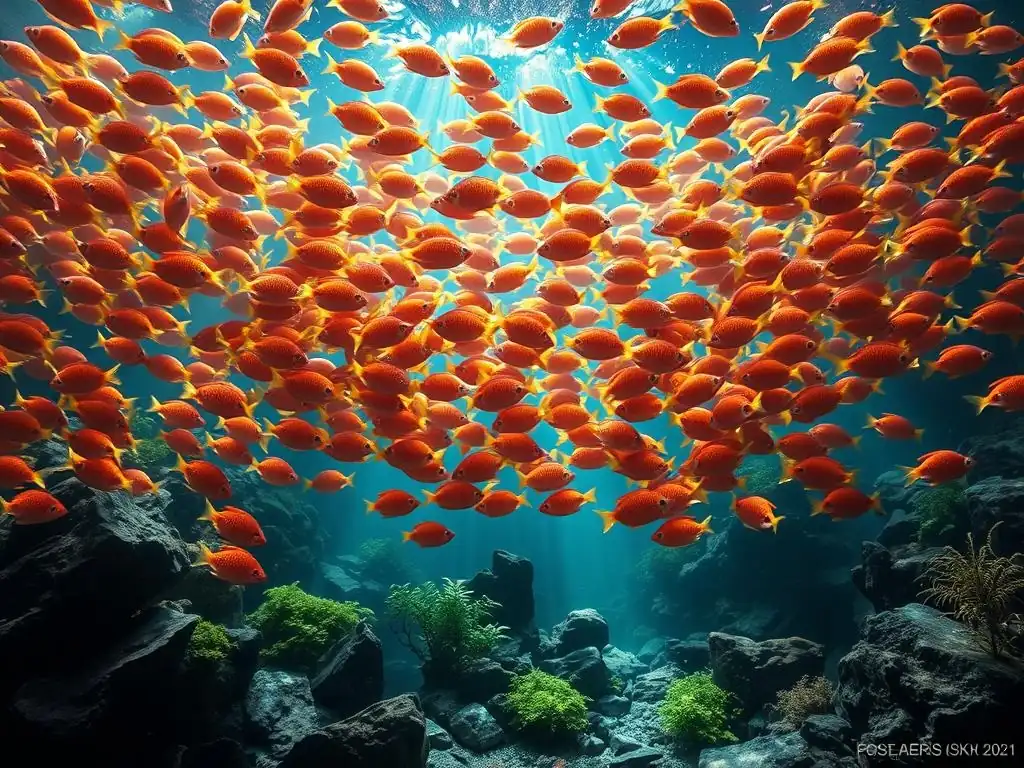
Sahyadria denisonii originate from the fast-flowing, clear waters of rivers and streams in the Western Ghats of Kerala and Karnataka, India. Key habitats include the Valapattanam, Kuppam, Ancharakandy, Pamba, and Periyar rivers. In these natural environments, they are observed living in large, active schools, often comprising dozens or even hundreds of individuals. This schooling behavior is a primary defense mechanism against predators, as the sheer number of fish confuses attackers and increases the chances of survival for the group.
The social organization in their natural habitat also facilitates efficient foraging and navigation within their dynamic riverine environment. They move cohesively, searching for small invertebrates and plant matter. Replicating this schooling dynamic in an aquarium setting is paramount for their welfare, as it allows them to express these innate behaviors. Without the safety and structure of a proper school, individual Denison barbs often become anxious and fail to thrive, deviating significantly from their natural social patterns.
School Size and Its Impact on Health and Behavior
Recommended Minimum School Size for Sahyadria denisonii
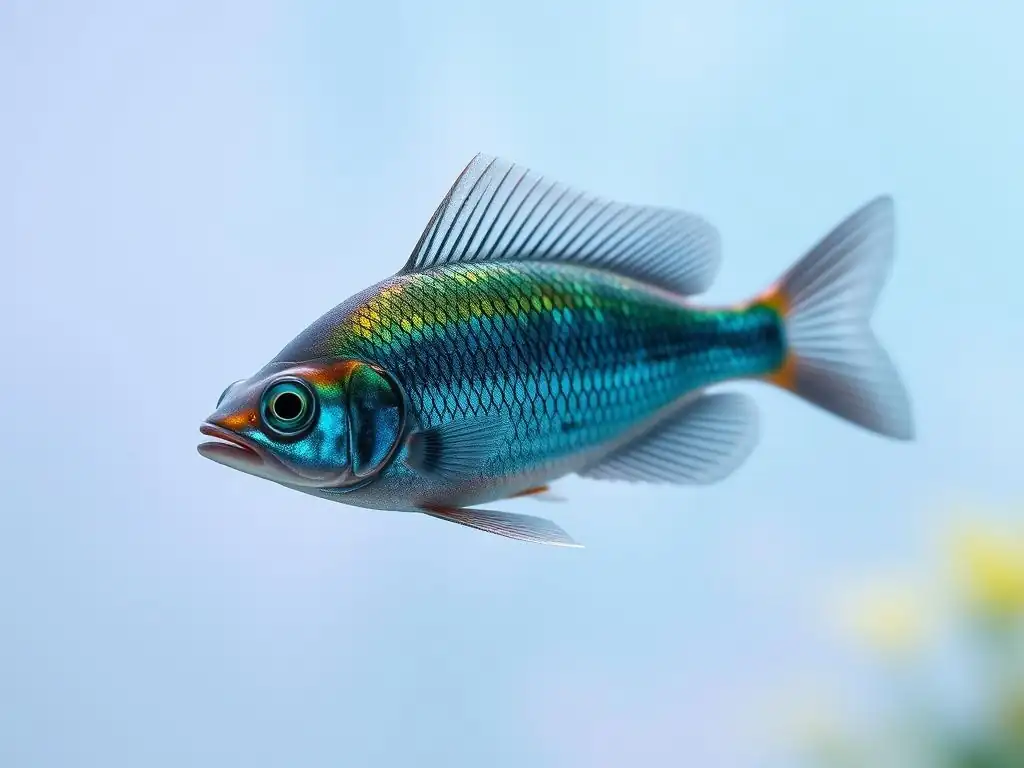
For Denison barbs to exhibit their natural schooling behavior and maintain optimal health, a minimum school size of at least six to eight individuals is generally recommended. However, for truly robust schooling dynamics and reduced internal aggression, a group of ten or more is highly preferable. This larger number effectively diffuses potential aggression among individuals, as it spreads out any minor squabbles across more fish, preventing a single individual from being constantly targeted.
In a larger school, the Denison barbs feel more secure and confident, leading to more active and cohesive swimming patterns. Observations show that in groups of 10-15, they are less prone to darting erratically or hiding, and instead engage in synchronized movements that are a hallmark of their species. This optimal school size is a cornerstone for successful Denison barb schooling behavior tips, ensuring their psychological and physical needs are met.
The Effects of Inadequate School Size on Stress and Immunity
Keeping Denison barbs in inadequate numbers, typically fewer than six, places significant physiological stress on the fish. This chronic stress can lead to elevated levels of cortisol, a stress hormone, which in turn suppresses their immune system. A compromised immune system makes them highly vulnerable to opportunistic pathogens present in any aquarium, leading to frequent bouts of illness such as fin rot, fungal infections, or parasitic infestations like Ich, even in well-maintained tanks.
Behaviorally, fish in small groups often display clear signs of distress: persistent hiding, faded coloration, clamped fins, and erratic, uncoordinated swimming. They may also become unusually aggressive towards tank mates or even each other, engaging in fin-nipping or chasing due to heightened anxiety. For instance, a group of three Denison barbs in a 75-gallon tank might show constant chasing and a lack of the characteristic schooling, whereas a group of ten in the same tank would exhibit harmonious collective movement.
School Size Influence on Coloration, Activity, and Feeding
The size of a Denison barb school directly influences their vibrant coloration, activity levels, and feeding confidence. In a large, healthy school, Denison barbs display their most striking colors, particularly the distinctive bright red stripe that runs along their lateral line and the iridescent green-blue sheen on their bodies. This vivid coloration is a clear indicator of low stress and excellent health, as stressed or isolated fish often appear dull and washed out.
Furthermore, a well-sized school promotes higher activity levels and more confident feeding. When surrounded by their own kind, Denison barbs feel secure enough to explore the entire tank, actively swim, and confidently approach food during feeding times. In contrast, individuals from small or insufficient groups may be timid, hide frequently, or hesitate to feed, potentially leading to malnutrition or missed meals. For example, a school of 12 Denison barbs will typically clear a feeding in under 60 seconds, displaying vigorous competition, while a group of 4 might take several minutes, with individuals appearing hesitant.
Creating an Optimal Aquarium Environment for Schooling
Tank Dimensions for a School of Denison Barbs
Given their active nature and potential adult size of up to 6 inches (approximately 15 cm), Denison barbs require substantial aquarium space to thrive, especially when kept in a proper school. A minimum tank size of 75 gallons (approximately 284 liters) is recommended for a small group of 6-8 individuals. However, for a larger, more ideal school of 10 or more, a tank of 125 gallons (approximately 473 liters) or larger is significantly better. The length of the tank is more crucial than its height, as these fish are horizontal swimmers that need ample open swimming space.
A tank that is at least 4 feet (120 cm) long for a 75-gallon setup, and 6 feet (180 cm) or more for larger schools, allows them to perform their characteristic fast, synchronized dashes. Providing both open swimming areas and some strategically placed driftwood or robust plants (like Anubias or Java Ferns) for occasional shelter can optimize their environment. This balance ensures they have both the freedom to school and places to retreat if needed, contributing to positive Denison barb schooling behavior tips.
Water Chemistry and Flow to Promote Natural Behavior
Replicating the natural riverine habitat of Denison barbs is crucial for their well-being. This includes maintaining specific water parameters: a temperature range of 65-79°F (18-26°C), a pH between 6.5 and 7.8, and a moderate water hardness of 5-15 dGH. Stability in these parameters is key; sudden fluctuations can cause significant stress. Regular monitoring with reliable test kits is essential to ensure these conditions are consistently met.
Perhaps even more important for Denison barbs is strong water flow. In their native swift-moving streams, they are accustomed to constant currents. Providing a powerful filter output, such as from a canister filter, or incorporating powerheads can create the necessary flow. This not only keeps the water well-oxygenated but also encourages their natural rheotactic behavior (swimming against the current) and provides environmental enrichment, promoting active and healthy schooling.
Compatible Tank Mates to Support a Harmonious Community
Choosing appropriate tank mates is vital for a harmonious Denison barb community. Ideal companions are other large, peaceful, and fast-swimming fish that can tolerate similar water parameters and strong currents. Excellent choices include various species of Rainbowfish (e.g., Boeseman's Rainbowfish, Turquoise Rainbowfish), larger Rasboras (e.g., Harlequin Rasboras, Scissortail Rasboras), peaceful loaches (such as Yo-Yo Loaches or Clown Loaches), and certain larger Tetras (e.g., Congo Tetras).
It is crucial to avoid slow-moving fish, species with long, flowing fins (like Angelfish or Bettas), or very small, timid fish, as Denison barbs, especially if kept in insufficient numbers, can sometimes be prone to fin-nipping or bullying. For example, a school of 10 Denison barbs sharing a 125-gallon tank with 8 Boeseman's Rainbowfish and 5 Yo-Yo Loaches often coexists peacefully, each group occupying different parts of the water column without significant conflict.
Recognizing Signs of Stress and Submissive Behavior
Observing your Denison barb school closely can provide valuable insights into their well-being. Signs of stress or submissive behavior include faded or dull coloration, clamped fins held close to the body, persistent hiding behind decor, or erratic, darting movements that are uncoordinated with the rest of the school. An increased breathing rate (gilling rate noticeably higher than 60 breaths per minute) can also indicate distress.
Submissive individuals may be constantly chased by dominant fish, avoid feeding areas, or remain isolated at the bottom or corners of the tank. For example, in a school of eight, if one fish consistently stays hidden in a specific plant for hours and only emerges hesitantly for food, it might be a target of aggression or experiencing undue stress. Recognizing these indicators early is crucial for maintaining a healthy and balanced school, offering important Denison barb schooling behavior tips.
Within a healthy Denison barb school, a natural social hierarchy will develop. This is typically characterized by one or two dominant individuals who may display slightly brighter colors and take prime feeding spots. They might occasionally chase other members of the school, but these interactions are usually brief, non-injurious, and serve to reinforce the pecking order rather than cause significant stress.
A stable hierarchy means that while there might be minor squabbles, there is no persistent aggression or bullying of a single individual. The dominant fish often leads the school's movements, and the rest of the group follows cohesively. If you observe constant, prolonged chasing or actual fin damage to a specific fish, this indicates an unhealthy level of aggression that needs to be addressed, potentially by increasing school size or tank space.
Environmental enrichment plays a vital role in encouraging positive social dynamics within a Denison barb school. Providing a diverse landscape with varied water flow patterns, strategically placed driftwood, rocks, and robust live plants (e.g., Anubias, Java Fern, or Vallisneria) can reduce boredom and provide escape routes or temporary visual barriers. This complexity allows fish to establish minor territories or retreat when needed, diffusing potential conflicts.
For instance, creating areas with stronger currents using powerheads, alongside calmer zones behind large rocks, gives the fish choices and encourages exploration. Live plants, even if they are not consumed, offer natural cover and break up lines of sight, which can be particularly beneficial if a fish is feeling stressed. A well-structured environment promotes natural behaviors, such as foraging and exploration, fostering a more harmonious and active school.
Practical Tips for Maintaining a Healthy School
Acclimation and Introduction of New Individuals
Proper acclimation is paramount when introducing new Denison barbs to an existing school or setting up a new group. The drip acclimation method is highly recommended: slowly add tank water to the bag over 30-60 minutes until the water parameters in the bag match the tank. This gradual process minimizes shock from differences in temperature, pH, and hardness. Dimming the aquarium lights during this period and for a few hours after introduction can further reduce stress.
When adding new individuals to an established school, it is often beneficial to introduce at least 3-4 new fish at once, rather than just one or two. This helps to dilute any potential aggression from existing members towards the newcomers and allows the new fish to school together for security. Ensure there are plenty of hiding spots available initially, and consider rearranging some decor to disrupt existing territories and reduce territorial disputes.
Water Quality Management for School Health
Maintaining pristine water quality is non-negotiable for the long-term health and vibrancy of a Denison barb school. Regular partial water changes, typically 25-30% weekly, are essential to keep nitrate levels low (ideally below 20 ppm) and ensure ammonia and nitrite remain at zero. These fish are sensitive to accumulating toxins, and poor water quality is a leading cause of stress and disease.
Investing in a robust filtration system, such as an appropriately sized canister filter or multiple hang-on-back filters, is crucial to handle the bioload of an active school. Consistent monitoring of water parameters using a reliable liquid test kit (not test strips) will help identify any issues before they become problematic. For example, if nitrates consistently climb above 30 ppm between weekly water changes, consider increasing the frequency or volume of changes.
Nutritional Strategies to Enhance Color and Activity
A diverse and high-quality diet is fundamental for enhancing the coloration, activity, and overall health of Denison barbs. Their diet should consist of premium flake foods and pellets designed for active omnivores, supplemented with a variety of frozen and live foods. Excellent choices for supplements include bloodworms, brine shrimp, daphnia, and small insect larvae.
Feeding small amounts several times a day, rather than one large meal, is often preferred, as it mimics their natural foraging behavior and reduces waste. A diet rich in carotenoids (found in foods like spirulina or color-enhancing pellets) can significantly intensify their red and blue coloration. For example, providing frozen bloodworms twice a week alongside daily high-quality flakes can visibly improve their vibrancy and energy levels within a few weeks.
Addressing Common Issues in Denison Barb Schools
Minimizing Aggression and Fin-Nipping
While generally peaceful in large schools, Denison barbs can exhibit aggression or fin-nipping if conditions are not optimal. The primary solution is to ensure the school size is adequate (minimum 8-10+ individuals) and the tank is sufficiently large (125+ gallons for a good school). Larger numbers dilute aggression, and ample space prevents territorial disputes.
Additionally, avoid keeping Denison barbs with slow-moving, long-finned tank mates, as these are easy targets for nipping. Providing plenty of visual breaks and hiding spots through decor like driftwood, rocks, and dense planting can also help. If aggression persists, temporarily rearranging the tank decor can disrupt established territories and reduce conflict. For instance, if one fish is consistently bullying another, adding a large piece of driftwood in the center can break line of sight.
Preventing and Managing Disease Transmission
Disease transmission within a Denison barb school can be rapid and devastating if not managed effectively. The most critical preventive measure is a strict quarantine protocol for all new fish, whether Denison barbs or other species, for at least 2-4 weeks in a separate observation tank. This allows you to monitor for signs of illness and treat new arrivals before introducing them to your main display.
Maintaining stable and pristine water quality, as previously discussed, is also paramount, as stress is a major trigger for disease outbreaks. Should disease occur, early detection and prompt treatment are vital. Observe your fish daily for any changes in behavior, appetite, coloration, or physical symptoms. For example, a single fish flashing against decor or showing clamped fins could be an early sign of a parasitic infection like Ich, which can spread quickly through a school.
Integrating Isolated Individuals into the Group
If a Denison barb becomes isolated from the main school, it's a clear sign of stress or illness. The first step is to identify and address the root cause: is it poor water quality, aggression from dominant tank mates, or an underlying health issue? Test your water parameters immediately and perform a partial water change if needed.
If aggression is the cause, consider temporarily removing the most aggressive fish to a separate tank for a few days, or rearrange the tank decor to disrupt the established hierarchy. When reintroducing the isolated fish, do so with the lights off or dimmed, and ensure plenty of new hiding spots. Sometimes, adding a few more Denison barbs to increase the school size can also help diffuse aggression and allow the isolated individual to reintegrate more easily into the larger group.
Long-Term Benefits of a Well-Maintained School
Improved Longevity and Reduced Morbidity
One of the most significant long-term benefits of maintaining a well-schooled and properly cared-for group of Denison barbs is a noticeable improvement in their longevity and a reduction in morbidity. In optimal conditions, these fish can live for 5-8 years in captivity, and sometimes even longer, which is a testament to their resilience when their needs are met. This contrasts sharply with the shorter lifespans and frequent health issues observed in fish kept in stressful, inadequate environments.
A stress-free existence, supported by a strong social structure, pristine water, and a nutritious diet, directly translates to robust immune systems and overall vitality. This proactive approach minimizes the chances of chronic illnesses and ensures the fish spend their lives thriving rather than merely surviving, offering excellent Denison barb schooling behavior tips for a long-lived community.
Enhanced Observation of Natural Behaviors
A well-maintained Denison barb school provides an incredibly rewarding experience for the aquarist, allowing for the observation of their full repertoire of natural behaviors. Witnessing a large group of these iridescent fish darting and swirling in perfect synchronicity across a spacious aquarium is a captivating spectacle. This includes their characteristic fast swimming, foraging patterns, and subtle social interactions that are only truly evident when they feel secure within a cohesive group.
Beyond the aesthetic appeal, observing these natural behaviors offers deeper insights into their species-specific needs and communication. You'll see them displaying their most vibrant colors, confidently interacting with their environment, and exhibiting complex schooling formations that are a joy to behold. This enhanced observation capability makes them a truly dynamic and engaging addition to a large freshwater setup.
Contribution to a Stable and Balanced Aquarium Ecosystem
Finally, a healthy, well-adjusted school of Denison barbs contributes significantly to the overall stability and balance of the aquarium ecosystem. Fish that are not stressed or frequently ill produce less biological waste (as their systems are functioning optimally) and are less prone to carrying or transmitting pathogens. This reduces the bioload on the filtration system and helps maintain consistently good water quality, which in turn benefits all other inhabitants.
A thriving Denison barb school is a clear indicator of a well-managed aquarium, reflecting the aquarist's dedication to providing an environment that mimics their natural habitat as closely as possible. Their robust health and active presence contribute to a vibrant, self-sustaining system, making the aquarium a truly living and dynamic display.
Frequently Asked Questions
How many Denison barbs are needed to observe proper schooling behavior?
Denison barbs require a sufficient number of individuals to exhibit their natural schooling behavior. Generally, a minimum of six Denison barbs is recommended, but larger groups of eight or more are often preferable for optimal schooling displays.
What happens if I only keep a few Denison barbs?
Keeping only one or two Denison barbs can lead to stress and shyness. Without a proper school, they may become isolated and less active, potentially impacting their overall health and well-being.
What is the ideal tank size for a school of Denison barbs?
Denison barbs are active swimmers and can grow quite large, so a large tank is necessary. A 75-gallon tank is generally considered the minimum size for a school of six, with larger tanks being even better to accommodate their activity levels.
What are some visual cues that indicate my Denison barbs are schooling correctly?
Healthy schooling behavior includes swimming together in a coordinated manner. Look for them moving in the same direction, maintaining a close proximity to each other, and displaying vibrant coloration.
Can other fish be added to the tank to encourage Denison barb schooling?
While Denison barbs primarily school with their own kind, compatible tank mates can create a more stimulating environment. However, avoid aggressive or overly boisterous species that might stress the barbs and disrupt their schooling behavior.
Final Reflection: The Power of Collective Action
The insights into Denison barb schooling dynamics, as explored in this article, are not merely academic observations; they resonate deeply with the broader understanding of the power of collective behavior in the natural world and beyond. Just as these barbs thrive in larger groups, finding safety and enhanced opportunities, so too does the principle of unity and collaboration extend to countless other facets of life, from human societies to complex ecosystems.
The fascinating dance of Denison barbs, their synchronized movements and reliance on numbers, serves as a potent reminder of the interconnectedness of all things. Witnessing this behavior firsthand, whether in an aquarium or through research, underscores the profound impact of community and the strength found in shared purpose. Alone we can do so little; together we can do so much.
- Helen Keller. This simple truth, mirrored in the schooling behavior of these vibrant fish, speaks volumes about the potential we unlock when we embrace collaboration and support one another.
Now, consider the lessons learned from the Denison barb's reliance on schooling. How can you apply these principles of community, collaboration, and collective strength to your own life? Reflect on the power of your own "school," your network of support, and the impact you can have when you move in harmony with others. Embrace the strength in numbers, and let the Denison barb's vibrant dance inspire you to seek connection, foster collaboration, and contribute to a world where collective action leads to remarkable outcomes.
Unleash the School: Supercharge Your Denison Barb Display!
Thank you for diving into the fascinating world of Denison barb schooling! Now that you understand the importance of numbers for these vibrant fish, let's translate that knowledge into a thriving aquarium. It's time to take action and ensure your barbs are living their best, most social lives.
Here are some steps you can take right now:
- Prioritize increasing your Denison barb school to a minimum of 6, aiming for 8-10 if your tank allows. This is the single most impactful change you can make.
- Explore tank upgrades or re-homing options if your current setup is restricting the size of your school. Consider the long-term well-being of your fish.
- Share this article with fellow aquarium enthusiasts to help spread awareness about responsible Denison barb care and encourage others to build thriving schools.
What small adjustment can you make today to improve the social life of your Denison barbs?