
Choosing the Best AlgaeEating Snails for Your Specific Algae Problem

Welcome to Aquarium Mastery!
Are you tired of battling unsightly algae in your aquarium? Choosing the best algae-eating snails for your tank can feel overwhelming, but it doesn't have to be! This guide will help you identify your specific algae problem and introduce you to the perfect snail species to keep your aquarium sparkling clean. Curious which little critter is right for your setup? Read on and discover the secrets to a balanced and beautiful aquatic ecosystem!
- Understanding Algae in Aquariums: A Key to a Healthy Ecosystem
- Introducing Algae-Eating Snails: Nature's Clean-Up Crew
-
Top Algae-Eating Snails for Saltwater Aquariums
- Turbo Snails: The Workhorses of Algae Control
- Astrea Snails: Efficient Grazers for Glass and Rock
- Nerite Snails: Versatile Algae Eaters for Various Aquarium Setups
- Cerith Snails: Detritus and Algae Consumers for a Balanced Ecosystem
- Nerite Snails: A Freshwater Algae Control Option
- Ramshorn Snails: Efficient Detritus and Algae Eaters
- Mystery Snails: Larger Snails for Moderate Algae Consumption
- Matching the Right Snail to Your Specific Algae Problem
- Introducing and Acclimating Algae-Eating Snails to Your Aquarium
- Maintaining a Healthy Environment for Algae-Eating Snails
- Troubleshooting Common Issues with Algae-Eating Snails
- Conclusion: Achieving a Balanced Aquarium Ecosystem with Algae-Eating Snails
-
Frequently Asked Questions
- What are some of the best algae-eating snails for a freshwater aquarium?
- How do I determine which algae-eating snail is right for my specific algae problem?
- Are there any algae-eating snails that are suitable for saltwater aquariums?
- What are the potential drawbacks of adding algae-eating snails to my aquarium?
- How many algae-eating snails should I add to my aquarium to effectively control algae growth?
- Final Reflection: The Silent Guardians of Our Aquariums
- Unleash a Snail Squad on Your Algae Woes!
Understanding Algae in Aquariums: A Key to a Healthy Ecosystem
Identifying Different Types of Aquarium Algae
Aquariums, whether freshwater or saltwater, are dynamic ecosystems where algae naturally occur. However, understanding the specific types of algae present is the first step in effective management. Diatoms, often appearing as a brown, dusty film on glass, substrate, and decorations, are common in new tanks, typically appearing within the first 1-4 weeks as silicates leach into the water.
Green spot algae, on the other hand, manifests as small, hard green dots, primarily on tank glass and slow-growing plant leaves, often indicating low phosphate levels or insufficient light duration. Hair algae, which forms long, stringy green strands, is a common nuisance in established tanks and usually points to an imbalance in nutrients, particularly excess nitrates and phosphates, combined with strong lighting.
Beyond these common forms, other types of algae can also plague aquarists. Green water, an algal bloom consisting of microscopic suspended algae, turns the entire tank water opaque green and is often caused by excessive light and nutrient overload.
Black brush algae (BBA) or red algae, characterized by dark tufts resembling miniature beards, typically cling tenaciously to plant leaves, driftwood, and equipment, and are notoriously difficult to eradicate, often thriving in tanks with fluctuating CO2 levels or inconsistent nutrient dosing. Understanding these distinct appearances and underlying causes is crucial for selecting the best algae eating snails or other appropriate control methods.
Why Algae Control is Crucial for a Thriving Tank
Effective algae control extends far beyond mere aesthetics; it is fundamental to maintaining a healthy and stable aquatic environment. Uncontrolled algal growth competes directly with aquarium plants for essential nutrients like nitrates, phosphates, and potassium, potentially stunting plant growth or even leading to their decay. Furthermore, dense mats of algae can significantly reduce the oxygen saturation in the water, especially during the night when algae respire and consume oxygen, potentially stressing or even suffocating fish and invertebrates. A tank overwhelmed by algae often signifies an underlying imbalance in the ecosystem, such as excessive light, overfeeding, or inadequate filtration.
Beyond nutrient competition and oxygen depletion, an excessive algae bloom can lead to a cascade of negative effects on water quality. As large quantities of algae die off, their decomposition releases organic waste, which can contribute to ammonia and nitrite spikes, posing a direct threat to aquatic life.
For instance, a severe green water bloom can cause rapid drops in pH and significant swings in dissolved oxygen, leading to mass fish fatalities if not addressed promptly. Maintaining a balanced level of algae, often achieved with the help of the best algae eating snails as part of a comprehensive clean-up crew, ensures that the aquarium remains a vibrant, safe, and visually appealing habitat for its inhabitants.
Introducing Algae-Eating Snails: Nature's Clean-Up Crew
The Benefits of Using Snails for Algae Control
Algae-eating snails offer a multitude of advantages as a natural and sustainable method for algae control in both freshwater and saltwater aquariums. Unlike chemical treatments that can stress or harm sensitive aquatic inhabitants and beneficial bacteria, snails provide a continuous, non-invasive cleaning service. Species like Nerite snails and Turbo snails are particularly effective grazers, constantly moving across surfaces such as glass, rocks, and plant leaves, consuming diatom films, green spot algae, and even some types of hair algae. This constant grazing action helps to prevent algae from establishing firm holdfasts, significantly reducing its prevalence and keeping surfaces cleaner.
Moreover, the best algae eating snails contribute to the overall ecological balance of the aquarium. Many snail species, such as Cerith snails in saltwater setups or Ramshorn snails in freshwater, not only consume algae but also sift through the substrate, consuming detritus, uneaten food, and decaying plant matter.
This activity helps to aerate the substrate, prevent anaerobic pockets from forming, and break down organic waste, thereby contributing to better water quality. For instance, a small clean-up crew of 5-10 Turbo snails in a 50-gallon reef tank can keep the glass remarkably clear of green film algae, reducing the frequency of manual scraping to perhaps once a month, compared to weekly without them.
Limitations of Algae-Eating Snails: What They Can't Do
While algae-eating snails are invaluable members of any aquarium clean-up crew, it's crucial to understand their limitations. Snails are not a magic bullet for severe algae outbreaks, particularly those caused by fundamental imbalances in tank parameters. They generally cannot eradicate dense mats of stubborn algae like mature Black Brush Algae (BBA) or extensive patches of Cyanobacteria (blue-green algae), which often require manual removal, targeted nutrient control, or specialized treatments. Their effectiveness is primarily in maintaining low levels of common algae types and preventing new growth rather than eliminating established, problematic blooms.
Furthermore, the dietary preferences of snails are specific. Most best algae eating snails prefer softer, film-like algae such as diatoms and green film algae. They are less effective against hard, calcified green spot algae, though some species like Astrea snails will graze on it if other food sources are scarce.
Also, snails do not consume green water algae (planktonic algae), as these are free-floating and not accessible to grazers. Overreliance on snails without addressing the root cause of algae—such as excessive lighting (e.g., leaving tank lights on for 12+ hours daily), overfeeding, or insufficient water changes—will only lead to the algae returning, often overwhelming the snail population and potentially leading to starvation for the snails themselves.
Top Algae-Eating Snails for Saltwater Aquariums
Turbo Snails: The Workhorses of Algae Control
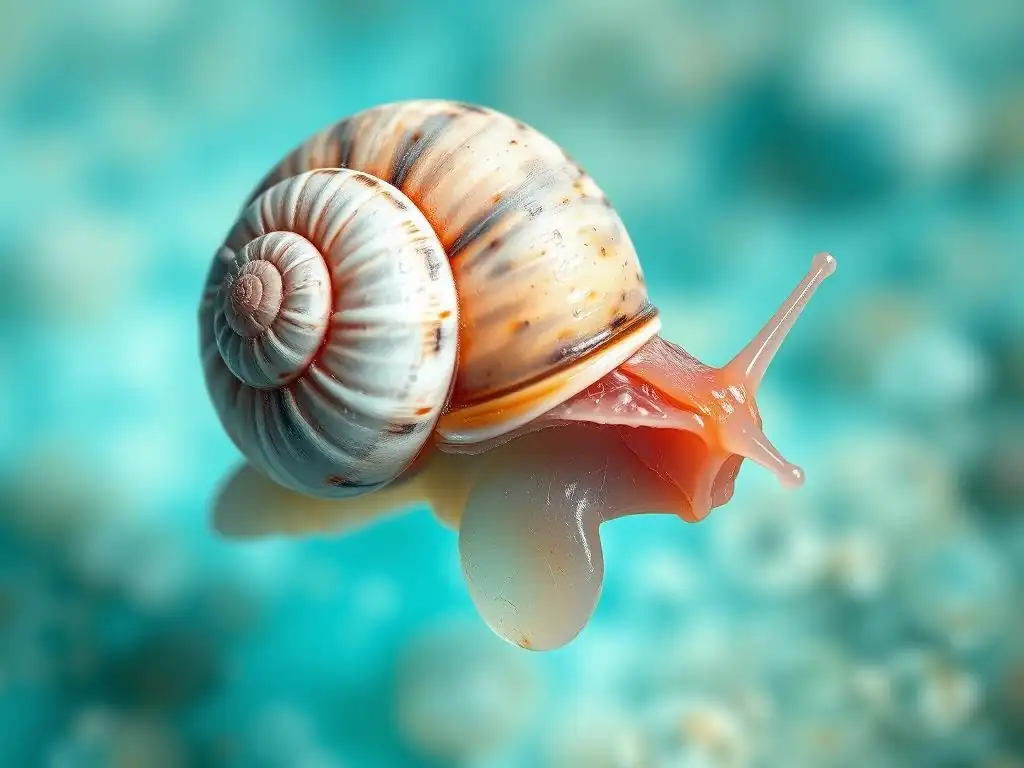
Turbo snails, particularly species like the Mexican Turbo Snail ( Turbo fluctuosa), are renowned for their voracious appetites and are widely considered among the best algae eating snails for saltwater reef and fish-only tanks. These robust grazers are highly effective at consuming large quantities of various algae, including diatoms, green film algae, and even some types of hair algae that can quickly overrun an aquarium.
Their relatively large size, often reaching 1.5 to 2 inches in diameter, allows them to cover significant surface areas quickly, making them exceptional at keeping tank glass, live rock, and substrate free of unsightly algal growth.
A common recommendation is to stock 1-2 Turbo snails per 10 gallons for effective algae control in a moderately stocked reef tank. Their powerful grazing action helps to prevent the establishment of nuisance algae, contributing significantly to the overall cleanliness and health of the marine ecosystem.
However, it's important to note their limitations; Turbo snails can sometimes dislodge corals or small frags due to their size and strong suction, and they are sensitive to sudden changes in salinity and temperature. They also have a tendency to flip onto their backs, especially on sandy substrates, and may require manual righting to prevent starvation.
Pros and Cons of Turbo Snails
Turbo snails offer significant advantages, primarily their unparalleled efficiency in consuming large quantities of algae. Their robust size allows them to clear vast areas of glass and rock quickly, making them highly effective against common film algae and diatoms. They are particularly adept at controlling green film algae, which can rapidly coat aquarium surfaces. Furthermore, their continuous grazing helps to reduce the need for manual scraping, saving aquarists considerable time and effort in tank maintenance. In a 75-gallon reef tank, a group of 5-7 Mexican Turbo snails can often keep the glass sparkling clean for weeks without intervention.
However, Turbo snails also come with certain drawbacks. Their larger size means they can accidentally knock over small coral frags or displace delicate aquascaping elements, especially in nano tanks or heavily aquascaped systems. They are also prone to getting stranded upside down, particularly on soft sandbeds, and if not righted promptly, they can perish.
Their lifespan in captivity can vary, with an average of 1-3 years, but they are highly sensitive to sudden drops in salinity or high nitrate levels, which can quickly lead to their demise. Another consideration is that they do not reproduce in typical home aquariums, meaning populations must be replenished through purchases.
Ideal Tank Size and Water Parameters for Turbo Snails
Given their active grazing habits and potential size, Turbo snails are best suited for established saltwater aquariums of at least 20 gallons, with larger tanks (50+ gallons) allowing them to truly thrive and contribute significantly to algae control. A general stocking guideline is one Turbo snail per 10-20 gallons, depending on the level of algae growth.
For instance, a 75-gallon reef tank might benefit from 4-7 Turbo snails, while a 120-gallon system could easily support 8-12, ensuring thorough coverage. They require stable water parameters to flourish, with a specific gravity of 1.023-1.026, a temperature range of 72-78°F (22-26°C), and a pH between 8.1-8.4.
Maintaining low levels of nitrates (ideally below 10 ppm) and phosphates (below 0.05 ppm) is crucial for their long-term health, as elevated nutrient levels can stress them. While they are primarily herbivores, they also benefit from the presence of healthy live rock, which provides additional grazing surfaces and micro-algae.
Adequate water flow is also important to ensure they can move freely and access all areas of the tank. Providing ample grazing surfaces is key; in tanks with minimal algae, supplemental feeding with marine-based seaweed or algae wafers may be necessary to prevent starvation, especially for the best algae eating snails that are so efficient.
Astrea Snails: Efficient Grazers for Glass and Rock
Astrea snails ( Astrea tecta and related species) are another popular choice among the best algae eating snails for saltwater aquariums, particularly valued for their conical shells and efficient grazing on glass and rock surfaces. Unlike Turbo snails, Astrea snails are typically smaller, reaching about 0.5 to 1 inch in diameter, which makes them less likely to knock over corals or disrupt aquascaping in smaller tanks.
They are excellent at consuming green film algae, diatoms, and even some initial stages of hair algae, making them a staple in many reef tank clean-up crews. Their smaller size allows them to navigate into tighter crevices and smaller areas that larger snails might miss.
Astrea snails are known for their strong suction power, enabling them to cling firmly to surfaces, even under strong flow. This characteristic also makes them less prone to getting stuck upside down compared to Turbo snails. They thrive in well-established reef environments with plenty of live rock for grazing and hiding. A common stocking density for Astrea snails is 1-2 per 10 gallons of tank volume, though this can be adjusted based on the specific algae load. For instance, a 40-gallon breeder tank might effectively utilize 4-8 Astrea snails to keep surfaces pristine.
Astrea Snail Diet and Compatibility
The primary diet of Astrea snails consists of various forms of microalgae, including diatoms, green film algae, and cyanobacteria (though they are not a definitive solution for cyano outbreaks). They are particularly effective at keeping tank glass and live rock free of a green or brown film. In a thriving reef tank with ample algae growth, they will find sufficient food.
However, in very clean tanks or those with a high density of other grazers, supplemental feeding with dried seaweed or algae wafers may be necessary to prevent starvation. They are generally considered reef-safe and compatible with most fish and invertebrate species, as they pose no threat to corals or other sessile invertebrates.
It is important to note that Astrea snails are sensitive to high nitrate levels and sudden fluctuations in salinity, similar to other marine invertebrates. They also do not tolerate copper-based medications, which are lethal to all invertebrates. While they are good at staying upright, if they do fall, they often struggle to right themselves on sandy substrates, so a watchful eye is beneficial. For a 50-gallon tank, a clean-up crew comprising 5-10 Astrea snails alongside other grazers like Nassarius snails for sandbed cleaning, offers a robust and diverse algae control solution.
Maintaining Optimal Conditions for Astrea Snails
Maintaining stable and appropriate water parameters is paramount for the health and longevity of Astrea snails. They thrive in typical reef tank conditions: specific gravity of 1.023-1.026, temperature range of 72-78°F (22-26°C), and a pH of 8.1-8.4. Low nitrate and phosphate levels are crucial, with nitrates ideally below 10 ppm and phosphates below 0.05 ppm, as elevated nutrients can stress them and shorten their lifespan. Adequate water flow is also beneficial, as it helps distribute food and oxygen and prevents stagnant areas where algae might proliferate unchecked.
Acclimation should be performed slowly using the drip method over 1-2 hours to minimize shock from changes in water chemistry. Once introduced, they will immediately begin grazing. While they are generally hardy once established, a consistent supply of algae is essential.
In tanks with very low algae, aquarists often supplement their diet with a small piece of dried nori (seaweed) clipped to a rock, ensuring the best algae eating snails continue to thrive and contribute to tank cleanliness. Providing varied grazing surfaces, such as live rock with intricate crevices, also helps ensure they have ample areas to explore and graze.
Nerite Snails: Versatile Algae Eaters for Various Aquarium Setups
Nerite snails ( Neritina natalensis and other Neritina species) are highly regarded as some of the best algae eating snails for both freshwater and saltwater aquariums due to their exceptional grazing abilities and hardy nature. They are particularly effective at consuming diatoms (brown film algae), green film algae, and green spot algae from tank glass, rocks, and even plant leaves without harming the plants themselves.
Their small size, typically ranging from 0.5 to 1 inch, allows them to navigate intricate aquascapes and reach areas larger snails might miss. A notable advantage is their inability to reproduce in freshwater, preventing population explosions, though saltwater species can lay eggs.
Nerite snails are also valued for their aesthetic appeal, coming in a variety of shell patterns and colors, including tiger, zebra, olive, and horned varieties. This makes them not just functional but also attractive additions to the clean-up crew. For instance, a 20-gallon freshwater planted tank might benefit from 3-5 Nerite snails to keep the glass and decor free of diatoms and green spot algae, significantly reducing manual cleaning efforts. They are generally peaceful and compatible with most non-aggressive fish and invertebrates.
Nerite Snail Varieties and Their Specific Algae Preferences
Nerite snails encompass a diverse group, with several popular varieties each offering unique aesthetic appeal and slightly varied grazing preferences. The Zebra Nerite (Neritina natalensis) and Tiger Nerite ( Neritina pulligera) are celebrated for their striking patterns and are excellent general grazers, highly effective against green film algae and diatoms on glass and hard surfaces.
The Horned Nerite ( Clithon sp. ), characterized by small horn-like protrusions on its shell, is smaller and particularly adept at navigating tight spaces and grazing on plant leaves without damaging them, making it an ideal choice for heavily planted tanks to combat green spot algae.
Olive Nerites ( Neritina reclivata) are plainer in appearance but equally efficient at consuming biofilm and diatoms. While all Nerite varieties are exceptional algae eaters, none are particularly effective against fibrous hair algae or stubborn Black Brush Algae; these typically require manual removal and addressing underlying nutrient imbalances. However, for the common nuisance algae that plague most aquariums, a diverse collection of Nerite snail varieties can provide comprehensive and continuous cleaning, making them some of the best algae eating snails for maintaining pristine tank conditions.
Preventing Nerite Snail Escape and Egg Laying Issues
While Nerite snails are excellent algae eaters, they do present a couple of common challenges: their tendency to escape and their persistent egg-laying habits. Nerite snails are notorious for their adventurous spirit and can often be found attempting to climb out of the aquarium, especially if water parameters are off or if food sources are scarce. To prevent escapes, it is crucial to have a tight-fitting lid with no significant gaps.
Even a small opening can be an invitation for these determined climbers. For example, a common escape route is through filter cutouts or heater wire openings, which should be sealed if possible.
Another common issue, particularly with female Nerite snails in both freshwater and saltwater setups, is the laying of small, hard, white, sesame-seed-like eggs. While these eggs are harmless and do not hatch in freshwater (as their larvae require brackish or saltwater to develop), they can be aesthetically unpleasing, as they firmly adhere to tank glass, rocks, and decor. In saltwater, they can hatch, but their microscopic larvae are typically consumed by filter feeders or removed by the filtration system.
To minimize egg visibility, some aquarists opt to purchase only male Nerite snails, though sexing them is nearly impossible without specialized knowledge. Regular scraping during tank maintenance can help remove the unhatched eggs from surfaces.
Cerith Snails: Detritus and Algae Consumers for a Balanced Ecosystem
Cerith snails ( Cerithium sp.), characterized by their elongated, spiral shells, are highly valued in saltwater aquariums for their dual role as effective detritus and algae consumers. Unlike some other best algae eating snails that primarily graze on surfaces, Cerith snails spend a significant amount of time sifting through the sandbed, consuming uneaten food, decaying organic matter, and various forms of microalgae, including diatoms and cyanobacteria (blue-green algae). This constant sifting activity helps to aerate the substrate, prevent the buildup of harmful anaerobic pockets, and break down waste, contributing to a healthier and more stable marine environment.
Their ability to burrow into the sand makes them excellent for maintaining a clean and healthy substrate, preventing detritus accumulation that can lead to nutrient spikes. A typical stocking density for Cerith snails is 1-2 snails per gallon for effective sandbed cleaning, though this can be adjusted based on the depth of the sandbed and the bioload. For instance, a 50-gallon reef tank with a 2-3 inch sandbed might benefit from 50-100 Cerith snails to ensure thorough substrate turnover and detritus consumption. They are generally considered reef-safe and peaceful, compatible with most fish and invertebrates.
The Role of Cerith Snails in Reef Tank Substrate Health
Cerith snails play a crucial, often underestimated, role in maintaining the health of a reef tank's substrate. Their natural behavior of burrowing and sifting through the sandbed is essential for preventing the accumulation of detritus and the formation of anaerobic zones. Detritus, composed of uneaten food, fish waste, and decaying organic matter, can quickly build up in the substrate, leading to elevated nitrate and phosphate levels if not managed. Cerith snails actively consume this detritus, breaking it down and cycling nutrients back into the water column in a more manageable form for corals and other filter feeders.
Beyond detritus, Cerith snails also graze on microalgae and cyanobacteria that grow on and within the sand, helping to keep the substrate visually appealing and free of unsightly films. Their constant movement aerates the sand, preventing the development of toxic hydrogen sulfide gas, which can be lethal to tank inhabitants. In a 75-gallon reef tank with a deep sandbed, a population of 75-150 Cerith snails can significantly reduce the need for manual sand stirring and contribute to a more stable and balanced nutrient export system, making them indispensable members of the best algae eating snails and clean-up crew.
Cerith Snail Reproduction and Lifespan
Cerith snails can reproduce in a home aquarium environment, which is a significant advantage as it helps maintain a self-sustaining population for ongoing detritus and algae control. They are gonochoristic, meaning there are distinct male and female individuals. Reproduction typically involves the female laying strands of eggs on hard surfaces within the tank, often resembling a string of tiny beads.
These eggs then hatch into microscopic planktonic larvae, which drift in the water column for a period before settling and developing into miniature snails. While many larvae may be consumed by corals or removed by filtration, enough often survive in mature, stable reef tanks to ensure a continuous supply of new snails.
The lifespan of Cerith snails in a well-maintained aquarium can range from 1 to 3 years, depending on water quality, food availability, and the presence of predators. Consistent water parameters, including stable salinity (1.023-1.026), temperature (72-78°F), and low nitrates (under 10 ppm), are crucial for their longevity. Providing a healthy sandbed with ample detritus and microalgae for grazing ensures they have a consistent food source. While they are relatively hardy, they are sensitive to sudden swings in parameters and copper-based medications, similar to other best algae eating snails and invertebrates.
Nerite Snails: A Freshwater Algae Control Option
Nerite snails are arguably the most popular and effective best algae eating snails for freshwater aquariums, highly prized for their voracious appetite for various types of algae without harming live plants. Unlike many other freshwater snails, Nerites do not reproduce in freshwater, meaning aquarists don't have to worry about uncontrolled population explosions. They are exceptionally good at consuming diatoms (brown algae), green film algae, and green spot algae from tank glass, rocks, driftwood, and plant leaves. Their relatively small size, typically 0.5 to 1 inch, allows them to navigate intricate planted aquascapes and reach tight spots.
Common freshwater varieties include Zebra Nerites, Tiger Nerites, Horned Nerites, and Olive Nerites, each offering unique shell patterns. A stocking density of 1-2 Nerite snails per 5-10 gallons is generally recommended, depending on the algae load. For instance, a 30-gallon planted tank might effectively utilize 3-6 Nerite snails to maintain pristine surfaces, significantly reducing the need for manual scrubbing. They are peaceful and compatible with most community fish, as long as the fish are not known snail predators.
Acclimation and Care Tips for Freshwater Nerite Snails
Proper acclimation is crucial for the successful introduction of freshwater Nerite snails to an aquarium, as they are sensitive to sudden changes in water parameters. A slow drip acclimation method, where tank water is slowly added to the snail's transport bag over 1-2 hours, is highly recommended to minimize shock. Once introduced, they thrive in stable freshwater conditions with a pH range of 6.5-8.0, a temperature of 72-78°F (22-26°C), and moderate hardness. While they are hardy once established, they are intolerant of copper-based medications, which are lethal to all invertebrates.
For ongoing care, a consistent supply of algae is essential. In tanks with low algae, supplemental feeding with algae wafers, blanched vegetables (like zucchini or spinach), or specialized snail food is necessary to prevent starvation. For example, in a 20-gallon tank with minimal natural algae, dropping half an algae wafer every other day can keep 3-4 Nerite snails well-fed.
It's also important to ensure a tightly fitting lid, as Nerite snails are notorious climbers and can escape the tank if given the opportunity. Providing a varied diet and stable water quality ensures these best algae eating snails remain active and effective.
Understanding Nerite Snail Algae Preferences
Nerite snails exhibit a strong preference for softer, film-like algae, making them exceptionally effective against common freshwater nuisances. They are primarily grazers of diatoms (brown film algae), which often appear in new tanks or those with excess silicates. Their powerful radula allows them to scrape away green film algae that coats glass and decorations. Furthermore, they are one of the few snail species that actively consume green spot algae, those hard, circular green dots that adhere stubbornly to tank glass and slow-growing plant leaves, making them invaluable for maintaining clear viewing panels.
However, it's important to understand their limitations. While they are among the best algae eating snails for general film algae, Nerite snails are not particularly effective against fibrous hair algae, string algae, or tough Black Brush Algae (BBA). These more resilient forms often require manual removal and addressing underlying issues such as nutrient imbalances or fluctuating CO2. They also do not consume green water (planktonic algae), as this type of algae is free-floating. Therefore, while Nerites are excellent for daily maintenance and preventing the buildup of common algae, they should be part of a broader algae management strategy.
Ramshorn Snails: Efficient Detritus and Algae Eaters
Ramshorn snails ( Planorbella spp.), named for their coiled, ram's horn-shaped shells, are common freshwater snails that serve as effective detritus and algae eaters in aquariums. While often introduced accidentally as hitchhikers on plants, they are increasingly kept intentionally for their beneficial roles. They primarily consume decaying plant matter, uneaten fish food, and soft film algae, including diatoms and green film algae. Their continuous grazing and scavenging help to keep the substrate clean and prevent the buildup of organic waste, contributing to better water quality.
Ramshorn snails are particularly useful in planted tanks, as they will readily consume decaying leaves without harming healthy plant tissue. They are also prolific breeders, which can be both a benefit and a drawback depending on the aquarist's goals. A typical population in a 20-gallon tank might range from a few dozen to hundreds if food is abundant. Their small size, usually 0.5 to 1 inch, allows them to navigate through dense plant growth and reach areas larger snails might miss, making them a good supplementary choice to the best algae eating snails like Nerites.
Controlling Ramshorn Snail Populations
The prolific breeding rate of Ramshorn snails is often a concern for aquarists, as their populations can quickly explode if not managed. This rapid reproduction is directly linked to food availability; an abundance of uneaten fish food, decaying plant matter, or excessive algae will lead to a surge in snail numbers. Therefore, the most effective method for controlling Ramshorn snail populations is to reduce their food source. This involves careful feeding of fish to prevent overfeeding, regular removal of decaying plant leaves, and consistent tank maintenance, including gravel vacuuming to remove detritus.
Manual removal is another common strategy; simply pick out snails from the tank during water changes or when visible. Snail traps, often baited with blanched lettuce or algae wafers, can also be used to collect large numbers for removal.
For example, placing a blanched lettuce leaf in the tank overnight can attract dozens of snails, which can then be easily removed in the morning. Introducing snail-eating fish, such as Assassin Snails ( Anentome helena) or certain loaches (e.g., Clown Loaches, though they require large tanks), can also help control populations, but this should be carefully considered based on tank size and compatibility with other inhabitants.
Benefits of Ramshorn Snails in Planted Tanks
Despite their reputation for overpopulation, Ramshorn snails offer several distinct benefits, particularly in planted freshwater aquariums. Their primary advantage lies in their role as efficient scavengers of decaying plant matter. They will readily consume leaves that are dying or melting, preventing this organic material from decomposing and polluting the water column. This helps maintain cleaner water and reduces the nutrient load that could otherwise fuel nuisance algae blooms. For instance, in a heavily planted 40-gallon tank, a healthy population of Ramshorn snails can significantly reduce the amount of manual trimming and leaf removal required.
Furthermore, Ramshorn snails actively graze on soft film algae, including diatoms and green film algae, contributing to overall tank cleanliness. Their constant movement through the substrate also helps to aerate it, preventing the formation of anaerobic pockets that can release harmful gases.
Their small size allows them to navigate dense plant growth and reach areas that larger best algae eating snails might not, ensuring more comprehensive cleaning. They also provide a natural food source for certain fish species, and their presence can indicate the health of the ecosystem – a booming population often signals overfeeding or excessive organic waste, prompting the aquarist to adjust their practices.
Mystery Snails: Larger Snails for Moderate Algae Consumption
Mystery snails ( Pomacea bridgesii), also known as Apple Snails (though distinct from the invasive Pomacea canaliculata), are popular freshwater snails appreciated for their relatively large size, vibrant colors, and moderate algae-eating capabilities. Reaching up to 2 inches in diameter, they are visually striking additions to an aquarium. While they do consume soft film algae, diatoms, and detritus, they are not as voracious algae eaters as Nerite snails or some other best algae eating snails. Their primary benefit lies in their ability to clean up uneaten food and decaying plant matter, contributing to overall tank cleanliness.
Mystery snails are peaceful and compatible with most community fish that are not known snail predators. They are also unique in that they are amphibious, often climbing out of the water to lay clutches of eggs above the waterline, which makes population control relatively easy as eggs can be removed. A typical stocking density is 1-2 Mystery snails per 10 gallons, though this can vary based on tank size and bioload. For example, a 20-gallon tank could comfortably house 2-3 Mystery snails to help with detritus and light algae.
Mystery Snail Care Requirements and Temperament
Mystery snails are relatively easy to care for, making them suitable for beginner aquarists, provided their specific needs are met. They thrive in stable freshwater conditions with a pH between 7.0-8.0, a temperature range of 68-82°F (20-28°C), and moderate to hard water (GH 8-18 dGH).
The presence of calcium in the water is crucial for healthy shell growth; if water is too soft, supplemental calcium (e.g., cuttlebone, crushed coral in the filter) may be necessary to prevent shell erosion. For instance, a 10-gallon tank with two Mystery snails might benefit from a small piece of cuttlebone to ensure adequate calcium.
Their temperament is peaceful, making them excellent tank mates for most community fish species. However, care should be taken to avoid housing them with known snail predators such as certain loaches (e.g., Clown Loaches, Yoyo Loaches) or pufferfish. Mystery snails are omnivores, consuming a varied diet of soft algae, detritus, and uneaten fish food. In tanks with insufficient natural food, their diet should be supplemented with algae wafers, blanched vegetables (like zucchini, cucumber, or spinach), and calcium-rich foods to ensure they remain healthy and active.
Recognizing Healthy Mystery Snail Behavior
Observing the behavior of Mystery snails can provide valuable insights into their health and the overall well-being of the aquarium. A healthy Mystery snail will be active, constantly moving around the tank, grazing on surfaces, sifting through the substrate, and exploring its environment. They should extend their siphon frequently, using it to breathe air from the surface or to draw in water for oxygenation.
Their antennae should be fully extended and twitching, indicating they are actively sensing their surroundings. For example, a healthy Mystery snail in a 10-gallon tank might spend several hours a day slowly traversing the tank glass, leaving a clear path behind it.
Conversely, signs of an unhealthy Mystery snail include prolonged inactivity, remaining retracted into its shell for extended periods, or falling from tank walls and remaining upside down without attempting to right itself. Shell problems, such as pitting, erosion, or abnormal growth, can indicate a lack of calcium or poor water quality. A snail that smells foul (like rotten eggs) when removed from the water is likely deceased. Regular monitoring of their activity, shell condition, and feeding habits ensures that these best algae eating snails are thriving and contributing effectively to the aquarium's ecosystem.
Matching the Right Snail to Your Specific Algae Problem
Dealing with Hair Algae: Best Snail Choices
Hair algae, characterized by its long, stringy, and often unsightly green strands, is a common nuisance in both freshwater and saltwater aquariums. While challenging to eradicate entirely with snails alone, certain species are more inclined to graze on it, particularly when the strands are short and new.
For saltwater tanks, Turbo snails (e.g., Mexican Turbo Snails) are often the most effective, as their powerful grazing action can sometimes pull at and consume shorter strands of hair algae, especially if other film algae is scarce. A group of 5-7 Mexican Turbo snails in a 75-gallon tank can help keep hair algae from becoming established.
In freshwater setups, while no snail is a silver bullet for dense hair algae, Florida Flagfish ( Jordanella floridae) are often a more effective biological solution than snails for this specific type of algae. Among snails, some larger Mystery Snails might occasionally graze on very fine, short strands if other food is scarce, but they are generally not considered primary hair algae eaters.
Manual removal (e.g., winding it around a toothbrush) combined with addressing the root causes—such as excessive nitrates and phosphates (e.g., performing 50% weekly water changes) or prolonged intense lighting (e.g., reducing light duration to 6-8 hours)—is crucial for long-term hair algae control, as snails primarily act as a preventative measure for initial growth.
Combating Diatoms: Effective Snail Solutions
Diatoms, commonly known as brown algae, appear as a dusty, brownish film that coats tank glass, substrate, and decorations. They are particularly prevalent in new aquariums during the cycling phase, typically within the first 1-4 weeks, as silicates leach into the water and beneficial bacteria populations establish. Fortunately, many species of best algae eating snails are exceptionally effective at consuming diatoms.
In saltwater tanks, Nerite snails, Astrea snails, and Turbo snails are all highly efficient grazers of diatom films. For example, a group of 3-5 Astrea snails in a 30-gallon reef tank can keep surfaces virtually free of brown film.
For freshwater aquariums, Nerite snails are unparalleled in their ability to eradicate diatoms from all surfaces, including plant leaves without harming them. Ramshorn snails and Mystery snails also readily consume diatoms, though perhaps less voraciously than Nerites. A combination of 3-5 Nerite snails in a 20-gallon freshwater tank can swiftly clear a diatom bloom. While snails can effectively manage diatoms, addressing the underlying cause—often excess silicates (from tap water or new substrate) and high nutrients—through routine water changes (e.g., 25% weekly) and proper filtration helps prevent their return, allowing the snails to maintain a perpetually clean environment.
Controlling Green Spot Algae: Snail Recommendations
Green spot algae (GSA) manifests as small, hard, circular green dots that firmly adhere to tank glass and slow-growing plant leaves. This type of algae is notoriously stubborn and often indicates low phosphate levels or inconsistent light. Among the best algae eating snails, Nerite snails are widely regarded as the most effective grazers for green spot algae in both freshwater and saltwater aquariums.
Their specialized radula allows them to scrape off these tough spots more efficiently than most other snail species. For instance, a single Nerite snail can meticulously clear a dozen green spot algae dots from a glass panel within a few hours.
In saltwater setups, while Nerite snails are excellent, some Astrea snails may also graze on green spot algae, particularly if other softer algae is scarce. However, their effectiveness is generally less pronounced than that of Nerites.
For a 50-gallon tank experiencing green spot algae, stocking 5-10 Nerite snails (or a combination of Nerites and a few Astreas in saltwater) can significantly reduce its prevalence. It's important to remember that while snails can help control GSA, addressing the underlying cause—such as ensuring adequate phosphate levels (e.g., maintaining 0.05-0.1 ppm in planted tanks) and optimizing light duration (e.g., 7-8 hours daily)—is key to preventing its reoccurrence.
Addressing Green Water Algae Blooms: Snail Limitations and Alternatives
Green water, characterized by a pervasive cloudy green tint throughout the aquarium water, is caused by a massive bloom of microscopic, free-floating algae (phytoplankton). Unfortunately, algae eating snails, regardless of species, are entirely ineffective against green water algae. Since this algae is suspended in the water column and not attached to surfaces, snails cannot graze on it. Attempting to use snails for a green water bloom would be futile and potentially lead to their starvation as they would have no accessible food source.
Effective solutions for green water primarily involve addressing the root cause, which is typically an excess of nutrients (nitrates and phosphates) combined with prolonged or intense lighting. Strategies include performing large, frequent water changes (e.g., 50% daily for several days), reducing light duration (e.g., to 4-6 hours), and minimizing feeding. The most effective and rapid solution for persistent green water is often the use of a UV sterilizer.
A properly sized UV sterilizer (e.g., a 9W UV unit for a 50-gallon tank) can clear green water within 3-5 days by killing the free-floating algal cells. While snails are not the answer for green water, once the bloom is cleared, the best algae eating snails can help prevent other types of algae from taking hold.
Introducing and Acclimating Algae-Eating Snails to Your Aquarium
Proper Acclimation Procedures for Snails
Proper acclimation is a critical step for the successful introduction of algae eating snails to any aquarium, whether freshwater or saltwater. Snails are highly sensitive to sudden changes in water parameters, particularly salinity, pH, and temperature. A rapid shift can cause severe osmotic shock, leading to stress, shell damage, or even death. The drip acclimation method is universally recommended as the safest and most effective approach. This involves slowly introducing tank water into the snail's transport bag or container over an extended period, allowing them to gradually adjust to the new water chemistry.
To perform drip acclimation, float the sealed bag containing the snails in the aquarium for 15-20 minutes to equalize temperature. Then, carefully open the bag and pour the snails and their original water into a clean container (e.g., a small bucket). Using airline tubing and an air valve, set up a slow drip from the main aquarium into the container, aiming for about 2-3 drips per second.
Allow the volume of water in the container to at least double, which typically takes 60-90 minutes, or longer for very sensitive species or significant parameter differences. Once acclimated, gently net the snails and place them directly into the aquarium, discarding the acclimation water to prevent introducing any potential contaminants.
Monitoring Snail Health and Behavior After Introduction
After introducing algae eating snails to your aquarium, continuous monitoring of their health and behavior is crucial for ensuring their long-term survival and effectiveness. Healthy snails should immediately begin exploring their new environment, actively moving across surfaces and grazing. For instance, a newly introduced Turbo snail should attach to the glass or a rock within minutes and start moving, leaving a clean trail behind it. Observe their activity levels; consistently inactive snails, or those remaining retracted in their shells for prolonged periods, may indicate stress, unsuitable water parameters, or insufficient food.
Pay close attention to their shells. A healthy snail shell should be intact, without pitting, erosion, or significant cracks. Shell problems can be a sign of low calcium levels in the water, which can be addressed by supplementing with calcium carbonate.
Also, be vigilant for any signs of predation, especially in tanks with known snail predators like certain fish species. If a snail flips onto its back, particularly on a soft substrate, gently right it to prevent starvation. Regularly checking the water parameters (pH, temperature, salinity for saltwater, nitrates, phosphates) and ensuring a consistent food supply (supplementing with algae wafers if natural algae is scarce) will help maintain a thriving snail population and ensure these best algae eating snails continue their valuable work.
Maintaining a Healthy Environment for Algae-Eating Snails
Providing Supplemental Food for Snails
While algae eating snails are primarily introduced to consume algae, it is crucial to provide supplemental food, especially in tanks where the natural algae growth is insufficient to sustain them. In very clean or well-established aquariums, algae levels might be too low to support a healthy snail population, leading to starvation and eventual demise.
This is particularly true for highly efficient grazers like Turbo and Nerite snails, which can quickly deplete their primary food source. For example, in a 50-gallon tank with only minimal film algae, a group of 5 Turbo snails could exhaust their food supply within a week.
To prevent starvation, offer a varied diet of algae wafers, blanched vegetables (such as zucchini, cucumber slices, or spinach), and specialized snail pellets. For marine snails, dried nori (seaweed) clipped to a rock or glass is an excellent supplement. These foods should be offered a few times a week, or as needed, based on the visible algae levels and the snails' activity.
Observing whether the snails readily consume the supplemental food will indicate if they are receiving adequate nutrition. A well-fed snail is a happy and effective snail, ensuring these best algae eating snails continue to contribute to a pristine environment.
Avoiding Chemicals Harmful to Snails
One of the most critical aspects of maintaining a healthy environment for algae eating snails is to strictly avoid the use of chemicals that are toxic to invertebrates. Snails, being invertebrates, are extremely sensitive to a wide range of medications and treatments commonly used for fish diseases. The most notable and universally lethal chemical for snails (and all invertebrates) is copper.
Copper-based medications, often used to treat parasitic infections like Ich (white spot disease) in fish, will quickly kill snails, crabs, shrimp, and corals. Therefore, if a fish in a tank with snails requires copper treatment, it must be moved to a separate quarantine tank.
Beyond copper, other medications containing active ingredients such as malachite green, formaldehyde, and certain antibiotics can also be harmful or fatal to snails. Even some water clarifiers or algae removers not specifically labeled "reef-safe" or "invert-safe" can pose a significant risk. Always read product labels carefully and, when in doubt, err on the side of caution.
For example, a 10-gallon quarantine tank for fish treatments is a wise investment to protect your snail clean-up crew. Opt for natural algae control methods and maintain stable water parameters to minimize the need for chemical interventions, thereby safeguarding your valuable best algae eating snails.
Troubleshooting Common Issues with Algae-Eating Snails
Snails Not Eating Algae: Possible Causes and Solutions
When algae eating snails appear to be inactive or not consuming algae, several factors could be at play. The most common reason is simply a lack of sufficient algae. Efficient grazers like Nerite or Turbo snails can quickly clear a tank, and once their primary food source is depleted, they may become less active or even starve.
In such cases, supplemental feeding with algae wafers, blanched vegetables (e.g., a slice of zucchini), or dried seaweed (nori) is essential. For instance, if a group of 5 Nerite snails in a 20-gallon tank has cleaned all visible algae, offering a small algae wafer every other day will keep them fed.
Another potential issue is unsuitable water parameters. Snails are sensitive to sudden fluctuations in salinity, pH, temperature, and high levels of nitrates or ammonia. Test your water parameters to ensure they fall within the ideal range for your specific snail species (e.g., stable salinity of 1.023-1.026 for marine snails, or pH 6.5-8.0 for freshwater Nerites).
High levels of pollutants can stress snails, making them lethargic. Lastly, the presence of predators (e.g., certain loaches, pufferfish, or aggressive crabs in saltwater) can stress snails, causing them to hide or become inactive. Identifying and addressing the underlying cause is crucial for encouraging your best algae eating snails to resume their valuable work.
Snail Shell Problems and How to Address Them
Snail shell problems are common indicators of underlying issues in the aquarium environment, primarily related to calcium deficiency or improper water parameters. Pitting, erosion, or a dull, brittle appearance of the shell often signify insufficient calcium or magnesium in the water, or a pH that is too low (acidic), which can dissolve the shell. Freshwater snails, particularly Mystery snails, are highly susceptible to shell erosion in soft, acidic water. For example, a Mystery snail in water with a KH below 4 dKH might start showing shell pitting within weeks.
To address shell problems, first test your water's pH, KH (carbonate hardness), and GH (general hardness). For freshwater snails, aim for a pH above 7.0 and a moderate to high GH (8-18 dGH) and KH (at least 4 dKH). Calcium supplements, such as crushed coral in the filter, cuttlebone placed directly in the tank, or liquid calcium additives, can help raise calcium levels.
For saltwater snails, maintaining stable alkalinity (8-12 dKH) and calcium (400-450 ppm) is crucial for robust shell growth. Providing calcium-rich foods, such as specialized snail pellets or blanched leafy greens, also contributes to shell health, ensuring your best algae eating snails remain strong and protected.
Predation on Snails: Identifying and Preventing Threats
Predation is a significant threat to algae eating snails in both freshwater and saltwater aquariums, and identifying potential predators is crucial for preventing losses. In freshwater tanks, certain fish species are known snail-eaters. Loaches, especially Clown Loaches ( Chromobotia macracanthus), Yoyo Loaches ( Botia almorhae), and Zebra Loaches ( Botia striata), are notorious for consuming snails, even larger ones like Mystery snails. Pufferfish, particularly dwarf puffers ( Carinotetraodon travancoricus), are also highly specialized snail predators. If you notice snail shells mysteriously empty or snails disappearing, these fish are often the culprits.
In saltwater environments, several invertebrates and fish can pose a threat. Aggressive crabs, such as certain emerald crabs or hitchhiker crabs that come on live rock, can prey on snails. Larger hermit crabs, especially those that outgrow their shells, may attempt to evict snails from theirs. Certain fish, like Triggerfish, Pufferfish, and some large wrasses, will also actively hunt and consume snails.
For instance, a Harlequin Tuskfish will easily crush and eat a Turbo snail. To prevent predation, research the compatibility of all tank inhabitants before introduction. If a predator is present, the only solution is often to remove the predator or relocate the snails to a separate, safer tank, ensuring your best algae eating snails can thrive without constant threat.
Conclusion: Achieving a Balanced Aquarium Ecosystem with Algae-Eating Snails
In conclusion, algae eating snails are indispensable members of any healthy aquarium clean-up crew, offering a natural, continuous, and effective solution for managing various types of nuisance algae. From the voracious grazing of Turbo and Nerite snails on glass and rocks to the sand-sifting prowess of Cerith snails, these invertebrates play a pivotal role in maintaining water quality, preventing detritus buildup, and enhancing the aesthetic appeal of both freshwater and saltwater setups. Their ability to consume algae without resorting to harsh chemicals makes them a preferred choice for environmentally conscious aquarists seeking sustainable solutions.
However, it is crucial to recognize that snails are not a standalone cure for severe algae outbreaks, which often point to underlying imbalances in the aquarium's ecosystem. Instead, they are most effective as part of a comprehensive algae management strategy that includes proper lighting, responsible feeding practices, regular water changes, and appropriate filtration.
By carefully selecting the best algae eating snails suited to your specific algae problem and tank type, ensuring their proper acclimation, providing supplemental nutrition when needed, and safeguarding them from harmful chemicals and predators, aquarists can cultivate a thriving, balanced, and visually stunning aquatic environment where both fish and invertebrates flourish.
Frequently Asked Questions
What are some of the best algae-eating snails for a freshwater aquarium?
Nerite snails are often considered among the best. They are highly effective at consuming various types of algae and won't reproduce in freshwater, preventing overpopulation issues.
How do I determine which algae-eating snail is right for my specific algae problem?
Consider the type of algae you're dealing with. Some snails, like Nerites, eat diatom algae and green spot algae, while others may be better at tackling hair algae. Researching the snail's diet will help.
Are there any algae-eating snails that are suitable for saltwater aquariums?
Yes, certain Turbo snails and Cerith snails are popular choices for saltwater tanks. They are effective at grazing on various algae types that commonly plague reef tanks, helping to maintain a clean and healthy environment.
What are the potential drawbacks of adding algae-eating snails to my aquarium?
Overpopulation can be a problem with some snail species if there isn't enough algae to sustain them. Also, some snails may be sensitive to changes in water parameters or medications.
How many algae-eating snails should I add to my aquarium to effectively control algae growth?
The number depends on the size of your tank and the severity of the algae problem. A general guideline is 1-2 snails per 5 gallons, but it's best to monitor algae levels and adjust accordingly to avoid starvation.
Final Reflection: The Silent Guardians of Our Aquariums
The information presented throughout this article underscores the crucial role algae-eating snails play in maintaining healthy and vibrant aquatic ecosystems. What began as a simple guide to choosing the best snails for specific algae problems has revealed a deeper truth: these often-overlooked creatures are essential partners in responsible aquarium keeping, contributing significantly to the balance and beauty of our underwater worlds.
This exploration has highlighted not just the practical benefits of these snails, but also their subtle yet profound influence on the aquarist's experience. Understanding the nuances of each species, their dietary preferences, and their impact on the tank's overall health fosters a deeper connection with the aquarium environment. As the renowned marine biologist Sylvia Earle once said, No water, no life. No blue, no green.
This quote reminds us that even within the confines of our aquariums, the health of the aquatic environment is paramount, and these snails are vital contributors to that health.
Now, as you consider the information presented, I encourage you to reflect on your own role as a steward of your aquarium. Choose wisely, observe carefully, and appreciate the silent work of these algae-eating snails. By understanding their needs and respecting their contribution, you not only create a healthier and more beautiful aquarium, but also cultivate a deeper appreciation for the delicate balance of nature itself.
Unleash a Snail Squad on Your Algae Woes!
Thanks for diving into the world of algae-eating snails! Hopefully, you’re now equipped to choose the perfect tiny cleanup crew for your aquarium. Now it’s time to take action and create a thriving, algae-free environment for your fishy friends.
Here's what you can do next:
- Identify your exact algae type using the guide and then choose the snail species most effective against it. Don't guess – get it right for optimal results!
- Join the Aquarium Mastery community forum and share photos of your algae. Get personalized recommendations from experienced aquarists.
- Experiment with different snail-to-tank ratios to find the perfect balance for your aquarium. Document your results and share your findings with other hobbyists.
What surprising algae-eating snail are you most excited to introduce to your aquarium, and why?