
Root Tabs Deep Dive: Targeted Nutrition for Heavy RootFeeding Plants

Welcome to Aquarium Mastery!
Ever wondered if your aquarium plants are really getting the nutrients they need? Dive in with us as we unravel the secrets of root feeding aquarium plants and explore how targeted nutrition can unlock vibrant growth and lush displays. Curious about the best way to deliver essential elements directly to their roots? Let's get started!
- Understanding Root Feeding in Aquarium Plants
- What are Root Tabs and How Do They Benefit Aquatic Plants?
- Choosing the Right Root Tabs for Your Aquarium Plants
- How to Use Root Tabs Effectively in Your Planted Aquarium
- Troubleshooting Common Issues with Root Tabs
- Optimizing Substrate for Root-Feeding Plants
- Advanced Techniques for Root Feeding Aquarium Plants
- Maintaining a Healthy Planted Aquarium with Root Tabs
- Frequently Asked Questions
- Final Reflection: Nourishing the Aquatic Ecosystem
- Unearth the Secrets to Thriving Aquatic Plants!
Understanding Root Feeding in Aquarium Plants
Why Root Feeding is Crucial for Some Aquatic Plants
Aquatic plants absorb nutrients primarily in two ways: through their leaves from the water column, and through their roots from the substrate. While many floating or epiphytic plants thrive on water column nutrients, a significant number of rooted species have evolved to primarily uptake essential minerals directly from the substrate.
This is because the substrate often provides a more stable and concentrated reservoir of certain elements compared to the fluctuating conditions of the water column. The root system of these plants acts not only as an anchor but also as a highly efficient organ for nutrient absorption, vital for their survival and robust growth.
Specific nutrients, such as iron (Fe), manganese (Mn), and phosphorus (P), are often less stable or less available in the water column due to various chemical reactions (e.g., precipitation at higher pH levels). However, these nutrients tend to bind effectively to substrate particles, making them readily accessible to plant roots.
For root feeding aquarium plants, the consistent supply of these elements from the substrate is crucial for fundamental biological processes, including chlorophyll production (iron), energy transfer (phosphorus in ATP), and overall cellular structure. Without adequate substrate nutrition, these plants will exhibit signs of deficiency, even if the water column is rich in other fertilizers.
Identifying Heavy Root-Feeding Aquarium Plant Species
Identifying heavy root-feeding aquarium plant species is key to successful planted tank management. Common examples include most Cryptocoryne varieties, such as Cryptocoryne wendtii, Cryptocoryne beckettii, and Cryptocoryne undulata, which are known for their strong root systems and reliance on substrate nutrients. Similarly, Echinodorus species, widely known as Amazon Swords or Red Flame Swords, are quintessential heavy root feeders that can grow quite large with proper substrate fertilization. Other examples include Vallisneria species (e.g., Jungle Val, Corkscrew Val) and Sagittaria subulata, which spread extensively via runners in the substrate.
Visual cues are often the best indicators of a plant's feeding preference. Heavy root-feeding aquarium plants will frequently show signs of nutrient deficiency, such as yellowing leaves (chlorosis), stunted growth, or even melting, despite regular liquid fertilization in the water column. When uprooting or replanting, their robust and extensive root systems are usually evident, often forming a dense network within the substrate. Many rosette-forming plants, whose growth crown is situated at the substrate level and from which leaves emerge directly, typically fall into the category of heavy root feeders, signaling their primary nutrient absorption pathway.
The Limitations of Water Column Fertilization for Root Feeders
Relying solely on water column fertilization proves insufficient for heavy root-feeding aquarium plants. Nutrients introduced into the water column can be rapidly consumed by fast-growing stem plants, absorbed by algae, or rendered unavailable due to changes in water chemistry, such as pH fluctuations or oxidation. For plants that primarily derive their sustenance from the substrate, these fluctuations and rapid depletions mean they simply won't receive their full nutritional requirements, leading to chronic deficiencies and poor growth. The stability and concentration of nutrients in the substrate cannot be replicated by intermittent liquid dosing alone.
Furthermore, the concept of nutrient partitioning highlights this limitation. While some nutrients are highly mobile within the plant and can be redistributed from older leaves to new growth, others, like iron, are less mobile.
If a root-feeding plant cannot absorb sufficient immobile nutrients from its preferred source (the roots), deficiencies will manifest, irrespective of the nutrient levels in the water column. For instance, a Cryptocoryne might display severe iron deficiency (characterized by pale or yellow new leaves) even if liquid iron is dosed regularly, because its root system is not effectively absorbing it from the substrate, which is its primary uptake mechanism.
What are Root Tabs and How Do They Benefit Aquatic Plants?
Root Tabs Explained: Composition and Nutrient Release
Root tabs are precisely formulated, concentrated, slow-release solid fertilizers specifically designed to be inserted into the aquarium substrate near the root systems of plants. Their typical composition includes a balanced blend of macro-nutrients such as Nitrogen (N), Phosphorus (P), and Potassium (K), often referred to as NPK, which are essential for overall plant health and growth. In addition, they contain a comprehensive array of micro-nutrients, including vital elements like Iron (Fe), Manganese (Mn), Boron (B), Zinc (Zn), Copper (Cu), and Molybdenum (Mo). These nutrients are typically bound within a clay or polymer matrix, which facilitates their controlled release.
The primary mechanism of root tab function is their slow, gradual dissolution. Once embedded in the substrate, these tabs are designed to break down over a period of weeks or even months, steadily releasing their nutrient payload directly into the surrounding substrate. This localized and sustained nutrient delivery ensures that root feeding aquarium plants have a continuous and stable supply of essential minerals precisely where their roots can efficiently absorb them. This targeted approach minimizes nutrient leaching into the water column, thereby reducing the risk of undesirable algae blooms that can be fueled by excess free-floating nutrients.
Benefits of Using Root Tabs for Aquarium Plant Growth
The primary and most significant benefit of using root tabs is the provision of targeted nutrition. By placing root tabs directly into the substrate near the root systems of root feeding aquarium plants, nutrients are delivered precisely where they are most efficiently absorbed. This localized delivery maximizes the uptake of vital minerals, leading to stronger, more extensive root development, significantly more robust plant growth, and vibrant coloration, particularly for species like Echinodorus (Amazon Swords) which are known to grow substantially larger and healthier when their substrate nutrient needs are met.
Beyond targeted nutrition, root tabs offer several secondary benefits. They can significantly reduce the reliance on frequent water column fertilization, potentially simplifying maintenance routines. Furthermore, by keeping nutrients primarily within the substrate, root tabs help to decrease the overall concentration of free-floating nutrients in the water, which in turn reduces the risk of widespread algae blooms. A single root tab can provide consistent, long-term nutrition for a heavy root feeder for an extended period, often ranging from 2 to 4 months, thereby reducing the frequency of intervention compared to daily or weekly liquid fertilizer dosing.
Comparing Root Tabs vs. Liquid Fertilizers for Root Feeders
Root tabs and liquid fertilizers serve distinct yet complementary roles in a planted aquarium. Liquid fertilizers are dissolved in the water column, providing broad nutrient availability suitable for plants that primarily absorb nutrients through their leaves, such as many stem plants (e.g., Rotala, Ludwigia) and epiphytes (e.g., Anubias, Bucephalandra). Root tabs, conversely, are solid, slow-release formulations designed to deliver concentrated nutrients directly and consistently to the root zone of substrate-bound root feeding aquarium plants. They are not mutually exclusive; rather, they form a comprehensive fertilization strategy when used together.
For true heavy root feeders, root tabs are often indispensable for achieving lush, healthy growth, as liquid fertilizers alone cannot provide the stable, concentrated substrate nutrition these plants require. For example, an Anubias nana, being an epiphyte, will thrive primarily on nutrients absorbed from the water column.
In contrast, a large Amazon Sword (an archetypal root feeding aquarium plant) will quickly deplete local substrate nutrients without regular root tab supplementation, leading to stunted growth and deficiencies even if ample liquid fertilizers are dosed into the water column. The choice between them, or the decision to use both, depends entirely on the specific plant species cultivated in the aquarium.
Choosing the Right Root Tabs for Your Aquarium Plants
Factors to Consider When Selecting Root Tabs
Nutrient Composition (NPK ratios) for Specific Plant Needs
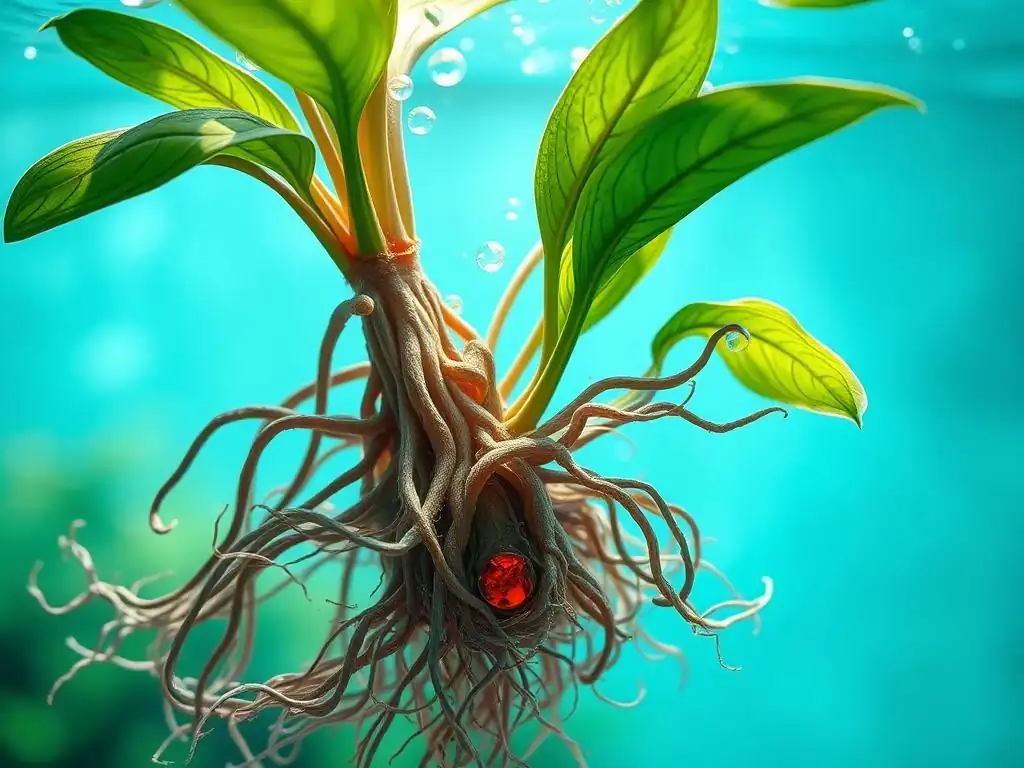
When selecting root tabs, understanding their nutrient composition, particularly the NPK (Nitrogen, Phosphorus, Potassium) ratios, is paramount. Nitrogen (N) is crucial for lush leafy growth, Phosphorus (P) supports robust root development and flowering, while Potassium (K) is vital for overall plant health and metabolic functions. Some root tabs are formulated to be NPK-heavy for general growth, while others might focus more on micro-nutrients. If your root feeding aquarium plants exhibit general stunted growth or pale leaves, a balanced NPK tab is typically an excellent starting point to address broad nutritional needs.
Beyond the primary NPK macronutrients, the specific micro-nutrient profile is also critical. Iron (Fe) is especially important for preventing chlorosis (yellowing between leaf veins) in many root feeding aquarium plants, particularly red-leaved varieties that require higher iron concentrations for vibrant coloration. Manganese (Mn), Boron (B), and other trace elements are also indispensable for various enzymatic functions. If you observe specific deficiency symptoms, such as new leaves turning pale or yellow, which often indicates an iron deficiency, selecting a root tab with a higher iron content or supplementing with iron-specific root tabs can provide targeted relief.
Release Rate and Longevity of Root Tabs
Different root tab brands and formulations offer varying release rates and, consequently, different longevities within the substrate. Some tabs are designed for a faster release, dissolving completely within a few weeks (e.g., 2-4 weeks), making them suitable for an initial boost or for plants with very high, immediate demands. Others are engineered for a much slower, sustained release, lasting for several months (e.g., 3-6 months), which is ideal for long-term nutrient provision and reduced maintenance frequency.
Consider your maintenance schedule and the specific needs of your root feeding aquarium plants when evaluating release rate and longevity. Faster-releasing tabs might be beneficial for newly planted tanks or to quickly address severe deficiencies. However, for a mature, heavily planted aquarium with numerous hungry root feeding aquarium plants, longer-lasting tabs are generally more practical and cost-effective over time. For example, a tab designed to last 4 months means you would only need to reapply approximately three times per year per plant, significantly streamlining your fertilization routine and ensuring consistent nutrient availability.
Substrate Compatibility: Gravel vs. Planted Tank Substrates
The effectiveness of root tabs is significantly influenced by the type of substrate in your aquarium. In an inert substrate like standard gravel, root tabs become the sole source of essential nutrients for your root feeding aquarium plants. In this scenario, it's crucial to select tabs that offer a comprehensive nutrient profile to compensate for the lack of inherent nutrients in the substrate itself. The gravel primarily provides an anchoring medium, with all nutrition coming from the tabs.
Conversely, in aquariums utilizing nutrient-rich planted tank substrates, such as aqua soil or laterite-based substrates, root tabs act as a powerful supplement. These specialized substrates provide an initial nutrient base and possess a high cation exchange capacity, allowing them to absorb and release nutrients.
Root tabs can then be used to replenish depleted areas or to provide an extra boost directly to particularly hungry root feeding aquarium plants, ensuring sustained growth. When using coarse gravel, ensure the root tab is buried deep enough (at least 1-2 inches) to prevent premature dissolution into the water column, which could lead to cloudiness or localized nutrient spikes.
Recommended Root Tab Brands and Products
Several reputable brands in the aquarium industry offer effective root tabs, each with slightly different formulations and benefits. Popular choices often include Seachem Flourish Tabs, widely recognized for their comprehensive blend of macro and micro-nutrients, making them a versatile option for a wide range of root feeding aquarium plants.
API Root Tabs are another well-known option, often favored for their accessibility and affordability, providing a good basic nutrient supply for many common species. Other notable brands include Dennerle NutriBasis 6in1 and Tropica Plant Growth Substrate Capsules, which are highly regarded by advanced aquarists for their specific formulations and proven effectiveness in supporting vigorous plant growth.
When selecting from these brands, it is highly recommended to conduct further research, read user reviews, and cross-reference with the specific nutrient requirements of your root feeding aquarium plants. For instance, while Seachem Flourish Tabs are a popular general-purpose choice, a hobbyist focusing on very demanding red plants might seek out a tab known for higher iron content, such as some specialized formulations from Tropica or Dennerle. Always scrutinize the ingredient list to ensure the product aligns with your plants' needs and to confirm its safety for any sensitive aquatic inhabitants, such as shrimp or snails.
How to Use Root Tabs Effectively in Your Planted Aquarium
Step-by-Step Guide: Inserting Root Tabs Correctly
Proper insertion of root tabs is crucial for their effectiveness and to prevent water quality issues. Begin by gently pushing aside any gravel or substrate to create a small pocket directly beneath or very close to the root ball of your root feeding aquarium plants. Long-handled tweezers are an invaluable tool for this, allowing precise placement without excessive disturbance. If tweezers are unavailable, using your fingers can also work, ensuring minimal disruption to the plant.
Once the pocket is made, place the root tab directly into it. The goal is to fully submerge and bury the tab, ideally 1 to 2 inches (2.5 to 5 cm) deep, directly under the plant's crown for larger individual plants. For smaller plants or clusters, position the tab centrally among them.
After placement, gently push the substrate back over the tab, ensuring it is completely covered. This prevents the tab from dissolving prematurely into the water column, which could cause temporary cloudiness or unwanted nutrient spikes that might fuel algae growth. Avoid disturbing the plant's roots more than necessary during this process.
Optimal Placement and Spacing of Root Tabs
Optimal placement and spacing of root tabs are key to providing efficient, targeted nutrition for your root feeding aquarium plants. For individual, large root feeders like a mature Amazon Sword ( Echinodorus amazonicus), placing one root tab directly beneath the plant's crown is typically sufficient.
This ensures the nutrients are absorbed directly by its extensive root system. For smaller plants that grow in clusters or spread via runners, such as Cryptocoryne species or Vallisneria, it is best to space the tabs every 3 to 4 inches (7.5 to 10 cm) within the planted area to ensure all plants in the clump have access to nutrients.
General spacing guidelines suggest one root tab per 4 to 6-inch (10 to 15 cm) radius for moderately planted areas. However, this can vary based on the density and size of your root feeding aquarium plants. While some overlap in nutrient zones is generally acceptable and even beneficial, avoid excessively clustering multiple tabs in a very small area, as this could lead to an overly concentrated nutrient spike in that specific spot. Strategic placement ensures that each plant receives adequate nutrition without wasting resources or creating localized imbalances.
Root Tab Dosage and Frequency: A Practical Guide
Adhering to the manufacturer's recommendations for root tab dosage and frequency is an excellent starting point. Most brands suggest re-dosing every 2 to 4 months. However, the exact timing should be adjusted based on the specific needs of your root feeding aquarium plants and their growth rate. Faster-growing or particularly large plants, such as a well-established Echinodorus bleheri, will deplete substrate nutrients more quickly and may require more frequent dosing, potentially every 6 to 8 weeks, to sustain their vigorous growth.
Continuously observing your plants is the most practical guide for determining re-dosing frequency. Signs of nutrient depletion in root feeding aquarium plants often include stunted new growth, pale or yellowing leaves (chlorosis), or the development of pinholes or browning edges on older foliage.
For example, if a large Echinodorus begins to show yellowing on its older leaves (a common sign of potassium deficiency) or new leaves appear stunted and pale (indicative of iron deficiency), it is a strong signal that it's time to insert a new root tab. Conversely, if your plants are thriving with vibrant coloration and robust growth, maintain your current schedule.
Recognizing Signs of Nutrient Deficiency or Overdose
Recognizing signs of nutrient deficiency in root feeding aquarium plants is crucial for timely intervention. Deficiencies often manifest on either older or newer leaves, depending on the nutrient's mobility within the plant. For instance, deficiencies in mobile nutrients like nitrogen, phosphorus, and potassium typically appear on older leaves first, causing yellowing, stunted growth, or pinholes. Immobile nutrient deficiencies, such as iron or manganese, usually affect new growth, leading to pale or yellowing new leaves. A common example is the "melting" phenomenon in Cryptocoryne species, which can sometimes be triggered by severe nutrient deficiency or environmental shock.
Overdose from properly used root tabs is far less common due to their slow-release nature. However, localized nutrient spikes can occur if tabs are not fully buried, allowing them to dissolve directly into the water column, or if too many tabs are placed in a very small area. This might lead to localized algae growth directly above the tab.
While true nutrient toxicity from root tabs is rare in sensitive plants, cloudiness immediately after insertion can indicate too rapid dissolution, suggesting the tab was not sufficiently buried. If such issues arise, ensuring proper burial and spacing for future applications is key.
Troubleshooting Common Issues with Root Tabs
Root Tab Clouding and Water Quality Concerns
Root tab clouding, often appearing as a milky or hazy sheen in the water, typically occurs when a root tab is not fully buried within the substrate. If the tab is exposed or too close to the substrate surface, it can dissolve directly into the water column rather than slowly releasing nutrients into the root zone. While generally harmless in small amounts and usually temporary, this cloudiness indicates inefficient nutrient delivery and a potential for localized nutrient spikes, which can be undesirable.
To effectively prevent clouding, always ensure that root tabs are deeply and completely buried within the substrate, ideally at least 1-2 inches deep, and fully covered by gravel or planted tank substrate. If clouding does occur, it will usually dissipate on its own within a few hours as the particles settle or are removed by mechanical filtration. A small water change (e.g., 10-20%) can also help to expedite the clearing process. Observing clouding after insertion serves as a clear indicator to be more diligent about fully encapsulating the root tab in the substrate during future applications.
Algae Blooms and Root Tabs: The Connection
Root tabs are primarily designed to deliver nutrients directly to the root zone, thereby minimizing the release of nutrients into the water column and, consequently, reducing the general risk of algae blooms. However, if a root tab is improperly inserted, such as being exposed to the water column or dissolving too rapidly, it can release a localized burst of nutrients, particularly phosphates or nitrates. This localized nutrient excess can indeed fuel algae growth directly above the tab or in its immediate vicinity, manifesting as a small patch of green or brown algae.
It is important to note that widespread algae blooms are far more frequently linked to overall nutrient imbalance in the water column, excessive light duration or intensity, or an accumulation of organic waste in the aquarium, rather than to properly used root tabs. If algae appears after root tab application, first re-evaluate your lighting schedule, ensure adequate CO2 levels (if applicable), and maintain rigorous overall tank cleanliness. Confirming that all root tabs are deeply and completely buried is crucial to prevent them from becoming a direct contributor to localized algae issues.
Root Tabs and Invertebrates: Are They Safe?
The vast majority of commercially available root tabs are formulated with the safety of common aquarium invertebrates in mind, including popular species like Cherry Shrimp ( Neocaridina davidi), Amano Shrimp ( Caridina multidentata), and various snail species (e.g., Nerite Snails, Mystery Snails). The slow, localized release mechanism of these tabs ensures that invertebrates are exposed to minimal concentrations of dissolved nutrients in the water column, as the nutrients are primarily absorbed by the root feeding aquarium plants.
Nonetheless, it is always prudent to check the specific safety information provided by the product manufacturer, especially if you house particularly sensitive invertebrate species. Very old or niche formulations of root tabs might occasionally contain higher levels of certain elements, such as copper, which can be toxic to shrimp at elevated concentrations.
However, if a root tab product is widely marketed for use in planted aquariums and does not carry specific warnings regarding invertebrate safety, it is generally considered safe. The targeted delivery of nutrients to the root feeding aquarium plants minimizes any direct risk to the water column inhabitants.
Optimizing Substrate for Root-Feeding Plants
Substrate Depth and Composition for Rooted Plants
For the optimal development and health of root feeding aquarium plants, a sufficient substrate depth is paramount. A minimum depth of 2 to 3 inches (approximately 5 to 7.5 cm) is highly recommended. This provides ample physical space for the roots to spread, establish a strong anchor, and effectively explore for nutrients. For larger, more demanding root feeders like mature Amazon Swords or expansive Crinum species, a deeper substrate of 4 inches (10 cm) or more can support even more vigorous growth and allow for deeper insertion of root tabs.
The composition of the substrate is equally crucial. While inert gravel can function as a medium when supplemented with root tabs, a dedicated planted tank substrate offers significant advantages. Substrates like aquasoil, laterite-based products, or nutrient-rich sands provide an initial base of essential nutrients and, crucially, possess a high cation exchange capacity (CEC). This CEC allows the substrate to temporarily bind and store nutrients from root tabs and other fertilizers, releasing them gradually to the root feeding aquarium plants as needed, creating a stable and fertile environment.
The Role of Substrate Additives in Root Development
Substrate additives play a significant role in enhancing root development and overall plant health, particularly for root feeding aquarium plants. Materials such as laterite, various types of clay (e.g., bentonite), or nutrient-rich sands can be strategically layered beneath the main substrate or thoroughly mixed into it during the initial setup. These additives act as long-term reservoirs for vital micronutrients, especially iron, which is often crucial for preventing chlorosis in many rooted species, and other trace elements. By enriching the substrate, they amplify the effectiveness of root tabs and provide a more sustained nutrient supply.
Some advanced hobbyists opt for a base layer of nutrient-rich terrestrial soil (suchs as organic potting soil, carefully processed) capped with a layer of inert gravel or sand. While this approach can create an incredibly fertile substrate, it requires meticulous setup to prevent anaerobic pockets, which can lead to the release of toxic compounds, and to minimize nutrient leaching into the water column. For most aquarists, commercially available substrate additives are a safer, more convenient, and equally effective method to ensure a nutrient-rich foundation for their root feeding aquarium plants, promoting robust root systems and vibrant foliage.
Avoiding Substrate Compaction and Promoting Root Health
Substrate compaction is a common issue that can severely impede root growth and nutrient uptake for root feeding aquarium plants. Over time, fine substrate particles can settle and pack tightly, or dense root systems themselves can contribute to compaction. This reduces the interstitial spaces within the substrate, limiting the flow of water, nutrients, and crucial oxygen to the roots. Periodically and very gently "fluffing" the substrate around established plants, without uprooting them, can help to alleviate compaction and restore some porosity.
Maintaining good substrate porosity is absolutely vital for ensuring adequate oxygen exchange to the roots. Anaerobic conditions—a lack of oxygen—can lead to root rot, where roots decay and become unable to absorb nutrients, and can also facilitate the production of toxic compounds like hydrogen sulfide (identifiable by a rotten egg smell). Using a varied substrate grain size, or incorporating a small amount of coarser gravel or porous media in the base layer, can help to maintain some inherent porosity and promote healthy, oxygenated conditions for the root systems of your root feeding aquarium plants.
Advanced Techniques for Root Feeding Aquarium Plants
Combining Root Tabs with Liquid Fertilizers: A Balanced Approach
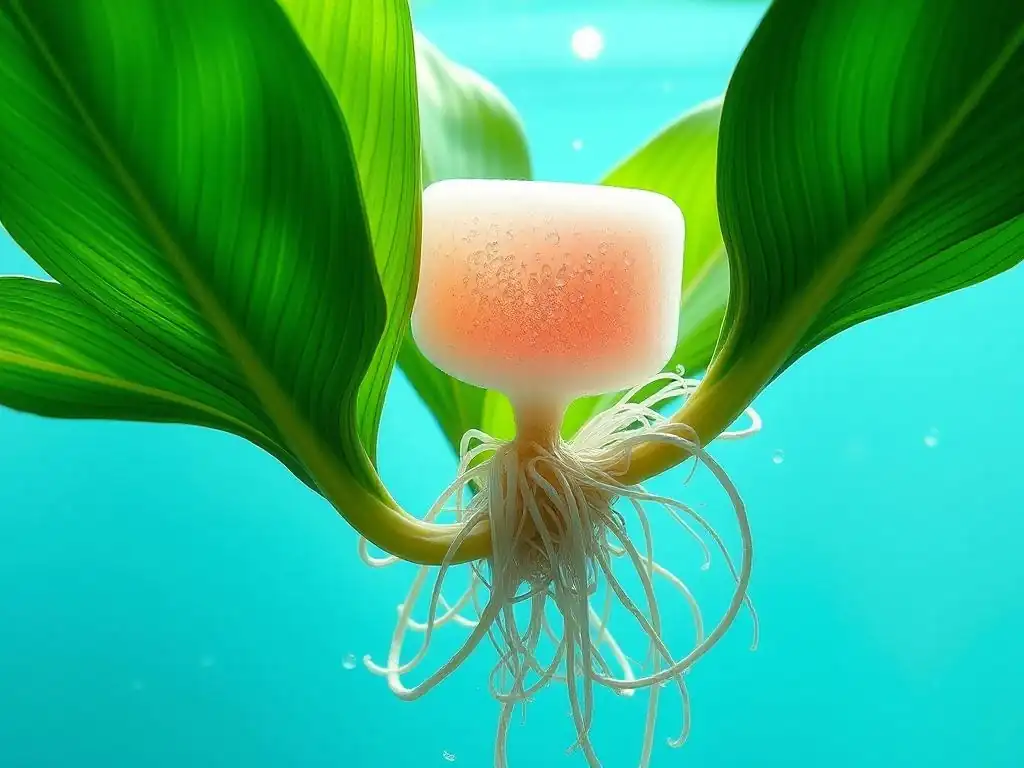
For a thriving, heavily planted aquarium, combining root tabs with liquid fertilizers often represents the most effective and balanced fertilization strategy. Root tabs specifically address the needs of root feeding aquarium plants by providing a stable, localized, and slow-release supply of essential nutrients directly to their root zones. Simultaneously, liquid fertilizers supply nutrients to plants that primarily absorb through their leaves (e.g., stem plants, epiphytes) and help maintain overall nutrient balance in the water column, ensuring that all plant types receive their required elements.
Consider an aquarium housing both a large Echinodorus (a classic root feeding aquarium plant) and a fast-growing Rotala species (a typical water column feeder). The Echinodorus will primarily benefit from the iron, phosphorus, and other trace elements delivered by the root tabs, leading to strong, healthy growth. Concurrently, the Rotala will thrive on nitrates, potassium, and other nutrients supplied via regular liquid fertilizer dosing. This synergistic approach ensures that every plant species in the aquarium receives its optimal nutrition, leading to a lush, vibrant, and balanced planted environment.
Using Root Tabs in Conjunction with CO2 Injection
CO2 injection dramatically boosts the photosynthetic rate of aquatic plants, leading to significantly accelerated growth. This increased metabolic activity, in turn, escalates the demand for all essential nutrients, including those absorbed by root feeding aquarium plants. In a high-tech, CO2-injected tank, plants metabolize nutrients far more rapidly than in low-tech setups, making a robust and consistent nutrient supply from both the water column and the substrate absolutely critical to prevent deficiencies.
Therefore, in aquariums with CO2 injection, the nutrient depletion rate in the substrate is much higher. Consequently, more frequent application or potentially higher doses of root tabs may be necessary for heavy root feeding aquarium plants to keep pace with their accelerated growth. For instance, while a low-tech tank might require root tabs every 3 months, a high-CO2 system with hungry Amazon Swords might necessitate re-dosing every 6 to 8 weeks to sustain their vigorous growth and prevent signs of nutrient deficiency. Monitoring plant health becomes even more critical in these dynamic setups.
DIY Root Tab Options
For the adventurous and budget-conscious hobbyist, creating DIY root tabs presents a cost-effective alternative to commercial products. Common materials used include bentonite clay (often found as unscented, additive-free cat litter), which provides a good binding agent and some trace minerals. Another popular ingredient is Osmocote Plus, a slow-release terrestrial fertilizer that contains a comprehensive blend of macro and micro-nutrients. Nutrient-rich garden soil, carefully processed to remove organic matter, can also be compacted into capsule form.
However, extreme caution is paramount when pursuing DIY root tab options. It is absolutely essential to ensure that all materials used are completely aquarium-safe and free from any harmful additives, such as perfumes, dyes, or pesticides often found in conventional cat litter or garden soil.
For instance, Osmocote Plus must be encapsulated (e.g., in empty gel capsules) to prevent its direct dissolution into the water column, as its high nutrient content can cause severe, widespread algae blooms if released freely. Thorough research, precise dosage, and careful testing in a controlled environment are crucial before introducing any DIY root tabs into your main aquarium.
Maintaining a Healthy Planted Aquarium with Root Tabs
Regular Water Changes and Nutrient Balance
Even with the targeted nutrition provided by root tabs, regular water changes remain an indispensable practice for maintaining a healthy planted aquarium. Performing consistent water changes, typically 20-30% weekly, helps to replenish essential trace elements that might not be comprehensively supplied by root tabs or liquid fertilizers, such as calcium and magnesium, which are vital for plant structure. Furthermore, water changes effectively remove accumulated waste products, dissolved organic compounds, and excess nutrients that could otherwise lead to imbalances or foster undesirable algae growth.
While root tabs primarily focus on substrate nutrients for root feeding aquarium plants, water changes contribute significantly to overall water quality and nutrient balance in the water column. They prevent the gradual buildup of certain elements to potentially toxic levels or the depletion of others through plant uptake and biological processes. Ultimately, regular water changes help to create a stable and pristine aquatic environment that supports the robust growth of all your plants, including heavy root feeders, and ensures the well-being of your fish and invertebrates.
Monitoring Plant Growth and Adjusting Root Tab Dosage
Continuous and diligent observation of your root feeding aquarium plants is the cornerstone of effective long-term fertilization. Pay close attention to the color, size, and rate of new leaf growth. Are your Cryptocoryne species maintaining their vibrant hues? Are your Echinodorus plants producing large, healthy new leaves regularly? Are older leaves showing any signs of yellowing, holes, or stunted development? These visual cues are your most reliable indicators for adjusting the frequency or quantity of root tab application.
If your plants are thriving with lush growth and no signs of deficiency, maintaining your current root tab dosage and schedule is appropriate. However, if growth slows noticeably, or if deficiency symptoms begin to appear (e.g., pale new leaves suggesting iron deficiency in a Vallisneria), it might be an opportune time for an earlier re-application of root tabs. Conversely, if you observe localized algae growth directly above a plant or an indication of excessive nutrient availability, you might consider slightly reducing the number of tabs or extending the re-dosing interval to find the perfect balance for your specific setup.
Long-Term Substrate Management for Root-Feeding Plants
Over extended periods, even the most nutrient-rich planted tank substrates can experience a gradual depletion of essential minerals, and inert substrates can accumulate significant amounts of organic detritus. For aquariums heavily stocked with root feeding aquarium plants, periodic replenishment of the substrate's nutrient content becomes necessary beyond the routine application of root tabs. While tabs provide targeted nourishment, the overall substrate matrix may require a broader nutrient boost over time to sustain vigorous long-term growth.
This long-term substrate management might involve more frequent or slightly increased liquid fertilizer dosing to encourage nutrient penetration into the substrate, or the strategic addition of more root tabs in areas of high plant density. In very long-established setups, typically after 5 years or more, hobbyists might consider a partial or even full substrate replacement during a major tank overhaul to completely refresh the nutrient base. Some also incorporate substrate refreshers or nutrient-rich powders, carefully mixed into the top layer of the substrate during deep cleaning sessions, to provide a sustained supply for their hungry root feeding aquarium plants.
Frequently Asked Questions
What are root tabs and why are they important for aquarium plants?
Root tabs are fertilizer supplements designed to be inserted into the substrate of an aquarium. They are important because they provide targeted nutrition directly to the roots of plants, especially those that are heavy root feeders.
How do I know if my aquarium plants need root tabs?
Look for signs of nutrient deficiency such as yellowing leaves, stunted growth, or poor color. Also, if you have plant species known to be heavy root feeders, like Echinodorus (Amazon Swords), they will likely benefit from root tabs.
How often should I replace root tabs in my aquarium?
The lifespan of a root tab varies depending on the brand and aquarium conditions, but generally, you should replace them every 1-3 months. Observe your plants for signs of nutrient deficiency to determine the optimal replacement schedule.
Where should I place root tabs in my aquarium?
Place root tabs directly under the root systems of your plants. Use tweezers or your fingers to gently push them into the substrate, ensuring they are completely buried to prevent nutrient leaching into the water column.
Can I use too many root tabs in my aquarium?
Yes, it's possible to overdose on root tabs. Using too many can lead to nutrient imbalances, which can promote algae growth and potentially harm your fish. Always follow the manufacturer's instructions and observe your tank closely.
Final Reflection: Nourishing the Aquatic Ecosystem
The journey into understanding root tabs and their impact on root feeding aquarium plants reveals more than just the science of fertilization; it highlights the delicate balance within our aquatic ecosystems. The ability to precisely deliver nutrients to the roots, bypassing the potential for algae blooms, showcases a mindful approach to aquascaping that resonates deeply with the growing awareness of sustainable practices in all aspects of life. This targeted approach isn't just about beautiful plants; it's about responsible stewardship.
This deep dive into root tabs has underscored the profound influence of informed choices on the health and vibrancy of our underwater worlds. Witnessing the flourishing of previously struggling plants, revitalized by targeted nutrition, is a testament to the power of understanding and applying the right techniques. The best time to plant a tree was 20 years ago. The second best time is now.
This ancient proverb, often applied to personal growth, rings true for aquascaping as well. The time to nurture your root feeding plants is now, ensuring a thriving ecosystem for years to come.
As you consider the information presented, I encourage you to reflect on your own aquascaping practices. Are you providing your root feeding plants with the targeted nutrition they need to truly thrive? Embrace the knowledge gained, experiment with root tabs, and witness the transformation in your aquarium. By nurturing the roots, you are nurturing the entire ecosystem, creating a vibrant and sustainable underwater world that brings joy and wonder to all who behold it.
Unearth the Secrets to Thriving Aquatic Plants!
Thank you for diving into the world of root tabs and their impact on planted aquariums. We hope you've gained valuable insights into providing targeted nutrition for your beloved aquatic plants. Now, let's put that knowledge to work!
Here are a few steps you can take right away:
- Analyze your aquarium's current plant nutrition strategy. Do you suspect your root feeders are lacking essential nutrients?
- Consult the Aquarium Mastery community forum and share your experiences or ask specific questions about selecting the best root tabs for your plants.
- Consider a before-and-after experiment: Document the growth of a specific plant before and after introducing root tabs and share your findings!
Ready to cultivate a lush, vibrant underwater garden?