
Creating Paradise: The Ideal Substrate for Rams, Apistos, & Kribs

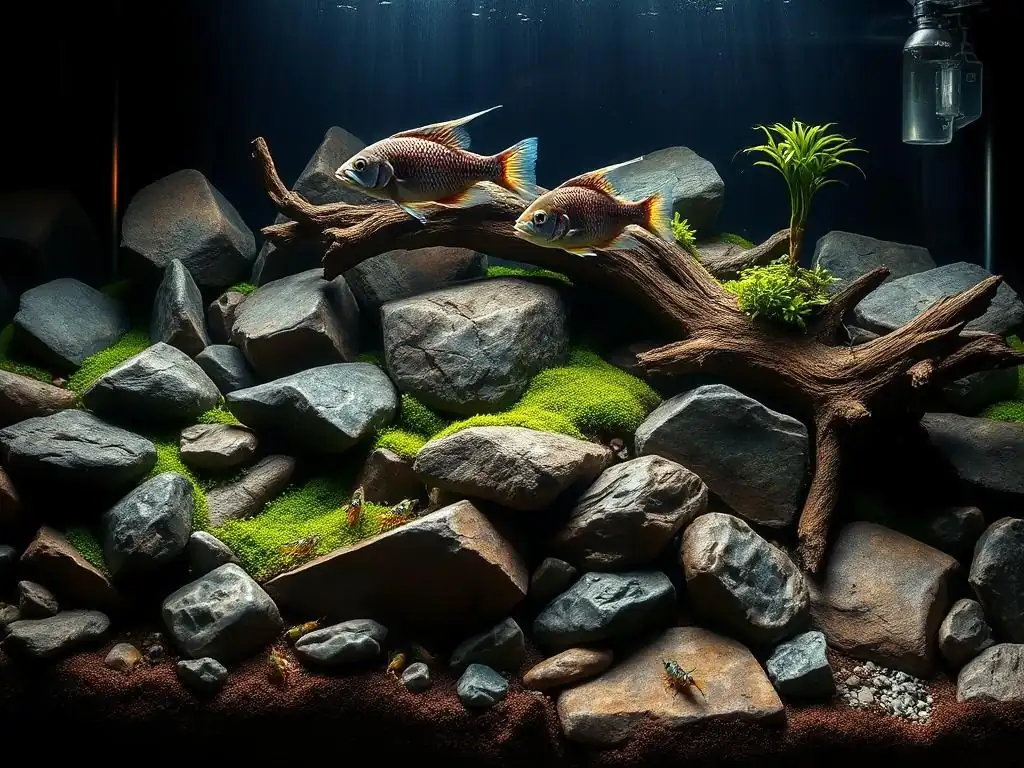
Welcome to Aquarium Mastery!
Ever wondered if you're giving your Rams, Apistos, and Kribs the underwater paradise they deserve? Discover the secrets to selecting the perfect substrate to unlock their vibrant colors and encourage natural behaviors. Dive in and learn how to create a thriving freshwater haven that will make your fish feel right at home!
- Understanding Substrate's Role in a Dwarf Cichlid Aquarium
- Choosing the Right Substrate for Your Rams, Apistos, and Kribensis
- Comparing Popular Substrate Options for Dwarf Cichlids
- Setting Up Your Substrate for Optimal Dwarf Cichlid Health
- Maintaining Your Substrate for a Healthy Dwarf Cichlid Aquarium
- Substrate and Tank Mates: Considerations for a Community Aquarium
- Troubleshooting Common Substrate Issues in Dwarf Cichlid Tanks
- Selecting the Best Substrate for Breeding Rams, Apistos, and Kribensis
- Conclusion: Achieving the Ideal Substrate for Thriving Rams, Apistos, and Kribensis
-
Frequently Asked Questions
- What is the best substrate for Rams, Apistos, and Kribs in a freshwater aquarium?
- Why is the substrate so important for these specific fish species?
- How does substrate affect water chemistry in an aquarium with Rams, Apistos, and Kribs?
- What substrate should I avoid when keeping Rams, Apistos, and Kribs?
- How often should I clean the substrate in an aquarium housing Rams, Apistos, and Kribs?
- Final Reflection: Cultivating Aquatic Harmony
- Unleash the Vibrant Colors of Your Fish!
Understanding Substrate's Role in a Dwarf Cichlid Aquarium
Why Substrate Matters for Rams, Apistogrammas, and Kribensis
The substrate in a dwarf cichlid aquarium is far more than just a decorative element; it's a foundational component that profoundly impacts the health, behavior, and overall well-being of species like Rams, Apistogrammas, and Kribensis. These captivating fish, hailing from diverse South American and West African aquatic environments, exhibit specific natural behaviors tied directly to their substrate. For instance, German Blue Rams ( Mikrogeophagus ramirezi ) and many Apistogramma species are renowned for their sifting behavior, meticulously sifting through fine substrate particles in search of micro-organisms and detritus, a crucial part of their foraging strategy.
Furthermore, the substrate provides essential security and territorial definition. Kribensis cichlids ( Pelvicachromis pulcher ), in particular, are cave spawners that will actively dig and excavate pits or tunnels within the substrate to create secure breeding sites. Similarly, Rams and Apistogrammas will often dig small depressions in the substrate where they lay eggs or herd fry. A suitable Rams apistos kribs substrate allows these fish to express these innate behaviors, reducing stress and promoting a more natural, thriving environment. Without the correct substrate, these behaviors are suppressed, potentially leading to increased stress, diminished health, and unsuccessful breeding attempts.
The Impact of Substrate on Water Chemistry for Dwarf Cichlids
The choice of substrate can significantly influence the water chemistry of your aquarium, a critical factor for the sensitive dwarf cichlids. Many Rams and Apistogrammas originate from soft, acidic blackwater environments with a pH typically ranging from 4.5 to 6.5 and very low hardness (GH below 5 dGH). Kribensis, while more adaptable, still thrive in slightly acidic to neutral water, usually with a pH between 6.0 and 7.5. Introducing substrates that leach minerals can drastically alter these parameters, often increasing pH and hardness, which is detrimental to these species.
For example, substrates containing crushed coral, aragonite, or limestone will dissolve over time, releasing calcium carbonate and magnesium, thereby raising both pH and general hardness (GH). This is why inert substrates like sand or specific types of gravel are highly recommended for a Rams apistos kribs substrate. Conversely, certain active substrates, such as buffered aquarium soils (e.g., ADA Aqua Soil), are specifically designed to absorb minerals and gradually release humic acids, effectively lowering and stabilizing pH within the acidic range, which can be ideal for many Apistogramma species and Blackwater Rams.
Substrate as a Biological Filter in Dwarf Cichlid Tanks
Beyond aesthetics and chemical influence, the substrate serves as a vital component of the aquarium's biological filtration system. The vast surface area provided by substrate particles offers an ideal habitat for beneficial nitrifying bacteria. These bacteria are essential for the nitrogen cycle, converting toxic ammonia (produced by fish waste and decaying matter) into less harmful nitrites, and then into even less harmful nitrates. A well-established bacterial colony within the substrate is crucial for maintaining stable and healthy water parameters, preventing ammonia and nitrite spikes that can be lethal to dwarf cichlids.
The effectiveness of the substrate as a biological filter depends largely on its type and depth. Porous substrates, such as certain types of gravel or specialized filter media, offer more surface area for bacterial colonization compared to very smooth or dense materials. While fine sand might seem less porous, its immense collective surface area due to countless tiny particles still provides significant biological filtration. However, overly deep or compacted sand layers can lead to anaerobic (oxygen-deprived) zones, where harmful bacteria can thrive and produce toxic hydrogen sulfide gas, necessitating careful management of your Rams apistos kribs substrate.
Choosing the Right Substrate for Your Rams, Apistos, and Kribensis
Gravel Substrates: Pros and Cons for Dwarf Cichlids
Gravel has long been a staple in aquarium setups due to its variety in color and size, and its relatively easy cleaning. For dwarf cichlids, choosing the right kind of gravel is paramount. The primary advantage of inert gravel (such as natural river gravel that doesn't affect water chemistry) is its stability and ease of vacuuming detritus from its surface.
It also provides good anchorage for rooted plants. However, a significant drawback for Rams, Apistogrammas, and Kribensis is that larger or sharp-edged gravel can injure their delicate mouths and barbels as they attempt to sift for food. Furthermore, detritus can settle deep within coarse gravel, becoming difficult to remove and potentially leading to nutrient build-up or anaerobic pockets if not diligently maintained.
Another consideration is that gravel, particularly coarser varieties, does not facilitate the natural digging and sifting behaviors that these cichlids exhibit. While Kribensis might still dig around larger rocks for spawning, Rams and Apistogrammas, which are natural sifters, will find it challenging to express this behavior, potentially leading to stress. If gravel is chosen for a Rams apistos kribs substrate, it must be smooth, rounded, and ideally no larger than 3-4mm to minimize the risk of injury and allow for some degree of natural interaction.
The Impact of Gravel Size on Ram, Apisto, and Kribensis Health
The size of gravel directly impacts the well-being of Rams, Apistos, and Kribensis. Larger gravel, typically anything above 5mm, can be problematic. The delicate mouths of German Blue Rams and Apistogramma species are not designed to sift through such large particles. Attempts to do so can result in abrasions, fin damage, or even internal injuries if they accidentally ingest sharp pieces. A study on fish mouth morphology indicated that species with protrusible mouths, common in sifting cichlids, are highly susceptible to injury from unsuitable substrates.
For Kribensis, while they are more robust diggers, very large gravel can impede their ability to excavate spawning caves or move substrate effectively. The ideal gravel size, if chosen over sand, would be fine, smooth, and rounded, typically between 2mm and 4mm. This size allows for better detritus removal compared to very fine sand, while still being gentle enough on the fish. However, even at this size, it may not fully satisfy the natural sifting instincts of Rams and Apistos, making sand a generally superior choice for a Rams apistos kribs substrate focused on species-specific behavior.
Sand Substrates: A Natural Choice for Dwarf Cichlids
Sand is arguably the most natural and beneficial substrate for Rams, Apistogrammas, and Kribensis. It closely mimics the fine, silty, or sandy bottoms found in their native habitats, allowing these fish to engage in their innate behaviors without risk of injury. The primary advantages of sand include its soft texture, which is gentle on delicate mouths and barbels, and its ability to prevent detritus from sinking deep into the substrate, making surface cleaning relatively straightforward. Furthermore, sand provides a stable base for rooted plants, especially when a nutrient-rich layer is placed beneath it.
While some aquarists worry about anaerobic pockets in sand, this risk is often overstated in a well-maintained aquarium with appropriate depth. Regular, gentle vacuuming of the surface and the presence of detritivores like Malaysian Trumpet Snails can effectively prevent compaction and ensure adequate oxygenation. The natural appearance of sand also enhances the aesthetic appeal of a dwarf cichlid tank, creating a visually harmonious environment that reflects their natural surroundings.
Benefits of Sand for Digging and Breeding Behaviors
The unique properties of sand make it exceptionally beneficial for the natural digging and breeding behaviors of Rams, Apistos, and Kribensis. German Blue Rams and various Apistogramma species are known for their characteristic "sand sifting" where they take mouthfuls of sand, filter out food particles, and expel the clean sand through their gills. This behavior is not just for feeding; it's also a form of natural enrichment and stress relief. A fine, inert sand, such as pool filter sand or specialized aquarium sand, allows them to perform this action effortlessly.
For breeding, sand is indispensable. Rams and Apistogrammas will often clear small depressions or pits in the sand to serve as spawning sites or temporary holding areas for their fry. Kribensis, being cave spawners, will actively dig around and inside ceramic caves, coconut shells, or rockwork, using the sand to secure their chosen breeding site.
The fine texture of sand allows them to manipulate the substrate with ease, constructing and maintaining their preferred territories. This ability to engage in natural breeding rituals significantly increases the likelihood of successful spawning and fry rearing, making sand an ideal Rams apistos kribs substrate for a breeding setup.
Soil Substrates: Creating a Planted Paradise for Dwarf Cichlids
Aquarium soil substrates, often referred to as active substrates or planted tank soils, are specifically engineered products designed to foster lush plant growth while also influencing water chemistry. These substrates are typically composed of fired clay or volcanic ash, processed into nutrient-rich granules. For dwarf cichlids, especially those like Apistogrammas and Rams that thrive in heavily planted environments with soft, acidic water, these soils offer significant advantages. They are rich in essential plant nutrients such as iron, potassium, and various trace elements, promoting robust root development and overall plant health.
Beyond their nutritional benefits for plants, many aquarium soils possess a crucial buffering capacity. They actively lower and stabilize the pH of the water, often into the acidic range (e.g., pH 5.5-6.5), and simultaneously reduce water hardness. This makes them an excellent choice for mimicking the blackwater conditions preferred by many South American dwarf cichlids. While generally more expensive than inert sand or gravel, the combined benefits of superior plant growth and optimal water chemistry for sensitive species often justify the investment for a dedicated planted dwarf cichlid tank.
Nutrient-Rich Substrates for Optimal Plant Growth
Nutrient-rich substrates are specifically formulated to provide a sustained release of essential macro and micronutrients directly to plant roots, leading to vibrant and healthy aquatic flora. Brands like ADA Aqua Soil Amazonia, Fluval Stratum, and Eco-Complete are prime examples.
These products contain a balanced blend of elements such critical for plant metabolism, such as nitrogen (in usable forms), phosphorus, potassium, iron, manganese, and zinc. For instance, ADA Aqua Soil Amazonia is known for its high humic acid content and nutrient load, which directly fuels the growth of demanding aquatic plants like Echinodorus species (Amazon Swords) and various Cryptocorynes, both excellent choices for dwarf cichlid tanks.
The benefits of optimal plant growth extend directly to the dwarf cichlids themselves. A densely planted tank provides abundant hiding spots, visual barriers, and territories, which significantly reduces stress and aggression among these often territorial fish. Healthy plants also contribute to water quality by absorbing nitrates and other waste products, acting as a natural biological filter. This symbiotic relationship between nutrient-rich Rams apistos kribs substrate, thriving plants, and healthy dwarf cichlids creates a more stable, natural, and aesthetically pleasing aquatic ecosystem.
Comparing Popular Substrate Options for Dwarf Cichlids
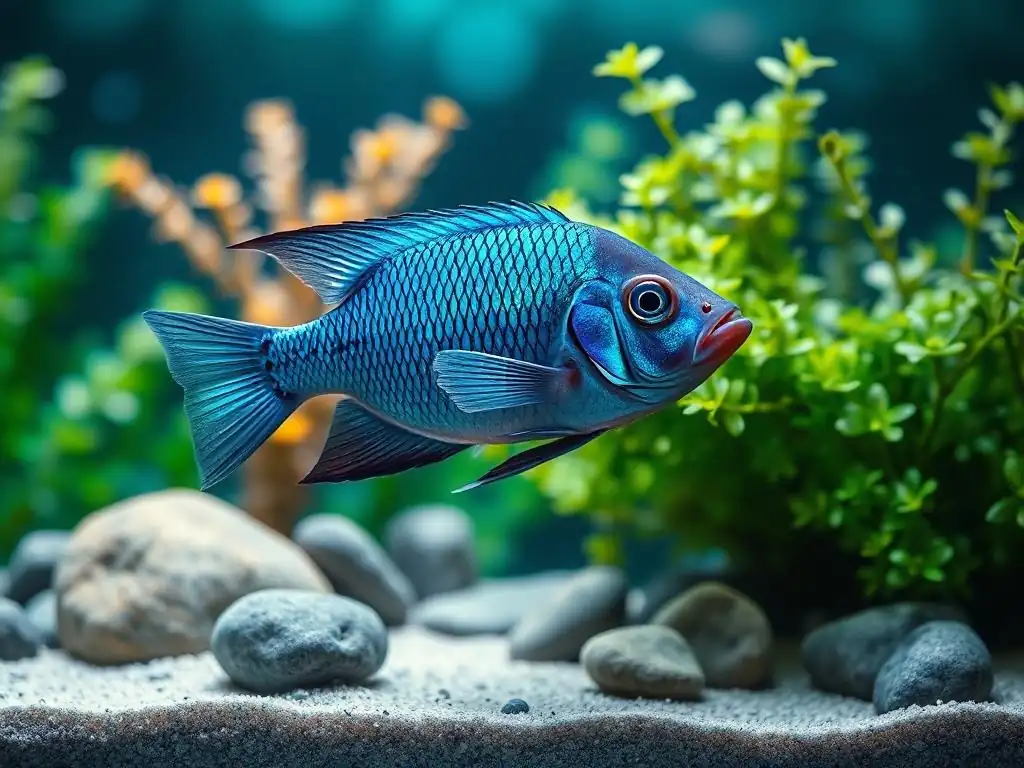
Eco-Complete vs. Flourite: Which is Better for Apistos?
When considering a planted tank for Apistogrammas, both CaribSea Eco-Complete and Seachem Flourite are popular choices, but they offer distinct characteristics. Eco-Complete is a mineral-rich volcanic basalt substrate, pre-charged with beneficial bacteria, making it an excellent base for immediate biological filtration. It's relatively lightweight and boasts a highly porous structure, providing ample surface area for bacterial colonization and root penetration.
Eco-Complete is inert, meaning it won't alter pH or hardness, making it suitable for Apistos that prefer stable, soft, and acidic water, especially when used in conjunction with a buffering active substrate or other pH-lowering methods. Its dark color can also enhance the vibrant coloration of Apistogrammas.
Flourite, on the other hand, is a porous clay gravel, rich in iron and other trace elements crucial for plant growth. It's denser and more durable than Eco-Complete, often lasting for many years without significant breakdown. Like Eco-Complete, Flourite is chemically inert and will not alter water parameters, maintaining the low pH and softness preferred by Apistos.
While both are excellent for rooted plants, some aquarists find Flourite to be dustier initially, requiring more thorough rinsing. For Apistogrammas, particularly those that sift, neither is ideal on its own; a cap of fine sand over either of these nutrient-rich substrates is often recommended to allow for natural behavior while still providing plant nutrition.
CaribSea Super Naturals vs. Pool Filter Sand: A Comparison for Rams
For German Blue Rams, a fine, soft substrate is paramount due to their sifting behavior and delicate mouths. CaribSea Super Naturals Moonlight Sand and Pool Filter Sand (PFS) are two excellent inert sand options. CaribSea Super Naturals is a premium aquarium-specific sand, often praised for its clean, uniform grain size and attractive natural appearance. It's pre-washed to minimize dust, meaning less rinsing is required before adding it to the tank, which is a significant convenience. Its smooth, fine texture is perfectly suited for Rams to sift through without risk of injury, allowing them to express their natural foraging instincts.
Pool Filter Sand (PFS) is a highly popular, cost-effective alternative. It is composed of uniformly sized, inert silica sand particles, typically 20-40 mesh (0.4-0.8mm). PFS is incredibly durable and will not alter water chemistry, making it ideal for Rams that require stable, soft, and slightly acidic to neutral water.
The main drawback of PFS is that it often requires extensive rinsing before use to remove fine dust particles that can cause prolonged cloudiness in the tank. Despite the extra preparation, its affordability and ideal texture for sifting fish make it a top contender for a Rams apistos kribs substrate, especially for budget-conscious aquarists. Both options provide the essential soft, fine substrate that Rams require for optimal health and behavior.
ADA Aqua Soil Amazonia vs. Controsoil: Kribensis Substrate Showdown
For Kribensis cichlids, particularly in a heavily planted setup where stable, slightly acidic conditions are desired, active soil substrates like ADA Aqua Soil Amazonia and Controsoil are excellent choices. ADA Aqua Soil Amazonia is renowned as the gold standard in planted aquariums. It is made from natural volcanic soil, rich in organic acids and nutrients, and is highly effective at buffering pH down to the acidic range (often between 5.5 and 6.5) and softening water.
This makes it ideal for Kribensis, which, while adaptable, thrive in slightly acidic to neutral conditions. Its dark color also helps to visually pop the vibrant colors of the Kribensis.
Controsoil, produced by Marfied, is another high-quality active substrate that offers similar benefits. It is also a granular soil that buffers pH down and provides ample nutrients for plant growth. Controsoil is often praised for its durability and resistance to breaking down into fine particles over time, a common concern with some active soils.
It also comes in various grain sizes and colors, offering more aesthetic flexibility. While both are excellent for promoting lush plant growth and maintaining optimal water parameters for Kribensis, ADA Amazonia is often chosen for its proven track record in establishing stable, acidic environments, whereas Controsoil provides a robust and slightly more versatile alternative for a Kribensis Rams apistos kribs substrate.
Setting Up Your Substrate for Optimal Dwarf Cichlid Health
Preparing Your Chosen Substrate Before Adding it to the Tank
Proper preparation of your chosen Rams apistos kribs substrate is a crucial step that can prevent significant headaches down the line, such as cloudy water or chemical imbalances. For inert substrates like sand or gravel, thorough rinsing is absolutely essential. This process removes fine dust, debris, and any manufacturing residues that could otherwise cloud your tank water for days or weeks. To rinse effectively, place small batches of the substrate into a clean bucket, fill it with water, and vigorously stir the substrate with your hand or a clean utensil.
Carefully pour off the cloudy water, being careful not to lose the substrate. Repeat this process multiple times until the water being poured off runs clear. For a 20-gallon tank using fine sand, this rinsing process might take 30-60 minutes, consuming several buckets of water.
Active substrates, such as ADA Aqua Soil or Fluval Stratum, generally require minimal to no rinsing. Rinsing these types of soils can wash away beneficial nutrients and fine particles that contribute to their buffering capacity. Instead, it's recommended to add them to the tank slowly and gently, then fill the tank very carefully to minimize disturbance. Placing a plastic bag or plate on the substrate before adding water can help disperse the incoming water flow and prevent excessive cloudiness.
Substrate Depth: How Much is Enough for Rams, Apistos, and Kribs?
The ideal substrate depth for a dwarf cichlid aquarium depends on several factors, including whether the tank is planted, the type of substrate, and the specific behaviors of your fish. A general recommendation for a standard community tank with dwarf cichlids is a depth of 2 to 3 inches (approximately 5 to 7.5 cm). This depth is usually sufficient to provide a good base for beneficial bacteria, allow for some natural digging by Kribensis, and offer enough material for Rams and Apistos to sift through.
For heavily planted tanks, particularly those with rooted plants like Swordplants or Cryptocorynes, a greater depth of 3 to 4 inches (7.5 to 10 cm) in specific areas can be beneficial. This provides ample space for root systems to develop and access nutrients. However, excessively deep substrate, especially fine sand or very dense gravel, can increase the risk of anaerobic pockets forming, where harmful gases like hydrogen sulfide can accumulate.
Maintaining a shallower depth in the front of the tank (1-2 inches or 2.5-5 cm) can also enhance visual aesthetics and make surface cleaning easier, while allowing for deeper pockets in the back or near hardscaping for Kribensis to excavate. The key is to balance the needs of your fish and plants with the practicalities of tank maintenance.
Substrate Layering: Enhancing Biological Filtration in Your Dwarf Cichlid Tank
Substrate layering is an advanced technique that can be employed to enhance biological filtration and provide specialized environments within your dwarf cichlid tank, though it requires careful consideration. One common layering approach involves placing a thin base layer of a nutrient-rich active substrate (like Fluval Stratum or Seachem Flourite) beneath an inert cap of fine sand or very fine gravel. This setup provides essential nutrients for rooted plants while offering a soft, sifting-friendly surface for Rams, Apistos, and Kribensis. The active substrate layer also contributes to biological filtration by providing a porous medium for beneficial bacteria.
Another method, less commonly recommended for beginners due to potential risks, involves creating deeper, oxygen-deprived zones for denitrification. This might involve a layer of coarser media (like lava rock or specialized filter media) beneath a fine sand cap.
While beneficial anaerobic bacteria can convert nitrates into nitrogen gas in these zones, improper execution can lead to large anaerobic pockets producing toxic hydrogen sulfide. For most Rams apistos kribs substrate setups, a single, appropriate substrate type (like fine sand) or a simple two-layer system (nutrient base + inert cap) is usually sufficient and safer for maintaining a healthy and stable environment.
Maintaining Your Substrate for a Healthy Dwarf Cichlid Aquarium
Regular Substrate Cleaning for Rams, Apistos, and Kribensis
Regular substrate cleaning is a non-negotiable aspect of maintaining a healthy aquarium for Rams, Apistogrammas, and Kribensis. Over time, fish waste, uneaten food, and decaying plant matter accumulate in the substrate, decomposing and releasing harmful ammonia and nitrites. A gravel vacuum is the primary tool for this task. For gravel substrates, plunge the vacuum directly into the gravel to dislodge and siphon out trapped detritus. Aim to clean about one-third to one-half of the substrate area during each weekly or bi-weekly water change to avoid disturbing the beneficial bacterial colonies too much.
When dealing with sand, a different approach is necessary to avoid sucking up large quantities of sand. Hover the gravel vacuum just above the sand surface, allowing the suction to lift the lighter detritus while the heavier sand grains fall back down. This method effectively removes surface debris without significantly disrupting the sand bed.
For a Rams apistos kribs substrate, especially fine sand, this gentle technique ensures a clean environment while preserving the integrity of the substrate and minimizing stress on the fish. Regular cleaning helps prevent the build-up of harmful compounds, reduces the risk of anaerobic pockets, and contributes to overall water quality.
Dealing with Anaerobic Pockets in Dwarf Cichlid Substrates
Anaerobic pockets are zones within the substrate that lack oxygen, often due to excessive depth, compaction, or insufficient water flow. These pockets are problematic because they create an environment where anaerobic bacteria thrive, producing highly toxic hydrogen sulfide gas, which smells like rotten eggs. Identifying these pockets is crucial: look for black spots or areas within the substrate, especially when disturbed, that release a foul odor. If left unaddressed, hydrogen sulfide can be released into the water column during substrate disturbance (e.g., during cleaning or plant relocation), potentially harming or even killing your fish.
To address and prevent anaerobic pockets in your Rams apistos kribs substrate, several strategies can be employed. Firstly, ensure your substrate depth is appropriate, generally no more than 3-4 inches (7.5-10 cm) for fine sand. Regular, gentle stirring of the top layer of sand with a chopstick or similar tool can help release trapped gases and promote oxygen exchange.
Introducing substrate-dwelling invertebrates like Malaysian Trumpet Snails (MTS) is highly effective, as they constantly burrow through the substrate, preventing compaction and aerating the lower layers. If you detect strong hydrogen sulfide odors, perform a partial water change immediately and gently aerate the affected area to dissipate the gas.
Preventing Substrate Compaction in Planted Tanks
Substrate compaction is a common issue in heavily planted aquariums, particularly those using fine-grained substrates like sand or nutrient-rich soils. Compaction occurs when substrate particles settle tightly together, reducing water flow and oxygen penetration, which can lead to anaerobic conditions and hinder root growth. Dense root systems from thriving plants can also contribute to this problem over time. Preventing compaction is key to maintaining a healthy and stable environment for your dwarf cichlids and plants.
One effective preventative measure is to periodically and gently agitate the top layer of your Rams apistos kribs substrate. This can be done carefully with a long-handled tool, such as aquarium tongs or a chopstick, being mindful not to disturb deep-rooted plants excessively. For sandy substrates, the introduction of Malaysian Trumpet Snails (MTS) is an excellent biological solution, as their constant burrowing naturally loosens the substrate.
When planting, avoid excessively dense planting in one area if compaction is a concern. Additionally, ensuring good water circulation throughout the tank helps to deliver oxygen to the substrate surface, further mitigating the risk of compaction.
Substrate and Tank Mates: Considerations for a Community Aquarium
Choosing Substrates Compatible with Corydoras and Other Bottom Dwellers
When designing a community aquarium that includes Rams, Apistogrammas, Kribensis, and other popular bottom-dwelling tank mates like Corydoras catfish, the choice of substrate becomes even more critical. Corydoras species, along with Kuhli loaches and certain types of snails, possess delicate barbels that they use to sift through the substrate for food. Coarse or sharp gravel can easily damage these sensitive structures, leading to infection, stress, and impaired foraging abilities.
For this reason, fine, smooth sand is overwhelmingly recommended as the ideal Rams apistos kribs substrate for a community tank featuring these bottom dwellers. The soft texture of sand allows Corydoras to sift and burrow naturally without injury, mimicking their natural habitat behavior. This compatibility is a significant advantage, as sand also meets the sifting and digging needs of Rams, Apistogrammas, and Kribensis. By opting for a fine sand, you create a harmonious environment where all inhabitants can thrive, forage naturally, and exhibit their full range of behaviors.
Plant Selection and Substrate Interactions in a Dwarf Cichlid Community Tank
The interaction between plant selection and substrate choice is fundamental in creating a balanced and aesthetically pleasing dwarf cichlid community tank. The type of substrate directly dictates which plants will thrive. For instance, heavily rooted plants like Amazon Swords ( Echinodorus spp.
), Cryptocorynes ( Cryptocoryne spp. ), and various stem plants require a nutrient-rich substrate or an inert substrate supplemented with root tabs to flourish. A base layer of active soil or a rich planting medium beneath an inert sand cap provides the ideal environment for these plants, which in turn offer crucial cover, visual breaks, and spawning sites for Rams, Apistos, and Kribensis.
Conversely, epiphytic plants such as Anubias ( Anubias spp.) and Java Fern ( Microsorum pteropus ), which absorb nutrients from the water column, are less dependent on the substrate and can be attached to driftwood or rocks. Floating plants like Frogbit or Dwarf Water Lettuce also thrive independently of the substrate, providing shade and helping to control algae. A well-chosen Rams apistos kribs substrate that supports a variety of plant types contributes significantly to water quality by absorbing nitrates, enhancing oxygenation, and creating a more natural, stable, and stimulating environment for your dwarf cichlids.
Troubleshooting Common Substrate Issues in Dwarf Cichlid Tanks
Cloudy Water Caused by New Substrate: Solutions and Prevention
Cloudy water after adding new substrate is a common issue, primarily caused by fine dust particles suspended in the water column. While frustrating, it's usually harmless and temporary. The best prevention is thorough rinsing of inert substrates like sand and gravel before adding them to the tank. For sand, rinse until the water runs clear when pouring it off. For active soils like ADA Aqua Soil, rinsing is generally not recommended as it can remove beneficial nutrients and fine buffering particles; instead, add these slowly and fill the tank very gently to minimize disturbance.
If your tank becomes cloudy after adding substrate, patience is key. The cloudiness will usually settle within 24-72 hours as your filter works. To accelerate the process, ensure your filter is running efficiently, and consider adding fine filter floss or a polishing pad to your filter media.
Performing a small partial water change (e.g., 10-20%) can also help, but avoid large water changes immediately after adding substrate, as this can stir up more particles. Do not add chemicals designed to "clear" water, as these can sometimes cause more harm than good to sensitive dwarf cichlids. A well-prepared Rams apistos kribs substrate will minimize initial cloudiness.
Algae Growth on Substrate: Controlling Outbreaks in Dwarf Cichlid Aquariums
Algae growth on the substrate is a common nuisance in aquariums and typically signals an imbalance in light, nutrients, or both. Common culprits include excessive lighting duration (more than 8-10 hours daily), too high light intensity, or an overabundance of nutrients (nitrates and phosphates) in the water column due to overfeeding or infrequent water changes. While some algae are natural, excessive growth can be unsightly and outcompete beneficial plants.
To control algae on your Rams apistos kribs substrate, first assess your lighting schedule and intensity. Reduce the photoperiod to 8-9 hours if it's longer. Ensure you're performing regular, consistent water changes (e.g., 25% weekly) to dilute excess nutrients.
Avoid overfeeding your dwarf cichlids, as uneaten food quickly breaks down into nitrates and phosphates. Introducing algae-eating invertebrates like Nerite snails or certain types of shrimp (if compatible with your dwarf cichlids) can also help keep the substrate clean. In severe cases, a blackout period (covering the tank for 2-3 days) can reset the algae growth, but the underlying cause must be addressed for long-term control.
Substrate pH Imbalance: Adjusting for Optimal Dwarf Cichlid Health
A substrate-induced pH imbalance can be detrimental to Rams, Apistogrammas, and Kribensis, as these species generally prefer stable, soft, and acidic to neutral water conditions. If your substrate is causing the pH to rise (e.g., if you mistakenly used crushed coral, limestone, or shell-containing gravel), the most direct solution is to remove and replace it with an inert alternative like fine sand or inert gravel. Continuously fighting a pH rise with chemical buffers can lead to unstable pH swings, which are far more stressful for fish than a consistently high pH.
Conversely, if your goal is to maintain a lower, more acidic pH (ideal for many Apistogrammas and German Blue Rams), an active substrate designed to buffer pH down, such as ADA Aqua Soil or Fluval Stratum, can be highly effective. These soils naturally lower pH and soften water over time.
For an inert Rams apistos kribs substrate, you might need to use other methods to lower pH, such as adding peat filtration to your filter, using RO/DI water remineralized to appropriate parameters, or adding Indian Almond Leaves to release tannins, which naturally lower pH and provide beneficial humic substances. Regular pH monitoring is crucial to ensure your chosen substrate and water parameters remain within the optimal range for your dwarf cichlids.
Selecting the Best Substrate for Breeding Rams, Apistos, and Kribensis
Substrate Texture and Spawning Behavior: Encouraging Breeding
The texture of the Rams apistos kribs substrate plays a pivotal role in encouraging natural spawning behaviors for these dwarf cichlids. German Blue Rams and many Apistogramma species are open spawners, preferring a smooth, flat surface or a slight depression in the substrate for egg deposition. Fine, soft sand is ideal for these species, as it allows them to easily excavate small pits or clear areas on the tank bottom where they will lay their eggs. The delicate texture of sand also prevents injury to the parents during spawning activity and is gentle on newly hatched fry.
Kribensis cichlids, on the other hand, are cave spawners, meaning they prefer to lay their eggs on the ceiling or walls inside a secluded cave or crevice. While the primary spawning site is the cave, the surrounding substrate is still critical. Kribs will often dig and rearrange the substrate around the entrance of their chosen cave to create a secure territory and a "moat" for their fry.
A fine sand or very smooth, small-grained gravel allows them to perform this essential digging behavior without difficulty. Providing a substrate that accommodates these specific preferences significantly increases the likelihood of successful breeding.
Creating Breeding Caves and Territories with Substrate
Beyond just the substrate type, its strategic arrangement can greatly enhance breeding success for Rams, Apistogrammas, and Kribensis by facilitating the creation of natural breeding caves and territories. For Kribensis, providing multiple suitable caves is essential. These can be ceramic cichlid caves, half coconut shells, small clay pots, or even carefully arranged smooth rocks that form a cave-like structure.
These caves should be partially buried or secured within the Rams apistos kribs substrate, allowing the Kribensis to dig around them and customize their preferred spawning site. Having more caves than breeding pairs helps to reduce aggression and provides alternative options.
For Rams and Apistogrammas, while they are open spawners, they still benefit from defined territories and secluded areas. Large, smooth, flat rocks or pieces of slate can be placed directly on a sandy substrate to provide ideal spawning surfaces. Additionally, broad-leafed plants like Anubias barteri or even a large Indian Almond Leaf placed on the sand can serve as a natural spawning site.
The surrounding sand allows these fish to clear a small area around their chosen spot, further defining their territory and protecting their eggs and fry. The right combination of substrate and hardscaping creates the secure, private spaces that encourage these dwarf cichlids to spawn.
Conclusion: Achieving the Ideal Substrate for Thriving Rams, Apistos, and Kribensis
Key Takeaways for Choosing and Maintaining the Right Substrate
Selecting and maintaining the ideal Rams apistos kribs substrate is a cornerstone of successful dwarf cichlid keeping, profoundly impacting their health, behavior, and breeding success. The most crucial takeaway is that a fine, soft, and inert substrate, predominantly sand, is generally the superior choice. This allows Rams and Apistogrammas to engage in their natural sifting and foraging behaviors without risking injury to their delicate mouths and barbels. For Kribensis, fine sand or very smooth, small-grained gravel facilitates their essential digging and cave-building activities, which are vital for spawning.
Beyond texture, the substrate's impact on water chemistry is paramount; inert options ensure stability, while specific active soils can buffer pH down, creating ideal conditions for heavily planted tanks and sensitive species. Regular maintenance, including gentle vacuuming of the substrate surface and addressing potential issues like anaerobic pockets, is non-negotiable for preventing harmful chemical build-ups and maintaining a pristine environment. By prioritizing the natural needs and behaviors of these captivating dwarf cichlids, and diligently managing their substrate, aquarists can create a thriving, vibrant, and truly paradisiacal home for their Rams, Apistogrammas, and Kribensis.
Frequently Asked Questions
What is the best substrate for Rams, Apistos, and Kribs in a freshwater aquarium?
The ideal substrate is typically fine sand or small gravel, mimicking their natural habitat. This allows them to sift through the substrate for food and exhibit natural behaviors.
Why is the substrate so important for these specific fish species?
Rams, Apistos, and Kribs are bottom-dwelling fish, and the substrate directly impacts their well-being. Incorrect substrate can cause stress and injury to their delicate barbels.
How does substrate affect water chemistry in an aquarium with Rams, Apistos, and Kribs?
Certain substrates can alter water parameters. Avoid substrates that significantly raise pH, as Rams, Apistos, and Kribs prefer slightly acidic water conditions.
What substrate should I avoid when keeping Rams, Apistos, and Kribs?
Avoid coarse gravel or substrates with sharp edges, as these can injure their barbels and fins. Also, steer clear of substrates that significantly increase water hardness.
How often should I clean the substrate in an aquarium housing Rams, Apistos, and Kribs?
Regularly vacuum the substrate during water changes to remove debris and prevent the buildup of harmful substances. Aim for a thorough cleaning every 2-4 weeks, depending on the bioload.
Final Reflection: Cultivating Aquatic Harmony
The detailed exploration of substrate selection for Rams, Apistos, and Kribs underscores a fundamental truth: successful aquascaping is about more than just aesthetics; it's about creating a thriving ecosystem. Understanding the specific needs of these delicate fish and tailoring their environment accordingly directly impacts their health, breeding success, and overall well-being. This attention to detail transforms a simple aquarium into a vibrant, miniature paradise.
This journey into the world of substrate has profoundly influenced my own approach to fishkeeping, highlighting the interconnectedness of every element within the aquarium. It's a constant reminder that our choices, however small, have significant consequences for the lives we nurture. The best aquarium is not just a tank, but a carefully crafted ecosystem where every element supports the others.
This quote encapsulates the essence of responsible fishkeeping and the importance of understanding the delicate balance we strive to create.
As you consider the information presented here, I invite you to reflect on your own aquascaping practices. Are you truly creating an environment that caters to the specific needs of your fish, or are you simply focusing on visual appeal? Take the time to research, experiment, and observe. By embracing a more holistic approach, you can unlock the full potential of your aquarium and witness the remarkable beauty and resilience of these captivating creatures. Let's all strive to cultivate aquatic harmony, one carefully chosen grain of substrate at a time.
Unleash the Vibrant Colors of Your Fish!
Thank you for diving deep into the world of substrate selection! Now that you're equipped with the knowledge to create the perfect environment for your Rams, Apistos, and Kribs, let’s turn that knowledge into action. Here's how you can take your aquarium to the next level:
- Start Planning Your Dream Substrate! Don't wait – sketch out your ideal aquascape now, considering the needs of your specific fish.
- Explore alternative, natural substrate options like leaf litter or alder cones to further enhance your aquarium's ecosystem.
- Share your substrate success (or learning experiences!) with other aquarists in online forums. You might just inspire someone!
What unique substrate material are you most excited to experiment with in your aquarium?