
Dwarf Cichlids & Tetras: A Perfect Match or Recipe for Disaster?

Welcome to Aquarium Mastery!
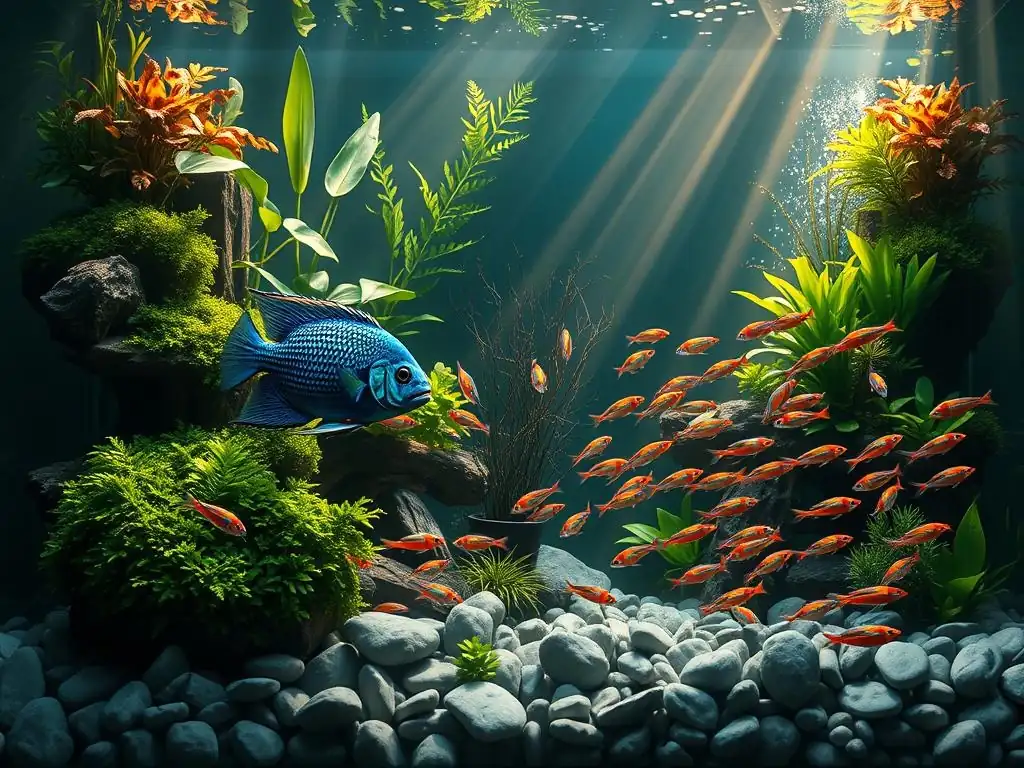
Ever wondered if those vibrant dwarf cichlids can truly coexist peacefully with the dazzling schools of tetras you've always dreamed of? It's a question every aquarist asks themselves! Dive in as we explore the intricate dynamics of dwarf cichlid tetra compatibility, uncovering the secrets to creating a harmonious and thriving freshwater ecosystem. Can these seemingly disparate species truly thrive together? Let's find out!
- Understanding Dwarf Cichlid Temperament and Tank Requirements
- Tetra Compatibility with Dwarf Cichlids: A Species-Specific Guide
- Factors Influencing Dwarf Cichlid Tetra Compatibility
- Successfully Integrating Dwarf Cichlids and Tetras: A Step-by-Step Approach
- Troubleshooting Dwarf Cichlid and Tetra Compatibility Issues
- Choosing the Right Tetra Species for Your Dwarf Cichlid: Key Considerations
- Long-Term Care for Dwarf Cichlid and Tetra Communities
- Dwarf Cichlid Tetra Compatibility: Expert Tips and Tricks
- Conclusion: Achieving Harmony in Your Dwarf Cichlid and Tetra Tank
-
Frequently Asked Questions
- Can dwarf cichlids and tetras coexist peacefully in the same aquarium?
- What tank size is recommended for keeping dwarf cichlids and tetras together?
- Which tetra species are generally considered safe to keep with dwarf cichlids?
- What type of tank setup is ideal for a dwarf cichlid and tetra community tank?
- What are the key signs of incompatibility between dwarf cichlids and tetras?
- Final Reflection: Harmony in the Aquarium
- Unleash the Beauty: Plan Your Tetra & Dwarf Cichlid Paradise!
Understanding Dwarf Cichlid Temperament and Tank Requirements
Exploring the Diverse World of Dwarf Cichlids: Apistogramma, Rams, Kribensis
Dwarf cichlids encompass a fascinating array of species, each with unique characteristics that influence dwarf cichlid tetra compatibility. Among the most popular are the Apistogramma species, such as Apistogramma cacatuoides (Cockatoo Dwarf Cichlid) and Apistogramma agassizii. These fish typically reach a size of 2-3 inches (5-7.5 cm) and are known for their intricate social structures and striking coloration. While generally territorial, especially males defending their breeding caves, their aggression is usually directed at conspecifics rather than other fish, making them good candidates for community tanks when appropriately stocked.
Rams, including the vibrant German Blue Ram ( Mikrogeophagus ramirezi) and the hardier Bolivian Ram ( Mikrogeophagus altispinosus), are another beloved group. German Blue Rams are smaller, usually around 2-2.5 inches (5-6.5 cm), and are renowned for their intense blue, red, and yellow hues. They are peaceful but delicate, requiring pristine, soft, and acidic water. Bolivian Rams, growing slightly larger to 2.5-3 inches (6.5-7.5 cm), are more tolerant of varying water conditions and are generally more robust. Both types of Rams exhibit territorial behavior, particularly during breeding, which is a key consideration for dwarf cichlid tetra compatibility.
Kribensis cichlids ( Pelvicachromis pulcher) originate from West Africa and are notably more robust and somewhat larger, reaching up to 4 inches (10 cm). They display beautiful purples and yellows, especially when breeding. Kribensis are generally peaceful but can become quite aggressive and territorial when guarding eggs or fry, often displaying intense protective instincts. Their hardiness makes them a popular choice, but their potential for increased aggression during spawning periods necessitates careful consideration of tank mates to ensure harmonious dwarf cichlid tetra compatibility.
Ideal Tank Conditions for Dwarf Cichlids: Water Parameters, Substrate, and Decor
Creating the ideal environment is paramount for the health and temperament of dwarf cichlids, directly impacting dwarf cichlid tetra compatibility. Most dwarf cichlids, particularly Apistogramma and German Blue Rams, thrive in soft, acidic water with a pH range of 5.5-7.0 and a general hardness (GH) of 2-8 dGH. Bolivian Rams and Kribensis are more adaptable, tolerating pH levels up to 7.5 and slightly harder water (GH up to 12 dGH).
Consistent water temperature between 75-82°F (24-28°C) is generally preferred, with German Blue Rams favoring the warmer end of this spectrum. Stable water parameters are crucial, as fluctuations can stress these sensitive fish.
The substrate and decor play a vital role in mimicking their natural habitats and reducing stress. A fine sand substrate is highly recommended, as dwarf cichlids enjoy sifting through it for food particles and creating small depressions. Providing ample hiding spots is essential for their security and to mitigate aggression, especially in a community setting. This includes numerous caves (e.g., coconut shells, clay pots, driftwood crevices), dense plantings (e.g., Java Fern, Anubias, Cryptocoryne), and driftwood. These structures break up sight lines, establish territories, and offer refuges for less dominant individuals, significantly contributing to successful dwarf cichlid tetra compatibility.
Dwarf Cichlid Aggression: What to Expect
Dwarf cichlids, while generally less aggressive than their larger cichlid cousins, are inherently territorial, and understanding this behavior is critical for dwarf cichlid tetra compatibility. Males, especially when mature, will establish and defend a specific area, often a cave or a dense patch of plants. This territoriality intensifies significantly during breeding periods, when both parents may become highly protective of their eggs and fry. Their aggression is usually expressed through displays, chasing, and flaring, rather than direct physical harm, though persistent harassment can stress tank mates.
Several factors influence the level of aggression exhibited by dwarf cichlids. Tank size is a primary determinant; a minimum of 20 gallons (75 liters) is often recommended for a single pair, but a 30-gallon (113 liters) or larger tank is far better for a community setup to provide sufficient space for territories and swimming areas for other fish. The presence of adequate hiding spots and visual barriers, created through strategic aquascaping, can significantly reduce confrontations.
Furthermore, the male-to-female ratio (e.g., one male to two or three females for Apistogramma or Kribensis) can help disperse aggression. Careful management of these factors is key to preventing undue stress on tetras and ensuring harmonious dwarf cichlid tetra compatibility.
Tetra Compatibility with Dwarf Cichlids: A Species-Specific Guide
Tetra Species Known for Peaceful Temperaments: Cardinal Tetras, Ember Tetras, Neon Tetras
When considering dwarf cichlid tetra compatibility, selecting peaceful tetra species is paramount. Cardinal Tetras ( Paracheirodon axelrodi) are an excellent choice. Growing to about 1.5-2 inches (3.8-5 cm), they are renowned for their vibrant red and blue stripe and their tendency to school tightly in the mid-to-upper water column, largely staying out of the dwarf cichlids' bottom territories. They thrive in soft, acidic water (pH 5.0-7.0, temperature 73-81°F / 23-27°C), which aligns well with the preferences of many Apistogramma and German Blue Rams. Their calm demeanor and schooling behavior make them ideal companions.
Ember Tetras ( Hyphessobrycon amandae) are another highly recommended option for dwarf cichlid tetra compatibility. These tiny fish, reaching only about 0.8-1 inch (2-2.5 cm), possess a striking orange hue and are exceptionally peaceful. They are active schoolers and their small size means they pose no threat to even the smallest dwarf cichlids. They prefer similar water parameters to Cardinals, specifically soft, acidic to neutral water (pH 6.0-7.0, temperature 72-80°F / 22-26°C). Their non-aggressive nature and preference for mid-water swimming make them a very safe bet.
Neon Tetras ( Paracheirodon innesi), while popular, require slightly more consideration than Cardinals or Embers for dwarf cichlid tetra compatibility. They grow to about 1.5 inches (3.8 cm) and are generally peaceful schoolers, preferring soft, acidic water (pH 6.0-7.0, temperature 70-78°F / 21-25°C). However, they can be more susceptible to stress and diseases like Neon Tetra Disease, which can be exacerbated by poor water quality or aggressive tank mates. When healthy and kept in large schools (10+ individuals), they can coexist peacefully with many dwarf cichlid species, but their delicate nature means optimal conditions are essential for success.
Tetra Species to Avoid with Dwarf Cichlids: Serpae Tetras, Buenos Aires Tetras, Black Skirt Tetras
Not all tetras are suitable for dwarf cichlid tetra compatibility, and some species are best avoided due to their semi-aggressive or boisterous nature. Serpae Tetras ( Hyphessobrycon eques), growing to about 1.5-2 inches (3.8-5 cm), are notorious fin-nippers. While beautiful with their deep red bodies, they have a tendency to harass fish with long, flowing fins, such as German Blue Rams. Even in large schools, their nipping behavior can cause significant stress, injury, and lead to secondary infections for dwarf cichlids, making them a poor choice for a peaceful community tank.
Buenos Aires Tetras ( Hyphessobrycon anisitsi) are another species to steer clear of when planning dwarf cichlid tetra compatibility. These active fish can reach up to 3 inches (7.5 cm) and are known for their high energy levels and tendency to nip fins. Furthermore, they have a reputation for eating live plants, which can be problematic in a densely planted dwarf cichlid tank. Their boisterous nature can easily overwhelm and stress the more sedate dwarf cichlids, leading to a disharmonious environment.
Black Skirt Tetras ( Gymnocorymbus ternetzi), particularly the long-finned varieties, can also pose issues for dwarf cichlid tetra compatibility. While some aquarists report success, these tetras, which grow up to 3 inches (7.5 cm), can be prone to fin-nipping, especially if not kept in sufficiently large schools (8+ individuals) or if the tank is too small. The potential for aggression and stress to the dwarf cichlids, particularly those with delicate fins like Rams, outweighs the benefits of their inclusion in most mixed community setups.
Tetra Size and Schooling Behavior: Key Considerations for Compatibility
The size of tetra species is a crucial factor in determining successful dwarf cichlid tetra compatibility. Generally, smaller tetras (under 1.5 inches / 3.8 cm) are preferred as tank mates. Their diminutive size makes them less likely to be perceived as a threat or a rival by dwarf cichlids, and they are less likely to inadvertently stress the cichlids by darting rapidly near their territories. Larger tetra species, even if generally peaceful, might inadvertently intimidate or compete with smaller dwarf cichlids for food or space, leading to unnecessary stress.
Schooling behavior is equally important for dwarf cichlid tetra compatibility. Tetras are obligate schooling fish, meaning they thrive and feel secure only when kept in groups. A minimum school size of 6-10 individuals is typically recommended, but larger schools (e.g., 15-20+ Cardinal Tetras) are even better.
When kept in adequate numbers, tetras gain confidence, exhibit their natural behaviors, and are less likely to become stressed or engage in fin-nipping. A tight, cohesive school of tetras also acts as a "dither fish," signaling to the dwarf cichlids that the environment is safe, thereby reducing the cichlids' natural shyness and contributing to a more balanced community.
Factors Influencing Dwarf Cichlid Tetra Compatibility
Tank Size Matters: Providing Ample Space for Both Species
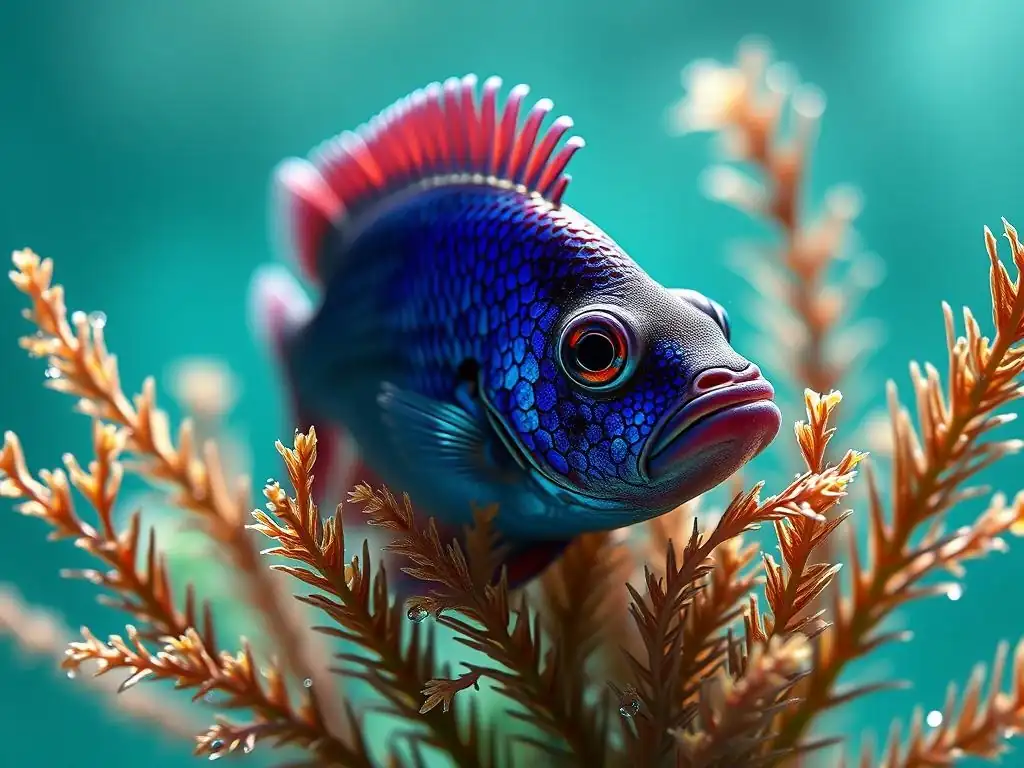
Tank size is perhaps the most critical factor influencing dwarf cichlid tetra compatibility. While a single pair of dwarf cichlids might survive in a 10-gallon tank, this size is far too small for a community setup with tetras.
For a successful pairing of dwarf cichlids and a school of tetras, a minimum tank size of 20 gallons (75 liters) is recommended for a single pair of dwarf cichlids (like Apistogramma) and a small school of peaceful tetras (e.g., 6-8 Ember Tetras). However, a 30-gallon (113 liters) or, ideally, a 40-gallon breeder (150 liters) or larger tank significantly increases the chances of long-term harmony.
Larger tanks provide multiple benefits crucial for dwarf cichlid tetra compatibility. Firstly, they offer ample swimming space for active schooling tetras, preventing them from feeling cramped. Secondly, they allow dwarf cichlids to establish distinct territories without constantly encroaching upon other fish's space, thereby reducing stress and aggression.
For instance, a 40-gallon breeder tank, with its generous footprint of 36x18 inches (91x46 cm), provides enough horizontal space for a pair of German Blue Rams to claim a territory while a school of 15-20 Cardinal Tetras comfortably occupies the mid-to-upper water column. This spatial separation minimizes direct interactions and potential conflicts, fostering a more peaceful environment.
Aquascaping for Harmony: Creating Territories and Hiding Places
Strategic aquascaping is fundamental to achieving successful dwarf cichlid tetra compatibility. The layout of plants, driftwood, and rocks directly influences how fish interact and perceive their environment. Dense planting, particularly at the back and sides of the tank, and tall plants like Vallisneria or Amazon Swords, help to break up sight lines. This prevents dwarf cichlids from constantly seeing and potentially harassing other fish, allowing them to feel more secure in their established territories. Visual barriers are key to reducing overall stress and aggression in the tank.
Beyond visual barriers, providing abundant hiding places is essential for both dwarf cichlids and tetras. Dwarf cichlids, especially during breeding or when stressed, need caves (e.g., coconut shells, clay pots, driftwood crevices) where they can retreat and feel safe. These defined territories reduce the likelihood of aggressive encounters with other fish. For tetras, dense clumps of plants (e.g., Java Moss, Anubias, Cryptocoryne) offer shelter where they can escape if they feel threatened. A well-designed aquascape mimics their natural habitat, offering a sense of security and promoting natural behaviors, which is vital for maintaining positive dwarf cichlid tetra compatibility.
Feeding Strategies: Ensuring Both Cichlids and Tetras Get Enough Food
Effective feeding strategies are crucial to ensure all inhabitants of a mixed community tank, including dwarf cichlids and tetras, receive adequate nutrition. Dwarf cichlids are primarily omnivores with a strong preference for protein. Their diet should consist of high-quality flakes, small pellets, and a variety of frozen foods such as bloodworms, brine shrimp, and daphnia. Tetras are also omnivores but generally have smaller mouths and prefer smaller food particles, readily accepting crushed flakes, micro-pellets, and small frozen foods.
The key to successful feeding in a mixed tank is to ensure that food reaches all levels of the water column and is available to both bottom-dwelling cichlids and mid-to-upper water column tetras. Feeding small amounts multiple times a day (e.g., 2-3 times) is more beneficial than one large feeding, as it prevents overfeeding and maintains water quality.
For dwarf cichlids, sinking pellets or wafers can be used to ensure they get enough food without aggressive tetras consuming it all. Observing feeding behavior is important; if any fish appear to be missing out, adjustments to the feeding method or food type may be necessary to prevent nutritional deficiencies and reduce competition-related stress, thereby supporting optimal dwarf cichlid tetra compatibility.
Successfully Integrating Dwarf Cichlids and Tetras: A Step-by-Step Approach
Quarantine and Acclimation: Preparing New Fish for the Community Tank
Proper quarantine and acclimation are foundational steps for successful dwarf cichlid tetra compatibility, preventing the introduction of diseases and minimizing stress. All new fish, whether dwarf cichlids or tetras, should be quarantined in a separate, fully cycled tank for a minimum of 2-4 weeks. This isolation period allows for observation of any signs of illness (e.g., Ich, fin rot, parasitic infections) and treatment if necessary, preventing the spread of pathogens to your established community tank. A typical quarantine tank setup might include a small filter, heater, and a few hiding spots.
Once the fish have completed quarantine and appear healthy, the acclimation process begins. Drip acclimation is highly recommended, especially for sensitive species like German Blue Rams. This method involves slowly dripping water from the main display tank into the bag or container holding the new fish over a period of 30-60 minutes, or even longer for very sensitive species. This gradual equalization of water parameters (pH, temperature, hardness) minimizes shock and stress to the fish, making them more resilient and improving their chances of thriving in their new environment, which directly contributes to positive dwarf cichlid tetra compatibility.
Introducing Fish Gradually: Minimizing Stress and Aggression
The order and timing of introducing fish into a community tank are critical for minimizing stress and aggression, especially when aiming for harmonious dwarf cichlid tetra compatibility. It is generally advisable to introduce the tetras first. Allow the school of tetras to settle into the tank for at least a few weeks, ideally 3-4 weeks. During this period, they will explore the entire tank, establish their swimming patterns, and become comfortable with their surroundings. This 'head start' allows them to claim space without the immediate presence of territorial dwarf cichlids.
Once the tetras are well-established and displaying confident schooling behavior, the dwarf cichlids can be introduced. When the cichlids enter the tank, the tetras are already familiar with the layout and are less likely to be perceived as intruders on newly claimed cichlid territories. This approach often results in less initial aggression from the dwarf cichlids, as they are adapting to an already inhabited space rather than trying to defend a pristine, empty tank from new arrivals. This strategic introduction minimizes initial conflicts and significantly improves the long-term prospects for dwarf cichlid tetra compatibility.
Monitoring Behavior: Observing Interactions and Identifying Potential Problems
Continuous monitoring of fish behavior is essential for maintaining dwarf cichlid tetra compatibility in a community tank. Immediately after introducing new fish, spend significant time observing their interactions. Look for signs of aggression such as prolonged chasing, fin nipping, or excessive flaring from the dwarf cichlids towards the tetras. Also, observe the tetras for signs of stress, which include clamped fins, faded coloration, hiding constantly, rapid breathing, or unusual swimming patterns. Pay attention to feeding behavior to ensure all fish are getting enough food.
Beyond the initial introduction period, regular observation should become a routine part of tank maintenance. Even in established communities, compatibility issues can arise, particularly when dwarf cichlids enter breeding cycles, as their territorial instincts intensify. Note any changes in behavior, such as a previously peaceful cichlid becoming unusually aggressive, or tetras becoming reclusive. Early detection of problems allows for timely intervention, such as adjusting aquascaping, adding more hiding spots, or, if necessary, separating incompatible individuals to preserve the overall dwarf cichlid tetra compatibility in the aquarium.
Troubleshooting Dwarf Cichlid and Tetra Compatibility Issues
Identifying Signs of Aggression: Fin Nipping, Chasing, and Stress
Recognizing the signs of aggression is the first step in troubleshooting dwarf cichlid tetra compatibility issues. For dwarf cichlids, aggression towards tetras often manifests as prolonged chasing, flaring of gills and fins, or active territorial defense where tetras are repeatedly driven away from a specific area, such as a cave or breeding site.
While some brief chasing is normal, persistent harassment indicates a problem. For tetras, signs of being bullied include clamped fins, torn or ragged fins (especially if they have long, flowing fins like some Ram varieties), faded coloration, and constant hiding or frantic swimming to escape a persistent aggressor.
Stress in fish, often a direct result of aggression or an incompatible environment, can also be identified through various indicators. Stressed fish may exhibit rapid gill movement, indicating labored breathing, or develop stress stripes. They might lose their appetite, become lethargic, or show unusual swimming patterns such as darting erratically or rubbing against tank decor. Chronic stress weakens the fish's immune system, making them highly susceptible to common diseases like Ich or Fin Rot. Prompt identification of these signs is crucial for intervention to restore dwarf cichlid tetra compatibility and ensure the well-being of all tank inhabitants.
Addressing Bullying Behavior: Solutions and Interventions
Once compatibility issues, such as bullying behavior, are identified, several interventions can be attempted to restore dwarf cichlid tetra compatibility. The first approach should focus on environmental adjustments. If the tank size is borderline, consider upgrading to a larger aquarium to provide more space and dilute aggression. Rearranging the aquascape can also be highly effective: adding more hiding spots (caves, dense plants, driftwood), breaking up sight lines, and creating new territories can disrupt established aggressive patterns and reduce confrontation. Sometimes, simply moving a piece of decor can reset the hierarchy.
If environmental changes do not resolve the issue, or if the aggression is severe, adjustments to the fish population may be necessary. If a tetra school is too small, increasing its size (e.g., from 6 to 12-15 individuals) can make the school feel more secure and less vulnerable to harassment, as aggression is often diluted among more targets.
For persistent or overly aggressive dwarf cichlids, or if a specific tetra species is consistently the aggressor, separation might be the only viable solution. This could involve rehoming the problematic fish or setting up a dedicated tank for the aggressive individual to ensure the safety and well-being of the remaining community.
When to Separate: Recognizing Incompatible Species
The decision to separate fish due to incompatibility issues is a last resort but often necessary for the welfare of the aquarium's inhabitants. Separation becomes crucial when signs of aggression are severe and persistent, leading to physical harm or chronic stress in the bullied fish.
Indicators for separation include torn fins, body wounds, chronic emaciation despite adequate feeding, or continuous hiding and refusal to engage in normal behaviors. If a dwarf cichlid is relentlessly harassing a specific tetra, or vice versa, to the point of injury or severe stress, it's a clear sign that the dwarf cichlid tetra compatibility has failed for that pairing.
Furthermore, if all attempts at intervention—such as aquascaping changes, increasing school size, or adjusting feeding—have failed to mitigate the aggression, and the tank remains a source of significant stress for one or more fish, then separation is warranted. Sometimes, despite all planning, individual fish personalities are simply incompatible.
For example, an unusually aggressive male Apistogramma might not tolerate any mid-water fish, or a particular school of Serpae Tetras might relentlessly nip a German Blue Ram's fins. In such cases, removing the problematic fish ensures the health and longevity of the remaining aquarium inhabitants, even if it means altering the initial dwarf cichlid tetra compatibility plan.
Choosing the Right Tetra Species for Your Dwarf Cichlid: Key Considerations
Matching Temperaments: Selecting Peaceful Tank Mates
The cornerstone of successful dwarf cichlid tetra compatibility lies in carefully matching temperaments. It is imperative to select tetra species that are known for their peaceful, non-aggressive nature. Ideal candidates are those that are docile, not prone to fin-nipping, and primarily occupy the mid-to-upper water column, minimizing direct competition or interaction with the bottom-dwelling dwarf cichlids. Excellent choices include Cardinal Tetras, Ember Tetras, Lemon Tetras ( Hyphessobrycon pulchripinnis), and Rummy-Nose Tetras ( Hemigrammus rhodostomus). These species are typically calm, spend their time schooling, and rarely venture into the cichlids' territories.
Conversely, it is crucial to avoid tetra species known for their semi-aggressive or boisterous tendencies. As previously mentioned, species like Serpae Tetras, Buenos Aires Tetras, and Black Skirt Tetras often exhibit fin-nipping behavior or are excessively active, which can cause significant stress to dwarf cichlids, particularly those with flowing fins like German Blue Rams. Their high energy and potential for aggression can easily overwhelm the more sedate dwarf cichlids, leading to a breakdown in dwarf cichlid tetra compatibility. Always prioritize peace and calm when selecting tank mates.
Avoiding Fin-Nipping Tetras: Protecting Your Dwarf Cichlids
Protecting your dwarf cichlids from fin-nipping is a critical consideration for long-term dwarf cichlid tetra compatibility. Many dwarf cichlid species, especially German Blue Rams, possess delicate, flowing fins that are highly susceptible to nipping. Fin damage not only affects their aesthetic appeal but also causes stress, makes them vulnerable to secondary bacterial or fungal infections, and can lead to a significant decline in their overall health and lifespan.
Therefore, actively avoiding tetra species with a reputation for fin-nipping is paramount. Even generally peaceful tetras can occasionally nip if they are stressed, kept in insufficient school sizes, or housed in an overcrowded tank. It is essential to research individual tetra species thoroughly for any known tendencies towards nipping, even if they are broadly categorized as peaceful. Prioritizing robust, non-aggressive schooling tetras that are less likely to interact negatively with your cichlids' fins will significantly enhance dwarf cichlid tetra compatibility and the well-being of your entire community.
Considering Water Parameter Compatibility: Ensuring a Healthy Environment
Ensuring that both dwarf cichlids and tetras can thrive in the same water parameters is a fundamental aspect of dwarf cichlid tetra compatibility. Many popular dwarf cichlid species, such as Apistogramma and German Blue Rams, originate from soft, acidic blackwater environments. Coincidentally, many popular tetra species, including Cardinal Tetras, Ember Tetras, and Neon Tetras, also prefer similar soft, acidic water conditions (e.g., pH 5.5-7.0, GH 2-8 dGH, temperature 75-81°F / 24-27°C). This natural overlap in preferred water chemistry simplifies tank maintenance and allows both groups of fish to flourish without undue stress.
However, it's important to note that not all dwarf cichlids or tetras share identical needs. Bolivian Rams and Kribensis, for example, are more adaptable and can tolerate slightly harder and more neutral water (pH 6.5-7.5, GH up to 12 dGH). If you plan to keep these species, you might have a broader range of compatible tetras.
Always cross-reference the specific water parameter requirements for your chosen dwarf cichlid and tetra species before introducing them to the same tank. Maintaining stable, appropriate water quality is the single most important factor for preventing stress and disease, thereby ensuring the long-term success of your dwarf cichlid tetra compatibility.
Long-Term Care for Dwarf Cichlid and Tetra Communities
Maintaining Water Quality: Regular Water Changes and Filtration
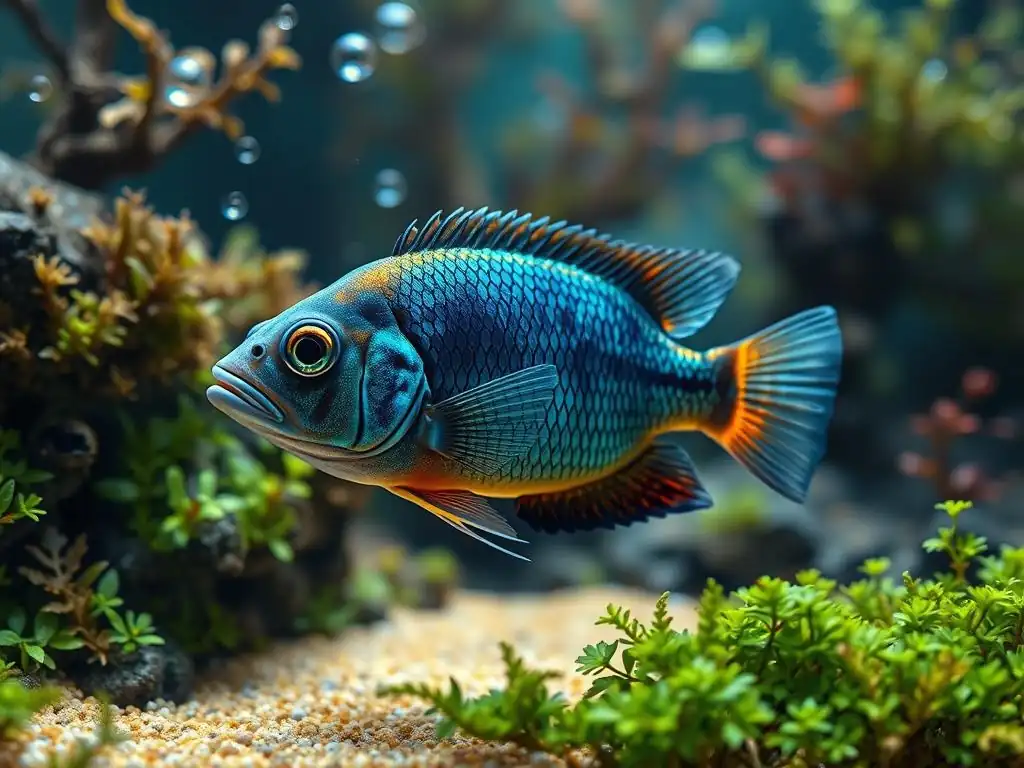
Long-term success in dwarf cichlid tetra compatibility hinges on meticulous water quality maintenance. Regular partial water changes are paramount for removing accumulated nitrates, replenishing essential minerals, and maintaining stable water parameters. A weekly or bi-weekly water change of 25-30% using dechlorinated water, temperature-matched to the aquarium, is generally recommended. For tanks with higher bioloads or sensitive species like German Blue Rams, more frequent or larger water changes might be necessary. Consistent water quality minimizes stress, which is a major contributor to disease and aggression.
A robust and efficient filtration system is equally vital. A combination of mechanical, chemical, and biological filtration is ideal. Mechanical filtration (e.g., sponges, filter floss) removes particulate matter, chemical filtration (e.g., activated carbon) adsorbs impurities and odors, and biological filtration (e.g., ceramic rings, bio-balls) converts toxic ammonia and nitrite into less harmful nitrates. Canister filters or hang-on-back filters with adequate flow rates for the tank size are excellent choices. Regular, gentle cleaning of filter media (rinsing in old tank water) prevents beneficial bacteria colonies from being destroyed, ensuring consistent water quality and supporting stable dwarf cichlid tetra compatibility.
Preventing Disease: Recognizing and Treating Common Fish Illnesses
Preventing disease is a critical aspect of long-term dwarf cichlid tetra compatibility, as stressed or unhealthy fish are more prone to aggression or becoming targets of bullying. Aquarists should be vigilant for common freshwater fish illnesses such as Ich (white spots resembling salt grains), Fin Rot (frayed or decaying fins), Bloat (swollen abdomen), and Columnaris (fuzzy white or grey patches, often mistaken for fungus). Stress, often caused by poor water quality, overcrowding, or incompatible tank mates, significantly weakens fish immune systems, making them highly susceptible to these pathogens.
Proactive measures are the best defense against disease. This includes maintaining pristine water quality through consistent water changes and filtration, providing a balanced and varied diet, and minimizing stress by ensuring adequate tank size, proper aquascaping, and compatible tank mates. If disease symptoms appear, prompt identification and treatment are crucial. It's often beneficial to treat affected fish in a separate hospital tank to avoid medicating the main display tank and to allow for targeted care. Early intervention can save individual fish and prevent outbreaks from spreading throughout the dwarf cichlid and tetra community.
Ensuring a Balanced Ecosystem: Promoting a Healthy and Thriving Aquarium
Achieving a balanced ecosystem is the ultimate goal for promoting long-term dwarf cichlid tetra compatibility and overall aquarium health. A well-cycled tank, where beneficial bacteria colonies are established in the filter media and substrate, is the foundation of this balance. These bacteria are essential for the nitrogen cycle, converting fish waste (ammonia and nitrite) into less toxic nitrate. Overfeeding and overcrowding are common pitfalls that can overwhelm the biological filter, leading to ammonia spikes and compromised water quality.
Live plants play a significant role in creating a balanced ecosystem. They absorb nitrates, provide oxygen, and offer natural hiding spots and foraging opportunities for both dwarf cichlids and tetras. The presence of plants can reduce stress, enhance natural behaviors, and contribute to a more stable environment. Maintaining a healthy balance also involves avoiding sudden drastic changes in water parameters, providing a consistent light cycle, and ensuring adequate nutrition. A thriving, balanced ecosystem leads to healthier, more vibrant fish that are less prone to aggression and stress, fostering optimal dwarf cichlid tetra compatibility for years to come.
Dwarf Cichlid Tetra Compatibility: Expert Tips and Tricks
Creating a Natural Habitat: Mimicking the Native Environments
For optimal dwarf cichlid tetra compatibility, mimicking the native environments of your chosen species can significantly reduce stress and encourage natural behaviors. Researching the specific biotope of your dwarf cichlids and tetras provides invaluable insights. For instance, many Apistogramma and Cardinal Tetras originate from Amazonian blackwater rivers, characterized by soft, acidic water, dim lighting, and a substrate covered in leaf litter and driftwood. Replicating these conditions with botanical elements like Indian almond leaves (which release tannins and lower pH), fine sand, and extensive driftwood can create a familiar and calming environment.
The benefits of a natural habitat extend beyond water parameters. The complex structures provided by driftwood and dense planting offer numerous hiding spots and visual barriers, which are essential for territorial dwarf cichlids to establish their domains without constant conflict. For schooling tetras, a natural setup provides a sense of security and encourages their natural schooling behaviors. A well-researched and thoughtfully designed biotope not only enhances the aesthetic appeal of your aquarium but also significantly contributes to the overall well-being and long-term dwarf cichlid tetra compatibility within your community.
Providing Enrichment: Keeping Your Fish Stimulated and Happy
Providing environmental and dietary enrichment is an expert tip for fostering robust dwarf cichlid tetra compatibility and overall fish health. A varied diet is crucial; beyond high-quality flakes and pellets, regularly offering frozen foods like bloodworms, brine shrimp, daphnia, and spirulina-enriched foods provides essential nutrients and prevents nutritional deficiencies. For dwarf cichlids, occasional live foods like newly hatched brine shrimp can stimulate hunting behaviors. A diverse diet keeps fish engaged and healthy, reducing stress that can lead to aggression.
Environmental enrichment involves subtle changes and observations to keep your fish stimulated. This could include occasionally rearranging a piece of driftwood (without disrupting established territories too much), adding new plant types, or introducing a new cave. Observing your fish's natural behaviors, such as the dwarf cichlids sifting sand or the tetras schooling actively, indicates a happy and stimulated environment. A tank that offers continuous opportunities for exploration and natural behaviors leads to happier, less stressed fish, which directly translates to improved dwarf cichlid tetra compatibility and a thriving community.
Avoiding Overcrowding: Maintaining a Healthy Fish Population
One of the most common mistakes that undermine dwarf cichlid tetra compatibility is overcrowding. While the "1 inch of fish per gallon" rule is a popular guideline, it is often insufficient for active or territorial species like dwarf cichlids and schooling tetras. For a community tank, it's far better to err on the side of understocking to ensure ample space for all inhabitants. For example, a 30-gallon tank might comfortably house a pair of Apistogramma and a school of 10-15 Ember Tetras, but adding more fish or larger species could quickly lead to problems.
The consequences of overcrowding are severe and directly impact dwarf cichlid tetra compatibility. Overcrowding leads to rapid accumulation of waste, resulting in poor water quality, elevated nitrates, and potential ammonia/nitrite spikes, which stress fish and weaken their immune systems. It also increases aggression due to limited space and constant territorial disputes. Furthermore, fish in overcrowded tanks may exhibit stunted growth, reduced coloration, and heightened susceptibility to disease. Maintaining a healthy, appropriate fish population is arguably the most important factor in preventing stress and aggression, thereby ensuring long-term dwarf cichlid tetra compatibility.
Conclusion: Achieving Harmony in Your Dwarf Cichlid and Tetra Tank
The Key to Success: Careful Planning and Observation
Achieving lasting harmony in a dwarf cichlid and tetra community tank is not a matter of chance but a testament to careful planning and diligent observation. The journey begins long before any fish are introduced, with thorough research into the specific needs and temperaments of your chosen dwarf cichlid and tetra species. Understanding their preferred water parameters, adult sizes, and social behaviors is paramount. This foundational knowledge, coupled with thoughtful tank sizing and strategic aquascaping that provides ample territories and hiding spots, lays the groundwork for successful dwarf cichlid tetra compatibility.
Once the fish are introduced, the role of ongoing observation becomes critical. Regularly monitoring interactions, identifying subtle signs of stress or aggression, and proactively addressing any emerging issues are essential for maintaining a balanced environment. From ensuring all fish are adequately fed to performing consistent water quality checks, vigilance allows aquarists to intervene promptly, preventing minor skirmishes from escalating into significant compatibility problems. This continuous commitment to planning and observation is the definitive key to a thriving dwarf cichlid and tetra community.
Building a Balanced Community: Enjoying a Beautiful and Thriving Aquarium.
Successfully building a balanced community where dwarf cichlids and tetras coexist peacefully is one of the most rewarding aspects of the aquarium hobby. When executed properly, a tank featuring the vibrant colors of schooling tetras gracefully navigating the mid-water, while the charismatic dwarf cichlids explore their intricately designed territories below, offers a mesmerizing display of natural beauty and behavior. This delicate balance, where different species thrive together, showcases the potential for successful dwarf cichlid tetra compatibility.
The effort invested in researching, planning, and maintaining such an ecosystem pays dividends in the form of healthy, active fish exhibiting their full range of natural behaviors. It’s a dynamic, living art piece that continually evolves, providing endless hours of enjoyment and a deeper connection to the aquatic world. By adhering to the principles of careful species selection, appropriate tank conditions, and diligent care, aquarists can confidently achieve a harmonious dwarf cichlid and tetra tank, transforming a potential recipe for disaster into a perfect match.
Frequently Asked Questions
Can dwarf cichlids and tetras coexist peacefully in the same aquarium?
Yes, compatibility is possible but depends heavily on species selection and tank setup. Some dwarf cichlid species are more aggressive than others, and certain tetra species are more vulnerable. Careful research is crucial for success.
What tank size is recommended for keeping dwarf cichlids and tetras together?
A larger tank is generally better, with a minimum of 20 gallons for a small community. This provides ample space for each species to establish territories and avoid constant confrontation. A larger tank also helps maintain stable water parameters.
Which tetra species are generally considered safe to keep with dwarf cichlids?
Tetras that are larger and more robust, such as Serpae Tetras or Diamond Tetras, are typically better choices. Smaller, more timid tetras like Neon Tetras can be easily bullied or even eaten by some dwarf cichlids.
What type of tank setup is ideal for a dwarf cichlid and tetra community tank?
A well-planted tank with plenty of hiding places is essential. Plants, rocks, and driftwood provide visual barriers and safe havens for tetras, reducing stress and aggression from the cichlids. Substrate choice is also important for the cichlids.
What are the key signs of incompatibility between dwarf cichlids and tetras?
Signs of incompatibility include chasing, fin nipping, and tetras hiding constantly. If you observe these behaviors, it's important to re-evaluate your setup or consider separating the species. Constant stress can weaken fish and lead to disease.
Final Reflection: Harmony in the Aquarium
The exploration of dwarf cichlid and tetra compatibility reveals more than just the intricacies of aquarium keeping; it mirrors the delicate balance inherent in any ecosystem, whether natural or artificial. Understanding the nuances of their interactions, as we've discussed, is crucial not only for the health of our fish but also for appreciating the interconnectedness of life itself. The success of a community tank hinges on informed decisions, mirroring the responsibility we have to foster harmonious relationships in all aspects of our lives.
This journey into the world of dwarf cichlids and tetras has underscored the importance of careful observation and thoughtful planning. It reminds us that even seemingly small choices can have significant consequences, and that empathy for other living beings is paramount. The greatness of a nation and its moral progress can be judged by the way its animals are treated.
- Mahatma Gandhi. This quote resonates deeply when considering the ethical responsibility we undertake when creating and maintaining an aquarium environment.
Now, armed with this knowledge, I invite you to reflect on your own interactions, both within your aquarium and beyond. Consider how you can create environments where different species, or individuals, can thrive together. Let the lessons learned about dwarf cichlid and tetra compatibility inspire you to cultivate understanding, respect, and harmony in all your endeavors, fostering a world where everyone has the opportunity to flourish.
Unleash the Beauty: Plan Your Tetra & Dwarf Cichlid Paradise!
Thanks for diving deep into the world of Dwarf Cichlids and Tetras! Hopefully, you now feel empowered to create a thriving aquarium community. Don't let that knowledge sit idle – let's put it to practical use and bring your dream tank to life!
- Start by carefully researching and selecting your perfect Dwarf Cichlid and Tetra species, paying close attention to their specific care requirements and compatibility.
- Share your ideal community tank setup ideas on our Aquarium Mastery forums and get feedback from fellow enthusiasts.
- Consider documenting your tank's evolution with a time-lapse video and sharing it on social media using #AquariumMastery – inspire others with your success!
What specific Dwarf Cichlid and Tetra combination are you most excited to try in your own aquarium, and why?