
OchreStriped Cardinalfish: Adding a Splash of Subtle Color to Your Reef

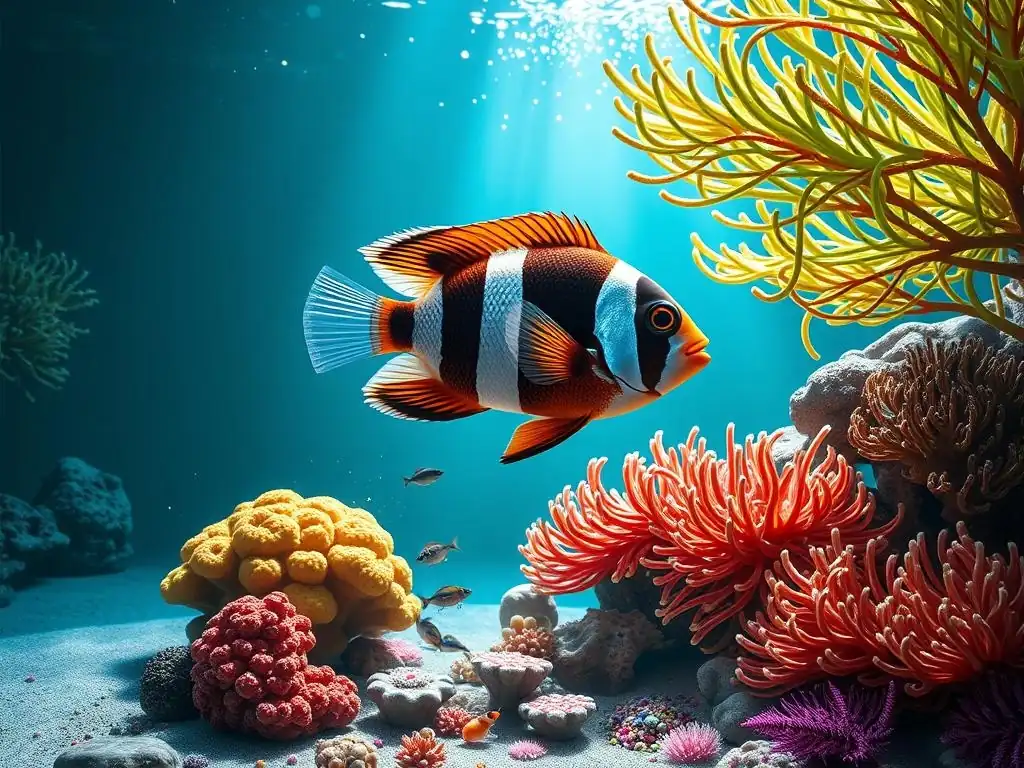
Welcome to Aquarium Mastery!
Dive in and discover the secrets to a thriving aquatic world! Ever wondered if the subtle beauty of the reef could be captured in your own tank? Our latest article explores everything you need to know about Ochre Striped Cardinalfish care, from their ideal habitat to their surprisingly social nature. Uncover the key to keeping these captivating creatures happy and healthy, and prepare to add a splash of understated elegance to your saltwater aquarium. Let's get started!
- Pajama Cardinalfish: Adding a Sparkle of Color to Your Reef
- Introduction to the Pajama Cardinalfish
- Pajama Cardinalfish Care: Essential Guidelines
- Setting Up the Ideal Aquarium for Pajama Cardinalfish
- Pajama Cardinalfish Diet and Feeding
- Pajama Cardinalfish Tank Mates: Compatibility and Social Behavior
- Maintaining Optimal Water Quality for Pajama Cardinalfish
- Pajama Cardinalfish Health and Disease Prevention
- Pajama Cardinalfish Breeding: What to Expect
- Where to Buy Pajama Cardinalfish
- Troubleshooting Common Pajama Cardinalfish Problems
- Conclusion: Enjoying the Beauty of Pajama Cardinalfish
- Frequently Asked Questions
- Final Reflection: The Enduring Allure of the Ochre-Striped Cardinalfish
- Dive Deeper: Unleash Your Inner Reef Explorer!
Pajama Cardinalfish: Adding a Sparkle of Color to Your Reef
Introduction to the Pajama Cardinalfish
Discover the Beauty of Sphaeramia nematoptera for Reef Tanks
The Pajama Cardinalfish, scientifically known as Sphaeramia nematoptera, is a highly sought-after species for saltwater reef aquariums due to its unique appearance and relatively peaceful demeanor. Originating from the Indo-Pacific region, these captivating fish are often found inhabiting sheltered lagoons and inner reefs, typically among sea grasses or branching corals where they can find refuge. Their distinctive pattern of a dark vertical band, bright red eyes, and a spotted yellow-to-orange posterior makes them an instant focal point in any well-maintained reef system.
With a maximum adult size typically reaching around 3 inches (7.5 cm), the Pajama Cardinalfish is an excellent choice for a variety of tank sizes, including smaller nano-reef setups, provided adequate space and stable conditions are met. Their nocturnal habits mean they are most active during twilight hours, but they are often visible throughout the day, especially once acclimated to their new environment. This species is known for its slow, deliberate swimming style, often hovering in the water column or seeking shelter among rockwork, contributing a calm and mesmerizing presence to the aquarium.
Why Choose Pajama Cardinalfish for Your Saltwater Aquarium?
Choosing Pajama Cardinalfish for your saltwater aquarium offers numerous benefits, making them a popular option for both novice and experienced aquarists. Their striking coloration, which includes a vibrant yellow-orange rear section speckled with dark dots, a wide black mid-body band, and a silvery-white front, provides a distinct visual appeal that stands out without being overly aggressive or demanding. Unlike some more boisterous reef inhabitants, their peaceful nature allows them to coexist harmoniously with a wide range of other non-aggressive fish and invertebrates.
Furthermore, Pajama Cardinalfish are relatively hardy once properly acclimated to a stable aquarium environment, making Pajama cardinalfish care manageable for those new to saltwater keeping. They are also known for their interesting schooling behavior, often congregating in small groups, which enhances the visual dynamics of the tank. Observing a small school of these cardinalfish drifting gracefully amongst corals can be a truly rewarding experience, adding a touch of natural beauty and subtle movement to your aquatic display.
Pajama Cardinalfish Care: Essential Guidelines
Understanding Sphaeramia nematoptera Needs
Effective Pajama cardinalfish care hinges on a thorough understanding of their specific environmental and dietary requirements. These fish thrive in stable reef tank conditions, mimicking their natural habitat of calm, clear waters with plenty of hiding spots. They are generally tolerant of minor fluctuations, but consistent water parameters are crucial for their long-term health and vibrancy. Their nocturnal tendencies mean they appreciate subdued lighting and ample crevices to retreat into during the brighter parts of the day.
A key aspect of their needs involves providing a diet rich in meaty foods, as they are carnivorous by nature. In the wild, they consume small crustaceans and zooplankton. Replicating this diet in captivity is vital for their nutritional well-being and to maintain their striking coloration. Adequate space for swimming, combined with a well-structured aquascape featuring live rock, will ensure they feel secure and can exhibit their natural behaviors, contributing to successful Pajama cardinalfish care.
Key Factors in Pajama Cardinalfish Care
Several key factors contribute significantly to successful Pajama cardinalfish care. Firstly, water quality is paramount; stable salinity levels between 1.020 and 1.025 specific gravity, a pH range of 8.1-8.4, and temperatures between 72-78°F (22-26°C) are ideal. Regular testing and consistent maintenance are non-negotiable. Secondly, providing a diverse and nutritious diet is crucial. Offering a variety of frozen foods like Mysis shrimp, brine shrimp, and finely chopped seafood several times a day will meet their dietary needs and prevent nutritional deficiencies.
Thirdly, tank mates must be chosen carefully. Due to their peaceful and somewhat timid nature, aggressive or overly boisterous fish can stress Pajama Cardinalfish, leading to health issues. They do best with other peaceful species and are often kept in small groups of 3-6 individuals, which helps them feel more secure and display more natural schooling behaviors. Finally, ample hiding spots within the live rock aquascape are essential, providing security and reducing stress, which are all vital components of comprehensive Pajama cardinalfish care.
Setting Up the Ideal Aquarium for Pajama Cardinalfish
Tank Size and Dimensions for Pajama Cardinalfish
When considering Pajama cardinalfish care, selecting an appropriately sized aquarium is fundamental. While individual Pajama Cardinalfish can be housed in tanks as small as 20 gallons (approximately 75 liters), a minimum tank size of 30 gallons (around 115 liters) is highly recommended for a small group of 3-5 individuals. This allows ample space for swimming and establishing individual territories, even within a schooling context, reducing potential stress and aggression. Larger tanks, such as 50 gallons (190 liters) or more, are ideal for larger schools or mixed reef setups, providing a more stable environment and greater flexibility in aquascaping.
The dimensions of the tank are also important; a longer tank provides more horizontal swimming space, which is beneficial for schooling fish like the Pajama Cardinalfish. For instance, a 30-gallon breeder tank (36"L x 18"W x 12"H) offers a significantly larger footprint than a standard 30-gallon tall tank, providing more lateral movement room. Adequate space directly contributes to their overall well-being, allowing them to exhibit natural behaviors and reducing the likelihood of stress-related illnesses, making it a critical aspect of effective cardinalfish care.
Recreating a Natural Habitat: Water Parameters and Substrate
Replicating the natural habitat is key to successful Pajama cardinalfish care. These fish originate from clear, stable reef environments, so maintaining pristine water parameters is paramount. The specific gravity should be kept between 1.023 and 1.026, ideally around 1.025, which closely mimics natural seawater. Temperature should be consistently maintained between 72-78°F (22-26°C), with minimal daily fluctuations. A stable pH range of 8.1 to 8.4 is also crucial for their health and well-being.
For substrate, a fine sand bed is suitable, as Pajama Cardinalfish do not typically dig, but they appreciate open areas. More importantly, the aquascape should feature plenty of live rock arranged to create numerous caves, overhangs, and crevices. These structures provide essential hiding spots, particularly during the day or when the fish feel threatened. Providing these naturalistic elements helps to reduce stress, encourages natural schooling behavior, and contributes significantly to the long-term success of Pajama cardinalfish care.
Essential Equipment for a Thriving Pajama Cardinalfish Tank
To ensure a thriving environment for Pajama Cardinalfish, several pieces of essential equipment are required. A robust filtration system, combining mechanical, chemical, and biological filtration, is vital for maintaining pristine water quality. An appropriately sized protein skimmer is highly recommended, as it efficiently removes organic waste before it breaks down, significantly reducing nitrate buildup. For a 30-gallon tank, a skimmer rated for 50-75 gallons would provide ample capacity.
Stable temperature is crucial, necessitating a reliable heater with a thermostat, capable of maintaining the water within the 72-78°F range. For lighting, standard reef tank lighting is generally suitable, though Pajama Cardinalfish prefer subdued light and may hide during peak intensity.
A powerhead or two, sized appropriately for the tank volume (e.g., 200-400 GPH for a 30-gallon tank), will ensure adequate water circulation, preventing dead spots and promoting gas exchange. Finally, a high-quality salt mix, a refractometer for accurate salinity measurement, and a comprehensive test kit for ammonia, nitrite, nitrate, pH, and alkalinity are indispensable for diligent Pajama cardinalfish care and monitoring.
Pajama Cardinalfish Diet and Feeding
What to Feed Your Sphaeramia nematoptera
A balanced and varied diet is fundamental to optimal Pajama cardinalfish care and crucial for their vibrant coloration and overall health. As opportunistic carnivores, Sphaeramia nematoptera primarily feed on small invertebrates and zooplankton in their natural reef habitats. In the home aquarium, this translates to offering a diet rich in meaty foods. Frozen Mysis shrimp are an excellent staple, providing essential nutrients and being readily accepted by most cardinalfish.
Alongside Mysis, other suitable frozen foods include enriched brine shrimp, copepods, finely chopped seafood like krill or silversides, and cyclop-eeze. It's beneficial to rotate these options to ensure a complete nutritional profile. While they may occasionally pick at high-quality flake or pellet foods designed for marine carnivores, frozen foods should form the bulk of their diet. Ensuring these foods are small enough for their relatively small mouths is also an important consideration for effective Pajama cardinalfish care.
Optimal Feeding Schedule for Pajama Cardinalfish
Establishing an optimal feeding schedule is a key component of successful Pajama cardinalfish care. Due to their relatively small size and active metabolism, it is best to feed Pajama Cardinalfish small amounts multiple times a day rather than one large meal. A schedule of two to three feedings per day is generally recommended. For instance, feeding once in the morning, once in the late afternoon, and potentially a small feeding after the main lights dim to cater to their crepuscular nature can be highly beneficial.
Each feeding should consist of an amount that can be consumed within 2-3 minutes to prevent excess food from decaying and negatively impacting water quality. Overfeeding can lead to nutrient spikes and algae issues, so moderation is key. Consistent feeding practices not only ensure proper nutrition but also help reduce stress and encourage natural foraging behaviors, contributing significantly to the overall well-being and longevity of your Pajama Cardinalfish.
Recommended Foods for Color Enhancement and Health
To truly enhance the stunning colors of your Pajama Cardinalfish and support their long-term health, incorporating specific foods rich in vital nutrients is highly recommended. Foods high in astaxanthin, a powerful antioxidant and pigment, are particularly effective for intensifying their yellow-orange and red hues. Examples include krill, spirulina-enriched brine shrimp, and specialized color-enhancing marine pellets or flakes that list astaxanthin as an ingredient.
Beyond color, a diverse diet also ensures they receive all necessary vitamins and minerals. Vitamin-enriched frozen foods, such as those soaked in a liquid vitamin supplement prior to feeding, can provide an extra boost, especially for newly acquired or stressed fish. Live foods, like enriched copepods or newly hatched brine shrimp (if available), can also be offered periodically to stimulate their natural hunting instincts and provide highly nutritious, fresh sustenance, all contributing to superior Pajama cardinalfish care.
Choosing Suitable Tank Mates for Pajama Cardinalfish
Selecting appropriate tank mates is paramount for peaceful and successful Pajama cardinalfish care. These fish are known for their docile and somewhat timid nature, making them vulnerable to aggression from more boisterous or predatory species. Ideal tank mates include other peaceful community fish that share similar water parameter requirements and do not compete aggressively for food or territory. Examples of suitable companions include small gobies (e.g., watchman gobies, clown gobies), blennies (e.g., tailspot blenny), firefish, royal grammas, and other peaceful cardinalfish species.
It is also generally safe to house Pajama Cardinalfish with most reef-safe invertebrates, such as various species of shrimp (peppermint shrimp, cleaner shrimp), snails, hermits, and corals. They pose no threat to corals or sessile invertebrates, making them excellent additions to a thriving reef aquarium. Careful consideration of each potential tank mate's temperament and size is crucial to ensure a harmonious environment and reduce stress for your Pajama Cardinalfish.
Fish to Avoid: Aggressive Species and Potential Conflicts
To ensure effective Pajama cardinalfish care, it is equally important to identify and avoid tank mates that could pose a threat. Highly aggressive or territorial species, such as large damselfish (e.g., dominant species of Chromis, Dascyllus), triggerfish, large angelfish, and some wrasses, should be excluded from a tank housing Pajama Cardinalfish. These fish can intimidate, harass, or even prey upon the smaller, more peaceful cardinalfish, leading to chronic stress, fin nipping, or outright predation.
Similarly, large predatory fish that could view Pajama Cardinalfish as food, such as lionfish or large groupers, are entirely unsuitable. Even seemingly innocuous fish that grow significantly larger than cardinalfish and have a wide mouth can become a threat as they mature. Always research the adult size and temperament of any potential tank mate thoroughly before introduction to prevent conflicts and ensure the safety and well-being of your Sphaeramia nematoptera.
Pajama Cardinalfish exhibit fascinating social behaviors, particularly when kept in a small group or school, which is highly recommended for their well-being. While they are often sold individually, keeping them in groups of 3-6 or more allows them to feel more secure and display their natural schooling instincts. When kept in a school, they will often hover together, moving in unison, which is a mesmerizing sight. This schooling behavior provides a sense of security, as there is safety in numbers, and helps to distribute any potential aggression among themselves if a pecking order is established.
It's common to observe a dominant individual within the school, but serious aggression is rare among Pajama Cardinalfish themselves, especially if ample hiding spots are available. Minor squabbles, such as chasing or fin nipping, might occur, particularly if the group is too small or space is limited. However, these usually resolve quickly. Observing these natural social interactions is not only aesthetically pleasing but also an indicator of a healthy and stress-free environment, a testament to successful Pajama cardinalfish care.
Maintaining Optimal Water Quality for Pajama Cardinalfish
The Importance of Regular Water Changes
Maintaining optimal water quality is arguably the most critical aspect of Pajama cardinalfish care. Regular water changes are fundamental to achieving this. Over time, nitrates accumulate, essential trace elements become depleted, and organic pollutants build up, even with efficient filtration. Weekly or bi-weekly water changes, typically 10-20% of the tank volume, are highly recommended to dilute nitrates, replenish vital minerals, and remove dissolved organic compounds that filtration alone cannot fully address.
For instance, in a 30-gallon tank, a 5-gallon weekly water change is a good starting point. This practice directly contributes to a stable and healthy environment, reducing stress on the fish and preventing the onset of various diseases. Consistent water changes are a cornerstone of preventative cardinalfish care, ensuring the chemical balance of the aquarium remains within the ideal parameters for Sphaeramia nematoptera.
Monitoring Water Parameters: Ammonia, Nitrite, and Nitrate Levels
Diligent monitoring of water parameters is an indispensable part of comprehensive Pajama cardinalfish care. Ammonia and nitrite levels must always be at zero (0 ppm), as even trace amounts are highly toxic to marine fish. These compounds are a direct result of the nitrogen cycle and indicate an incomplete or overwhelmed biological filter. Nitrate, the end product of the nitrogen cycle, should be kept as low as possible, ideally below 10-20 ppm for a healthy reef system, though some argue for less than 5 ppm for sensitive species.
Regular testing, at least weekly, using reliable liquid test kits for ammonia, nitrite, nitrate, pH, and salinity (specific gravity) is essential. For instance, if nitrates consistently climb above 20 ppm despite regular water changes, it might indicate overfeeding, an overcrowded tank, or insufficient biological filtration. Prompt identification and correction of any parameter deviations are crucial for the long-term health and vitality of your Pajama Cardinalfish.
Choosing the Right Filtration System for Pajama Cardinalfish
Selecting and maintaining an effective filtration system is vital for Pajama cardinalfish care. A multi-pronged approach combining mechanical, biological, and chemical filtration is ideal. Mechanical filtration, typically filter socks or sponges, removes particulate matter, preventing it from breaking down and polluting the water. These should be cleaned or replaced frequently, at least weekly, to prevent them from becoming nitrate factories.
Biological filtration, primarily live rock and a healthy sand bed, houses beneficial bacteria that convert toxic ammonia and nitrite into less harmful nitrate. For a 30-gallon tank, 30-45 pounds of live rock provides excellent biological filtration. Chemical filtration, such as activated carbon or phosphate removers, helps to absorb dissolved organic compounds, remove discoloration, and keep the water crystal clear. A protein skimmer is also a highly effective form of chemical and organic waste removal, especially for reef tanks, significantly contributing to stable water quality and thus excellent Sphaeramia nematoptera care.
Pajama Cardinalfish Health and Disease Prevention
Common Diseases Affecting Cardinalfish
While Pajama Cardinalfish are generally hardy, they are not immune to common marine fish diseases, especially if water quality is poor or they are stressed. One of the most prevalent is Marine Ich ( Cryptocaryon irritans), a parasitic infection that manifests as small white spots resembling salt grains on the fish's body and fins. Another common issue is Velvet ( Amyloodinium ocellatum), which appears as a dusty, golden film and is often more rapidly fatal than Ich. Bacterial infections, often secondary to stress or injury, can cause fin rot, cloudy eyes, or body lesions.
Internal parasites can also affect cardinalfish, leading to symptoms like emaciation despite feeding, or abnormal fecal matter. Early detection is crucial for successful treatment. Observing your fish daily for any changes in behavior, appetite, or physical appearance is a key component of proactive Pajama cardinalfish care.
Identifying Signs of Illness in Your Sphaeramia nematoptera
Recognizing the signs of illness early is vital for effective Pajama cardinalfish care and intervention. Behavioral changes are often the first indicators: lethargy, hiding excessively, rapid breathing (gilling), scratching against rocks or substrate ("flashing"), or refusing to eat are all red flags. Physical symptoms might include the aforementioned white spots of Ich, a velvety film from Velvet, or cloudy eyes.
Other signs to look for include frayed fins (fin rot), red streaks on the body, bloating, loss of color, or unusual swimming patterns like darting or spiraling. Any deviation from their normal appearance or behavior warrants immediate investigation. Prompt identification allows for quicker quarantine and treatment, significantly increasing the chances of recovery and minimizing the spread of disease within your main display tank.
Preventative Measures for a Healthy Pajama Cardinalfish Population
Prevention is always better than cure in Pajama cardinalfish care. The cornerstone of disease prevention is maintaining pristine and stable water quality. Regular water changes, diligent parameter monitoring, and robust filtration minimize stress and keep the fish's immune system strong. Avoiding overcrowding is also critical, as it reduces stress and the buildup of waste. A general guideline is to allow at least 1 gallon of water per inch of adult fish, but more for active or larger species.
Quarantining all new fish for a minimum of 4-6 weeks in a separate tank before introducing them to the main display is perhaps the most effective preventative measure. This allows you to observe new arrivals for signs of disease, treat them if necessary, and prevent the introduction of pathogens into your established system. Providing a varied, nutritious diet and ample hiding spots further reduces stress, bolstering their natural defenses and ensuring a healthy, thriving Pajama Cardinalfish population.
Pajama Cardinalfish Breeding: What to Expect
Breeding Behavior in Captivity
Pajama Cardinalfish are one of the more commonly bred marine fish in captivity, offering a rewarding challenge for dedicated aquarists. They are paternal mouthbrooders, meaning the male is responsible for incubating the eggs in his mouth until they hatch. Breeding typically occurs in pairs, although a small group can sometimes lead to pairing. The courtship involves the male displaying to the female, often with subtle color changes and fin flaring. Once a pair has bonded, the female will lay a clutch of eggs, which the male promptly collects into his mouth.
The male will then carry the eggs for approximately 8-10 days, during which time he will refuse to eat. His mouth may appear distended, and he might become more reclusive. Observing this unique mouthbrooding behavior is a fascinating aspect of advanced Pajama cardinalfish care. Successful breeding often requires a well-established pair and a quiet, stable environment.
Creating a Breeding Environment for Cardinalfish
To encourage Pajama Cardinalfish to breed, a dedicated breeding tank is often recommended, though some success has been reported in peaceful community tanks. A tank of 20-30 gallons with plenty of live rock for cover and subdued lighting can serve as an ideal breeding setup. Water parameters should be stable and pristine, mirroring the optimal conditions for general Pajama cardinalfish care. A temperature slightly on the higher end of their preferred range (e.g., 78°F or 26°C) can sometimes stimulate spawning.
Providing a varied diet rich in high-quality, protein-rich foods for the conditioning pair is crucial. Live foods like enriched brine shrimp or copepods can further encourage spawning. Once the male is observed mouthbrooding, it's often advisable to move him to a separate, even smaller "hatching" tank (e.g., 5-10 gallons) to protect the fry once they are released. This dedicated environment maximizes the chances of successful hatching and subsequent raising of the fry.
Raising Pajama Cardinalfish Fry
Raising Pajama Cardinalfish fry presents the most challenging aspect of their breeding. After 8-10 days, the male will release miniature, free-swimming fry, typically at night. These fry are very small, around 2-3mm, and require extremely tiny live foods. Newly hatched brine shrimp nauplii are often too large for the initial few days. Infusoria, rotifers, or copepod nauplii are essential first foods.
As the fry grow, which occurs relatively quickly, they can be transitioned to larger live foods like newly hatched brine shrimp. Maintaining pristine water quality in the fry tank is paramount, requiring frequent, small water changes and careful feeding to prevent fouling. A gentle air stone for circulation and no strong filtration that could suck up the fry are also necessary. The survival rate of fry can be low without meticulous attention, but successful rearing is a testament to dedicated Pajama cardinalfish care and offers immense satisfaction.
Where to Buy Pajama Cardinalfish
Finding Reputable Suppliers of Sphaeramia nematoptera
When looking to add Sphaeramia nematoptera to your aquarium, finding reputable suppliers is crucial for ensuring healthy, ethically sourced fish. Local fish stores (LFS) are a good starting point; inquire about their quarantine procedures, source of fish, and return policy. A knowledgeable LFS will have healthy, active specimens in clean tanks. Online retailers specializing in marine fish are another excellent option, often offering a wider selection and competitive pricing. Look for online stores with strong customer reviews, clear shipping policies, and a live arrival guarantee.
Participating in local aquarium clubs or forums can also provide recommendations for trusted suppliers or even opportunities to purchase captive-bred cardinalfish from fellow hobbyists. Captive-bred specimens are generally hardier, more accustomed to aquarium life, and reduce pressure on wild populations, making them a preferred choice for responsible Pajama cardinalfish care.
Ensuring Healthy Specimens Before Purchase
Regardless of whether you purchase from a local store or online, it's vital to know how to identify healthy specimens before bringing them home. Observe the fish carefully for signs of stress or illness. Healthy Pajama Cardinalfish should be active, alert, and exhibit their vibrant coloration. Their fins should be intact and spread, not clamped. The body should be full, without any signs of emaciation or sunken bellies.
Avoid fish with white spots (Ich), fuzzy growths (fungus), frayed fins, cloudy eyes, or labored breathing. Also, observe their behavior; healthy fish should be swimming normally, not darting erratically, rubbing against objects, or staying hidden excessively. If purchasing a group, ensure all individuals appear healthy. A thorough inspection is the first step in successful Pajama cardinalfish care and preventing the introduction of disease into your established tank.
Price Range and Availability of Pajama Cardinalfish
The price of Pajama Cardinalfish can vary depending on their size, origin (wild-caught vs. captive-bred), and the supplier. Typically, a single Pajama Cardinalfish ranges from $15 to $30 USD in most retail outlets. Captive-bred specimens may sometimes command a slightly higher price due to the effort involved in their rearing, but they often offer better hardiness. Prices can also be influenced by regional availability and seasonal demand.
Pajama Cardinalfish are generally widely available in the aquarium trade due to their popularity and relative ease of care. You can usually find them stocked in most well-supplied marine fish stores and through various online retailers. While they are common, it's always advisable to call ahead or check online stock lists if you're seeking a specific number of individuals, especially for building a school, to ensure optimal Pajama cardinalfish care from the outset.
Troubleshooting Common Pajama Cardinalfish Problems
Addressing Common Issues Like Ich or Uronema
Even with the best Pajama cardinalfish care, issues like Ich ( Cryptocaryon irritans) or Uronema can arise. If Ich is detected (small white spots, flashing), immediate action is required. Treatment options include hyposalinity (gradually reducing specific gravity to 1.009-1.010 for 2-4 weeks) or copper-based medications in a dedicated quarantine or hospital tank. Never treat the main display tank with copper if it contains invertebrates or live rock, as it will be toxic.
Uronema marinum is a less common but highly virulent ciliate parasite, often causing rapid tissue loss, sloughing skin, and lethargy. It can be devastating. Treatment usually involves formalin-based medications or freshwater dips, again, in a separate hospital tank. For both, maintaining excellent water quality and reducing stress are crucial supporting measures to aid recovery. Early detection and prompt isolation of affected fish are key to successful resolution.
Dealing with Aggression or Stress in Your Cardinalfish
While generally peaceful, Pajama Cardinalfish can exhibit stress or mild aggression, particularly if conditions are not ideal. Stress often manifests as clamped fins, loss of color, hiding excessively, or rapid breathing. Common stressors include poor water quality, unsuitable tank mates, insufficient hiding spots, or an undersized tank. Addressing these underlying causes is the primary solution for effective Pajama cardinalfish care.
If aggression occurs within a school, it's usually minor chasing. However, if one fish is consistently picked on or isolated, the school might be too small, or space might be limited. Increasing the number of cardinalfish (if tank size allows) to dilute aggression, or adding more visual barriers with live rock, can help. If aggression is from another species, immediate removal of the aggressor or the cardinalfish to a safer environment is necessary.
Preventing and Treating Parasitic Infections
Preventing parasitic infections is paramount in Pajama cardinalfish care. The most effective preventative measure is a strict quarantine protocol for all new fish. A dedicated quarantine tank allows you to observe, deworm, and treat new arrivals for potential parasites like Ich, Velvet, or internal worms before they enter your main display. This prevents the introduction of pathogens into your established, sensitive reef environment.
If a parasitic infection is confirmed in your display tank, treatment options depend on the parasite and whether the tank is reef-safe. For external parasites like Ich, fallow periods (removing all fish for 76 days to starve out the parasite) combined with treating fish in a hospital tank is the most definitive solution for a reef. Internal parasites often require medicated foods (e.g., PraziPro-soaked foods). Always research the specific parasite and treatment carefully, and consult with experienced aquarists or veterinarians if unsure, to ensure the best possible outcome for your Sphaeramia nematoptera.
Conclusion: Enjoying the Beauty of Pajama Cardinalfish
The Rewarding Experience of Keeping Sphaeramia nematoptera
Keeping Sphaeramia nematoptera, the Pajama Cardinalfish, is a truly rewarding experience for marine aquarists. Their distinctive appearance, featuring a bold black band, fiery red eyes, and a spotted yellow tail, brings a unique splash of subtle yet captivating color to any reef aquarium.
Beyond their aesthetic appeal, their peaceful nature and interesting schooling behaviors make them excellent community fish, adding dynamic movement and a sense of calm to the aquatic environment. With diligent Pajama cardinalfish care focusing on stable water parameters, a carnivorous diet, and appropriate tank mates, these fish can thrive for many years, often living 3-5 years or even longer in well-maintained systems.
Their relatively hardy nature, once acclimated, makes them suitable for a range of hobbyists, from those venturing into saltwater for the first time to seasoned reef keepers. The joy of observing a small school gracefully hovering amongst corals, or the unique spectacle of a male mouthbrooding eggs, underscores why they remain such a popular and cherished inhabitant of home aquariums. Embracing comprehensive cardinalfish care ensures these charming fish not only survive but truly flourish, becoming a vibrant highlight of your aquatic masterpiece.
Further Resources for Pajama Cardinalfish Keepers
For those committed to mastering Pajama cardinalfish care, continuous learning and access to reliable resources are invaluable. Aquarium Mastery.com itself offers a wealth of detailed guides on saltwater fish profiles, water chemistry, and troubleshooting common tank issues, providing a comprehensive foundation. Beyond this, engaging with the broader aquarium community through online forums or local aquarium clubs can offer practical advice, shared experiences, and support from fellow enthusiasts.
Specialized books on marine fish husbandry or reef aquarium management can provide in-depth scientific understanding. Veterinary resources specializing in aquatic health can also be beneficial for complex health issues. Always cross-reference information from multiple reputable sources to ensure accuracy and the most current best practices. By leveraging these resources, aquarists can continually enhance their knowledge and provide the best possible Pajama cardinalfish care, ensuring the long-term health and beauty of their Sphaeramia nematoptera.
Frequently Asked Questions
What are the basic requirements for Ochre Striped Cardinalfish care?
They need a well-established reef tank with plenty of hiding places and peaceful tank mates. Stable water parameters are crucial, including a temperature of 72-78°F and a specific gravity of 1.023-1.025.
What do Ochre Striped Cardinalfish eat?
These fish are primarily carnivores. Offer a varied diet of small meaty foods like mysis shrimp, brine shrimp, and finely chopped seafood. Regular feedings are necessary for their health.
Are Ochre Striped Cardinalfish reef safe?
Yes, they are generally considered reef safe. They won't bother corals or most invertebrates, making them a great addition to a reef aquarium.
How many Ochre Striped Cardinalfish should I keep together?
They can be kept individually or in small groups. A group of 3-5 can work well in a larger tank, but ensure enough hiding spots to minimize aggression.
What are some common health issues to watch out for with Ochre Striped Cardinalfish?
They can be susceptible to common aquarium diseases like ich and velvet. Maintaining excellent water quality and quarantining new arrivals can help prevent outbreaks.
Final Reflection: The Enduring Allure of the Ochre-Striped Cardinalfish
The journey of understanding and caring for the Ochre-Striped Cardinalfish, as we've explored, is more than just aquarium maintenance; it's about appreciating the delicate balance of our marine ecosystems. The continued popularity of this fish in the aquarium hobby underscores our growing awareness of responsible reef keeping and the importance of providing appropriate environments for these captivating creatures. This awareness is crucial, as it directly impacts the sustainability of wild populations and the health of our planet's coral reefs.
The subtle beauty of the Ochre-Striped Cardinalfish, with its understated elegance, has always held a special fascination for aquarists. This fascination reflects a deeper appreciation for the intricate details of the natural world and our responsibility to protect them. In the end, we will conserve only what we love; we will love only what we understand; and we will understand only what we are taught.
- Baba Dioum. This quote perfectly encapsulates the importance of learning about and understanding the needs of these fish, fostering a sense of stewardship that extends beyond our own aquariums.
Now, as you consider adding an Ochre-Striped Cardinalfish to your reef, or simply reflect on the beauty of marine life, remember the lessons we've learned together. Let's strive to be informed and responsible aquarists, contributing to the preservation of these vibrant ecosystems for generations to come. Embrace the opportunity to learn, to share your knowledge, and to advocate for the well-being of these fascinating creatures. Your actions, however small, can make a significant difference.
Dive Deeper: Unleash Your Inner Reef Explorer!
Thank you for exploring the fascinating world of the OchreStriped Cardinalfish with us! Now that you're equipped with new insights, let's turn that knowledge into action.
Here are a few ways you can further connect with this captivating species:
- Consider adding an OchreStriped Cardinalfish to your established reef tank. Remember to prioritize proper acclimation and suitable tank mates for their well-being!
- Share your newfound knowledge! Tell a friend about the OchreStriped Cardinalfish and its unique care requirements. Help spread responsible aquarium practices.
- Research lesser-known cardinalfish species. Can you uncover another hidden gem for the reef aquarium hobby?
What's one surprising thing you learned about the OchreStriped Cardinalfish that you're excited to share with other reef enthusiasts?