
The Allure of Cardinalfish: Graceful Schoolers for Your Reef Tank

Welcome to Aquarium Mastery!
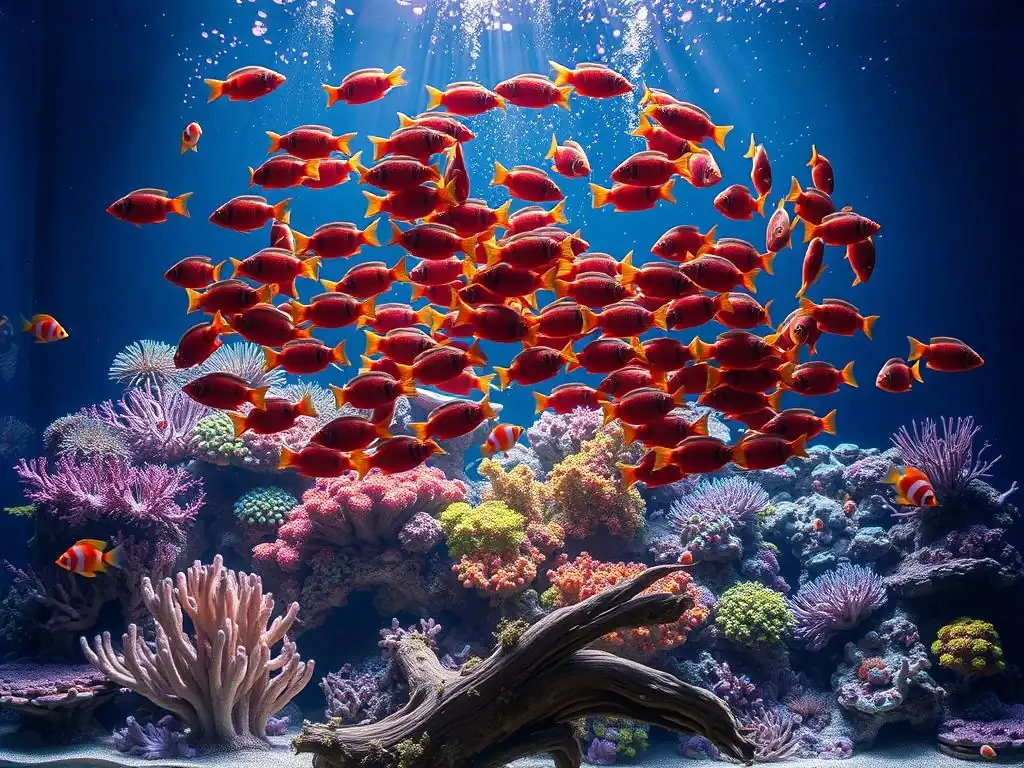
Ever been mesmerized by the shimmering schools of Cardinalfish gracing a reef tank? Their beauty is undeniable, but mastering their care requires more than just admiration. Dive into our comprehensive Cardinalfish tank care guide and unlock the secrets to creating a thriving habitat for these captivating creatures. Curious to learn more about ideal tank mates, water parameters, and preventing common health issues? Let's explore the captivating world of Cardinalfish together!
- Understanding Cardinalfish: An Introduction to Reef-Safe Schooling Fish
- Cardinalfish Tank Care Guide: Creating the Ideal Environment
- Selecting the Right Cardinalfish Species for Your Aquarium
- Cardinalfish Diet and Feeding: Ensuring Proper Nutrition
- Cardinalfish Health and Disease Prevention: Keeping Your Fish Healthy
- Breeding Cardinalfish in Captivity: A Challenging but Rewarding Endeavor
- Troubleshooting Cardinalfish Tank Problems: Common Issues and Solutions
- The Cardinalfish: A Perfect Addition to Your Reef Aquarium?
- Frequently Asked Questions
- Final Reflection: The Enduring Grace of the Reef
- Unleash the Reef Keeper Within!
Understanding Cardinalfish: An Introduction to Reef-Safe Schooling Fish
What are Cardinalfish? Exploring the Apogonidae Family
Cardinalfish belong to the extensive Apogonidae family, a diverse group of marine fish comprising over 370 known species. These fascinating creatures are predominantly nocturnal, characterized by their large eyes, which are an adaptation for navigating and foraging in low-light conditions, particularly at dusk, dawn, and throughout the night. Found globally in tropical and subtropical waters, they are most commonly associated with coral reefs, where they seek shelter in crevices and caves during daylight hours. Their generally peaceful demeanor makes them a favored choice among saltwater aquarists.
Many Cardinalfish species exhibit remarkable schooling behaviors, forming tight-knit groups that add dynamic movement and visual appeal to a reef tank. While their coloration can vary, many display attractive reddish, silvery, or mottled patterns that provide camouflage within their natural reef habitats. Their relatively small size, with most species ranging from 6 cm to 15 cm (about 2.5 to 6 inches) in length, further contributes to their suitability for a wide range of aquarium setups.
Why Choose Cardinalfish for Your Saltwater Aquarium? Beauty and Benefits
The primary appeal of Cardinalfish for a saltwater aquarium lies in their captivating beauty and serene schooling habits. Watching a synchronized group of Cardinalfish gracefully navigate a reef tank creates a truly mesmerizing display, offering a sense of natural tranquility and vibrant activity. Their often striking patterns and colors, such as the polka-dotted rear of the Pajama Cardinalfish or the iridescent stripes of the Banggai Cardinalfish, contribute significantly to the aesthetic richness of any marine environment.
Beyond their visual allure, Cardinalfish offer several practical benefits for aquarists. They are largely peaceful, making them excellent community fish that rarely bother other inhabitants, including delicate corals and invertebrates. This makes them truly reef-safe, a crucial consideration for mixed reef setups. Many species are also quite hardy once properly acclimated, adapting well to captive life and making the Cardinalfish tank care guide relatively straightforward for dedicated hobbyists.
Cardinalfish Tank Care Guide: Creating the Ideal Environment
Tank Size and Setup for Cardinalfish: How Much Space Do They Need?
The appropriate tank size for Cardinalfish depends significantly on the species and the number of individuals you plan to keep. For a small school of 3-5 of the more common species, such as Pajama or Banggai Cardinalfish, a minimum tank size of 30 gallons (approximately 113 liters) is often considered adequate. However, for larger schools or species that grow slightly bigger, a 50-gallon (189 liters) or larger aquarium is highly recommended to provide ample swimming space and reduce potential stress, ensuring a thriving environment as part of your Cardinalfish tank care guide.
When setting up the tank, it's crucial to provide plenty of live rock formations that offer numerous hiding spots, caves, and crevices. As naturally shy and often nocturnal fish, Cardinalfish appreciate secure retreats where they can rest and feel safe during the day. While they also enjoy open swimming areas for schooling, access to shelter is paramount for their well-being. Adequate filtration, including a robust protein skimmer and sump, is essential to maintain the pristine water quality these sensitive fish require.
Water Parameters for Cardinalfish: Maintaining Optimal Water Quality
Maintaining stable and optimal water parameters is the cornerstone of a successful Cardinalfish tank care guide. These fish, like most marine inhabitants, are sensitive to fluctuations and poor water quality. Regular testing and consistent maintenance routines are non-negotiable to ensure their long-term health and vibrancy.
Essential Water Chemistry for Cardinalfish Health: Temperature, Salinity, and pH
For most Cardinalfish species, a consistent water temperature between 74°F and 80°F (23°C - 27°C) is ideal, mirroring their natural tropical reef habitats. Sudden temperature swings should be avoided, ideally keeping daily variations within a tight 1-2°F range. Salinity is equally critical; a specific gravity of 1.023 to 1.026 (equivalent to 33-35 ppt) is optimal. Accurate measurement with a refractometer is recommended over hydrometers for precise readings.
The pH level should be maintained within a stable range of 8.1 to 8.4, which is typical for healthy reef systems. Additionally, alkalinity (KH) should be kept between 8-12 dKH to provide a buffer against pH fluctuations. Ammonia and nitrite levels must always be undetectable (0 ppm), and nitrates should be kept below 10-20 ppm through diligent water changes, typically 10-20% weekly or bi-weekly, depending on bio-load. This rigorous attention to water chemistry is fundamental to any robust Cardinalfish tank care guide.
Cardinalfish Tank Mates: Choosing Compatible Species for a Peaceful Reef
Selecting appropriate tank mates is vital for the peaceful coexistence of Cardinalfish in a community aquarium. Ideal companions are other peaceful, reef-safe fish that won't exhibit aggression or compete excessively for food. Good choices often include smaller gobies, blennies, certain species of clownfish, fairy wrasses, and other similarly docile schooling fish. It is important to choose species that won't outcompete the sometimes shy Cardinalfish during feeding times.
Cardinalfish are generally compatible with most corals and a wide array of invertebrates, such as various shrimp species (e.g., cleaner shrimp, peppermint shrimp), snails, hermit crabs, and clams. This makes them an excellent choice for a thriving mixed reef aquarium. The objective is to cultivate a harmonious environment where all inhabitants can flourish, a key consideration for any comprehensive Cardinalfish tank care guide.
Avoiding Aggression: What Fish Should You Not Keep with Cardinalfish?
To prevent stress and potential harm, certain types of fish should be avoided as tank mates for Cardinalfish. Aggressive or highly territorial species, such as larger angelfish, triggerfish, puffers, lionfish, and certain large or predatory wrasses, are generally unsuitable. These fish might view Cardinalfish as competition or, in some cases, as a food source.
Furthermore, overly active or nippy fish that could harass or intimidate the relatively docile Cardinalfish should also be avoided. While some larger species might seem peaceful, their sheer size or rapid movements could stress the Cardinalfish. A well-researched Cardinalfish tank care guide always advises against introducing any species known for predatory behavior or extreme territoriality to ensure the Cardinalfish's long-term health and comfort.
Selecting the Right Cardinalfish Species for Your Aquarium
Pajama Cardinalfish (Sphaeramia nematoptera): A Popular Choice
The Pajama Cardinalfish (Sphaeramia nematoptera) is arguably one of the most recognizable and popular Cardinalfish species in the aquarium hobby, largely due to its distinctive and attractive appearance. It features a bright yellow head, a broad black vertical band across its midsection, and a silvery-white body adorned with striking red polka dots towards the rear. This species typically reaches a size of about 8-9 cm (approximately 3.5 inches), making it suitable for a wide range of tank sizes.
Known for being relatively hardy and readily available, Pajama Cardinalfish are excellent schoolers, and a group of 5-7 individuals can create a truly captivating display in tanks 30 gallons and up. While they are naturally nocturnal, they often adapt to daytime feeding and activity in a home aquarium. Their peaceful nature and adaptability to captive diets make them a highly recommended choice for both novice and experienced aquarists embarking on their Cardinalfish tank care guide journey.
Banggai Cardinalfish (Pterapogon kauderni): Captive Breeding and Conservation
The Banggai Cardinalfish (Pterapogon kauderni) is celebrated for its unique and striking appearance, characterized by a silver body adorned with bold black stripes and elongated, flowing fins. This species typically grows to about 8 cm (3 inches). It holds significant conservation status, listed as Endangered on the IUCN Red List, primarily due to overcollection for the aquarium trade and habitat degradation in its native Banggai Islands of Indonesia. Therefore, it is crucial to purchase only captive-bred Banggai Cardinalfish to support ethical practices and conservation efforts.
Caring for Banggai Cardinalfish requires stable water parameters, as they can be somewhat more delicate than Pajama Cardinalfish. They are fascinating mouthbrooders, with the male typically holding the eggs in his mouth until they hatch, and successful captive breeding is relatively common in dedicated setups. They can be kept in pairs or small groups in tanks 30 gallons or larger, and providing ample vertical structure, such as branching corals or long-spined urchins (which they use for shelter in the wild), significantly enhances their comfort and well-being.
Longspine Cardinalfish (Apogon leptacanthus): A Delicate Beauty
The Longspine Cardinalfish (Apogon leptacanthus) is a truly delicate and ethereal beauty, known for its elongated, slender body, often translucent or displaying a pale pinkish-orange hue, complemented by its characteristic large eyes. This species typically reaches a length of around 6-7 cm (about 2.5 inches). In their natural habitat, they are true schooling fish, forming vast, cohesive groups that move with remarkable synchronicity.
Due to their strong schooling instinct and somewhat shy nature, Longspine Cardinalfish are best kept in larger groups of 6 or more individuals to promote natural behavior and reduce stress. This necessitates a tank of at least 50 gallons to comfortably accommodate a proper school. They require peaceful tank mates and an abundance of secure hiding spots within the live rock aquascape. Their delicate constitution means that pristine and stable water quality is absolutely paramount for their long-term health, making it a critical focus point in any Cardinalfish tank care guide for this species.
Yellow Cardinalfish (Apogon flavus): A Vibrant Reef Dweller
The Yellow Cardinalfish (Apogon flavus) stands out for its striking, uniform yellow coloration, which makes it a vibrant and eye-catching addition to any reef aquarium. This species typically grows to about 6-7 cm (approximately 2.5 inches), making it a manageable size for various tank setups. While they can be found singly, they are often observed in small groups in their natural reef environments.
These Cardinalfish are considered relatively hardy and adaptable, making them a good choice for aquarists seeking a splash of bright color. They are suitable for tanks 30 gallons or larger, particularly when kept in small groups of 3-5 individuals, which encourages more natural schooling behavior. Yellow Cardinalfish appreciate live rock for shelter and are generally peaceful, integrating well into community reef tanks. Their cheerful hue provides a beautiful contrast against the blues and greens of a well-established reef, enhancing the overall aesthetic of the aquarium.
Cardinalfish Diet and Feeding: Ensuring Proper Nutrition
What Do Cardinalfish Eat? A Balanced Diet for Optimal Health
In their natural reef habitats, Cardinalfish are primarily carnivorous, exhibiting a strong preference for small, meaty foods. Their diet largely consists of various zooplankton, including copepods, amphipods, and mysis shrimp, which they actively hunt, particularly during their more active nocturnal or crepuscular foraging periods. Their large eyes are well-suited for spotting these tiny prey items in low light.
In a home aquarium, providing a balanced and varied diet is crucial for the optimal health, coloration, and longevity of your Cardinalfish. Relying on a single food source will not provide all the necessary nutrients, potentially leading to deficiencies and weakened immune systems. A diverse feeding regimen that mimics their natural carnivorous diet is a fundamental aspect of a comprehensive Cardinalfish tank care guide.
Feeding Frequency and Techniques: Preventing Overfeeding
Cardinalfish generally benefit from small, frequent feedings rather than one large meal per day. Feeding 2-3 times per day is often recommended. This approach ensures that all individuals, including potentially shyer ones, have ample opportunity to consume food, and it also helps prevent large amounts of uneaten food from decaying and negatively impacting water quality. Ensure that the food offered is appropriately sized for their relatively small mouths.
Observe your Cardinalfish during feeding to confirm that they are actively eating and that none are being outcompeted. If they are particularly shy, turning off water pumps briefly during feeding can help prevent food from being immediately swept away, allowing them more time to forage. It's critical to avoid overfeeding, as excess food quickly degrades into nitrates and phosphates, which can lead to nutrient imbalances, algal blooms, and compromised water parameters, all detrimental to the delicate reef environment.
Recommended Foods for Cardinalfish: Live, Frozen, and Prepared Options
For optimal nutrition, a varied diet incorporating live, frozen, and high-quality prepared foods is ideal for Cardinalfish. Excellent frozen food options include nutrient-rich mysis shrimp, enriched brine shrimp, and various types of copepods. Finely chopped clam or fish flesh can also be offered as an occasional treat. These frozen foods provide essential proteins and fatty acids that mimic their natural diet.
Live foods, such as live copepods and enriched brine shrimp, are particularly beneficial. They can entice shy eaters, stimulate natural hunting instincts, and provide superior nutritional value. While live foods may not be practical for daily feeding, offering them periodically can significantly boost health and vibrancy.
High-quality prepared foods, such as small pellets or flakes specifically formulated for carnivorous marine fish, can supplement the diet but should not be the sole food source. Always choose options rich in marine proteins and essential fatty acids to ensure a complete and balanced diet, a cornerstone of any effective Cardinalfish tank care guide.
Cardinalfish Health and Disease Prevention: Keeping Your Fish Healthy
Common Cardinalfish Diseases: Identification and Treatment
Cardinalfish, while generally hardy, can be susceptible to common marine fish diseases if stressed or kept in suboptimal conditions. The most prevalent ailments include marine Ich (Cryptocaryon irritans), characterized by small white spots resembling salt grains on the body and fins, and marine velvet (Amyloodinium ocellatum), which appears as a fine, dusty coating, often with rapid breathing. Bacterial infections, manifesting as cloudy eyes, fin rot, or lethargy, are also possible.
Early identification of symptoms is crucial for successful treatment. If disease is suspected, it is highly recommended to transfer the affected fish to a dedicated hospital tank. This isolation prevents the spread of pathogens to the main display tank and allows for targeted medication without harming corals or invertebrates. Treatments often involve copper-based medications for parasitic diseases like Ich and velvet, or broad-spectrum antibiotics for bacterial infections. Always follow product instructions meticulously for correct dosage and duration.
Quarantine Procedures for New Cardinalfish: Preventing Outbreaks
Implementing a strict quarantine procedure for all new Cardinalfish is one of the most critical steps in disease prevention and is an indispensable part of any robust Cardinalfish tank care guide. New fish should be placed in a separate, dedicated quarantine tank for a minimum of 3-4 weeks before being introduced to the main display aquarium. This period allows for close observation for any signs of disease or stress.
During quarantine, proactive treatments can be administered if necessary, without risking the established inhabitants of your main tank. The quarantine tank should be set up with adequate filtration, heating, and aeration, but with minimal decor to facilitate observation and cleaning. This crucial step significantly reduces the risk of introducing pathogens, such as marine Ich or velvet, which can devastate an entire reef system.
Maintaining a Healthy Environment to Prevent Cardinalfish Illness
The best defense against Cardinalfish illness is the consistent maintenance of a healthy and stable aquatic environment. This involves diligently upholding pristine water parameters, as detailed earlier in this Cardinalfish tank care guide, including stable temperature, salinity, pH, and undetectable levels of ammonia and nitrite. Regular water changes, typically 10-20% weekly or bi-weekly, are essential for nutrient export and replenishing trace elements.
Effective protein skimming and robust filtration are paramount for removing organic waste before it breaks down into harmful compounds. Providing a balanced, nutritious diet (as discussed previously) and ensuring appropriate tank mates will minimize stress, which is a major contributor to weakened immune systems. Additionally, avoiding overcrowding in the aquarium helps prevent the buildup of waste and reduces competition and aggression, further contributing to the overall health and resilience of your Cardinalfish.
Breeding Cardinalfish in Captivity: A Challenging but Rewarding Endeavor
Setting Up a Breeding Tank for Cardinalfish
For aquarists interested in breeding Cardinalfish, a dedicated breeding tank is often essential to maximize success rates. A tank size ranging from 20 to 40 gallons (approximately 75 to 150 liters) is typically sufficient. The setup should be minimalistic, often bare-bottom or with a thin sand bed, to facilitate easy cleaning and observation of eggs or fry. Providing PVC pipes, small caves, or ceramic spawning cones offers ideal hiding spots and potential spawning sites for the pair.
Filtration in a breeding tank should be gentle to avoid harming delicate fry. Sponge filters or small, air-driven filters are excellent choices. It is crucial to maintain stable and optimal water parameters, mirroring those of a healthy display tank, perhaps with a slightly elevated temperature (e.g., 78-80°F or 25.5-27°C) to encourage spawning. The breeding tank must be free from any potential predators or overly aggressive tank mates that could stress the breeding pair or consume eggs/fry.
Cardinalfish Breeding Behavior: Courtship and Spawning
Cardinalfish are renowned for their unique reproductive strategy: mouthbrooding. In most species, the male takes on the primary role of incubating the eggs. Courtship typically involves a period of chasing, displaying, and subtle interactions between the male and female. Spawning usually occurs during the evening or early morning hours, often within the shelter of a cave or a secluded area of the tank.
During spawning, the female will lay a spherical mass of eggs, which the male quickly fertilizes and then carefully gathers into his mouth. He will hold these eggs for the entire incubation period, which varies by species but commonly ranges from 7 to 10 days. Throughout this mouthbrooding period, the male will typically refuse food, relying on his fat reserves. Observing this dedication is a fascinating aspect of the Cardinalfish tank care guide for breeders.
Raising Cardinalfish Fry: Feeding and Care
Once the Cardinalfish fry hatch and are released from the male's mouth, they are incredibly small and require microscopic live foods for their initial nutrition. Newly hatched brine shrimp nauplii are a common first food, but for the first few days, even smaller live foods like rotifers (Brachionus plicatilis) may be necessary to ensure the tiny fry can consume them. Success in raising fry hinges on providing a continuous supply of appropriately sized, highly nutritious live foods.
Frequent, small feedings, often multiple times throughout the day, are essential to support their rapid growth. Maintaining impeccable water quality in the fry rearing tank is paramount, which typically involves small, daily water changes (e.g., 5-10%) and the use of gentle, air-driven filtration to avoid sucking up the delicate fry. Raising Cardinalfish fry is a challenging but immensely rewarding endeavor, requiring dedication, patience, and precise attention to feeding and water conditions.
Troubleshooting Cardinalfish Tank Problems: Common Issues and Solutions
Cardinalfish Hiding or Not Eating: Identifying the Cause
If your Cardinalfish are exhibiting unusual behavior such as excessive hiding, refusing to eat, or displaying lethargy, it's a strong indication of stress or potential illness. The first step in troubleshooting is to immediately test all critical water parameters: ammonia, nitrite, nitrate, pH, salinity, and temperature. Spikes in ammonia or nitrite, significant pH swings, or sudden temperature fluctuations can quickly compromise their health.
Beyond water quality, observe for any visible signs of disease such as white spots, frayed fins, or cloudy eyes. Other potential causes include aggressive tank mates that are bullying the Cardinalfish, insufficient hiding spots, or the stress of being newly introduced to the aquarium. Ensure they have ample secure retreats, consider relocating overly boisterous tank mates, and try offering varied, enticing foods like live brine shrimp or mysis to stimulate their appetite.
Cardinalfish Aggression: Understanding and Addressing Territorial Behavior
While generally peaceful, some Cardinalfish species, particularly Banggai Cardinalfish (Pterapogon kauderni), can exhibit aggression towards conspecifics, especially in smaller tanks or if not kept in appropriate group sizes. This aggression often manifests as chasing, fin nipping, or establishing clear territorial boundaries within the tank. It is more common in pairs or small, odd-numbered groups rather than larger, even schools where aggression can be diffused.
To mitigate aggression, ensure the aquarium is adequately sized for the number of Cardinalfish you wish to keep, providing sufficient personal space for each individual. Incorporating ample live rock structures with numerous hiding spots and visual barriers can help break up lines of sight and reduce territorial disputes. Introducing a larger group (e.g., 6-8 individuals) can sometimes dilute aggression by spreading it out, but care must be taken to avoid overcrowding, which introduces its own set of problems.
Cardinalfish Cloudy Eye: Diagnosis and Treatment
Cloudy eye in Cardinalfish can be a symptom of several underlying issues, including poor water quality, a bacterial infection, or physical injury. Upon noticing a cloudy eye, the immediate priority is to conduct a full suite of water parameter tests (ammonia, nitrite, nitrate, pH, salinity, temperature) and rectify any deviations. Often, an improvement in water quality alone can lead to recovery.
If water parameters are pristine and the condition persists or worsens, a bacterial infection is a likely culprit. In such cases, it is advisable to isolate the affected fish in a hospital tank to prevent the spread of potential pathogens and allow for targeted treatment. Administer a broad-spectrum antibiotic specifically designed for marine fish, following the manufacturer's instructions carefully. Ensure strong water flow and effective filtration in the main display tank to prevent future occurrences, as good water movement helps reduce bacterial loads.
The Cardinalfish: A Perfect Addition to Your Reef Aquarium?
Weighing the Pros and Cons of Keeping Cardinalfish
Cardinalfish offer numerous advantages for the dedicated aquarist. Their graceful schooling behavior adds dynamic beauty and visual interest to a reef tank, creating a captivating display. They are generally peaceful and entirely reef-safe, posing no threat to corals or most invertebrates, making them ideal inhabitants for mixed reef aquariums. Many species are relatively small, fitting into a variety of tank sizes, and once acclimated, can be quite hardy. Their unique adaptations, such as large eyes and nocturnal tendencies, also add an intriguing dimension to the aquarium.
However, there are also considerations. Some Cardinalfish species can be shy or delicate, requiring pristine and stable water parameters to thrive. Certain species might be prone to common marine diseases if not quarantined properly or if tank conditions are suboptimal. Additionally, some species require specific group sizes for optimal well-being and to mitigate potential intra-species aggression in confined spaces. Despite these considerations, for the informed aquarist, the benefits of keeping these elegant fish often far outweigh the challenges.
Resources for Further Learning About Cardinalfish Care
Embarking on the journey of keeping Cardinalfish is a rewarding experience, and continuous learning is key to their long-term health and your success as an aquarist. While this Cardinalfish tank care guide provides a comprehensive overview, delving deeper into species-specific information is highly recommended once you've decided on the particular Cardinalfish you wish to keep. Reputable online aquarium forums, academic journals, and detailed fish profile databases are excellent resources for further research.
A dedicated aquarist continually refines their understanding and practices based on new information and personal observation. By staying informed about the latest advancements in marine husbandry, participating in community discussions, and closely observing your fish's behavior, you can continuously enhance your own Cardinalfish tank care guide. This ongoing commitment to learning ensures the vibrant health and longevity of your aquatic inhabitants, making your reef aquarium a thriving and beautiful ecosystem.
Frequently Asked Questions
How difficult is it to care for Cardinalfish in a reef tank?
Cardinalfish are generally considered easy to care for, making them suitable for beginner reef aquarists. However, they require a stable environment and careful acclimation.
What size tank is recommended for a small school of Cardinalfish?
A tank of at least 30 gallons is recommended for a small school of Cardinalfish. This provides adequate swimming space and helps maintain water quality.
What type of food do Cardinalfish typically eat?
Cardinalfish are carnivores and readily accept a variety of meaty foods, including frozen mysis shrimp, brine shrimp, and high-quality flake food.
Are Cardinalfish peaceful tank mates?
Yes, Cardinalfish are generally peaceful and get along well with other non-aggressive reef inhabitants. Avoid housing them with larger, predatory fish.
What are some common health issues to watch out for in Cardinalfish?
Common issues include ich and other parasitic infections, which can be prevented with proper quarantine procedures and maintaining excellent water quality.
Final Reflection: The Enduring Grace of the Reef
The journey into the world of cardinalfish, as explored in this guide, highlights not only their aesthetic appeal but also the delicate balance required to maintain a thriving reef ecosystem. Understanding their specific needs, from water parameters to social dynamics, is more crucial than ever as we strive to preserve the beauty and biodiversity of our oceans, even within the confines of our own aquariums.
This exploration of cardinalfish tank care has profoundly impacted my perspective on responsible reef keeping. It's a constant reminder that even seemingly small choices, like selecting the right tank mates or maintaining optimal water quality, have far-reaching consequences for these sensitive creatures. In the end, we will conserve only what we love; we will love only what we understand; and we will understand only what we are taught.
- Baba Dioum. This quote resonates deeply, emphasizing the importance of education and understanding in fostering a genuine appreciation for the natural world and inspiring us to protect it.
Now, as you close this guide, I invite you to reflect on your own role in the reef keeping community. Consider how you can apply this knowledge to create a more sustainable and enriching environment for your cardinalfish, and by extension, contribute to the preservation of the delicate ecosystems they represent. Let your aquarium be not just a display of beauty, but a testament to your commitment to responsible stewardship and a living embodiment of the ocean's enduring grace.
Unleash the Reef Keeper Within!
Thank you for diving into the captivating world of cardinalfish! We hope you found the insights valuable and are brimming with inspiration for your own reef aquarium. Now, let’s translate that knowledge into action!
Here’s how you can take the next step:
- Plan Your School: Start designing your reef tank layout with a dedicated space for a vibrant school of cardinalfish! Consider tank size, compatible tank mates, and creating the perfect environment for these stunning fish.
- Delve Deeper: Research different cardinalfish species to find the perfect fit for your aquarium's ecosystem.
- Share Your Vision: Post a picture of your dream reef tank setup featuring cardinalfish on your favorite aquarium forum.
Ready to transform your reef tank into a mesmerizing aquatic haven?