
Apistogramma Complexes: Understanding Species Groups (e.g., Cacatuoides group)

Welcome to Aquarium Mastery!
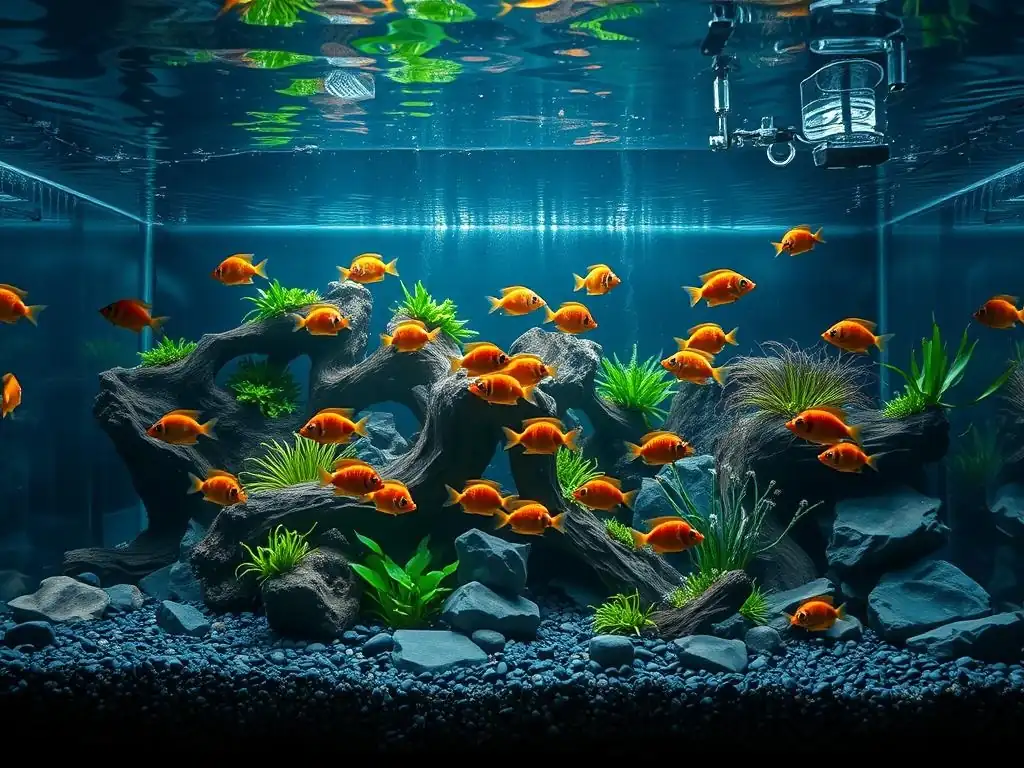
Dive into the fascinating world of Apistogramma! Ever wondered about the subtle differences and specific needs within Apistogramma species groups, like the popular Cacatuoides group? Our comprehensive Apistogramma species care guide unlocks the secrets to successfully keeping these vibrant and captivating fish. Get ready to unravel the complexities and discover how to create the perfect environment for your Apistogramma to thrive. Keep reading to learn more and master the art of Apistogramma keeping!
- Apistogramma Complexes: Understanding Species Groups
- Understanding Apistogramma Species Groups for Successful Aquarium Keeping
-
Frequently Asked Questions
- What are Apistogramma complexes and why are they important to understand?
- Where can I find information about specific Apistogramma species profiles?
- What are some common freshwater aquarium maintenance schedules recommended for Apistogramma species?
- What are some common tank issues and troubleshooting guides available for Apistogramma?
- How does AquariumMastery.com help aquarists choose the right fish for their Apistogramma tank?
- Final Reflection: Unveiling the Intricacies of Apistogramma
- Unveil Your Apistogramma Expertise!
Apistogramma Complexes: Understanding Species Groups
Understanding Apistogramma Species Groups for Successful Aquarium Keeping
Introduction to Apistogramma Complexes: A Key to Dwarf Cichlid Care
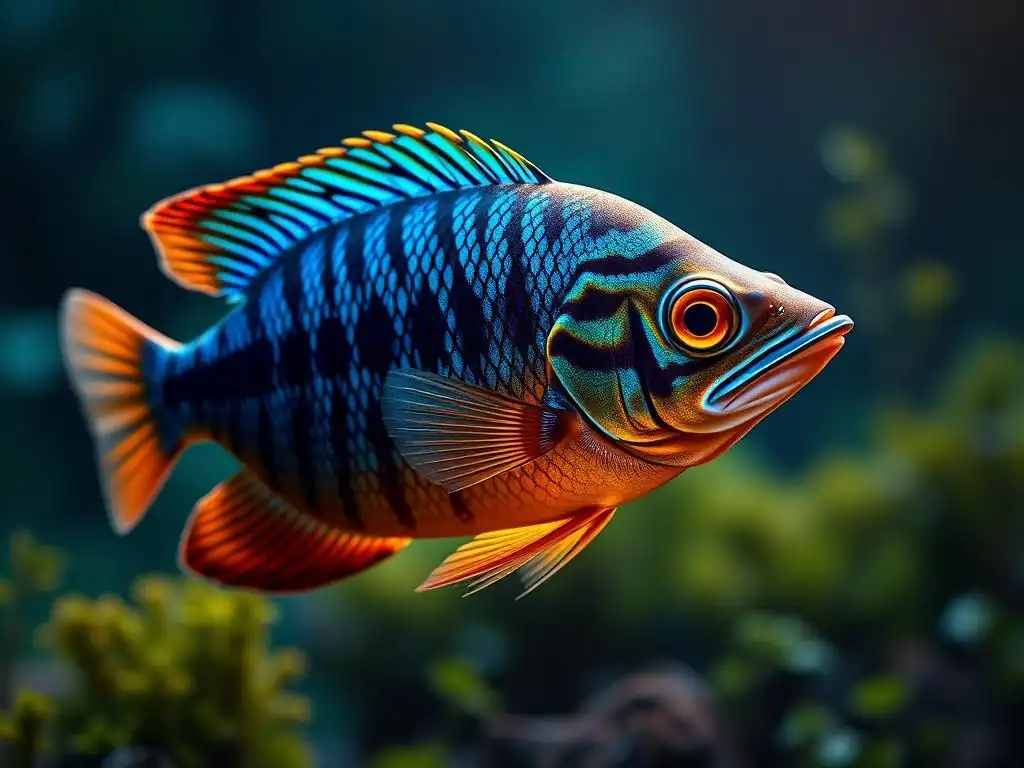
Apistogramma, a diverse genus of dwarf cichlids native to South America, are celebrated among aquarists for their vibrant colors, intriguing behaviors, and manageable size. With over 100 described species and many more awaiting formal classification, understanding these fish can seem daunting. This is where the concept of "Apistogramma complexes" becomes indispensable. A complex refers to a group of closely related Apistogramma species that share common morphological characteristics, geographical distribution, and often, similar environmental preferences, making them easier to categorize and care for. For any comprehensive Apistogramma species care guide, grasping these complexes is the foundational step towards successful husbandry.
Delving into Apistogramma complexes simplifies the process of providing optimal care by allowing aquarists to generalize certain requirements across a group rather than needing to research each individual species from scratch. For instance, species within the same complex often thrive in similar water parameters, exhibit comparable dietary needs, and display analogous social behaviors. This systematic approach not only aids in the initial setup of an aquarium but also proves invaluable in troubleshooting common issues, selecting appropriate tank mates, and even facilitating breeding success, ultimately enhancing the overall Apistogramma keeping experience.
Why Grouping Apistogramma Species Matters for Aquarists
Grouping Apistogramma species into complexes is paramount for aquarists aiming to provide specialized care that caters to the unique needs of these delicate fish. Each complex, such as the Cacatuoides or Agassizii groups, has evolved in distinct ecological niches, leading to specific preferences for water chemistry, temperature, and habitat structure. Without this categorization, an aquarist might inadvertently house a species requiring soft, acidic water (like many Agassizii group members from blackwater environments) in hard, alkaline conditions, leading to stress, diminished coloration, and susceptibility to disease. A detailed Apistogramma species care guide must emphasize these distinctions to prevent common pitfalls.
Furthermore, understanding complexes is crucial for preventing hybridization, a common issue when different Apistogramma species are housed together. While cross-breeding between distinct complexes is less common, it can occur, leading to sterile or less robust offspring that dilute genetic lines. By adhering to complex-specific recommendations, aquarists can ensure the genetic integrity of their fish, particularly for those interested in breeding projects or preserving specific strains. This knowledge also extends to behavioral considerations, as certain complexes are known to be more aggressive or territorial than others, directly influencing tank mate selection and overall community tank dynamics.
Frequently Asked Questions
What are Apistogramma complexes and why are they important to understand?
Apistogramma complexes are groups of closely related species that share similar physical characteristics and behavioral patterns. Understanding these complexes simplifies identification and helps aquarists provide appropriate care based on group-specific needs.
Where can I find information about specific Apistogramma species profiles?
AquariumMastery.com offers detailed species profiles including information about their natural habitat, diet, water parameters, and breeding behavior. You can search for specific species or browse by complex.
What are some common freshwater aquarium maintenance schedules recommended for Apistogramma species?
A typical maintenance schedule includes weekly water changes (25-50%), gravel vacuuming, and filter maintenance as needed. Regular water testing is also crucial to maintain optimal water parameters.
What are some common tank issues and troubleshooting guides available for Apistogramma?
Common issues include poor water quality, disease outbreaks, and aggression between individuals. AquariumMastery.com provides troubleshooting guides to help diagnose and address these problems effectively.
How does AquariumMastery.com help aquarists choose the right fish for their Apistogramma tank?
The website offers guidance on selecting compatible tank mates, considering factors like temperament, size, and environmental requirements. This ensures a harmonious and healthy aquarium environment.
Final Reflection: Unveiling the Intricacies of Apistogramma
The journey through the diverse world of Apistogramma complexes reveals not just the biological classifications of these fascinating fish, but also highlights the importance of informed and responsible fishkeeping in preserving their delicate ecosystems. Understanding these species groups is crucial, especially now, as hobbyists increasingly seek to replicate natural environments and provide optimal care for these captivating creatures.
This exploration into Apistogramma complexes has profoundly influenced my perspective on the aquarium hobby, underscoring the responsibility we have to understand and respect the delicate balance of nature. The interconnectedness of species within these complexes reminds us that successful fishkeeping extends beyond simply providing food and water; it requires a deep understanding of their natural behaviors and environmental needs. In the end, we will conserve only what we love; we will love only what we understand; and we will understand only what we are taught.
- Baba Dioum. This quote perfectly encapsulates the spirit of this guide, urging us to learn, understand, and ultimately, protect these incredible fish.
As you embark on your own Apistogramma keeping journey, I invite you to reflect on the knowledge shared here. Let this Apistogramma species care guide not only inform your practices but also inspire a deeper appreciation for the biodiversity of our planet. Consider how your choices as a hobbyist can contribute to the conservation of these beautiful fish and their natural habitats. Let's strive to be responsible stewards of these aquatic treasures, ensuring their survival for generations to come.
Unveil Your Apistogramma Expertise!
Thank you for diving into the fascinating world of Apistogramma complexes! We hope this article has illuminated the diverse species groups and deepened your understanding of these captivating fish. Now, let's put that knowledge into action:
- Begin observing your Apistogramma more closely. Identify which complex they belong to based on their physical characteristics and behaviors, and document your observations in a journal.
- Share this article with fellow Apistogramma enthusiasts to spread the knowledge and spark discussions within the community.
- Delve deeper: research specific Apistogramma species within your fish's complex to refine your care techniques and potentially enhance their well-being.
What subtle behavior have you noticed in your Apistogramma that might indicate their species complex?