
Lighting for Anemones: Fueling the Symbiotic Relationship with Your Clownfish

Welcome to Aquarium Mastery!
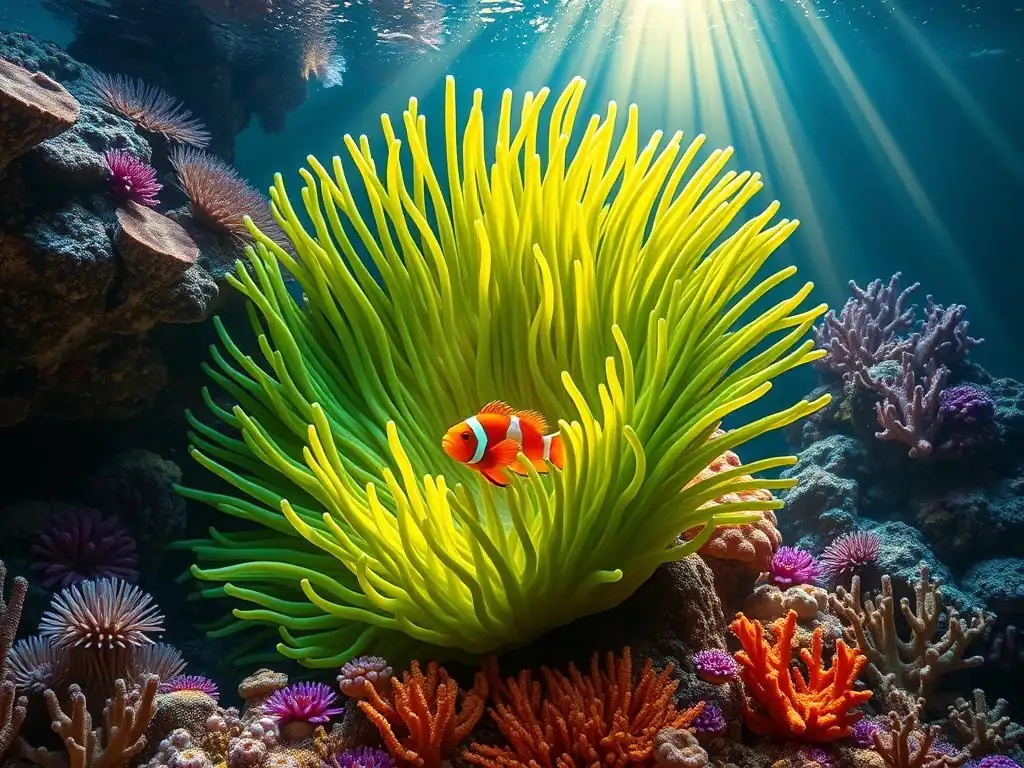
Ever wondered if your anemone is truly thriving, or just surviving, under your aquarium lights? Dive into our comprehensive guide on anemone lighting requirements for clownfish, and unlock the secrets to a vibrant, symbiotic partnership. Discover the perfect spectrum, intensity, and duration to keep both your anemone and clownfish happy and healthy. Intrigued? Keep reading to ensure your little underwater world gets the light it deserves!
- Understanding Anemone Lighting Needs for a Thriving Clownfish Habitat
- Deciphering Anemone Lighting Requirements: A Comprehensive Guide
- Types of Aquarium Lighting for Anemones: Pros and Cons
- Measuring Light Intensity: PAR, PUR, and Anemone Health
- Setting Up Your Anemone Lighting System: A Step-by-Step Approach
- Maintaining Optimal Lighting for Anemones: Best Practices
- The Role of Lighting in Clownfish Anemone Hosting Behavior
- Troubleshooting Anemone Lighting Problems: A Practical Guide
- Conclusion: Mastering Anemone Lighting for a Vibrant Reef Aquarium.
- Frequently Asked Questions
- Final Reflection: Illuminating Symbiosis
- Unlock the Secrets: Cultivate a Thriving Anemone!
Understanding Anemone Lighting Needs for a Thriving Clownfish Habitat
Why Proper Lighting is Crucial for Anemones and Clownfish
Proper lighting is paramount for the health and survival of anemones, and by extension, for the well-being of the clownfish that rely on them for shelter. Anemones host symbiotic algae called zooxanthellae within their tissues. These microscopic organisms perform photosynthesis, converting light energy into sugars and other organic compounds that provide the vast majority—often 70% to 90%—of the anemone's nutritional requirements. Without adequate and appropriate anemone lighting, these zooxanthellae cannot thrive, leading to the anemone starving, shrinking, losing color (bleaching), and ultimately dying.
Furthermore, a healthy and robust anemone is essential for clownfish. Clownfish depend on the anemone's stinging tentacles for protection against predators, as they are immune to the stings. A stressed or dying anemone cannot provide this vital protection, leaving the clownfish vulnerable. Therefore, understanding and meeting the specific anemone lighting requirements for clownfish habitats is not just about keeping the anemone alive, but about fostering a stable, secure, and thriving environment for the entire symbiotic pair.
The Symbiotic Dance: How Light Powers Anemone Health and Benefits Clownfish
The relationship between light, anemones, and clownfish is a delicate and intricate "symbiotic dance." Light directly fuels the zooxanthellae, enabling them to produce energy for the anemone. This energy supports the anemone's growth, regeneration, and overall vitality, allowing it to maintain its structure, vibrant coloration, and stinging capabilities. A well-lit anemone will typically exhibit full inflation, active tentacle movement, and a rich, natural color, indicative of a healthy zooxanthellae population.
For clownfish, a healthy anemone offers more than just a safe haven; it provides a stable home that reduces stress and encourages natural behaviors, including breeding. When the anemone lighting is optimized, the anemone flourishes, creating a more attractive and resilient host. This robust health contributes to the clownfish's security, allowing them to expend less energy on predator evasion and more on foraging and reproductive activities, ultimately leading to a more successful and engaging display in the home aquarium.
Deciphering Anemone Lighting Requirements: A Comprehensive Guide
Identifying Your Anemone Species: A Key to Correct Lighting
Accurately identifying your anemone species is the foundational step in determining its specific anemone lighting requirements. Different species originate from various depths and habitats in the ocean, leading to diverse light needs. For instance, an anemone found in shallow, sun-drenched reef crests will naturally require significantly higher light intensity than one typically found in deeper, more shaded lagoons. Attempting to apply a "one-size-fits-all" lighting approach without species identification often leads to stress, bleaching, or an anemone refusing to settle.
Marine hobbyists often encounter a few common species, each with distinct preferences. Understanding these specific needs prevents common pitfalls, such as providing too little light, which can lead to starvation, or too much light, which can cause rapid bleaching and tissue damage. A precise understanding of your anemone's natural habitat provides crucial clues for replicating optimal anemone lighting conditions in your aquarium, ensuring its long-term health and the stability of its symbiotic relationship with clownfish.
Common Anemone Species and Their Ideal Lighting Spectrum
The ideal lighting spectrum for anemones generally emphasizes the blue and royal blue wavelengths (around 420-470 nm), which are most efficiently absorbed by zooxanthellae for photosynthesis. However, a full spectrum light with some white and red components can enhance coloration and overall health. The specific intensity, measured in PAR (Photosynthetically Active Radiation), varies significantly by species.
Bubble Tip Anemones (BTAs) and Lighting Preferences
Bubble Tip Anemones ( Entacmaea quadricolor) are among the most popular choices for clownfish hosting due to their relatively hardy nature and distinctive "bubbles" (though these may not always be present). These anemones are moderately demanding in terms of light. They generally thrive under moderate to high anemone lighting conditions, typically requiring PAR levels ranging from 150 to 300 µmol·m⁻²·s⁻¹. They benefit from a spectrum that includes strong blue light, which promotes the health of their zooxanthellae, along with a good amount of white light to bring out their natural green, rose, or reddish hues.
It is crucial to provide a stable light source for BTAs, as they can be sensitive to sudden changes in intensity or spectrum. While they can adapt to various lighting types, including T5 fluorescents, LEDs, and metal halides, consistency is key. Proper anemone lighting requirements for clownfish hosts like BTAs ensure they remain inflated and vibrant, providing an inviting home for their symbiotic partners.
Carpet Anemones and Optimal Light Intensity
Carpet Anemones, such as the Haddoni Carpet Anemone ( Stichodactyla haddoni) or Gigantea Carpet Anemone ( Stichodactyla gigantea), are known for their massive size, sticky tentacles, and very high light demands. These species typically originate from shallow, brightly lit reef flats and require extremely intense anemone lighting to thrive. Optimal PAR levels for Carpet Anemones can range from 300 to over 500 µmol·m⁻²·s⁻¹, making them suitable only for tanks equipped with powerful lighting systems, often metal halides or high-output LEDs.
Their reliance on strong illumination means that inadequate lighting will quickly lead to bleaching, shrinking, and eventual decline. The spectrum should be broad, but with a significant emphasis on blue wavelengths (420-470 nm) to support the dense population of zooxanthellae within their expansive tissues. Meeting these high anemone lighting requirements is critical for maintaining their characteristic flattened, "carpet-like" appearance and for supporting the larger clownfish species that often host in them.
Sebae Anemones: Meeting Their Light Demands
Sebae Anemones ( Heteractis crispa) are another common host for clownfish, recognized by their long, often purplish or brownish tentacles with white tips. These anemones have high anemone lighting needs, similar to Bubble Tip Anemones, but often leaning towards the higher end of the moderate-to-high spectrum. They generally require PAR levels between 200 and 400 µmol·m⁻²·s⁻¹. They are highly dependent on intense light for their energy production, and insufficient lighting will quickly lead to health issues.
Like other photosynthetic anemones, a spectrum rich in blue light is crucial for Sebae Anemones, complemented by white light for overall health and visual appeal. They also benefit from stable water parameters and good water flow. When planning the anemone lighting requirements for clownfish setups involving Sebae Anemones, it is important to ensure the light source is powerful enough to penetrate the water column effectively and provide consistent intensity across their preferred location in the tank.
Types of Aquarium Lighting for Anemones: Pros and Cons
LED Lighting for Anemones: Efficiency and Control
LED (Light Emitting Diode) lighting has become the dominant choice for reef aquariums due to its numerous advantages for anemone lighting. Modern LED fixtures offer unparalleled control over spectrum, intensity, and photoperiod, allowing aquarists to precisely tailor light conditions to specific anemone species. They are also highly energy-efficient, often consuming 50-70% less power than traditional lighting types while producing less heat, which helps maintain stable water temperatures in the aquarium.
However, the initial cost of high-quality LED fixtures can be substantial, often ranging from $300 to over $1000 for a reputable unit. Additionally, some cheaper LED units may not provide the necessary penetration or spectrum for demanding anemones, or may create "hot spots" of intense light directly under the diodes, which can cause bleaching if not properly diffused or positioned. Careful research into PAR output and spectral distribution is essential when selecting LED lights for your anemone lighting requirements.
Benefits of LED Lighting for Anemone Growth
The primary benefits of LED lighting for anemone growth stem from their customizability and efficiency. Many high-end LED units allow users to adjust individual color channels (e.g., royal blue, blue, white, red, green) to create a custom spectrum optimized for zooxanthellae photosynthesis. This precise control over wavelength ensures that anemones receive the most photosynthetically usable radiation (PUR), leading to robust growth, vibrant coloration, and improved overall health. For instance, a strong emphasis on blue wavelengths (450-470 nm) is highly beneficial for the symbiotic algae.
Moreover, the long lifespan of LED diodes, often exceeding 50,000 hours (over 5 years of continuous use), significantly reduces maintenance and replacement costs compared to other lighting types. The lower heat output also minimizes the need for chillers in many setups, contributing to energy savings. These factors make LEDs an excellent long-term investment for meeting diverse anemone lighting requirements for clownfish habitats, promoting stable and thriving conditions.
Considerations When Choosing LED Fixtures for Anemones
When selecting LED fixtures for your anemones, several critical factors must be considered beyond just power output. First, evaluate the fixture's PAR (Photosynthetically Active Radiation) output and its spread. A fixture that provides even PAR distribution across the tank, without creating harsh hot spots, is preferable to prevent localized bleaching. Look for fixtures with good optics or diffusers. Second, examine the spectrum capabilities; ideally, the fixture should offer strong output in the blue and royal blue ranges (420-470 nm), crucial for zooxanthellae, along with sufficient white light for overall balance and visual appeal.
Finally, consider the controllability features. Dimmable channels, programmable sunrise/sunset effects, and cloud simulations can help acclimate anemones gradually to new light levels and reduce stress. While the initial investment for a high-quality LED fixture might be higher, the long-term energy savings, reduced bulb replacement costs, and precise control over anemone lighting conditions often justify the expenditure, ensuring the success of your clownfish-anemone pair.
Metal Halide Lighting: Powerful but Demanding
Metal Halide (MH) lighting was once the gold standard for high-intensity reef tanks, and it remains a viable option for meeting intense anemone lighting requirements, especially for very demanding species like large Carpet Anemones. MH bulbs produce an incredibly powerful, broad-spectrum light that can penetrate deep into large aquariums, providing the high PAR levels needed for robust photosynthetic activity. They are known for promoting excellent coral and anemone coloration, often giving a "shimmer" effect that mimics natural sunlight.
However, metal halide systems come with significant drawbacks. They generate a considerable amount of heat, often necessitating the use of a chiller to prevent dangerous temperature fluctuations in the aquarium, which adds to both initial cost and ongoing energy consumption. MH bulbs also have a relatively short lifespan, typically requiring replacement every 6-12 months as their spectrum and intensity degrade, adding to the operational cost. Their lack of precise spectrum control compared to LEDs can also be a limitation.
Advantages of Metal Halide for Anemone Coloration
One of the most notable advantages of metal halide lighting for anemones is its ability to produce incredibly vibrant and natural coloration. The broad, intense spectrum of MH bulbs often brings out the full range of pigments in anemones, making their greens, reds, and purples truly pop. This is partly due to the high intensity that drives robust zooxanthellae populations, which contribute to the anemone's color, and partly due to the full visible spectrum output that allows human eyes to perceive these colors more accurately.
For aquarists aiming for the most visually stunning display, particularly with large, demanding anemone species that require very high light, metal halide can be an excellent choice. The powerful penetration ensures that even the largest anemones in deep tanks receive sufficient anemone lighting, promoting their natural expansion and health, which in turn benefits the clownfish hosting within them.
Disadvantages of Metal Halide: Heat and Energy Consumption
Despite their benefits, the disadvantages of metal halide lighting are significant, particularly concerning heat and energy consumption. A typical 250-watt metal halide bulb can generate enough heat to raise the temperature of a 100-gallon aquarium by several degrees Fahrenheit within hours, necessitating a chiller. This chiller then consumes additional electricity, sometimes doubling the energy cost associated with lighting. The high heat also poses a risk of overheating the aquarium water, which can be detrimental to sensitive marine life.
Furthermore, metal halide bulbs are energy-intensive, with a single 250W or 400W bulb consuming substantial electricity daily. Their relatively short lifespan of 6-12 months before needing replacement adds to the ongoing operational costs. These factors make metal halides a less environmentally friendly and more expensive long-term option for meeting anemone lighting requirements compared to modern LED alternatives, despite their powerful output.
T5 Fluorescent Lighting: A Balanced Option
T5 fluorescent lighting, specifically High Output (HO) T5 bulbs, represents a balanced and often cost-effective option for anemone lighting. T5 fixtures consist of multiple linear fluorescent bulbs, allowing aquarists to combine different spectrums (e.g., blue, actinic, daylight) to create a customized light profile. They provide a more even spread of light across the aquarium compared to the "hot spot" effect sometimes seen with single point-source lights like metal halides or some LEDs, reducing the risk of localized bleaching.
While not as powerful or controllable as high-end LEDs, T5HOs can provide sufficient PAR for many moderate-to-high light demanding anemones, such as Bubble Tip Anemones. They also produce less heat than metal halides, though typically more than LEDs, and are generally more affordable both in initial purchase and bulb replacement costs compared to the most advanced LED systems.
Benefits of T5 Lighting for Anemone Health
T5 lighting offers several tangible benefits for promoting anemone health. Their linear form factor allows for excellent light spread, minimizing shadows and ensuring that all parts of the anemone receive consistent illumination. This even distribution can reduce stress on the anemone by preventing areas of insufficient light, which might otherwise cause it to move around the tank seeking better conditions. The ability to mix and match different color temperature bulbs (e.g., 10,000K daylight, 460nm blue, 420nm actinic) allows for a tailored spectrum that effectively supports zooxanthellae photosynthesis while enhancing the anemone's natural coloration.
Moreover, T5 fixtures are generally more forgiving in terms of light acclimation compared to the intense, focused output of some high-PAR LEDs or metal halides. This makes them a suitable choice for aquarists looking for a reliable and relatively affordable solution to meet anemone lighting requirements, fostering a healthy environment for clownfish and their hosts.
Limitations of T5 Lighting Compared to LED and Metal Halide
Despite their advantages, T5 lighting does have limitations when compared to LED and metal halide systems for anemone lighting. While they offer good light spread, their maximum PAR output is generally lower than that of powerful metal halides or high-end LEDs, making them less suitable for very light-demanding anemone species like large Carpet Anemones in deep tanks. They also lack the granular control over spectrum and intensity that advanced LED fixtures provide, meaning you cannot dim individual colors or program sophisticated sunrise/sunset cycles.
Another limitation is the ongoing cost and maintenance of bulb replacement. T5 bulbs lose intensity and shift in spectrum over time, typically requiring replacement every 9-12 months to maintain optimal performance for photosynthetic organisms. This regular replacement schedule adds to the long-term operational cost, making them less efficient in the long run compared to the extended lifespan of LED diodes.
Measuring Light Intensity: PAR, PUR, and Anemone Health
Understanding PAR (Photosynthetically Active Radiation) for Anemones
PAR, or Photosynthetically Active Radiation, is the most critical measurement for assessing anemone lighting intensity in an aquarium. It quantifies the amount of light within the visible spectrum (400-700 nanometers) that is available for photosynthesis. Unlike lumens or lux, which measure light brightness as perceived by the human eye, PAR directly measures the light energy usable by photosynthetic organisms like the zooxanthellae in anemones. A PAR meter is an indispensable tool for serious reef aquarists, allowing them to precisely measure the light intensity at various depths and locations within the tank.
Understanding PAR values is crucial because too little PAR will starve the anemone, leading to bleaching and decline, while too much PAR can cause photoinhibition, where the light energy overwhelms the zooxanthellae, leading to oxidative stress and also bleaching. Therefore, matching the PAR output of your lighting system to the specific anemone lighting requirements of your chosen species is fundamental for their long-term health and the stability of the clownfish-anemone symbiosis.
PUR (Photosynthetically Usable Radiation): Optimizing Light for Anemone Photosynthesis
While PAR measures the total light available for photosynthesis, PUR, or Photosynthetically Usable Radiation, takes this concept a step further by focusing on the specific wavelengths most efficiently utilized by zooxanthellae. Research indicates that zooxanthellae primarily absorb light in the blue/royal blue spectrum (around 420-470 nm) and, to a lesser extent, in the red spectrum (around 660 nm). These specific wavelengths are the most effective at driving the photosynthetic processes within the symbiotic algae.
Optimizing for PUR means selecting lighting fixtures that have a strong output in these critical wavelengths, rather than just a high overall PAR number from a broad spectrum that includes less useful light. For instance, an LED fixture with a high percentage of royal blue and blue diodes will often be more effective for anemone lighting than a white-heavy light with the same PAR, as it provides light that is more efficiently converted into energy by the zooxanthellae, enhancing the anemone's health and vitality.
Recommended PAR Levels for Different Anemone Species
Establishing appropriate PAR levels is fundamental to meeting the anemone lighting requirements for clownfish hosts. While these are general guidelines, individual anemones may vary in their preferences.
- Bubble Tip Anemones (BTAs): Generally thrive in a PAR range of 150 to 300 µmol·m⁻²·s⁻¹. They are adaptable but prefer moderate to high intensity.
- Carpet Anemones (e.g., Haddoni, Gigantea): These are highly light-demanding species, often requiring PAR levels from 300 to over 500 µmol·m⁻²·s⁻¹. They need very powerful lighting to survive.
- Sebae Anemones (Heteractis crispa): Typically prefer PAR values between 200 and 400 µmol·m⁻²·s⁻¹, placing them in the high-light category.
- Magnificent Anemones (Heteractis magnifica): Similar to Sebae, often requiring 200-400 PAR.
These recommended PAR levels should be measured at the specific location where the anemone will reside in the tank. It is always advisable to start with lower intensity and gradually increase it, monitoring the anemone's response, especially when introducing a new specimen or upgrading lighting.
Setting Up Your Anemone Lighting System: A Step-by-Step Approach
Choosing the Right Light Fixture for Your Aquarium Size
Selecting the appropriate light fixture for your aquarium size is a critical first step in establishing proper anemone lighting. The size and depth of your tank directly influence the type and power of lighting needed. For shallow tanks (under 20 inches deep) hosting moderate-light anemones, a quality T5HO fixture or mid-range LED might suffice. For deeper tanks (24 inches or more) or those housing high-light demanding species like Carpet Anemones, a powerful LED unit with good penetration or a metal halide system will likely be necessary to achieve the desired PAR levels at the bottom.
Consider the tank's footprint as well; linear fixtures like T5s offer better spread over wider tanks, while point-source LEDs might require multiple units to cover a large area evenly. Always check manufacturer specifications for recommended tank sizes and PAR output at various depths. Investing in a fixture that can meet or slightly exceed your anemone lighting requirements provides flexibility for future additions or changes.
Adjusting Light Intensity and Spectrum for Optimal Anemone Growth
Once the light fixture is installed, the next crucial step is to adjust the intensity and spectrum for optimal anemone growth. For LED fixtures, this involves programming the various color channels and overall intensity levels. Focus on a spectrum rich in blue and royal blue (420-470 nm), which is vital for zooxanthellae, complemented by white light for full spectrum benefits and visual appeal. Start with a moderate intensity, perhaps 50-70% of the target PAR, especially if the anemone is new or the lighting is a significant upgrade.
For T5 systems, select a combination of bulbs that provides a balanced spectrum, often a mix of blue/actinic and daylight bulbs. Metal halide systems offer less spectral control, but bulb choices (e.g., 10,000K, 14,000K, 20,000K) can influence the overall color temperature. The goal is to gradually increase light intensity over several weeks, observing the anemone's response to prevent shock or bleaching, ensuring it receives the precise anemone lighting requirements it needs to thrive.
Acclimating Anemones to New Lighting Conditions: Preventing Shock
Acclimating anemones to new lighting conditions is paramount to preventing light shock and bleaching. Anemones are highly sensitive to sudden changes in light intensity or spectrum. When introducing a new anemone, or upgrading your lighting system, always start with a lower intensity than the target PAR. This can be achieved by:
- Raising the light fixture: Elevating the light fixture further above the water surface initially reduces the PAR reaching the anemone.
- Using dimming features: If your fixture has dimming capabilities (common with LEDs), start at 30-50% intensity and gradually increase by 5-10% per week.
- Using screen mesh: Placing layers of screen mesh or window screen material over the top of the tank can temporarily diffuse and reduce light intensity.
Monitor the anemone closely for signs of stress, such as shrinking, dull coloration, or excessive movement. A typical acclimation period can last from 2 to 4 weeks, or even longer for particularly sensitive species or very significant light changes. This gradual approach is key to successfully meeting the anemone lighting requirements for clownfish hosts and ensuring their long-term health.
Maintaining Optimal Lighting for Anemones: Best Practices
Monitoring Anemone Health and Adjusting Lighting as Needed
Consistent monitoring of your anemone's health is crucial for maintaining optimal anemone lighting. Observe its behavior daily:
- Full inflation: A healthy anemone will typically inflate fully and extend its tentacles.
- Vibrant coloration: Look for rich, consistent color without pale or bleached spots.
- Stable location: Anemones that are constantly moving may be searching for better light or flow.
- Feeding response: A healthy anemone will readily accept food.
If the anemone appears shrunken, pale, or is moving excessively, it could indicate that the lighting is either too weak or too strong. If bleaching occurs, reduce light intensity immediately. If it's constantly moving to higher or lower light areas, consider adjusting the fixture height or intensity. Regular observation allows for timely adjustments to the anemone lighting requirements, preventing prolonged stress and promoting a stable environment for your clownfish.
Regular Light Fixture Maintenance: Ensuring Consistent Performance
Regular maintenance of your light fixture is essential to ensure consistent performance and meet the ongoing anemone lighting requirements. Over time, dust, salt creep, and mineral deposits can accumulate on light lenses and reflectors, significantly reducing light output and altering the spectrum. For LED fixtures, wipe down the lens cover regularly with a clean, damp cloth to remove any buildup. Ensure cooling fans (if present) are free of obstructions and clean.
For T5 fluorescent fixtures, bulbs degrade over time and should be replaced every 9-12 months, even if they still appear to be working, as their PAR output and spectrum shift. Metal halide bulbs typically need replacement every 6-12 months. Neglecting light maintenance can lead to a gradual decline in PAR, unknowingly stressing your anemone and impacting its symbiotic relationship with clownfish. A clean and well-maintained lighting system ensures your anemone receives the consistent high-quality light it needs.
Anemone Bleaching: Causes and Prevention Strategies
Anemone bleaching is a serious condition where the anemone expels its symbiotic zooxanthellae, leading to a loss of color and a severe reduction in its primary food source. While multiple factors can cause bleaching, improper anemone lighting is a leading culprit.
Causes related to lighting:
- Excessive light intensity: Too much PAR can overwhelm the zooxanthellae's photosynthetic capacity, leading to oxidative stress and expulsion. This is common when upgrading lighting or placing an anemone too high in the tank.
- Sudden changes in light: Rapid increases in intensity or spectrum shifts can shock the anemone, even if the new light level is ultimately appropriate.
- Inadequate light: While less common for immediate bleaching, prolonged insufficient light can weaken the anemone, making it more susceptible to bleaching from other stressors.
Prevention Strategies:
- Gradual acclimation: Always acclimate new anemones or new lighting systems slowly, increasing intensity over several weeks.
- Know your PAR: Use a PAR meter to ensure the light intensity matches the anemone's specific requirements.
- Stable parameters: Maintain stable water temperature and chemistry, as these stressors can exacerbate light-induced bleaching.
- Proper placement: Position the anemone at an appropriate depth for its species' light needs, allowing it to move slightly if it feels overexposed.
Excessive Algae Growth Due to Imbalanced Lighting
While anemones need light, an imbalance in anemone lighting can also contribute to excessive nuisance algae growth in the aquarium. Too long a photoperiod (lights on for too many hours), excessively high light intensity for the tank's nutrient levels, or a spectrum that favors algae growth (e.g., too much green or yellow light relative to blue) can fuel an explosion of undesirable algae. Algae compete with anemones and corals for nutrients and space, and can even smother an anemone if it grows over its disc or tentacles.
To address this, ensure your photoperiod is appropriate, typically 8-10 hours per day for reef tanks. Re-evaluate your light intensity using a PAR meter; if it's significantly higher than recommended for your tank's inhabitants, consider dimming or raising the fixture. Additionally, maintaining low nutrient levels (nitrates below 10 ppm, phosphates below 0.05 ppm) through regular water changes, proper filtration, and careful feeding will limit the fuel available for algae, regardless of the light intensity. Balancing these factors is key to providing optimal anemone lighting without encouraging nuisance algae.
The Role of Lighting in Clownfish Anemone Hosting Behavior
How Lighting Influences Clownfish Attraction to Anemones
Lighting plays a surprisingly significant, albeit indirect, role in influencing clownfish attraction to anemones. Clownfish are instinctively drawn to healthy, vibrant, and well-inflated anemones. The proper anemone lighting directly fuels the zooxanthellae within the anemone, leading to its robust health, full expansion, and natural coloration. An anemone that is shrinking, pale, or stressed due to inadequate or excessive light is far less appealing and may even be rejected by clownfish.
Furthermore, the overall visual appeal created by appropriate lighting can make the anemone stand out in the aquarium, signaling to the clownfish that it is a suitable and safe host. A dimly lit or improperly lit anemone might simply not register as an inviting home. Therefore, by meeting the precise anemone lighting requirements, aquarists are not only ensuring the anemone's survival but also actively promoting the natural hosting behaviors that make the clownfish-anemone symbiosis so captivating.
Creating a Visually Appealing and Healthy Environment for Clownfish and Anemones
Creating a visually appealing environment goes hand-in-hand with establishing a healthy one, especially when considering anemone lighting requirements for clownfish. A well-lit aquarium with a properly selected spectrum enhances the natural colors of both the anemone and the clownfish, making them more vibrant and captivating. For instance, blue-heavy lighting (actinic) can make fluorescent pigments pop, while a balanced full-spectrum light highlights all natural colors. This aesthetic appeal is not just for the aquarist's enjoyment; it signifies a thriving ecosystem.
A healthy, well-lit anemone provides a secure and inviting home for clownfish, reducing their stress and encouraging natural behaviors like darting in and out of the tentacles. When the lighting is optimized, the anemone will be fully inflated and active, providing ample shelter and a sense of security for its clownfish residents. This holistic approach, where anemone lighting supports both biological health and visual allure, cultivates a dynamic and stable symbiotic relationship for years to come.
Troubleshooting Anemone Lighting Problems: A Practical Guide
Identifying Signs of Insufficient or Excessive Lighting
Accurately identifying whether your anemone is suffering from insufficient or excessive anemone lighting is crucial for prompt intervention.
Signs of Insufficient Lighting:
- Pale or dull coloration: The anemone may appear washed out as zooxanthellae populations decline.
- Shrinking or lack of inflation: The anemone may remain small, not fully extend its tentacles, or appear deflated.
- Excessive movement: The anemone may detach from its anchor point and wander around the tank, desperately searching for a brighter spot.
- Lack of feeding response: A weakened anemone may not actively accept food.
- Elongated tentacles: In some cases, tentacles may become unusually long as the anemone tries to increase its surface area to capture more light.
Signs of Excessive Lighting:
- Rapid bleaching: The anemone quickly loses color, turning white or translucent. This is a severe sign of stress.
- Tissue necrosis: Dark spots or areas of decaying tissue may appear.
- Shrinking and shriveling: The anemone may retract significantly and remain shriveled, trying to reduce light exposure.
- Refusal to open fully: It may open only partially or remain closed for extended periods.
- Excessive slime production: As a stress response.
Adjusting Lighting Parameters to Correct Anemone Health Issues
Once you've identified signs of improper anemone lighting, adjusting your lighting parameters is the next step.
- For Insufficient Lighting:
- Increase intensity: Gradually raise the PAR output of your light fixture. If using LEDs, increase overall intensity by 5-10% daily or every few days.
- Lower the fixture: If the fixture is too high, lower it closer to the water surface (ensure safe distance from water).
- Add more light: Consider adding supplemental lighting or upgrading to a more powerful fixture if your current setup is inadequate.
- Reposition anemone: Move the anemone to a brighter spot in the tank, if possible.
- For Excessive Lighting:
- Decrease intensity: Immediately reduce the PAR output. If using dimmable LEDs, lower intensity by 10-20% and observe.
- Raise the fixture: Elevate the light fixture further from the water surface.
- Use diffusers: Add a screen or diffuser over the light to soften the intensity.
- Provide shade: Create shaded areas in the tank with rockwork or corals where the anemone can move if it chooses.
- Shorten photoperiod: Temporarily reduce the "on" time of your lights by an hour or two.
Always make adjustments gradually and observe the anemone's response over several days before making further changes to ensure you meet its specific anemone lighting requirements.
Addressing Specific Lighting Challenges Based on Anemone Species
Different anemone species present unique lighting challenges that require tailored solutions. For instance, Carpet Anemones (e.g., Stichodactyla haddoni) demand extremely high PAR (often 300-500+ µmol·m⁻²·s⁻¹) and will quickly bleach or decline under insufficient light. If you notice a Carpet Anemone shrinking or losing color, the primary suspect should be inadequate light intensity. Upgrading to powerful LED or metal halide systems capable of delivering this high PAR is often the only solution.
Conversely, some less common anemone species, or those housed in very shallow tanks, might be sensitive to the intense output of modern reef lights. Bubble Tip Anemones (BTAs), while adaptable, can bleach if suddenly exposed to very high PAR (above 350 µmol·m⁻²·s⁻²) without proper acclimation. For these, ensuring a gradual increase in intensity and providing options for the anemone to move to slightly less intense areas is crucial. Understanding the specific anemone lighting requirements for clownfish hosts means recognizing these species-specific nuances and adjusting your approach accordingly, whether it means more power, less power, or a different acclimation strategy.
Conclusion: Mastering Anemone Lighting for a Vibrant Reef Aquarium.
Frequently Asked Questions
What type of lighting is best for anemones housing clownfish?
The best lighting depends on the specific anemone species. However, most anemones that host clownfish need moderate to high-intensity lighting, such as metal halides or LEDs, within the proper spectrum.
How do I know if my anemone is getting enough light?
Signs of insufficient light include a fading color and a decrease in size. The anemone may also extend its tentacles further, searching for more light.
Can I use any LED light for my anemone?
Not all LEDs are suitable. You need LEDs that produce the correct PAR (Photosynthetically Active Radiation) and spectrum for your anemone's needs. Look for lights designed for reef aquariums.
How do I acclimate an anemone to new lighting?
Gradually increase the light intensity over several weeks. This prevents light shock and allows the anemone to adjust to the new conditions.
What are the consequences of insufficient lighting for my anemone?
Insufficient lighting can lead to the anemone expelling its zooxanthellae (symbiotic algae), resulting in bleaching and potentially death if not corrected.
Final Reflection: Illuminating Symbiosis
The intricacies of anemone lighting, as we've explored, are not merely about aesthetics; they are about fostering a thriving ecosystem within our aquariums. Understanding and meeting the specific lighting needs of anemones is paramount to ensuring the health and well-being of both the anemone and its symbiotic clownfish partner. This knowledge empowers aquarists to create environments where these fascinating creatures can flourish, mirroring the delicate balance found in their natural coral reef habitats.
This journey into anemone lighting has underscored the profound interconnectedness within our aquariums. It reminds us that responsible reef keeping is about more than just owning beautiful creatures; it's about understanding and respecting the complex biological relationships that sustain them. As Jacques Cousteau eloquently stated, The sea, once it casts its spell, holds one in its net of wonder forever.
This wonder should inspire us to continually learn and refine our practices, ensuring we provide the best possible care for our aquatic companions.
Now, armed with this knowledge of anemone lighting requirements, I encourage you to reflect on your own aquarium practices. Are you truly meeting the needs of your anemones and clownfish? Take the time to assess your current lighting setup, research the specific needs of your anemone species, and make the necessary adjustments to create a truly thriving symbiotic relationship. The reward will be a vibrant, healthy, and captivating reef aquarium that brings joy and wonder for years to come.
Unlock the Secrets: Cultivate a Thriving Anemone!
Thank you for exploring the fascinating world of anemone and clownfish symbiosis! You've just gained valuable insights into optimizing your aquarium lighting to nurture this delicate relationship. Now, let's translate that knowledge into action and watch your anemone flourish!
Here's how you can make a real difference in your anemone's health and vibrant beauty:
- Re-evaluate Your Lighting: The most impactful thing you can do is to immediately assess if your current lighting aligns with the specific needs of your anemone species. Consider the PAR, spectrum, and intensity. Don't be afraid to adjust gradually and observe the anemone's response.
- Document Your Journey: Start a journal, or a simple log, to track changes in your lighting schedule, and any observable reactions from your anemone. Sharing pictures will also help you notice subtle changes.
- Become a Coral Advocate: Share your newfound knowledge with fellow reef keepers! Discuss lighting strategies on forums or social media and invite discussion to broaden your understanding.
What small change will you implement today to optimize the symbiosis in your reef aquarium?