
Adhesive Anemone (Cryptodendrum adhaesivum): The Sticky Situation & Clownfish Safety

Welcome to Aquarium Mastery!
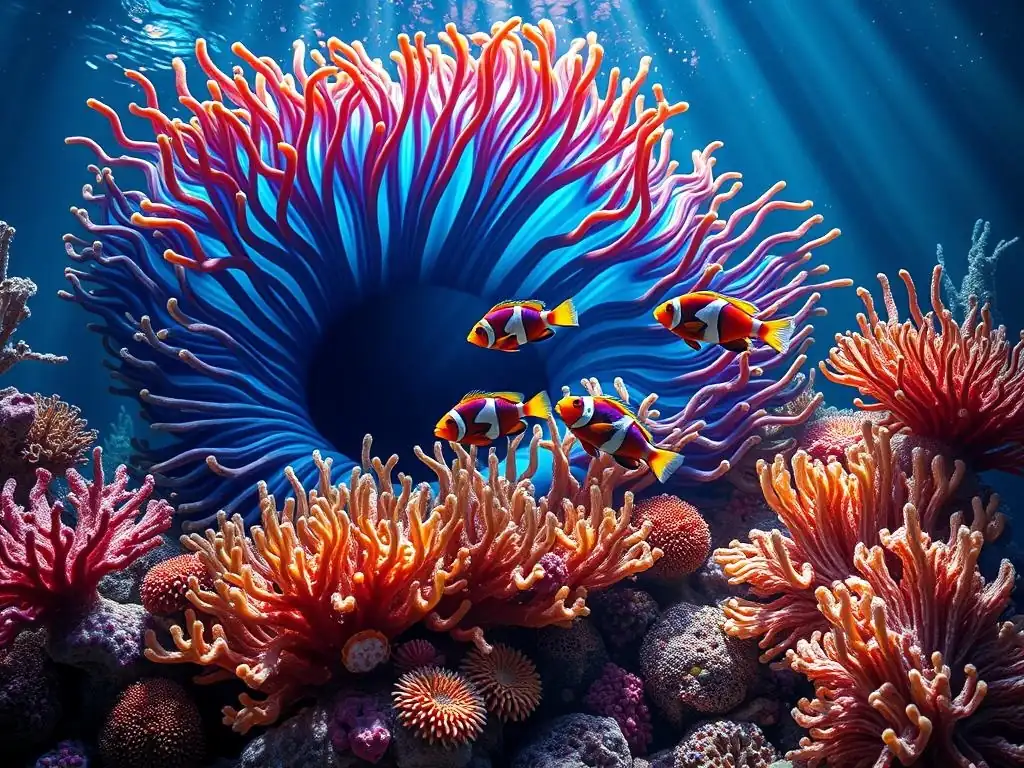
Ever wondered if you can really create a thriving anemone haven for your clownfish without the worry? Dive into our expert guide on the Adhesive Anemone (Cryptodendrum adhaesivum) and uncover the secrets to a sticky situation that's surprisingly safe. Ready to learn if this anemone is the perfect, clingy companion for your clownfish? Let's explore!
- Adhesive Anemone (Cryptodendrum adhaesivum): Care, Compatibility, and Considerations
- Understanding the Adhesive Anemone
- Clownfish and Anemone Symbiosis
- Adhesive Anemone Care in a Reef Tank
- Adhesive Properties: Implications
- Clownfish Safety
- Alternative Anemones for Clownfish
- Troubleshooting Common Issues
- Maintaining a Healthy Symbiotic Relationship
-
Frequently Asked Questions
- How safe are Cryptodendrum adhaesivum anemones for clownfish?
- What is the "sticky situation" associated with Adhesive Anemones?
- What are some key considerations when selecting an Adhesive Anemone to host clownfish?
- What are the ideal water parameters for keeping an Adhesive Anemone healthy?
- What are some common problems associated with keeping Adhesive Anemones in a reef tank?
- Final Reflection: The Delicate Dance of Symbiosis
- Ignite Your Reef Tank: Embrace the Adhesive Anemone!
Adhesive Anemone (Cryptodendrum adhaesivum): Care, Compatibility, and Considerations
Understanding the Adhesive Anemone
What is Cryptodendrum adhaesivum?
Cryptodendrum adhaesivum, commonly known as the Adhesive Anemone or Pizza Anemone, is a unique and fascinating marine invertebrate belonging to the family Thalassianthidae. Its most striking characteristic, from which it derives its common name, is its exceptionally sticky texture, caused by dense, short tentacles that cover its entire oral disc. This sessile creature is a captivating addition to a specialized reef aquarium, though its unique properties demand careful consideration.
These anemones typically exhibit a relatively flat, disc-like shape when fully expanded, often reaching diameters of 10 to 20 centimeters (4 to 8 inches), with some mature specimens growing up to 30 centimeters (12 inches). Despite being largely stationary once settled, they possess the ability to slowly move their entire body across the substrate if conditions are not ideal or if they are seeking a new location. Their appearance, resembling a textured disc, truly sets them apart from most other anemone species.
Distinguishing Features: Identification
The defining feature of the Adhesive Anemone is its surface texture, which feels remarkably similar to Velcro or a strong adhesive when touched. This sensation is due to the multitude of extremely short, densely packed tentacles that cover its entire upper surface. Unlike the long, flowing tentacles of many other anemone species, Cryptodendrum adhaesivum's tentacles are barely visible individually, creating a uniform, highly adhesive mat.
Coloration can vary significantly, ranging from earthy tones like brown, tan, and olive green to more vibrant hues of purple, blue, or even a combination of colors. Often, the oral disc, which is typically visible in the center, will display a contrasting color, adding to its visual appeal. This unique texture, combined with its disc-like shape and often striking coloration, makes the Adhesive Anemone easily identifiable within a marine aquarium.
Natural Habitat: Geographic Distribution
The Adhesive Anemone is widely distributed throughout the Indo-Pacific region, inhabiting the warm, tropical waters of coral reefs. Its natural range extends from the Red Sea and the eastern coast of Africa, across the vast expanse of Southeast Asia, including countries like Indonesia, the Philippines, and Papua New Guinea. Further east, it can be found in the Western Pacific, including the nutrient-rich waters of the Great Barrier Reef and various Pacific island nations such as Fiji and Vanuatu.
In its natural environment, Cryptodendrum adhaesivum typically thrives in shallow, clear reef environments. They are commonly found nestled among rocky outcrops, within coral rubble zones, or sometimes on sandy substrates adjacent to reef structures. These anemones prefer areas with moderate water movement and ample sunlight, usually inhabiting depths ranging from as little as 1 meter (3 feet) down to approximately 20 meters (65 feet), where they can anchor themselves firmly and capture passing prey.
Clownfish and Anemone Symbiosis
Benefits in Reef Aquariums
The classic symbiotic relationship between clownfish and anemones is one of the most captivating spectacles in a reef aquarium. In this mutualistic partnership, the clownfish gains a safe haven from predators, utilizing the anemone's stinging tentacles for protection. The anemone, in turn, benefits from the clownfish cleaning its tentacles, removing detritus, and potentially providing food scraps, as well as improved water circulation from the clownfish's movements.
For aquarists, observing this natural interaction enhances the overall appeal and educational value of a reef tank. A healthy symbiotic pair can become the focal point of the aquarium, showcasing natural behaviors such as territorial defense, host-seeking rituals, and even breeding. This dynamic interaction makes the tank not just a display of marine life, but a living ecosystem demonstrating fascinating biological relationships.
Compatible Clownfish Species
When considering a "Clownfish safe adhesive anemone" for hosting, it is crucial to understand that Cryptodendrum adhaesivum is not a natural host for any clownfish species in the wild. While clownfish are known to host in 10 specific anemone species, the Adhesive Anemone is not among them. In a confined aquarium environment, however, some clownfish, particularly the common Ocellaris ( Amphiprion ocellaris) and Percula ( Amphiprion percula) clownfish, might, out of desperation or a lack of suitable alternatives, attempt to host in an Adhesive Anemone.
This forced association in captivity is often a result of instinctual behavior rather than a naturally beneficial symbiosis. If a clownfish attempts to host, it is important to observe closely. While the clownfish's protective mucus layer offers some defense, the extreme stickiness of Cryptodendrum adhaesivum's tentacles can still pose challenges. It is therefore not considered a truly "Clownfish safe adhesive anemone" in the context of optimal well-being for the clownfish.
As previously stated, Cryptodendrum adhaesivum is generally considered unsuitable as a host for any clownfish species. Its highly adhesive tentacles, while fascinating, are fundamentally different from the less aggressively sticky tentacles of natural host anemones. The primary reason for this incompatibility is the potential for chronic irritation and physical damage to the clownfish, even with their protective mucus coating.
The constant strong adhesion can wear down the clownfish's delicate skin and fins, leading to abrasions, fin rot, or secondary bacterial infections. Unlike natural hosts where clownfish can move freely within the tentacles, the Adhesive Anemone's grip can be overly tenacious, causing stress and hindering the clownfish's ability to easily enter and exit. Therefore, intentionally pairing any clownfish species with Cryptodendrum adhaesivum is strongly discouraged, as it prioritizes the anemone's unique appeal over the long-term health and safety of the clownfish.
Adhesive Anemone Care in a Reef Tank
Optimal Water Parameters
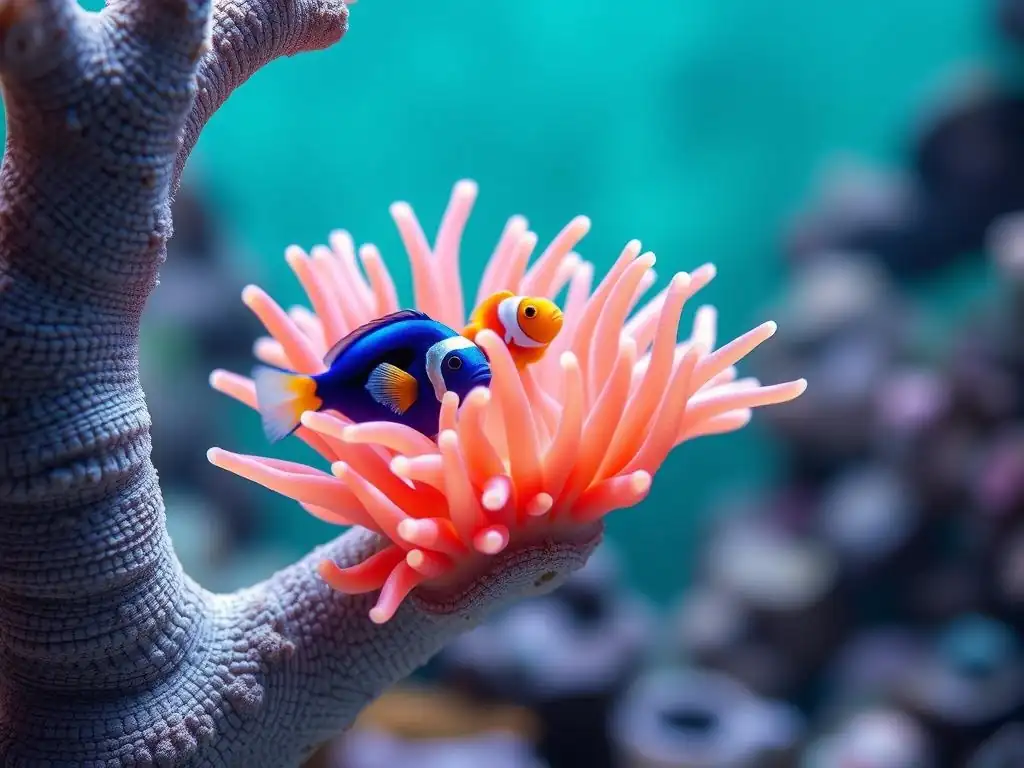
Maintaining stable and pristine water parameters is paramount for the long-term health of Cryptodendrum adhaesivum. Ideal temperature should range between 24-27°C (75-80°F), with minimal daily fluctuations. Salinity should be kept stable at a specific gravity of 1.024-1.026, which translates to approximately 35 ppt. The pH level should consistently remain between 8.1 and 8.4.
Beyond these basic parameters, attention to nutrient levels is critical. Nitrates should be kept as low as possible, ideally below 10 parts per million (ppm), and phosphates should be virtually undetectable, below 0.03 ppm. Regular testing of calcium (400-450 ppm), alkalinity (8-12 dKH), and magnesium (1300-1400 ppm) is also essential, as these elements are crucial for overall reef health and the anemone's skeletal structure, even if it's primarily soft-bodied. Consistent small water changes, such as 10-15% bi-weekly, are highly recommended to maintain water quality.
Lighting and Flow Requirements
Cryptodendrum adhaesivum hosts symbiotic zooxanthellae within its tissues, which provide a significant portion of its nutritional needs through photosynthesis. Therefore, moderate to high intensity lighting is required for its well-being. A PAR (Photosynthetically Active Radiation) level typically ranging from 150 to 300 is suitable, which can be achieved with modern LED fixtures offering a full spectrum. Acclimation to new lighting should be gradual to prevent bleaching.
Regarding water flow, the Adhesive Anemone thrives in moderate to strong, turbulent water movement. This type of flow helps to keep detritus from settling on its disc and aids in nutrient delivery, including dissolved organics and small planktonic food items. However, direct, laminar flow should be avoided, as it can cause the anemone to constantly retract or even detach from its chosen spot. Strategic placement away from direct powerhead outputs, but within a zone of good circulation, is ideal.
Feeding: Diet and Supplementation
While Cryptodendrum adhaesivum benefits significantly from its zooxanthellae, supplemental feeding is crucial for its optimal growth and vibrant coloration. They are carnivorous and will readily accept meaty foods. Offer small pieces of chopped silversides, shrimp, squid, or mysis shrimp directly onto their oral disc approximately two to three times per week. The food item should be appropriately sized to be easily consumed and digested by the anemone.
Target feeding is the most effective method to ensure the anemone receives its meal without competition from fish or other invertebrates. It is advisable to turn off powerheads and circulation pumps during feeding to prevent the food from being swept away. Occasionally, liquid invertebrate foods or amino acid supplements can be added to the water column, but these should be considered complementary to a primary diet of meaty foods.
Tank Size and Placement
Due to its potential size and the importance of stable water parameters, a minimum tank size of 75 gallons (approximately 280 liters) is recommended for a single Adhesive Anemone. Larger tanks, upwards of 100 gallons (380 liters), are even better, as they offer greater stability and more space for the anemone to settle and potentially move without interfering with other tank inhabitants. A mature tank, established for at least six months, is highly preferred before introducing this species.
Placement within the aquarium is critical. The Adhesive Anemone should be situated on a stable rock structure in an area that receives the appropriate light intensity and water flow. Crucially, allow ample open space around it, ideally at least 15-20 centimeters (6-8 inches) from any corals, other anemones, or sensitive equipment like powerheads. This provides a buffer zone, minimizing the risk of the anemone stinging or adhering to other tank inhabitants if it decides to relocate.
Adhesive Properties: Implications
Mechanism of Adhesion
The remarkable adhesive quality of Cryptodendrum adhaesivum stems from a combination of specialized stinging cells, known as nematocysts, and a highly viscous, sticky mucus. Unlike many anemones where nematocysts are primarily used for prey capture and defense through a piercing sting, the Adhesive Anemone's nematocysts are adapted for an incredibly powerful, tenacious grip. These short, dense tentacles are designed to maximize surface contact and adhesion.
When any object or organism brushes against its surface, the nematocysts fire, embedding tiny harpoon-like structures into the contact surface, while simultaneously releasing a potent adhesive mucus. This dual mechanism creates an exceptionally strong bond, allowing the anemone to firmly attach itself to substrates, or to effectively trap prey and anything else that might come into contact with its tentacles. This unique adaptation is a key survival trait in its natural environment, ensuring it can hold onto rocky surfaces despite strong currents.
Risks to Other Invertebrates and Fish
The potent adhesive grip and sting of Cryptodendrum adhaesivum pose significant risks to other tank inhabitants. Mobile invertebrates such as snails, hermit crabs, and shrimp are particularly vulnerable. If they inadvertently crawl or brush against the anemone, they can become firmly stuck and, unable to escape, will eventually succumb to the anemone's powerful sting. This often leads to the demise of valuable clean-up crew members or prized ornamental shrimp.
Corals are also highly susceptible to the Adhesive Anemone's sting. Direct contact, even for a short period, can cause severe tissue necrosis, leading to bleaching, recession, and ultimately the death of the coral colony. Smaller or slower-moving fish, especially those that rest on the substrate or near rocks, are also at risk. If they get too close or are startled into the anemone, they can become trapped, leading to severe stress, fin damage, or even suffocation.
Handling and Placement
Extreme caution is paramount when handling Cryptodendrum adhaesivum. Always wear thick, protective gloves, such as nitrile gloves over latex or specialized aquarium gloves, to prevent direct skin contact. The anemone's sting can cause irritation, itching, or a rash in humans, and its adhesive properties make it difficult to detach without causing damage to your skin or the anemone itself. Never attempt to forcefully pull the anemone from a surface, as this will severely injure or kill it.
When moving an Adhesive Anemone, gently encourage it to detach by directing a moderate water flow around its foot or by offering a small piece of meaty food to distract it, allowing it to move on its own. Once moved, allow it to naturally attach to its desired location. To mitigate its risks in a mixed reef, consider placing it on an isolated rock island in the sand bed, far from other corals and invertebrates. This confines its movement and minimizes its ability to harm other inhabitants if it decides to roam.
Clownfish Safety
Safety Concerns for Clownfish
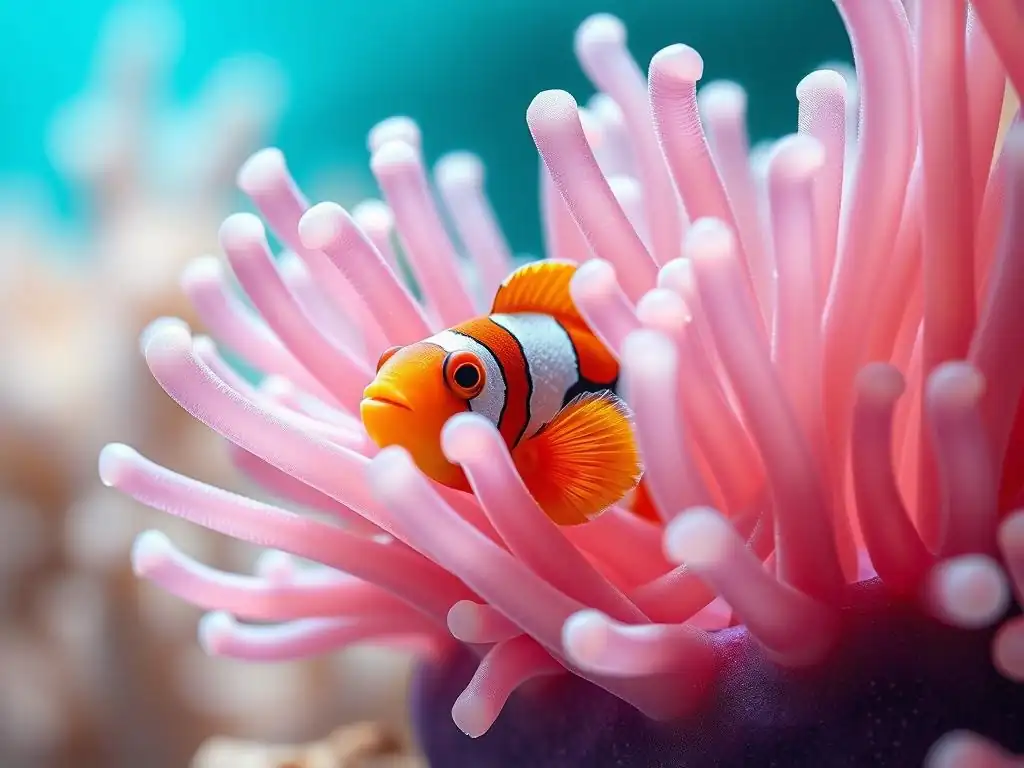
Regarding the concept of a "Clownfish safe adhesive anemone," it is critical to reiterate that Cryptodendrum adhaesivum is generally not considered a truly safe or suitable host for clownfish. While some clownfish might attempt to host, the extreme stickiness of its tentacles, though not necessarily lethal through a direct toxic sting to clownfish, can cause significant chronic issues. The constant and strong adhesion can lead to persistent irritation of the clownfish's skin and fins.
Prolonged exposure to this tenacious grip can result in the stripping or degradation of the clownfish's essential protective mucus layer. This mucus layer is vital for their defense against parasites, bacteria, and environmental stressors. A compromised mucus layer makes the clownfish highly susceptible to secondary bacterial infections, fin rot, and other diseases, potentially leading to a weakened immune system, chronic stress, and a significantly shortened lifespan, even if immediate harm isn't apparent.
Acclimation Process
If an aquarist chooses to introduce an Adhesive Anemone, despite the advisories against pairing it with clownfish for a truly "Clownfish safe adhesive anemone" environment, the acclimation process for the anemone itself must be slow and meticulous. Drip acclimation over a period of at least 60 minutes, or even longer, is highly recommended to minimize shock from changes in water parameters like salinity and pH. This gradual introduction helps the anemone adjust to its new environment.
For the clownfish, if it is to be introduced into a tank with an existing Cryptodendrum adhaesivum, close observation is paramount. Do not attempt to force the clownfish into the anemone. Provide alternative hiding spots and allow the clownfish to explore the tank naturally. If the clownfish shows any inclination to host, monitor its behavior and physical condition continuously for signs of distress or physical damage, such as frayed fins or labored breathing.
Monitoring Clownfish Behavior
Continuous and diligent monitoring of clownfish behavior is absolutely vital if they are housed in a tank with an Adhesive Anemone, especially if they attempt to host. Look for any signs of stress, discomfort, or physical harm. These can include clamped fins, rapid or labored breathing, a loss of appetite, or an unusual reluctance to move away from the anemone. Observe for any visible damage such as frayed or torn fins, skin lesions, or unusual patches of discoloration that could indicate irritation or infection from contact with the anemone.
If any adverse signs are observed, immediate intervention is necessary to safeguard the clownfish's health. This might involve carefully relocating the clownfish to a separate quarantine or hospital tank for recovery and observation. Alternatively, if the clownfish's health is severely compromised, removing the Cryptodendrum adhaesivum from the display tank might be the most humane course of action. Prioritizing the long-term well-being and safety of the clownfish should always be the primary concern, ensuring a truly "Clownfish safe adhesive anemone" experience is achieved with an appropriate host.
Alternative Anemones for Clownfish
Bubble Tip Anemones ( Entacmaea quadricolor)
The Bubble Tip Anemone ( Entacmaea quadricolor) is arguably the most popular and widely recognized choice for a "Clownfish safe adhesive anemone" host in home aquariums. Its distinctive tentacles, which can sometimes swell into bubble-like tips (though this is not always consistent), and its vibrant coloration ranging from green, pink, and rose to brown, make it highly attractive. This species is a natural host for a wide variety of common clownfish, including the Ocellaris ( Amphiprion ocellaris) and Percula ( Amphiprion percula) clownfish, fostering a truly symbiotic relationship.
Care for Bubble Tip Anemones includes providing moderate to high light intensity and moderate, turbulent water flow. They require meaty feedings several times a week, such as chopped shrimp or silversides. These anemones can grow quite large, often reaching 30 centimeters (12 inches) or more in diameter, and are known to move around the tank until they find a suitable spot. Therefore, stable water parameters and ample space, ideally in a mature tank of 75 gallons (280 liters) or more, are essential for their long-term health and stability.
Magnificent Anemones ( Heteractis magnifica)
Also known as Ritteri Anemones, Heteractis magnifica are grand and majestic anemones that serve as natural hosts for a variety of clownfish species, particularly larger ones such as Clarkii ( Amphiprion clarkii), Sebae ( Amphiprion sebae), and Magnificent ( Amphiprion magnifica) clownfish. They are characterized by their impressive size, often growing up to 50 centimeters (20 inches) or more in diameter, and their long, flowing tentacles that create a dramatic display in a large reef tank. Their coloration typically ranges from tan to brown, sometimes with pink or purple tips.
Magnificent Anemones are considered more challenging to keep than Bubble Tips, primarily due to their demanding requirements for very high light intensity and strong, turbulent water flow. They thrive in pristine water conditions and require a highly mature aquarium, ideally 125 gallons (470 liters) or larger, to provide the necessary stability and space. While magnificent in appearance, they are generally not suitable hosts for smaller clownfish like Ocellaris or Percula, as their tentacles can be too large for these species to navigate comfortably.
Sebae Anemones ( Heteractis crispa)
The Sebae Anemone ( Heteractis crispa) is another popular and natural choice for a "Clownfish safe adhesive anemone" host, particularly for species like the Sebae clownfish, Clarkii clownfish, and sometimes even Percula clownfish. They are easily identified by their typically pale white or tan body with long, slender tentacles, often tipped with purple or blue, though variations exist. In the wild, they often bury their foot in the sand, anchoring themselves to a rock beneath the substrate.
Care requirements for Sebae Anemones include moderate to high lighting and moderate water flow. Like other host anemones, they are sensitive to water quality fluctuations and thrive best in a well-established, mature reef tank. While they can grow to a substantial size, often up to 30 centimeters (12 inches), they tend to be less prone to roaming extensively compared to Bubble Tip Anemones once they find a suitable spot. Providing a deep sand bed with underlying rockwork can encourage them to settle and fully extend their foot.
Troubleshooting Common Issues
Anemone Detachment: Causes and Solutions
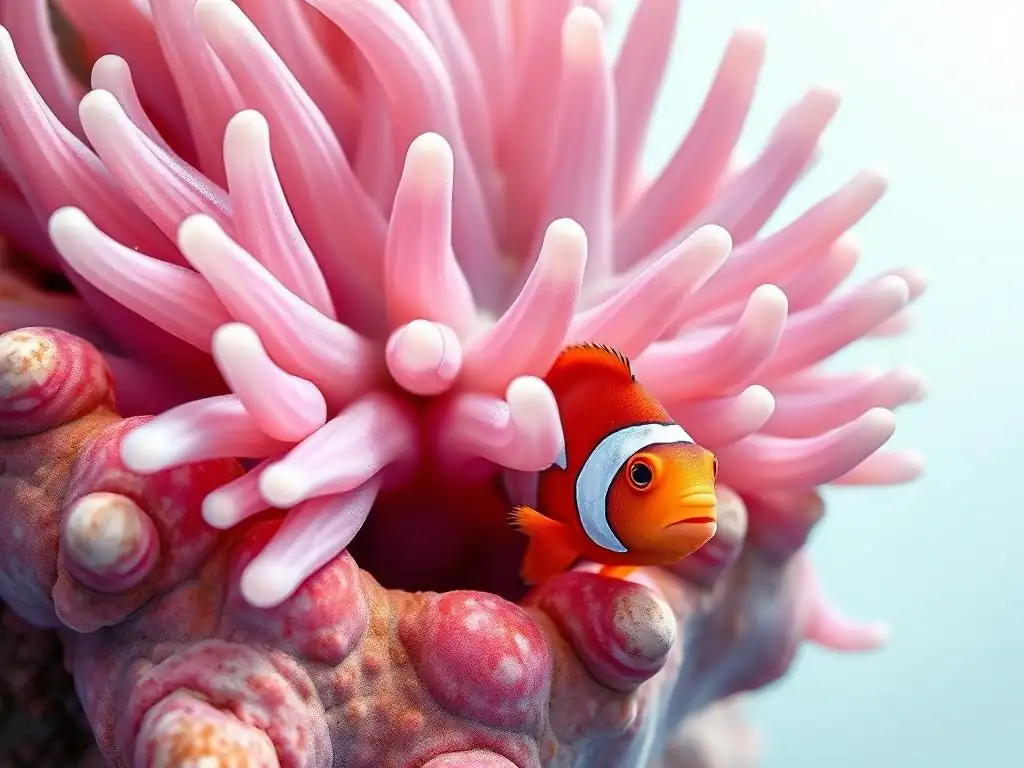
Anemone detachment is a common issue that can cause significant stress to both the anemone and the aquarist. The primary causes include poor water quality, such as sudden spikes in nitrates or phosphates, unstable pH, or inadequate salinity. Insufficient lighting or improper water flow can also lead to detachment, as can stress from chemical warfare with neighboring corals or fish harassment. Sometimes, an anemone may simply be searching for a more optimal location within the tank.
If an anemone detaches, the first step is to test all water parameters and promptly correct any imbalances. Ensure lighting is appropriate for its needs and that water flow is moderate and turbulent, not direct. If the anemone is floating, gently guide it to a low-flow area of the tank where it can reattach on its own, perhaps on a small, isolated rock. Never attempt to force it to reattach, as this can cause severe damage to its foot. Continuously monitor its health and behavior after detachment.
Anemone Bleaching: Causes and Solutions
Anemone bleaching, characterized by the loss of vibrant coloration and a pale, translucent appearance, is a serious sign of stress. It occurs when the symbiotic zooxanthellae, which give the anemone its color and provide most of its energy, are expelled from its tissues. The primary causes of bleaching include extreme or sudden changes in light intensity (either too much or too little), temperature fluctuations (especially sustained high temperatures above 28°C or 82°F), poor water quality, or prolonged starvation.
To address bleaching, first identify and rectify the underlying cause. If lighting is too intense, gradually reduce it. Ensure stable temperature within the optimal range of 24-27°C (75-80°F). Improve water quality through consistent small water changes and nutrient export methods. Increase target feeding with high-quality meaty foods to provide supplementary nutrition while the anemone attempts to recover its zooxanthellae. In severe cases, a temporary reduction in light intensity might aid recovery, but the core issue must be resolved for long-term success.
Addressing Parasites and Diseases
While anemones are generally robust invertebrates, they can occasionally fall victim to bacterial infections, external parasites, or internal health issues. Signs of problems may include localized lesions, unusual discoloration, failure to expand fully, excessive mucus production, or a general decline in vigor. Common external threats include pyramid snails, which feed on anemone tissue, and certain types of flatworms.
Treating diseases and parasites in a display tank can be challenging due to the sensitivity of other inhabitants. For external parasites, manual removal with tweezers (if pyramid snails are visible) or carefully administered dips in a separate container might be considered, though great caution is advised as anemones are very sensitive to medications.
The most effective preventative measures against most diseases are maintaining pristine water quality, providing optimal environmental conditions, and ensuring consistent, appropriate feeding. If an anemone is severely affected, isolating it in a dedicated hospital tank, if possible, can prevent the spread of potential pathogens to other tank inhabitants.
Maintaining a Healthy Symbiotic Relationship
Long-Term Success
Achieving long-term success with an anemone, particularly for a truly "Clownfish safe adhesive anemone" pairing (which ideally involves a naturally compatible host species), hinges on unwavering consistency and proactive care. Regular and accurate water testing, maintaining stable water parameters within optimal ranges, providing appropriate lighting and water flow, and consistent, nutritious feeding are non-negotiable pillars of success. A mature, stable reef tank environment, typically established for at least 6 to 12 months, is crucial before introducing sensitive invertebrates like anemones.
Proactive maintenance also involves weekly visual inspections of both the anemone and its clownfish host (if applicable) for any signs of stress, damage, or disease. Promptly addressing any deviations in water parameters, avoiding sudden changes in tank conditions, and ensuring proper equipment function are vital. Patience is also key, as anemones can take several weeks or even months to fully settle, adapt, and begin to thrive in a new aquarium environment.
Considerations for Adding Other Anemones
If you are considering adding multiple anemones to your reef aquarium, it is imperative to understand the inherent risks involved. Different species of anemones, and sometimes even individuals of the same species, are highly territorial and will sting each other if they come into physical contact. This chemical warfare can lead to severe tissue damage, necrosis, and ultimately the death of one or both anemones, as they compete for space and resources.
To prevent such conflicts, ensure ample physical space between different anemone species. A general guideline is to provide at least 30 centimeters (12 inches) of separation, and even more for larger species or those known to move frequently. Carefully plan their initial placement, considering their potential to roam. Generally, it is safest to house only one large host anemone or multiple smaller, less aggressive anemones (like rock flower anemones) in a single display tank to minimize territorial disputes and ensure a harmonious environment.
Best Practices for Monitoring Health
Regular and detailed observation is the cornerstone of maintaining a healthy anemone. Continuously monitor the anemone's expansion and coloration. A healthy Cryptodendrum adhaesivum will be fully expanded, exhibiting its characteristic "sticky" appearance and vibrant, consistent coloration. If the anemone is frequently deflated, shrunken, or losing its color, these are clear indicators of stress or underlying health issues that require immediate investigation.
Check for proper foot attachment; a healthy anemone will be firmly anchored to its substrate. Observe its feeding response; a strong and eager feeding response when offered food is a good sign of overall health. For clownfish-anemone pairs, ensure the clownfish is comfortable, free of any physical damage, and exhibiting natural hosting behaviors. This consistent monitoring helps ensure that your aquarium provides a truly optimal and "Clownfish safe adhesive anemone" environment, especially when a natural host is chosen.
Frequently Asked Questions
How safe are Cryptodendrum adhaesivum anemones for clownfish?
While Cryptodendrum adhaesivum (Adhesive Anemone) can host clownfish, it's crucial to be aware of potential risks. Some clownfish might not readily host it, and some individuals may experience negative reactions to its sting.
What is the "sticky situation" associated with Adhesive Anemones?
The "sticky situation" refers to the anemone's extremely potent sting and its ability to adhere strongly to surfaces. This can make handling it difficult and potentially harmful to both the aquarist and other tank inhabitants.
What are some key considerations when selecting an Adhesive Anemone to host clownfish?
Consider the anemone's size and health. Ensure it's well-fed and acclimated to the tank before introducing clownfish. Observe the clownfish closely for any signs of distress after introduction.
What are the ideal water parameters for keeping an Adhesive Anemone healthy?
Adhesive Anemones require stable water parameters, including appropriate salinity, pH, and temperature. They also need excellent water quality, with low levels of nitrates and phosphates, mimicking their natural reef environment.
What are some common problems associated with keeping Adhesive Anemones in a reef tank?
Common problems include difficulty in placement due to their strong adhesion, potential for stinging other corals, and the risk of the anemone wandering and getting injured by powerheads or other equipment.
Final Reflection: The Delicate Dance of Symbiosis
The exploration of Cryptodendrum adhaesivum, the adhesive anemone, reveals more than just its unique stickiness; it highlights the fragile balance within reef ecosystems and the crucial role of informed choices in aquarium keeping. Understanding the nuances of anemone behavior and its compatibility with clownfish is paramount to ensuring the health and well-being of these captivating creatures.
This intricate relationship between anemone and clownfish has profoundly shaped our understanding of marine symbiosis. Witnessing this dance firsthand, whether in the wild or in a carefully maintained aquarium, underscores the responsibility we bear as stewards of these delicate environments. In the end, we will conserve only what we love; we will love only what we understand; and we will understand only what we are taught.
- Baba Dioum. This quote perfectly encapsulates the need for continued education and awareness surrounding the complexities of reef life.
As you consider adding an adhesive anemone to your aquarium, or simply reflect on the wonders of the natural world, remember the lessons learned here. Let this knowledge empower you to make responsible decisions, fostering a thriving environment where both anemone and clownfish can flourish. Embrace the opportunity to contribute to the preservation of these magnificent ecosystems, one informed choice at a time.
Ignite Your Reef Tank: Embrace the Adhesive Anemone!
Thank you for diving deep into the world of the Adhesive Anemone! We hope you’ve uncovered valuable insights into caring for this captivating creature and ensuring the safety of your clownfish. Now, let's translate that knowledge into action and elevate your reef aquarium experience.
- Take the Plunge: Seriously consider adding Cryptodendrum adhaesivum to your reef tank to experience its unique beauty and benefit from its potential to host clownfish. Just be sure to research its specific needs thoroughly!
- Share the Knowledge: Spread the word! Share this article with fellow reefing enthusiasts who might be curious about housing clownfish with anemones.
- Observe and Learn: Closely monitor your existing anemones and clownfish interactions. Could a change in tank dynamics improve their relationship?
Ready to take the next step and create a thriving symbiotic relationship in your reef tank?