
What Do Crayfish Eat? A Guide to Their Omnivorous Appetite and Feeding

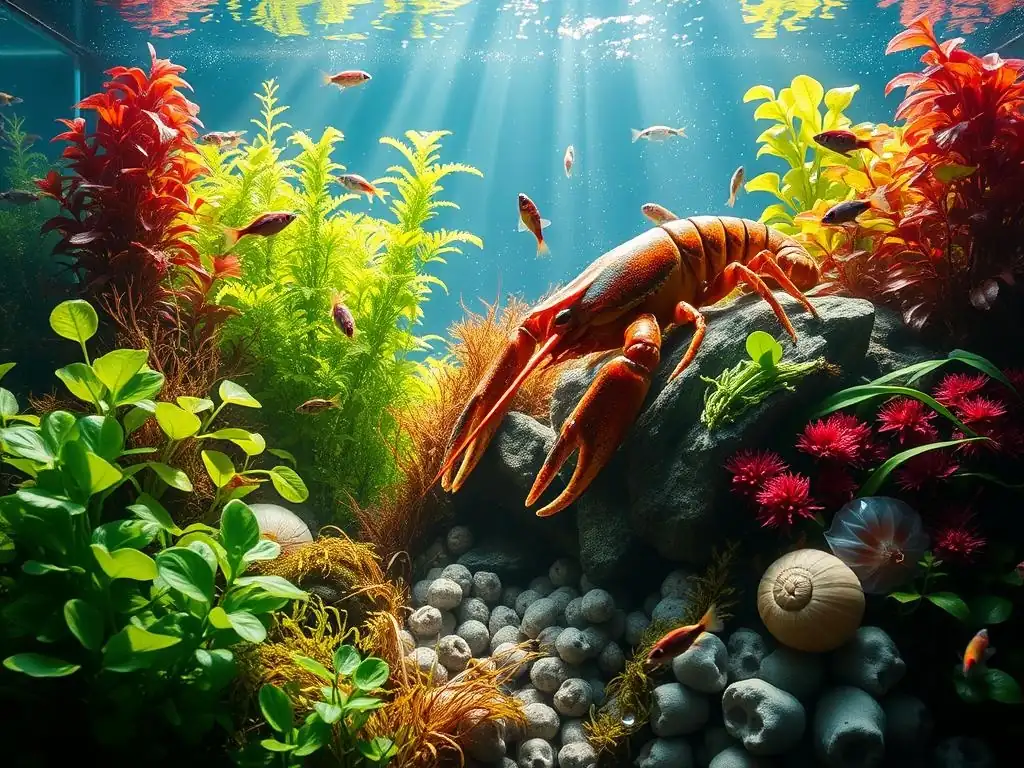
Welcome to Aquarium Mastery!
Ever wondered exactly what those fascinating little freshwater lobsters, crayfish, munch on? This guide dives deep into the crayfish diet and feeding habits, revealing the secrets to keeping your shelled friends happy and healthy. Prepare to unlock the mysteries of their omnivorous appetite and discover how to create the perfect feeding schedule! Ready to learn more?
- Understanding the Crayfish Diet: An Overview
- Crayfish Feeding Habits in the Wild: Natural Food Sources
- Feeding Crayfish in the Aquarium: A Comprehensive Guide
- Creating a Feeding Schedule for Your Crayfish
- Foods to Avoid When Feeding Crayfish
- Promoting Healthy Growth and Molting Through Proper Nutrition
- Troubleshooting Common Feeding Problems in Crayfish
- Maintaining a Clean Aquarium Environment After Feeding
- Frequently Asked Questions
- Final Reflection: The Unseen Ecosystem Within
- Unleash Your Inner Crayfish Keeper!
Understanding the Crayfish Diet: An Overview
The Omnivorous Nature of Crayfish
Crayfish are fascinating crustaceans known for their highly adaptable and omnivorous eating habits. In their natural habitats, these opportunistic feeders consume a wide range of organic matter, making their crayfish diet incredibly diverse. This adaptability allows them to thrive in various aquatic environments, from slow-moving streams to murky ponds, by utilizing whatever food sources are readily available. Their diet typically consists of both plant-based materials and animal matter, showcasing their versatility as scavengers and occasional predators.
Their omnivorous nature means that a significant portion of their natural crayfish diet involves scavenging on detritus – decaying plant and animal matter that settles on the substrate. This includes fallen leaves, dead insects, and even fish carcasses. Beyond scavenging, crayfish also actively graze on algae and aquatic plants, and they will opportunistically hunt small invertebrates such as insect larvae, worms, and snails. This broad spectrum of food sources ensures they receive a comprehensive range of nutrients essential for their growth, molting cycles, and overall health.
Importance of a Balanced Diet for Crayfish Health
Providing a balanced crayfish diet is paramount for the long-term health and vitality of these fascinating invertebrates in an aquarium setting. A diet lacking essential nutrients can lead to various health issues, including stunted growth, failed molts (which can be fatal), dull coloration, and increased susceptibility to diseases. For instance, insufficient calcium can result in "soft shell syndrome," a condition where the new exoskeleton fails to harden properly after molting, leaving the crayfish vulnerable.
Conversely, a well-rounded crayfish diet that mimics their natural feeding habits supports robust growth, vibrant coloration, and strong exoskeletons. It also enhances their immune system, making them more resilient to environmental stressors and pathogens. Proper feeding, therefore, is not just about providing food, but about ensuring a complete nutritional profile that sustains all biological processes, from energy production to successful reproduction. A consistent and varied feeding regimen is key to successful crayfish keeping.
Crayfish Feeding Habits in the Wild: Natural Food Sources
Detritus and Decomposing Matter: A Key Component
In their wild habitats, detritus and decomposing organic matter form a cornerstone of the natural crayfish diet. This includes a rich assortment of decaying leaves from riparian vegetation, submerged wood, and the remains of aquatic plants and animals. Crayfish play a vital ecological role by breaking down this organic material, effectively recycling nutrients back into the ecosystem. They use their chelipeds (claws) to tear apart larger pieces and then transport smaller particles to their mouthparts for consumption.
This constant availability of detritus provides a consistent food source, particularly in environments where live prey might be scarce. For example, studies in temperate streams have shown that during autumn, a significant portion of a crayfish's caloric intake comes from processed leaf litter. Their digestive systems are well-adapted to extract nutrients from these complex organic compounds, highlighting their efficiency as nature's clean-up crew and making detritus a critical element of their wild crayfish feeding behavior.
Algae and Plant Matter: Grazing Behavior
Beyond detritus, crayfish are also avid grazers, consuming a variety of algae and aquatic plants as part of their natural crayfish diet. They use their walking legs and smaller appendages to scrape algae from rocks, submerged logs, and the surfaces of aquatic plants. This grazing behavior helps control algal growth in their natural environments and provides them with essential vitamins, minerals, and fiber. Common aquatic plants they might consume include species like Elodea, duckweed, and various types of pondweed.
Their consumption of plant matter can vary significantly based on species and availability; some crayfish species, like the Red Swamp Crayfish (Procambarus clarkii), are known to be particularly destructive to aquatic vegetation. This herbivorous aspect of their crayfish feeding contributes to their nutrient intake, offering carbohydrates and other plant-derived compounds. The fibrous content of plant matter also aids in their digestive processes and can contribute to overall gut health.
Small Insects and Invertebrates: Hunting Opportunities
While often considered scavengers, crayfish are also opportunistic predators, actively hunting and consuming small insects and other invertebrates. Their powerful claws are well-suited for capturing slow-moving or injured prey. Common targets include aquatic insect larvae such as chironomid (midge) larvae, mayfly nymphs, and mosquito larvae, as well as small worms, snails, and even tadpoles or very small fish if they are slow enough to catch.
This predatory component of their crayfish diet provides them with vital protein and fats, essential for growth and energy. For instance, a medium-sized crayfish might consume several dozen small insect larvae over a few days, depending on their metabolic rate and hunger. This hunting behavior not only supplements their diet with high-quality nutrients but also provides mental stimulation, mirroring their natural instincts and adding an important dimension to their overall crayfish feeding strategy.
Feeding Crayfish in the Aquarium: A Comprehensive Guide
Formulated Crayfish Food: Pellets and Wafers
In an aquarium setting, formulated crayfish food in the form of sinking pellets or wafers should form the cornerstone of their balanced crayfish diet. These commercial foods are specifically designed to meet the nutritional requirements of bottom-dwelling crustaceans, offering a blend of proteins, fats, carbohydrates, vitamins, and minerals. High-quality crayfish pellets often contain between 30% and 45% protein, derived from sources like fish meal, shrimp meal, and spirulina, ensuring adequate muscle development and energy.
It is crucial to select foods that sink quickly, as crayfish primarily feed on the substrate. Floating foods often go uneaten or can be difficult for them to access, leading to water quality issues. Brands like Hikari Crab Cuisine or Omega One Shrimp Pellets are popular choices, known for their balanced formulations and palatability. These pellets provide a consistent and convenient way to deliver essential nutrients, forming the base of a healthy crayfish feeding regimen.
Supplementing with Vegetables: A Nutritional Boost
Supplementing your crayfish's diet with fresh vegetables is an excellent way to provide additional vitamins, minerals, and fiber, enhancing their overall nutrition. Vegetables mimic the plant matter they consume in the wild and contribute to digestive health. Incorporating blanched vegetables into their crayfish diet several times a week can significantly improve their well-being and provide dietary variety that commercial foods alone might not offer.
The fiber in vegetables aids in digestion, while the array of vitamins, such as Vitamin C and K, and minerals like iron and calcium, are crucial for metabolic processes and exoskeleton development. This supplementary feeding strategy ensures a more holistic approach to their nutritional needs, contributing to a robust and vibrant crayfish.
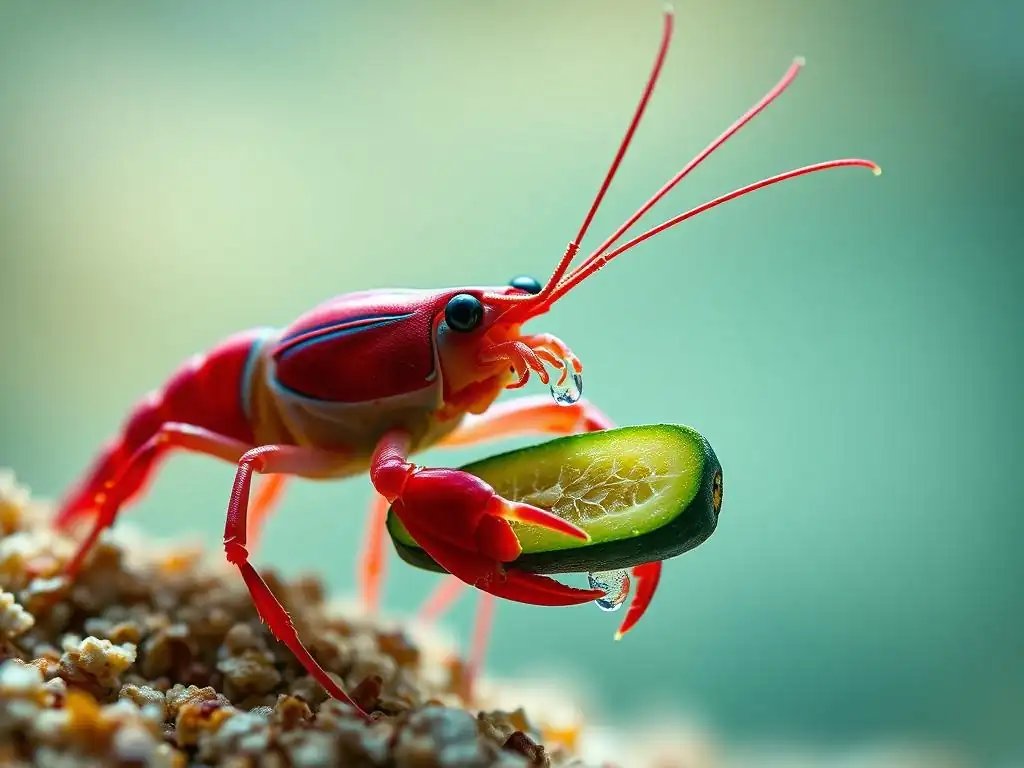
Suitable Vegetables for Crayfish: Zucchini, Spinach, Kale
Several common vegetables are highly suitable for crayfish consumption. Zucchini is an excellent choice, being soft when blanched and a good source of Vitamin C and potassium. Spinach is another popular option, rich in iron, calcium, and various vitamins, although it should be offered in moderation due to its oxalic acid content, which can inhibit calcium absorption if given in excess. Kale is also beneficial, packed with Vitamin K and C, and provides good fiber.
Other suitable vegetables include blanched carrots (in small amounts for Vitamin A), peas (shelled), and even small pieces of cucumber. It is vital to ensure all vegetables are organic and free from pesticides, as these chemicals can be highly toxic to invertebrates. Offering a rotation of these vegetables ensures a diverse nutrient intake for your crayfish feeding plan.
Preparing Vegetables for Crayfish Consumption
Proper preparation of vegetables is essential to make them palatable and safe for your crayfish. The most common method is blanching: briefly boiling the vegetables for 30 to 60 seconds until they are slightly softened but not mushy. This process breaks down cell walls, making the vegetables easier for the crayfish to consume and digest, and also helps them sink. After blanching, immediately transfer the vegetables to an ice bath to stop the cooking process and preserve their nutritional value.
Once cooled, the vegetables should be cut into small, manageable pieces appropriate for the size of your crayfish. For instance, a quarter-inch slice of zucchini or a small piece of blanched spinach leaf is usually sufficient. Any uneaten vegetable matter should be removed from the tank within 12-24 hours to prevent decomposition and maintain water quality, which is a critical aspect of successful crayfish feeding.
Live and Frozen Foods: Enhancing Their Diet
Incorporating live and frozen foods into your crayfish's diet provides valuable protein and fats, and can stimulate their natural hunting instincts. These food sources are often highly palatable and can significantly enhance the overall nutritional profile of their crayfish diet, promoting better growth and coloration. They are particularly beneficial for younger, growing crayfish or those recovering from molting.
However, it is crucial to source live foods from reputable suppliers to minimize the risk of introducing parasites or diseases into your aquarium. Frozen foods, being pre-killed, carry a lower risk of pathogens and are often more convenient to store and prepare, making them an excellent choice for a varied crayfish feeding regimen.
Safe Live Food Options for Crayfish: Bloodworms, Daphnia, Blackworms
Several live food options are safe and beneficial for crayfish. Bloodworms (chironomid larvae) are highly nutritious and readily accepted by most crayfish due to their high protein content. Daphnia, small freshwater crustaceans, are an excellent choice for smaller crayfish or as a natural gut cleanser; they are also known to be good carriers of beneficial bacteria. Blackworms (Lumbriculus variegatus) are another popular live food, providing a good source of protein and fat, and stimulating natural foraging behavior.
When offering live foods, ensure the portions are small enough to be consumed relatively quickly to prevent uneaten food from dying and fouling the water. Live foods not only provide superior nutrition but also offer enrichment, allowing your crayfish to engage in natural hunting behaviors, which is a key part of their natural crayfish diet and feeding.
Frozen Food Varieties: Brine Shrimp, Mysis Shrimp, Krill
Frozen foods offer a convenient and safe alternative to live options, providing a concentrated source of protein and essential nutrients. Frozen brine shrimp are a common and widely available option, providing a good supplementary protein source, though they are not as nutritionally dense as some other frozen foods. Frozen Mysis shrimp are a superior choice, offering higher protein and fat content, as well as essential fatty acids, making them excellent for promoting growth and vibrant coloration in your crayfish.
Krill, another frozen option, is very high in protein and carotenoids, which can enhance the red and orange pigments in many crayfish species. Before feeding, frozen foods should always be thawed in a small amount of tank water to avoid introducing cold water directly into the aquarium. Offering a rotation of these frozen foods ensures a diverse and nutrient-rich crayfish diet and feeding plan.
Creating a Feeding Schedule for Your Crayfish
Frequency of Feeding: How Often to Feed Crayfish
Establishing a consistent feeding schedule is vital for the health and well-being of your crayfish. For adult crayfish, feeding two to three times per week is generally sufficient. This frequency allows them to fully digest their meals and prevents overfeeding, which can lead to water quality issues. Juvenile crayfish, however, grow more rapidly and have higher metabolic rates, so they may benefit from daily feeding or feeding every other day to support their accelerated growth.
The exact frequency can also depend on the crayfish's size, activity level, and the presence of other tank mates. Observing your crayfish's appetite and the time it takes for them to consume their food will help you fine-tune the ideal feeding frequency for your specific setup, ensuring an optimal crayfish diet and feeding routine.
Portion Control: Avoiding Overfeeding
Portion control is arguably the most critical aspect of a successful crayfish feeding strategy. The general rule of thumb is to offer only as much food as your crayfish can consume within one to two hours. Overfeeding is a common mistake that leads to a cascade of problems, including uneaten food decaying in the tank, which rapidly degrades water quality by releasing ammonia, nitrites, and nitrates. This can lead to cloudy water, foul odors, and dangerously high toxin levels that stress or even kill your crayfish.
Beyond water quality issues, chronic overfeeding can also lead to obesity in crayfish, potentially impacting their mobility and overall health. It can also encourage the growth of harmful bacteria and fungi in the substrate. Therefore, it is always better to slightly underfeed than to overfeed, ensuring a clean environment and a healthy crayfish diet.
Observing Your Crayfish's Feeding Behavior: Adjustments and Considerations
Closely observing your crayfish's feeding behavior provides invaluable insights into their health and helps you make necessary adjustments to their feeding schedule and portions. Pay attention to how quickly they approach the food, how much they consume, and if there are any leftovers. A healthy crayfish will typically be eager to feed and will consume its portion within the recommended timeframe.
If your crayfish is not eating, or leaves a significant amount of food, it could indicate an impending molt (crayfish often stop eating a few days before molting), stress, poor water quality, or even illness. Conversely, if food disappears almost instantly and the crayfish seems constantly hungry, you might consider slightly increasing the portion size or frequency. Regular observation ensures that your crayfish diet and feeding plan remains responsive to their specific needs.
Foods to Avoid When Feeding Crayfish
Copper-Based Medications: Toxicity Concerns
One of the most critical substances to strictly avoid when keeping crayfish, and indeed any invertebrate, is copper. Copper is highly toxic to crustaceans and other invertebrates, even in very low concentrations. Many fish medications, particularly those designed to treat external parasites like Ich, contain copper sulfate. Even trace amounts from these medications, if absorbed into the water, can be fatal to crayfish by disrupting their respiratory systems and damaging their hemolymph (blood).
Therefore, always read the ingredient list of any aquarium treatment before using it in a tank housing crayfish. If a copper-based medication is necessary for fish, the crayfish should be removed to a separate, copper-free quarantine tank. This vigilance is crucial for the safety and longevity of your crayfish, as part of a responsible crayfish diet and feeding approach.
Processed Foods and Artificial Additives: Potential Harm
Avoid feeding your crayfish human processed foods or any items containing artificial additives, colors, or excessive preservatives. Foods like bread, pasta, sugary snacks, or cooked meats prepared for human consumption are completely unsuitable for a crayfish diet. These items lack the appropriate nutritional profile for crustaceans and can contain ingredients that are difficult for them to digest or are outright harmful. For example, high sugar content can lead to bacterial issues, and complex carbohydrates like those in bread can foul water quickly if uneaten.
Similarly, some lower-quality fish foods might contain artificial dyes or fillers that offer no nutritional value and could potentially be detrimental over time. Stick to high-quality, natural foods designed for aquatic invertebrates or the carefully selected fresh vegetables and proteins discussed previously. A natural and unprocessed crayfish feeding regimen is always the safest and healthiest choice.
Overfeeding Protein: Risks and Mitigation
While protein is an essential component of the crayfish diet for growth and molting, overfeeding high-protein foods can pose risks. An excessive protein intake, particularly from sources not naturally part of their diet, can contribute to problems like "shell rot" (a bacterial infection that erodes the exoskeleton) or put undue strain on their digestive and excretory systems. For instance, a diet consistently above 50% protein might be too rich for long-term health, especially if not balanced with fiber and other nutrients.
To mitigate these risks, ensure that even protein-rich foods are part of a varied and balanced crayfish diet. Don't rely solely on one type of protein source. Integrate vegetables and commercial pellets to provide a comprehensive nutrient profile. Monitor your crayfish for signs of digestive distress or shell issues, and adjust the protein content of their food accordingly. Moderation and variety are key to a healthy crayfish feeding plan.
Promoting Healthy Growth and Molting Through Proper Nutrition
Calcium Requirements for Shell Development
Calcium is the single most critical mineral for crayfish, playing an indispensable role in the development and hardening of their exoskeleton. Their shells are primarily composed of calcium carbonate, and a continuous supply of this mineral is vital, especially during and after the molting process. If a crayfish does not receive sufficient calcium through its diet or from the water column, it can suffer from "soft shell syndrome," where the new shell fails to harden properly, leaving the crayfish extremely vulnerable to injury, infection, and predation.
Beyond direct dietary intake, the general hardness (GH) of the aquarium water also contributes to calcium availability. Water with a GH level typically above 8-10 dGH is often recommended for crayfish to ensure adequate calcium and magnesium are present for absorption. Therefore, proper calcium provision is a cornerstone of any effective crayfish diet and feeding strategy.
Providing Calcium Supplements: Cuttlebone, Calcium Carbonate Powder, Snailshells
To ensure adequate calcium intake, especially in tanks with softer water or for species with high calcium demands, various supplements can be provided. Cuttlebone, commonly sold for birds, is an excellent source of calcium carbonate. A small piece can be placed directly into the tank, where crayfish can graze on it as needed. Calcium carbonate powder, often available as food-grade supplements, can be lightly dusted onto their regular food before feeding.
Clean, empty snail shells (from species like mystery snails or ramshorn snails) can also be added to the tank. Crayfish may consume parts of these shells or absorb calcium from them as they slowly dissolve. Some commercial crayfish foods are also fortified with extra calcium, but supplementing with these natural sources provides an additional safety net, ensuring robust shell development and successful molts, which are crucial aspects of their crayfish diet and feeding.
The Molting Process and Dietary Support
Molting, or ecdysis, is a critical and energy-intensive process for crayfish, as it is how they grow. During this time, they shed their old, restrictive exoskeleton to allow for a new, larger one to form. Proper nutrition plays a crucial role both before and after a molt. Before molting, crayfish often store up calcium and energy reserves, and may stop eating a few days prior. A calcium-rich crayfish diet in the weeks leading up to a molt helps ensure the new shell has sufficient building blocks.
Immediately after molting, the new exoskeleton is soft and vulnerable. The crayfish will absorb water to expand its new shell and then begin to re-harden it by absorbing calcium from the water and consuming their old shell. Providing easy access to calcium sources and a calm, secure environment during this period is paramount. A well-nourished crayfish recovers faster and is less prone to complications during this delicate phase, highlighting the importance of a comprehensive crayfish diet.
Troubleshooting Common Feeding Problems in Crayfish
Crayfish Not Eating: Potential Causes and Solutions
If your crayfish suddenly stops eating, it can be a sign of several underlying issues. One of the most common reasons is an impending molt; crayfish typically cease feeding a few days before shedding their exoskeleton. Other causes include stress from poor water quality (e.g., high ammonia, nitrites, or nitrates), sudden changes in their environment, or aggressive tankmates. Illness or injury can also lead to a loss of appetite.
To troubleshoot, first check your water parameters immediately using a reliable test kit. If parameters are off, perform a partial water change. Ensure the tank has ample hiding spots to reduce stress. If a molt is suspected, simply be patient and ensure calcium sources are available. If no other issues are apparent and the crayfish remains lethargic, it may indicate illness, requiring further observation and potentially professional advice. Consistent observation of their crayfish diet and feeding habits is key.
Aggressive Feeding Behavior: Management Techniques
Aggressive feeding behavior, where a crayfish might hoard food, attack tankmates during feeding, or display excessive territoriality around food items, can be a problem. This often stems from competition, hunger, or a lack of adequate space and hiding spots. If you have multiple crayfish or other bottom feeders, ensure you are providing enough food for everyone, perhaps by dispersing it in different areas of the tank to reduce competition.
Increasing the frequency of feeding slightly, or offering small, more frequent meals, can sometimes alleviate intense hunger-driven aggression. Providing plenty of hiding spots like PVC pipes, caves, and driftwood can help establish territories and reduce direct confrontations over food. In extreme cases, if aggression persists and harms tankmates, re-evaluating tank size or considering separate housing might be necessary to manage their crayfish feeding dynamics.
Uneaten Food and Water Quality: Preventing Issues
Uneaten food is a primary contributor to poor water quality in an aquarium. When food decomposes, it releases ammonia, a highly toxic compound, which then converts to nitrites (also toxic) and eventually nitrates. This cycle can quickly lead to cloudy water, unpleasant odors, and dangerously high levels of toxins that stress and harm aquatic inhabitants, including crayfish. Preventing this is crucial for a healthy tank environment.
The most effective prevention methods involve strict portion control—feeding only what your crayfish can consume within 1-2 hours—and prompt removal of any leftovers. Regular gravel vacuuming and consistent water changes are also essential to remove accumulated waste and maintain optimal water parameters. Adhering to these practices is fundamental to a successful crayfish diet and feeding strategy, ensuring a clean and safe habitat.
Maintaining a Clean Aquarium Environment After Feeding
Removing Uneaten Food: Preventing Ammonia Spikes
The immediate removal of any uneaten food is a critical step in maintaining pristine water quality and preventing dangerous ammonia spikes. Food left to decay in the aquarium rapidly breaks down, releasing ammonia, which is highly toxic to crayfish and other aquatic life. Ideally, any food not consumed by your crayfish within one to two hours should be promptly siphoned out using a gravel vacuum or carefully netted out.
This simple practice significantly reduces the organic load in the tank, preventing the build-up of harmful nitrogenous compounds. It also discourages the growth of nuisance algae and unwanted bacteria. Making this a routine part of your crayfish feeding regimen is essential for the long-term health and stability of your aquarium ecosystem.
Water Changes and Filtration: Maintaining Optimal Water Parameters
Regular partial water changes and robust filtration are indispensable for maintaining optimal water parameters, especially in tanks where crayfish are fed. Even with careful feeding, waste products from the crayfish diet and their metabolism will accumulate. Weekly partial water changes, typically 25% of the tank volume, dilute nitrates, replenish essential minerals, and remove other dissolved organic compounds that filtration alone cannot handle.
A high-quality filtration system (mechanical, biological, and chemical) is also vital. Mechanical filtration removes particulate waste, biological filtration converts toxic ammonia and nitrites into less harmful nitrates, and chemical filtration (e.g., activated carbon) removes odors and discoloration. Regular maintenance of filter media, such as rinsing sponges and replacing carbon, ensures the system operates efficiently, supporting a healthy environment for your crayfish.
Substrate Cleaning: Removing Detritus and Waste
The substrate in a crayfish aquarium can become a significant trap for uneaten food, crayfish waste, and other detritus, leading to anaerobic pockets and poor water quality if not regularly cleaned. Performing routine substrate cleaning, typically through gravel vacuuming during water changes, is crucial. This process effectively removes accumulated organic matter from beneath the surface, preventing its decomposition and the release of harmful toxins like hydrogen sulfide.
Focus on areas where food is typically offered and where waste tends to accumulate. While crayfish themselves are detritivores, excessive build-up of waste can overwhelm the biological filter and create unhealthy conditions. A clean substrate contributes significantly to overall tank hygiene, supporting a thriving environment for your crayfish and ensuring their diet and feeding practices don't negatively impact water quality.
Frequently Asked Questions
What is the primary food source for crayfish in an aquarium?
Crayfish are omnivores, meaning they eat both plants and animals. Their diet in an aquarium should consist of a variety of foods to ensure they receive all necessary nutrients.
How often should I feed my crayfish?
Feed crayfish small amounts daily or every other day. Avoid overfeeding, as uneaten food can pollute the tank and lead to water quality issues.
What types of vegetables can I feed my crayfish?
Suitable vegetables include blanched zucchini, spinach, and cucumber. Ensure vegetables are organic and thoroughly washed to avoid introducing harmful chemicals into the aquarium.
Can I feed my crayfish protein-based foods?
Yes, crayfish require protein. You can supplement their diet with sinking pellets, bloodworms, or even small pieces of cooked shrimp or fish. Be mindful of portions to prevent overfeeding.
Are there any foods I should avoid feeding my crayfish?
Avoid feeding crayfish foods that contain high levels of copper, as copper is toxic to invertebrates. Also, avoid highly processed foods with artificial colors and preservatives.
Final Reflection: The Unseen Ecosystem Within
The exploration of the crayfish diet, as detailed in this article, reveals more than just what these crustaceans consume; it illuminates the intricate web of life they inhabit and influence. Understanding their omnivorous appetite is not merely an academic exercise, but a crucial step in appreciating the delicate balance of freshwater ecosystems and the role even seemingly small creatures play in maintaining their health. The impact of pollution, habitat destruction, and invasive species on these ecosystems is directly tied to the crayfish's ability to thrive, and by extension, the overall well-being of our planet.
This journey into the crayfish's world has profoundly underscored the interconnectedness of all living things. It's easy to overlook the significance of a small crustacean, but their dietary habits reveal a complex relationship with their environment, impacting everything from algae blooms to the decomposition of organic matter. In nature, nothing exists alone.
- Rachel Carson. This quote perfectly encapsulates the essence of ecological understanding, reminding us that even the humblest creature contributes to the grand tapestry of life.
As we conclude this exploration of the crayfish diet and feeding habits, I invite you to reflect on your own connection to the natural world. Consider how your actions, however small, might impact the delicate balance of these ecosystems. Let us all strive to be more mindful stewards of our environment, ensuring that future generations can marvel at the diversity and resilience of life, from the smallest crayfish to the largest whale. Let's champion the cause of conservation, one informed choice at a time.
Unleash Your Inner Crayfish Keeper!
Thank you for diving into the fascinating world of crayfish feeding! We hope this guide has shed light on their omnivorous appetite and how to keep them happy and healthy. Ready to put your newfound knowledge into action?
Here are a few things you can do right now:
- Start Experimenting! Introduce a wider variety of foods into your crayfish's diet, carefully observing their preferences and ensuring a balanced intake.
- Share your crayfish feeding tips and observations with other enthusiasts online to share experiences and learn from each other.
- Consider setting up a separate "crayfish snack bar" area in your aquarium with a rotating selection of treats like blanched vegetables or specialized crayfish pellets.
What's the most surprising thing your crayfish has ever eaten? Share your stories in the comments below!