
Trapezia Crabs: The Tiny Guardians of Pocillopora and Acropora Corals

Welcome to Aquarium Mastery!
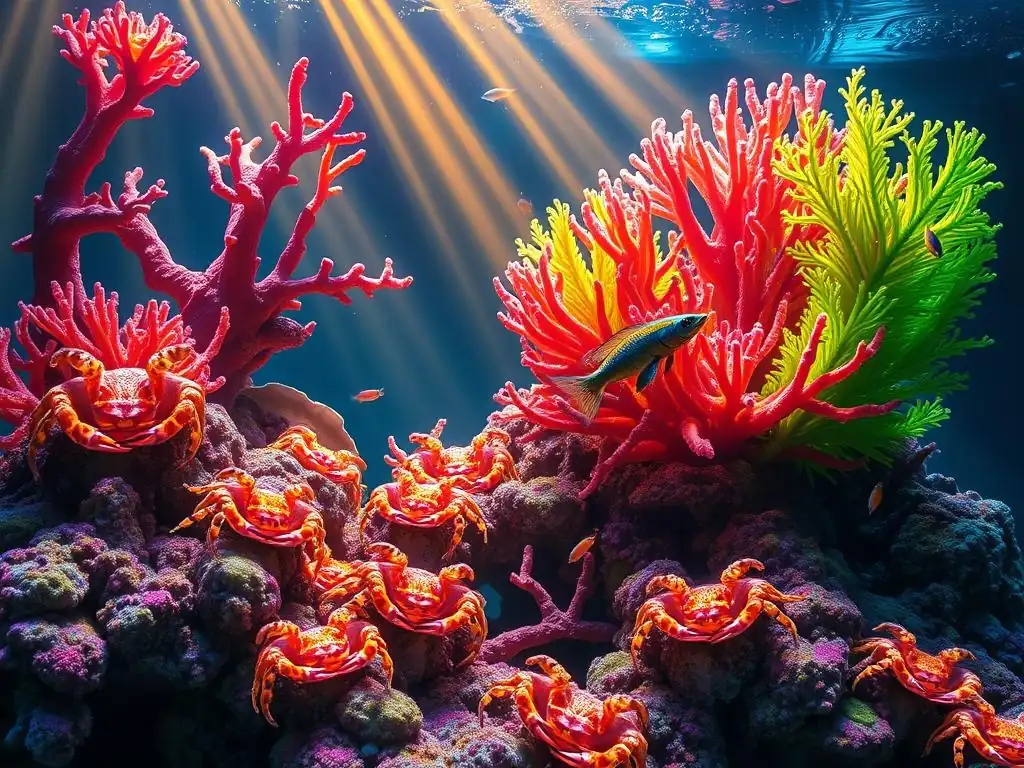
Ever wondered about the tiny, vibrant guardians that can call your coral reef aquarium home? Delve into the fascinating world of Trapezia crabs with us! These captivating crustaceans offer a unique symbiotic relationship with Pocillopora and Acropora corals, but understanding their specific needs is crucial for their well-being. Curious about Trapezia crab care tips? Keep reading to unlock the secrets to successfully housing these incredible invertebrates in your reef tank and discover how they can contribute to a thriving aquatic ecosystem.
- Understanding Trapezia Crabs: An Introduction to Coral Defenders
- Trapezia Crab Care Tips for Saltwater Aquariums
- Feeding Trapezia Crabs in Captivity: Ensuring Proper Nutrition
- Setting Up a Suitable Habitat: Tank Requirements for Trapezia Crabs
- Compatibility and Tank Mates: Choosing the Right Companions
- Identifying Common Trapezia Crab Species: A Guide
- Maintaining Coral Health with Trapezia Crabs: A Balanced Approach
- Breeding Trapezia Crabs: A Challenging Endeavor
- Troubleshooting Common Issues: Trapezia Crab Problems and Solutions
- The Benefits of Keeping Trapezia Crabs: A Summary
-
Frequently Asked Questions
- What are Trapezia crabs and what makes them special?
- What are some key aspects of Trapezia crab care in an aquarium?
- What types of corals do Trapezia crabs typically associate with?
- Are Trapezia crabs compatible with other invertebrates or fish in a reef aquarium?
- What are some common problems or challenges associated with keeping Trapezia crabs?
- Final Reflection: A Symbiotic Future for Our Reefs
- Unleash Your Inner Reef Guardian
Understanding Trapezia Crabs: An Introduction to Coral Defenders
What are Trapezia Crabs and Why are They Important?
Trapezia crabs are small, specialized crustaceans, typically measuring 1-2 centimeters in carapace width, known for their unique obligate symbiotic relationship with stony corals, primarily Pocillopora and Acropora species. In the complex tapestry of the coral reef ecosystem, these diminutive crabs play a disproportionately vital role as vigilant guardians. Their importance stems from their active defense mechanisms, which protect their coral hosts from a range of threats, contributing significantly to the coral's survival and overall reef health.
These tiny defenders actively patrol the coral branches, swiftly responding to potential dangers. They are known to deter formidable predators such as the crown-of-thorns starfish ( Acanthaster planci) by nipping at their vulnerable tube feet or even their everted stomachs, forcing them to retreat. Research has demonstrated that coral colonies inhabited by Trapezia crabs exhibit significantly lower rates of predation damage—sometimes by as much as 70%—compared to those lacking their protective presence, underscoring their critical importance in maintaining coral integrity.
The Symbiotic Relationship Between Trapezia Crabs and Corals
The relationship between Trapezia crabs and their host corals is a classic example of mutualism, a biological interaction where both species benefit. The coral provides the crab with essential shelter within its intricate branches, offering refuge from predators and a stable environment. In return, the coral also supplies a constant food source, primarily in the form of nutrient-rich coral mucus, lipids, and trapped detritus, ensuring the crab's sustenance.
This symbiotic arrangement extends beyond simple shelter and food. Trapezia crabs actively clean their host corals, meticulously removing sediment, debris, and even competitive algae that might otherwise settle on the coral surface and suffocate its polyps. This proactive cleaning, combined with their vigilant defense against opportunistic invertebrates and fish, contributes directly to the host coral's photosynthetic efficiency, growth rates, and overall resilience against environmental stressors, creating a healthier micro-ecosystem within the aquarium.
Trapezia Crab Care Tips for Saltwater Aquariums
Essential Parameters for Trapezia Crab Health: Water Quality and Stability
Successful Trapezia crab care tips hinge on maintaining pristine and stable water parameters, mirroring the exacting requirements of their Pocillopora and Acropora coral hosts. Critical parameters include consistent salinity, ideally between 1.024 and 1.026 specific gravity, a stable temperature range of 74-78°F (23-26°C), and a pH level of 8.1-8.4. Even minor fluctuations in these parameters can induce significant stress in both the crabs and their host corals, potentially leading to compromised health or even mortality. Regular testing using accurate, reliable aquarium test kits is therefore not just recommended, but essential.
Beyond the basic parameters, meticulous nutrient control is paramount. Nitrates should be kept below 5 ppm, and phosphates under 0.03 ppm. Elevated nutrient levels can lead to the proliferation of nuisance algae, which competes with and can harm corals, indirectly impacting the crabs' environment and food source. Consistent water changes, typically 10-20% bi-weekly or monthly, using a high-quality synthetic salt mix, are vital components of a robust Trapezia crab care regimen, ensuring trace element replenishment and waste removal.
Selecting the Right Coral Hosts: Pocillopora and Acropora Species
A fundamental aspect of Trapezia crab care tips is understanding their obligate symbiotic nature: they absolutely require specific coral hosts to survive and thrive. The primary and most suitable hosts for these crabs in a captive environment are various species within the Pocillopora and Acropora genera. Attempting to house Trapezia crabs without their specific coral partners will inevitably lead to their decline and eventual demise, as they rely on the coral for shelter, food, and environmental cues.
When introducing Trapezia crabs, it is crucial to select healthy, established coral colonies. A single pair of Trapezia crabs generally requires a coral colony of at least 4-6 inches (approximately 10-15 cm) in diameter to provide adequate shelter, foraging area, and resources. Larger, more mature coral colonies can potentially host multiple crab pairs, but care must be exercised to prevent overstocking, which could lead to territorial disputes or excessive consumption of coral mucus. Always ensure the coral itself is robust and free from pests or diseases before adding the crabs.
Feeding Trapezia Crabs in Captivity: Ensuring Proper Nutrition
Natural Diet of Trapezia Crabs: Coral Mucus and Lipids
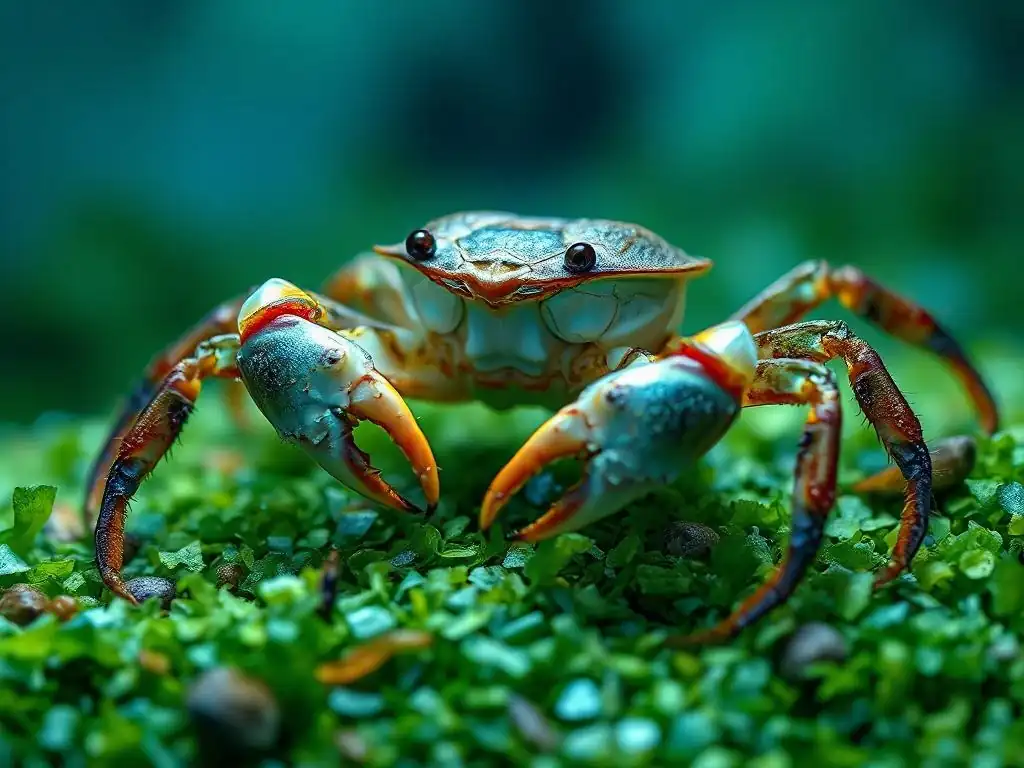
In their natural reef habitat, Trapezia crabs primarily subsist on the nutrient-rich mucus and lipid secretions produced by their host corals. They possess specialized mouthparts adapted to scrape and consume these secretions directly from the coral's surface. This symbiotic feeding strategy is incredibly efficient, providing the crabs with a consistent and readily available food source. Additionally, they may consume detritus, microscopic organisms, and other particulate matter that becomes entrapped by the coral's feeding polyps.
While the coral provides significant nutritional value, relying solely on coral secretions may not be sufficient for Trapezia crabs in a closed aquarium system, especially if the coral colony is small, newly established, or experiencing any form of stress. The density of available food particles in a home aquarium is often lower than in the wild. Therefore, understanding this natural diet is a crucial starting point for formulating effective Trapezia crab care tips concerning their nutritional needs in captivity.
Supplementing Their Diet: Microalgae and Small Invertebrate Foods
To ensure optimal health and longevity for your Trapezia crabs, supplementing their natural coral-derived diet is often beneficial. Finely crushed flake food, small sinking pellets designed for marine invertebrates, or even thawed and rinsed frozen foods like Mysis shrimp or nutrient-enriched brine shrimp can be offered. The key is to deliver these foods sparingly and directly near their coral host, ensuring the crabs can access them before other tank inhabitants or the filtration system remove them.
A varied diet contributes significantly to the crabs' overall well-being. Small amounts of liquid phytoplankton or zooplankton solutions, administered in the vicinity of the coral, can provide essential fatty acids, amino acids, and other micronutrients that might be lacking. These supplementary feedings not only promote healthier, more vibrant crabs but can also strengthen the mutualistic relationship between the crabs and their host corals, leading to more robust coral growth and defense capabilities.
Setting Up a Suitable Habitat: Tank Requirements for Trapezia Crabs
Tank Size and Aquascaping: Creating a Natural Environment
While Trapezia crabs themselves are small, their coral hosts, particularly Acropora species, can grow quite large and require significant space. For a single, modest Pocillopora or Acropora colony housing a pair of Trapezia crabs, a minimum tank size of 20-30 gallons (approximately 75-115 liters) is generally recommended. However, for larger or multiple SPS coral colonies, which are often the goal in a dedicated reef tank, a 50-gallon (190-liter) or larger aquarium is far more appropriate to accommodate future coral growth and maintain stability.
Aquascaping within the tank should prioritize the health, placement, and growth of the host coral. Ensure the coral is securely mounted on stable live rock, allowing ample room for its branches to expand without touching the glass or other corals. The surrounding live rock structure should provide additional crevices and hiding spots, although the Trapezia crabs will primarily reside within the protective confines of their coral host, venturing out only for brief forays or during molting.
Water Flow and Lighting: Mimicking Reef Conditions
Pocillopora and Acropora corals, along with their symbiotic Trapezia crab inhabitants, thrive under strong, turbulent water flow. This vigorous flow is crucial for several reasons: it facilitates gas exchange, prevents detritus from settling on coral polyps, brings food particles to the coral, and mimics the natural, high-energy conditions of their native reef environments. Aim for random, chaotic flow patterns rather than strong, unidirectional currents, which can stress corals. This can be achieved with multiple powerheads or wavemakers strategically placed throughout the aquarium.
Lighting requirements for Trapezia crabs are entirely dictated by the needs of their host corals. Both Pocillopora and Acropora are Small Polyp Stony (SPS) corals, renowned for their demand for high-intensity lighting. This typically necessitates powerful T5HO, LED, or metal halide fixtures. Optimal PAR (Photosynthetically Active Radiation) levels for these corals often range from 250-450, depending on the specific coral species and the depth of the tank. Providing appropriate high-intensity lighting is an integral Trapezia crab care tip, as it ensures the vitality of their primary food source and shelter.
Compatibility and Tank Mates: Choosing the Right Companions
Trapezia Crabs and Other Invertebrates: Potential Conflicts and Solutions
Trapezia crabs are generally peaceful towards most other non-host invertebrates in a reef aquarium. However, territorial disputes can arise if multiple Trapezia species or several pairs are introduced into a smaller tank with limited host corals. In such scenarios, aggression can lead to stress or injury. The ideal setup is to house a single pair of Trapezia crabs per suitable coral colony to minimize competition. It is crucial to avoid housing them with known predatory invertebrates, such as mantis shrimp, larger aggressive crabs (e.g., Xanthid crabs), or certain pistol shrimp, which may view them as prey.
While many cleaner shrimp species, such as Peppermint Shrimp ( Lysmata wurdemanni), are generally considered reef-safe and compatible, it's always wise to observe initial interactions closely. Larger hermit crabs, particularly those with a tendency towards opportunism, might pose a threat to Trapezia crabs, especially during their vulnerable molting period. Providing ample space, multiple established coral hosts, and additional rockwork for alternative hiding spots can significantly mitigate potential conflicts and promote a harmonious invertebrate community.
Fish Compatibility: Selecting Peaceful Tank Mates
When integrating Trapezia crabs into a community reef aquarium, careful consideration of fish compatibility is paramount for their long-term survival. The primary goal is to select peaceful, truly reef-safe fish that will not perceive the small crabs as a food source. Excellent choices include small, docile species such as various gobies (e.g., watchman gobies, clown gobies), blennies (e.g., Midas blennies, starry blennies), cardinalfish, and certain non-aggressive clownfish species. These fish generally coexist well with small invertebrates.
Conversely, aggressive or predatory fish species should be strictly avoided. This includes, but is not limited to, triggerfish, puffers, large wrasses (especially those known to eat crustaceans), hawkfish, and some larger angelfish. These fish possess the natural inclination and physical capability to predate on small crabs. Even seemingly docile fish might occasionally pick at exposed crabs, particularly when they are soft after molting. Diligent observation of all tank inhabitants is a crucial Trapezia crab care tip to ensure a safe and thriving environment.
Identifying Common Trapezia Crab Species: A Guide
Trapezia guttata: Characteristics and Care
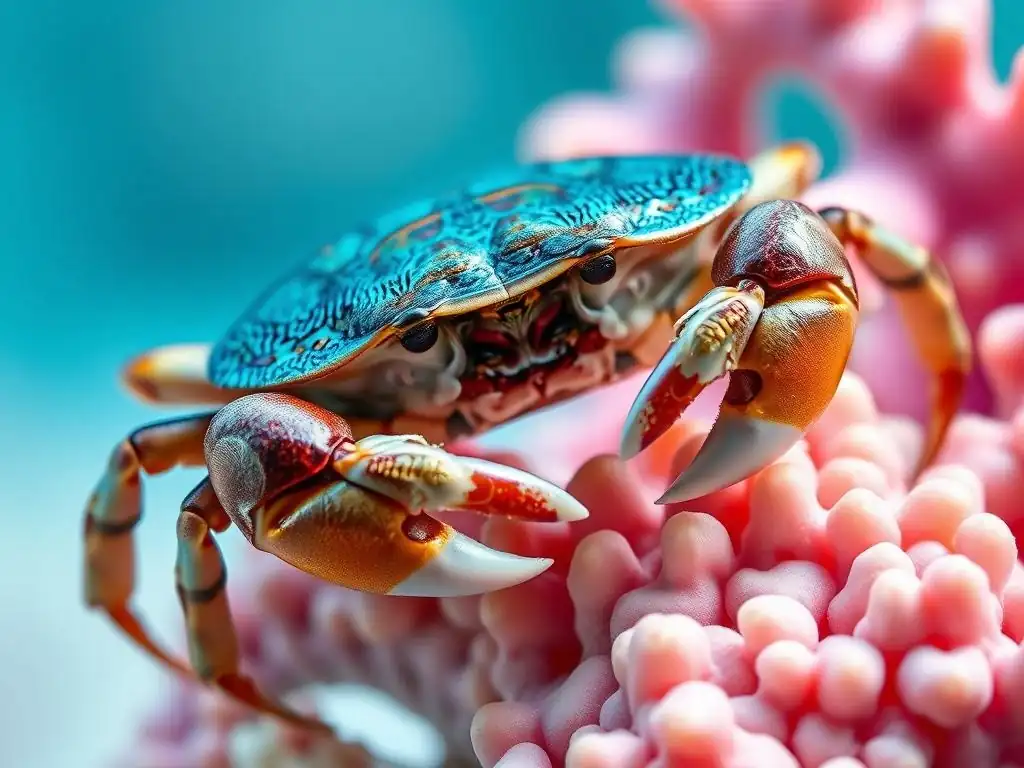
Trapezia guttata, commonly referred to as the "Spotted Coral Crab," is a recognizable species within the genus. Its distinguishing characteristic is its reddish-brown body, which is adorned with numerous small, light-colored spots scattered across its carapace and legs. This species typically reaches a maximum carapace width of approximately 1.5 centimeters, making it one of the smaller Trapezia crabs. They are most frequently found inhabiting Pocillopora corals in their natural environment.
Care for Trapezia guttata adheres closely to the general Trapezia crab care tips: maintaining stable and pristine water parameters, providing a healthy and established Pocillopora coral host, and offering occasional supplemental feedings to ensure adequate nutrition. While perhaps less common in the aquarium trade compared to some other species, their presence is highly beneficial to their specific coral hosts, contributing to the coral's defense and cleanliness.
Trapezia rufopunctata: Characteristics and Care
Trapezia rufopunctata, often known as the "Red-spotted Coral Crab," is characterized by its vibrant reddish body, which is punctuated by distinct, often larger, red spots. Its carapace can grow slightly larger than T. guttata, reaching up to 2 centimeters in width. This species is commonly associated with both Acropora and Pocillopora corals, demonstrating a broader host affinity than some other Trapezia species.
Similar to its congeners, Trapezia rufopunctata thrives in well-maintained SPS (Small Polyp Stony) coral reef aquariums. Their active defensive behavior is particularly notable against coral predators, making them a valuable asset for any SPS keeper. Providing the strong, turbulent water flow and high-intensity lighting required by their Acropora and Pocillopora host corals is paramount for ensuring the long-term health and vitality of T. rufopunctata.
Trapezia cymodoce: Characteristics and Care
Trapezia cymodoce, often identified as the "Yellow-spotted Coral Crab," stands out due to its striking yellowish-orange body, which is distinctively adorned with symmetrical dark spots, sometimes appearing as rings or larger blotches. It is considered one of the more aesthetically appealing species within the Trapezia genus and is also found in a symbiotic relationship with various Acropora and Pocillopora corals in the wild.
The care requirements for Trapezia cymodoce are consistent with those for other Trapezia species. They are active and diligent defenders, particularly effective at fending off potential pests and predators from their coral hosts. Ensuring a pristine aquatic environment, characterized by stable parameters, excellent water quality, and a robust, thriving coral host, are essential Trapezia crab care tips for this vibrant and beneficial species to flourish in a home aquarium.
Maintaining Coral Health with Trapezia Crabs: A Balanced Approach
Monitoring Coral Health: Identifying Signs of Stress
While the presence of Trapezia crabs is largely beneficial for coral health, it remains crucial for the aquarist to continuously monitor the condition of their host coral. Vigilance is key to identifying early signs of stress, which may include tissue recession, unusual color changes (bleaching or darkening), reduced polyp extension, or the presence of algae or detritus on the coral's surface. These indicators can point to underlying issues with water parameters, inadequate lighting, insufficient water flow, or even an internal affliction within the coral itself.
Observing the Trapezia crabs' behavior can also offer clues about the coral's well-being. If the crabs are frequently leaving the coral, appear unusually lethargic, or are exhibiting aggressive behavior towards each other, it could be a signal that the coral is stressed, or the crabs themselves are not thriving due to environmental factors. The ultimate goal is a healthy, vibrant coral colony actively patrolled by well-fed, energetic Trapezia crabs, signifying a balanced and thriving symbiotic relationship.
Preventing Overpopulation: Managing Trapezia Crab Numbers
In the confined environment of a closed aquarium system, Trapezia crabs can occasionally reproduce, leading to an increase in their population. While their presence is generally beneficial, an excessive number of crabs on a single coral colony can potentially lead to resource competition and, in rare cases, stress for the coral. An overabundance of crabs might result in them consuming too much of the coral's protective mucus, or their constant movement could physically irritate the polyps.
If signs of overpopulation are observed, such as multiple crab pairs on a small colony or visible stress on the coral, careful management of their numbers may be necessary. Excess crabs can sometimes be gently coaxed out of the coral using a small stick or by temporarily removing the coral from the tank and allowing them to migrate to another suitable host if available. A generally sustainable ratio is one pair of Trapezia crabs per medium-sized coral colony, typically 6-8 inches (15-20 cm) in diameter, ensuring sufficient resources for both symbionts.
Breeding Trapezia Crabs: A Challenging Endeavor
Understanding Trapezia Crab Reproduction
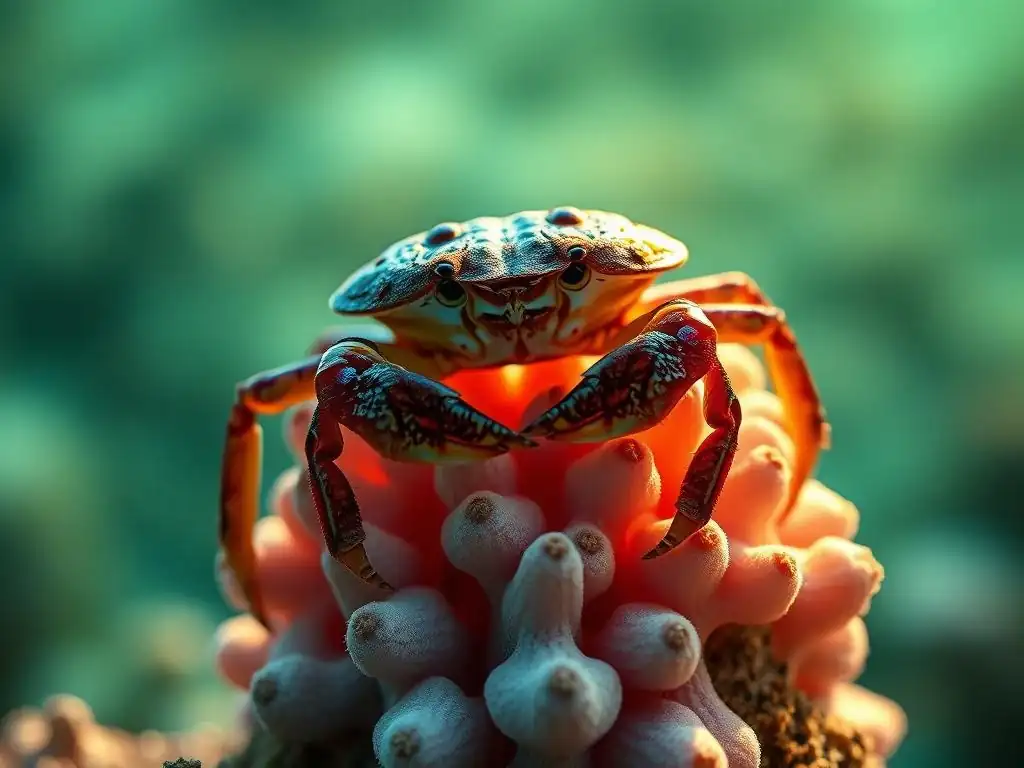
Trapezia crabs reproduce sexually, with distinct male and female individuals. After mating, the female carries a clutch of eggs securely tucked under her abdomen until they are ready to hatch. Upon hatching, the eggs release into the water column as microscopic, free-swimming zoea larvae. These zoea are planktonic, meaning they drift in the water, feeding on phytoplankton and undergoing multiple molts as they grow and develop over a period of several weeks. They eventually transform into a megalopa stage, which is a transitional form, before finally settling and metamorphosing into tiny, benthic crab juveniles.
The planktonic larval stage represents the primary bottleneck and most significant challenge in attempting captive breeding of Trapezia crabs. The zoea larvae are incredibly delicate, requiring precise environmental conditions, specific microalgae and rotifer diets in appropriate concentrations, and exceptionally clean, stable water parameters to survive and successfully progress through their complex developmental stages. Survival rates for Trapezia larvae in typical home aquarium setups are, unfortunately, exceedingly low.
Creating Breeding Conditions: Specific Requirements and Challenges
Successfully breeding Trapezia crabs in captivity almost invariably necessitates a dedicated larval rearing tank, maintained entirely separate from the main display aquarium. This specialized setup requires constant, gentle aeration to keep the larvae suspended without causing physical damage, meticulous cleanliness to prevent bacterial blooms, and a consistently stable temperature, typically around 77-79°F (25-26°C). The water quality in this small system must be pristine, often requiring daily partial water changes with freshly mixed, aged saltwater.
The most formidable challenge in Trapezia crab breeding lies in providing the correct larval food at the precise concentrations and particle sizes required by the developing zoea, which change as the larvae mature. This often involves culturing specific strains of live phytoplankton and rotifers. Managing water quality in a system with rapidly developing, highly sensitive larvae and their food organisms is also extremely demanding. Due to these complexities, successful captive breeding of Trapezia crabs remains a rare achievement, generally confined to advanced aquaculturists with specialized knowledge and equipment.
Troubleshooting Common Issues: Trapezia Crab Problems and Solutions
Addressing Aggression: Dealing with Territorial Behavior
While generally considered peaceful, Trapezia crabs can exhibit aggression towards other Trapezia crabs if their living space or the number of available host corals is limited. This territorial behavior often manifests as chasing, claw-waving displays, or even direct physical altercations, which can result in injuries such as lost limbs or the eviction of a weaker crab from the coral. This aggression is usually driven by competition for resources, primarily the host coral.
The most effective solution for addressing aggression among Trapezia crabs is to provide ample space and, ideally, to house only one pair of Trapezia crabs per suitable host coral colony. If aggression persists despite adequate space, consider adding another appropriate coral host to provide an alternative territory for the subordinate crab. As a last resort, if an individual crab is consistently aggressive and causing harm, it may be necessary to separate that individual into a different, dedicated tank to prevent further conflict.
Dealing with Molting Problems: Ensuring Successful Molting
Like all crustaceans, Trapezia crabs grow by molting, a process where they shed their rigid exoskeleton. This period is highly vulnerable for the crab, as their new shell is soft and offers no protection. A crab struggling to molt may appear lethargic, fail to fully shed its old shell (leading to "stuck molts"), or even die during the process. Molting problems are often indicative of underlying issues such as poor water quality, insufficient levels of essential minerals like calcium and alkalinity, or a lack of iodine in the water column.
To support successful molting, it is critical to ensure that all water parameters, especially alkalinity (8-12 dKH) and calcium (400-450 ppm), are stable and within optimal ranges. While the direct impact of iodine supplementation on molting is debated among aquarists, some find cautious dosing beneficial. Most importantly, provide plenty of secure hiding spots within the host coral or surrounding rockwork where the crab can retreat during and immediately after molting, allowing it to safely harden its new exoskeleton away from potential predators.
The Benefits of Keeping Trapezia Crabs: A Summary
Natural Pest Control: Combating Coral Pests
One of the most compelling reasons to include Trapezia crabs in a reef aquarium, and a key aspect of effective Trapezia crab care tips, is their invaluable role as natural pest controllers. These diligent crustaceans actively defend their host coral against a variety of potential predators and parasites. This includes deterring the destructive larvae of crown-of-thorns starfish, which can decimate coral colonies, and even preying on certain types of parasitic flatworms or nudibranchs that might attempt to feed on the coral polyps.
Their constant patrolling, combined with their rapid response to perceived threats, allows them to physically nip at and deter potential invaders. This proactive defense significantly reduces the need for chemical interventions, which can be harsh on a delicate reef ecosystem. By maintaining a vigilant guard, Trapezia crabs promote a healthier, more resilient coral colony, making them an indispensable part of an integrated pest management strategy for SPS corals in any serious reef tank.
Enhancing Coral Health: Promoting Growth and Resilience
Beyond their role in pest control, Trapezia crabs contribute significantly to the overall health and vitality of their coral hosts in multiple ways. They actively clean the coral's surface, meticulously removing accumulated sediment and detritus. This prevents potential suffocation of the coral polyps and reduces the risk of bacterial infections that can arise from decaying organic matter, thereby fostering a cleaner and healthier micro-environment for the coral.
Scientific studies have consistently demonstrated that coral colonies inhabited by Trapezia crabs often exhibit faster growth rates and increased resilience to various environmental stressors, such as temperature fluctuations or nutrient imbalances, compared to uninhabited corals. Their continuous cleaning and defensive actions reduce the energetic burden on the coral, allowing it to allocate more energy towards growth and recovery. The presence of Trapezia crabs thus fosters a more robust and thriving reef ecosystem within the aquarium, making them a highly desirable and beneficial addition for any dedicated SPS aquarist.
Frequently Asked Questions
What are Trapezia crabs and what makes them special?
Trapezia crabs are small coral-dwelling crabs known for their symbiotic relationship with certain coral species, primarily Pocillopora and Acropora. They are valued for their role in protecting these corals from predators and algae.
What are some key aspects of Trapezia crab care in an aquarium?
Care involves providing a suitable environment with healthy corals for them to inhabit and feed on. Maintaining stable water parameters is also crucial for their survival. They generally don't require supplemental feeding if their coral host is healthy.
What types of corals do Trapezia crabs typically associate with?
Trapezia crabs are most often found living within Pocillopora and Acropora corals. They rely on these corals for shelter and food.
Are Trapezia crabs compatible with other invertebrates or fish in a reef aquarium?
While generally peaceful, Trapezia crabs can be territorial towards other crabs, especially of the same species. They are usually compatible with reef-safe fish and invertebrates that don't pose a threat to them or their coral host.
What are some common problems or challenges associated with keeping Trapezia crabs?
Challenges include ensuring a healthy coral host, preventing predation by larger tank inhabitants, and avoiding copper-based medications, which are toxic to invertebrates. Maintaining proper water quality is also essential to avoid stress.
Final Reflection: A Symbiotic Future for Our Reefs
The intricate relationship between Trapezia crabs and their coral hosts, as explored throughout this article, highlights the delicate balance of marine ecosystems. Understanding and implementing proper Trapezia crab care tips is not merely about keeping these fascinating creatures alive in our aquariums; it's about actively participating in the preservation of the coral reefs they call home, especially in the face of increasing environmental pressures.
The ongoing influence of this symbiotic relationship extends far beyond the confines of a reef tank. It reminds us that even the smallest creatures play a crucial role in the health of our planet. The more we learn about these tiny guardians, the better equipped we are to protect the larger coral ecosystems they support. In the end, we will conserve only what we love; we will love only what we understand; and we will understand only what we are taught.
- Baba Dioum. This quote encapsulates the need for education and awareness to foster a deeper appreciation for the interconnectedness of life.
Now, consider the lessons learned about Trapezia crab care and their symbiotic relationship with corals. What small changes can you make in your own life to contribute to a healthier ocean? Whether it's supporting sustainable aquaculture practices, reducing your carbon footprint, or simply spreading awareness about the importance of coral reef conservation, every action counts. Let us all strive to be better stewards of our planet, ensuring a vibrant future for both Trapezia crabs and the magnificent coral reefs they protect.
Unleash Your Inner Reef Guardian
Thank you for diving deep into the fascinating world of Trapezia crabs and their vital role in coral health. We hope you've gained a newfound appreciation for these tiny crustaceans and their incredible symbiotic relationship with Pocillopora and Acropora corals. Now, it's time to turn that knowledge into action!
- Begin your journey into responsible reef keeping: Research corals that benefit from symbiotic relationships, focusing on sustainable sourcing and ethical trade practices.
- Share this newfound knowledge! Start a conversation with fellow aquarists about the importance of Trapezia crabs and responsible coral reef keeping.
- Dare to suggest a Trapezia tank to an LFS owner who may not be aware of how these animals may benefit many corals.
What small step will you take today to become a better reef guardian?