
Chocolate Chip Starfish: Beautiful but Not Reef Safe – An InDepth Look

Welcome to Aquarium Mastery!
Ever been mesmerized by the unique beauty of a Chocolate Chip Starfish? These captivating creatures can add a stunning visual element to your aquarium, but are they really right for your setup? Dive in as we unravel the secrets to Chocolate Chip Starfish care, exploring everything from their dietary needs and compatibility to why they might not be the best choice for a reef tank. Curious to learn more and avoid potential pitfalls? Let's explore!
- Understanding the Chocolate Chip Starfish (Protoreaster nodosus)
- Chocolate Chip Starfish Care: Essential Guidelines
- Why Chocolate Chip Starfish Are Not Reef Safe
- Alternatives to Chocolate Chip Starfish for Reef Tanks
- Common Chocolate Chip Starfish Health Issues and Troubleshooting
- Chocolate Chip Starfish Compatibility with Other Tank Mates
- Chocolate Chip Starfish: Is it Right for Your Aquarium?
- Frequently Asked Questions About Chocolate Chip Starfish
-
Frequently Asked Questions
- What are the basic requirements for Chocolate Chip Starfish care?
- Are Chocolate Chip Starfish reef safe, and why or why not?
- What do Chocolate Chip Starfish eat, and how should I feed them?
- What are some common health problems affecting Chocolate Chip Starfish?
- How can I ensure the long-term health and well-being of my Chocolate Chip Starfish?
- Final Reflection: Navigating Beauty and Responsibility in Reef Keeping
- Unleash Your Inner Reef Guardian
Understanding the Chocolate Chip Starfish (Protoreaster nodosus)
Identifying the Chocolate Chip Starfish: Appearance and Characteristics
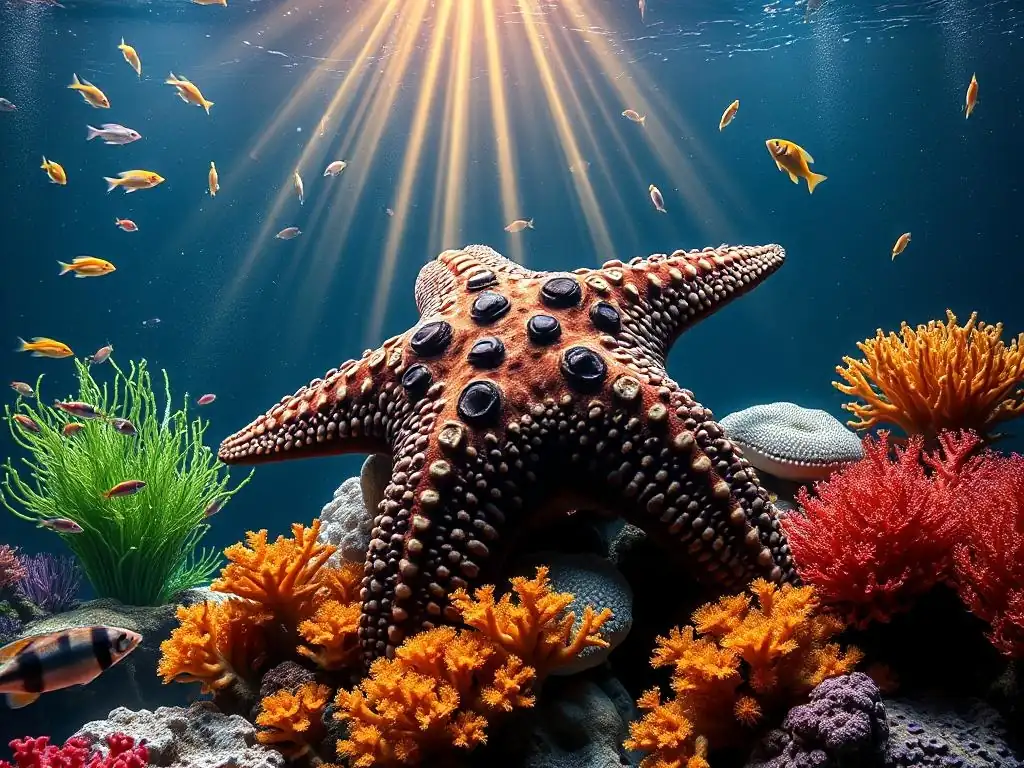
The Chocolate Chip Starfish, scientifically known as Protoreaster nodosus, is instantly recognizable by its distinctive appearance. Its body is typically a cream, tan, or light brown base color, adorned with prominent, cone-shaped tubercles or "chips" that are dark brown to black, resembling chocolate chips. These striking nodules are not merely decorative; they are calcified spines that provide a degree of protection against predators in their natural environment. This starfish typically possesses five arms, though variations with four or six arms can occasionally be found due to natural regeneration or developmental anomalies.
An adult Chocolate Chip Starfish can grow quite large, often reaching a diameter of 10 to 16 inches (25 to 40 cm) from arm tip to arm tip, making it one of the more substantial starfish species available to aquarists. Its underside is covered with numerous tube feet, which are essential for locomotion, gripping onto surfaces, and feeding. The madreporite, a small, sieve-like plate, is also visible on its dorsal surface, regulating the water vascular system that controls its tube feet.
Natural Habitat and Distribution of Protoreaster nodosus
Protoreaster nodosus is native to the warm, tropical waters of the Indo-Pacific region. Its distribution spans from the eastern coast of Africa, across the Indian Ocean, and throughout Southeast Asia, extending to parts of Australia and numerous Pacific islands. These starfish predominantly inhabit shallow, coastal areas, typically found in depths ranging from the intertidal zone down to approximately 100 feet (30 meters).
Their preferred natural habitats include sandy or rubble-strewn bottoms, seagrass beds, and sometimes the outer edges of coral reefs where detritus and small invertebrates are abundant. The water in these regions is consistently warm, generally ranging from 75°F to 82°F (24°C to 28°C), with stable salinity levels. In these environments, the Chocolate Chip Starfish acts as an important scavenger, feeding on detritus, algae, and small, slow-moving organisms, contributing to the ecosystem's clean-up crew.
The Allure of the Chocolate Chip Starfish in Home Aquariums
The unique and captivating appearance of the Chocolate Chip Starfish makes it a highly sought-after invertebrate for many marine aquarists. Its striking coloration and distinctive "chocolate chips" add an undeniable visual appeal to a saltwater tank, often becoming a focal point due to its relatively large size and slow, deliberate movements. Many hobbyists are drawn to its seemingly docile nature and its role as a scavenger, believing it will contribute to tank cleanliness.
However, the allure often overshadows the specific and demanding requirements for proper Chocolate chip starfish care. While beautiful, their natural feeding habits and potential size often lead to compatibility issues in diverse aquarium setups, particularly those with corals or other invertebrates. Understanding these challenges is crucial for responsible ownership and ensuring the well-being of this fascinating creature.
Chocolate Chip Starfish Care: Essential Guidelines
Aquarium Setup for Chocolate Chip Starfish: Size and Environment
Proper aquarium setup is foundational for successful Chocolate chip starfish care. Due to their potential adult size, a minimum tank volume of 50 to 75 gallons is recommended for a single specimen. This provides ample space for movement and helps maintain stable water parameters, which are paramount for their health. The substrate should consist of a fine sand bed or very fine gravel, allowing the starfish to move across it easily and occasionally burrow, although they do not typically bury themselves completely like some other starfish species.
The tank environment should include plenty of live rock to provide surface area for beneficial bacteria and to offer stable surfaces for the starfish to graze upon. However, it's equally important to have open, clear areas on the substrate where the starfish can freely forage without obstruction. A mature aquarium, established for at least six months, is ideal, as it provides the stable biological filtration and established microfauna necessary to support the starfish's delicate system.
Water Parameters for Optimal Chocolate Chip Starfish Health
Maintaining precise and stable water parameters is arguably the most critical aspect of Chocolate chip starfish care. These invertebrates are highly sensitive to fluctuations in salinity, temperature, and water quality. The specific gravity should be kept consistently between 1.023 and 1.026 (or 32-35 ppt), mirroring their natural marine environment. Temperature should be maintained within a stable range of 72-78°F (22-26°C), avoiding any sudden drops or spikes that can cause significant stress.
Furthermore, the pH level should be kept between 8.1 and 8.4, and alkalinity (dKH) should be stable at 8-12 dKH. Ammonia and nitrite levels must be undetectable (0 ppm), and nitrates should be kept as low as possible, ideally below 20 ppm. Regular partial water changes, typically 10-20% bi-weekly, are essential to replenish trace elements and remove accumulated nitrates and other pollutants, ensuring pristine conditions vital for long-term Chocolate chip starfish care.
Chocolate Chip Starfish Diet and Feeding Habits: What to Feed and How Often
Chocolate Chip Starfish are opportunistic omnivores and scavengers. In a home aquarium, their diet needs to be supplemented regularly. They will readily consume a variety of meaty foods, including chopped fresh or frozen shrimp, mussels, clams, squid, and silversides. They also accept high-quality sinking pellets or flakes formulated for marine invertebrates. While they will graze on algae and detritus in the tank, this alone is often insufficient to meet their nutritional needs.
Feeding should occur 2-3 times per week, depending on the individual starfish's size and activity level. Target feeding is often necessary to ensure the starfish receives adequate nutrition, as they are slow eaters and can be outcompeted by faster-moving fish. To feed, place the food directly onto the starfish's body or near its mouth (located on its underside). Observe their unique feeding method, where they may evert their stomach to engulf food items. Overfeeding should be avoided as it can quickly degrade water quality.
Acclimation Process for New Chocolate Chip Starfish
The acclimation process for new Chocolate Chip Starfish is critical and must be performed slowly and carefully due to their extreme sensitivity to changes in salinity, pH, and temperature. Drip acclimation is the recommended method, allowing for a gradual adjustment to the new water parameters of your aquarium. This process should ideally last for at least 2 to 3 hours, and sometimes longer, to minimize shock.
To perform drip acclimation, place the starfish in a clean container with the water from its transport bag. Using airline tubing, create a siphon from your main display tank into the container, tying a knot in the tubing or using a control valve to regulate the drip rate to approximately 1-2 drops per second. Once the volume of water in the container has slowly quadrupled, or the salinity matches that of your main tank, the starfish can be gently transferred.
It is vital to avoid exposing the starfish to air during transfer, as this can trap air bubbles in its water vascular system, which can be fatal. This meticulous acclimation process is a cornerstone of successful Chocolate chip starfish care.
Why Chocolate Chip Starfish Are Not Reef Safe
Understanding the Feeding Behavior That Threatens Reef Inhabitants
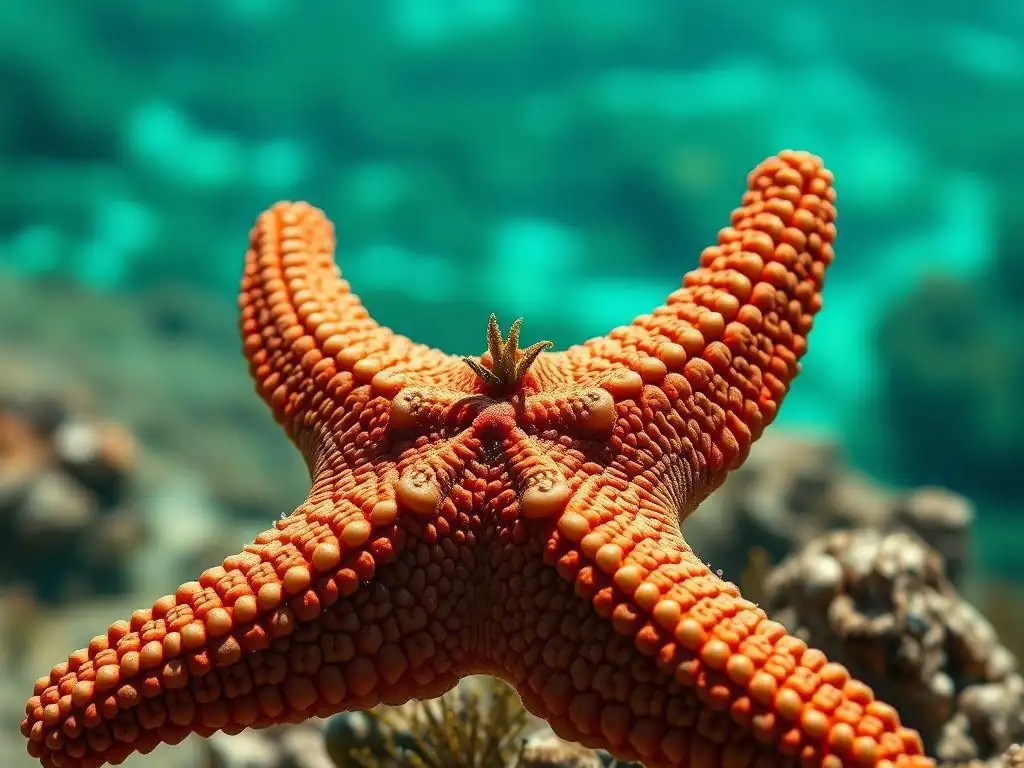
Despite their appealing appearance, Chocolate Chip Starfish are definitively not considered reef safe, a critical piece of information for anyone considering Chocolate chip starfish care. Their feeding behavior, while beneficial for scavenging in certain environments, becomes problematic in a closed reef system. These starfish are opportunistic omnivores that will consume anything sessile or slow-moving that they can overpower and digest. This includes not just detritus and biofilm, but also corals, anemones, sponges, and even other invertebrates like snails and clams.
They feed by everting their stomach over their prey, releasing digestive enzymes, and then absorbing the liquefied tissue. While seemingly slow, this process is highly effective against stationary organisms. In a natural reef, their diet is more varied, and coral predation might be limited by the vastness of the environment. However, in the confined space of a home aquarium, corals become readily available and easy targets, leading to significant damage or complete consumption of valuable reef inhabitants.
Chocolate Chip Starfish and Coral: A Dangerous Combination
The presence of a Chocolate Chip Starfish in a reef tank is almost a guarantee of coral damage. They will actively graze on both soft corals, such as mushroom corals, zoanthids, and leather corals, and various stony corals, including LPS (Large Polyp Stony) and SPS (Small Polyp Stony) varieties. They slowly digest the coral polyps, leaving behind bleached skeletons or bare tissue. Even small fragments or frag plugs are not safe from their appetite.
Many aquarists, drawn by their beauty, mistakenly believe that if kept well-fed, a Chocolate Chip Starfish will not bother corals. This is a common misconception; their natural instinct to graze on sessile organisms overrides any satiety from supplemental feeding. Their inherent dietary needs include these types of organisms, making them an unsuitable choice for any tank where the preservation of corals is a priority. This incompatibility is the primary reason they are excluded from reef-safe lists.
Impact on Other Invertebrates: Snails, Crabs, and Shrimp
Beyond corals, Chocolate Chip Starfish also pose a significant threat to other valuable and commonly kept invertebrates in a marine aquarium. They are known to prey upon snails, including popular clean-up crew members like Turbo snails, Nassarius snails, and Astrea snails, especially when these snails are dormant, sleeping, or have fallen off the glass. The starfish will evert its stomach into the snail's shell, consuming the mollusk from within.
Smaller, slower-moving crabs and shrimp can also fall victim, particularly if they are injured, molting, or otherwise vulnerable. While faster-moving shrimp like Peppermint or Cleaner shrimp might evade them, hermit crabs, especially those that are less agile, are at risk. This predatory behavior on other invertebrates makes the Chocolate Chip Starfish a disruptive force in a community tank designed to foster a diverse and beneficial clean-up crew.
Alternatives to Chocolate Chip Starfish for Reef Tanks
Reef-Safe Starfish Species: Options for a Thriving Reef Aquarium
For aquarists desiring a starfish in their reef tank without the destructive habits of the Chocolate Chip Starfish, several truly reef-safe alternatives exist. The Sand Sifting Starfish ( Archaster typicus) is an excellent choice for tanks with deep sand beds (at least 3-4 inches), as it primarily feeds on detritus and organic matter within the substrate, helping to aerate it and prevent anaerobic spots.
Another popular option is the Blue Linkia Starfish ( Linckia laevigata), known for its vibrant blue coloration. However, Linkia starfish are more sensitive, require very large, mature tanks (100+ gallons) with ample live rock and microfauna, and are not suitable for novice aquarists.
Other considerations include various species of Brittle Starfish and Serpent Starfish, such as the Green Brittle Star ( Ophiarachna incrassata) or the Black Brittle Star ( Ophiocoma echinata). These are highly efficient scavengers that primarily consume detritus, uneaten food, and decaying organic matter. While some larger brittle star species can be opportunistic predators on small fish or invertebrates, many smaller and medium-sized brittle stars are excellent, reef-safe clean-up crew members that add diversity and function to a reef environment. Always research specific species to confirm their reef compatibility.
Other Reef-Safe Clean-Up Crew Members: Snails, Crabs, and Shrimp
To maintain a healthy and clean reef aquarium, a diverse and robust clean-up crew is essential, and many species are perfectly compatible with corals and other invertebrates, unlike the Chocolate Chip Starfish. Snails are primary algae eaters and detritivores; species like Turbo snails, Nassarius snails (excellent sand stirrers), Astrea snails, and Cerith snails are highly recommended for controlling various types of algae and consuming decaying organic matter. A general guideline is one snail per 1-2 gallons for effective algae control.
Hermit crabs, such as Blue Leg Hermit Crabs ( Clibanarius tricolor) and Scarlet Reef Hermit Crabs ( Paguristes cadenati), also contribute by consuming detritus, uneaten food, and nuisance algae. While some hermit crabs can be opportunistic, these species are generally considered reef-safe and beneficial. Shrimp species like Peppermint Shrimp ( Lysmata wurdemanni) are known for consuming Aiptasia anemones, while Cleaner Shrimp ( Lysmata amboinensis) and Fire Shrimp ( Lysmata debelius) are excellent scavengers that also provide cleaning services to fish. These invertebrates offer vital ecological roles without posing a threat to your precious corals or other tank inhabitants.
Common Chocolate Chip Starfish Health Issues and Troubleshooting
Signs of a Healthy Chocolate Chip Starfish
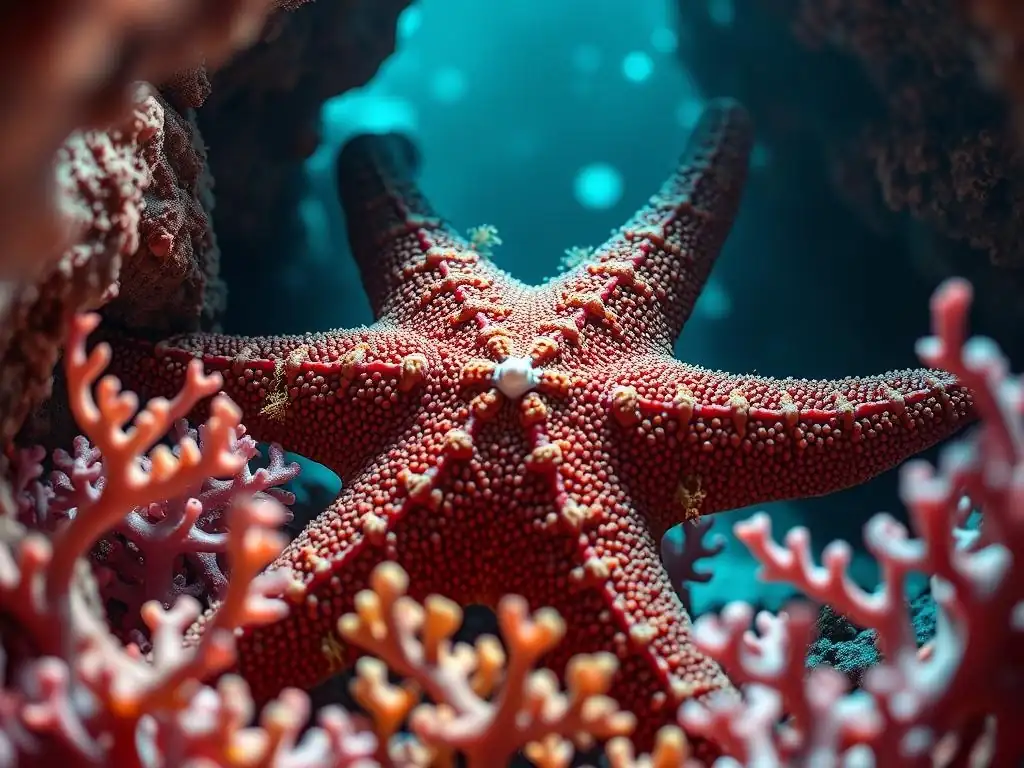
Recognizing the signs of a healthy Chocolate Chip Starfish is crucial for effective Chocolate chip starfish care. A healthy specimen will exhibit active movement, slowly but deliberately traversing the tank's substrate and rockwork. Its tube feet should be consistently extended and actively gripping surfaces, allowing it to adhere firmly to glass or rock. The body should appear firm and plump, without any signs of deflation, shriveling, or soft spots.
Furthermore, a healthy Chocolate Chip Starfish will display its characteristic coloration without any fading, discoloration, or visible lesions, white patches, or fuzzy growths. Its arms should be fully extended and not curled under or showing any signs of necrosis. They should also exhibit a feeding response when food is offered, even if they are slow eaters. Observing these indicators regularly can help identify potential issues early, allowing for timely intervention.
Identifying and Treating Common Diseases and Parasites
Chocolate Chip Starfish are generally more susceptible to poor water quality and environmental stress than specific diseases or parasites. However, bacterial infections can manifest as white patches, lesions, or a general deterioration of tissue, often stemming from cuts, abrasions, or prolonged stress. Fungal infections are less common but might appear as fuzzy, cotton-like growths on the starfish's body. Parasites are rare in captive starfish, but external ones could potentially cause irritation or visible spots.
Treating diseases in starfish can be challenging due to their delicate nature and sensitivity to medications. Isolation in a separate hospital tank with pristine, stable water parameters is often the first step. Broad-spectrum antibiotics might be considered for bacterial infections, but their use should be approached with extreme caution and ideally under veterinary guidance due to the potential harm to beneficial bacteria and the starfish itself. Prevention through impeccable Chocolate chip starfish care and maintaining stable, high-quality water is by far the most effective strategy.
Addressing Starfish Wasting Syndrome (SWS)
Starfish Wasting Syndrome (SWS) is a severe and often fatal condition that can affect various starfish species, including the Chocolate Chip Starfish. SWS is characterized by a rapid breakdown of tissues, leading to lesions, white patches, arm disintegration, and a general "melting" appearance. The exact cause is often debated but is widely believed to be linked to environmental stress, bacterial pathogens, or even viral agents, and can be highly contagious among starfish.
If SWS is suspected, immediate isolation of the affected individual is critical to prevent further spread within the aquarium. There is currently no definitive cure for SWS in home aquariums, but some aquarists have reported anecdotal success with immediate and significant improvements in water quality, targeted iodine dips, or specific antibiotic treatments in the very early stages. However, the prognosis is generally poor once symptoms become pronounced. The best defense remains prevention through consistent, high-quality Chocolate chip starfish care, ensuring stable water parameters, proper nutrition, and a stress-free environment.
Chocolate Chip Starfish Compatibility with Other Tank Mates
Suitable Tank Mates for Chocolate Chip Starfish
Given their predatory nature towards corals and other invertebrates, Chocolate Chip Starfish are best housed in a Fish Only With Live Rock (FOWLR) aquarium or a species-specific tank. Suitable tank mates include non-aggressive, non-predatory fish species that are generally peaceful and will not nip at or harass the starfish. Examples of compatible fish include many species of tangs, clownfish, gobies, blennies, and certain damselfish (though some damselfish can be territorial).
It is crucial to select fish that are not known to prey on invertebrates. While they can coexist with larger, robust crabs or shrimp, caution is still advised, as the starfish may opportunistically prey on them if they are small, slow, or molting. Always ensure that any chosen tank mates do not compete directly with the starfish for food, especially during target feeding times, to ensure adequate nutrition for your Chocolate Chip Starfish.
Avoiding Aggressive or Predatory Species
When planning Chocolate chip starfish care, it is paramount to avoid housing them with any aggressive or predatory species that might view them as a food source or harass them. Fish notorious for preying on invertebrates include puffers, triggerfish, certain large wrasses, and some larger angelfish species. These fish possess the dentition and natural instincts to damage or consume a starfish, leading to severe injury or death.
Similarly, other large, predatory starfish species, or those with very specific dietary needs that might compete with the Chocolate Chip Starfish, should generally be avoided. Competition for food or space can lead to stress, disease, or even direct conflict. Ensuring that all tank mates are compatible with the Chocolate Chip Starfish's specific needs and vulnerabilities is a key aspect of responsible and successful ownership.
Chocolate Chip Starfish: Is it Right for Your Aquarium?
Assessing Your Aquarium's Needs and Capabilities
Before introducing a Chocolate Chip Starfish, a thorough assessment of your aquarium's current setup and your capabilities as an aquarist is essential. These starfish require a large, stable FOWLR (Fish Only With Live Rock) aquarium of at least 50-75 gallons, not a reef tank. You must be committed to maintaining pristine water quality, including stable salinity, temperature, pH, and undetectable levels of ammonia and nitrite. Their relatively large size and specific dietary needs also demand consistent attention.
Consider your long-term commitment. Chocolate Chip Starfish can live for 5 to 10 years or more with proper Chocolate chip starfish care. Do you have the time, resources, and dedication to provide regular target feedings, perform consistent water changes, and monitor water parameters diligently for the lifespan of the animal? They are not ideal for novice aquarists due to their sensitivity and specific compatibility requirements.
Responsible Ownership and Ethical Considerations
Responsible ownership of a Chocolate Chip Starfish means prioritizing the animal's well-being and understanding its limitations within a captive environment. Their striking beauty should not overshadow their specific care requirements and, most importantly, their incompatibility with corals and many other invertebrates commonly found in reef tanks. It is unethical to house them in an environment where they will inevitably cause harm to other inhabitants or suffer themselves due to unsuitable conditions.
Making an informed decision based on their true nature, rather than just their aesthetic appeal, is paramount. If your primary goal is a thriving reef aquarium with diverse corals, the Chocolate Chip Starfish is simply not the right choice. Instead, explore the many truly reef-safe alternatives available. Responsible Chocolate chip starfish care ensures that these fascinating creatures can thrive in an appropriate habitat, while also protecting the integrity of your reef system.
Frequently Asked Questions About Chocolate Chip Starfish
How Long Do Chocolate Chip Starfish Live in Captivity?
With optimal Chocolate chip starfish care, including stable water parameters, a suitable environment, and a consistent, nutritious diet, Chocolate Chip Starfish can live for a significant period in captivity. Their typical lifespan ranges from 5 to 10 years, and some individuals may even exceed this. Longevity is directly correlated with the quality of their living conditions and the absence of stress or disease.
Conversely, poor water quality, inadequate nutrition, rapid fluctuations in parameters, or incompatible tank mates can severely shorten their lifespan, often to less than a year. Providing a dedicated FOWLR tank with appropriate conditions is the best way to ensure your Chocolate Chip Starfish lives a long and healthy life.
Can Chocolate Chip Starfish Regenerate Lost Limbs?
Yes, like many other starfish species, Chocolate Chip Starfish possess remarkable regenerative abilities. They can regrow lost arms, provided the central disc of their body remains intact and healthy. This regenerative process can take several months, depending on the extent of the damage and the starfish's overall health.
Regeneration is an energy-intensive process. Therefore, a starfish attempting to regrow a limb requires a highly stable environment, pristine water quality, and consistent, nutritious feeding to support the energy demands. Stress, poor nutrition, or unstable water parameters can hinder or even prevent successful regeneration.
Where Can I Purchase a Healthy Chocolate Chip Starfish?
When seeking to purchase a Chocolate Chip Starfish, it is crucial to source from reputable local fish stores or established online marine livestock vendors. A reputable supplier will maintain their animals in clean, well-maintained tanks and be knowledgeable about Chocolate chip starfish care. Inquire about their sourcing practices and whether the starfish has undergone any quarantine procedures.
A healthy Chocolate Chip Starfish should be active, firmly attached to surfaces with its tube feet, and display its characteristic coloration without any signs of fading, lesions, or tissue deterioration. All "chips" or tubercles should be intact. Avoid purchasing any starfish from tanks where other animals appear sick, lethargic, or show signs of disease, as this could indicate poor husbandry or the presence of pathogens. Always observe the animal carefully before making a purchase.
Frequently Asked Questions
What are the basic requirements for Chocolate Chip Starfish care?
Chocolate Chip Starfish require a well-established aquarium with a sandy substrate and stable water parameters. They need a minimum tank size of around 30 gallons.
Are Chocolate Chip Starfish reef safe, and why or why not?
No, Chocolate Chip Starfish are not reef safe. They are opportunistic feeders and will consume corals, sponges, and other invertebrates commonly found in reef tanks.
What do Chocolate Chip Starfish eat, and how should I feed them?
They are primarily detritivores and scavengers, feeding on algae and decaying matter. You can supplement their diet with sinking invertebrate pellets and small pieces of meaty food.
What are some common health problems affecting Chocolate Chip Starfish?
Common issues include starvation due to insufficient food, sensitivity to rapid changes in water parameters, and bacterial infections if injured.
How can I ensure the long-term health and well-being of my Chocolate Chip Starfish?
Maintain excellent water quality, provide a varied diet, and avoid handling them unnecessarily. Regularly monitor for signs of illness or injury.
The journey through understanding chocolate chip starfish, as we've explored, highlights a crucial tension in reef keeping: the allure of aesthetic beauty versus ecological responsibility. While their charming appearance and relatively low price point make them tempting additions to a home aquarium, their impact on the delicate balance of a reef ecosystem cannot be ignored. Ignoring this impact, even on a small scale, contributes to a larger problem of unsustainable practices within the hobby.
This exploration has underscored the importance of informed decision-making and ethical considerations in our interactions with the natural world. The realization that even seemingly harmless creatures can pose a threat to a carefully constructed environment forces us to confront our role as stewards, not just consumers, of marine life. The ultimate test of a moral society is the kind of world that it leaves to its children.
- Dietrich Bonhoeffer. This quote resonates deeply, reminding us that our choices today directly shape the future of coral reefs and the marine biodiversity they support.
So, as you consider the vibrant world of reef keeping, I urge you to look beyond the immediate gratification of adding a visually appealing creature to your tank. Ask yourselves: Have I fully researched the potential impact of this animal? Am I prepared to provide the specialized care it requires? Let's strive to cultivate a hobby rooted in knowledge, respect, and a genuine commitment to preserving the beauty and fragility of our oceans for generations to come.
Unleash Your Inner Reef Guardian
Thanks for diving deep into the world of chocolate chip starfish with us! We hope this article has armed you with the knowledge to make responsible choices for your reef aquarium. Now, let's put that knowledge into action.
Here’s how you can continue your journey toward a thriving reef:
- Commit to a reef-safe assessment: Thoroughly research any new addition to your aquarium, prioritizing the well-being of your existing ecosystem.
- Share this article with fellow aquarium enthusiasts and start a conversation about the ethics of reef keeping and the importance of informed decisions.
- Explore alternative, reef-safe starfish species to add beauty and diversity to your aquarium responsibly.
What steps will you take today to ensure the long-term health and balance of your reef aquarium?