
CO2 & Lighting: The Twin Pillars of Dense Aquarium Carpet Growth

Welcome to Aquarium Mastery!
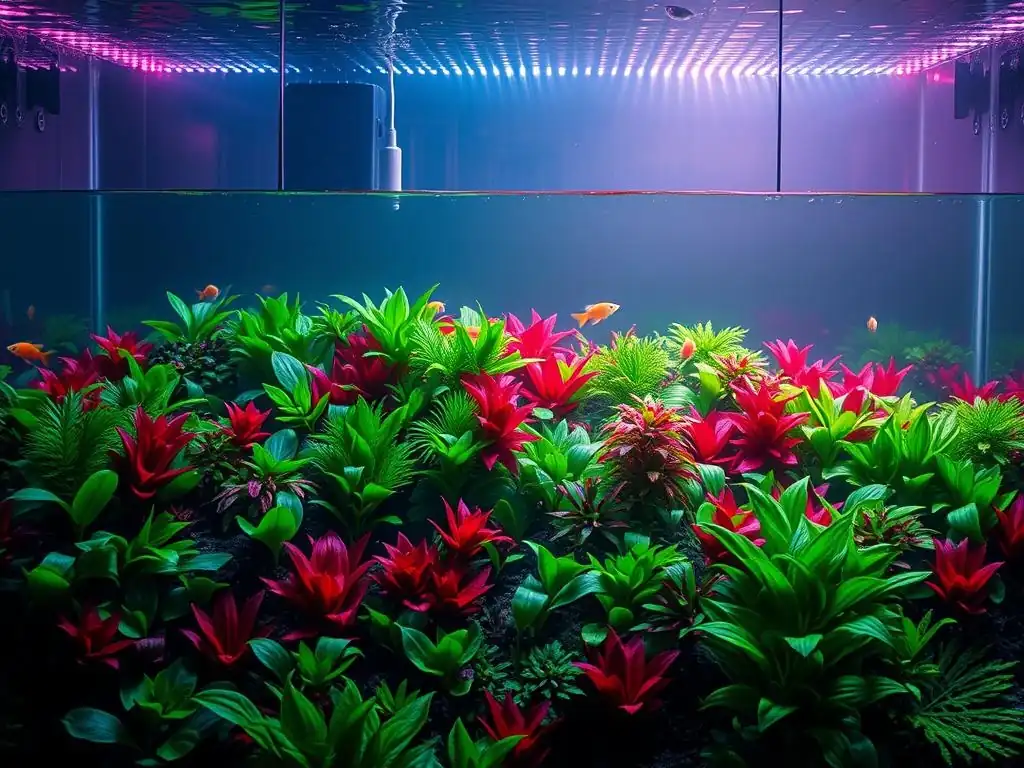
Ever dream of a lush, vibrant aquarium carpet so dense it looks like a verdant underwater meadow? Achieving that breathtaking effect relies heavily on two crucial elements: CO2 and lighting. Intrigued? This article dives deep into the science and strategies behind optimizing these twin pillars for explosive growth, unlocking the secrets to a thriving, densely carpeted aquarium. Get ready to transform your tank!
- Achieving Lush Carpeting: The Role of CO2 and Lighting in Planted Aquariums
-
CO2 Injection for Aquarium Carpets: A Deep Dive
- The Science Behind CO2 and Plant Photosynthesis in Aquariums
- CO2 Injection Methods: Pressurized CO2 Systems, DIY CO2, Liquid Carbon
- CO2 Levels: Finding the Sweet Spot for Carpet Plants
- CO2 Monitoring: Drop Checkers, Electronic Controllers, pH Monitoring
- Common CO2 Problems and Solutions for Carpeting Plants
-
Lighting for Aquarium Carpets: Illuminating Your Aquatic Floor
- Light Spectrum and Intensity: Key Factors for Carpet Plant Growth
- PAR (Photosynthetically Active Radiation) and PUR (Photosynthetic Usable Radiation) Explained
- Choosing the Right Aquarium Light for Carpet Plants: LED, Fluorescent
- Light Duration and Photoperiod for Optimal Carpet Growth
- Light Placement and Reflection: Maximizing Light Distribution
- Combining CO2 and Lighting for Synergistic Carpet Growth
- Selecting the Right Carpet Plants for Your Aquarium
- Troubleshooting Common Issues in Carpet Plant Growth
- Advanced Techniques for Dense Aquarium Carpet Growth
- Maintaining Your Lush Aquarium Carpet: Long-Term Care
-
Frequently Asked Questions
- How crucial is CO2 injection for a dense aquarium carpet?
- What type of lighting is best for promoting dense aquarium carpet growth?
- Can I achieve a dense carpet without using a CO2 system?
- What are some common issues related to CO2 and lighting that can hinder carpet growth?
- How do I balance CO2 and lighting to avoid algae blooms?
- Final Reflection: Cultivating Underwater Gardens
- Ignite Your Aquarium: Unleash Carpet Growth Potential!
Achieving Lush Carpeting: The Role of CO2 and Lighting in Planted Aquariums
Understanding the Essentials for Thriving Aquarium Carpets
Achieving a lush, vibrant green carpet across the substrate of a freshwater aquarium is a highly sought-after aesthetic among aquascapers. This dense growth not only enhances the visual appeal of the tank but also contributes to a healthier aquatic environment by absorbing excess nutrients and providing oxygen. However, cultivating such a thriving carpet requires a precise understanding and management of key environmental factors.
The success of any dense aquarium carpet hinges primarily on two interconnected elements: carbon dioxide (CO2) and adequate lighting. These aren't merely supplemental aids; they are fundamental requirements that drive the photosynthetic processes essential for robust plant growth. Without their optimized presence, even the most resilient carpeting plants will struggle to establish, resulting in sparse, leggy, or stunted growth rather than the desired compact, verdant expanse.
Why CO2 and Lighting are Non-Negotiable for Dense Growth
Carbon dioxide serves as the primary carbon source for aquatic plants, much like it does for terrestrial plants. In a submerged environment, atmospheric CO2 dissolution is often insufficient to meet the demands of fast-growing, dense aquarium carpet plants. When CO2 levels are low, plant growth slows dramatically, as they cannot efficiently convert light energy into biomass, leading to a compromised "dense aquarium carpet CO2 lighting" system.
Lighting, on the other hand, provides the energy required for photosynthesis. It's not just about turning on a light; the intensity, spectrum, and duration of light are critical. Too little light will cause plants to stretch and become thin (etiolation) as they try to reach the light source. Conversely, too much light without adequate CO2 and nutrients can lead to an explosion of undesirable algae, as the algae can capitalize on the excess energy more quickly than carbon-starved plants. This delicate balance is paramount for achieving true "dense aquarium carpet CO2 lighting" success.
CO2 Injection for Aquarium Carpets: A Deep Dive
The Science Behind CO2 and Plant Photosynthesis in Aquariums
Photosynthesis is the fundamental process by which plants convert light energy into chemical energy, using carbon dioxide and water to produce glucose (sugar) and oxygen. The chemical equation is typically represented as: 6CO2 + 6H2O + Light Energy → C6H12O6 + 6O2. In an aquatic environment, submerged plants absorb dissolved CO2 directly from the water column through their leaves. This dissolved CO2 is then transported to the chloroplasts within the plant cells, where it is utilized in the Calvin cycle, the light-independent reactions of photosynthesis.
For a dense aquarium carpet, the rate of photosynthesis needs to be maximized, which means ensuring a consistent and ample supply of CO2. When CO2 is a limiting factor, even under optimal lighting conditions, plants cannot photosynthesize at their full potential. This results in slower growth, smaller leaves, and an inability to spread effectively across the substrate to form a dense carpet, directly impacting the "dense aquarium carpet CO2 lighting" synergy. High CO2 levels allow plants to grow more rapidly and robustly, outcompeting algae for other nutrients and forming a lush, compact carpet.
CO2 Injection Methods: Pressurized CO2 Systems, DIY CO2, Liquid Carbon
Pressurized CO2 Systems: These are the most effective and reliable method for injecting CO2, especially for achieving a "dense aquarium carpet CO2 lighting" setup. A typical system includes a CO2 cylinder (e.g., 5-20 lb tank), a regulator with a solenoid valve for precise control and automatic shut-off, a bubble counter to monitor injection rate, and a diffuser to dissolve CO2 efficiently into the water.
Initial costs can range from $150 to $500+ for a quality setup, but they offer unparalleled consistency and control, making them ideal for serious aquascapers aiming for dense carpets. A 5lb tank might last 3-6 months in a 50-gallon tank at 1-2 bubbles per second.
DIY CO2 (Yeast/Sugar): This method involves fermenting sugar and yeast to produce CO2. It's a low-cost entry point, often costing less than $20 for initial supplies. While suitable for smaller tanks (under 20 gallons) or as a temporary solution, DIY systems are inconsistent in their CO2 output, making it difficult to maintain stable levels for demanding carpet plants. The output typically fluctuates throughout the day and diminishes over a week or two, requiring frequent replenishment.
Liquid Carbon (e.g., Glutaraldehyde-based products): Products like Seachem Flourish Excel are often referred to as "liquid carbon." While they do provide a carbon source that plants can utilize, they are not true CO2 and do not replace the efficacy of gas injection for achieving a truly "dense aquarium carpet CO2 lighting" effect. These products are more accurately described as organic carbon sources or mild algaecides. They can be beneficial in low-tech setups or as a supplement, but they cannot drive the rapid, dense growth seen with pressurized CO2, especially for high-demand carpeting plants.
CO2 Levels: Finding the Sweet Spot for Carpet Plants
The ideal CO2 concentration for most planted aquariums aiming for a dense carpet is typically between 20-30 parts per million (ppm). Maintaining CO2 within this range ensures that plants have ample carbon for photosynthesis without stressing fish. Levels below 15 ppm will result in slow or stunted plant growth, while levels consistently above 35 ppm can be detrimental to fish and invertebrates, causing labored breathing, gasping at the surface, or even fatalities due to suffocation.
Consistency is paramount. Fluctuating CO2 levels are far more detrimental than a slightly lower but stable level. Plants adapt to a specific CO2 concentration, and sudden changes can cause stress, leading to stalled growth and an increased susceptibility to algae. It's crucial to establish a stable injection rate and ensure the CO2 system operates reliably throughout the photoperiod.
CO2 Monitoring: Drop Checkers, Electronic Controllers, pH Monitoring
Drop Checkers: These are glass or acrylic devices that hang inside the aquarium with a small amount of indicator solution and air trapped inside. The solution changes color based on the CO2 dissolved in the tank water. A blue color indicates insufficient CO2 (below 20 ppm), green indicates optimal levels (20-30 ppm), and yellow signifies excessive CO2 (above 30 ppm). Drop checkers are affordable ($10-$25) and provide a visual, albeit slow (2-3 hours for an accurate reading), indication of CO2 levels, crucial for maintaining optimal "dense aquarium carpet CO2 lighting" conditions.
Electronic Controllers (pH Controllers): For precise and automated CO2 control, electronic pH controllers are invaluable. They consist of a pH probe submerged in the tank, which continuously measures the water's pH. When the pH rises above a set point (indicating lower CO2), the controller activates a solenoid valve on the CO2 regulator, injecting CO2 until the pH drops back to the desired level. This automation ensures stable CO2 levels throughout the day. While more expensive ($100-$300+), they offer peace of mind and are highly recommended for advanced "dense aquarium carpet CO2 lighting" setups.
pH Monitoring: CO2 reacts with water to form carbonic acid, which lowers the pH. By knowing your water's carbonate hardness (KH), you can use a CO2/pH/KH chart to estimate CO2 levels. For example, with a KH of 4 dKH, a pH of 6.8 typically corresponds to approximately 30 ppm of CO2. While not as direct as a drop checker or controller, this method offers a way to cross-reference your CO2 levels, but requires accurate KH and pH measurements, and should be used with caution, as other factors can influence pH.
Common CO2 Problems and Solutions for Carpeting Plants
One of the most frequent problems encountered when trying to establish a "dense aquarium carpet CO2 lighting" setup is insufficient CO2. Symptoms include slow or stunted plant growth, plants refusing to spread, and the drop checker consistently remaining blue. The solution often involves increasing the CO2 bubble rate, checking for leaks in the CO2 lines or connections, ensuring the diffuser is not clogged, or optimizing its placement to maximize CO2 dissolution and distribution throughout the tank.
Another common issue is CO2 fluctuations, particularly in setups without a solenoid valve or with unreliable DIY systems. Inconsistent CO2 levels can stress plants, leading to melting leaves, stalled growth, and often, an outbreak of algae, such as black beard algae, which thrives on fluctuating CO2.
The best solution is to invest in a reliable pressurized CO2 system with a solenoid valve connected to a timer, ensuring CO2 is turned on an hour or two before the lights come on and off an hour before the lights go out, providing a stable daily cycle for effective "dense aquarium carpet CO2 lighting".
Lighting for Aquarium Carpets: Illuminating Your Aquatic Floor
Light Spectrum and Intensity: Key Factors for Carpet Plant Growth
Light spectrum refers to the range of wavelengths emitted by a light source, measured in nanometers (nm). For plant growth, the most crucial parts of the spectrum are the blue light (around 400-500nm) and red light (around 600-700nm) regions. Blue light promotes compact growth and is essential for chlorophyll production, while red light encourages stem elongation, flowering, and overall biomass accumulation. A full-spectrum light that includes these peaks, often appearing as a crisp white light to the human eye, is generally ideal for achieving a "dense aquarium carpet CO2 lighting" effect.
Light intensity, on the other hand, refers to the strength of the light reaching the plants. It is arguably the most critical lighting factor for carpeting plants, which often require high intensity to grow low and spread horizontally. Too low intensity will cause carpeting plants to stretch upwards (etiolation) in an attempt to reach more light, preventing the desired dense carpet. Conversely, excessively high intensity without sufficient CO2 and nutrients will overwhelm plants and inevitably lead to severe algae outbreaks. The right balance ensures the "dense aquarium carpet CO2 lighting" system works in harmony.
PAR (Photosynthetically Active Radiation) and PUR (Photosynthetic Usable Radiation) Explained
PAR (Photosynthetically Active Radiation) measures the total amount of light within the visible spectrum (400-700 nanometers) that is available for photosynthesis. It is expressed in micromoles per square meter per second (µmol/m²/s). For most demanding carpeting plants, such as Glossostigma elatinoides or Monte Carlo, a PAR value of 50-80 µmol/m²/s at the substrate level is typically required in a high-tech, CO2-injected setup to achieve a "dense aquarium carpet CO2 lighting" effect. Lower PAR values (20-40 µmol/m²/s) may suffice for less demanding plants or low-tech setups, but will not yield the same dense results.
PUR (Photosynthetic Usable Radiation) is a more refined concept than PAR. While PAR measures all light in the 400-700nm range, PUR focuses on the specific wavelengths that plants actually utilize most efficiently for photosynthesis (primarily blue and red light).
A light fixture might have a high PAR reading but a low PUR if it emits a lot of green or yellow light, which plants reflect rather than absorb efficiently. High-quality LED lights designed for planted tanks often boast a high PUR efficiency, meaning more of their emitted light is directly usable by plants, contributing more effectively to a "dense aquarium carpet CO2 lighting" outcome.
Choosing the Right Aquarium Light for Carpet Plants: LED, Fluorescent
LED (Light Emitting Diode) Lights: LEDs are highly recommended for achieving a "dense aquarium carpet CO2 lighting" setup due to their energy efficiency, long lifespan (often exceeding 50,000 hours), and customizable spectrum and intensity. Many high-end LED fixtures allow users to adjust individual color channels (red, green, blue, white) to fine-tune the spectrum for optimal plant growth and aesthetic appeal. While the initial investment can be higher ($50-$500+ depending on size and features), their operational cost is lower, and their performance for dense carpet growth is superior.
Fluorescent Lights (T5HO, T8): High Output (T5HO) fluorescent lights were once the standard for planted tanks and can still provide sufficient intensity for carpeting plants. T5HO bulbs offer good light penetration and a wide range of spectrum options. However, they are less energy-efficient than LEDs, have a shorter lifespan (typically 6-12 months before needing replacement due to intensity degradation), and offer less control over spectrum and dimming. T8 bulbs are generally not powerful enough for demanding carpets unless used in multiple fixtures over a shallow tank.
Light Duration and Photoperiod for Optimal Carpet Growth
The photoperiod, or the duration of light exposure each day, is a critical factor for achieving a "dense aquarium carpet CO2 lighting" system. For high-tech, CO2-injected tanks with demanding carpet plants, a standard photoperiod of 6 to 8 hours daily is generally recommended. A shorter duration (e.g., 6 hours) is often preferred when first establishing a carpet or when battling algae, gradually increasing to 8 hours as the carpet matures and balances.
Consistency in the photoperiod is as important as the duration itself. Using a reliable timer to control the lights ensures that plants receive light at the same time every day, promoting stable growth cycles. Avoid sudden changes in light duration or intensity, as these can stress plants and encourage algae growth. Some aquascapers experiment with a "siesta" period (e.g., 4 hours on, 2-3 hours off, 4 hours on) to help reduce algae by disrupting its photosynthetic cycle while still providing ample light for plants, though this strategy is less common for dedicated carpet tanks.
Light Placement and Reflection: Maximizing Light Distribution
Proper light placement is crucial to ensure that sufficient intensity reaches the entire carpet, especially in larger or deeper aquariums. Lights should be positioned directly above the tank, centered to provide uniform coverage. Avoid placing hardscape or tall plants directly under the light, which can cast shadows and create dim spots where the carpet will struggle to grow densely. For deeper tanks (over 18-20 inches), more powerful fixtures or multiple light bars may be necessary to ensure adequate PAR reaches the substrate level.
Maximizing light distribution can also involve utilizing reflection. Many aquarium hoods or canopies have a reflective inner surface. If yours does not, adding reflective material, such as Mylar film or specialized reflective tape, to the inside of the hood can significantly increase the effective light intensity reaching the substrate. This simple modification can boost the efficiency of your "dense aquarium carpet CO2 lighting" setup by redirecting stray light downwards, ensuring more energy is available for your carpeting plants.
Combining CO2 and Lighting for Synergistic Carpet Growth
The Interplay Between CO2 and Light in Planted Tanks
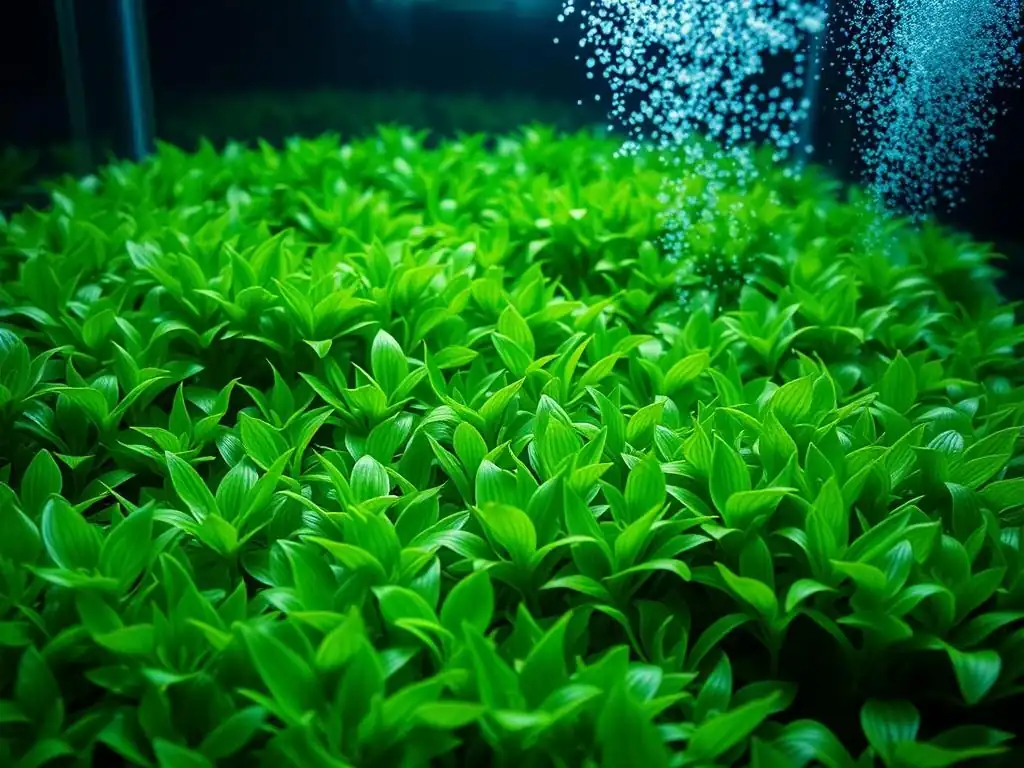
The relationship between CO2 and light in a planted aquarium is synergistic and interdependent. Neither can fully compensate for a deficiency in the other if the goal is a "dense aquarium carpet CO2 lighting" effect. High light levels without sufficient CO2 will cause plants to struggle with photoinhibition, where they are unable to process the abundant light energy, leading to stress, stunted growth, and a prime environment for algae outbreaks. The excess light and nutrients, unutilized by struggling plants, become fuel for algae.
Conversely, ample CO2 injection without adequate lighting means plants cannot effectively photosynthesize. They will have access to carbon but lack the energy to convert it into biomass, resulting in slow, weak growth. The key to achieving a truly lush and dense aquarium carpet lies in finding the perfect balance where both CO2 and light are optimized. When plants are supplied with high light and sufficient CO2, their metabolic rate increases dramatically, leading to rapid, robust, and compact growth, allowing them to outcompete algae and form a thick, healthy carpet.
Fine-Tuning CO2 and Lighting for Specific Carpet Plant Species
Different carpeting plant species have varying demands for light and CO2, requiring fine-tuning of your "dense aquarium carpet CO2 lighting" setup. For instance, Glossostigma elatinoides is notoriously demanding, requiring very high light (often 70+ PAR at the substrate) and high CO2 levels (consistently 30 ppm) to truly carpet densely. Without these conditions, it tends to grow leggy or melt.
Micranthemum 'Monte Carlo' is a more forgiving alternative, thriving with moderate to high light (50-70 PAR) and CO2 levels around 25-30 ppm. It still benefits immensely from CO2 but is less prone to melting if conditions aren't absolutely perfect. Eleocharis parvula (Dwarf Hairgrass) can tolerate slightly lower light (40-60 PAR) but still benefits significantly from consistent CO2 (20-25 ppm) for dense, upright growth. Understanding these specific needs allows aquascapers to tailor their environmental parameters, ensuring optimal conditions for their chosen carpet species.
Optimizing Nutrient Levels alongside CO2 and Lighting
While CO2 and lighting are the twin pillars, they are not standalone factors. For plants to effectively utilize the energy from light and the carbon from CO2, they also require a balanced supply of macro and micronutrients. Macronutrients include Nitrogen (N), Phosphorus (P), and Potassium (K), often referred to as NPK. Micronutrients are trace elements like Iron (Fe), Manganese (Mn), Boron (B), and Zinc (Zn), which are needed in smaller quantities but are equally vital.
When CO2 and light levels are high, plant metabolism accelerates, leading to a much higher demand for these nutrients. Deficiencies in any of these elements, even with perfect "dense aquarium carpet CO2 lighting," will limit growth and can lead to specific deficiency symptoms (e.g., yellowing leaves from nitrogen or iron deficiency, pinholes from potassium deficiency). Therefore, a comprehensive fertilization strategy, often involving liquid fertilizers and root tabs, is essential to ensure plants have all the building blocks they need to form a lush, healthy carpet.
Selecting the Right Carpet Plants for Your Aquarium
Popular Carpet Plant Species: Dwarf Hairgrass (Eleocharis parvula), Monte Carlo (Micranthemum 'Monte Carlo'), Glossostigma elatinoides
Dwarf Hairgrass (Eleocharis parvula): This popular carpeting plant features fine, grass-like blades that grow in dense clumps and spread via runners, forming a natural-looking meadow. It's relatively hardy but requires moderate to high light (40-60 PAR at substrate) and consistent CO2 injection (20-25 ppm) to achieve a tight, uniform carpet. Without sufficient CO2, it tends to grow taller and sparser.
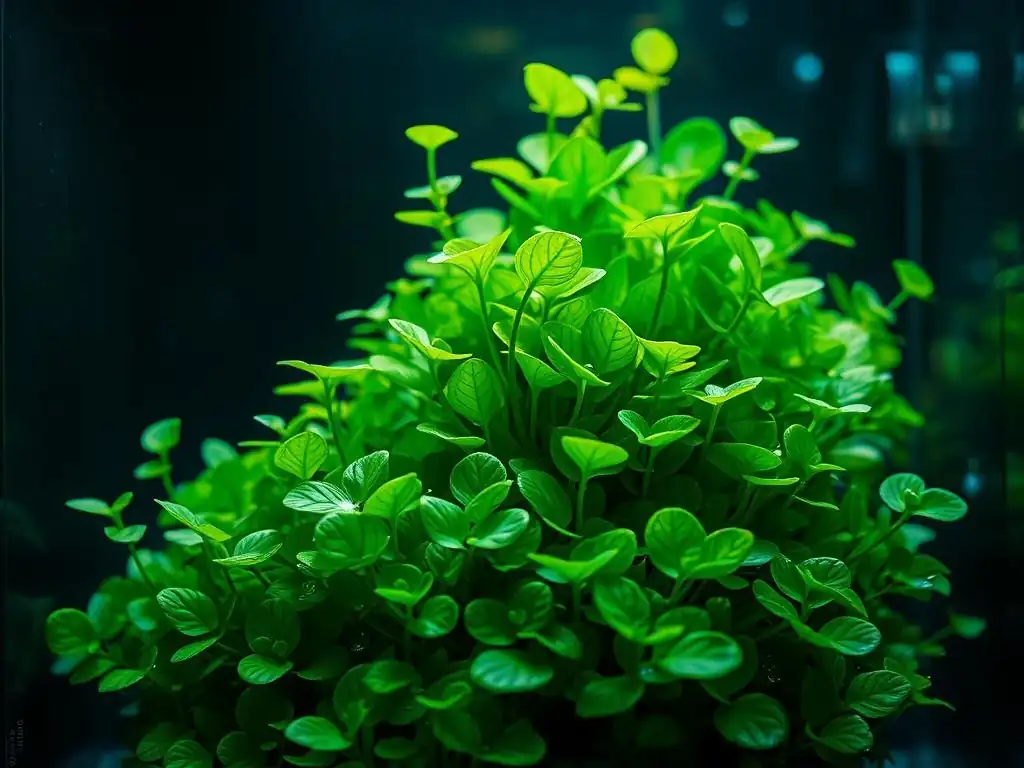
Monte Carlo (Micranthemum 'Monte Carlo'): Known for its small, round, vibrant green leaves, Monte Carlo is a favorite due to its relatively fast growth and ease of care compared to other demanding carpets. It spreads quickly by sending out runners and forms a thick, luxurious carpet. It thrives in moderate to high light (50-70 PAR) and benefits greatly from consistent CO2 injection (25-30 ppm) for rapid and dense horizontal growth.
Glossostigma elatinoides: Often simply called "Glosso," this plant has incredibly tiny, bright green leaves and is one of the most demanding carpeting plants. When conditions are optimal, it forms an exceptionally dense and low-lying carpet, making it a staple in many award-winning aquascapes. However, it requires very high light (70+ PAR at substrate) and very high, stable CO2 levels (30 ppm or more) to truly thrive and carpet. Without these precise "dense aquarium carpet CO2 lighting" conditions, it will struggle, melt, or grow leggy.
Light and CO2 Requirements for Different Carpeting Plants
Understanding the specific needs of each carpet plant is crucial for successful growth. Here's a general guide for common species:
- Dwarf Hairgrass (Eleocharis parvula):
- Light: Moderate to High (40-60 PAR at substrate)
- CO2: Medium to High (20-25 ppm)
- Monte Carlo (Micranthemum 'Monte Carlo'):
- Light: Moderate to High (50-70 PAR at substrate)
- CO2: High (25-30 ppm)
- Glossostigma elatinoides:
- Light: High to Very High (70+ PAR at substrate)
- CO2: Very High (30+ ppm)
- Cuba Dwarf Hairgrass (Hemianthus callitrichoides 'Cuba' - HC Cuba):
- Light: Very High (70+ PAR at substrate)
- CO2: Very High (30+ ppm)
These values represent typical requirements for achieving a "dense aquarium carpet CO2 lighting" effect. It's important to remember that these are guidelines, and slight variations might be necessary based on tank depth, water parameters, and overall nutrient dosing strategy. Always aim for consistency and observe your plants' response.
Choosing Carpet Plants Based on Tank Size and Setup
When selecting carpet plants, consider the size and depth of your aquarium, as this directly impacts the feasibility of providing adequate "dense aquarium carpet CO2 lighting." In smaller tanks (e.g., 10-20 gallons), it's easier to achieve high light penetration to the substrate, and a DIY or smaller pressurized CO2 system might suffice. Monte Carlo or Dwarf Hairgrass are excellent choices for these setups due to their manageable growth and aesthetic appeal.
For larger tanks (50 gallons or more), achieving uniform high light at the substrate across the entire footprint can be challenging, often requiring powerful LED fixtures or multiple T5HO lights. Consistent CO2 distribution also becomes more complex, necessitating larger diffusers or even multiple diffusers, and robust flow to ensure the CO2 reaches all areas of the "dense aquarium carpet CO2 lighting" system. While larger tanks can accommodate any carpet plant, the investment in lighting and CO2 infrastructure will be significantly higher to meet the demands of very high-light species like Glosso or HC Cuba.
Troubleshooting Common Issues in Carpet Plant Growth
Algae Problems and Their Relation to CO2 and Lighting
Algae outbreaks are one of the most common and frustrating issues for aquascapers aiming for a "dense aquarium carpet CO2 lighting" setup. Often, algae is not a sign of too much light or CO2, but rather an imbalance in the system. When light intensity is high but CO2 levels are insufficient or fluctuating, plants cannot photosynthesize efficiently.
This leaves excess light and nutrients in the water column that algae readily exploit, leading to rapid proliferation. For example, green spot algae often indicates low phosphate levels or insufficient CO2, while black beard algae (BBA) is a strong indicator of unstable CO2 or poor water flow.
To combat algae related to CO2 and lighting imbalances, the primary solution is to stabilize and optimize your "dense aquarium carpet CO2 lighting" system. Ensure CO2 levels are consistently within the 20-30 ppm range throughout the photoperiod. Reduce the photoperiod if algae persists (e.g., from 8 to 6 hours). Increase nutrient dosing if deficiencies are suspected, as healthy, fast-growing plants will outcompete algae for available resources. Regular water changes also help remove excess nutrients that can fuel algae growth.
Nutrient Deficiencies and Their Impact on Carpet Plants
Even with optimal "dense aquarium carpet CO2 lighting," nutrient deficiencies can severely hinder carpet plant growth and health. Recognizing the signs of specific deficiencies is crucial for prompt corrective action:
- Nitrogen (N) Deficiency: Symptoms include general yellowing or paling of older leaves, stunted growth, and smaller new leaves. Plants may appear translucent.
- Potassium (K) Deficiency: Often manifests as pinholes in older leaves, followed by yellowing or browning of leaf edges and eventual melting.
- Iron (Fe) Deficiency: New growth appears pale, yellow, or even white, while older leaves remain green. This is common in high-light, high-CO2 tanks where iron is rapidly consumed.
- Phosphorus (P) Deficiency: Leaves may darken, appear dull, or develop stunted, distorted growth. Slow growth is also a common indicator.
Addressing these deficiencies involves adjusting your liquid fertilizer dosing regimen or adding root tabs directly under the carpet. For instance, if new growth is pale, increasing an iron-rich liquid fertilizer is a common solution. Consistent and balanced nutrient supply is vital to support the rapid growth stimulated by "dense aquarium carpet CO2 lighting."
Identifying and Addressing Slow or Stunted Growth
Slow or stunted growth in a high-tech planted tank, especially for a "dense aquarium carpet CO2 lighting" setup, is a clear indicator that something is amiss. The first step is to systematically check your CO2 levels. Is your drop checker consistently green throughout the entire photoperiod? Are your fish exhibiting any signs of distress, which might indicate CO2 levels are too high or too low? Ensure your CO2 bubble count is sufficient for your tank size and that the diffuser is efficiently dissolving the gas.
Next, evaluate your lighting. Is the PAR at the substrate adequate for your chosen carpet species? Has the light fixture degraded over time (fluorescent bulbs lose intensity, LEDs can too after many years)? Is the photoperiod correct and consistent? Beyond CO2 and light, also consider water parameters (e.g., pH, GH, KH) and nutrient availability. A comprehensive approach to troubleshooting, often involving a process of elimination, is key to identifying the root cause and restoring optimal growth for your "dense aquarium carpet CO2 lighting" system.
Advanced Techniques for Dense Aquarium Carpet Growth
Substrate Considerations for Carpet Plant Rooting
The substrate plays a foundational role in achieving a "dense aquarium carpet CO2 lighting" effect, particularly for rooting plants. Active substrates, such as ADA Aqua Soil, Fluval Stratum, or UNS Controsoil, are highly recommended. These specialized substrates are designed to provide essential nutrients to plant roots over an extended period (typically 1-2 years), buffer the water's pH to slightly acidic levels (ideal for most aquatic plants and CO2 dissolution), and offer an excellent porous structure for root penetration and colonization. This nutrient-rich base significantly aids the initial establishment and ongoing health of a dense carpet.
While inert substrates like sand or fine gravel can be used, they require more diligent nutrient management. In such setups, a nutrient-rich base layer (e.g., ADA Power Sand, Seachem Flourite) placed beneath the top layer of sand/gravel is highly beneficial. Additionally, regular insertion of root tabs directly under the carpet plants becomes essential to provide localized nutrients directly to their root systems, compensating for the lack of inherent fertility in the substrate and supporting the "dense aquarium carpet CO2 lighting" strategy.
The Importance of Water Circulation for CO2 and Nutrient Distribution
Excellent water circulation is often an overlooked yet critical factor in maintaining a healthy and dense aquarium carpet, especially in a "dense aquarium carpet CO2 lighting" system. Good flow ensures that dissolved CO2 and essential liquid fertilizers are evenly distributed throughout the entire tank, reaching all areas of the carpet. Without adequate circulation, "dead spots" can form where CO2 and nutrients are depleted, leading to stunted growth, nutrient deficiencies, and localized algae outbreaks within the carpet.
To optimize circulation, ensure your filter outflow is directed to create a gentle, consistent current across the substrate. For larger tanks or those with dense hardscape, supplementary powerheads or wave makers set on a low flow can be strategically placed to eliminate dead spots and ensure consistent nutrient delivery to the carpet. The goal is to see a gentle sway in the plants, indicating good flow, without creating strong currents that might uproot delicate carpet plants or stress fish.
Using Root Tabs and Liquid Fertilizers for Enhanced Growth
To complement the "dense aquarium carpet CO2 lighting" setup, a robust fertilization strategy is paramount. Root tabs are concentrated nutrient pellets or capsules designed to be inserted directly into the substrate beneath heavy root feeders and carpeting plants. They provide a slow release of essential macro and micronutrients (e.g., NPK, Iron, Manganese) directly to the roots, which is particularly beneficial for plants in inert substrates or for boosting growth in active substrates after their initial nutrient supply diminishes. Brands like Seachem Flourish Tabs or API Root Tabs are widely used.
Liquid fertilizers are dosed directly into the water column and provide nutrients that plants absorb through their leaves. They are essential for providing macronutrients (NPK) and a comprehensive range of trace elements. Popular dosing methods include the Estimative Index (EI), which involves slight overdosing to ensure no nutrient limitation, or PPS Pro, which uses leaner daily dosing. Consistent liquid fertilization, in conjunction with optimal "dense aquarium carpet CO2 lighting" and a nutrient-rich substrate, ensures that plants have all the building blocks necessary for rapid, dense, and healthy growth.
Maintaining Your Lush Aquarium Carpet: Long-Term Care
Regular Trimming and Pruning for Optimal Density
Once your "dense aquarium carpet CO2 lighting" system is established and the carpet is growing vigorously, regular trimming and pruning become essential for maintaining its optimal density and health. Carpeting plants, especially fast growers like Monte Carlo or Glosso, can quickly grow too tall or too thick, shading the lower layers of leaves. This shading can lead to the bottom leaves melting or dying off due to lack of light, creating unsightly brown patches and potentially detaching the carpet from the substrate.
To prevent this, use sharp aquascaping scissors to trim the carpet back to your desired height. For plants that grow in layers (like Monte Carlo), regular trimming encourages horizontal growth and branching, leading to an even denser mat. For grass-like carpets like Dwarf Hairgrass, trimming encourages new, finer blades to emerge, resulting in a thicker appearance. Aim to trim every 2-4 weeks, depending on the growth rate, to maintain a vibrant and healthy "dense aquarium carpet CO2 lighting" display.
Monitoring CO2 and Lighting Levels Over Time
Maintaining a "dense aquarium carpet CO2 lighting" system is an ongoing process that requires consistent monitoring. CO2 equipment can experience wear and tear: diffusers can clog, regulators might develop slow leaks, and CO2 cylinders will eventually deplete. Similarly, light fixtures, especially fluorescent bulbs, lose intensity over time, impacting PAR levels. Even high-quality LEDs can experience a gradual reduction in output over several years.
Regularly check your CO2 drop checker to ensure it remains green throughout the photoperiod. Listen for any leaks in your CO2 lines. If using a pH controller, periodically calibrate the probe. For lighting, observe your plants for any signs of stretching or browning, which could indicate insufficient light. Keep a log of your CO2 bubble count, photoperiod, and fertilizer dosing to easily track and troubleshoot any changes in plant growth. Proactive monitoring ensures your "dense aquarium carpet CO2 lighting" remains optimized for lush growth.
Preventing Algae Blooms and Other Common Problems
Preventing algae blooms is a continuous effort in a high-tech planted tank, and it primarily revolves around maintaining stability within your "dense aquarium carpet CO2 lighting" system. Algae often capitalize on imbalances or fluctuations. Ensure your CO2 levels are stable and consistent throughout the day, avoiding abrupt changes. Maintain a consistent photoperiod and intensity; avoid sudden increases in light duration or brightness.
Regular water changes (e.g., 30-50% weekly) are crucial for removing accumulated organic waste, excess nutrients, and replenishing trace elements that plants quickly deplete. A balanced fertilization regimen, ensuring no nutrient deficiencies or excesses, also helps. Introducing a clean-up crew, such as Amano shrimp (Caridina multidentata) or Otocinclus catfish, can provide biological control by grazing on nascent algae. By adhering to consistent maintenance practices and promptly addressing any signs of imbalance, you can largely prevent algae from taking over your beautiful "dense aquarium carpet CO2 lighting" display.
Frequently Asked Questions
How crucial is CO2 injection for a dense aquarium carpet?
CO2 injection is extremely crucial for achieving a dense carpet in most aquariums. Without sufficient CO2, plants struggle to photosynthesize efficiently, hindering their growth and spread. It essentially provides the building blocks for plant growth.
What type of lighting is best for promoting dense aquarium carpet growth?
High-intensity lighting, specifically LEDs designed for planted tanks, are often best. The appropriate light spectrum and intensity ensure plants receive the energy needed for photosynthesis and vigorous growth across the substrate.
Can I achieve a dense carpet without using a CO2 system?
It's possible with certain low-light, low-CO2 demanding carpet plants like Marsilea hirsuta. However, the growth will be significantly slower and less dense compared to using CO2 injection.
Inadequate CO2 levels and insufficient light intensity are major issues. Other problems include fluctuating CO2 levels, improper light spectrum, and nutrient deficiencies affecting the plant's ability to utilize light and CO2.
How do I balance CO2 and lighting to avoid algae blooms?
Careful monitoring and adjustment are key. Start with low CO2 and light levels, gradually increasing them while observing plant growth and algae development. Maintain consistent parameters and ensure proper nutrient balance to prevent algae from outcompeting plants.
Final Reflection: Cultivating Underwater Gardens
The journey into understanding the symbiotic relationship between CO2 and lighting in achieving dense aquarium carpet growth reveals more than just the science of aquatic plants; it highlights the delicate balance required to nurture thriving ecosystems within our glass boxes. This knowledge, now more accessible than ever, empowers aquascapers to transform barren substrates into lush, vibrant landscapes.
The pursuit of the perfect carpet underscores our innate desire to connect with nature, even in miniature. This connection, fostered through careful observation and diligent application of scientific principles, deepens our appreciation for the intricate beauty of the natural world. The best time to plant a tree was 20 years ago. The second best time is now.
This ancient proverb resonates deeply with the patience and dedication required to cultivate a flourishing aquarium carpet, reminding us that even small actions, consistently applied, can yield remarkable results.
Now, armed with the understanding of how CO2 and lighting work in harmony, consider how you can apply these principles not only to your aquariums but also to other areas of your life. Embrace the challenge of nurturing growth, whether it's in your professional endeavors, personal relationships, or creative pursuits. Just as a dense aquarium carpet requires a balanced environment, so too does your own potential. Cultivate the right conditions, and watch your own vibrant landscape flourish.
Ignite Your Aquarium: Unleash Carpet Growth Potential!
Thanks for diving into the science of CO2 and lighting! Now that you understand the key roles these elements play in creating a lush aquarium carpet, it's time to put that knowledge into action and witness the transformation firsthand.
Here are some steps you can take to maximize your results:
- Master the CO2: Precisely dial in your CO2 levels, aiming for that sweet spot of consistent, pearling growth.
- Experiment with Light: Tweak your lighting schedule and intensity based on your specific plants' needs, observing their response closely.
- Share Your Success: Document your carpet-growing journey on social media, inspire fellow aquascapers.
What unique lighting or CO2 adjustment are you excited to test in your aquarium next?