
Fluorescent vs. LED: Which Lighting Reigns Supreme for Aquarium Plants?

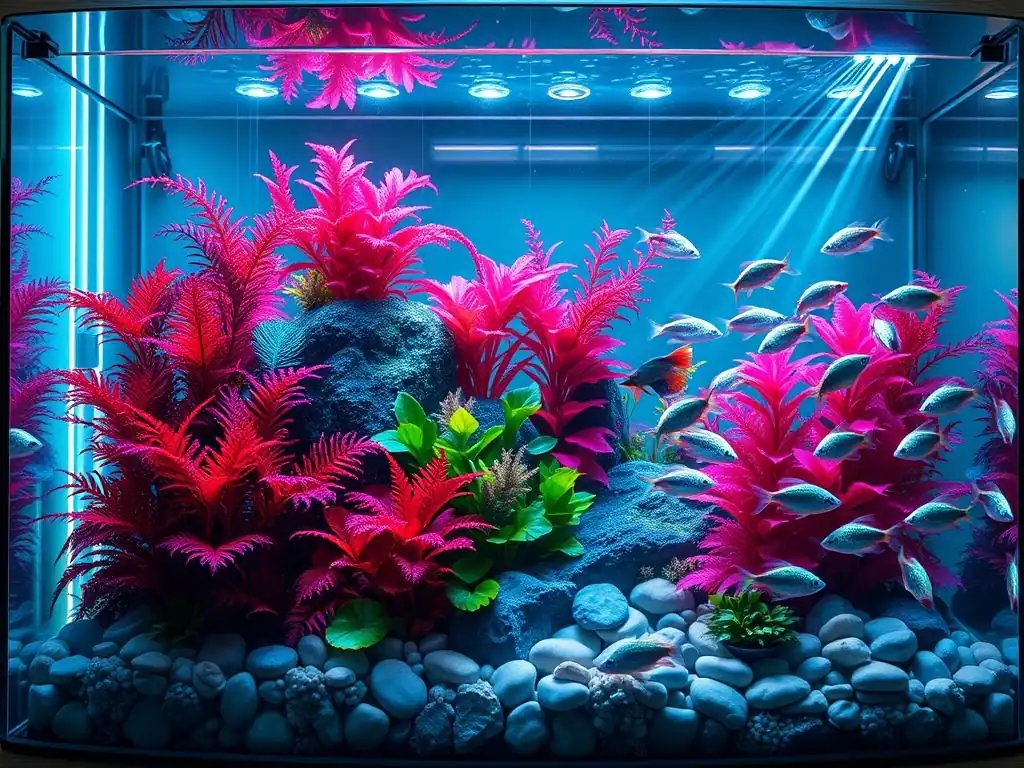
Welcome to Aquarium Mastery, where your underwater dreams become reality! Ever wondered if your aquarium plants are truly thriving under your current lighting? Dive in and explore our comprehensive guide, "Fluorescent vs. LED: Which Lighting Reigns Supreme for Aquarium Plants?", to uncover the secrets of achieving optimal growth. Are you ready to discover if you're using the best LED aquarium lighting for your aquatic garden? Let's illuminate the path to a flourishing underwater paradise together!
- Aquarium Lighting for Planted Tanks: LED vs. Fluorescent
- Introduction: Illuminating Your Planted Aquarium
- Understanding Fluorescent Aquarium Lighting
- Exploring the Benefits of LED Aquarium Lighting
- LED vs. Fluorescent: A Direct Comparison for Planted Aquariums
- Choosing the Right Lighting: Factors to Consider
- Optimizing Aquarium Lighting for Plant Growth
- Conclusion: Selecting the Best Lighting for Your Planted Tank
-
Frequently Asked Questions
- What are the primary benefits of using LED aquarium lighting for planted tanks?
- How does LED lighting compare to fluorescent lighting in terms of energy consumption and cost?
- Can all types of aquarium plants thrive under LED lighting?
- How do I determine the appropriate wattage and spectrum of LED lighting for my planted aquarium?
- What are some common issues that can arise when using LED lighting in a planted aquarium, and how can I resolve them?
- Final Reflection: Illuminating the Future of Aquatic Life
- Ignite Your Aquarium's Growth: Discover Your Next Steps!
Aquarium Lighting for Planted Tanks: LED vs. Fluorescent
Introduction: Illuminating Your Planted Aquarium
The Importance of Optimal Lighting for Thriving Aquarium Plants
Optimal lighting is the cornerstone of a healthy and vibrant planted aquarium, directly influencing the process of photosynthesis, which is vital for aquatic plant growth. Without adequate light, plants cannot convert light energy into chemical energy, leading to stunted growth, yellowing leaves (chlorosis), or even complete melt and death.
The right intensity and spectrum of light are crucial; for instance, high-light demanding plants like Hemianthus callitrichoides (Dwarf Hairgrass) or Rotala macrandra typically require Photosynthetically Active Radiation (PAR) values exceeding 50 µmol/m²/s at the substrate, while low-light species such as Java Fern ( Microsorum pteropus) or Anubias barteri can flourish with PAR values between 10-30 µmol/m²/s.
Beyond mere survival, proper illumination influences plant coloration, encourages dense growth, and contributes significantly to the overall aesthetic appeal of the aquascape. Furthermore, lighting plays a critical role in the delicate balance of the aquarium ecosystem; insufficient light can lead to algae dominance as plants struggle to compete for nutrients, while excessively strong or prolonged light can also trigger algae blooms. Achieving the correct balance ensures robust plant health, minimizes algae issues, and creates a visually stunning underwater garden.
Overview of LED and Fluorescent Aquarium Lighting Options
For decades, fluorescent lighting has been the traditional workhorse for planted aquariums, offering a reliable and relatively affordable means of illuminating aquatic flora. These fixtures, ranging from standard output tubes to more powerful High Output (HO) versions, have provided the necessary spectrums and intensities for countless successful planted tanks. Their widespread availability and straightforward operation made them a popular choice for both novice and experienced aquarists.
In recent years, Light Emitting Diode (LED) technology has emerged as a formidable contender, rapidly transforming the landscape of aquarium lighting. LED aquarium lighting best options are celebrated for their energy efficiency, longevity, and unparalleled control over light spectrum and intensity. As the technology continues to evolve, LEDs are increasingly becoming the preferred choice for serious aquascapers due to their ability to precisely tailor lighting conditions to the specific needs of diverse plant species and to create dynamic, naturalistic light cycles.
Understanding Fluorescent Aquarium Lighting
What is Fluorescent Lighting and How Does it Work in Aquariums?
Fluorescent lighting operates on a principle of gas discharge. Inside a sealed glass tube, a small amount of mercury vapor and inert gas (like argon) is present. When electricity passes through electrodes at each end of the tube, it excites the gas, causing the mercury atoms to emit ultraviolet (UV) light.
This invisible UV light then strikes a phosphor coating on the inside of the tube, which absorbs the UV energy and re-emits it as visible light. Different phosphor blends produce different color temperatures and spectrums, allowing for bulbs optimized for plant growth (e.g., full spectrum 6500K daylight or red/blue enhanced).
In an aquarium setup, fluorescent bulbs are housed in a fixture that typically includes a ballast (to regulate current), a reflector (to direct light downwards into the tank), and often a splash guard. The emitted light, while diffuse, provides a broad spread suitable for many tank sizes. Aquarists select bulbs based on their desired light intensity and spectral needs for their specific aquatic plants, aiming to provide the necessary wavelengths for photosynthesis, primarily in the red and blue regions of the visible spectrum.
Types of Fluorescent Bulbs Used in Planted Aquariums
T5 Fluorescent Bulbs: High Output for Plant Growth
T5 fluorescent bulbs, particularly the High Output (HO) versions, have been a staple for serious planted tank enthusiasts due to their superior light intensity and efficiency compared to older T8 or T12 bulbs. These slender tubes (approximately 5/8 inch in diameter) deliver a high PAR output, making them suitable for growing a wide range of demanding aquatic plants. Common wattages include 24W for 2-foot bulbs and 54W for 4-foot bulbs, providing significant illumination even for moderately deep tanks.
A typical 4-foot T5 HO fixture equipped with two 54W bulbs can deliver PAR values ranging from 40-60 µmol/m²/s at 18 inches of water depth, which is ample for many medium to high-light plant species like Ludwigia repens or Cryptocoryne wendtii. For very demanding plants such as Glossostigma elatinoides or Rotala macrandra, a four-bulb T5 HO fixture might be employed to achieve PAR values closer to 80-100 µmol/m²/s. Their focused output and availability in various spectrums (e.g., 6500K daylight, plant-specific red/blue blends) make them a powerful tool for lush plant growth.
Compact Fluorescent Lamps (CFLs): An Option for Smaller Tanks
Compact Fluorescent Lamps (CFLs) are essentially fluorescent tubes bent into a compact shape, often with a screw-in base, making them easily adaptable to standard light sockets. While less powerful than T5 HO tubes, CFLs offer a cost-effective and convenient lighting solution, particularly for smaller nano aquariums (typically under 15 gallons) or as supplemental lighting for larger setups. They are commonly available in wattages ranging from 13W to 26W, providing a moderate amount of light.
CFLs are generally suitable for low-light plant species such as Java Moss ( Taxiphyllum barbieri), Anubias barteri, or various types of Bucephalandra. For example, a single 26W CFL can adequately illuminate a 10-gallon tank, providing sufficient light for these less demanding plants. However, due to their lower light penetration and overall output, CFLs are typically not recommended for larger tanks or those aiming to grow high-light, carpeting plants, as they often fail to deliver the necessary PAR levels to the substrate.
Advantages of Fluorescent Lighting for Aquarium Plants
Lower Initial Cost Compared to LED Systems
One of the most significant advantages of fluorescent lighting, particularly for beginners or those on a tight budget, is its lower initial purchase cost. A basic 2-foot T5 HO fixture, complete with bulbs, might cost anywhere from $60 to $120. In contrast, a comparable LED aquarium lighting best fixture designed for similar plant growth capabilities could easily start at $150 and extend upwards to $300 or more, depending on features and brand.
This lower upfront investment makes fluorescent setups an accessible entry point into the planted tank hobby. While the bulbs require periodic replacement, the initial barrier to entry is considerably lower, allowing hobbyists to allocate more of their budget towards other essential aquarium equipment like filtration, substrate, or CO2 systems.
Readily Available and Relatively Simple to Use
Fluorescent bulbs and fixtures are widely available, found in most pet stores, hardware stores, and a vast array of online retailers. This widespread availability means replacements and new fixtures are easy to source, often without specialized ordering. Their operation is also remarkably straightforward: once installed, most fluorescent fixtures function with a simple on/off switch, or can be connected to an external timer for automated control.
There is generally less complexity involved with fluorescent lighting systems in terms of setup or programming compared to advanced LED units. This plug-and-play simplicity appeals to aquarists who prefer a no-fuss approach to their tank's lighting, without the need for intricate spectrum adjustments or smartphone app integrations.
Higher Energy Consumption
Fluorescent lights are less energy-efficient than LEDs, converting a significant portion of the electricity they consume into heat rather than usable light. This inefficiency translates directly into higher electricity bills over time. For instance, a 4-foot T5 HO fixture with two 54W bulbs consumes 108W of power, whereas a high-quality LED aquarium lighting best fixture capable of providing similar PAR output might only draw 60-80W.
Over the course of a year, especially for tanks running lights for the recommended 8-10 hours daily, the difference in energy consumption can be substantial. For example, assuming an average electricity cost of $0.15 per kWh, a 108W fluorescent fixture running for 10 hours daily would cost approximately $59.13 annually, while a 70W LED fixture would cost around $38.33, representing a potential saving of over $20 per fixture per year, which accumulates significantly over the lifespan of the tank.
Shorter Lifespan and More Frequent Replacement
One of the notable drawbacks of fluorescent bulbs is their relatively short effective lifespan. While they may physically light up for longer, their spectral output and intensity degrade significantly within 6 to 12 months, which can negatively impact plant growth and encourage algae. This degradation necessitates frequent bulb replacement to maintain optimal conditions for a thriving planted tank.
Replacing a set of T5 HO bulbs for a 4-foot fixture can cost between $30 to $60 annually, adding to the long-term operational cost of the system. This regular replacement not only incurs recurring expenses but also adds to the maintenance burden for the aquarist, potentially leading to inconsistent plant growth if replacements are not performed promptly.
Can Increase Aquarium Water Temperature
Due to their operational mechanism, fluorescent lights generate a considerable amount of heat. This heat is often radiated downwards, directly impacting the water temperature in the aquarium. In smaller tanks or those with inadequate ventilation, it is not uncommon for fluorescent fixtures to raise the water temperature by 2-4°F, or even more in enclosed hoods.
This temperature increase can be problematic for certain fish species, such as Discus or many types of shrimp, which are sensitive to temperature fluctuations and prefer cooler, stable conditions. It may also necessitate the use of cooling fans or even a chiller during warmer months, adding additional equipment, complexity, and energy consumption to the aquarium setup.
Limited Spectrum Control
While fluorescent bulbs are available in various color temperatures (e.g., 6500K daylight, 10000K, and plant-specific red/blue enhanced bulbs), the degree of spectrum control is relatively limited. Once a bulb type is chosen, its emitted spectrum is fixed. Fine-tuning the light for specific plant needs, such as emphasizing particular wavelengths for enhanced red coloration in plants like Alternanthera reineckii or boosting blue light for deeper penetration, is not possible with individual bulbs.
To achieve a somewhat customized spectrum, aquarists often resort to mixing different types of fluorescent bulbs within the same fixture (e.g., one daylight bulb and one plant-growth bulb). However, this method lacks the precision and dynamic adjustability offered by multi-channel LED systems, which can independently control different color diodes to create a highly specific and tunable light spectrum.
Exploring the Benefits of LED Aquarium Lighting
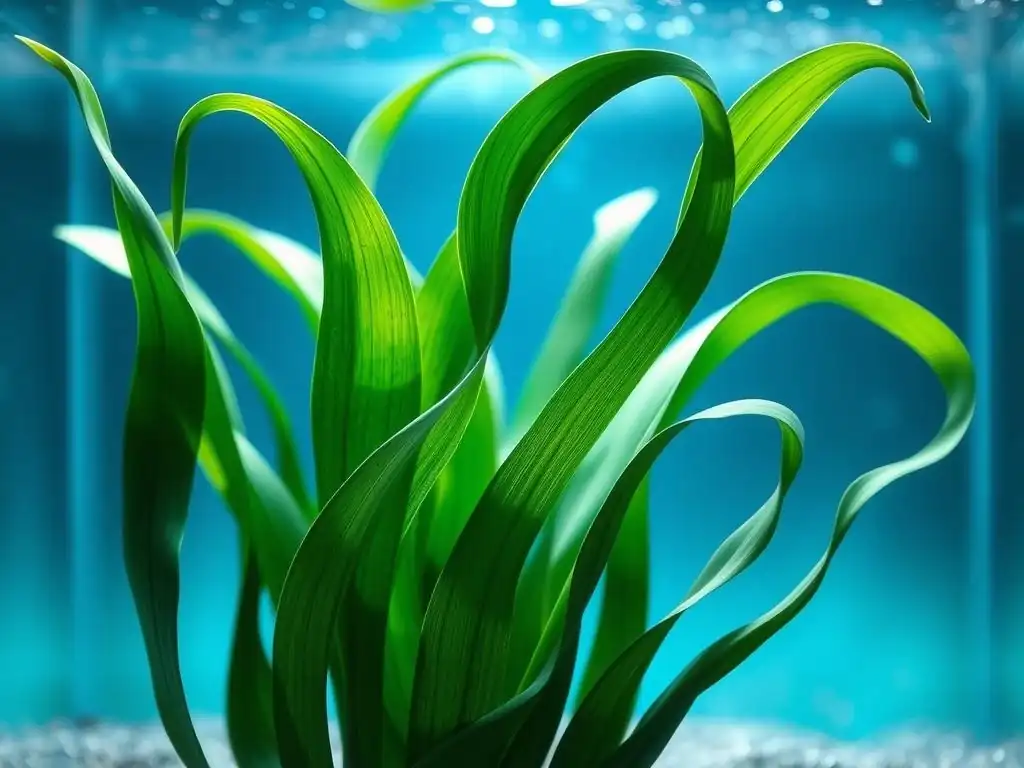
What is LED Lighting and How Does it Work in Aquariums?
LED stands for Light Emitting Diode, a semiconductor device that produces light when an electric current passes through it. Unlike traditional incandescent bulbs that generate light by heating a filament, LEDs produce light through electroluminescence, making them incredibly energy-efficient and durable. In aquarium lighting, individual LEDs are mounted on a circuit board and often grouped into clusters or rows within a fixture. Each diode emits a very specific wavelength of light, meaning a single fixture can incorporate various colored LEDs (e.g., red, green, blue, white, UV) to create a full and customizable spectrum.
The light produced by LEDs is highly directional, allowing for excellent penetration into deeper water columns without significant loss of intensity. Modern LED aquarium lighting best fixtures often include advanced optics and heat sinks to manage the minimal heat generated by the diodes, ensuring optimal performance and longevity. This design allows for precise light delivery, making it possible to target specific areas of the tank or to provide the exact spectral needs for different aquatic plant species.
Advantages of LED Aquarium Lighting for Plant Growth
Superior Energy Efficiency and Cost Savings
LED lighting stands out for its exceptional energy efficiency, converting a much higher percentage of consumed electricity directly into light rather than waste heat. This translates to significantly lower power consumption for the same or even greater light output compared to fluorescent systems. For example, a high-performance LED aquarium lighting best fixture designed for a 4-foot planted tank might provide optimal PAR values (e.g., 60-80 µmol/m²/s) while drawing only 50-70W, whereas a comparable fluorescent setup could consume 100W or more.
Over the long term, these energy savings accumulate substantially. Considering a 4-foot LED fixture running 10 hours a day at 60W, the annual electricity cost could be approximately $32.85 (at $0.15/kWh). A 108W fluorescent fixture, by comparison, would cost around $59.13 annually. This difference of over $26 per year per fixture can lead to hundreds of dollars in savings over the fixture's lifespan, effectively offsetting the higher initial investment.
Longer Lifespan and Reduced Maintenance
One of the most compelling benefits of LED aquarium lighting best systems is their remarkably long operational lifespan. Individual LED diodes are typically rated for 50,000 hours or more, which translates to over 5 years of continuous use if run for 10 hours a day, and often up to 10 years or more. This longevity far surpasses the typical 6-12 month lifespan of fluorescent bulbs.
This extended lifespan drastically reduces the need for frequent bulb replacements, saving aquarists both money on recurring bulb costs and the time and effort associated with maintenance. Many premium LED fixtures come with warranties ranging from 3 to 5 years, reflecting the manufacturer's confidence in their durability and reliability, offering peace of mind to the user.
Customizable Light Spectrum for Optimal Plant Growth
Advanced LED aquarium lighting best systems offer unparalleled control over the light spectrum. Many fixtures feature multiple channels of LEDs (e.g., red, green, blue, white, and sometimes UV or far-red) that can be independently adjusted in intensity. This allows hobbyists to precisely tailor the spectrum to meet the specific photosynthetic needs of their aquatic plants, emphasizing wavelengths known to boost growth (e.g., 450-470nm blue and 620-660nm red) or to enhance the vibrant colors of fish and plants.
This level of customization enables aquarists to create "spectral recipes" optimized for different plant types, from low-light epiphytes to demanding red stem plants. For instance, increasing the red spectrum can promote deeper red coloration in plants like Rotala 'Colorata', while a balanced full-spectrum white light ensures overall healthy growth and natural appearance. This fine-tuning capability is a major advantage for serious aquascapers aiming for peak plant health and aesthetics.
Lower Heat Emission and Reduced Tank Temperature Fluctuations
LEDs are highly efficient at converting electricity into light, producing very little waste heat compared to fluorescent bulbs. The minimal heat generated is typically dissipated through integrated heat sinks in the fixture itself, rather than being radiated downwards into the aquarium water. This significantly reduces the risk of increasing the tank's water temperature.
Maintaining a stable water temperature is critical for the health and well-being of all aquarium inhabitants, including sensitive fish and invertebrates, as well as plants. The reduced heat contribution from LED aquarium lighting best solutions helps prevent undesirable temperature swings, which can stress aquatic life and potentially lead to disease or stunted plant growth. This can also eliminate the need for additional cooling equipment, especially in smaller tanks or warmer climates.
Controllability (Dimming, Scheduling) for Simulating Natural Conditions
Many modern LED aquarium lighting best fixtures come equipped with sophisticated control features, including built-in dimming capabilities and programmable timers. These features allow aquarists to precisely control light intensity throughout the day, simulating natural sunrise and sunset effects, and even moonlight phases. This gradual transition between light and dark periods is less stressful for fish and more natural for plants than an abrupt on/off cycle.
The ability to program custom light schedules, including intensity ramps, midday siestas, or even cloud cover simulations, further enhances the naturalistic environment within the aquarium. This level of dynamic control not only optimizes plant growth by providing precise light doses but also creates a more engaging and aesthetically pleasing viewing experience for the aquarist.
Disadvantages of LED Aquarium Lighting for Planted Aquariums
Higher Initial Investment Cost
The most significant barrier to entry for LED aquarium lighting best systems is their higher initial purchase price compared to fluorescent fixtures. A high-quality LED fixture suitable for a heavily planted 4-foot tank can range from $250 to $800 or more, depending on the brand, features, and power output. This can be a substantial upfront investment for many hobbyists, especially those new to the hobby or with multiple tanks.
While the long-term cost savings through energy efficiency and reduced bulb replacements often justify this initial outlay, the immediate financial commitment can deter some aquarists. However, the market for LED aquarium lighting is expanding rapidly, and more affordable, yet effective, options are continuously becoming available, slowly bridging this price gap.
Potential for Light Burn if Not Properly Adjusted
The concentrated and intense light output of some powerful LED aquarium lighting best fixtures, particularly those designed for high-light demanding plants, can pose a risk of "light burn" if not properly managed. If the fixture is too powerful for the tank's depth, or if it's placed too close to the water surface, sensitive plant leaves can suffer from bleaching, browning, or even holes. This often manifests on the upper leaves that are closest to the light source.
To prevent light burn, careful adjustment of the LED fixture's intensity (using dimming features) and hanging height is crucial. For example, a high-power LED fixture might need to be suspended 12-18 inches above the water surface to ensure optimal light spread and to avoid scorching delicate plant tissue, especially in shallower tanks or with sensitive species like Staurogyne repens.
Specialized Knowledge May Be Required for Optimal Use
While basic LED fixtures offer simple plug-and-play operation, unlocking the full potential of advanced, programmable LED aquarium lighting best systems often requires a certain level of specialized knowledge. Understanding concepts such as Photosynthetically Active Radiation (PAR) values, specific spectral needs for different plant types, and navigating complex programming interfaces can be daunting for beginners.
Incorrectly set light parameters, whether too intense, too dim, or with an imbalanced spectrum, can lead to issues ranging from stunted plant growth and nutrient deficiencies to persistent algae outbreaks. This learning curve means that aquarists seeking to maximize the benefits of high-end LED lighting may need to invest time in research and experimentation to achieve optimal results.
LED vs. Fluorescent: A Direct Comparison for Planted Aquariums
Light Intensity and Penetration
When comparing light intensity and penetration for planted aquariums, LED aquarium lighting best options generally outperform fluorescents, especially in deeper tanks. LEDs emit highly directional light, meaning more of the light energy is focused downwards and can penetrate deeper into the water column with less diffusion. A high-quality LED fixture can deliver strong PAR values (e.g., 60-80 µmol/m²/s) even at depths of 24 inches or more, making them ideal for growing demanding plants in taller aquariums.
Fluorescent lights, particularly T5 HOs, also offer good intensity, but their light tends to spread and diffuse more widely, leading to a more rapid drop-off in PAR values with increasing depth. While a multi-bulb T5 HO fixture can illuminate a 20-inch deep tank effectively, it may struggle to provide sufficient PAR (e.g., below 30 µmol/m²/s) for high-light plants in tanks deeper than 20-22 inches, often requiring more bulbs or closer placement to the water surface.
Spectrum Control
This is where LED aquarium lighting best systems truly shine. Many advanced LED fixtures provide granular control over individual color channels (red, green, blue, white, and sometimes UV or far-red), allowing aquarists to precisely tailor the light spectrum. This enables fine-tuning to emphasize specific wavelengths crucial for photosynthesis, enhance plant coloration, or create unique aesthetic effects like a sunrise simulation. This level of customization is invaluable for optimizing growth for particular plant species or managing algae.
Fluorescent lighting offers much more limited spectrum control. While various bulbs are available with different color temperatures (e.g., 6500K daylight, 10000K, or plant-growth specific blends), the spectrum of a given bulb is fixed. Customization is typically achieved by mixing different bulb types within a multi-bulb fixture, which provides some flexibility but lacks the dynamic and precise tunability of multi-channel LED systems.
Energy Efficiency and Long-Term Cost Savings
In terms of energy efficiency, LEDs are unequivocally superior. They convert a much higher percentage of electrical energy into light, resulting in significantly lower power consumption for equivalent light output. For instance, a 48-inch LED aquarium lighting best fixture might consume 60-80W, while a comparable 48-inch T5 HO fixture with four bulbs could consume upwards of 216W (4 x 54W). This difference translates into substantial savings on electricity bills over time.
Beyond energy consumption, the long-term cost savings are further amplified by the vastly different lifespans. Over a period of 5 years, a fluorescent setup would likely require 5 to 10 bulb changes, costing an estimated $150 to $600 for replacement bulbs. In contrast, an LED fixture is unlikely to require any bulb replacements during the same period. When considering the total cost of ownership over several years, LEDs, despite their higher initial price, almost always prove to be the more economical choice.
Heat Management
Heat generation is a key differentiator between the two lighting types. LEDs produce very little heat that is radiated into the aquarium water. The minimal heat generated by the diodes is typically dissipated away from the tank through integrated heat sinks and cooling fins on the fixture itself. This efficient heat management prevents significant temperature increases within the aquarium.
Fluorescent lights, particularly T5 HO bulbs, generate a considerable amount of heat as a byproduct of their operation. This heat is radiated downwards and can noticeably increase the aquarium's water temperature by several degrees Fahrenheit. In tanks with enclosed hoods or in warmer climates, this excess heat can stress aquatic inhabitants and may necessitate the use of additional cooling solutions like fans or chillers, adding to both complexity and energy costs.
Lifespan and Replacement Frequency
The lifespan of LED aquarium lighting is a major advantage. High-quality LED diodes are typically rated for 50,000 hours or more of operational life. This translates to 5-10 years of consistent use for an aquarium running lights for 8-10 hours daily, meaning that virtually no bulb replacement is needed throughout the entire life of the fixture. This significantly reduces ongoing maintenance and recurring costs.
In stark contrast, fluorescent bulbs have a much shorter effective lifespan. While they may continue to glow, their spectral output and intensity degrade significantly within 6 to 12 months of use. To maintain optimal conditions for plant growth and to prevent algae issues, fluorescent bulbs typically need to be replaced annually or bi-annually. This frequent replacement adds to the long-term cost and maintenance effort for the aquarist.
Impact on Algae Growth
Both LED and fluorescent lighting, if not managed correctly, can contribute to algae growth. The primary drivers of algae are excess light intensity, incorrect spectrum, or overly long photoperiods, combined with imbalanced nutrient levels or insufficient CO2. However, the precise control offered by LED aquarium lighting best systems can be a distinct advantage in algae management. By fine-tuning the intensity and spectrum, aquarists can provide exactly what the plants need for optimal photosynthesis, minimizing excess light that fuels algae.
With fluorescent lighting, the limited spectrum control and often broader, less directed light output can sometimes make algae control more challenging, especially if the fixture is overpowering for the tank's nutrient levels or CO2 injection. While a balanced approach to tank parameters (nutrients, CO2, filtration) is paramount regardless of light type, the customizable nature of LEDs offers more tools to mitigate algae outbreaks by optimizing light delivery specifically for plants.
Choosing the Right Lighting: Factors to Consider
Tank Size and Depth
The physical dimensions of your aquarium are crucial determinants when selecting lighting. For deeper tanks, typically 20 inches or more from the substrate to the water surface, the superior light penetration of LED aquarium lighting best options becomes a significant advantage. LEDs can deliver sufficient PAR to the bottom of these tanks, ensuring even carpeting plants receive adequate light for robust growth.
For shallower tanks, especially nano aquariums (under 10 gallons), the choice is more flexible. Lower-power LEDs or even compact fluorescent lamps (CFLs) can provide adequate illumination for a range of plants. The footprint of your tank also matters; longer tanks will require longer fixtures or multiple shorter ones to ensure uniform light spread and prevent shaded areas, which can influence the cost and practicality of either lighting type.
Plant Species
The specific aquatic plant species you intend to grow should heavily influence your lighting choice. Different plants have vastly different light requirements. Low-light plants such as Anubias barteri, Java Fern ( Microsorum pteropus), or various mosses can thrive under less intense illumination, making either a basic fluorescent fixture or a lower-end LED system suitable.
Conversely, high-light demanding plants, including many red stem plants (e.g., Rotala macrandra), carpeting plants (e.g., Hemianthus callitrichoides), or intricate foreground plants (e.g., Blyxa japonica), require powerful, full-spectrum LED aquarium lighting best systems or multiple high-output fluorescent bulbs to achieve optimal growth and coloration. For plants that benefit from specific spectral enhancements, such as red-pigmented species, the customizable spectrum of LEDs is a distinct advantage.
Budget
Your available budget will play a significant role in your lighting decision. Fluorescent systems generally boast a lower initial purchase price, making them an attractive option for beginners or those with limited funds. A decent fluorescent setup for a medium-sized tank might cost between $80 and $150 upfront, including bulbs.
While the initial investment for LED aquarium lighting best options is typically higher, ranging from $200 to $800+ for high-quality fixtures, it is essential to consider the total cost of ownership over several years. The long-term savings in energy consumption and the elimination of recurring bulb replacement costs can make LEDs more economical in the long run. Savvy hobbyists often factor in a 3-5 year cost analysis to make an informed financial decision.
Desired Aesthetic Effects
Beyond plant growth, lighting profoundly impacts the visual appeal and ambiance of your aquarium. LEDs offer superior color rendition, allowing you to fine-tune the spectrum to make fish colors pop and plant hues appear more vibrant. Many LED aquarium lighting best systems can create dynamic effects like shimmering reflections on the substrate (due to their point-source nature), realistic sunrise/sunset simulations, and even moonlight settings, adding a captivating dimension to your aquascape.
Fluorescent lights, while still capable of looking good, provide a more diffused and even light distribution. They lack the dynamic control and unique aesthetic effects that advanced LED systems can offer. If you prioritize a highly customizable visual experience, including specific color temperatures for different times of day or special effects, LEDs are generally the superior choice.
Optimizing Aquarium Lighting for Plant Growth
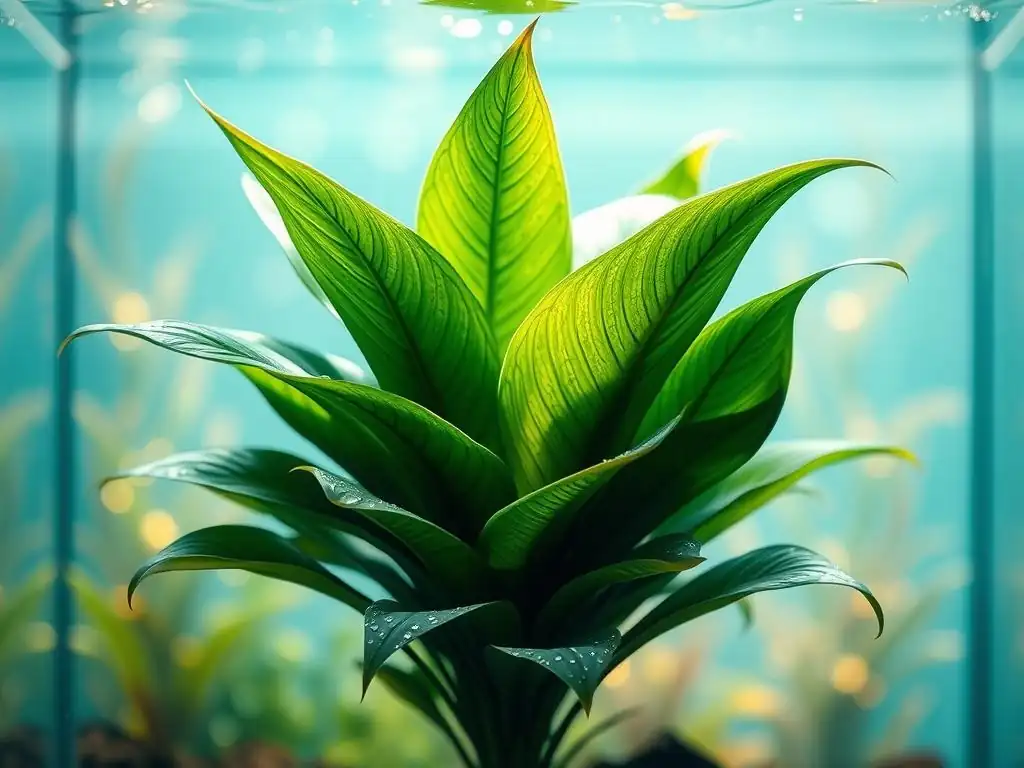
Setting Light Duration
The duration of light exposure, or photoperiod, is a critical factor for plant health and algae control. For most planted aquariums, a consistent light cycle of 6 to 10 hours per day is recommended. For new tanks or those prone to algae issues, starting with a shorter duration (e.g., 6-8 hours) is advisable. Established, heavily planted tanks with robust CO2 injection and nutrient dosing can often sustain a longer photoperiod of 8-10 hours.
Consistency is key; erratic light schedules can stress plants and encourage algae. Utilizing a reliable timer is highly recommended to ensure the lights turn on and off at the same time every day, providing a stable photoperiod for your aquatic ecosystem. Avoid leaving lights on for excessively long periods (e.g., 12+ hours), as this almost inevitably leads to problematic algae blooms.
Adjusting Light Intensity
Matching light intensity to your specific plant requirements is paramount. Too much light can lead to rapid algae growth, causing unsightly green or brown coatings on surfaces, while too little light results in stunted, leggy, or pale plant growth. For high-light demanding plants, target PAR values of 50-100 µmol/m²/s at the substrate level. For medium-light plants, 30-50 µmol/m²/s is often sufficient, and for low-light plants, 10-30 µmol/m²/s is adequate.
With LED aquarium lighting best systems, intensity can be easily adjusted through dimming features, often via a controller or smartphone app. For fluorescent fixtures, intensity is typically managed by the number of bulbs, their wattage, or by physically raising or lowering the fixture above the water. Regularly observing your plants' health and the presence of algae will guide you in making necessary intensity adjustments to strike the perfect balance.
Regularly Cleaning Lights
Dust, water spots, mineral deposits from splashing water, and evaporated chemicals can accumulate on light fixtures, reflectors, and light covers over time. This accumulation acts as a barrier, significantly reducing the amount of light that reaches your plants and diminishing the overall efficiency of your lighting system. A layer of grime can reduce light output by 10-20% or even more, effectively starving your plants.
To ensure maximum light transmission and maintain the longevity of your fixture, it is crucial to regularly clean your lights. Wiping down light covers, reflectors, and the bulbs or LED diodes with a damp cloth (ensuring the fixture is unplugged first for safety) on a weekly or bi-weekly basis will help keep them free of obstructions. This simple maintenance step ensures your plants receive the full benefit of your lighting investment.
Conclusion: Selecting the Best Lighting for Your Planted Tank
Summarizing the Key Differences Between LED and Fluorescent Lighting
In the realm of aquarium plant lighting, both fluorescent and LED aquarium lighting best options offer distinct advantages and disadvantages. Fluorescent lights, particularly T5 HOs, are characterized by their lower initial cost, widespread availability, and straightforward operation. However, they come with higher energy consumption, a shorter lifespan requiring frequent and costly bulb replacements, significant heat emission that can affect tank temperature, and limited spectrum control.
LEDs, conversely, represent the cutting edge of aquarium illumination. They boast superior energy efficiency leading to substantial long-term cost savings, an exceptionally long lifespan that virtually eliminates bulb replacements, precise and customizable spectrum control for optimal plant growth, minimal heat emission, and advanced controllability for simulating natural light cycles. Their main drawback remains the higher initial investment cost, alongside a potential learning curve for maximizing their advanced features.
Making an Informed Decision
Choosing the LED aquarium lighting best solution or opting for a fluorescent setup ultimately depends on a careful consideration of your specific needs, priorities, and budget. For beginners or those on a very strict initial budget, a basic fluorescent system can be a perfectly viable and effective starting point for growing a range of aquatic plants. Their simplicity and lower upfront cost make them accessible.
However, for serious aquascapers, hobbyists with demanding plant species, or those looking for the most advanced features, long-term cost savings, and ultimate control over their planted aquarium's environment, investing in a high-quality LED aquarium lighting best system is almost always the superior choice. When making your decision, consider the total cost of ownership over a 3-5 year period, factoring in electricity consumption and bulb replacements, to truly understand the long-term value of each option.
The Future of Aquarium Lighting
The trajectory of aquarium lighting is clearly leaning towards LED technology. Continuous advancements are driving down manufacturing costs, improving efficiency, and introducing even more sophisticated features. We are already seeing the widespread adoption of smart lighting systems with app control, cloud connectivity, and highly efficient diode arrays that push the boundaries of PAR output and spectral customization.
As research in plant photobiology progresses and LED technology becomes even more refined and affordable, it is highly probable that LED aquarium lighting best solutions will become the undisputed standard for planted tanks across all levels of the hobby. Their ability to precisely replicate natural lighting conditions, combined with their economic and environmental benefits, positions them as the definitive future of aquarium illumination.
Frequently Asked Questions
What are the primary benefits of using LED aquarium lighting for planted tanks?
LEDs offer several advantages, including energy efficiency, longer lifespan, and the ability to customize light spectrums to promote optimal plant growth. This allows for greater control over the aquarium environment.
How does LED lighting compare to fluorescent lighting in terms of energy consumption and cost?
LEDs are generally more energy-efficient than fluorescent lights, consuming less power for the same light output. While the initial cost might be higher, the longer lifespan of LEDs can lead to overall cost savings.
Can all types of aquarium plants thrive under LED lighting?
Yes, most aquarium plants can thrive under LED lighting, provided the correct spectrum and intensity are chosen. Some plants might require higher light levels than others, so research is key.
How do I determine the appropriate wattage and spectrum of LED lighting for my planted aquarium?
Consider your tank size, plant species, and desired growth rate. Generally, aim for higher wattage for deeper tanks and plants needing more light. Look for LEDs with a full spectrum including red and blue wavelengths for optimal plant photosynthesis.
What are some common issues that can arise when using LED lighting in a planted aquarium, and how can I resolve them?
Potential issues include algae blooms due to excessive light or an imbalanced spectrum and plant bleaching from too much intensity. Address these by adjusting the light duration, intensity, or spectrum, and ensuring proper water parameters.
Final Reflection: Illuminating the Future of Aquatic Life
The debate between fluorescent and LED lighting for aquarium plants, as we've explored, is far from settled, but the trend is undeniable: LED technology is rapidly becoming the dominant force in aquarium illumination. This shift isn't just about energy efficiency or lifespan; it's about providing the optimal light spectrum for thriving aquatic ecosystems, a crucial consideration as we become increasingly aware of the delicate balance within our enclosed aquatic worlds.
This transition to LED lighting has profoundly impacted the hobby, making it more accessible and sustainable. The ability to fine-tune light spectrums and intensity allows aquarists to cultivate a wider range of plants and create more vibrant, natural-looking environments. In the right light, at the right time, everything is extraordinary.
- Aaron Rose. This quote perfectly encapsulates the transformative power of optimized lighting in bringing out the full potential of our underwater gardens.
Now, as you consider the information presented, I encourage you to reflect on your own approach to aquarium lighting. Are you maximizing the potential of your aquatic plants? Are you embracing the advancements that LED technology offers? Consider the long-term benefits, not just for your wallet, but for the health and beauty of your underwater world. Let's illuminate the future of our aquariums, one LED at a time.
Ignite Your Aquarium's Growth: Discover Your Next Steps!
Thank you for exploring the world of aquarium lighting with us! We hope this article has shed some light on the fluorescent vs. LED debate and empowered you to make the best choice for your planted tank. Now, let's take that knowledge and turn it into action.
Here are a few things you can do right now:
- Start by assessing your current setup. Measure your tank, identify the plants you want to grow, and consider your budget.
- Dive deeper:Research specific LED or fluorescent models recommended for planted aquariums, paying attention to PAR values and color spectrum.
- Join the Aquarium Mastery community forum to share your lighting plans and get feedback from experienced aquascapers!
What's one small change you can make today to improve the lighting in your aquarium and boost your plant growth?