
The Optimal Diet for Schooling Cyprinids: What to Feed Your Danios & Rasboras

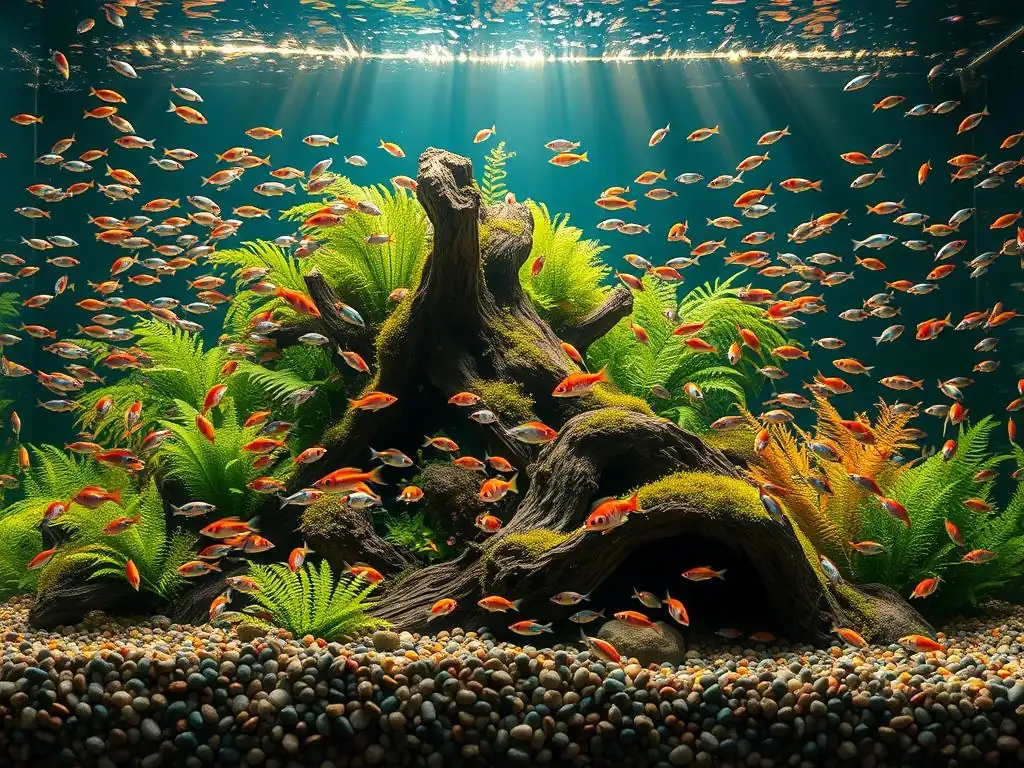
Welcome to Aquarium Mastery, your ultimate guide to thriving aquatic ecosystems!
Ever wondered what the secret is to keeping your dazzling danios and rasboras vibrantly healthy? Dive in and unlock the mysteries of the danios rasbora fish diet. Discover the optimal feeding strategies and nutritional needs to ensure your schooling cyprinids flourish in your freshwater aquarium. Let's explore what they need to truly thrive!
- Understanding the Dietary Needs of Danios and Rasboras
- Choosing the Right Food for Your Danios and Rasboras
- Supplementing Your Danios and Rasboras' Diet for Optimal Health
- Creating a Feeding Schedule for Your Schooling Cyprinids
- Specific Food Recommendations for Different Danio and Rasbora Species
- Recognizing and Addressing Dietary Problems in Danios and Rasboras
- Tips for Maintaining a Healthy and Vibrant School of Danios and Rasboras Through Proper Diet
-
Frequently Asked Questions
- What is the best base food for Danios and Rasboras?
- How often should I feed my Danios and Rasboras?
- What types of live or frozen foods can I supplement their diet with?
- Are there any specific plant-based foods that Danios and Rasboras benefit from?
- What are the dangers of overfeeding Danios and Rasboras?
- Final Reflection: Nourishing the Heart of Your Aquarium
- Ignite Your Cyprinids' Vitality!
Understanding the Dietary Needs of Danios and Rasboras
Why a Balanced Diet is Crucial for Danio and Rasbora Health
A balanced and varied Danios rasbora fish diet is paramount for the long-term health, vitality, and even breeding success of these small schooling cyprinids. Just like any living creature, Danios and Rasboras require a specific array of nutrients to fuel their metabolic processes, support immune function, and maintain vibrant coloration.
A deficiency in essential vitamins, minerals, or macronutrients can lead to stunted growth, weakened immune systems making them susceptible to diseases like Ich or fin rot, and a noticeable dulling of their natural hues. For instance, a lack of sufficient protein can hinder muscle development, while inadequate fat content can deplete energy reserves.
Beyond physical health, a proper diet significantly impacts the behavior and overall well-being of these active fish. Well-fed Danios, such as the popular Zebra Danio, exhibit more robust schooling behaviors, increased activity levels, and a greater resistance to stress, which is crucial in a community aquarium setting. Similarly, Harlequin Rasboras, known for their peaceful demeanor, maintain their characteristic schooling patterns and show off their beautiful orange-red coloration most vividly when their nutritional needs are consistently met. A comprehensive Danios rasbora fish diet is the foundation upon which a thriving aquatic environment is built, ensuring these lively fish flourish.
Key Nutritional Requirements for Small Schooling Cyprinids
The primary nutritional requirements for Danios and Rasboras revolve around a balance of protein, fats, carbohydrates, vitamins, and minerals. Protein is the most critical macronutrient, essential for growth, tissue repair, and enzyme production. A high-quality Danios rasbora fish diet should typically contain 35-45% protein, especially for juvenile fish or those in breeding condition. This protein often comes from sources like fish meal, shrimp meal, and spirulina.
Fats, or lipids, provide concentrated energy and are crucial for absorbing fat-soluble vitamins (A, D, E, K). They should constitute around 5-10% of their diet. Omega-3 and Omega-6 fatty acids are particularly important for immune system function and overall vitality. While carbohydrates provide energy, fish utilize them less efficiently than proteins and fats; therefore, they should be present in smaller amounts, primarily from plant-based ingredients.
Essential vitamins and minerals, though required in smaller quantities, play vital roles in metabolic processes, bone formation, and disease resistance. For example, Vitamin C is crucial for collagen synthesis and immune health, while calcium and phosphorus are vital for skeletal development. Many reputable fish foods are fortified with these necessary micronutrients to ensure a complete Danios rasbora fish diet.
Choosing the Right Food for Your Danios and Rasboras
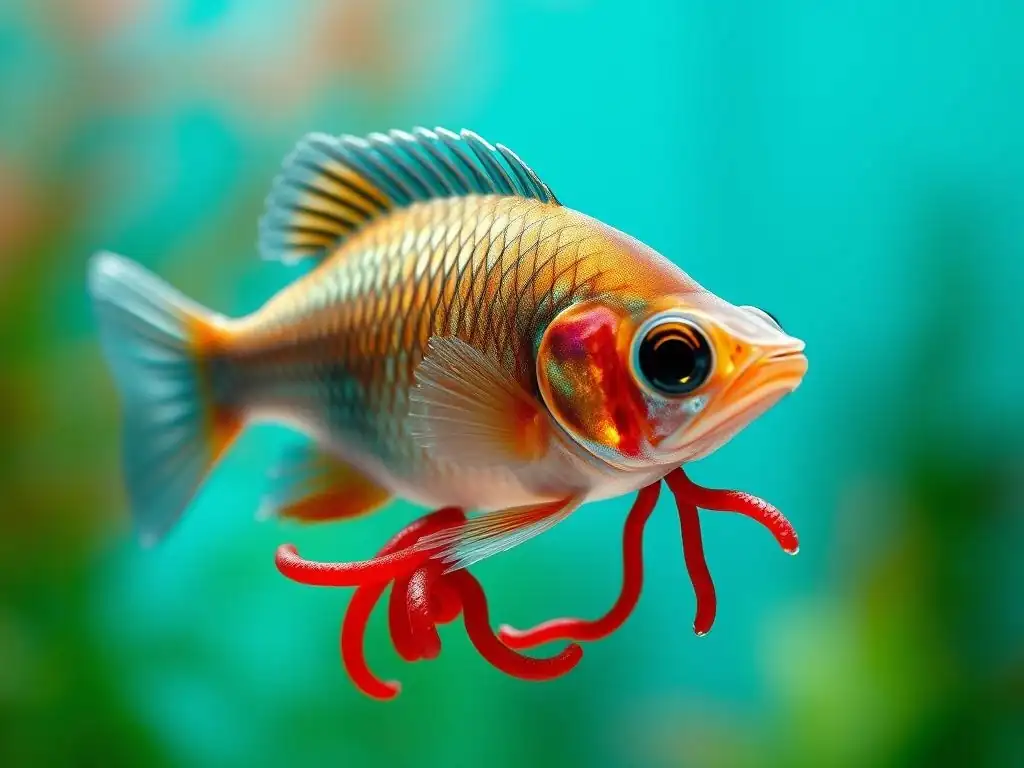
Flake Food: A Convenient Staple for Danios and Rasboras
Flake food is arguably the most common and convenient staple in a Danios rasbora fish diet, offering a broad spectrum of nutrients in an easily digestible form. High-quality flakes are designed to float briefly before slowly sinking, making them accessible to these mid-to-top dwelling schooling fish. Look for flakes that list fish meal, spirulina, and various vitamins as primary ingredients. For instance, a common flake food formula might contain 40% crude protein, 8% crude fat, and fortified with Vitamin A (25,000 IU/kg) and Vitamin D3 (1,500 IU/kg), ensuring a robust nutritional profile.
While convenient, it's crucial not to rely solely on one type of flake food. Different brands and formulations offer varying nutrient profiles and ingredient sources. Some flakes are specifically formulated for color enhancement, containing higher levels of astaxanthin, which can intensify the reds and oranges in Harlequin Rasboras. Others might be richer in vegetable matter, beneficial for digestive health. Always crush larger flakes into smaller pieces for tiny-mouthed species like Chili Rasboras to ensure they can consume the food without difficulty, preventing waste and potential water quality issues.
Pellets: Sinking vs. Floating Options for Small Cyprinids
Pelleted foods offer a more dense nutritional profile compared to flakes and come in various sizes and sinking rates, making them a versatile component of a Danios rasbora fish diet. For Danios and Rasboras, micro-pellets or crumbles are generally most suitable due to their small mouth size. Floating pellets are excellent for surface feeders like Zebra Danios, allowing them to easily consume the food before it sinks. These pellets often retain their shape longer in water, reducing cloudiness.
Conversely, slow-sinking or sinking micro-pellets are beneficial for ensuring that all members of a school get enough to eat, especially if you have other fish that prefer mid-water or bottom feeding. For example, Harlequin Rasboras may appreciate a pellet that sinks slowly, giving them time to catch it before it reaches the substrate. When selecting pellets, pay attention to the ingredient list; similar to flakes, look for high-quality protein sources and a good balance of vitamins and minerals. The compact nature of pellets also means less nutrient leaching into the water, contributing to better water quality over time.
Frozen Foods: Enhancing Color and Providing Essential Nutrients
Frozen foods are an excellent way to provide a highly nutritious and palatable addition to a Danios rasbora fish diet, closely mimicking their natural food sources. Common options include frozen bloodworms, brine shrimp, daphnia, and mysis shrimp. These foods are rich in protein and essential fatty acids, contributing significantly to vibrant coloration, robust growth, and overall vitality. For instance, feeding frozen brine shrimp a few times a week can noticeably enhance the red and orange hues of Harlequin Rasboras due to their natural carotenoid content.
Before feeding, it's important to thaw frozen foods in a small amount of tank water to avoid introducing cold water directly into the aquarium, which can shock the fish. Offer small portions to prevent uneaten food from fouling the water. While frozen foods are highly beneficial, they should be considered a supplement rather than a sole food source, as they may not contain the full spectrum of vitamins and minerals found in fortified dry foods. Integrating frozen food two to three times a week can significantly boost the health and vigor of your Danios and Rasboras.
Live Foods: Stimulating Natural Feeding Behaviors in Danios and Rasboras
Live foods are perhaps the most stimulating and nutritionally rich option for a Danios rasbora fish diet, encouraging natural hunting behaviors and providing unparalleled freshness. Options like live brine shrimp, daphnia, and micro-worms are eagerly accepted by these small cyprinids. The movement of live food triggers their predatory instincts, making feeding time an engaging spectacle and providing valuable mental stimulation. For example, watching a school of Chili Rasboras darting after live daphnia can be fascinating, mimicking their natural foraging in the wild.
While highly beneficial, live foods carry a slight risk of introducing parasites or diseases if sourced from unreliable suppliers. It's advisable to culture your own live foods or purchase them from reputable aquatic stores that practice strict hygiene. Live foods are particularly beneficial for conditioning breeding pairs, as the increased protein and fat content, along with the stimulation of hunting, can encourage spawning. Offering live food once or twice a week can significantly contribute to the overall health, activity, and reproductive success of your Danios and Rasboras.
Supplementing Your Danios and Rasboras' Diet for Optimal Health
The Importance of Variety in a Danio and Rasbora Diet
Variety is not just the spice of life; it's a cornerstone of optimal health for your Danios and Rasboras. Relying on a single type of food, even a high-quality one, can lead to nutritional deficiencies over time, as no single food can provide every nutrient in the perfect balance.
A varied Danios rasbora fish diet ensures that your fish receive a broad spectrum of proteins, fats, vitamins, and minerals from diverse sources, mimicking the varied diet they would consume in their natural habitats. For instance, alternating between different brands of flakes, micro-pellets, and offering frozen or live foods regularly, covers a wider nutritional base.
Introducing variety also helps maintain appetite and prevents food boredom. Fish, like other animals, can become selective if consistently offered the same food. By rotating food types throughout the week – perhaps flakes on Monday, frozen brine shrimp on Tuesday, micro-pellets on Wednesday, and so on – you keep their interest piqued and encourage consistent feeding. This approach significantly reduces the risk of long-term nutritional deficiencies, contributing to stronger immune systems, more vibrant colors, and increased longevity for your schooling cyprinids.
Vegetable Supplements: Providing Fiber and Preventing Bloat in Cyprinids
While Danios and Rasboras are primarily omnivores with a preference for small invertebrates, incorporating vegetable supplements into their Danios rasbora fish diet is beneficial for providing essential fiber and preventing common digestive issues like bloat. Fiber aids in proper digestion and gut motility, preventing constipation and ensuring a healthy digestive tract. Many high-quality flake and pellet foods already contain some vegetable matter, often spirulina or other algae, but targeted supplementation can be advantageous.
Blanched vegetables like spinach, zucchini, or shelled peas can be offered occasionally. For example, a tiny piece of blanched, deshelled pea can be a great treat and a source of fiber, helping to alleviate mild cases of bloat. Spirulina flakes or wafers are another excellent source of plant-based nutrients and are readily accepted by most Danios and Rasboras. Aim to offer vegetable supplements perhaps once or twice a week, or as part of a varied daily feeding regimen, to ensure their digestive systems remain healthy and efficient.
Garlic Supplementation: Boosting Immunity and Appetite
Garlic has gained popularity in the aquarium hobby not just as an appetite stimulant but also for its potential immune-boosting properties, making it a valuable addition to a Danios rasbora fish diet. The active compounds in garlic, particularly allicin, are believed to possess antibacterial and antiparasitic qualities, which can contribute to a stronger immune response in fish. Anecdotal evidence suggests that fish struggling with appetite due to stress or illness often show renewed interest in food when garlic is incorporated.
There are several ways to provide garlic supplementation. You can purchase commercial fish foods that are already fortified with garlic extract. Alternatively, you can soak your regular flake or pellet food in a small amount of liquid garlic extract (specifically formulated for aquariums) for a few minutes before feeding. While it's not a cure-all, offering garlic-infused food once or twice a week, or during times of stress (like after introducing new fish or during a minor illness), can help boost their natural defenses and encourage consistent feeding, ensuring they continue to thrive on their Danios rasbora fish diet.
Creating a Feeding Schedule for Your Schooling Cyprinids
How Often to Feed Danios and Rasboras: Avoiding Overfeeding
Determining the ideal feeding frequency for Danios and Rasboras is crucial to their health and the overall water quality of your aquarium. The general recommendation for most adult Danios and Rasboras is to feed them two to three times a day. However, the key is to offer small portions that can be consumed entirely within two to three minutes. Overfeeding is a common mistake that can lead to a host of problems, including digestive issues in the fish and, more critically, rapid degradation of water quality. Uneaten food decomposes, releasing ammonia and nitrites, which are highly toxic to fish.
For instance, a single pinch of flakes might be sufficient for a small school of 6-8 Zebra Danios. It’s always better to underfeed slightly than to overfeed. If you notice food accumulating on the substrate after a few minutes, you are likely feeding too much.
Young or breeding fish may benefit from slightly more frequent, smaller feedings (e.g., three times a day) to support their higher metabolic demands for growth or egg production. Conversely, if you are away for a day or two, healthy adult Danios and Rasboras can easily go without food, as their digestive systems are adapted to irregular feeding in the wild.
Optimal Feeding Times for Active Cyprinids
Danios and Rasboras are most active during the daylight hours, making morning and early evening the optimal feeding times. Feeding them shortly after the tank lights come on in the morning allows them to forage as they would naturally at the start of their active period. This also ensures they have sufficient energy for the day's activities. A second feeding in the late afternoon or early evening, a few hours before the lights go off, provides them with another energy boost before their resting period.
Avoid feeding immediately before turning off the lights, as any uneaten food will sit in the tank overnight, leading to water quality degradation. Establishing a consistent feeding schedule helps regulate their metabolism and encourages a predictable feeding response. For example, feeding at 8:00 AM and 6:00 PM daily can become a routine that your Danios and Rasboras quickly learn and anticipate. Consistency in feeding times, coupled with appropriate portions, is a cornerstone of a successful Danios rasbora fish diet management.
Adjusting Feeding Based on Tank Temperature and Breeding
Feeding schedules for Danios and Rasboras should not be rigid; they need to be adjusted based on environmental factors like tank temperature and specific life stages such as breeding. Fish are cold-blooded, and their metabolism directly correlates with water temperature. In warmer water (e.g., 78-82°F), their metabolism speeds up, meaning they digest food faster and may require slightly more frequent, small feedings to maintain energy levels. Conversely, in cooler water (e.g., 72-74°F), their metabolism slows down, and they will require less food. Overfeeding in cooler temperatures can quickly lead to digestive issues and poor water quality.
When conditioning Danios and Rasboras for breeding, their dietary needs increase significantly. To encourage spawning, you should increase the frequency and richness of their Danios rasbora fish diet, incorporating more high-protein foods like frozen or live brine shrimp, bloodworms, and daphnia. For instance, feeding breeding pairs 3-4 times a day with these nutrient-dense options can provide the energy and nutrients necessary for egg and milt production. After spawning, you can revert to a regular feeding schedule. Always observe your fish's condition and adjust feeding accordingly, ensuring they remain active and healthy without becoming bloated or lethargic.
Specific Food Recommendations for Different Danio and Rasbora Species
Feeding Zebra Danios: A Guide to Their Dietary Preferences
Zebra Danios (Danio rerio) are highly active, robust, and generally unfussy eaters, making them an excellent choice for beginner aquarists. Their natural diet in the wild consists of small insects, larvae, and some plant matter, making them omnivores with a preference for meaty foods. For a staple Danios rasbora fish diet, high-quality flake food with a protein content of 40-45% is ideal. Look for flakes that include fish meal, shrimp meal, and spirulina.
To provide variety and enhance their health, supplement their diet with micro-pellets, frozen foods like brine shrimp and bloodworms, and even live foods such as daphnia or newly hatched brine shrimp. Zebra Danios are surface and mid-water feeders, so foods that float or sink slowly are perfect. For example, a daily feeding could consist of a pinch of high-protein flakes in the morning, followed by a small portion of frozen brine shrimp in the evening, ensuring they receive a balanced mix of nutrients to support their energetic lifestyle and vibrant stripes.
Diet for Harlequin Rasboras: Meeting Their Specific Needs
Harlequin Rasboras (Trigonostigma heteromorpha) are slightly more discerning eaters than Zebra Danios, preferring smaller, softer foods. In their natural habitat, they primarily consume small invertebrates and zooplankton. Therefore, a high-quality Danios rasbora fish diet for them should emphasize fine-particle foods rich in protein. Micro-pellets specifically designed for small-mouthed fish are an excellent staple, as are finely crushed flakes.
Frozen brine shrimp, daphnia, and cyclops are highly recommended to supplement their diet, as these provide essential fatty acids and can significantly enhance their characteristic copper-orange coloration. For example, offering frozen daphnia two to three times a week can not only boost their nutrition but also stimulate their natural foraging behavior. While they are omnivores, their preference leans more towards meaty, small live or frozen foods, so ensure these are regularly incorporated into their feeding regimen for optimal health and vibrancy.
Feeding Chili Rasboras: Catering to Their Tiny Size
Chili Rasboras (Boraras brigittae), also known as Mosquito Rasboras, are among the smallest of the cyprinids, and their tiny mouths dictate very specific dietary requirements. Standard flake foods or even small pellets are often too large for them to consume effectively. Their natural diet consists of microscopic invertebrates and biofilm. Therefore, a specialized Danios rasbora fish diet for Chili Rasboras must focus on micro-foods.
The best options include crushed high-quality flake food (powdered almost), micro-pellets designed for fry or nano fish (e.g., smaller than 0.5 mm), and small frozen or live foods. Newly hatched brine shrimp (nauplii) are an absolute staple for Chili Rasboras, providing essential nutrients in a perfectly sized package. Live daphnia and cyclops are also excellent choices.
Some aquarists also feed specialized powdered foods or infusoria cultures. Due to their high metabolism and small stomach capacity, it's often recommended to feed Chili Rasboras 3-4 times a day in very small amounts to ensure they get enough nutrition without fouling the water.
Recognizing and Addressing Dietary Problems in Danios and Rasboras
Signs of Malnutrition in Small Schooling Fish
Recognizing the signs of malnutrition in your Danios and Rasboras is crucial for timely intervention and maintaining their health. One of the most common indicators is stunted growth, where fish remain significantly smaller than their typical adult size despite being of appropriate age. Another clear sign is dull coloration; vibrant hues like the stripes on Zebra Danios or the orange of Harlequin Rasboras will appear faded or washed out. This often points to a lack of essential vitamins, carotenoids, or sufficient protein in their Danios rasbora fish diet.
Furthermore, malnourished fish often exhibit lethargy or reduced activity levels, appearing listless and less inclined to school or swim actively. They may also show emaciation, appearing thin or "pinched" behind the gills, indicating insufficient caloric intake or nutrient absorption. A weakened immune system due to poor nutrition can also manifest as increased susceptibility to diseases such as fin rot, Ich, or fungal infections, even in stable tank conditions. Observing these signs requires a prompt review and adjustment of their feeding regimen to ensure a more complete and varied Danios rasbora fish diet.
Treating Bloat and Digestive Issues in Cyprinids
Bloat and other digestive issues are common problems in aquarium fish, often stemming from an improper Danios rasbora fish diet, overfeeding, or a lack of fiber. Bloat typically manifests as a visibly swollen abdomen, sometimes accompanied by difficulty swimming, loss of appetite, or stringy white feces. If left untreated, severe bloat can be fatal due to internal organ damage. The primary treatment for mild cases involves dietary intervention.
First, cease feeding for 24-48 hours to allow the digestive system to rest and clear. After this fasting period, offer blanched, deshelled peas, which act as a natural laxative and are rich in fiber. A single pea, crushed finely, can be offered to the affected fish. Repeat this for a few days.
Incorporating more fiber-rich foods like spirulina flakes or wafers into their regular Danios rasbora fish diet can help prevent future occurrences. Ensuring the food offered is appropriately sized for their mouths also reduces the risk of gulping air, which can contribute to buoyancy issues. In persistent or severe cases, consult with an aquatic veterinarian or use specialized anti-bacterial fish food, as bloat can sometimes be a symptom of an underlying bacterial infection.
Preventing Overfeeding and Resulting Water Quality Issues
Overfeeding is arguably the single biggest mistake new aquarists make and is a primary cause of poor water quality and fish health problems. When too much food is introduced, uneaten portions rapidly decompose, leading to a spike in ammonia and nitrite levels, which are highly toxic to fish. This can stress the fish, weaken their immune systems, and even lead to fatalities. Preventing overfeeding is simpler than treating its consequences and is a cornerstone of a healthy Danios rasbora fish diet management.
To prevent overfeeding, always feed small amounts that can be consumed within two to three minutes. If you see food hitting the bottom and remaining there, you're feeding too much. It's helpful to observe your fish during feeding to gauge their appetite and consumption rate.
Consider feeding smaller portions more frequently (e.g., three small meals instead of one large one) to ensure all fish get enough without excess. Regularly performing water parameter tests (ammonia, nitrite, nitrate) can also alert you to potential overfeeding issues before they become critical. Incorporating a varied Danios rasbora fish diet and adhering to strict portion control will significantly contribute to a stable and healthy aquatic environment.
Tips for Maintaining a Healthy and Vibrant School of Danios and Rasboras Through Proper Diet
Avoiding Food Waste and Maintaining Water Quality
Minimizing food waste is critical for maintaining pristine water quality, which directly impacts the health and vibrancy of your Danios and Rasboras. Uneaten food quickly breaks down, releasing ammonia and nitrites, which are toxic compounds that stress fish and can lead to disease outbreaks. To avoid waste, always feed small portions that your fish can consume entirely within two to three minutes. It's often better to feed two or three tiny meals throughout the day rather than one large one. This ensures that all the food is eaten, preventing it from settling and decaying on the substrate.
Additionally, observe your fish during feeding. If food is consistently accumulating at the bottom, reduce the amount you offer. Using a feeding ring can help contain floating foods, preventing them from scattering and making it easier for fish to find and consume them. Regularly siphoning the substrate during water changes will also remove any accumulated uneaten food or detritus, further safeguarding water quality. A clean environment, supported by mindful feeding practices, is fundamental to a thriving Danios rasbora fish diet strategy.
Choosing the Right Food Size for Small-Mouthed Cyprinids
The size of the food particles is paramount, especially for small-mouthed cyprinids like Danios and Rasboras. Offering food that is too large can lead to several problems: fish may struggle to eat it, leading to frustration and wasted food; they might attempt to swallow pieces too big, causing choking or digestive issues; or they may simply ignore it, resulting in malnutrition. For species like Chili Rasboras, even standard flakes need to be crushed into a fine powder.
For most Danios and Rasboras, fine flakes, micro-pellets (typically 0.5mm to 1mm in size), and small frozen or live foods (like newly hatched brine shrimp or daphnia) are ideal. When purchasing dry foods, check the product description for recommended fish sizes or particle dimensions. If a food seems too large, you can often crush flakes or larger pellets between your fingers before adding them to the tank. Ensuring the food is appropriately sized for their small mouths guarantees efficient consumption and proper nutrient intake, optimizing their Danios rasbora fish diet.
Monitoring Fish Health and Adjusting Diet Accordingly
Constant observation of your Danios and Rasboras is key to ensuring their Danios rasbora fish diet is meeting their needs. Healthy fish will display vibrant colors, active swimming behaviors, robust appetites, and clear eyes. They should school actively and show no signs of emaciation or bloating. Pay close attention during feeding times: are all fish eating enthusiastically? Are any fish consistently missing meals or looking lethargic? These can be early indicators of dietary deficiencies or other health issues.
If you notice dull coloration, reduced activity, or changes in body shape (e.g., becoming too thin or bloated), it's time to review and adjust their diet. This might involve increasing the variety of foods offered, incorporating more protein-rich options, or adding vegetable supplements. For instance, if Harlequin Rasboras lose their vibrant orange, consider increasing carotenoid-rich foods like spirulina flakes or astaxanthin-enhanced pellets. Similarly, if a Danio appears thin, supplement with more frequent, high-protein frozen foods. Regular observation and proactive dietary adjustments are essential for maintaining a healthy and vibrant school of Danios and Rasboras.
Frequently Asked Questions
What is the best base food for Danios and Rasboras?
A high-quality flake food specifically formulated for tropical fish is an excellent base for their diet. Ensure it contains a good balance of protein, carbohydrates, and fats.
How often should I feed my Danios and Rasboras?
Feed them small amounts two to three times a day, only what they can consume in 2-3 minutes. Overfeeding can lead to water quality issues.
What types of live or frozen foods can I supplement their diet with?
Offer a variety of live or frozen foods like brine shrimp, daphnia, or bloodworms as occasional treats. These provide essential nutrients and stimulate their natural foraging instincts.
Are there any specific plant-based foods that Danios and Rasboras benefit from?
Including spirulina flakes or other vegetable-based supplements is beneficial. These help ensure they receive enough fiber in their diet, promoting healthy digestion.
What are the dangers of overfeeding Danios and Rasboras?
Overfeeding can lead to poor water quality, increased algae growth, and health problems for your fish. Always monitor their feeding habits and adjust accordingly.
Okay, here's a final reflection designed to close your article "The Optimal Diet for Schooling Cyprinids: What to Feed Your Danios & Rasboras," optimized for the keyword "Danios rasbora fish diet" and following your specified structure:
Final Reflection: Nourishing the Heart of Your Aquarium
The information presented throughout this article underscores the critical role of a balanced diet in the health and vibrancy of your Danios and Rasboras. Understanding the specific nutritional needs of these schooling cyprinids is not just about keeping them alive; it's about enabling them to thrive and display their full, captivating potential. By providing the right mix of protein, carbohydrates, and essential nutrients, you're investing in their longevity, color, and overall well-being, transforming your aquarium from a simple display into a thriving ecosystem.
The impact of a well-researched and implemented "Danios rasbora fish diet" extends beyond the individual fish. It fosters a more natural and engaging environment, promoting natural behaviors and strengthening the social dynamics within the school. Observing these active, healthy fish interacting is a reward in itself, a testament to the care and attention you've dedicated to their needs. The best aquarium is not just a container for fish, but a carefully crafted ecosystem where each element contributes to the health and happiness of the whole.
This quote perfectly encapsulates the holistic approach we should strive for when caring for our aquatic companions.
Now, armed with this knowledge, consider how you can further refine your approach to feeding your Danios and Rasboras. Take a moment to reflect on your current practices and identify areas for improvement. Are you providing enough variety? Are you observing their feeding habits closely? By continuously learning and adapting, you can ensure that your fish receive the optimal "Danios rasbora fish diet" they deserve, enriching their lives and bringing joy to your own. Let's all commit to being responsible and informed aquarists, creating thriving underwater worlds for these fascinating creatures.
Ignite Your Cyprinids' Vitality!
Thank you for diving into the world of schooling cyprinid nutrition! We hope you’ve uncovered some valuable insights to keep your danios and rasboras thriving. Now, let's put that knowledge into action!
- Revamp your fish food selection by introducing live or frozen foods at least twice a week to closely mimic their natural diet.
- Delve deeper into understanding your specific species! Research the native habitats of your danios or rasboras to further customize their feeding regimen.
- Share this guide with fellow aquarium enthusiasts to spread the knowledge and foster a community of healthy and happy fish!
What innovative feeding techniques have you discovered that keep your schooling cyprinids happy and healthy?