
To Strip or Not to Strip: Pros & Cons of Intervening with Mouthbrooding Females

Welcome to Aquarium Mastery!
Ever wondered if you should intervene when your female fish is mouthbrooding? The decision to strip or not can be tricky! Dive into our latest article, "To Strip or Not to Strip: Pros & Cons of Intervening with Mouthbrooding Females," and unlock the secrets to mouthbrooding female fish care. Discover the delicate balance between nature's course and expert intervention, and ensure the best possible outcome for both mother and fry. Curious to learn more? Keep reading!
- Understanding Mouthbrooding in African Cichlids
- The Debate: Should You Strip Eggs from Mouthbrooding Females?
-
Pros of Stripping Eggs from Mouthbrooding Female Cichlids
- Increased Fry Survival Rates Through Artificial Incubation
- Reduced Stress on the Female Cichlid: Faster Recovery After Spawning
- Greater Control Over Fry Development and Diet
- Preventing Fry Loss Due to Inexperienced Mothers or Tank Mates
- Risk of Injury or Stress to the Female During the Stripping Process
- Potential for Premature Egg or Fry Loss if Stripped Too Early
- The Time Commitment Required for Artificial Incubation and Fry Care
- Ethical Considerations: Disrupting the Natural Breeding Process
- Alternative Approaches to Mouthbrooding Female Fish Care
- Mouthbrooding Female Fish Care: A Detailed Comparison
- Best Practices for Stripping Eggs (If You Choose To)
- Artificial Incubation Techniques for Cichlid Eggs
- Mouthbrooding Female Fish Health: Common Issues and Solutions
- Conclusion: Making the Right Choice for Your Fish
-
Frequently Asked Questions
- What is "stripping" in the context of mouthbrooding fish?
- Why would someone choose to strip a mouthbrooding female fish?
- What are the potential risks of stripping a mouthbrooding female?
- What are the alternatives to stripping mouthbrooding females?
- How do I know when a mouthbrooding female is ready to be stripped (if I choose to do so)?
- Final Reflection: The Delicate Balance of Care
- Empower Your Brooders: Take Control of Hatching Success!
Understanding Mouthbrooding in African Cichlids
What is Mouthbrooding and Why Do Cichlids Do It?
Mouthbrooding is a remarkable form of parental care where the parent, typically the female, carries the eggs and newly hatched fry in her mouth for a significant period. This unique reproductive strategy is highly prevalent among African Rift Lake cichlids, including popular aquarium species like Mbuna and Peacock cichlids. Unlike substrate spawners that lay eggs on surfaces, mouthbrooders provide unparalleled protection for their offspring from predation and fluctuating environmental conditions within the confines of their buccal cavity.
The primary evolutionary advantage of mouthbrooding is the significantly increased survival rate of the delicate eggs and vulnerable fry. In the wild, predation pressure on eggs and young fish is immense. By holding the progeny in her mouth, the female shields them from predators such as other fish, invertebrates, and even her own male partner.
This dedicated mouthbrooding female fish care ensures that a higher percentage of offspring reach a free-swimming, more resilient stage, leading to more successful propagation of the species. For instance, while a typical substrate spawner might lose over 90% of its fry to predation, a mouthbrooder can achieve far greater success rates, even in a challenging natural environment.
Identifying a Mouthbrooding Female Cichlid: Key Signs
Recognizing a mouthbrooding female is crucial for effective mouthbrooding female fish care. The most obvious physical sign is a noticeably distended buccal cavity, or throat area, which appears swollen or "full." Her mouth may also take on a characteristic "pouty" or slightly open appearance as she carefully holds her precious cargo. Over time, as the eggs hatch and fry develop, this area will become even more pronounced.
Beyond physical changes, behavioral cues are strong indicators. A mouthbrooding female will typically cease eating, or drastically reduce her food intake, for the entire duration of the incubation period, which can last anywhere from 21 to 30 days for many Mbuna species like Pseudotropheus demasoni or Maylandia estherae. She will often become more reclusive, seeking out hiding spots among rocks, caves, or dense plant cover to avoid stress and potential aggression from tank mates. You might also observe subtle, rhythmic movements of her mouth and gills as she aerates the eggs to prevent fungal growth.
The Natural Process of Mouthbrooding: A Cichlid's Maternal Instinct
The natural mouthbrooding process begins immediately after spawning, a fascinating ritual often involving intricate courtship dances and egg-laying on a flat surface or directly into the water. As the male fertilizes the eggs, the female swiftly scoops them into her mouth, a behavior driven by deep-seated maternal instinct. Once inside, she continuously tumbles and rotates the eggs using her tongue and specialized mouth structures, ensuring consistent oxygenation and preventing fungal infections.
Throughout the incubation period, the female abstains from food, relying solely on her fat reserves. Depending on the species and water temperature (typically 78-82°F or 25.5-27.8°C), the eggs will hatch within 3-7 days, but the fry remain in her mouth, absorbing their yolk sacs and continuing to develop. After approximately 2-3 weeks for many Aulonocara (Peacock Cichlid) species, the fry are released for their first exploratory ventures, often under the watchful eye of the mother.
She will typically call them back into her mouth at the first sign of danger, providing continued protection for several more days until they are fully independent. This natural mouthbrooding female fish care is a testament to the cichlid's sophisticated reproductive strategies.
The Debate: Should You Strip Eggs from Mouthbrooding Females?
What Does "Stripping" Mean in the Context of Mouthbrooding Cichlids?
"Stripping" in the context of mouthbrooding cichlids refers to the manual extraction of eggs or fry from the female's buccal cavity. This technique is employed by aquarists, particularly breeders, to bypass the natural incubation process and achieve a higher yield of offspring. It is a hands-on intervention that requires careful handling and specific techniques to minimize stress and potential injury to the fish.
The procedure typically involves gently netting the mouthbrooding female, holding her securely but carefully, and then gently manipulating her mouth to release the eggs or fry. These are then transferred to an artificial incubation device, such as an egg tumbler, or a separate fry grow-out tank. The goal is to ensure the survival of as many eggs or fry as possible, which might otherwise be lost to predation, poor water quality, or an inexperienced mother in a community tank setting.
Why Aquarists Consider Stripping Eggs: The Potential Benefits
Aquarists consider stripping eggs primarily to maximize the survival rate of the offspring. In a typical community aquarium, especially one with other cichlids or predatory species, very few, if any, fry will survive if released naturally. Stripping allows the aquarist to protect the entire brood from predation and ensure their development in a controlled, safe environment.
Beyond increased fry yield, stripping also offers benefits for the female cichlid herself. Prolonged mouthbrooding, lasting several weeks, causes significant physiological stress due to fasting and exertion. Females can lose up to 20-30% of their body weight during a successful brood. Stripping allows the female to resume eating and recover her strength much faster, often within a day or two, reducing the risk of malnutrition, weakened immune systems, and susceptibility to disease. This can lead to a healthier female and potentially more frequent spawning cycles, optimizing mouthbrooding female fish care from a production standpoint.
Pros of Stripping Eggs from Mouthbrooding Female Cichlids
Increased Fry Survival Rates Through Artificial Incubation
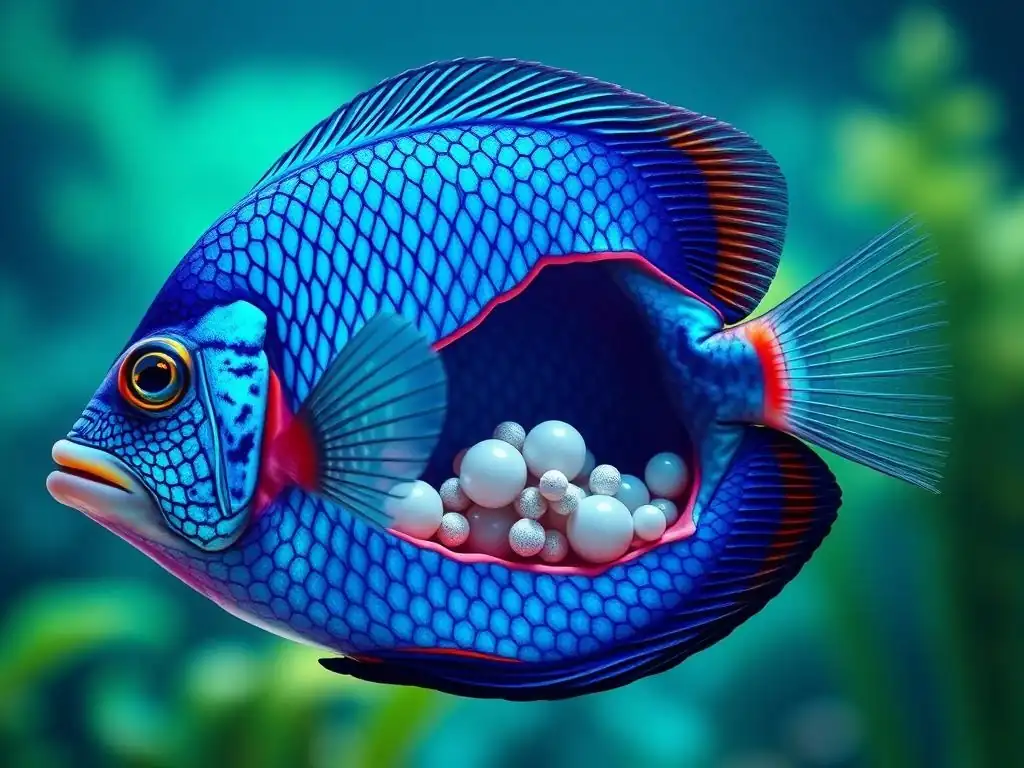
One of the most compelling arguments for stripping eggs is the dramatic increase in fry survival rates. In a typical community tank, even with dedicated mouthbrooding female fish care from the mother, fry survival can be as low as 0-5% due to predation by other tank inhabitants, including the male cichlid, other fish species, or even the mother herself if stressed. Artificial incubation, using devices like egg tumblers, provides a completely predator-free environment where every viable egg has the opportunity to hatch and develop.
With proper artificial incubation techniques, aquarists can achieve fry survival rates upwards of 80-95%. This significant increase is due to the controlled conditions within the tumbler, which provides constant aeration, prevents fungal growth (by mimicking the mother's tumbling action), and completely isolates the delicate eggs and fry from any threats. For serious breeders or hobbyists aiming to maximize their yield from a specific pair, this level of control over the incubation process is invaluable.
Reduced Stress on the Female Cichlid: Faster Recovery After Spawning
The process of mouthbrooding is physiologically demanding on the female cichlid. She abstains from food for the entire incubation period, which can range from 18 to 30 days depending on the species and water temperature. This prolonged fasting leads to significant weight loss, often visible as a sunken belly, and can severely deplete her energy reserves. A female Maylandia estherae (Red Zebra Cichlid), for example, might lose a substantial portion of her body mass over a 25-day brooding period. This physical toll can weaken her immune system, making her more susceptible to diseases once she finally releases her fry.
By stripping the eggs, the female is relieved of her burden immediately. She can resume eating and recovering her strength within hours or a day, rather than weeks. This faster recovery time minimizes the overall stress on her system, reduces the risk of malnutrition-related illnesses, and allows her to regain her conditioning more quickly for future spawns. This proactive approach to mouthbrooding female fish care prioritizes the parent's health and longevity.
Greater Control Over Fry Development and Diet
Artificial incubation provides aquarists with unprecedented control over the early development of the cichlid fry. In a tumbler, precise water parameters such as temperature, pH, and hardness can be maintained, optimizing conditions for egg development and ensuring a consistent environment. For instance, maintaining a stable temperature of 80°F (26.7°C) can often lead to faster and more uniform development compared to fluctuating tank temperatures.
Once the fry hatch and become free-swimming, the aquarist can introduce specific, high-quality first foods immediately. Newly hatched brine shrimp nauplii, finely crushed spirulina flakes, or specialized liquid fry foods can be offered multiple times a day, ensuring optimal nutrition from their very first meal. This controlled feeding regimen often results in faster growth rates, more robust fry, and better coloration compared to fry that might struggle to find sufficient food in a larger, natural tank environment.
Preventing Fry Loss Due to Inexperienced Mothers or Tank Mates
Not all mouthbrooding females are equally adept at their maternal duties. First-time mothers, or those under stress, may accidentally swallow their eggs or fry, or release them prematurely. This can lead to a complete loss of the brood. For example, a young Melanochromis cyaneorhabdos (Maingano) female on her first spawn might drop her eggs if startled or bullied, whereas an experienced female would hold fast.
Furthermore, even if the mother successfully holds and releases the fry, they are incredibly vulnerable to predation by other tank inhabitants. Most adult cichlids, including the male partner, will view the tiny fry as a food source. Stripping eliminates this risk entirely, ensuring that 100% of the viable fry are removed from the dangerous environment of a community tank. This targeted mouthbrooding female fish care ensures the safety of the next generation.
Risk of Injury or Stress to the Female During the Stripping Process
While beneficial for fry survival, the stripping process itself carries significant risks for the mouthbrooding female. Improper handling, even if well-intentioned, can lead to physical injuries such as damaged fins, scales, or even internal trauma if too much pressure is applied to her delicate buccal cavity. For example, a strong grip or a sudden movement can cause vertebral damage, leading to paralysis or death.
Beyond physical harm, the act of netting, handling, and manually manipulating the fish is highly stressful. This acute stress can weaken her immune system, making her more susceptible to common aquarium diseases like Ich ( Ichthyophthirius multifiliis) or opportunistic bacterial infections in the days following the procedure. A stressed fish may also refuse to eat for a period, prolonging her recovery and further compromising her health.
Potential for Premature Egg or Fry Loss if Stripped Too Early
Timing is critical when stripping eggs. If the eggs are removed too early in the incubation period, before they have sufficiently developed and hardened, they may not survive artificial incubation. Early-stage eggs are particularly delicate and prone to damage from the gentle tumbling action in an incubator, or more susceptible to fungal infections outside the mother's protective mouth. For instance, stripping Aulonocara eggs before day 10 can result in a significantly higher percentage of non-viable eggs compared to stripping closer to day 18-21.
Eggs stripped too early may also fail to absorb their yolk sacs properly, leading to underdeveloped fry that are unable to swim or feed effectively. This premature loss can negate the very purpose of stripping, resulting in a lower overall yield than if the mother had been allowed to complete more of the natural incubation process. Effective mouthbrooding female fish care via stripping requires precise timing and experience.
The Time Commitment Required for Artificial Incubation and Fry Care
While stripping saves the female from prolonged fasting, it shifts the intensive care burden onto the aquarist. Artificial incubation requires diligent monitoring of the egg tumbler to ensure proper water flow and temperature, and the prompt removal of any infertile or fungused eggs. A single fungused egg can quickly spread contamination and ruin an entire batch if not addressed swiftly. This daily vigilance is crucial for several weeks.
Once the fry hatch and become free-swimming, the time commitment escalates. Cichlid fry require frequent small feedings, often 3-5 times a day, to ensure optimal growth. This necessitates meticulous water changes (sometimes daily or every other day for the first few weeks) to maintain pristine water quality, as uneaten food and waste can quickly foul the water in a small fry tank. This level of hands-on mouthbrooding female fish care for the fry can be quite demanding, especially for large broods.
Ethical Considerations: Disrupting the Natural Breeding Process
For some aquarists, stripping eggs raises ethical concerns about interfering with the natural instincts and behaviors of the fish. Mouthbrooding is a deeply ingrained maternal behavior, and preventing the female from completing this process may be seen as unnatural or disrespectful to the animal's biological imperatives. It removes the opportunity for the fish to exhibit its full natural life cycle and parental care.
This perspective often prioritizes the fish's natural well-being and behavioral fulfillment over maximizing fry production. While stripping can increase numbers, it fundamentally alters the experience for the female cichlid. Many hobbyists find immense satisfaction in observing the entire natural breeding process, even if it means fewer fry survive. This ethical dimension is a significant consideration in the broader discussion of mouthbrooding female fish care.
Alternative Approaches to Mouthbrooding Female Fish Care
Optimizing Tank Conditions for Natural Mouthbrooding Success
For aquarists who prefer a hands-off approach or wish to minimize intervention, optimizing the main tank conditions is paramount for successful natural mouthbrooding. This includes maintaining pristine water quality with stable parameters (e.g., pH 7.8-8.6, hardness 150-300 ppm, zero ammonia/nitrite, low nitrates). Poor water quality is a leading cause of stress and can cause a female to drop her brood.
Providing ample hiding spots, such as rock caves, ceramic pots, or PVC pipes, is also crucial. These shelters allow the mouthbrooding female to retreat from aggressive tank mates and find a secure, low-stress environment for incubation. A tank of at least 55 gallons for a small colony of Mbuna, with numerous visual breaks, can significantly improve the chances of a successful natural brood.
Furthermore, a well-balanced diet for the breeding pair is essential. Feeding high-quality pellets, flakes, and occasional live or frozen foods (like spirulina-enriched brine shrimp or mysis shrimp) ensures the female has sufficient energy reserves to sustain herself throughout the fasting period of mouthbrooding. A healthy, well-nourished female is far less likely to drop her eggs due to weakness or stress, making optimized tank conditions a cornerstone of natural mouthbrooding female fish care.
Providing a Stress-Free Environment for Expectant Mothers
Stress is a major factor that can cause a mouthbrooding female to either swallow her eggs or release them prematurely. To minimize stress, ensure stable environmental conditions within the aquarium. This means avoiding sudden changes in temperature, lighting, or tank inhabitants. For instance, a sudden introduction of a new, aggressive fish can trigger immense stress. Maintaining a consistent temperature, ideally between 78-82°F (25.5-27.8°C), is vital for both the mother and the developing eggs.
Overcrowding should be avoided, as it leads to increased aggression and competition for space and resources, elevating stress levels. If there are particularly aggressive tank mates, consider temporarily relocating them or providing more visual barriers within the tank. A calm, predictable environment allows the female to focus her energy on the demanding process of mouthbrooding female fish care, significantly increasing the likelihood of a successful natural incubation.
Separating Mouthbrooding Females into a Dedicated Breeding Tank
A highly effective compromise between natural brooding and full stripping is to move the mouthbrooding female to a separate, dedicated breeding or "grow-out" tank. This tank can be smaller, typically 10-20 gallons, and should be set up with a heater, filter, and some simple hiding spots. The female should be transferred carefully once she is clearly mouthbrooding, usually identified by her distended mouth and refusal to eat for several days.
In this isolated tank, she is free from aggression and predation, allowing her to release her fry naturally when they are ready. Once the fry are free-swimming and independent (typically a few days to a week after initial release), the mother can be safely returned to the main display tank. The fry can then remain in the nursery tank to grow out in a safe, controlled environment, benefiting from dedicated feeding and water changes. This method offers the best of both worlds: natural mouthbrooding female fish care for the mother and high survival rates for the fry.
Mouthbrooding Female Fish Care: A Detailed Comparison
Natural Mouthbrooding vs. Artificial Incubation: A Side-by-Side Analysis
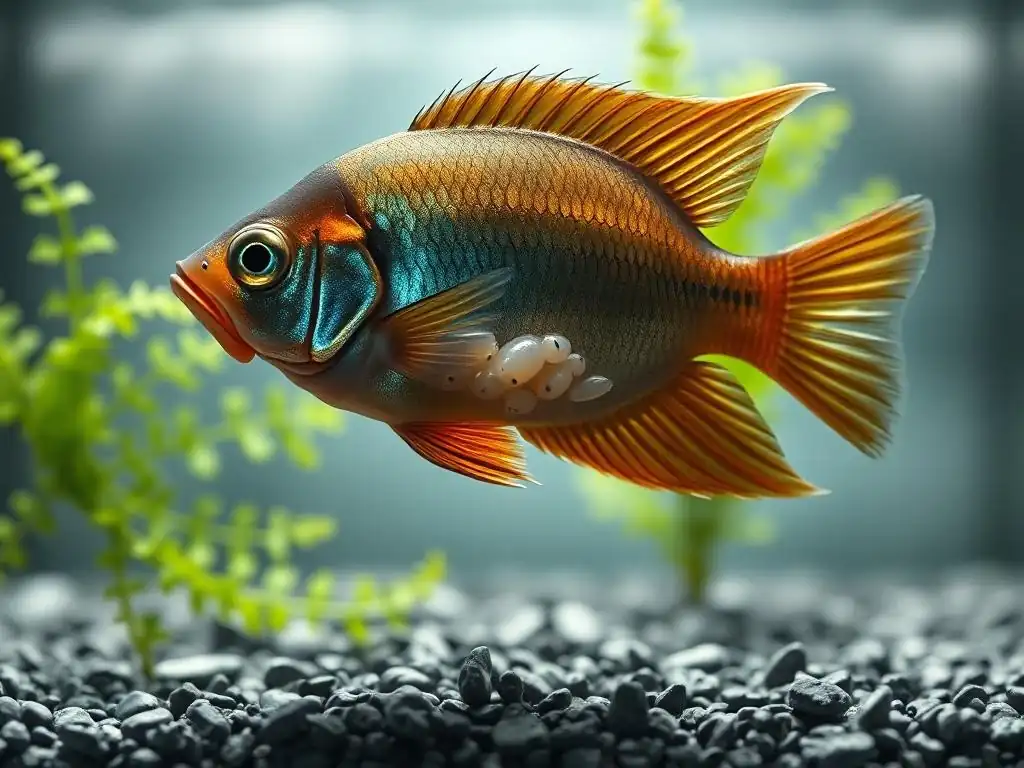
The decision between natural mouthbrooding and artificial incubation (stripping) involves weighing various factors. Here's a side-by-side comparison:
- Natural Mouthbrooding:
- Intervention: Minimal to none, allowing fish to follow natural instincts.
- Stress on Female: High physiological stress due to prolonged fasting (e.g., 3-4 weeks), significant weight loss (up to 30%).
- Fry Survival: Low in community tanks (0-5%) due to predation; higher in dedicated breeding tanks (up to 50% or more).
- Aquarist Time/Effort: Low initial effort, but less control over fry numbers.
- Ethical Aspect: Full natural behavioral expression for the fish.
- Artificial Incubation (Stripping):
- Intervention: High, manual extraction of eggs/fry.
- Stress on Female: Acute stress during handling and stripping; faster recovery post-stripping.
- Fry Survival: Very high (80-95%) due to controlled environment.
- Aquarist Time/Effort: High time commitment for stripping, tumbler setup, and intensive fry care (multiple daily feedings, frequent water changes).
- Ethical Aspect: Disrupts natural process, but prioritizes fry survival.
Factors to Consider When Deciding Whether to Strip Eggs
When deciding on the best approach for mouthbrooding female fish care, several factors should be carefully considered:
- Your Goals: Are you a casual hobbyist wanting to observe natural behavior, or a dedicated breeder aiming for maximum fry production for sale or genetic preservation? If your goal is to produce hundreds of fry from a single spawn, artificial incubation is almost essential.
- Experience Level: Stripping requires careful technique and experience to avoid injuring the female. Raising delicate fry also demands knowledge of their specific dietary and water quality needs.
- Available Resources: Do you have the necessary equipment (egg tumbler, small fry tanks, air pumps) and, crucially, the time for daily maintenance and multiple feedings required for artificial incubation?
- Tank Environment: Is your main tank a peaceful species-only setup, or a bustling community tank with potential predators? The presence of other fish, especially larger or more aggressive cichlids, significantly impacts natural fry survival. For example, a group of Labidochromis caeruleus (Electric Yellow Cichlids) in a 75-gallon tank will decimate any naturally released fry within hours.
- Female's Health and Species: Is the female a first-time mother, or does she have a history of dropping broods? Some species are more prone to dropping eggs than others, making stripping a more viable option. The overall health and condition of the individual female should always be a priority.
Best Practices for Stripping Eggs (If You Choose To)
Preparing for the Stripping Process: Essential Tools and Equipment
Proper preparation is paramount to minimize stress and ensure the safety of both the female cichlid and her eggs/fry. Gather all necessary tools beforehand:
- A soft, fine-mesh fish net to gently catch the female.
- A clean, shallow container (e.g., a plastic tub or small bucket) filled with water from the main aquarium. This will be where you gently hold the fish during the process.
- A small, blunt, smooth object like a plastic spoon, a credit card edge, or blunt-tipped tweezers. This is used to gently pry open the female's mouth. Avoid anything sharp or abrasive.
- A separate, clean collection container (e.g., a small specimen cup or bowl) also filled with tank water, to receive the eggs or fry. This container should ideally be placed directly beside your egg tumbler or fry tank for immediate transfer.
Ensure all tools are meticulously cleaned and sterilized with a fish-safe disinfectant or simply by boiling them. This prevents the introduction of harmful bacteria or parasites into the sensitive environment of the eggs and fry. Having everything within arm's reach before you begin will streamline the process and reduce the time the female spends out of her natural environment.
The Step-by-Step Guide to Safely Stripping Eggs from a Mouthbrooding Female
Safely stripping eggs requires a gentle, swift, and methodical approach. Follow these steps carefully:
- Net the Female: Gently guide the mouthbrooding female into the soft net. Avoid chasing her aggressively. Once netted, lift her carefully and immediately transfer her to the shallow container of tank water you prepared.
- Position the Female: In the container, gently cup the female in one hand, supporting her entire body. Her head should be slightly out of the water, but her gills must remain submerged to allow her to breathe. Some aquarists prefer to keep the fish fully submerged, which can be less stressful but harder to manipulate.
- Open Her Mouth: Using your other hand, gently insert the blunt object (e.g., plastic spoon) into the corner of her mouth and carefully pry it open. Be extremely gentle to avoid damaging her jaw or buccal cavity.
- Massage and Release: Once her mouth is open, very gently massage her throat area downwards, towards her mouth opening. Do not squeeze her body. The goal is to encourage the eggs or fry to fall out naturally. They should tumble into the collection container you've placed directly below her mouth. This might take a few seconds of gentle, consistent pressure.
- Check and Return: Once all eggs or fry appear to have been released, carefully check her mouth to ensure it's empty. Then, gently release her back into her main tank or a designated recovery tank.
This precise and careful technique is crucial for successful mouthbrooding female fish care during the stripping process, minimizing trauma and ensuring a swift recovery.
Post-Stripping Care for the Female Cichlid: Minimizing Stress and Promoting Recovery
After the stripping process, the female cichlid will be stressed and likely exhausted. Immediate and proper post-stripping care is vital for her rapid recovery and long-term health. Return her to a quiet, dimly lit area of the main tank, or ideally, to a separate, smaller recovery tank if you have one. This minimizes further harassment from tank mates.
Offer her small, frequent feedings of high-quality, easily digestible foods. High-protein pellets, spirulina flakes, or even some frozen foods like bloodworms or mysis shrimp can help her quickly regain the weight she lost during mouthbrooding. For example, offering a small pinch of high-quality flake food 2-3 times a day for the first few days can significantly aid recovery.
Monitor her closely for any signs of stress, injury, or illness, such as clamped fins, labored breathing, or white spots. Maintaining pristine water quality in her tank is also critical, as it supports her immune system and prevents opportunistic infections while she is recovering. This dedicated mouthbrooding female fish care ensures her well-being.
Artificial Incubation Techniques for Cichlid Eggs
Setting Up a Tumbler for Artificial Incubation
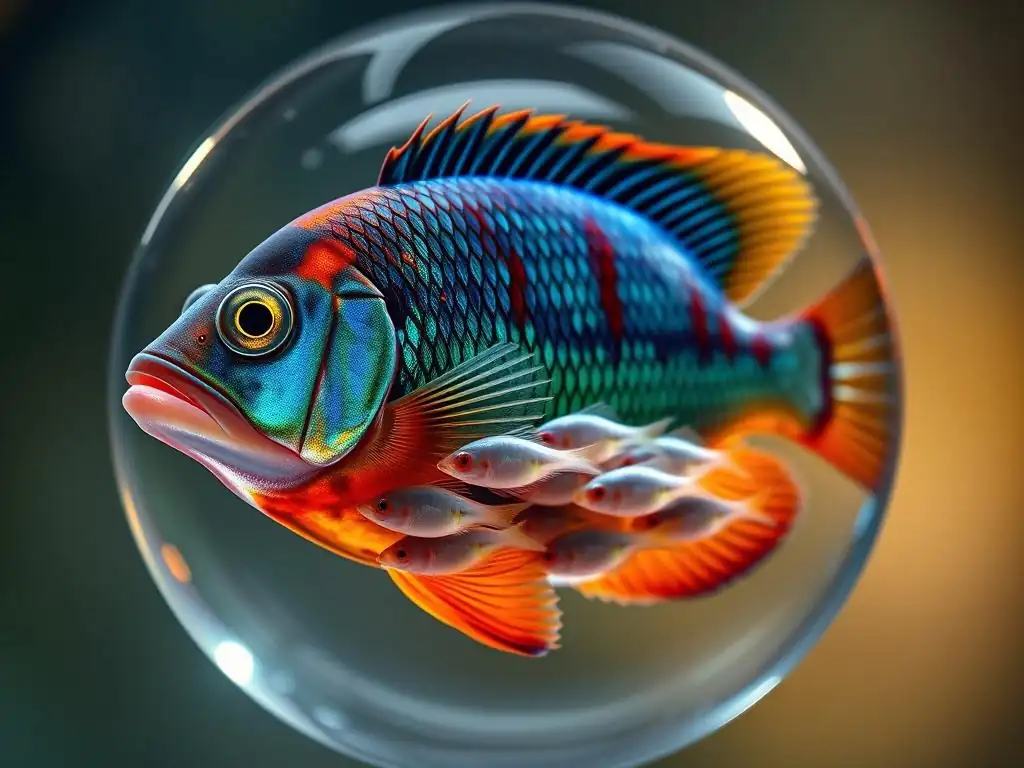
An egg tumbler is the most common and effective tool for artificial incubation of cichlid eggs. It typically consists of a clear plastic tube with a fine mesh screen at the bottom, designed to be submerged in water. An airline tubing is connected to an air pump, and the air stone is placed inside the tumbler below the eggs.
The gentle, consistent flow of air bubbles creates a tumbling action, mimicking the mother's mouth movements. This agitation ensures proper oxygenation for the developing eggs and prevents fungal growth by dislodging any debris and preventing stagnant water around the egg surface.
To set up, fully submerge the tumbler in a mature, established aquarium (preferably the breeding tank or a well-cycled hospital tank) to ensure stable water parameters and temperature. The water flow should be adjusted so that the eggs are gently rolling or "dancing" within the tumbler, but not violently bouncing around, which could cause damage. For instance, for Pseudotropheus saulosi eggs, a flow rate that causes them to rotate 1-2 times per second is often ideal. The temperature should be maintained consistently, typically between 78-82°F (25.5-27.8°C), as temperature directly influences the rate of egg development.
Maintaining Optimal Water Parameters for Egg Development
Maintaining optimal and stable water parameters is absolutely critical for successful artificial incubation. The water in the incubation tank or main tank where the tumbler is submerged should perfectly match the parameters of the breeding tank. This includes temperature (e.g., 78-82°F), pH (e.g., 7.8-8.6 for African cichlids), and hardness (e.g., 150-300 ppm). Any significant fluctuations can stress the delicate eggs and lead to developmental issues or death. A reliable heater and thermometer are essential for maintaining a constant temperature.
Beyond stable parameters, cleanliness is paramount. Perform small, frequent water changes (e.g., 10-20% daily or every other day) using aged or conditioned water to keep nitrates low and prevent any buildup of organic waste. Crucially, regularly inspect the eggs within the tumbler for any signs of fungus (white, fuzzy growth) or infertility (opaque eggs turning white).
Promptly remove any affected eggs using a pipette to prevent the spread of fungus to healthy eggs. A single fungused egg can quickly contaminate an entire batch, so meticulous attention to hygiene is a key aspect of effective mouthbrooding female fish care in an artificial setting.
Feeding Fry After Hatching: First Foods and Growth Strategies
Once the cichlid eggs hatch and the fry absorb their yolk sacs (typically 5-7 days post-hatching, depending on species and temperature), they become free-swimming and require their first external food source. Providing the correct first foods is vital for their initial growth and survival. The gold standard for cichlid fry is newly hatched brine shrimp nauplii, which are highly nutritious and stimulate a strong feeding response. Other excellent options include finely crushed spirulina flakes, specialized liquid fry foods, or high-quality powdered fry diets.
The feeding regimen for newly hatched fry should be frequent and small. Offer food 3-5 times a day, providing only what they can consume within a few minutes to prevent uneaten food from fouling the water. As the fry grow, gradually transition them to larger food items, such as finely crushed cichlid pellets, micro-pellets, and eventually juvenile cichlid flakes or pellets.
Maintaining pristine water quality through daily small water changes and diligent removal of any uneaten food remains crucial during this rapid growth phase. This consistent and appropriate feeding strategy is a cornerstone of successful mouthbrooding female fish care for the newly independent fry.
Mouthbrooding Female Fish Health: Common Issues and Solutions
Recognizing and Treating Fungal Infections in Eggs
Fungal infections are a common issue during both natural and artificial incubation of cichlid eggs. They typically appear as a white, fuzzy growth on the surface of the eggs. Fungus often starts on infertile or damaged eggs, but it can rapidly spread to healthy eggs, quickly decimating an entire brood. In a tumbler, signs of fungus necessitate immediate action.
The primary solution for fungal infections in eggs, particularly in a tumbler, is prompt removal of any affected eggs using a pipette. This prevents the fungus from spreading. Increasing the water flow within the tumbler slightly can also help by improving aeration and preventing stagnation.
Some aquarists use very dilute solutions of methylene blue as a preventative measure in the incubation water, though this is debated as it can stain the eggs and inhibit beneficial bacteria. Ultimately, maintaining impeccable water quality and ensuring consistent, gentle tumbling action are the best preventative measures for this aspect of mouthbrooding female fish care.
Addressing Malnutrition or Weakness in Mouthbrooding Females
Mouthbrooding is an incredibly demanding physiological process that often leaves the female cichlid severely weakened and malnourished due to weeks of fasting. Symptoms of malnutrition or weakness include significant weight loss (a "pinched" or sunken belly), lethargy, clamped fins, dull coloration, and a general lack of vigor. If a female is still holding, she might appear very thin and stressed.
Solutions focus on rapid and effective nutritional recovery. After stripping (or once she naturally releases her fry), immediately offer small, frequent feedings of high-quality, easily digestible, and highly nutritious foods. This includes high-protein pellets, spirulina flakes, and frozen foods like bloodworms or mysis shrimp. Some aquarists also supplement her diet with vitamin-enriched foods or add liquid vitamins to the water to boost her immune system. Ensuring she has a peaceful, stress-free environment to recover, free from aggressive tank mates, is equally important for effective mouthbrooding female fish care.
Stress is a significant precursor to illness in fish, as it compromises their immune system. The breeding period, particularly for mouthbrooding females, is inherently stressful. This heightened stress makes them more susceptible to common aquarium diseases like Ich (white spot disease), bacterial infections, or fungal issues. Signs of stress-related illness can include flashing (rubbing against tank decor), clamped fins, rapid or labored breathing, loss of appetite, or the appearance of visible spots or lesions.
Prevention is key. Maintain stable and optimal water parameters (temperature, pH, ammonia, nitrite, nitrate) at all times, as fluctuating conditions are a major stressor. Provide ample hiding spots and visual barriers within the tank to allow the mouthbrooding female to retreat and feel secure. Avoid overcrowding, which increases aggression and competition. Minimize external disturbances such as sudden loud noises or abrupt changes in lighting. A calm, well-maintained environment is the best defense against stress-related illnesses, ensuring comprehensive mouthbrooding female fish care.
Conclusion: Making the Right Choice for Your Fish
Balancing the Benefits and Risks of Stripping Eggs
The decision of "to strip or not to strip" is a complex one, with valid arguments on both sides. There is no universally "right" answer, as the optimal approach for mouthbrooding female fish care depends heavily on individual goals, resources, and ethical considerations. Stripping offers significant advantages in maximizing fry survival rates, which is crucial for breeders aiming for high yields or for preserving specific genetic lines. It also offers the benefit of a faster physical recovery for the female, reducing the long-term physiological toll of prolonged fasting.
However, these benefits must be carefully weighed against the inherent risks. The stripping process itself can be highly stressful and potentially injurious to the female if not performed with utmost care and experience. Furthermore, it demands a substantial time commitment from the aquarist for artificial incubation and meticulous fry care. The ethical consideration of disrupting a natural maternal process also plays a significant role for many hobbyists. Ultimately, the choice requires a thoughtful assessment of these trade-offs.
Prioritizing the Health and Well-being of Your Cichlids
Regardless of whether you choose to intervene or allow natural mouthbrooding, the paramount consideration must always be the health and well-being of your cichlids. If you opt for stripping, commit to learning and practicing the safest, most gentle techniques to minimize stress and prevent injury to the female. Ensure you have the proper equipment for artificial incubation and are prepared for the extensive daily care required for the fry. Neglecting these aspects can lead to more harm than good, both for the parent and the offspring.
Conversely, if you prefer natural mouthbrooding, dedicate yourself to providing the most optimal and stress-free tank environment possible. This includes pristine water quality, appropriate tank size, ample hiding spots, and compatible tank mates. A healthy, well-nourished female in a secure environment stands the best chance of successfully brooding and releasing her fry naturally. Responsible mouthbrooding female fish care means prioritizing the fish's welfare above all else, ensuring they thrive regardless of the chosen method.
Long-Term Considerations for Mouthbrooding Female Fish Care
Beyond the immediate breeding cycle, it's essential to consider the long-term implications of your chosen approach. For females that are repeatedly stripped, ensure they have sufficient time to recover their strength and body condition between spawns. Consistent, high-quality nutrition and a peaceful recovery environment are crucial to prevent chronic stress or malnutrition that could shorten their lifespan or impair future breeding success. Over-breeding, even with stripping, can eventually deplete a female's reserves.
Similarly, for natural mouthbrooding, ensure the female is not subjected to undue stress or aggression if kept in a community tank. Plan for the eventual fate of the fry: do you have sufficient space to grow them out, or a plan for rehoming them responsibly? Breeding fish, by any method, carries the responsibility of caring for all resulting offspring. A holistic approach to mouthbrooding female fish care involves not just the breeding act itself, but the entire life cycle and well-being of all your cichlids.
Frequently Asked Questions
What is "stripping" in the context of mouthbrooding fish?
Stripping refers to the practice of removing fry (baby fish) from a mouthbrooding female's mouth before she naturally releases them. This is done by carefully opening her mouth and extracting the eggs or fry.
Why would someone choose to strip a mouthbrooding female fish?
Stripping is often done to maximize fry survival rates. It allows the aquarist to protect the fry from predation by other fish or even the mother, and to provide them with optimal feeding conditions.
What are the potential risks of stripping a mouthbrooding female?
Stripping can be stressful for the female fish, potentially leading to injury or illness. Improper technique can also damage the eggs or fry, reducing their viability.
What are the alternatives to stripping mouthbrooding females?
Alternatives include isolating the female in a separate breeding tank to allow her to release the fry naturally. Providing a densely planted tank for fry to hide in can also improve survival rates.
How do I know when a mouthbrooding female is ready to be stripped (if I choose to do so)?
Typically, a female is ready to be stripped when she is noticeably thin and appears to be struggling to hold the fry. Observing her behavior for signs of stress or discomfort is also important.
Final Reflection: The Delicate Balance of Care
The debate surrounding intervention in the natural processes of mouthbrooding fish, as we've explored, is far from academic; it's a real-world dilemma faced by aquarists striving to provide optimal care. Understanding the potential benefits and drawbacks of stripping eggs from mouthbrooding females is crucial, especially now, as the hobby continues to evolve and our understanding of fish behavior deepens. The choice, ultimately, rests on a careful consideration of individual fish health, environmental factors, and the aquarist's own capabilities.
This delicate balance between intervention and observation has profoundly shaped, and continues to shape, the ethical considerations within the aquarium hobby. The responsibility we assume when caring for these creatures extends beyond simply providing food and shelter; it demands a deep understanding of their natural behaviors and a willingness to make informed decisions, even when those decisions are difficult. The greatness of a nation and its moral progress can be judged by the way its animals are treated.
- Mahatma Gandhi. This quote, though broad, resonates deeply when considering the nuanced care required for mouthbrooding fish.
As we conclude this exploration of mouthbrooding female fish care, I invite you to reflect on your own approach to aquascaping and fishkeeping. Consider the long-term implications of your choices and strive to find a balance that prioritizes the well-being of your fish. Whether you choose to intervene or observe, let your decisions be guided by knowledge, empathy, and a genuine commitment to providing the best possible life for these fascinating creatures.
Empower Your Brooders: Take Control of Hatching Success!
Thank you for diving deep into the fascinating world of mouthbrooding fish! We hope this article has provided you with valuable insights into the delicate balance of nature and nurture within your aquarium. Now, let's put that knowledge into action and ensure the best possible outcome for your future generations.
- Actively Observe your mouthbrooding female and document the holding duration daily to fine-tune your understanding of her individual incubation period.
- Share your experiences and challenges with mouthbrooding on aquarium forums or social media groups dedicated to fishkeeping. You never know who you might help!
- Prepare a dedicated nursery tank with optimal conditions and hiding places, ready to gently isolate the fry after stripping or natural release.
Ready to start monitoring and documenting the holding behaviour of your mouthbrooders?