
The African Cichlid First Aid Kit: Essential Medications & Supplies

Welcome to Aquarium Mastery!
Ever wonder what it really takes to keep your vibrant African cichlids thriving? Dive in and unlock the secrets to a healthy aquarium with our essential African cichlid medication guide. From identifying common ailments to stocking your first aid kit, we'll equip you with the knowledge you need to become a true cichlid caretaker. Curious to learn more? Let's get started!
- The African Cichlid First Aid Kit: Essential Medications & Supplies for Aquarium Mastery
- Introduction: Preparing for African Cichlid Health Issues
- Understanding Common African Cichlid Diseases and Ailments
- Building Your African Cichlid Medication Guide: Essential Supplies
- Essential Medications for Your African Cichlid First Aid Kit
- Supportive Supplies for African Cichlid Treatment
- Administering Medication to African Cichlids: Best Practices
- Preventing African Cichlid Diseases: Proactive Measures
- Conclusion: Ensuring a Healthy Environment for Your African Cichlids
-
Frequently Asked Questions
- What are the most common diseases affecting African cichlids?
- What is the best medication for treating Ich in African cichlids?
- How can I prevent Malawi bloat in my African cichlid tank?
- What should be included in a basic African cichlid first aid kit?
- How important is water quality in preventing diseases in African cichlids?
- Final Reflection: Ensuring the Health of Our Aquatic Companions
- Transform Your Tank: Master African Cichlid Health!
The African Cichlid First Aid Kit: Essential Medications & Supplies for Aquarium Mastery
Introduction: Preparing for African Cichlid Health Issues
Maintaining a thriving African cichlid aquarium requires more than just beautiful fish and a well-scaped tank; it demands preparedness for the inevitable health challenges that can arise. African cichlids, known for their vibrant colors and engaging behaviors, are also susceptible to specific diseases that can spread rapidly if not addressed promptly. Just as a responsible pet owner prepares for emergencies, an aquarist dedicated to their African cichlids should assemble a comprehensive first aid kit.
This proactive approach significantly increases the chances of successful recovery for sick fish and helps prevent widespread outbreaks in your main display tank. Having the right supplies and medications on hand, coupled with knowledge from a reliable African cichlid medication guide, empowers you to act decisively when symptoms first appear, often making the difference between life and loss.
Understanding Common African Cichlid Diseases and Ailments
African cichlids, particularly those from the Rift Valley lakes like Malawi and Tanganyika, thrive in very specific, stable water parameters. Deviations from these ideal conditions, stress, improper diet, or the introduction of new, unquarantined fish can quickly compromise their immune systems, making them vulnerable to a range of diseases. Understanding these common ailments is the first step in effective treatment and forms a crucial part of any African cichlid medication guide.
Early detection is paramount, as many fish diseases progress rapidly. A slight change in behavior or appearance can be the first indication of a serious problem. Knowing what to look for and having a basic understanding of the common illnesses will guide your response, allowing you to select appropriate treatments from your African cichlid first aid kit and potentially save your entire stock.
Identifying Early Signs of Illness in African Cichlids
Observing your African cichlids daily is perhaps the most powerful tool in preventing and treating diseases. Healthy cichlids are typically active, display vibrant coloration, and exhibit characteristic behaviors, such as territorial displays or foraging. Any deviation from these norms should immediately raise a red flag and prompt closer inspection. For instance, a normally boisterous Mbuna cichlid suddenly hiding behind rocks or a Peacock cichlid losing its brilliant iridescence are strong indicators of stress or illness.
Key signs to watch for include changes in swimming patterns, such as lethargy, erratic movements, or "flashing" (rubbing against tank decor). Physical changes like clamped fins, discoloration (darkening or fading), white spots, fuzzy growths, or a swollen abdomen are also critical indicators. Additionally, observe their feeding habits; a sudden refusal to eat, especially when food is offered, is a common early symptom across many cichlid ailments, including the dreaded Malawi Bloat.
Common Cichlid Diseases: A Quick Overview
African cichlids, while generally robust in optimal conditions, are susceptible to several prevalent diseases that can decimate a tank if left unchecked. These illnesses often stem from poor water quality, dietary imbalances, or the introduction of pathogens. For example, Ich is a common external parasite often brought in by new fish, while Malawi Bloat is a notorious internal affliction directly linked to improper feeding and stress in Rift Lake cichlids.
This section will provide a brief overview of the most common diseases encountered in African cichlid aquariums, laying the groundwork for understanding why specific medications are included in an effective African cichlid medication guide. Recognizing these diseases by their signature symptoms will enable you to quickly cross-reference with your first aid kit and initiate the correct course of action, minimizing suffering and potential losses.
Ich (White Spot Disease) in African Cichlids
Ichthyophthirius multifiliis, commonly known as Ich or White Spot Disease, is a highly contagious parasitic infection. It manifests as small, salt-like white spots scattered across the fish's body and fins. Affected African cichlids may also exhibit "flashing" behavior, rubbing themselves against tank decorations or substrate in an attempt to dislodge the parasites, and may show signs of lethargy or clamped fins.
The Ich parasite has a complex life cycle, with free-swimming stages that infect fish and encysted stages that reproduce on the substrate. Stress, sudden temperature fluctuations (even a drop of a few degrees), or the introduction of infected new fish are common triggers. While highly treatable, rapid intervention is crucial to prevent the parasite from completing its life cycle and overwhelming the tank.
Malawi Bloat: Causes, Symptoms, and Prevention
Malawi Bloat is arguably the most feared disease among African cichlid keepers, particularly those with Mbuna and Peacock cichlids. It is an internal protozoan infection, often triggered by stress, poor water quality, or, most commonly, an improper diet. African cichlids, especially Mbuna, are primarily herbivores requiring a diet high in vegetable matter and low in protein and fats. Feeding them flakes or pellets designed for carnivorous fish, or overfeeding, can lead to digestive issues that predispose them to bloat.
Symptoms include a visibly swollen abdomen, loss of appetite, labored breathing, white and stringy feces, and a general loss of coloration or interest in surroundings. If left untreated, the fish's kidneys and liver can fail, leading to rapid death. Prevention through appropriate diet (e.g., high-quality spirulina-based pellets like Northfin Cichlid Formula or New Life Spectrum Cichlid Formula) and pristine water conditions is key, as treatment can be challenging once the disease is advanced.
Fungal Infections Affecting African Cichlids
Fungal infections, primarily caused by Saprolegnia species, often appear as white or grayish cotton-like growths on the fish's body, fins, or eyes. These infections are typically secondary, meaning they take hold when a fish is already stressed, injured (e.g., from fin nipping or a bump against decor), or suffering from poor water quality. The fungus itself is usually present in the aquarium environment but only becomes problematic when a fish's immune system is compromised.
While less immediately fatal than Malawi Bloat or severe bacterial infections, untreated fungal infections can spread, lead to tissue damage, and open the door for more serious bacterial complications. Affected African cichlids may become lethargic, lose appetite, and their fins may appear frayed. Addressing the underlying cause of stress or injury is just as important as treating the fungal growth itself.
Bacterial Infections in African Cichlid Aquariums
Bacterial infections are common ailments in fish, often manifesting as fin rot, body sores, cloudy eyes, red streaks on the body, or general lethargy and loss of appetite. These infections can be caused by a variety of bacteria, including Aeromonas and Pseudomonas species, which are ubiquitous in aquarium environments. Like fungal infections, bacterial diseases often capitalize on weakened immune systems due to stress, injuries, or prolonged exposure to poor water quality, particularly elevated ammonia or nitrite levels.
Fin rot, for example, starts with frayed or ragged fins that may progress to complete disintegration, often with a white or red edge. Body sores can appear as open wounds or ulcers, sometimes accompanied by raised scales (dropsy, though often a symptom of organ failure rather than a primary bacterial infection). Prompt identification and treatment with appropriate antibiotics are essential, as severe bacterial infections can quickly become systemic and fatal if ignored.
Building Your African Cichlid Medication Guide: Essential Supplies
Establishing a robust African cichlid first aid kit is an indispensable aspect of responsible fishkeeping, enabling rapid response to health crises. Beyond just medications, a truly effective kit, guided by a comprehensive African cichlid medication guide, includes critical equipment that supports diagnosis, isolation, and treatment. These supplies are not just for emergencies but also play a vital role in routine preventative care, significantly reducing the likelihood of disease outbreaks in your main display tank.
The foundation of this preparedness lies in having dedicated facilities and reliable tools. Without a proper setup for isolating sick fish or accurately monitoring water parameters, even the most potent medications can be ineffective or cause more harm than good. Investing in these essential supplies upfront ensures you are well-equipped to manage the health of your vibrant African cichlid community.
Quarantine Tank: The Foundation of Cichlid Health Management
A dedicated quarantine tank is arguably the most critical component of any African cichlid medication guide and first aid kit. This separate, smaller aquarium (typically 10-20 gallons for most cichlid species, though larger for adult specimens) serves multiple vital functions: it allows you to observe new fish for signs of disease before introducing them to your main display, provides a safe space to treat sick fish without medicating the entire tank (which can harm beneficial bacteria and invertebrates), and prevents the spread of illness from an infected fish to healthy tank mates.
Setting up a quarantine tank is straightforward. It requires a simple filter (sponge filter is excellent for biological filtration without strong currents), a heater to maintain stable temperatures (around 78-80°F), and an air stone for oxygenation, especially during medication. It doesn't need substrate or elaborate decor, making it easy to clean and monitor the fish. Using a quarantine tank for a minimum of 2-4 weeks for all new arrivals is a non-negotiable practice for preventing disease introduction and is a cornerstone of proactive African cichlid health management.
Water Testing Kit: Monitoring Aquarium Parameters for Cichlid Well-being
A reliable liquid-based water testing kit is an absolutely essential tool for any African cichlid keeper, serving as a diagnostic instrument and a preventative measure. African cichlids, particularly those from the Rift Valley lakes, require very specific water parameters: high pH (typically 7.8-8.6), high hardness (GH 10-20 dGH, KH 10-18 dKH), zero ammonia, zero nitrite, and low nitrates (below 20 ppm). Deviations from these parameters are a major source of stress, weakening fish and making them highly susceptible to disease.
Regularly testing your water for ammonia, nitrite, nitrate, pH, GH, and KH allows you to identify problems before they manifest as illness. For instance, a sudden spike in ammonia can indicate overfeeding or filter malfunction, leading to bacterial infections if not corrected. When a fish does show signs of illness, the first step in diagnosis should always be a full water parameter check, as poor water quality often underlies the problem, and addressing it is a critical part of the African cichlid medication guide.
Medications for Treating African Cichlid Diseases: An Overview
Having a well-stocked array of medications is the core of your African cichlid first aid kit. However, it's crucial to understand that not all medications are suitable for all conditions, and misdiagnosis can lead to ineffective treatment or even harm. For instance, an antibiotic will not cure a parasitic infection, and certain medications can be detrimental to the beneficial bacterial colony in your filter if used indiscriminately in the main tank.
The goal is to have a selection of broad-spectrum treatments for common ailments, allowing you to act quickly while you attempt a more precise diagnosis. This section of the African cichlid medication guide will detail specific active ingredients and their uses, ensuring you select the most appropriate remedy for issues like Ich, Malawi Bloat, and various bacterial or fungal infections. Always read product instructions carefully and consider potential side effects before administering any treatment.
Essential Medications for Your African Cichlid First Aid Kit
A properly curated African cichlid first aid kit should include specific medications targeting the most common and dangerous ailments these fish face. While a precise diagnosis is always ideal, having broad-spectrum options for immediate use can be life-saving. This section provides a detailed African cichlid medication guide for the critical treatments you should keep on hand, categorized by the diseases they address.
It is important to note that medication choices can vary by brand, but the active ingredients are key. Always prioritize fish-specific medications from reputable manufacturers, and be mindful of expiration dates. Storing these medications in a cool, dark place will help maintain their efficacy, ensuring your African cichlid first aid kit is ready when needed.
Ich Treatment: Medications to Combat White Spot Disease
Ich is one of the most common parasitic infections in freshwater aquariums, including those housing African cichlids. Effective treatment requires understanding the parasite's life cycle. The "white spots" you see are mature trophonts feeding on the fish. They eventually fall off to reproduce, releasing hundreds of free-swimming "tomites" that must find a host within 48-72 hours or die. Most Ich medications target this free-swimming stage.
A multi-pronged approach often yields the best results. This typically involves elevating the water temperature (within the safe range for African cichlids, e.g., 82-84°F, which speeds up the parasite's life cycle, making it more vulnerable to medication), along with chemical treatments. Treatment usually lasts for 7-10 days to ensure all stages of the parasite are eradicated.
Copper-Based Medications for Ich
Copper-based medications, such as copper sulfate or chelated copper, are highly effective against external parasites like Ich. They work by disrupting the parasite's metabolic processes. When using copper, it is crucial to use a copper test kit to monitor levels accurately, as both underdosing and overdosing can be problematic. The therapeutic range for Ich is typically between 0.15 mg/L and 0.25 mg/L.
A significant caution with copper is its toxicity to invertebrates (snails, shrimp) and some sensitive fish species, though African cichlids generally tolerate it well. It can also be absorbed by activated carbon and certain substrates, requiring removal of these materials during treatment. Follow manufacturer instructions precisely, as copper can be lethal if concentrations are too high.
Malachite Green and Formalin Solutions for Ich
Malachite green and formalin (formaldehyde) are two potent chemicals often used individually or, more commonly, in combination for Ich treatment. Products like API Super Ick Cure (malachite green) or Fritz Mardel Coppersafe (a malachite green/formalin blend) are widely available. Malachite green is a dye that interferes with the parasite's respiratory functions, while formalin acts as a general biocide.
These solutions are generally effective against Ich and other external parasites. However, they can deplete oxygen levels in the water, so increased aeration (e.g., with an air stone) is highly recommended during treatment. Malachite green can also stain silicone aquarium seals and some plastics. Always ensure adequate ventilation when using formalin-based products, as their fumes can be irritating.
Natural Ich Treatments for African Cichlids
While not always as potent as chemical treatments for severe outbreaks, certain natural methods can support Ich treatment or be used for mild cases. Increasing water temperature to 82-84°F (within the range tolerated by African cichlids) can accelerate the Ich life cycle, causing the trophonts to drop off faster and exposing the free-swimming stage to medication or simply speeding its demise if no host is found.
Aquarium salt, specifically non-iodized sodium chloride, can also be used as a mild Ich treatment or supportive measure. For African cichlids, a lower concentration of 1 tablespoon per 5-10 gallons is generally recommended for short-term treatment, as they prefer hard, alkaline water rather than brackish conditions. Salt works by causing osmotic stress on the parasite. Garlic, often administered as a food soak, is more of an immune booster and appetite stimulant than a direct Ich killer.
Malawi Bloat Medication: Effective Treatments for Cichlid Bloat
Malawi Bloat is a severe internal disease, often caused by a diet too high in protein or fat, or by stress. It requires immediate and targeted treatment, as progression is rapid and mortality rates are high. The primary medication of choice for Malawi Bloat is Metronidazole, an anti-protozoan drug that specifically targets the internal flagellates believed to be responsible for the condition.
Early intervention is crucial. If a cichlid shows signs of a swollen abdomen, white stringy feces, or refuses food, isolate it immediately in a hospital tank. Alongside medication, fasting the fish for 2-3 days can help clear its digestive system and reduce internal pressure. The combination of medication and supportive care provides the best chance of recovery.
Metronidazole for Malawi Bloat Treatment
Metronidazole is the most effective medication for treating Malawi Bloat. It works by disrupting the DNA of anaerobic protozoa and bacteria, which are implicated in the disease. It can be administered in two primary ways: by soaking food or by directly adding it to the water column. Soaking high-quality, low-protein pellets in a solution of Metronidazole (e.g., 250 mg per tablespoon of food, fed daily) is often preferred, as it delivers the medication directly to the digestive tract where the infection resides, with less impact on the beneficial bacteria in the filter.
If the fish is refusing to eat, direct water column treatment is necessary. A common dosage is 250 mg (or one packet) per 10 gallons of water, administered daily for 3-5 days, with partial water changes before each new dose. Products like Seachem Metronidazole or API General Cure (which contains Metronidazole) are readily available options for your African cichlid medication guide.
Epsom Salt as a Supportive Treatment for Bloat
Epsom salt (magnesium sulfate) is not a cure for Malawi Bloat itself, but it serves as a valuable supportive treatment due to its laxative properties. It helps to relieve internal pressure and constipation associated with bloat, aiding in the expulsion of impacted food and waste from the fish's digestive system. This can provide significant relief and improve the fish's overall comfort during recovery.
The recommended dosage for Epsom salt is typically 1 teaspoon per 5-10 gallons of water in the hospital tank. It can be added once or twice during the Metronidazole treatment course. Ensure you are using pure Epsom salt without added fragrances or other chemicals. While beneficial for bloat, it should not be confused with aquarium salt (sodium chloride), which has different properties and uses.
Antibiotics for Bacterial Infections in African Cichlids
Bacterial infections in African cichlids can manifest in various ways, including fin rot, body sores, cloudy eyes, and internal issues like septicemia. These infections often arise from poor water quality, stress, or physical injury that compromises the fish's natural defenses. Because bacteria are ubiquitous in the aquarium, it's crucial to address the underlying cause alongside medication.
When dealing with bacterial infections, it's often necessary to start with a broad-spectrum antibiotic if the specific type of bacteria is unknown. These medications target a wide range of bacterial strains. However, prolonged or indiscriminate use of antibiotics can harm the beneficial nitrifying bacteria in your filter, making a quarantine tank essential for treatment.
Broad-Spectrum Antibiotics for Fish
Broad-spectrum antibiotics are valuable for your African cichlid medication guide when the exact bacterial pathogen isn't identified, but a bacterial infection is suspected. Medications containing active ingredients like Nitrofurazone (found in Furan-2) or Minocycline (found in Maracyn 2) are commonly used. Nitrofurazone is effective against a variety of gram-positive and gram-negative bacteria, often used for fin rot, body sores, and open wounds.
Minocycline is another effective broad-spectrum choice, particularly for systemic infections and issues like cloudy eyes or mouth rot. These medications are typically administered to the water column. Always ensure proper aeration during treatment, as some antibiotics can reduce oxygen levels. Follow the dosing instructions precisely, usually involving daily doses for 5-7 days with partial water changes between doses.
Specific Antibiotics for Common Cichlid Bacteria
For more specific bacterial infections, or when initial broad-spectrum treatments are ineffective, targeted antibiotics may be required. Kanamycin (found in Seachem KanaPlex) is highly effective against many gram-negative bacteria, which are often responsible for internal infections, dropsy (as a symptom of organ failure), and severe fin rot. It can be administered via food soak or directly to the water.
Erythromycin (found in Maracyn 1) is effective against gram-positive bacterial infections, which can cause issues like bacterial gill disease or columnaris (though columnaris can be tricky and often requires combination treatments). Using a specific antibiotic, when possible, reduces the risk of developing antibiotic resistance and is less likely to harm non-target bacteria. However, accurate diagnosis is key for specific treatments.
Antifungal Medications for Treating Fungal Infections
Fungal infections, often appearing as white, cotton-like growths on the body or fins of African cichlids, are typically secondary invaders. This means they usually take hold when a fish is already weakened by stress, poor water quality, or a physical injury (like a tear in a fin or a scrape). The fungus, often Saprolegnia, thrives on damaged tissue and can quickly spread if left untreated, leading to more severe health complications.
Effective antifungal treatment involves not only medicating the fish but also addressing the underlying cause of the weakened state. This often means improving water quality, reducing aggression, or providing a more stable environment. Antifungal medications work by disrupting the fungal cell wall or inhibiting its growth.
Common antifungal medications for fish include Methylene Blue, Malachite Green (often combined with formalin), and specific antifungal products containing active ingredients like Phenoxyethanol. Methylene Blue is a gentle but effective antifungal and antiseptic, often used for mild fungal growths, egg funguses, or as a general dip. It's also a mild oxygen transporter. Malachite Green, as mentioned before, has strong antifungal properties in addition to being antiparasitic. Always use these medications in a hospital tank to avoid staining your main display and to protect your beneficial bacteria.
Supportive Supplies for African Cichlid Treatment
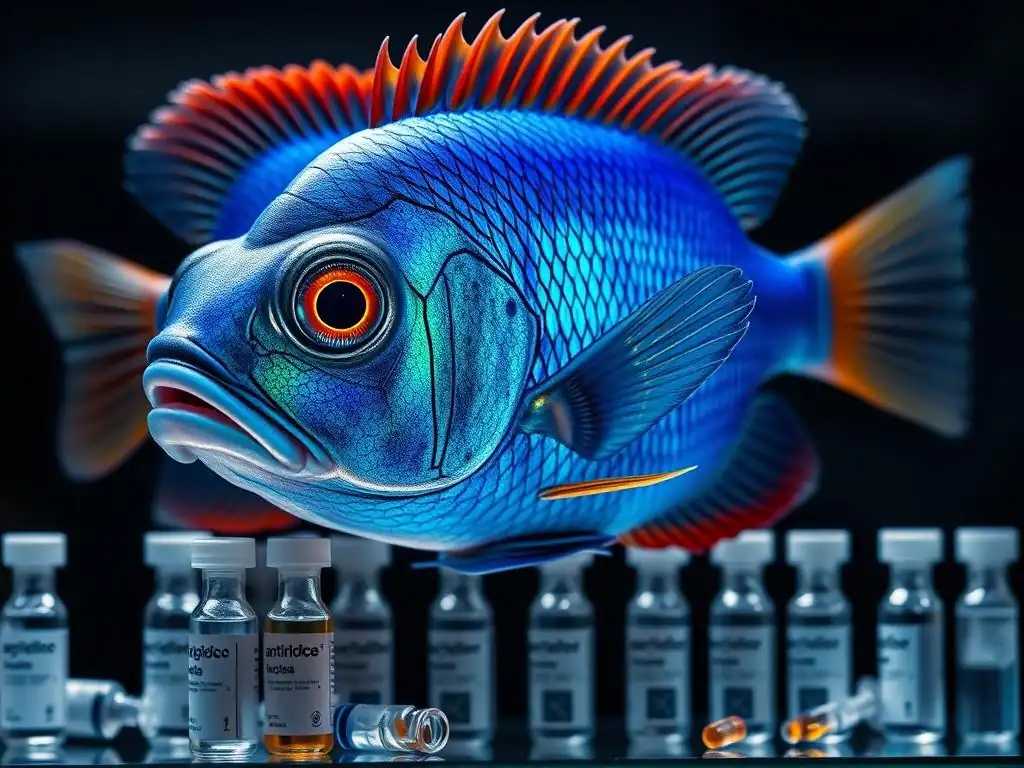
Beyond direct medications, a comprehensive African cichlid first aid kit includes several supportive supplies that enhance the effectiveness of treatments, reduce stress on sick fish, and maintain optimal water conditions during recovery. These items are crucial for creating a healing environment and ensuring the success of your African cichlid medication guide.
These supportive supplies are not merely optional; they are integral to a holistic approach to fish health. They help manage water chemistry, provide essential oxygen, and maintain stable temperatures, all of which contribute significantly to a fish's ability to fight off disease and recover fully.
Aquarium Salt: Benefits and Proper Usage for Cichlids
Aquarium salt, which is pure sodium chloride without iodine or anti-caking agents, can be a beneficial supportive treatment for African cichlids, despite their preference for hard, alkaline water rather than brackish conditions. It primarily works by reducing osmotic stress on fish, helping them conserve energy that would otherwise be spent regulating internal salt levels. This is particularly helpful for fish suffering from disease or injury.
For African cichlids, a lower concentration of 1 tablespoon per 5-10 gallons (or approximately 0.1-0.2% salinity) is generally sufficient for therapeutic purposes, such as aiding recovery from fin rot or mild stress. It can also enhance the effectiveness of some medications and act as a mild antiseptic. However, continuous use at higher concentrations is not recommended for African cichlids, and it should be dissolved completely before adding to the tank to prevent direct contact with fish.
Water Conditioners: Neutralizing Harmful Substances
Water conditioners are an absolute staple for any aquarist, but they become even more critical when managing a sick tank or performing frequent water changes during treatment. Tap water often contains chlorine and chloramines, which are highly toxic to fish and beneficial bacteria. A high-quality water conditioner instantly neutralizes these harmful chemicals, making tap water safe for your African cichlids.
Beyond chlorine removal, many advanced water conditioners, such as Seachem Prime or API Stress Coat, also temporarily detoxify ammonia and nitrite. This is incredibly valuable during a disease outbreak or treatment period when the biological filter might be compromised, or when a fish is suffering from poor water quality. Using a reliable water conditioner ensures that your water changes, a vital part of recovery, do not introduce additional stressors or toxins.
Air Stone and Air Pump: Ensuring Oxygenation During Treatment
An air stone connected to an air pump is a simple yet vital piece of equipment for your African cichlid first aid kit, especially during disease treatment. Sick fish often have compromised respiratory systems and require higher oxygen levels. Furthermore, many medications, particularly those containing formalin or strong dyes like malachite green, can significantly deplete dissolved oxygen in the water.
Increased aeration from an air stone ensures a high level of dissolved oxygen, which is crucial for the fish's recovery process. It also helps to circulate the medication evenly throughout the water column, ensuring consistent treatment. Maintaining robust oxygenation can be the difference between life and death for a fish struggling with an infection or the side effects of medication.
Heater: Maintaining Optimal Water Temperature for Recovery
A reliable aquarium heater is essential for maintaining the stable, warm water temperatures (typically 78-82°F) that African cichlids prefer. During illness, maintaining an optimal and consistent water temperature is even more critical. Stable temperatures reduce stress on the fish, allowing their immune systems to focus on fighting off disease rather than adapting to fluctuations.
For certain conditions like Ich, slightly elevating the temperature (e.g., to 82-84°F, if tolerated by your specific cichlid species) can accelerate the parasite's life cycle, making it more susceptible to medication. Conversely, for bacterial infections, maintaining the normal optimal temperature prevents further stress. A precise and dependable heater ensures the therapeutic environment is consistent, promoting faster healing and recovery.
Administering Medication to African Cichlids: Best Practices
Administering medication to your African cichlids requires precision and adherence to best practices to ensure effectiveness and minimize harm. Incorrect dosing or application methods can render treatments useless, create resistant pathogens, or even prove fatal to your fish. This section of the African cichlid medication guide outlines the crucial steps for successful medication delivery.
Always remember that medications are potent chemicals. Before starting any treatment, carefully read the product instructions, understand the active ingredients, and consider the implications for your fish and the aquarium environment. When in doubt, consult a knowledgeable aquarist or aquatic veterinarian.
Calculating Dosage for African Cichlid Medications
Accurate dosage calculation is paramount when administering medication to African cichlids. Overdosing can be toxic and fatal, while underdosing can be ineffective, leading to resistant pathogens and prolonged suffering. The first step is to accurately determine the actual water volume of your treatment tank, not just its stated capacity. For example, a "20-gallon" tank might only hold 18 gallons of water once substrate and decorations are factored in. Use a precise measurement (length x width x height in inches / 231 for gallons) for the most accurate volume.
Once you have the precise volume, carefully follow the medication manufacturer's instructions for dosage. Most fish medications are dosed per gallon or per 10 gallons. Use measuring spoons or droppers as provided or use kitchen measuring tools for accuracy (e.g., 1 teaspoon = 5 mL). For powdered medications, a precise digital scale can be invaluable for larger quantities or custom mixes, ensuring that your African cichlid medication guide is applied with maximum accuracy.
Methods of Medication Delivery: Food, Water Column, and Dips
Medications can be delivered to African cichlids through several methods, each suited for different types of infections and fish behavior. The most common method is adding medication directly to the water column, which is effective for external parasites (like Ich) and widespread bacterial or fungal infections. This method ensures all fish are exposed to the treatment, but it can also affect beneficial bacteria in the filter, making a quarantine tank preferable.
For internal infections, such as Malawi Bloat or internal parasites, medicated food soaks are often the most effective. This method delivers the medication directly into the fish's digestive system, minimizing its impact on the tank's water quality and beneficial bacteria. Simply soak a small amount of the fish's regular food (pellets or flakes) in a solution of the medication (e.g., Metronidazole) for 15-30 minutes before feeding.
Finally, short-term dips or baths involve placing the fish in a highly concentrated medication solution for a very brief period (e.g., 30 seconds to a few minutes). These are typically used for severe external parasite infestations or bacterial infections as an immediate, intensive treatment, but they are stressful and should be used with extreme caution.
Water Changes During and After Medication
Water changes are a critical component of any medication regimen for African cichlids. During treatment, partial water changes (e.g., 25-50%) are often recommended before each new dose of medication, especially when treating in the main tank. This helps to remove accumulated waste, reduce the concentration of spent medication, and refresh the water, improving overall water quality which is vital for a fish's recovery. Always re-dose the medication based on the volume of water remaining in the tank, or the volume of new water added, as per product instructions.
After the full course of medication is complete, significant water changes (e.g., 50% or more, repeated over a few days) are essential to remove residual medication from the water column. Activated carbon can also be added to the filter to absorb any remaining medication. This helps prevent prolonged exposure to chemicals, which can be stressful, and prepares the tank for the reintroduction of beneficial bacteria if the filter was affected.
Preventing African Cichlid Diseases: Proactive Measures
While having a well-stocked African cichlid first aid kit and a reliable African cichlid medication guide is crucial for emergencies, the best approach to fish health is prevention. Proactive measures significantly reduce the likelihood of diseases taking hold in your aquarium, leading to a more stable, vibrant, and enjoyable environment for your fish.
Disease prevention hinges on creating and maintaining optimal living conditions, which strengthens the fish's natural immune systems and minimizes stress. By focusing on consistent water quality, proper nutrition, responsible stocking, and diligent observation, you can drastically reduce the need for medications and ensure your African cichlids thrive.
Maintaining Optimal Water Quality for Cichlid Health
Maintaining pristine and stable water quality is the single most important preventative measure for African cichlid health. These fish, particularly Mbuna and Peacocks from the Rift Valley lakes, require specific parameters: high pH (7.8-8.6), high hardness (GH 10-20 dGH, KH 10-18 dKH), zero ammonia, zero nitrite, and low nitrates (below 20 ppm). Fluctuations or accumulation of toxins like ammonia are major stressors that weaken immune systems and invite disease.
Regular partial water changes (e.g., 25-30% weekly for a moderately stocked tank) are essential to dilute nitrates and replenish essential minerals. Robust filtration, incorporating mechanical (sponges, filter floss), chemical (activated carbon, Purigen), and biological (bio-rings, ceramic media) components, is also critical. A well-maintained filter efficiently processes waste, keeping the water clear and free of harmful compounds, thereby reducing the risk of bacterial and parasitic infections.
Proper Feeding and Diet for African Cichlids
An appropriate and balanced diet is fundamental to preventing diseases like Malawi Bloat, which is notoriously linked to improper nutrition in African cichlids. Mbuna cichlids are primarily herbivorous, requiring a diet high in vegetable matter and very low in protein and fats. Feeding them foods designed for carnivorous fish, or overfeeding, can lead to severe digestive issues. High-quality spirulina-based flakes or pellets (e.g., New Life Spectrum Cichlid Formula, Northfin Cichlid Formula) should form the bulk of their diet.
Peacock cichlids and Haps are generally omnivores, benefiting from a slightly higher protein content but still requiring a balanced diet to prevent bloat. Overfeeding any African cichlid can lead to obesity, poor water quality from uneaten food, and digestive problems. Feed small amounts 1-2 times daily, only what they can consume within 1-2 minutes, and consider occasional fasting days (e.g., once a week) to aid digestion.
Quarantine New Arrivals to Prevent Disease Introduction
Quarantining new African cichlids before introducing them to your main display tank is a non-negotiable practice for preventing the introduction and spread of diseases. Even seemingly healthy fish can carry pathogens that may not affect them but could devastate your established community, especially under the stress of a new environment. A minimum quarantine period of 2-4 weeks is highly recommended.
During this time, observe the new fish closely for any signs of illness, such as lethargy, clamped fins, white spots, or unusual behavior. You can also proactively treat with a broad-spectrum anti-parasitic or dewormer during quarantine to eliminate common latent infections. This simple step, a cornerstone of any effective African cichlid medication guide, can save your entire aquarium from a costly and heartbreaking disease outbreak.
Regular Observation of Your African Cichlids
Daily, consistent observation of your African cichlids is one of the most effective and least expensive preventative measures. By spending a few minutes each day watching your fish, you become intimately familiar with their normal behaviors, coloration, and swimming patterns. This familiarity allows you to quickly spot subtle changes that might indicate the onset of illness, long before obvious symptoms develop.
Look for changes in appetite, hiding behavior, unusual swimming (e.g., darting, scratching), clamped fins, dull coloration, or any physical abnormalities like spots, growths, or swelling. Early detection means you can often intervene with treatment when the disease is mild, leading to a much higher chance of recovery and preventing the spread of the illness to other tank inhabitants. This proactive vigilance is invaluable for maintaining a healthy African cichlid aquarium.
Conclusion: Ensuring a Healthy Environment for Your African Cichlids
Maintaining a healthy African cichlid aquarium is a rewarding endeavor that combines diligent care with proactive preparedness. While the vibrant beauty and engaging behaviors of these fish bring immense joy, their specific needs and susceptibility to certain diseases necessitate a well-thought-out strategy for health management. Establishing a comprehensive African cichlid first aid kit, complete with essential medications and supportive supplies, is a critical step in this strategy.
Equally important is a commitment to preventative measures: maintaining pristine water quality, providing an appropriate diet, diligently quarantining new arrivals, and observing your fish daily. These proactive steps significantly reduce the likelihood of disease outbreaks. By combining preparedness with prevention, you not only ensure that your African cichlid medication guide is ready for any challenge but, more importantly, create a thriving, disease-resistant environment where your magnificent African cichlids can flourish for years to come.
Frequently Asked Questions
What are the most common diseases affecting African cichlids?
African cichlids are prone to diseases like Ich (white spot disease), Malawi bloat, and bacterial infections. These are often triggered by poor water quality or stress.
What is the best medication for treating Ich in African cichlids?
Copper-based medications or Ich-specific treatments are generally effective for Ich. Always follow the dosage instructions carefully and monitor your fish.
How can I prevent Malawi bloat in my African cichlid tank?
Prevent Malawi bloat by maintaining excellent water quality, feeding a high-quality diet, and avoiding overfeeding. Early detection is crucial.
What should be included in a basic African cichlid first aid kit?
A basic kit should include medications for Ich, bacterial infections, and parasites, as well as a water testing kit and a quarantine tank.
How important is water quality in preventing diseases in African cichlids?
Maintaining pristine water quality is paramount for African cichlid health. Regular water changes and a properly functioning filter are absolutely essential.
Final Reflection: Ensuring the Health of Our Aquatic Companions
This comprehensive guide, meticulously detailing the essential medications and supplies for African cichlid care, arrives at a crucial time. The increasing popularity of these vibrant and captivating fish as pets necessitates a deeper understanding of their specific health needs. Proactive care and readily available treatment options are paramount to ensuring the well-being of these delicate creatures, transforming responsible ownership from a hope into a tangible reality.
The journey of understanding and caring for African cichlids is an ongoing one, deeply intertwined with our respect for the natural world. My own experiences with these fish have instilled in me a profound appreciation for their resilience and beauty, but also a keen awareness of their vulnerability to disease and environmental stressors. As Dr. Albert Schweitzer so eloquently stated: Man has lost the capacity to foresee and to forestall. He will end by destroying the earth.
This quote serves as a stark reminder of our responsibility to protect and nurture the life we choose to bring into our homes.
Now, armed with this knowledge of essential medications and preventative measures, I urge you to reflect on your own role in the lives of your African cichlids. Are you prepared to provide them with the optimal environment and care they deserve? Let this guide serve not just as a reference, but as a catalyst for proactive action, ensuring that your aquatic companions thrive in a healthy and vibrant ecosystem within your home.
Transform Your Tank: Master African Cichlid Health!
Thanks for diving into the world of African Cichlid health! We hope you’ve gained valuable insights into building a comprehensive first aid kit for your aquatic companions. Now, it's time to put that knowledge into action and ensure your cichlids thrive.
Here are a few steps you can take right now:
- Prioritize Your Fish: Begin assembling your personalized African Cichlid First Aid Kit using our recommended list of medications and supplies. Don't wait for a crisis!
- Deepen Your Knowledge: Research specific diseases common to your cichlid species and identify their early symptoms to stay prepared.
- Surprise Your Cichlids: Consider introducing a new, beneficial bacteria supplement to your tank to boost their immune system and overall health!
What unexpected item will you add to your cichlid first aid kit to handle a unique situation in your aquarium?