
Majestic Rabbit Snails (Tylomelania spp.): Care and Keeping These Unique Beauties

Welcome to Aquarium Mastery!
Ever been captivated by the gentle giants of the invertebrate world? Dive into our deep dive on Rabbit Snail Aquarium Care and unlock the secrets to keeping these majestic creatures thriving. Prepare to be amazed by their unique personalities and learn everything you need to know to create the perfect habitat for these fascinating Tylomelania snails. Ready to discover the wonders of Rabbit Snails? Let's get started!
- Rabbit Snails (Tylomelania spp. ): Care and Keeping These Unique Beauties
- Introduction to Rabbit Snails: A Tylomelania Overview
- Rabbit Snail Aquarium Care: Essential Guidelines
- Maintaining a Healthy Rabbit Snail Aquarium
- Different Types of Rabbit Snails: Exploring Tylomelania Varieties
- Avoiding Common Mistakes in Rabbit Snail Aquarium Care
- Conclusion: Enjoying Your Majestic Rabbit Snails
-
Frequently Asked Questions
- What are Rabbit Snails and why are they popular in aquariums?
- What are the ideal water parameters for Rabbit Snails in an aquarium?
- What do Rabbit Snails eat, and how often should I feed them?
- Are Rabbit Snails compatible with other aquarium inhabitants?
- What are some common health issues to watch out for with Rabbit Snails?
- Final Reflection: Appreciating the Gentle Giants of the Aquarium
- Dive Deeper: Unleash the Beauty of Rabbit Snails!
Rabbit Snails (Tylomelania spp. ): Care and Keeping These Unique Beauties
Introduction to Rabbit Snails: A Tylomelania Overview
What are Rabbit Snails? Understanding Tylomelania Taxonomy and Origins
Rabbit snails, scientifically classified under the genus Tylomelania, are a fascinating group of freshwater snails endemic to the ancient lakes of Sulawesi, Indonesia. These unique gastropods are primarily found in Lake Poso and its surrounding river systems, where they have evolved over millions of years into a diverse array of species, each with distinct shell patterns and body colors. Their most striking features include their elongated, conical shells, which can reach lengths of 3 to 4 inches in some species, and their long, expressive snouts and antennae that resemble rabbit ears, giving them their popular common name.
The Tylomelania genus is part of the Pachychilidae family, known for its robust, often spiral shells. Unlike many common aquarium snails, Rabbit snails are live-bearers, meaning they give birth to fully formed miniature snails rather than laying eggs in clutches. This unique reproductive strategy, combined with their active burrowing behavior and diverse aesthetic appeal, makes them a captivating addition to many freshwater setups, offering a glimpse into the unique biodiversity of their native Indonesian habitats. Their specific needs for water parameters often reflect the stable, warm, and mineral-rich conditions of their natural lake environments.
Why Choose Rabbit Snails for Your Freshwater Aquarium?
Choosing Rabbit snails for your freshwater aquarium offers several distinct advantages, making them a popular choice among aquarists seeking unique and beneficial invertebrates. Their peaceful demeanor ensures they will not harm fish or plants, making them excellent community tank inhabitants. Beyond their calm nature, their constant sifting through the substrate helps to aerate the tank bed, preventing anaerobic pockets and contributing to a healthier overall environment by breaking down detritus and uneaten food particles.
Furthermore, Rabbit snails are admired for their striking appearance and active behavior. Watching them glide across the substrate or climb tank decorations, extending their long snouts, adds a dynamic visual element to any aquarium. They can live for a relatively long time in captivity, often reaching 3 to 5 years with proper rabbit snail aquarium care, providing a long-term, engaging presence. Their unique live-bearing reproduction also means you might occasionally be surprised by a new baby snail, adding another layer of interest without the prolific breeding often associated with other snail species.
Rabbit Snail Aquarium Care: Essential Guidelines
Setting Up the Ideal Rabbit Snail Habitat
Tank Size Recommendations for Rabbit Snails: Avoiding Overcrowding
When considering tank size for Rabbit snails, it's crucial to prioritize floor space over height, as these snails are primarily bottom-dwellers and enjoy exploring their environment. For a small group of 2-3 adult Rabbit snails, a minimum tank size of 10 gallons (approximately 38 liters) is often recommended. However, to truly allow them to thrive and exhibit natural behaviors, a 20-gallon long or a 30-gallon aquarium is significantly better, providing ample room for foraging and burrowing without leading to overcrowding.
Overcrowding can lead to several issues, including increased waste production, which negatively impacts water quality, and competition for food. For larger groups or if housing them with other bottom-dwelling tank mates, allocating roughly 5-10 gallons per adult snail is a good guideline. Adequate space is a foundational aspect of successful rabbit snail aquarium care, ensuring their health and longevity.
Water Parameters for Rabbit Snails: Temperature, pH, and Hardness
Maintaining precise water parameters is paramount for the health and vitality of Rabbit snails, as they are sensitive to fluctuating conditions. They thrive in warm, tropical waters, with an ideal temperature range of 76-84°F (24-29°C). Consistent temperature within this range prevents stress and promotes active behavior. Rapid temperature swings, even by a few degrees, can be detrimental.
In terms of pH and hardness, Rabbit snails require slightly alkaline to alkaline water to support their shell health and overall well-being. A pH range of 7.5-8.5 is optimal. Additionally, the water should be moderately hard to hard, with a General Hardness (GH) of 8-15 dGH and Carbonate Hardness (KH) of 5-10 dKH. Soft, acidic water will lead to shell erosion and other health complications over time, making regular testing of these parameters a critical part of comprehensive rabbit snail aquarium care.
Substrate and Decoration: Creating a Rabbit Snail-Friendly Environment
The choice of substrate is a critical component of creating an ideal habitat for Rabbit snails, directly impacting their ability to burrow and forage comfortably. A soft, fine-grained substrate such as sand or very fine gravel is highly recommended. This allows them to easily dig and sift through the bottom of the tank, a natural behavior that aids in aeration and detritus consumption. Coarse or sharp gravel should be avoided, as it can damage their delicate foot and shell as they move or burrow.
Beyond the substrate, appropriate decorations enhance the environment and provide surfaces for grazing. Smooth rocks, driftwood, and live plants like Java Fern, Anubias, or Cryptocorynes are excellent choices. Ensure all decorations are smooth and free of sharp edges that could potentially injure the snails. Providing ample hiding spots and varied terrain adds to their enrichment and encourages natural exploration, contributing significantly to optimal rabbit snail aquarium care.
Feeding Your Rabbit Snails: Diet and Nutritional Needs
What Do Rabbit Snails Eat? Natural Diet and Supplementation
Rabbit snails are primarily detritivores and scavengers in their natural habitat, meaning they feed on decaying organic matter, biofilm, and small particles of food found in the substrate. In the aquarium, this natural diet should be supplemented to ensure they receive all necessary nutrients. High-quality sinking pellets or wafers designed for bottom feeders, such as algae wafers or spirulina tabs, are excellent staples. These often contain essential vitamins and minerals crucial for their growth and shell health.
Beyond commercial foods, blanched vegetables offer valuable roughage and nutrients. Zucchini slices, spinach, kale, and cucumber can be offered, ensuring they are weighted down to sink to the bottom. Given their need for calcium to maintain strong shells, supplementing their diet with calcium-rich foods or adding a source like cuttlebone (boiled and cooled) directly to the tank can be beneficial. Regular, varied feeding is a cornerstone of effective rabbit snail aquarium care.
Preventing Overfeeding: Maintaining Optimal Water Quality
While providing adequate nutrition is vital, preventing overfeeding is equally important for maintaining optimal water quality in a Rabbit snail aquarium. Overfeeding leads to uneaten food decaying in the tank, which rapidly increases ammonia and nitrite levels—parameters highly toxic to snails and other aquatic life. A good practice is to offer small amounts of food that can be consumed within a few hours.
If uneaten food remains after a reasonable period (e.g., 2-3 hours), it should be promptly removed to prevent water parameter spikes. Observing your snails' feeding habits will help you gauge the right amount; active snails will quickly converge on food. Adhering to a measured feeding schedule, perhaps once daily or every other day, depending on the tank's bioload, is crucial for maintaining stable water conditions and preventing common issues associated with poor rabbit snail aquarium care.
Rabbit Snail Tank Mates: Compatibility Considerations
Fish That Can Coexist with Rabbit Snails
Selecting appropriate tank mates is a critical aspect of successful rabbit snail aquarium care, as their peaceful and slow-moving nature makes them vulnerable to aggressive or predatory fish. Ideal tank mates include small, peaceful, and non-nipping species that occupy different parts of the water column. Good choices include small schooling tetras (e.g., Neon Tetras, Cardinal Tetras, Ember Tetras), Rasboras (e.g., Harlequin Rasboras, Chili Rasboras), and peaceful bottom dwellers like Corydoras catfish or Otocinclus catfish.
Livebearers such as peaceful Guppies, Platies, and Mollies can also coexist well with Rabbit snails, provided they are not overly boisterous. It is imperative to avoid any fish known to nip at fins or consume snails, such as most types of cichlids (e.g., Oscar, Jack Dempsey), aggressive barbs (e.g., Tiger Barbs), or pufferfish. Even seemingly harmless fish might nip at their delicate antennae, causing stress or injury.
Invertebrates That Complement Rabbit Snails
When considering other invertebrates as tank mates for Rabbit snails, the primary concern remains peaceful coexistence and similar environmental needs. Other peaceful snail species, such as Nerite snails or Mystery snails, are generally excellent companions, as they share similar dietary requirements and do not compete aggressively for resources. Their different movement patterns can add visual interest without conflict.
Freshwater shrimp species are also highly compatible, particularly Amano shrimp, Cherry shrimp (Neocaridina davidi), or Ghost shrimp. These shrimp are highly beneficial for tank cleaning, consuming algae and detritus, and pose no threat to Rabbit snails. However, it is crucial to avoid any large or predatory invertebrates like most crayfish species or freshwater crabs, as they are opportunistic feeders and will likely attempt to prey on or harass the slower-moving Rabbit snails, undermining all efforts in careful rabbit snail aquarium care.
Maintaining a Healthy Rabbit Snail Aquarium
Water Changes and Filtration: Crucial Aspects of Rabbit Snail Care
Regular water changes are fundamental to maintaining a healthy environment for Rabbit snails and are arguably the most critical aspect of rabbit snail aquarium care. Performing partial water changes of 25-30% weekly helps to dilute nitrates, remove accumulated waste, and replenish essential minerals that snails utilize for shell growth. Always ensure that the new water is dechlorinated and matched as closely as possible to the tank's temperature and pH to prevent shock.
For filtration, a gentle system is preferred to avoid strong currents that can stress these slow-moving snails. Sponge filters are an excellent choice, providing both mechanical and biological filtration without creating excessive water movement. If using a hang-on-back (HOB) or canister filter, ensure the intake is covered with a pre-filter sponge to prevent accidental ingestion of baby snails or damage to adult snails. Effective filtration, combined with consistent water changes, ensures stable and clean water parameters vital for their long-term health.
Recognizing and Addressing Common Rabbit Snail Issues
Shell Problems: Causes and Treatments
Shell problems are among the most common issues encountered in Rabbit snail aquarium care, often manifesting as pitting, erosion, or a general thinning of the shell. The primary causes of these issues are typically related to unsuitable water parameters, specifically low pH or insufficient water hardness (GH/KH), which deprives the snails of the calcium carbonate needed for shell maintenance and growth. A lack of dietary calcium can also contribute to this problem.
To address shell problems, immediate action is required. Firstly, test your water parameters to confirm pH is above 7.5 and GH is within the 8-15 dGH range. If not, adjust gradually using appropriate buffering agents or by adding crushed coral or aragonite to the substrate or filter. Secondly, ensure their diet is rich in calcium; offer calcium-fortified snail foods, blanched leafy greens, or supplement with a piece of cuttlebone in the tank. Consistent provision of optimal water conditions and a calcium-rich diet can help the snail repair existing damage and prevent future deterioration.
Inactivity and Lethargy: Identifying Potential Problems
While Rabbit snails are not known for lightning-fast movement, prolonged inactivity or lethargy can be a significant indicator of underlying problems in their environment. A healthy Rabbit snail is typically active, exploring the tank, burrowing, and foraging for food throughout the day. If a snail remains retracted into its shell for extended periods (more than a day or two), falls off decorations and remains upside down, or shows no response to food, it warrants immediate investigation.
The most common culprits for sudden inactivity are poor water quality, particularly elevated levels of ammonia, nitrite, or nitrate, or significant fluctuations in temperature or pH. Perform immediate water tests to check for spikes in toxic compounds. If water parameters are within acceptable ranges, consider other stressors such as aggressive tank mates, lack of food, or even the end of its natural lifespan if it's an older specimen. Addressing water quality issues promptly through partial water changes and ensuring a stable environment are crucial steps in managing this aspect of rabbit snail aquarium care.
Rabbit Snail Breeding: Understanding Reproduction in Captivity
Creating Breeding Conditions for Rabbit Snails
Rabbit snails are unique among common aquarium snails because they are live-bearers, meaning they do not lay clutches of eggs but instead give birth to fully formed, miniature versions of themselves. While they are not as prolific as some other snail species, they will reproduce in a well-maintained aquarium with stable and optimal conditions. The key to encouraging breeding is consistently warm water (around 78-82°F or 25-28°C), stable water parameters (pH 7.5-8.5, moderate to hard GH/KH), and a consistent, nutritious diet.
A varied diet rich in calcium and protein is essential for the reproductive health of adult snails. Providing a healthy environment free from stress, with ample hiding spots and a soft substrate, also contributes to successful breeding. Unlike species that lay hundreds of eggs, a female Rabbit snail typically produces one large, creamy-white egg sac at a time, usually every few weeks to a month. This sac contains a single, perfectly formed baby snail, which emerges from the sac shortly after being laid.
Caring for Baby Rabbit Snails
Once a baby Rabbit snail emerges from its egg sac, it is essentially a miniature replica of the adult, ranging from about 0.2 to 0.5 inches in length. They are immediately independent and capable of fending for themselves, making their care relatively straightforward. The primary consideration for caring for baby Rabbit snails is ensuring they have access to adequate food and are not outcompeted by larger tank inhabitants or strong currents.
Baby snails will consume the same foods as adults, including detritus, biofilm, and any sinking pellets or blanched vegetables offered. Ensuring that food particles reach the substrate where they can forage is important. Maintaining the same pristine water parameters as required for adults is crucial for their growth and shell development. While their growth rate can be slow, consistent optimal conditions will see them gradually increase in size, typically reaching maturity within 6-12 months depending on species and conditions.
Different Types of Rabbit Snails: Exploring Tylomelania Varieties
Yellow Rabbit Snails: A Popular Choice
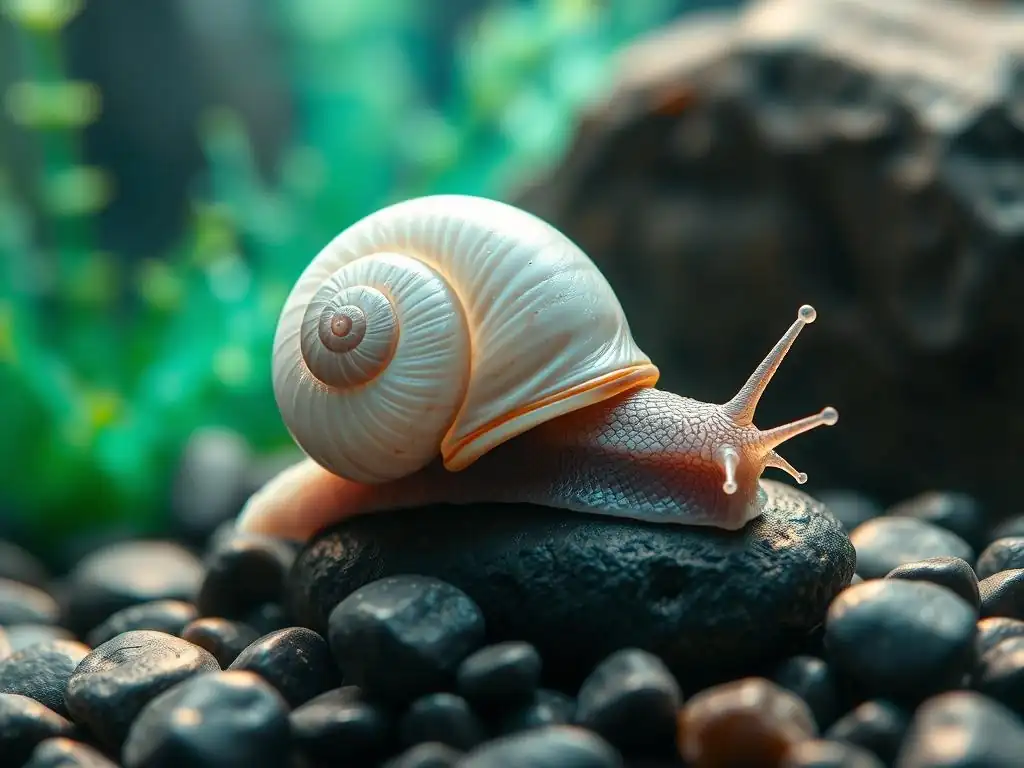
The Yellow Rabbit Snail, often identified as Tylomelania zemis or Tylomelania perfecta, is one of the most recognizable and popular varieties in the aquarium hobby. Its striking appearance, characterized by a vibrant yellow or creamy-white body contrasting with a dark, often black, conical shell, makes it an attractive addition to any freshwater tank. These snails typically grow to about 3 inches (7.5 cm) in length, showcasing their distinctive "rabbit-like" antennae and long snout as they explore.
Their popularity stems not only from their aesthetic appeal but also from their relatively straightforward care requirements, which align with general rabbit snail aquarium care guidelines. They are active during the day, constantly sifting through the substrate and grazing on surfaces, providing both visual interest and practical benefits to the aquarium ecosystem. Their hardiness, when provided with stable, warm, and hard water conditions, makes them an excellent choice for both novice and experienced aquarists looking to add a splash of color and unique behavior.
Chocolate Rabbit Snails: Adding Variety to Your Tank
Chocolate Rabbit Snails, often referred to as Tylomelania sp. "Chocolate", offer a more subdued yet equally appealing aesthetic compared to their brighter counterparts. These snails typically feature shells and bodies that range from deep brown to nearly black, providing a rich, earthy tone to the aquarium. Their dark coloration can create a striking contrast against lighter substrates or vibrant green plants, adding depth and a sense of natural beauty to the tank's landscape.
Like other Tylomelania species, Chocolate Rabbit Snails exhibit the characteristic elongated shell and active foraging behavior. They typically grow to a similar size, around 3 inches (7.5 cm), and share the same fundamental requirements for rabbit snail aquarium care, including warm, hard, and alkaline water, and a fine substrate for burrowing. Their robust nature and unique coloration make them a desirable option for aquarists aiming for a diverse collection of freshwater invertebrates.
Orange Rabbit Snails: Brightening Up Your Aquarium
Orange Rabbit Snails, a broad category encompassing various Tylomelania species with orange body coloration, are sought after for their ability to add a bright, cheerful element to the aquarium. The intensity of their orange can vary significantly, from a pale, almost peach hue to a deep, fiery tangerine, often complemented by a dark or patterned shell. This vibrant coloring makes them stand out against green foliage or dark substrates, instantly drawing the eye.
These snails typically reach an adult size of 2 to 4 inches (5 to 10 cm), depending on the specific variety, and display the same active, substrate-sifting behaviors characteristic of the genus. Their care mirrors that of other Rabbit snails, emphasizing stable warm temperatures, alkaline water with sufficient hardness, and a calcium-rich diet to support their shell health and maintain their brilliant coloration. Their vivid appearance makes them a fantastic choice for aquarists desiring a lively and colorful invertebrate presence in their tank.
Poso Orange Rabbit Snail: Striking Coloration
The Poso Orange Rabbit Snail, specifically known as Tylomelania sp. "Poso Orange", is a particularly prized variety within the Tylomelania genus, celebrated for its exceptionally vibrant and intense orange body coloration. Originating specifically from Lake Poso in Sulawesi, Indonesia, this snail often exhibits a striking contrast between its brilliant orange foot and a dark, sometimes black or heavily patterned, conical shell. This vivid hue makes it one of the most visually captivating Rabbit snail types available.
Reaching an adult size of approximately 3-4 inches (7.5-10 cm), the Poso Orange Rabbit Snail shares the same general care requirements as other Tylomelania species. They thrive in warm (76-84°F / 24-29°C), hard, and alkaline water (pH 7.5-8.5), which mimics their natural lake environment. Providing a fine sand substrate is crucial for their burrowing activities, and a diet rich in calcium ensures their shells remain healthy and their colors vibrant, making proper rabbit snail aquarium care key to showcasing their beauty.
Mini Rabbit Snail: Smaller Size, Similar Care
The Mini Rabbit Snail, often identified as Tylomelania sp. "Mini", offers all the charm and unique characteristics of its larger cousins but in a more compact package. These smaller varieties typically reach an adult size of only 1 to 1.5 inches (2.5-3.8 cm), making them an excellent option for smaller aquariums or those where larger snails might seem overwhelming. Despite their diminutive size, they retain the iconic conical shell, long snout, and active burrowing behavior.
Their care requirements are virtually identical to those of larger Rabbit snails, necessitating warm, hard, and alkaline water parameters (e.g., pH 7.5-8.5, GH 8-15 dGH) and a fine substrate. They also benefit from a calcium-rich diet to support their shell development. The Mini Rabbit Snail demonstrates that even smaller invertebrates can contribute significantly to the tank's ecosystem and aesthetic, proving that excellent rabbit snail aquarium care is applicable across all sizes of this fascinating species.
Avoiding Common Mistakes in Rabbit Snail Aquarium Care
Overlooking Water Quality: The Number One Mistake
The most significant and frequently made mistake in rabbit snail aquarium care is overlooking or neglecting consistent water quality. Rabbit snails are particularly sensitive to fluctuating or poor water parameters, especially sudden spikes in ammonia or nitrite, which are highly toxic to them. Many aquarists, accustomed to hardier fish species, might not realize the immediate impact of even minor water parameter shifts on these invertebrates.
Failure to maintain stable pH (ideally 7.5-8.5) and sufficient hardness (GH 8-15 dGH, KH 5-10 dKH) is another critical error. Soft or acidic water will inevitably lead to shell erosion and other debilitating health issues over time, weakening the snail and making it susceptible to disease. Regular testing with a reliable liquid test kit and performing consistent partial water changes (e.g., 25-30% weekly) are non-negotiable practices for ensuring their long-term health and preventing this common pitfall.
Introducing Unsuitable Tank Mates
A common mistake that can lead to stress, injury, or even death for Rabbit snails is the introduction of unsuitable tank mates. Due to their slow movement and soft, exposed foot and antennae, Rabbit snails are vulnerable to harassment or predation by aggressive or opportunistic fish and invertebrates. Many aquarists mistakenly believe that if a fish doesn't explicitly eat snails, it will be compatible, which is often not the case.
Fish species known for nipping at fins, such as certain barbs or even some larger livebearers, can cause significant stress or physical damage to a snail's delicate antennae and snout. Predatory invertebrates like most crayfish or freshwater crabs view snails as a food source and will actively hunt them. Thorough research into the compatibility of any potential tank mate is essential to prevent these issues and ensure a peaceful, safe environment, which is a cornerstone of effective rabbit snail aquarium care.
Neglecting Diet and Nutrition
Another frequent oversight in rabbit snail aquarium care is neglecting their specific dietary and nutritional needs. While Rabbit snails are efficient scavengers and detritivores, relying solely on leftover fish food or natural algae in the tank is often insufficient for their long-term health and shell development. A diet lacking in variety or essential nutrients, particularly calcium, can lead to stunted growth, poor shell quality, and a diminished lifespan.
Many common aquarium foods designed for fish may not provide the necessary calcium or other minerals in sufficient quantities for snails. Failing to supplement their diet with calcium-rich foods like cuttlebone, specialized snail pellets, or blanched vegetables can result in visible shell pitting or thinning. Providing a consistent and varied diet, including sinking wafers, blanched greens, and calcium sources, is vital to ensure these unique beauties receive the comprehensive nutrition required to thrive.
Conclusion: Enjoying Your Majestic Rabbit Snails
Frequently Asked Questions
What are Rabbit Snails and why are they popular in aquariums?
Rabbit Snails, scientifically known as Tylomelania spp., are freshwater snails native to Indonesia. They are popular due to their unique appearance, peaceful nature, and algae-eating abilities, making them beneficial additions to many aquariums.
What are the ideal water parameters for Rabbit Snails in an aquarium?
Rabbit Snails thrive in warm, slightly alkaline water. Aim for a temperature range of 78-82°F (25-28°C) and a pH between 7.0 and 8.5. Stable water parameters are crucial for their health.
What do Rabbit Snails eat, and how often should I feed them?
Rabbit Snails are primarily detritivores and algae eaters. Supplement their diet with algae wafers, blanched vegetables, and fish food if algae is scarce. Feed them 2-3 times per week to ensure they get enough nutrients.
Are Rabbit Snails compatible with other aquarium inhabitants?
Rabbit Snails are generally peaceful and compatible with most community fish and invertebrates. Avoid keeping them with aggressive fish that might nip at their antennae or snails that might compete for algae. They are safe with plants as they don't typically eat them.
What are some common health issues to watch out for with Rabbit Snails?
Common issues include shell erosion due to poor water quality or lack of calcium. Ensure your aquarium water is properly buffered and provide a calcium supplement. Also, monitor for unusual behavior or changes in appetite, which could indicate underlying problems.
Final Reflection: Appreciating the Gentle Giants of the Aquarium
The journey into understanding Rabbit Snail Aquarium Care reveals more than just the practicalities of keeping these fascinating creatures. It highlights the growing appreciation for biodiversity within our own homes and the responsibility we bear as custodians of these unique ecosystems. The increasing popularity of Rabbit Snails is a testament to our desire for connection with the natural world, even within the confines of a glass tank.
This exploration has underscored the delicate balance required to successfully maintain a thriving aquarium environment for these gentle giants. It's not simply about following a checklist; it's about understanding their needs, observing their behavior, and adapting our practices accordingly. In the end, we will conserve only what we love; we will love only what we understand; and we will understand only what we are taught.
- Baba Dioum. This quote resonates deeply, reminding us that knowledge is the key to fostering genuine appreciation and responsible care.
Now, as you embark on, or continue, your journey with Rabbit Snails, I encourage you to reflect on the impact of your choices. Consider the ripple effect of responsible aquarium keeping – from supporting ethical breeders to contributing to the overall health of our planet's aquatic ecosystems. Let your aquarium be a microcosm of the world you wish to see: one where beauty, balance, and respect for all living things thrive.
Dive Deeper: Unleash the Beauty of Rabbit Snails!
Thank you for exploring the captivating world of Rabbit Snails with us! Now that you're armed with the knowledge to care for these unique creatures, let's turn that knowledge into action.
Here's how you can further connect with the world of Tylomelania:
- Start Planning Your Rabbit Snail Paradise: Before you acquire any snails, carefully consider the specific needs outlined in this article. Which color variations appeal to you most? What tank setup will best mimic their natural habitat?
- Explore Advanced Care Techniques: Research specialized diets and breeding methods for Rabbit Snails. Delve into creating optimal water parameters to unlock their full potential.
- Share Your Snail Expertise: Inspire others by sharing this article with fellow aquarium enthusiasts! Let's cultivate a thriving community of Rabbit Snail lovers.
Ready to transform your aquarium into a Rabbit Snail haven?