
Why Are My African Cichlids Fighting? Top Reasons & Solutions

Welcome to Aquarium Mastery!
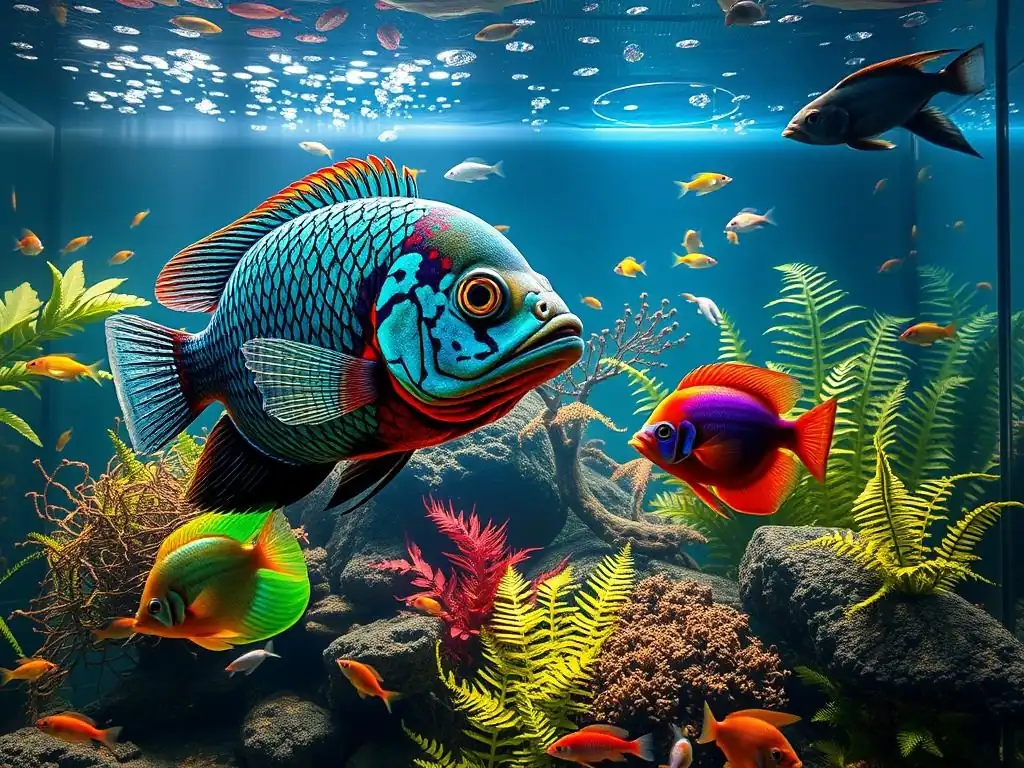
Ever wondered why your vibrant African cichlids are suddenly at each other's fins? Unraveling the mystery of African cichlid aggression is crucial for a peaceful and thriving aquarium. Dive in to discover the top reasons behind their brawls and, more importantly, proven solutions to restore harmony in your underwater world. Let's transform your tank from a battlefield to a balanced ecosystem!
- Understanding African Cichlid Aggression: A Guide for Aquarium Keepers
- Overcrowding and Territory Disputes: The Primary Drivers of Cichlid Fights
- Improper Species Selection: Mixing Incompatible African Cichlids
- Water Quality Issues: Stress and Aggression in African Cichlids
- Inadequate Diet: Nutritional Deficiencies and Increased Aggression
- Lack of Hiding Places: Creating a Secure Environment for African Cichlids
- Sex Ratios and Breeding Behavior: Aggression Related to Mating
- Effective African Cichlid Aggression Solutions: A Step-by-Step Approach
- Preventing Future Aggression: Proactive Measures for a Peaceful African Cichlid Tank
- Species-Specific Aggression: Understanding Mbuna vs. Peacock Cichlid Behavior.
-
Frequently Asked Questions
- Why are my African Cichlids constantly fighting?
- What are the most common signs of aggression in African Cichlids?
- How does tank size affect African Cichlid aggression?
- What role does overpopulation play in African Cichlid aggression?
- What are some effective solutions for managing African Cichlid aggression?
- Final Reflection: Navigating the Waters of Cichlid Harmony
- Stop the Scuffle: Empower Your Cichlids' Community!
Understanding African Cichlid Aggression: A Guide for Aquarium Keepers
Decoding Cichlid Behavior: Recognizing Signs of Aggression
African cichlids are renowned for their vibrant colors and dynamic personalities, but also for their inherent aggression. Recognizing the early signs of this behavior is crucial for maintaining a peaceful aquarium. Initial indicators often include increased chasing, fin nipping, and flaring of gills, where a cichlid spreads its gill covers to appear larger and more intimidating. You might also observe dominant fish displaying more intense coloration while subdominant individuals become pale or hide frequently.
As aggression escalates, these behaviors become more pronounced and potentially harmful. You might see fish with torn fins, missing scales, or even visible bite marks. Severely bullied fish may become lethargic, refuse to eat, or constantly hide, showing clear signs of chronic stress. Early detection, often within the first few days of a new fish introduction or a change in tank dynamics, can prevent serious injury or fatalities and help implement African cichlid aggression solutions.
Why African Cichlids Fight: Common Causes of Aggression in the Aquarium
The aggressive tendencies of African cichlids stem from their natural behaviors in the wild, primarily centered around establishing dominance, defending territories, and securing breeding rights. Species from the Rift Lakes of Africa, such as Mbuna, are particularly territorial, often defending small rock territories from rivals. This innate drive, when confined to an aquarium environment, can lead to intense conflicts if conditions are not optimized.
Several factors commonly trigger or exacerbate this aggression in captivity. These include insufficient tank size, improper species selection, poor water quality, inadequate diet, lack of hiding places, and imbalances in sex ratios. Understanding these underlying causes is the first step towards effectively managing and mitigating African cichlid aggression.
Overcrowding and Territory Disputes: The Primary Drivers of Cichlid Fights
Tank Size Matters: How Overcrowding Leads to African Cichlid Aggression
Insufficient tank size is a leading cause of African cichlid aggression. In a confined space, fish cannot establish adequate territories, leading to constant encroachment and conflict. For instance, a 20-gallon tank is completely unsuitable for most African cichlid species, often resulting in severe aggression and fatalities within weeks, as a single adult Mbuna like a Pseudotropheus demasoni can claim a territory of 1 square foot. A general rule of thumb for many Mbuna species is a minimum of a 55-gallon tank for a small colony, with 75 gallons or more being ideal for a diverse community.
Larger tanks, especially those 75 gallons (approximately 6 feet long) or more, allow for greater dispersion of aggression. This is often referred to as "dilution" of aggression, where the dominant fish has multiple targets, preventing any single fish from being relentlessly bullied. Without sufficient room, stress levels skyrocket, contributing significantly to heightened African cichlid aggression.
Defining Territories: The Importance of Space and Decorations
African cichlids, particularly Mbuna, are highly territorial and use rocks, caves, and other decorations to define their personal spaces. If the tank lacks sufficient structures or if they are poorly arranged, territories will overlap, leading to continuous disputes. A dominant male might claim a prime cave or a large rock structure, aggressively defending an area 10-15 inches in diameter around it.
Proper aquascaping is vital to minimize territorial conflicts. Providing numerous caves, crevices, and visual barriers allows subdominant fish to retreat and escape aggression. Without these defined territories and escape routes, constant confrontation over prime spots will ensue, making African cichlid aggression solutions a daily necessity.
Reducing Overcrowding: Practical Steps for a Peaceful Tank
To reduce aggression stemming from overcrowding, several practical steps can be taken. The most direct solution is to re-home excess fish, ensuring that the remaining population has ample space. If space allows, upgrading to a larger tank is often the most effective long-term strategy for a thriving cichlid community.
Paradoxically, for Mbuna cichlids, a carefully managed "overstocking" approach can sometimes diffuse aggression by spreading it among more targets, preventing any single fish from becoming the sole victim. However, this method demands excellent filtration and diligent water quality management. For example, a 75-gallon tank might comfortably house 15-20 adult Mbuna when properly overstocked and filtered, compared to just 5-7 in a more lightly stocked setup. This strategy is a common African cichlid aggression solution for experienced aquarists.
Improper Species Selection: Mixing Incompatible African Cichlids
Aggressive Species Combinations: Avoiding Common Mistakes
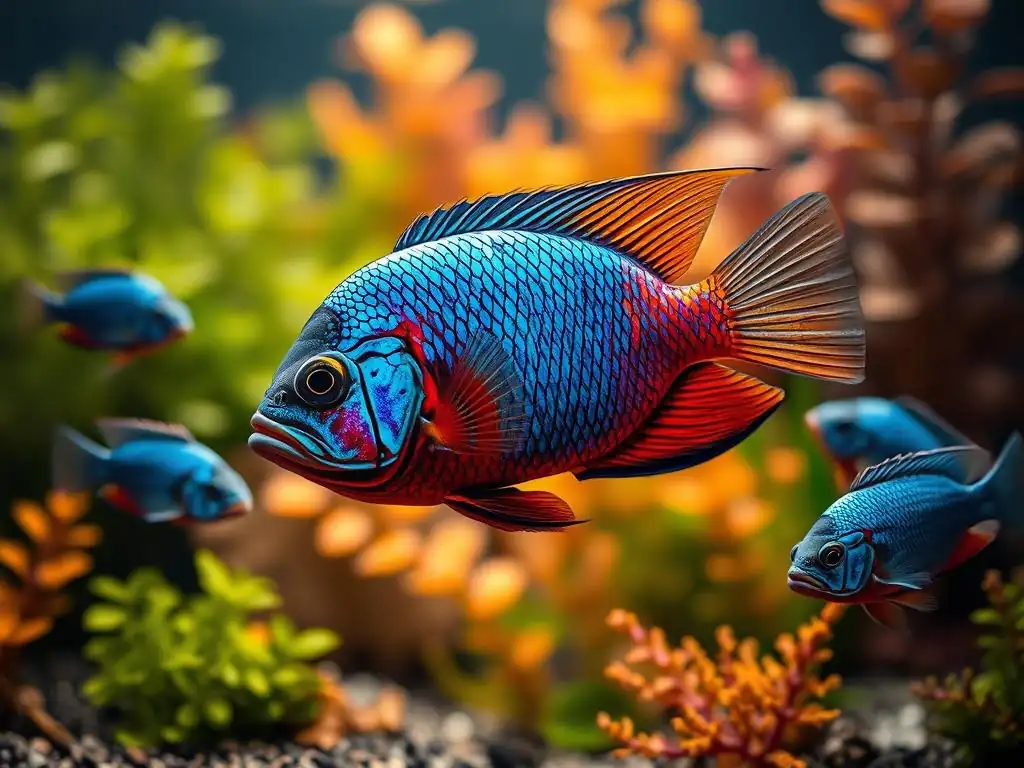
Mixing incompatible African cichlid species is a frequent cause of aggression. Some species are inherently more aggressive than others, and pairing them incorrectly can lead to relentless bullying and even death. For instance, highly assertive Mbuna species like Melanochromis auratus or Pseudotropheus demasoni should generally not be housed with more docile Peacocks ( Aulonocara) or Haps ( Haplochromis), as their temperaments and dietary needs often differ significantly.
Specific examples of problematic mixes include pairing the notoriously aggressive Pseudotropheus zebra with the comparatively timid Labidochromis caeruleus (Electric Yellow cichlid), which often results in the Electric Yellow being constantly harassed and stressed. Similarly, combining different Mbuna species with vastly different adult sizes can also lead to issues, as larger, more robust species will naturally dominate and stress smaller ones.
Choosing Compatible Tank Mates: Building a Harmonious Cichlid Community
Building a harmonious African cichlid community requires careful selection of tank mates based on similar aggression levels, adult size, and dietary requirements. It is often best to stick to species from the same group (e.g., Mbuna with other Mbuna, Peacocks with other Peacocks or Haps) that share similar environmental needs. For example, several Metriaclima species can often be housed together successfully, or certain Aulonocara species can coexist peacefully with Sciaenochromis in larger tanks.
When selecting species, prioritize those known for their relatively peaceful temperament within their group. For instance, Labidochromis caeruleus (Electric Yellow) is generally considered one of the least aggressive Mbuna, making it a good foundation for a mixed Mbuna tank. Always aim for species that mature to a similar size and have comparable levels of assertiveness to minimize conflict and enhance African cichlid aggression solutions.
Researching Cichlid Temperaments: Before You Buy
Thorough research into the temperament and specific needs of each African cichlid species is paramount before making any purchase. Rely on reputable sources like AquariumMastery.com, specialized cichlid forums, and knowledgeable staff at dedicated local fish stores. Understanding a cichlid's natural behavior, maximum adult size, and preferred diet will inform your choices.
Creating a compatibility chart for potential tank mates, listing their adult size, dietary needs, and aggression ratings (e.g., peaceful, semi-aggressive, aggressive, highly aggressive), can prevent costly and heartbreaking mistakes. This proactive approach ensures that you select species that are likely to coexist peacefully, significantly reducing the need for reactive African cichlid aggression solutions down the line.
Water Quality Issues: Stress and Aggression in African Cichlids
The Impact of Poor Water Quality on Cichlid Behavior
Poor water quality is a significant stressor for African cichlids, directly impacting their health and behavior. Chronic exposure to suboptimal water parameters, such as elevated ammonia or nitrite, or wildly fluctuating pH, can weaken their immune systems, making them more susceptible to disease. A stressed fish is also an irritable fish, more prone to displaying aggression and less tolerant of its tank mates.
When water parameters are out of acceptable ranges, cichlids may exhibit symptoms like clamped fins, lethargy, loss of appetite, and dull coloration. These physiological stressors contribute to increased territorial disputes and general irritability within the tank, making water quality management a critical component of African cichlid aggression solutions.
Ammonia, Nitrite, and Nitrate: Maintaining Optimal Water Parameters
Maintaining optimal water parameters is fundamental to cichlid health and temperament. In an established nitrogen cycle, ammonia (NH3/NH4+) and nitrite (NO2-) should always be at 0 parts per million (ppm). Nitrate (NO3-), the end product of the nitrogen cycle, should be kept below 20 ppm, with many experienced aquarists aiming for 5-10 ppm for their African cichlids. The ideal pH for most African Rift Lake cichlids ranges from 7.8 to 8.6, with minimal fluctuations.
Regular testing, at least bi-weekly for established tanks and weekly for newer setups, is essential to monitor these parameters. Spikes in ammonia or nitrite can cause severe gill damage and poisoning, while persistently high nitrates lead to chronic stress and a weakened immune system, all of which contribute to an increase in African cichlid aggression.
Regular Water Changes: A Key to Reducing Cichlid Stress and Aggression
Regular water changes are the most effective method for maintaining stable water parameters and preventing the buildup of harmful nitrates. A weekly water change of 25-30% is a standard recommendation for most African cichlid tanks. For heavily stocked tanks or those with larger fish, increasing the frequency or volume (e.g., 50% weekly) may be necessary.
Consistent water changes remove dissolved organic compounds and nitrates, replenishing essential minerals and buffering capacity. This consistency reduces overall stress on the fish, leading to a calmer and more harmonious environment. By providing stable, clean water, aquarists can significantly mitigate stress-induced African cichlid aggression.
Inadequate Diet: Nutritional Deficiencies and Increased Aggression
The Importance of a Balanced Cichlid Diet
A balanced and appropriate diet is crucial for the health and temperament of African cichlids. Different groups have distinct dietary needs: Mbuna are primarily herbivorous or omnivorous, requiring a diet high in vegetable matter, while Peacock and Hap cichlids are generally carnivorous or omnivorous, needing more protein. Feeding the wrong diet can lead to nutritional deficiencies, digestive issues, and increased stress, all contributing to aggression.
For example, feeding Mbuna a diet too high in protein can lead to Malawi bloat, a severe and often fatal digestive illness. Conversely, feeding carnivorous Peacocks only vegetable flakes can result in stunted growth and vitamin deficiencies. Both scenarios compromise fish health, making them more irritable and prone to displaying African cichlid aggression.
Food Competition: Ensuring All Cichlids Get Enough to Eat
Competition for food can be a significant trigger for aggression, especially in community tanks. Dominant fish often monopolize feeding areas, preventing subdominant or shyer individuals from getting enough to eat. This chronic food scarcity leads to stress, malnourishment, and increased aggression among tank inhabitants striving for survival.
To mitigate food competition, scatter food across the entire surface of the tank rather than in one spot. Feeding multiple small portions throughout the day can also ensure that all fish have an opportunity to feed. Observe your fish during feeding times; if certain individuals consistently miss out, it's a clear sign that food distribution or tank hierarchy needs adjustment, which is a key part of African cichlid aggression solutions.
Varying the Diet: Reducing Aggression Through Nutritional Enrichment
Varying the diet not only ensures comprehensive nutrition but also provides mental stimulation for your cichlids, reducing boredom and stress-induced aggression. High-quality cichlid pellets or flakes should form the staple diet, but these should be supplemented with appropriate treats. For Mbuna, spirulina flakes, blanched zucchini, or occasional small amounts of high-quality veggie pellets are beneficial. For Peacocks and Haps, frozen Mysis shrimp, bloodworms, or krill can be excellent additions.
For instance, feeding a spirulina-based flake to Mbuna 3-4 times a week, supplemented by a quality cichlid pellet, ensures proper nutrition and gut health. This nutritional enrichment keeps fish healthier and more content, reducing stress that might otherwise manifest as aggression. A well-fed, healthy cichlid is less likely to engage in unnecessary African cichlid aggression.
Lack of Hiding Places: Creating a Secure Environment for African Cichlids
Providing Shelter: The Role of Rocks, Caves, and Plants
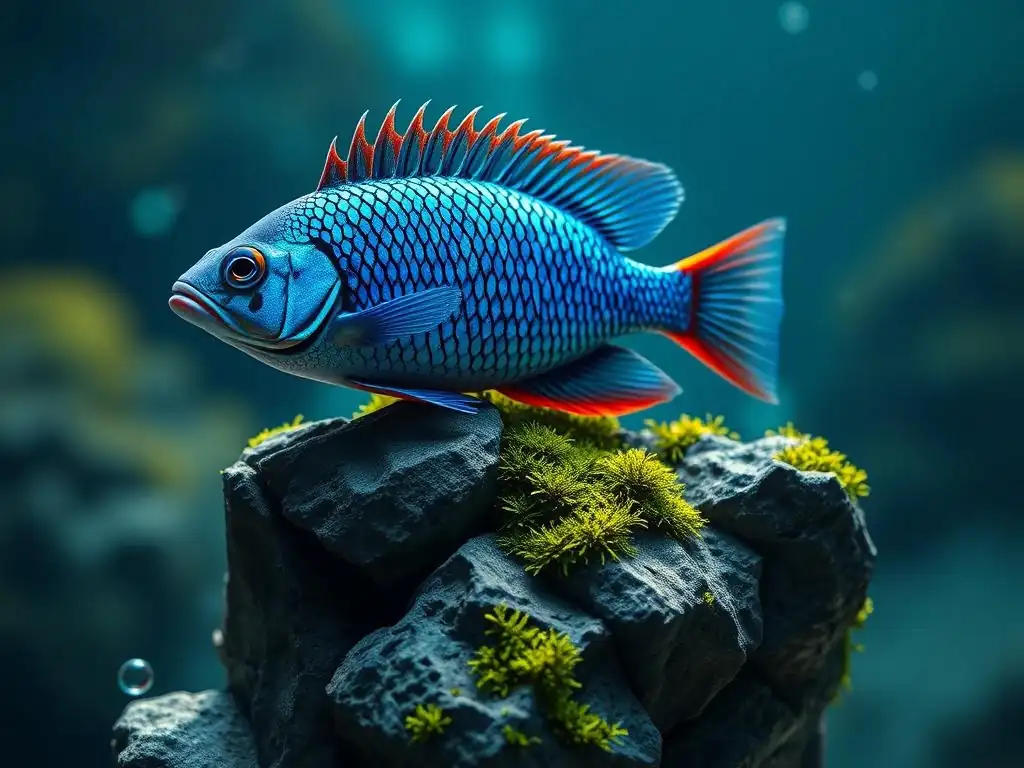
A lack of adequate hiding places is a major contributor to African cichlid aggression. Hiding spots provide essential refuges for subdominant or bullied fish, allowing them to escape harassment and reduce stress. They also serve as territorial markers for dominant individuals, reducing the need for constant, aggressive enforcement of boundaries.
The ideal decor for African cichlids includes an abundance of natural rocks (like lava rock, Texas holey rock, or slate), ceramic caves, and PVC pipes disguised with rockwork. Each fish in the tank should ideally have at least one perceived hiding spot or a clear line of retreat. Without sufficient cover, weaker fish are constantly exposed and stressed, leading to increased African cichlid aggression.
Decorating for Peace: Minimizing Territorial Disputes with Aquascaping
Strategic aquascaping is crucial for minimizing territorial disputes. Instead of simply piling rocks, create complex rock structures with multiple caves, tunnels, and swim-throughs. This intricate layout breaks up lines of sight, preventing dominant fish from constantly seeing and harassing their rivals. It also provides numerous distinct territories, reducing competition over prime real estate.
For a 75-gallon African cichlid tank, aiming for 20-30 pounds of strategically placed rockwork can make a significant difference. Build structures that extend from the substrate to near the water surface, creating vertical territories as well as horizontal ones. This detailed approach to aquascaping is a highly effective African cichlid aggression solution.
Creating Visual Barriers: Breaking Up Sightlines to Reduce Aggression
Visual barriers are key to diffusing aggression in an African cichlid tank. By obstructing the direct line of sight between fish, you reduce the opportunities for dominant individuals to constantly assert their presence. This can be achieved through tall rock formations, large pieces of driftwood (if compatible with the desired water parameters), or even robust, heavily rooted plants like Anubias or Java Fern, although many cichlids will uproot plants.
Consider creating distinct "zones" within the tank using rockwork, where fish can establish territories without constantly being in view of their neighbors. This architectural design helps to reduce perceived crowding and allows subdominant fish to feel more secure, thereby lowering overall stress and mitigating African cichlid aggression.
Understanding Male Dominance and Female Harassment
Male African cichlids are naturally dominant and highly territorial, especially when they are ready to breed. In a tank with an imbalanced sex ratio, a single male may relentlessly harass females to breed, leading to severe stress, injury, or even death for the females. This constant pursuit prevents females from eating, resting, or hiding effectively.
Similarly, males will aggressively confront other males of the same or similar species to assert dominance and secure breeding rights. This male-on-male aggression can be particularly intense, often resulting in one male becoming severely bullied or killed if there are not enough females to diffuse the aggression, or if the tank is too small for multiple males to establish distinct territories.
Adjusting sex ratios is one of the most effective African cichlid aggression solutions related to breeding behavior. For most African cichlid species, a ratio of one male to three to five females (1M:3-5F) is recommended. This ensures that the male's breeding drive is distributed among multiple females, preventing any single female from being over-harassed. For instance, in a colony of Pseudotropheus demasoni, a 1:4 male-to-female ratio is crucial due to the male's intense aggression.
While sexing juvenile cichlids can be challenging, striving for these ratios significantly reduces breeding-related stress and aggression. If you find yourself with too many males, re-homing some can dramatically improve the peace within the tank.
Separate Breeding Tanks: A Solution for Highly Aggressive Breeders
For particularly aggressive or prolific breeding species, or if you aim to maximize fry survival, setting up a separate breeding tank is an excellent solution. This allows the breeding pair (or a male and a few females) to focus on spawning without the stress of a community tank. A 20-gallon long tank can be suitable for a small breeding pair of Mbuna.
Moving the breeding group to a dedicated tank removes the breeding-related aggression from the main display tank, benefiting all inhabitants. It also provides a safe, controlled environment for the fry to develop, away from the predatory instincts of adult cichlids. This specific approach is a highly effective African cichlid aggression solution for managing intense breeding behaviors.
Effective African Cichlid Aggression Solutions: A Step-by-Step Approach
Step 1: Assessing the Situation: Identifying the Root Cause of Aggression
When African cichlids start fighting, the first step is to systematically assess the situation to identify the root cause. Begin by observing the specific fish involved, noting who is aggressive towards whom, when the aggression occurs (e.g., feeding time, specific areas of the tank), and where it takes place (e.g., around a certain rock, in open water). Immediately test your water parameters for ammonia, nitrite, nitrate, and pH to rule out water quality issues.
Create a checklist to systematically review potential factors: Is the tank size adequate for the number and species of fish? Are the species compatible? Is the diet appropriate and varied? Are there enough hiding places and visual barriers? Is the sex ratio balanced? This diagnostic approach is crucial for implementing targeted and effective African cichlid aggression solutions.
Step 2: Implementing Immediate Solutions: Water Changes and Re-arranging the Tank
Once you have an initial assessment, implement immediate solutions to alleviate stress and diffuse aggression. A large water change (e.g., 50%) can significantly reduce accumulated nitrates and other stressors, providing immediate relief. Simultaneously, re-arranging the tank decor – moving rocks, caves, and other structures – can disrupt established territories.
This disruption forces all fish, including the dominant ones, to re-establish their territories, often leading to a temporary truce or a shift in the pecking order. This simple yet effective tactic can buy you time to implement more long-term African cichlid aggression solutions. If a fish is severely bullied, temporarily isolating it in a breeder box within the tank can provide a safe space.
Step 3: Long-Term Strategies: Re-homing, Re-stocking, and Improving Tank Conditions
For persistent aggression, long-term strategies are necessary. If a particular fish is an unmanageable bully, re-homing it to a more suitable tank or finding it a new owner is often the best course of action. Conversely, if the tank is understocked for Mbuna, carefully adding more compatible fish can sometimes diffuse aggression by spreading it out among more targets.
Ultimately, addressing the fundamental issues identified in Step 1 is key. This might involve upgrading to a larger tank if overcrowding is severe, adjusting the diet to meet specific nutritional needs, or consistently maintaining optimal water parameters through regular maintenance. For example, if nitrates are consistently above 40 ppm, increasing water change frequency to 50% twice weekly might be necessary. These comprehensive approaches form the backbone of sustainable African cichlid aggression solutions.
Preventing Future Aggression: Proactive Measures for a Peaceful African Cichlid Tank
Regular Observation: Monitoring Cichlid Behavior for Early Warning Signs
Proactive prevention of aggression begins with diligent observation. Make it a daily habit to spend a few minutes watching your African cichlids. Look for subtle changes in behavior such as increased hiding, clamped fins, rapid breathing, or a sudden loss of color in certain individuals, which can all be early indicators of stress or bullying. Notice if specific fish are consistently chasing or nipping others.
Early detection allows for timely intervention before aggression escalates into serious harm. A fish that consistently hides behind the filter or in a corner for more than 24 hours without emerging to feed is a significant red flag that requires immediate investigation and potential application of African cichlid aggression solutions.
Maintaining Optimal Tank Conditions: A Consistent Approach to Cichlid Care
Consistency in tank maintenance is paramount for preventing aggression. This includes adhering to a strict schedule for water changes, filter cleaning, and water parameter testing. Stable water quality, appropriate temperature (typically 78-82°F or 25.5-27.8°C), and a balanced diet contribute significantly to the overall health and well-being of your cichlids, reducing stress that often leads to aggression.
Establish a routine: perform a 25-30% water change weekly, clean filter media bi-weekly (rinsing in old tank water), test water parameters monthly, and feed high-quality food daily. This consistent, disciplined approach to care creates a stable and predictable environment, minimizing stressors that could trigger African cichlid aggression.
Continuous Learning: Staying Informed About African Cichlid Needs
The world of African cichlids is vast and diverse, with unique needs for each species. Continuous learning and staying informed about specific species requirements, new care techniques, and common issues are vital for long-term success. Resources like AquariumMastery.com, specialized online forums, and local cichlid clubs offer invaluable insights and practical advice.
Understanding the nuances of Mbuna vs. Peacock diets, the aggression levels of various Haplochromis species, or the latest filtration technologies can help you refine your husbandry practices. This ongoing education empowers you to anticipate potential problems and implement preventative measures, ensuring a peaceful and thriving African cichlid tank and minimizing the need for reactive African cichlid aggression solutions.
Species-Specific Aggression: Understanding Mbuna vs. Peacock Cichlid Behavior.
Understanding the distinct aggression patterns between Mbuna and Peacock cichlids is crucial for successful mixed-species tanks. Mbuna, often originating from rocky shorelines, are highly territorial rock-dwellers. Their aggression is typically direct and physical, involving chasing, fin nipping, and defending specific caves or rock formations from conspecifics and similarly shaped fish, particularly males. For instance, a male Metriaclima estherae (Red Zebra Mbuna) will vigorously defend a chosen cave, often engaging in head-to-head confrontations.
Peacock ( Aulonocara) and Hap ( Haplochromis, Sciaenochromis) cichlids, on the other hand, generally exhibit less physical aggression compared to Mbuna. Peacocks are typically open-water swimmers whose aggression focuses more on elaborate displays, flaring, and chasing to establish dominance among males, rather than constant physical altercations over rock territories.
Haps can be predatory but their inter-cichlid aggression within a community tank is often about asserting hierarchical dominance in the water column, especially in larger tanks where they can cruise open water. For example, a male Aulonocara jacobfreibergi (Eureka Red Peacock) will primarily display to other males, only occasionally engaging in brief chases, a stark contrast to the persistent territorial battles of many Mbuna species, highlighting the diverse nature of African cichlid aggression solutions.
Frequently Asked Questions
Why are my African Cichlids constantly fighting?
African Cichlids are naturally territorial and aggressive, especially within a confined aquarium environment. This aggression is often driven by competition for territory, mates, and food resources.
What are the most common signs of aggression in African Cichlids?
Common signs include chasing, nipping, lip-locking, and damage to fins or scales. Severely stressed fish may also exhibit decreased appetite and lethargy.
How does tank size affect African Cichlid aggression?
A too-small tank exacerbates aggression by forcing cichlids into close proximity, increasing competition. A larger tank provides more territorial space and reduces the likelihood of constant conflict.
What role does overpopulation play in African Cichlid aggression?
Overpopulation creates intense competition for resources and intensifies territorial disputes. Reducing the number of fish in the aquarium can dramatically decrease aggression levels.
What are some effective solutions for managing African Cichlid aggression?
Solutions include increasing tank size, adding more hiding places (rocks, caves), overstocking (responsibly) to diffuse aggression, and ensuring a proper male-to-female ratio.
The insights shared within this article highlight more than just the reasons behind African cichlid aggression; they reveal a microcosm of the delicate balance required for any thriving community. Understanding and addressing the root causes of conflict, whether it be overpopulation, incompatible species, or inadequate resources, is paramount to creating a peaceful and vibrant aquarium environment. This principle extends far beyond the glass walls of a fish tank, offering valuable lessons in conflict resolution and the importance of fostering environments that promote harmony and well-being.
The ongoing influence of responsible fishkeeping, particularly with species as complex as African cichlids, underscores the deeper connection we have with the natural world. It's a reminder that our actions, even within the confines of our homes, have a ripple effect, impacting the lives of the creatures we choose to care for. The greatness of a nation and its moral progress can be judged by the way its animals are treated.
- Mahatma Gandhi. This quote resonates deeply when considering the ethical responsibility we bear towards the animals in our care, urging us to prioritize their needs and well-being above all else.
Now, consider the lessons learned from understanding African cichlid aggression. How can you apply these principles of careful observation, proactive problem-solving, and creating a balanced environment to your own life? Take a moment to reflect on the "aquariums" you cultivate – your relationships, your workplace, your community. Are there areas where imbalances exist, leading to conflict and disharmony? By embracing the same dedication and empathy you would extend to your cichlids, you can actively contribute to building more peaceful and thriving ecosystems, both within and beyond the glass.
Stop the Scuffle: Empower Your Cichlids' Community!
Thanks for diving into the world of African Cichlids with us! We hope you've gained valuable insights into understanding and mitigating aggression in your vibrant aquatic community. Ready to create a more peaceful aquarium?
Here’s how you can take action now:
- Implement the 3-day blackout strategy to disrupt established territories and reduce aggression. This can often create a 'reset' for the fish.
- Share your own cichlid keeping experiences! Tell us in the comments what methods have worked (or haven't worked!) for you to reduce aggression.
- Consider re-arranging your hardscape to create new territories.
What innovative approach will you try this week to restore harmony in your cichlid tank?