
Marsilea Hirsuta: The CloverLike Carpet That's Surprisingly Easy

Welcome to Aquarium Mastery!
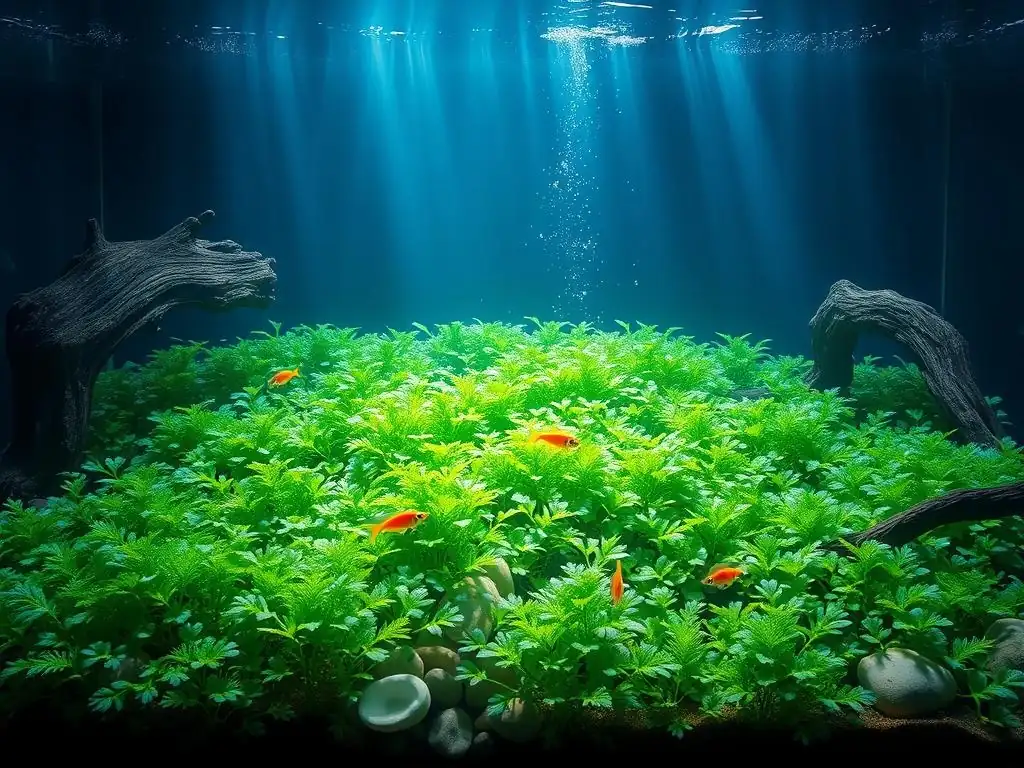
Ever dreamt of a lush, verdant carpet rippling gently across the floor of your aquarium, transforming it into an underwater paradise? Dive in and discover the secrets to easily cultivating Marsilea hirsuta, the surprisingly low-maintenance clover-like plant that's taking the aquascaping world by storm. Ready to unlock the simple steps to achieving stunning results, even if you're a beginner? Let's explore the Marsilea hirsuta easy care secrets that await!
- Understanding Marsilea Hirsuta: An Easy Carpeting Plant for Beginners
- Marsilea Hirsuta Easy Care Guide: Setting Up Your Tank for Success
- Maintaining Your Marsilea Hirsuta Carpet: Tips and Tricks
- Common Problems and Solutions: Troubleshooting Marsilea Hirsuta Issues
- Marsilea Hirsuta vs. Other Carpeting Plants: A Comparison
- Creating a Stunning Aquascape with Marsilea Hirsuta: Inspiration and Ideas
- Marsilea Hirsuta: A Beginner-Friendly Carpeting Plant for a Beautiful Aquarium
-
Frequently Asked Questions
- How easy is Marsilea hirsuta to care for, really?
- What are the ideal water parameters for growing Marsilea hirsuta?
- Does Marsilea hirsuta require CO2 injection to grow well?
- What kind of lighting does Marsilea hirsuta need?
- What are some common problems associated with growing Marsilea hirsuta, and how can I fix them?
- Final Reflection: Cultivating Simplicity in the Aquatic World
- Cultivate Your Aquatic Oasis: Unleash the Beauty of Marsilea Hirsuta!
Understanding Marsilea Hirsuta: An Easy Carpeting Plant for Beginners
What is Marsilea Hirsuta? Introduction to This Unique Aquatic Plant
Marsilea hirsuta is a fascinating aquatic fern, often admired for its distinctive clover-like appearance when grown submersed in an aquarium. Native to regions of Australia and Southeast Asia, this plant belongs to the family Marsileaceae and is particularly sought after by aquascapers for its ability to form a lush, vibrant green carpet across the aquarium substrate. Unlike many other carpeting plants, Marsilea hirsuta exhibits remarkable adaptability, making it a popular choice for hobbyists ranging from beginners to seasoned experts.
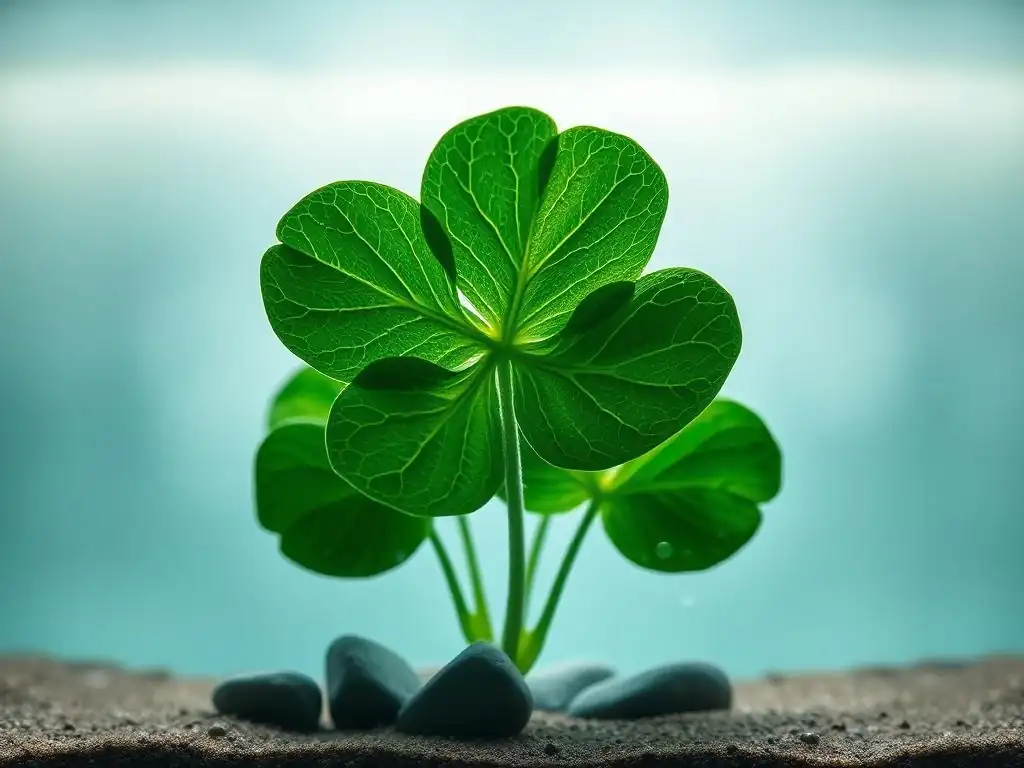
One of the most intriguing aspects of Marsilea hirsuta is its dimorphic leaf structure. In optimal high-light, CO2-rich environments, the plant typically displays its characteristic four-leaf clover shape, growing low and dense. However, under less intense lighting or in emersed conditions, its leaves can adapt, often developing into single, elongated leaflets. This adaptability underscores its resilience and contributes to why Marsilea hirsuta easy care is a frequently discussed topic among aquarists aiming for a beautiful, low-maintenance foreground.
Why Choose Marsilea Hirsuta for Your Freshwater Aquarium?
Choosing Marsilea hirsuta for your freshwater aquarium offers several compelling advantages, particularly for those new to planted tanks or seeking a less demanding carpeting solution. Its reputation for Marsilea hirsuta easy care stems from its robust nature; it can establish and spread even in tanks without CO2 injection, albeit at a slower pace, making it far more forgiving than demanding alternatives like Hemianthus callitrichoides 'Cuba' (HC Cuba). This flexibility allows hobbyists to achieve a natural, carpeted look without the intensive setup and maintenance often associated with high-tech aquariums.
Beyond its ease of cultivation, Marsilea hirsuta provides exceptional aesthetic value. Its unique clover-like leaves create a soft, undulating texture that adds depth and natural beauty to any aquascape. It seamlessly integrates into various design styles, from serene Iwagumi layouts to complex Dutch aquariums, offering a refreshing alternative to more common carpeting plants. The ability of Marsilea hirsuta to adapt and thrive across a spectrum of aquarium conditions truly solidifies its position as an excellent choice for a stunning yet manageable foreground.
Marsilea Hirsuta Easy Care Guide: Setting Up Your Tank for Success
Essential Tank Parameters for Marsilea Hirsuta Growth
Lighting Requirements for Optimal Growth
For Marsilea hirsuta to achieve its most desirable low-growing, dense carpet form, moderate to high lighting is generally recommended. Aim for a PAR (Photosynthetically Active Radiation) value of approximately 30-50 µmol/m²/s at the substrate level. This intensity encourages the plant to maintain its distinctive four-leaf clover shape and spread horizontally, effectively forming a lush green carpet. Adequate lighting is crucial for robust growth and vibrant coloration, contributing significantly to Marsilea hirsuta easy care.
While Marsilea hirsuta can survive and grow under lower light conditions (e.g., 15-25 µmol/m²/s PAR), its growth habit may change. In dimmer setups, the plant tends to send up taller, single-leaf stalks, losing its carpeting effect and potentially appearing leggy. Therefore, if a dense, low-lying carpet is your goal, investing in a quality light fixture that provides sufficient intensity is advisable. Consistent light periods, typically 8-10 hours per day, also contribute to stable and healthy growth.
Water Chemistry: pH, GH, and KH Considerations
Marsilea hirsuta is relatively adaptable to a range of water parameters, which further contributes to its reputation for Marsilea hirsuta easy care. It thrives best in soft to moderately hard water. An ideal General Hardness (GH) range typically falls between 3 and 8 dGH (approximately 50-140 ppm). This range provides sufficient essential minerals without being overly hard, which can sometimes hinder nutrient uptake in certain aquatic plants.
Regarding pH and Carbonate Hardness (KH), Marsilea hirsuta prefers slightly acidic to neutral conditions. A pH range of 6.0 to 7.5 is generally suitable, and a KH of 3 to 6 dKH (approximately 50-100 ppm) helps buffer the pH, preventing drastic fluctuations. While the plant can tolerate slight deviations, maintaining stable parameters within these ranges will promote healthier, more vigorous growth and reduce stress, making Marsilea hirsuta easy care a consistent reality.
Substrate Selection: Providing the Right Foundation
The choice of substrate plays a critical role in the successful establishment and long-term health of Marsilea hirsuta. As a root-feeding plant, it greatly benefits from a nutrient-rich substrate. Aqua soils, such as ADA Aqua Soil, Fluval Stratum, or UNS Controsoil, are highly recommended because they provide a slow release of essential macro and micronutrients directly to the plant's root system. This rich foundation encourages strong root development and vigorous spreading, which is key to achieving a dense carpet.
While aqua soil is optimal, Marsilea hirsuta can also grow in inert substrates like fine gravel or sand, provided that additional root tabs are regularly supplemented. If using an inert substrate, it's advisable to place root tabs directly beneath the plant clusters every 2-3 months to ensure a continuous supply of nutrients. A substrate depth of at least 2-3 inches (5-7.5 cm) is beneficial to allow for adequate root expansion and anchoring, contributing to the overall Marsilea hirsuta easy care experience.
Planting Marsilea Hirsuta: A Step-by-Step Guide
Planting Methods: Dry Start vs. Flooded Tank
When planting Marsilea hirsuta, hobbyists have two primary methods: the dry start method (DSM) or planting directly into a flooded tank. The dry start method involves planting the Marsilea hirsuta in a moist, unflooded substrate, covering the tank to maintain high humidity, and allowing the plant to establish its root system and begin spreading emersed. This method often results in significantly faster and more robust initial growth, with a dense carpet forming within 4-8 weeks before flooding.
Alternatively, planting Marsilea hirsuta into an already flooded tank is also entirely feasible, though initial growth may be slower. When using this method, it's crucial to plant small individual plantlets or clusters directly into the substrate using tweezers. Ensure that the roots are firmly anchored to prevent the plants from floating up. While the dry start method offers a quicker carpet, the flooded tank method is more straightforward for many beginners and still yields excellent results over time, demonstrating the plant's adaptability and contributing to Marsilea hirsuta easy care.
Spacing and Placement for Effective Carpeting
Proper spacing is vital for encouraging Marsilea hirsuta to form a dense, even carpet. When planting, it's best to separate the plant into small individual plantlets or small clusters, each consisting of a few leaves and a short rhizome. These small portions should then be planted individually, spaced approximately 1-2 inches (2.5-5 cm) apart across the desired carpeting area. This spacing allows each plantlet enough room to establish and then send out runners, which will eventually intertwine and fill in the gaps.
For placement, Marsilea hirsuta is primarily used as a foreground plant due to its low-growing nature. It can also be strategically placed around rocks or driftwood to create a natural, "creeping" effect. When planting, ensure that the rhizome (the horizontal stem) is buried just beneath the substrate surface, with the leaves exposed to the water column. Over time, as the plant establishes and spreads, it will naturally create the beautiful, uniform carpet that makes Marsilea hirsuta easy care and visually appealing.
Maintaining Your Marsilea Hirsuta Carpet: Tips and Tricks
Fertilization: Providing Essential Nutrients for Lush Growth
Liquid Fertilizers: Choosing the Right Formula
While Marsilea hirsuta is known for its relatively Marsilea hirsuta easy care, providing a balanced supply of liquid fertilizers is crucial for promoting lush, vibrant growth, especially in tanks without a nutrient-rich substrate or those with high light and CO2. A comprehensive liquid fertilizer that includes both macro-nutrients (nitrogen, phosphorus, potassium) and micro-nutrients (iron, manganese, boron, etc.) is ideal. Dosing according to the product's instructions, typically once or twice a week after a water change, ensures that the plants have access to a consistent supply of essential elements.
Specific micronutrients, particularly iron, are vital for maintaining the vibrant green coloration of Marsilea hirsuta leaves and preventing yellowing. Many all-in-one liquid fertilizers contain chelated iron, which remains available for plant uptake in the water column. Observe your plants for signs of nutrient deficiencies, such as pale leaves or stunted growth, and adjust your fertilization regimen accordingly. Consistent liquid fertilization significantly enhances the plant's health and helps maintain a dense, appealing carpet.
Root Tabs: Long-Term Nutrient Supplementation
Given that Marsilea hirsuta is primarily a root feeder, supplementing with root tabs is an incredibly effective way to provide long-term nutrient support directly to the plant's root system. Root tabs are small capsules or pellets containing concentrated nutrients, which are inserted directly into the substrate beneath the plant clusters. This method ensures a steady and localized supply of essential elements, particularly beneficial in tanks with inert substrates like sand or gravel.
It is generally recommended to place root tabs every 4-6 inches (10-15 cm) within the Marsilea hirsuta carpet every 2-3 months, depending on the specific product and plant density. This consistent replenishment helps prevent nutrient depletion in the substrate, promoting robust root development and sustained, healthy growth. Combining root tabs with a comprehensive liquid fertilizer regimen provides a holistic approach to nutrient management, ensuring your Marsilea hirsuta carpet remains dense and vibrant, truly embodying Marsilea hirsuta easy care.
CO2 Injection: Is it Necessary for Marsilea Hirsuta?
While Marsilea hirsuta is remarkably adaptable and can grow successfully without CO2 injection, providing supplemental CO2 significantly enhances its growth rate and encourages the desirable low-growing, dense carpeting effect. In a low-tech setup without CO2, Marsilea hirsuta will still spread, but at a much slower pace, and its leaves might grow taller and more elongated, resembling single leaflets rather than the iconic four-leaf clover. For a truly lush and quick carpet, CO2 is highly beneficial.
For those aiming for a rapid and compact carpet, CO2 injection at a rate of 20-30 ppm (parts per million) during the light cycle is recommended. This increased carbon availability boosts photosynthesis, leading to faster spreading and more compact growth. While not strictly "necessary" for survival, CO2 injection transforms Marsilea hirsuta from a slow-growing background plant into a dynamic, fast-spreading carpet, maximizing its aesthetic potential and making the process of achieving a dense foreground much more efficient.
Trimming and Propagation: Maintaining a Healthy Carpet
Trimming Techniques for Dense Growth
Regular trimming is essential for maintaining a healthy, dense Marsilea hirsuta carpet and preventing it from becoming too thick or shading itself out. Once the carpet starts to grow tall or becomes uneven, use sharp, long-handled aquascaping scissors to trim the leaves to your desired height. It's often best to trim in sections rather than all at once, which can minimize stress on the plant and reduce the risk of algae outbreaks.
When trimming, aim to cut just above the substrate, allowing new, fresh growth to emerge from the rhizomes. This encourages the plant to send out more runners and grow denser horizontally, rather than vertically. Regular trimming, perhaps every 3-4 weeks depending on growth rate, not only maintains the carpet's aesthetic appeal but also promotes healthier growth by ensuring light penetration to the lower layers and encouraging new rhizome development, reinforcing the Marsilea hirsuta easy care reputation.
Propagating Marsilea Hirsuta: Creating New Plants
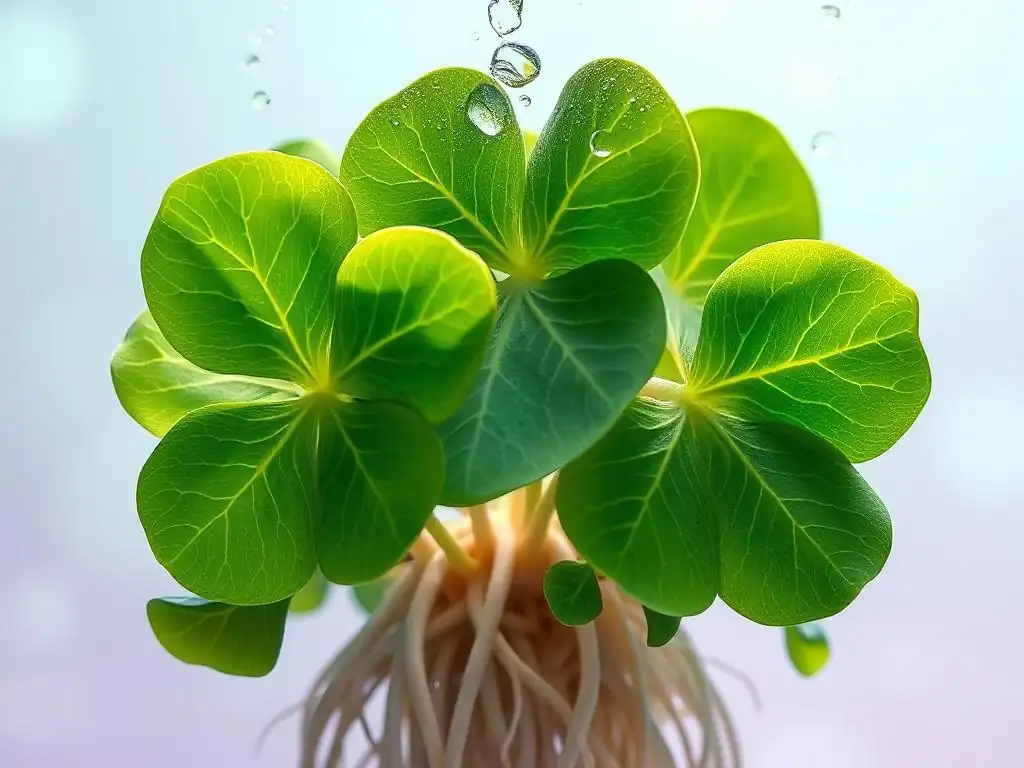
Propagating Marsilea hirsuta is incredibly straightforward, contributing to its Marsilea hirsuta easy care nature. The plant naturally spreads by sending out runners (rhizomes) horizontally across the substrate. Along these runners, new plantlets will emerge. To propagate, simply locate a section of the runner with a few leaves and a developing root system.
Carefully cut the runner, separating the new plantlet from the mother plant. You can then gently replant this new section into another area of your aquarium, burying the rhizome just beneath the substrate surface. This method allows you to easily expand your Marsilea hirsuta carpet or share plants with other hobbyists. The plant's vigorous spreading nature means you'll likely have an abundance of new plantlets available for propagation once it's well-established.
Common Problems and Solutions: Troubleshooting Marsilea Hirsuta Issues
Algae Growth on Marsilea Hirsuta: Prevention and Treatment
Algae growth on Marsilea hirsuta is a common issue, particularly with new setups or imbalances in tank parameters. Black beard algae (BBA) and green spot algae (GSA) are frequent culprits. The primary prevention strategy involves maintaining stable water parameters, consistent nutrient dosing, and appropriate lighting. Avoid sudden spikes in light intensity or duration, and ensure CO2 levels (if injected) are stable and adequate for your lighting.
If algae appears, manual removal is the first step; gently rub or siphon off the algae. For persistent issues, a targeted approach may be needed. Reducing light intensity or duration by 1-2 hours can help. Increasing CO2 levels to 25-30 ppm can also suppress algae by promoting healthier plant growth, outcompeting the algae for nutrients. In severe cases, spot treatments with a diluted hydrogen peroxide solution (e.g., 3ml of 3% H2O2 per gallon of water, applied directly to affected areas with a syringe after turning off filtration) can be effective, followed by a significant water change.
Slow Growth or Melting: Identifying and Addressing the Causes
Slow growth or melting in Marsilea hirsuta can be indicative of several underlying issues. One common cause is insufficient lighting; if the PAR is too low, the plant will grow slowly or send up tall, leggy stalks. Increasing light intensity or duration, within appropriate limits, can often resolve this. Another factor is nutrient deficiency, particularly a lack of macronutrients like nitrogen or phosphorus, or micronutrients like iron. Pale or yellowing leaves suggest iron deficiency, while overall slow growth might point to general nutrient scarcity.
Melting, where leaves turn translucent and disintegrate, often occurs during the transition from emersed-grown (which most commercially available plants are) to submersed conditions. This is a normal adaptation phase, and new submersed growth should emerge. However, persistent melting can signal poor water quality, extreme temperature fluctuations, or a severe lack of nutrients. Ensuring stable water parameters, consistent fertilization (both liquid and root tabs), and adequate CO2 (if used) will typically resolve these issues, making Marsilea hirsuta easy care in the long run.
Nutrient Deficiencies: Recognizing and Correcting Imbalances
Recognizing nutrient deficiencies in Marsilea hirsuta is key to maintaining a healthy carpet. A common sign is pale green or yellowing leaves, especially new growth, which often indicates an iron deficiency. This can be corrected by increasing the dosage of iron-rich liquid fertilizers or adding root tabs specifically formulated with micronutrients. Stunted growth or very small leaves, coupled with overall paleness, might suggest a general lack of macronutrients (nitrogen, phosphorus, potassium).
If the leaves appear dark green but growth is severely stunted, it could point to a phosphorus deficiency. Conversely, yellowing or browning of older leaves, starting from the tips or edges, often indicates a potassium deficiency. Regular, balanced dosing of a comprehensive liquid fertilizer, combined with nutrient-rich substrate or root tabs, is the best approach to prevent and correct these imbalances. Consistent observation of your Marsilea hirsuta allows for prompt intervention, ensuring its continued health and vibrant appearance.
Marsilea Hirsuta vs. Other Carpeting Plants: A Comparison
Marsilea Hirsuta vs. Dwarf Hairgrass (Eleocharis Parvula)
When comparing Marsilea hirsuta to Dwarf Hairgrass ( Eleocharis parvula), distinct differences emerge that can influence a hobbyist's choice. Dwarf Hairgrass creates a very fine, grassy texture, often resembling a miniature lawn. It typically requires high lighting and CO2 injection to achieve a dense, low-growing carpet, and can be quite demanding in terms of nutrient balance to prevent melting or browning. Its roots are also very fine, making it prone to floating if not planted meticulously.
In contrast, Marsilea hirsuta offers a unique clover-like appearance, providing a different aesthetic texture. While it benefits significantly from high light and CO2 for optimal growth, it is far more forgiving and can establish a carpet even in moderate light and without CO2, albeit at a slower pace and with taller leaves. Its sturdier rhizomes make it easier to plant and less prone to dislodgement. For those seeking Marsilea hirsuta easy care, it often wins out over the more demanding Dwarf Hairgrass, especially for beginners.
Marsilea Hirsuta vs. Glossostigma Elatinoides
Glossostigma elatinoides, commonly known as 'Glosso', is another popular carpeting plant renowned for its extremely fast growth and ability to form a very dense, vibrant green carpet. However, Glosso is notoriously demanding, requiring very high light intensity (often exceeding 60 PAR), consistent CO2 injection (30+ ppm), and a rich nutrient supply to thrive and stay low. Without these optimal conditions, Glosso quickly becomes leggy and grows vertically, losing its carpeting effect.
Marsilea hirsuta, while also benefiting from high light and CO2, is significantly more tolerant of less-than-ideal conditions. It will still carpet in moderate light without CO2, albeit slower and with a slightly different leaf shape. This makes Marsilea hirsuta easy care a genuine advantage over the high-maintenance Glosso. For aquarists who desire a lush foreground but prefer a less demanding plant, Marsilea hirsuta provides a robust and beautiful alternative that is much more forgiving of minor fluctuations in tank parameters.
Choosing the Right Carpeting Plant for Your Aquarium
The choice of carpeting plant ultimately depends on your aquarium setup's capabilities, your experience level, and the aesthetic you wish to achieve. If you have a high-tech setup with intense lighting, CO2 injection, and a commitment to precise nutrient dosing, demanding plants like Dwarf Hairgrass or Glossostigma Elatinoides can create stunning, dense carpets. These plants offer rapid growth and a very fine texture.
However, if you are a beginner, prefer a lower-maintenance approach, or have a moderate-tech setup, Marsilea hirsuta stands out as an excellent choice. Its adaptability to various light levels and its ability to carpet without CO2 (though slower) make Marsilea hirsuta easy care a reality. Its unique clover-like leaves provide a distinct visual appeal that can soften the foreground of any aquascape. For a beautiful, resilient, and relatively undemanding carpet, Marsilea hirsuta is often the superior option.
Creating a Stunning Aquascape with Marsilea Hirsuta: Inspiration and Ideas
Using Marsilea Hirsuta in Iwagumi Aquascapes
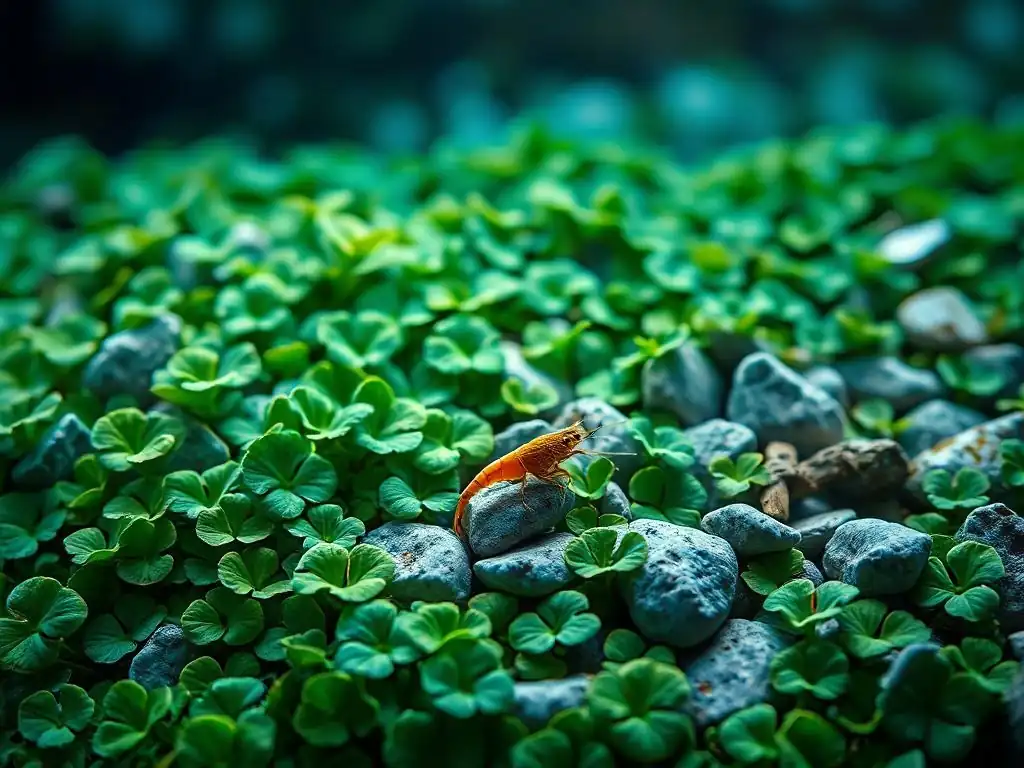
Marsilea hirsuta is an exceptional choice for Iwagumi aquascapes, a minimalist style focusing on a primary stone arrangement. In Iwagumi, the carpet serves as the "grass field" surrounding the carefully selected rocks. Marsilea hirsuta's low-growing, dense nature, especially when provided with optimal light and CO2, creates a lush, uniform green base that beautifully contrasts with the hardscape. Its clover-like texture adds a subtle natural softness, enhancing the serene and naturalistic feel of the Iwagumi layout.
The ability of Marsilea hirsuta to form a tight, even carpet helps to emphasize the shape and placement of the "sada" stones, making them stand out as the focal points. Its relatively Marsilea hirsuta easy care means that maintaining this green field is less daunting than with some other carpeting plants, allowing the aquascaper to focus more on the hardscape composition. The plant's resilience ensures that the Iwagumi remains visually striking and well-maintained over time.
Combining Marsilea Hirsuta with Other Aquatic Plants
Marsilea hirsuta pairs wonderfully with a variety of other aquatic plants, creating diverse and visually rich aquascapes. For midground accents, plants like Bucephalandra species or Anubias nana 'Petite' can be strategically placed on driftwood or rocks, providing contrasting leaf shapes and textures against the Marsilea carpet. Their slower growth and minimal light requirements often complement the Marsilea hirsuta easy care aspect.
In the background, tall stem plants such as Rotala rotundifolia or Ludwigia repens can add height and vibrant color, creating depth and a dynamic backdrop. When combining plants, consider their light and nutrient requirements to ensure compatibility. For instance, if you're aiming for a high-tech setup to maximize Marsilea hirsuta's carpeting, selecting other high-light, CO2-loving plants for the midground and background will ensure a harmonious and thriving planted aquarium.
Marsilea Hirsuta: A Beginner-Friendly Carpeting Plant for a Beautiful Aquarium
Recap: Key Takeaways for Successful Marsilea Hirsuta Care
To successfully cultivate a lush Marsilea hirsuta carpet, remember these key takeaways: while adaptable, moderate to high lighting and a nutrient-rich substrate are highly beneficial for achieving dense, low growth. Although not strictly necessary, CO2 injection significantly accelerates carpeting and promotes the desired four-leaf clover shape. Regular fertilization, both liquid and root tabs, is crucial for sustained health and vibrant coloration, especially in inert substrates.
Furthermore, consistent trimming encourages denser growth and maintains the carpet's aesthetic appeal. Its natural propagation through runners makes expanding your carpet or sharing plants simple. By focusing on these core aspects – proper lighting, substrate, nutrition, and maintenance – aquarists can fully leverage the Marsilea hirsuta easy care nature, resulting in a stunning and resilient foreground in their freshwater aquarium.
Where to Buy Marsilea Hirsuta: Finding Healthy Plants
When sourcing Marsilea hirsuta for your aquarium, it's crucial to purchase healthy, high-quality plants to ensure a successful start. Reputable local fish stores or specialized online aquatic plant retailers are generally the best options. Look for plants that appear vibrant green, without any signs of yellowing, browning, or melting leaves. Healthy plants should have a robust root system or visible rhizomes.
Many Marsilea hirsuta plants are sold in tissue culture cups, which are free from pests, snails, and algae, offering a clean start. Others may be sold as potted plants or bare-root bundles. Regardless of the form, selecting a reliable supplier known for their healthy plant stock will significantly improve your chances of establishing a thriving Marsilea hirsuta carpet, making the entire process of Marsilea hirsuta easy care from day one.
Frequently Asked Questions
How easy is Marsilea hirsuta to care for, really?
Marsilea hirsuta is generally considered easy to care for in a planted aquarium. It's a beginner-friendly plant that can thrive even with minimal CO2 injection and moderate lighting. However, optimal growth requires proper nutrients.
What are the ideal water parameters for growing Marsilea hirsuta?
While adaptable, Marsilea hirsuta prefers a temperature between 70-82°F (21-28°C) and a slightly acidic to neutral pH (6.0-7.5). Maintaining stable water parameters is crucial for its health and growth.
Does Marsilea hirsuta require CO2 injection to grow well?
While Marsilea hirsuta can survive without CO2 injection, supplementing with CO2 will significantly boost its growth and encourage denser carpeting. It will grow slower without it, but it's still considered "easy care" even without CO2.
What kind of lighting does Marsilea hirsuta need?
Marsilea hirsuta can adapt to a range of lighting conditions, from low to moderate. However, moderate lighting will promote faster growth and a more compact, carpet-like appearance. Avoid extremely intense lighting to prevent algae issues.
What are some common problems associated with growing Marsilea hirsuta, and how can I fix them?
Common problems include slow growth, algae growth, and yellowing leaves. These issues often stem from nutrient deficiencies, inadequate lighting, or poor water quality. Address these by adjusting fertilization, lighting, and performing regular water changes.
Final Reflection: Cultivating Simplicity in the Aquatic World
The journey we've taken through the world of Marsilea hirsuta highlights a crucial point: beauty and complexity don't always equate to difficulty. In a world often obsessed with the exotic and demanding, this unassuming clover-like plant offers a refreshing reminder that stunning aquascapes can be achieved with surprisingly little effort. The ease of care associated with Marsilea hirsuta makes it not just a plant, but a gateway for aspiring aquascapers to confidently create their own underwater paradises.
The enduring appeal of Marsilea hirsuta lies in its adaptability and the sense of tranquility it brings to any aquarium. Its subtle charm has profoundly impacted the aquascaping community, democratizing the art and making it accessible to a wider audience. As we strive for more sustainable and less demanding hobbies, Marsilea hirsuta stands as a testament to the power of simplicity. Nature does not hurry, yet everything is accomplished.
- Lao Tzu. This quote perfectly encapsulates the essence of Marsilea hirsuta; its slow, steady growth creates a beautiful carpet without demanding constant intervention.
Now, as you consider the possibilities within your own aquarium, remember the lessons learned from Marsilea hirsuta. Embrace the beauty of simplicity, and don't be afraid to start small. Let this resilient little plant inspire you to cultivate not just a thriving aquascape, but also a deeper appreciation for the quiet elegance that can be found in the most unassuming corners of our world. Go forth and create your own underwater masterpiece, knowing that even the most breathtaking landscapes can begin with a single, easy-to-care-for plant.
Cultivate Your Aquatic Oasis: Unleash the Beauty of Marsilea Hirsuta!
Thank you for exploring the captivating world of Marsilea hirsuta with us. We hope this article has empowered you to bring a touch of verdant elegance to your aquarium. Now, let's dive into action and transform your aquascape!
- Embark on your Marsilea hirsuta journey! Purchase a portion of this delightful plant from a reputable source and begin cultivating your own lush carpet.
- Share your experiences and progress with fellow aquascapers on social media using #AquariumMastery and inspire others!
- Experiment with different lighting and CO2 levels to observe how Marsilea hirsuta adapts and thrives in your unique aquarium environment – document your findings and share them!
Ready to see that first tiny sprig of Marsilea hirsuta transform into a breathtaking, clover-like carpet in your aquarium? What innovative aquascaping idea are you itching to bring to life using Marsilea hirsuta?