
Overstocking African Cichlids: A Controversial Method for Aggression Control


Welcome to Aquarium Mastery!
Ever heard that more fish can actually mean less aggression? Dive into our deep dive on " African cichlid overstocking aggression" – a controversial but surprisingly effective method for managing these vibrant, often feisty, freshwater fish. Curious how cramming more cichlids into a tank could possibly reduce fighting? Read on to uncover the secrets and potential pitfalls of this intriguing approach!
- Understanding African Cichlid Aggression in the Aquarium
- The Overstocking Method: Controlling Aggression Through Numbers
- Pros and Cons of Overstocking African Cichlids
- Best Practices for Overstocking African Cichlids (If You Choose To)
- Alternatives to Overstocking for African Cichlid Aggression Control
- Is Overstocking African Cichlids Right for You?
- Maintaining a Healthy and Stable Overstocked African Cichlid Tank
- Conclusion: Weighing the Risks and Rewards of Overstocking Cichlids for Aggression Control
-
Frequently Asked Questions
- What is the controversial method of overstocking in African cichlid aquariums, and why is it used?
- How does overstocking supposedly reduce aggression among African cichlids?
- What are the potential downsides and risks associated with overstocking African cichlids?
- What are the key factors to consider before attempting to overstock an African cichlid tank?
- Is overstocking a universally recommended or accepted practice for managing African cichlid aggression?
- Final Reflection: Navigating the Murky Waters of Overstocking
- Dive Deeper: Transform Your Cichlid Tank Today!
Understanding African Cichlid Aggression in the Aquarium
Why Are African Cichlids Aggressive? Exploring Natural Behaviors
African cichlids, particularly those from the Great Rift Lakes (Malawi, Tanganyika, and Victoria), are renowned for their vibrant colors and complex social structures, but also for their pronounced aggressive tendencies. In their natural rocky habitats, these fish establish and vigorously defend territories, which are crucial for breeding, foraging, and shelter. This inherent territoriality is a survival mechanism, ensuring access to limited resources and successful propagation of their species.
When confined to an aquarium, these natural instincts become amplified. The limited space prevents subordinate fish from escaping the aggression of dominant individuals, leading to constant stress and potential harm. This innate drive to establish dominance and defend perceived territories is the primary root cause of the aggressive behaviors observed in African cichlids within a captive environment, making African cichlid overstocking aggression a significant concern for many aquarists.
The Impact of Tank Size and Environment on Cichlid Behavior
The size and layout of an aquarium play a critical role in mitigating or exacerbating African cichlid aggression. In tanks that are too small for the species being kept, territorial disputes become more frequent and intense, as there simply isn't enough space for multiple fish to establish distinct territories or for weaker individuals to find refuge. For instance, a 20-gallon tank is wholly inadequate for most African cichlids, which often require a minimum of 55 gallons for even a small group.
Furthermore, the aquascape directly influences behavior. A lack of visual breaks, hiding spots, or complex rock structures can lead to constant line-of-sight aggression, where dominant fish can perpetually harass subordinates. Conversely, a well-structured environment with ample caves and crevices can help diffuse aggression by providing multiple territories and escape routes, illustrating how environmental factors directly contribute to the manifestation of African cichlid overstocking aggression.
The Overstocking Method: Controlling Aggression Through Numbers
What is African Cichlid Overstocking and How Does It Work?
African cichlid overstocking is a deliberately unconventional method where an aquarium is populated with more fish than traditionally recommended for its size, specifically to manage aggression. This approach is distinct from mere overcrowding, as it requires careful planning and a deep understanding of cichlid behavior and aquarium maintenance. The goal is not to cram as many fish as possible into a tank, but to create a specific dynamic where individual aggression is diluted.
The methodology relies on the principle that by having a high density of fish, no single individual can establish a truly dominant territory or focus its aggression on one or two specific targets. Instead, the aggression is spread out among many individuals, reducing the intensity of any single attack and preventing chronic bullying. This strategy aims to curb the severe African cichlid overstocking aggression that often plagues understocked or improperly stocked tanks.
The Theory Behind Overcrowding: Diluting Aggression
The core theory behind using overstocking to manage aggression is "aggression dilution." In a typical cichlid tank with fewer fish, a dominant male might single out one or two weaker individuals, relentlessly harassing them until they are stressed, injured, or even killed. This concentrated aggression is highly detrimental to the health and well-being of the target fish.
By introducing a larger number of fish, the dominant individual's attention is constantly divided among many potential targets. This makes it difficult for any one fish to become the sole recipient of aggression, as the aggressor is always distracted by other fish entering its perceived territory. While aggression still occurs, its intensity is significantly reduced, and it typically manifests as brief chases or displays rather than sustained attacks, thus mitigating the worst effects of African cichlid overstocking aggression.
Overstocking vs. Cramming: Defining the Fine Line
It is crucial to differentiate between strategic African cichlid overstocking and irresponsible "cramming." Overstocking, when properly executed, is a calculated risk taken with enhanced filtration, diligent maintenance, and specific species selection in mind. The objective is to create a dynamic balance where aggression is minimized, even if it means pushing the boundaries of traditional stocking limits. For instance, a 75-gallon tank might typically house 8-10 adult Mbuna cichlids, but a carefully overstocked tank might contain 15-20 juveniles or smaller species.
Cramming, on the other hand, is simply putting too many fish into a tank without the necessary support systems. This leads to rapid water quality deterioration, severe stress, stunted growth, and rampant disease outbreaks, ultimately resulting in a high mortality rate. The line is defined by the aquarist's commitment to providing vastly superior life support and maintenance, ensuring that the increased bioload is effectively managed and the fish, despite higher numbers, have a chance at a healthy, albeit slightly crowded, existence.
Pros and Cons of Overstocking African Cichlids
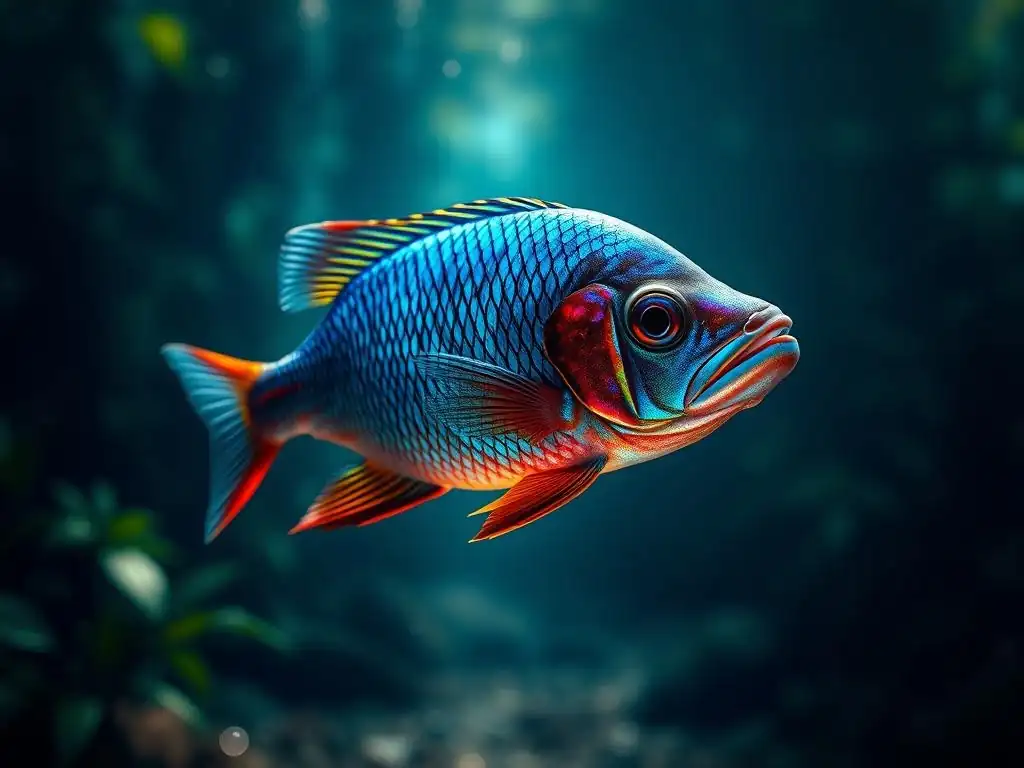
Advantages of Overstocking for Aggression Management
Reduced Territoriality in Overstocked Tanks
One of the primary benefits of African cichlid overstocking for aggression management is the significant reduction in individual territoriality. When a tank is heavily populated, it becomes challenging for any single fish to establish and maintain a large, exclusive territory. The sheer number of other fish constantly moving through potential territories disrupts any attempts at long-term claim, forcing dominant individuals to spread their aggressive displays rather than focusing on a single area.
This diffusion of territorial claims means that while minor squabbles still occur, they are typically short-lived and less intense. Instead of a single fish controlling a third of the tank, aggression becomes more of a fleeting interaction, as the dominant fish's attention is quickly diverted to another intruder. This makes the environment more tolerable for all inhabitants and helps in managing African cichlid overstocking aggression.
Diminished Bullying and Dominance Displays
In a properly overstocked African cichlid aquarium, the incidence of severe bullying and prolonged dominance displays is noticeably diminished. In a less densely populated tank, a strong alpha male might persistently harass a weaker male or a submissive female, leading to stress, fin nipping, and ultimately, death. This concentrated aggression is a major challenge for many cichlid keepers.
With a higher population density, the aggressor's focus is diffused across multiple targets. If one fish is chased, another quickly comes into view, drawing the aggressor's attention away. This constant distraction prevents any single fish from being relentlessly targeted, reducing the overall stress level for the subordinate fish. The strategy effectively mitigates the most destructive aspects of African cichlid overstocking aggression.
More Natural Social Dynamics (in theory)
While an aquarium can never perfectly replicate the vastness of the African Rift Lakes, overstocking can, in theory, create a more dynamic and "busy" social environment that somewhat resembles the dense populations found in certain natural cichlid habitats. In the wild, cichlids often live in large colonies, particularly in rocky areas, where constant interaction and competition are the norm.
This approach aims to mimic a scenario where the sheer number of fish creates a fluid social structure where dominance is less absolute and more transient. The constant movement and interaction can lead to a fascinating display of natural cichlid behaviors, as fish are always interacting and reacting to their neighbors, even if it's within a confined space. This can lead to a more visually engaging tank that showcases the lively nature of these fish, although it's a controlled simulation rather than true natural behavior.
Disadvantages and Risks of African Cichlid Overstocking
Water Quality Issues: Ammonia, Nitrite, and Nitrate Buildup
The most significant disadvantage of African cichlid overstocking is the immense strain it places on water quality. More fish inevitably mean more waste production, including solid waste and metabolic byproducts like ammonia. For example, a tank with 20 adult Mbuna cichlids will produce roughly twice the bioload of a tank with 10, necessitating significantly more robust filtration and maintenance.
Without extraordinary measures, ammonia and nitrite levels can quickly spike to toxic concentrations, leading to severe stress, gill damage, and death. Even with excellent biological filtration, nitrate, the end product of the nitrogen cycle, will accumulate much faster, requiring more frequent and larger water changes to keep levels below the generally recommended 20 ppm to 40 ppm. Neglecting these parameters will quickly turn an overstocked tank into a lethal environment, exacerbating African cichlid overstocking aggression due to stress.
Increased Risk of Disease Outbreaks
Heavily stocked aquariums are inherently more susceptible to disease outbreaks. The elevated stress levels induced by constant competition, even if aggression is diluted, can weaken the immune systems of the fish, making them more vulnerable to pathogens. Furthermore, the higher population density means that once a disease enters the tank, it can spread rapidly among individuals.
Common diseases like Ich (white spot disease), Malawi Bloat, and various bacterial infections are more prevalent and often more severe in overstocked conditions. For instance, an outbreak of Ich in a 10-fish tank might be manageable, but in a 20-fish tank, it can quickly decimate the entire population before effective treatment can be administered. This heightened disease risk is a major drawback to managing African cichlid overstocking aggression via density.
Stunted Growth and Deformities
Chronic stress and suboptimal water quality, even if not immediately lethal, can lead to stunted growth and physical deformities in overstocked African cichlids. When fish are constantly exposed to elevated nitrate levels or are under persistent low-level stress from competition, their energy is diverted away from growth and development. This can result in fish that never reach their full genetic potential in terms of size.
Moreover, nutritional deficiencies due to increased competition for food, or deformities arising from early life stress, are not uncommon. Fish might develop curved spines, disproportionate body shapes, or underdeveloped fins. While they may survive, their quality of life and aesthetic appeal are significantly compromised, which is a direct consequence of the challenging conditions associated with African cichlid overstocking aggression management.
Stress and Reduced Lifespan
Despite the goal of diluting overt aggression, African cichlid overstocking can still impose chronic stress on the inhabitants. The constant presence of many other fish, the need to compete for food, and the slightly elevated waste products in the water create a perpetually demanding environment. This continuous low-level stress takes a toll on the fish's physiology.
Over time, this chronic stress can lead to a weakened immune system, organ damage, and a significantly reduced lifespan compared to cichlids kept in optimal, less crowded conditions. While an individual cichlid might live for 8-10 years in an ideal setup, those in a chronically stressed, overstocked tank might only survive for 3-5 years. This trade-off in longevity for aggression control is a critical ethical consideration for aquarists.
Best Practices for Overstocking African Cichlids (If You Choose To)
Calculating Appropriate Stocking Levels for Overstocked Tanks
When considering African cichlid overstocking, traditional rules like the "one inch of fish per gallon" are largely irrelevant and inadequate. Instead, focus must be placed on the adult size of the species, their aggression levels, and the overall bioload they will produce. For Mbuna cichlids, a common recommendation for overstocking a 75-gallon tank might involve starting with 15-20 juvenile fish (1.5-2 inches), with the understanding that some will be culled naturally or removed if aggression becomes too focused.
A more effective metric is to consider the surface area of the tank and the filtration capacity. For a 48-inch long, 18-inch wide tank (like a 75-gallon), the goal is to have enough fish to diffuse aggression without overwhelming the system. This often translates to stocking 2-3 times the number of fish compared to a conventionally stocked tank, but only with small to medium-sized species and a very high male-to-female ratio (e.g., 1 male to 3-4 females) to further dilute male-on-male African cichlid overstocking aggression.
Essential Filtration for Overstocked African Cichlid Aquariums
Choosing the Right Filter Type: Canister, Sump, or Hang-On-Back
For overstocked African cichlid aquariums, filtration is paramount and must be significantly oversized. Hang-on-back (HOB) filters can be used for smaller overstocked tanks (e.g., 20-40 gallons), but multiple units or high-capacity models are necessary. For tanks 55 gallons and larger, canister filters are often the minimum requirement, with many aquarists running two or even three large canisters to handle the immense bioload.
The most effective filtration for large overstocked setups is typically a sump system. A sump provides a massive volume for mechanical, chemical, and especially biological media, allowing for unparalleled water purification. It also offers space for heaters, protein skimmers (for saltwater, though some freshwater applications exist), and other equipment, keeping the display tank uncluttered. Regardless of the type chosen, the total filtration capacity should be rated for at least 2-3 times the actual tank volume.
The Importance of Biological Filtration in Overstocked Systems
Biological filtration is the cornerstone of a healthy overstocked African cichlid aquarium. It is the process by which beneficial bacteria convert toxic ammonia (from fish waste and uneaten food) into less toxic nitrite, and then into even less toxic nitrate. In an overstocked tank, the amount of ammonia produced is exponentially higher, demanding a massive colony of these nitrifying bacteria.
To support this, filter media designed for biological colonization, such as ceramic rings, bio-balls, or specialized porous media, should fill the majority of the filter's volume. Unlike mechanical filtration, which removes physical particles, biological filtration chemically transforms harmful compounds. Without an exceptionally robust biological filter, ammonia and nitrite will quickly reach lethal levels, making any attempt at African cichlid overstocking aggression management futile and dangerous.
Maximizing Oxygen Levels in a Heavily Stocked Tank
With a higher density of fish, the demand for dissolved oxygen in the water increases significantly. Fish respiration consumes oxygen, and beneficial bacteria in the filter also require oxygen for the nitrification process. In an overstocked African cichlid tank, insufficient oxygen can quickly lead to stress, labored breathing, and even death, especially during warmer temperatures when oxygen solubility decreases.
To combat this, aquarists must prioritize excellent surface agitation and aeration. This can be achieved through powerful filter returns that create ripples on the water's surface, the use of air stones connected to an air pump, or even powerheads directed towards the surface. Ensuring constant, vigorous surface movement maximizes gas exchange, allowing carbon dioxide to escape and oxygen to dissolve into the water, thereby supporting the high metabolic demands of a densely populated system and preventing oxygen-related stress that can exacerbate African cichlid overstocking aggression.
Frequent Water Changes: A Necessity, Not an Option
In an overstocked African cichlid aquarium, frequent and substantial water changes are absolutely non-negotiable. Even with oversized filtration, nitrate will accumulate rapidly, and other dissolved organic compounds can build up, leading to poor water quality and stressing the fish. Relying solely on biological filtration without regular water changes will result in chronically high nitrate levels, which can suppress the immune system and stunt growth.
For many overstocked cichlid tanks, a minimum of 50% water change once a week is common, with some dedicated hobbyists performing 25-30% changes twice a week or even more frequently. This routine removes accumulated nitrates, replenishes essential minerals, and dilutes any lingering toxins. Without this rigorous maintenance schedule, the risks associated with African cichlid overstocking aggression management, particularly disease and stress, become overwhelmingly high.
Selecting Compatible African Cichlid Species for Overstocked Tanks
Avoiding Highly Territorial or Aggressive Species
When attempting African cichlid overstocking, careful species selection is paramount to success. It is crucial to avoid notoriously aggressive or highly territorial species, even within the same genus. For example, while many Mbuna cichlids are suitable, species like Melanochromis auratus (Auratus Cichlid) or certain Maylandia species are often exceptionally aggressive and can be problematic even in overstocked setups, as their aggression might still overwhelm the dilution effect.
Focus instead on moderately aggressive or relatively peaceful Mbuna species, such as some Labidochromis caeruleus (Electric Yellow Cichlid), certain Pseudotropheus saulosi, or specific Iodotropheus sprengerae (Rusties). Researching the adult size, temperament, and specific territorial needs of each potential inhabitant is vital. Mixing highly aggressive species with more docile ones, even in an overstocked tank, will almost certainly lead to casualties and undermine the goal of reducing African cichlid overstocking aggression.
Choosing Species with Similar Dietary Needs
Beyond aggression, selecting African cichlid species with compatible dietary needs is crucial for the long-term health of an overstocked tank. African cichlids, particularly Mbuna, have diverse dietary requirements ranging from herbivorous (algae grazers) to omnivorous and carnivorous. Mixing species with vastly different diets can lead to nutritional deficiencies, digestive issues, and increased aggression over food.
For instance, feeding high-protein, meat-based foods to herbivorous Mbuna can lead to Malawi Bloat, a potentially fatal digestive disorder. Therefore, it is best to stick to a group of fish that are primarily herbivorous or omnivorous with a strong plant-based component, such as most Mbuna. This ensures that all fish receive appropriate nutrition without compromising their health or exacerbating feeding-related African cichlid overstocking aggression.
Alternatives to Overstocking for African Cichlid Aggression Control
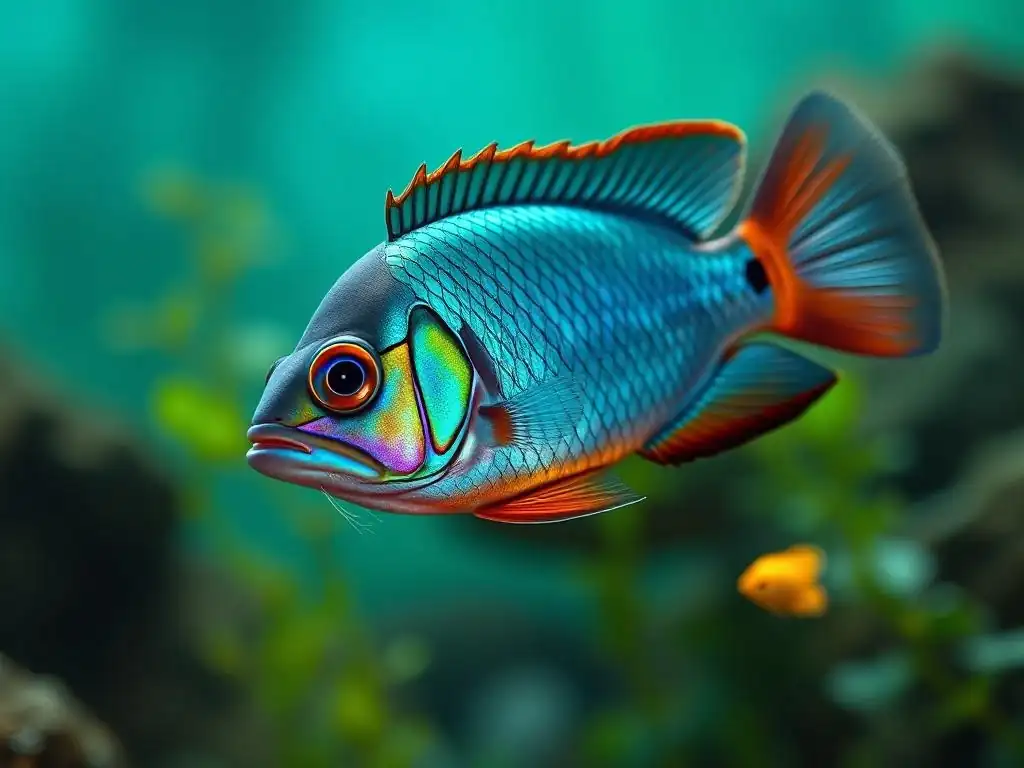
Optimizing Tank Size and Aquascaping
One of the most effective and less stressful alternatives to African cichlid overstocking is simply providing a sufficiently large tank with an intelligently designed aquascape. A larger tank, such as a 125-gallon or 180-gallon for a community of adult African cichlids, offers ample space for individuals to establish territories without constant conflict. The increased swimming room and visual barriers provided by a well-structured environment naturally diffuse aggression.
Aquascaping should focus on creating numerous caves, rock piles, and line-of-sight breaks using inert rocks like lava rock or slate. This allows subdominant fish to retreat and hide from aggressors, reducing stress and preventing prolonged bullying. For example, stacking rocks to create multiple nooks and crannies across the entire tank length can effectively break up territories, directly addressing the root causes of African cichlid overstocking aggression without resorting to high densities.
Providing Ample Hiding Places and Territories
Beyond overall tank size, the strategic placement of hiding places and the creation of clear territories are paramount for managing African cichlid aggression. Each cichlid, especially males, will naturally seek to claim a specific area as its own. By providing more potential territories than there are dominant fish, you can reduce competition for prime spots.
This involves arranging rocks, PVC pipes, or ceramic caves to form numerous distinct "homes" or safe havens throughout the aquarium. Ensure that these hiding spots have multiple entry and exit points to prevent a fish from being trapped. When subordinate fish have easy access to refuges, they can quickly escape aggressive encounters, significantly reducing stress and injury, thereby mitigating the need for African cichlid overstocking aggression management.
Careful Selection of Tank Mates
Choosing compatible African cichlid species and maintaining appropriate male-to-female ratios is a crucial alternative to overstocking. Instead of relying on sheer numbers to diffuse aggression, focus on selecting species with similar temperaments and adult sizes, avoiding the most aggressive varieties. For instance, combining relatively peaceful Peacocks ( Aulonocara species) with certain less aggressive Mbuna like Electric Yellows can be successful in a large tank.
Furthermore, maintaining a high female-to-male ratio (e.g., 1 male to 3-4 females) for polygynous species can significantly reduce male-on-male aggression and prevent females from being constantly harassed by a single male during breeding attempts. This spreads out the male's attention and reduces the pressure on any individual female, leading to a more harmonious environment and a natural way to control African cichlid overstocking aggression.
Implementing Regular Tank Rearrangements
A unique method to disrupt established hierarchies and reduce chronic aggression is to periodically rearrange the tank's aquascape. African cichlids are highly territorial and will defend their established territories vigorously. When the rockwork and decor are moved, these territories are effectively "reset."
This forces all fish to re-establish new territories, temporarily breaking down existing dominance structures and distracting the most aggressive individuals. While this can cause temporary stress during the rearrangement, it can be highly effective in the long run for reducing persistent bullying. It's recommended to do this every few months, making significant enough changes to disrupt the spatial memory of the fish and provide a fresh start for social dynamics, offering an active solution to African cichlid overstocking aggression.
Using Dither Fish to Reduce Cichlid Aggression
Dither fish are fast-moving, non-aggressive, non-cichlid species that can be introduced into an African cichlid tank to help reduce aggression. The presence of dither fish, which swim actively in the open water column, signals to the cichlids that the environment is safe and that no immediate threats are present. This can make the cichlids feel more secure and less inclined to display aggressive behaviors towards each other.
Good choices for dither fish include large, peaceful schooling species like Giant Danios, Rainbowfish (e.g., Boeseman's Rainbowfish), or even certain robust Barbs that are too fast and large to be easily caught or bullied by the cichlids. They should be large enough not to be seen as food and fast enough to evade any curious nips. Dither fish can help divert attention and create a more relaxed atmosphere, providing a non-overstocking method for African cichlid overstocking aggression control.
Is Overstocking African Cichlids Right for You?
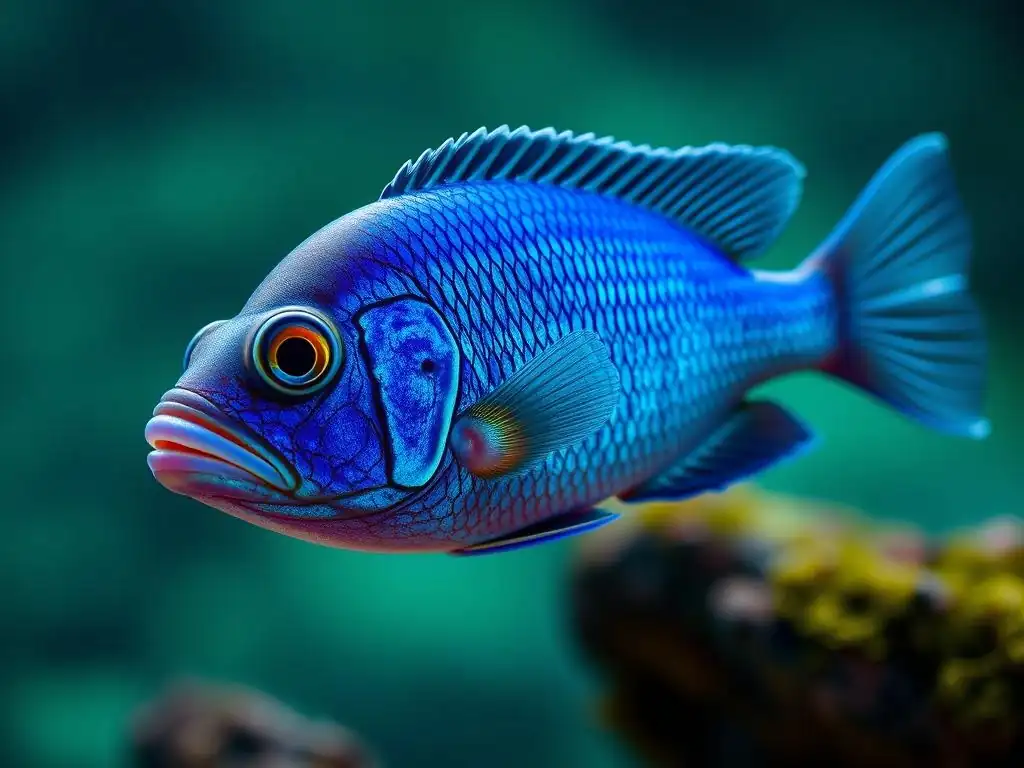
Assessing Your Experience Level and Resources
Deciding whether to attempt African cichlid overstocking requires a brutally honest assessment of your experience level and available resources. This method is not for beginners. It demands an advanced understanding of the nitrogen cycle, water chemistry, fish behavior, and proactive problem-solving. A novice aquarist attempting this without proper knowledge and commitment is almost guaranteed to fail, leading to significant fish loss and frustration.
Furthermore, overstocking is resource-intensive. It requires a larger initial investment in oversized filtration, high-quality test kits, and potentially more robust heating/aeration equipment. The ongoing cost of electricity for multiple filters and pumps, as well as the significant volume of water for frequent changes, must be considered. Without the time, financial resources, and expertise to commit to daily monitoring and rigorous maintenance, African cichlid overstocking aggression management will be unsustainable.
Considering the Ethical Implications of Overstocking
While African cichlid overstocking can be an effective strategy for managing aggression, it raises significant ethical questions regarding animal welfare. Intentionally placing fish in a density that is unnatural, even if it aims to reduce overt aggression, can still lead to chronic stress, compromised immune systems, and reduced lifespans. The goal of responsible fishkeeping is to provide an environment where fish can thrive, not merely survive.
Aquarists must weigh the desire for a vibrant, active display against the potential for reduced quality of life for the fish. Is the trade-off of potentially shorter lives and constant low-level stress acceptable for the benefit of diffused aggression? This decision requires a personal ethical stance and a commitment to ensuring the best possible conditions given the chosen method, acknowledging the inherent challenges of African cichlid overstocking aggression control.
Case Study: Overstocking Mbuna Cichlids in a 75-Gallon Tank
Consider a hobbyist with a 75-gallon tank, measuring 48x18x21 inches, who chooses to manage African cichlid overstocking aggression by intentionally increasing their fish density. Instead of the typical 8-10 adult Mbuna cichlids, they introduce 20-25 juvenile Mbuna (e.g., a mix of Labidochromis caeruleus, Pseudotropheus demasoni, and Iodotropheus sprengerae). To support this, they install two large canister filters, each rated for 100-gallon tanks, providing a total filtration capacity for 200 gallons.
Initially, aggression is indeed spread out, with no single fish being relentlessly targeted. However, the bioload is immense. The hobbyist commits to daily water parameter checks, finding nitrates rising by 10-15 ppm every 24 hours. This necessitates two 50% water changes per week to keep nitrates below 20 ppm and maintain stable pH (around 8.2).
Over a period of six months, the tank remains stable, and overt aggression is minimal. However, some fish exhibit slightly slower growth rates compared to those in less crowded setups, and a minor Ich outbreak required immediate, full-tank treatment due to the stress of the high density. This case illustrates the intense maintenance required for successful African cichlid overstocking aggression mitigation.
Maintaining a Healthy and Stable Overstocked African Cichlid Tank
Monitoring Water Parameters: Ammonia, Nitrite, Nitrate, and pH
Rigorous and frequent monitoring of water parameters is absolutely essential for maintaining a healthy overstocked African cichlid tank. Due to the high bioload, ammonia and nitrite can spike rapidly. Daily testing, particularly for ammonia and nitrite, is recommended, ensuring they remain at 0 ppm. Any detectable levels indicate a problem with filtration or maintenance.
Nitrate, the end product, will accumulate quickly. Regular testing (e.g., every 2-3 days) is necessary to determine the frequency and volume of water changes required to keep levels below 20 ppm, ideally closer to 10 ppm. pH levels should also be consistently monitored, aiming for a stable range between 7.8 and 8.6 for most African Rift Lake cichlids. Fluctuations in pH can stress fish and impact the efficiency of the biological filter, making proactive management key to preventing issues with African cichlid overstocking aggression.
Recognizing Signs of Stress or Disease in Overstocked Cichlids
In an overstocked environment, fish are under constant low-level stress, making them more susceptible to disease. Therefore, aquarists must be vigilant in recognizing subtle signs of stress or illness. These include:
- Fins clamped close to the body
- Faded or dull coloration
- Loss of appetite or refusal to eat
- Rapid or labored breathing (gasping at the surface)
- Hiding excessively or unusual lethargy
- White spots (Ich), frayed fins, or body lesions
- Bloating or abnormal swimming patterns (e.g., shimmying)
Any of these signs warrant immediate investigation and intervention, as diseases can spread rapidly in a densely populated tank. Early detection and treatment are crucial to prevent a full-blown outbreak that could decimate the entire population, highlighting the fragility of African cichlid overstocking aggression management.
Adjusting Feeding Schedules and Amounts
Feeding in an overstocked African cichlid tank requires careful attention to prevent water quality issues and manage competition. Overfeeding is one of the quickest ways to crash an overstocked system, as uneaten food decays rapidly, contributing to ammonia spikes. The large number of fish also means increased competition for food, so adequate distribution is necessary.
It is generally recommended to feed small amounts multiple times a day (e.g., 2-3 times), rather than one large feeding. This ensures that all fish get enough food without over-saturating the water with nutrients. Use high-quality cichlid pellets or flakes appropriate for the species' diet, ensuring they are consumed within 1-2 minutes. Removing any uneaten food immediately after feeding is also a critical step in maintaining water quality and preventing issues related to African cichlid overstocking aggression.
Conclusion: Weighing the Risks and Rewards of Overstocking Cichlids for Aggression Control
Frequently Asked Questions
What is the controversial method of overstocking in African cichlid aquariums, and why is it used?
Overstocking, in this context, is intentionally keeping a higher fish density than typically recommended. It aims to disperse aggression by preventing individual cichlids from establishing strong territories.
How does overstocking supposedly reduce aggression among African cichlids?
The theory suggests that when fish are crowded, no single individual can effectively claim and defend a territory. This leads to a more diffuse aggression, spread across the entire group rather than focused on specific individuals.
What are the potential downsides and risks associated with overstocking African cichlids?
Overstocking can lead to poor water quality due to increased waste production. This can stress the fish, making them more susceptible to diseases and potentially leading to higher mortality rates.
What are the key factors to consider before attempting to overstock an African cichlid tank?
Before overstocking, ensure you have a robust filtration system capable of handling the increased bioload. Also, frequent and significant water changes are crucial to maintain water quality.
Is overstocking a universally recommended or accepted practice for managing African cichlid aggression?
No, overstocking is a controversial method, not universally accepted. Many aquarists prefer alternative methods like providing ample hiding places, selecting compatible species, and maintaining proper tank size.
The debate surrounding African cichlid overstocking, as we've explored, isn't merely about fishkeeping; it's a microcosm of our broader relationship with nature and the ethical considerations inherent in manipulating ecosystems, even miniature ones. The ongoing tension between perceived benefits and potential harm highlights the complexities of responsible aquarium management and the need for informed decision-making.
This practice, while seemingly counterintuitive, underscores the powerful influence we wield over the lives of these vibrant creatures. It forces us to confront the uncomfortable truth that our actions, however well-intentioned, can have profound and lasting consequences. As the saying goes: With great power comes great responsibility.
This sentiment resonates deeply when considering the delicate balance within a cichlid tank and the potential for both positive and negative outcomes from overstocking.
Ultimately, the decision to overstock, or not, rests with you, the aquarist. But before you proceed, consider the long-term implications, the welfare of your fish, and the ethical weight of your choices. Let this exploration serve as a catalyst for deeper research, thoughtful observation, and a commitment to providing the best possible environment for your African cichlids. Strive to be a responsible steward of these captivating creatures, ensuring their health and well-being for years to come.
Dive Deeper: Transform Your Cichlid Tank Today!
Thank you for exploring the ins and outs of overstocking cichlids. Now that you're armed with this knowledge, it's time to put theory into practice and observe the dynamic world you've created!
Here are some actionable steps you can take:
- Carefully consider whether overstocking is the right approach for your specific cichlid species and tank size. This is crucial to avoid unintended consequences.
- Share your experiences! Contribute to the community by documenting your tank setup, cichlid behavior, and water parameter changes after implementing any adjustments.
- Challenge your assumptions. Explore alternative aggression management techniques, such as improved tank design or the introduction of dither fish, for a balanced approach.
What initial adjustments will you make to your cichlid setup to optimize their environment and reduce aggression?