
Malawi Bloat Demystified: Causes, Symptoms & Treatment for This Killer Disease


Welcome to Aquarium Mastery!
Ever felt helpless watching your beautiful Malawi cichlid suddenly lose its spark? Malawi bloat is a serious threat, but understanding it is the first step to protecting your aquatic friends. Dive into our comprehensive guide, " Malawi Bloat Demystified: Causes, Symptoms & Treatment for This Killer Disease," and discover essential Malawi bloat treatment options to keep your freshwater aquarium thriving. Ready to learn how to spot the warning signs and take action? Let's get started!
- African Cichlid Bloat: Causes, Symptoms & Treatment
- Understanding African Cichlid Bloat: A Serious Threat
- Identifying African Cichlid Bloat: Spotting the Symptoms Early
- The Root Causes of African Cichlid Bloat
- African Cichlid Bloat Treatment Options
- Preventing African Cichlid Bloat
- Post-Treatment Care: Supporting Recovery
- Expert Tips for Prevention and Treatment
- Conclusion: Protecting Your Cichlids from Bloat
-
Frequently Asked Questions
- What is Malawi Bloat and why is it so dangerous for African Cichlids?
- What are the key symptoms to watch out for that might indicate Malawi Bloat?
- What are the primary causes of Malawi Bloat in an aquarium setting?
- What are some common Malawi Bloat treatment options recommended by AquariumMastery.com?
- How can I prevent Malawi Bloat from occurring in my African Cichlid aquarium?
- Final Reflection: Hope Amidst the Bloat
- Unlock Your Fish Keeping Superpowers!
African Cichlid Bloat: Causes, Symptoms & Treatment
Understanding African Cichlid Bloat: A Serious Threat
What is African Cichlid Bloat and Why is it a Major Concern?
African Cichlid Bloat, often referred to simply as "Bloat," is a severe and frequently fatal disease syndrome primarily affecting African Rift Lake cichlids, particularly species from Lake Malawi. It is not a single disease but a complex condition characterized by a severe disruption of the fish's digestive system, often initiated by internal flagellates like Spironucleus (formerly Hexamita) and exacerbated by secondary bacterial infections. This leads to inflammation, fluid accumulation, and organ damage, with mortality rates frequently exceeding 70-80% if not promptly and appropriately treated.
The reason African Cichlid Bloat is a major concern for aquarists lies in its rapid progression and devastating impact on entire cichlid collections. Unlike some other fish diseases that allow for a longer period of observation, bloat can progress from subtle symptoms to fatality within 24-72 hours. This swift decline, coupled with the high cost and emotional attachment to prized African cichlids, makes it one of the most feared ailments in the hobby. Its prevalence in suboptimal tank conditions further highlights the importance of understanding its causes and effective Malawi bloat treatment options.
Susceptible Species: Which Cichlids are Most at Risk?
The cichlids most susceptible to African Cichlid Bloat are indeed the African Rift Lake species, predominantly those originating from Lake Malawi. This includes the highly popular Mbuna cichlids (e.g., Pseudotropheus, Melanochromis, Maylandia, Labeotropheus species) and certain Peacock cichlids ( Aulonocara species). Their susceptibility is largely attributed to their specialized digestive systems, which are adapted to process high-fiber, low-protein diets primarily consisting of algae and detritus in their natural habitats. When fed inappropriate diets high in animal protein, their long intestinal tracts struggle to process the food, leading to blockages, bacterial overgrowth, and inflammation, creating a fertile ground for bloat.
While Mbuna cichlids are particularly vulnerable, even other African cichlids like those from Lake Tanganyika (e.g., Tropheus species, which are also strict herbivores) and Lake Victoria can be affected. Wild-caught specimens or fish newly introduced from high-stress environments are also at a heightened risk due to compromised immune systems. It is crucial for aquarists keeping these species to be acutely aware of their dietary and environmental needs to minimize the risk of this devastating condition, as prevention is far more effective than seeking Malawi bloat treatment options once the disease takes hold.
Identifying African Cichlid Bloat: Spotting the Symptoms Early
Early Warning Signs: Recognizing Initial Symptoms
Recognizing the early warning signs of African Cichlid Bloat is paramount for successful intervention, as prompt action significantly improves the prognosis. Initial symptoms are often subtle and can easily be overlooked or mistaken for general fish stress. These include a noticeable loss of appetite (anorexia), where the fish may refuse to eat or spit out food.
Coupled with this, affected fish often become lethargic, exhibit reduced activity levels, and may begin to hide more frequently than usual. Their coloration might also darken, and fins may appear clamped close to the body, indicating discomfort. These signs can manifest within 24 to 48 hours of the disease's onset.
Another critical early indicator is the presence of white, stringy feces. This symptom is highly suggestive of an internal flagellate infection, such as Spironucleus, which often precedes or accompanies the full onset of bloat. While not every fish with stringy feces will develop full-blown bloat, it is a significant red flag requiring immediate attention. Slight abdominal swelling might also be present, though it can be difficult to discern in its nascent stages. Daily, attentive observation of your cichlids' behavior and physical appearance is the most effective tool for detecting these critical early signs.
Advanced Symptoms: Recognizing the Progression of Bloat
As African Cichlid Bloat progresses, the symptoms become far more pronounced and alarming, often indicating severe internal damage and a rapidly deteriorating condition. The most characteristic advanced symptom is severe abdominal swelling, giving the fish a noticeably bloated appearance. This swelling can be bilateral and, in extreme cases, may cause the scales to protrude outwards, resembling a pinecone (a condition often referred to as dropsy, which is a symptom of severe organ failure). This indicates significant fluid accumulation within the body cavity.
Beyond the visible bloating, affected fish will exhibit extreme lethargy, often lying on the bottom of the tank or remaining motionless near the surface, struggling to maintain buoyancy or swim normally. Their breathing may become labored and rapid, and they might gasp for air at the water's surface. Complete refusal to eat, rapid weight loss despite the swelling, and a general emaciated appearance can also be observed as the internal organs fail. At this advanced stage, the prognosis is often grim, with mortality rates approaching 90-100% without immediate and aggressive Malawi bloat treatment options.
Differentiating Bloat from Other Cichlid Diseases
Differentiating African Cichlid Bloat from other common cichlid diseases is crucial for administering the correct Malawi bloat treatment options. While some symptoms, like lethargy or abdominal swelling, can overlap with other conditions, the specific combination of symptoms for bloat is quite distinct. For instance, generalized dropsy, which also presents with abdominal swelling and protruding scales, is typically a symptom of underlying kidney failure or a systemic bacterial infection, but it often lacks the characteristic white, stringy feces and the specific dietary triggers common to bloat. Bloat is more fundamentally a gut pathology.
Other cichlid diseases, such as Ich (Ichthyophthirius multifiliis) or Velvet (Oodinium), are parasitic infections that manifest as visible white spots or a dusty gold coating on the fish's body and fins, symptoms entirely absent in bloat. External bacterial infections might cause fin rot, ulcers, or cloudy eyes, but typically not the severe abdominal swelling and specific digestive distress seen with bloat. Therefore, a careful assessment of all present symptoms—especially the combination of appetite loss, lethargy, white stringy feces, and progressive abdominal distension—is key to accurately diagnosing African Cichlid Bloat.
The Root Causes of African Cichlid Bloat
Poor Water Quality: Ammonia, Nitrite, and Nitrate Levels
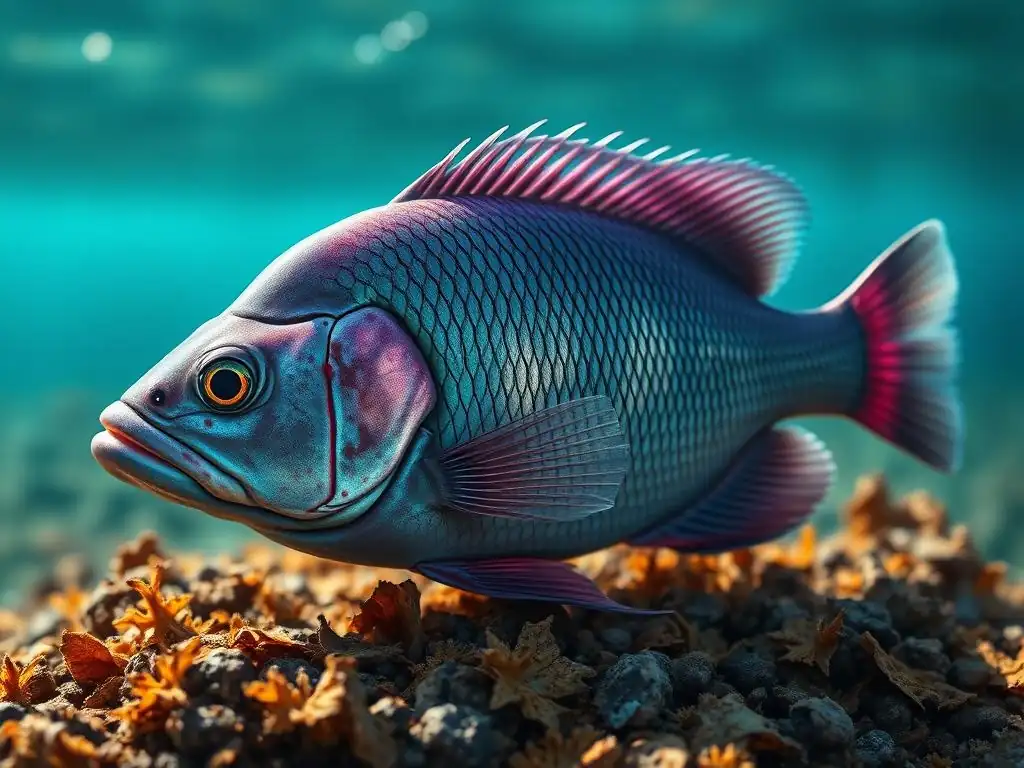
Poor water quality is a primary stressor and a significant contributing factor to African Cichlid Bloat. Elevated levels of ammonia (any detectable amount above 0 ppm), nitrite (any detectable amount above 0 ppm), and high nitrates (consistently above 20-40 ppm for cichlids) can severely compromise a fish's immune system. These toxic compounds irritate and damage gill tissue, making it harder for fish to breathe and increasing their susceptibility to opportunistic pathogens, including the flagellates and bacteria implicated in bloat. A sudden spike in ammonia from a decaying fish or overfeeding can quickly overwhelm a cichlid's defenses.
Beyond nitrogenous waste, sudden or drastic fluctuations in pH or water temperature also induce severe stress in African cichlids, which thrive in stable, alkaline, and warm conditions. For example, a rapid pH drop from 8.0 to 7.0 can cause osmotic shock and weaken the intestinal lining, making it more permeable to harmful bacteria and parasites. Maintaining consistent water parameters within the optimal range (pH 7.8-8.5, temperature 76-82°F) through regular testing and diligent water changes is fundamental to preventing the stress that often triggers bloat.
Dietary Imbalances: The Role of Diet in Bloat
Dietary imbalances are arguably the single most common and direct cause of African Cichlid Bloat, particularly in herbivorous Mbuna cichlids. Their long intestinal tracts are specifically evolved to process diets rich in vegetable matter and fiber, such as the algae they graze on in Lake Malawi.
Feeding these species high-protein, low-fiber foods—such as beef heart, bloodworms, tubifex worms, or flake foods with a high percentage of animal protein like fish meal—can lead to severe digestive distress. These foods are difficult for their digestive systems to break down, resulting in undigested food accumulating in the gut, causing blockages, fermentation, and an overgrowth of harmful bacteria.
The consequences of an improper diet are often seen within days or weeks of consistent feeding. For example, a diet consisting primarily of typical tropical fish flakes (which are often high in protein) for Mbuna will inevitably lead to gut inflammation and bloat. Instead, high-quality spirulina-based pellets or flakes, supplemented with blanched vegetables like zucchini or peas, are essential for their digestive health. Avoiding "treats" that are high in animal protein is crucial for preventing this disease and reducing the need for Malawi bloat treatment options.
Stress Factors: How Stress Contributes to Bloat
Stress is a significant underlying factor that can trigger African Cichlid Bloat, even in tanks with seemingly adequate water quality and diet. Chronic stress suppresses the fish's immune system, making them highly vulnerable to opportunistic infections by Spironucleus and secondary bacteria that are often present in the aquatic environment. Common stressors in a cichlid aquarium include overcrowding, which leads to increased aggression and competition for resources and territory. For instance, a 29-gallon tank, even with good filtration, is too small for a healthy Mbuna colony and will invariably lead to high stress levels due to constant territorial disputes.
Incompatible tank mates, such as overly aggressive species bullying more timid ones, also contribute to chronic stress. Inadequate hiding spots or insufficient rockwork prevent subordinate fish from escaping aggression, leading to continuous anxiety. Sudden environmental changes, like large, infrequent water changes with significant temperature or pH differences, can also induce acute stress. Providing ample space (e.g., a minimum of 55 gallons for a small Mbuna group, much larger for diverse communities), appropriate aquascaping with numerous rock caves, and carefully selecting compatible tank mates are vital steps in minimizing stress and bolstering a cichlid's natural defenses against bloat.
Internal Parasites and Bacterial Infections: Potential Triggers
Internal parasites, particularly flagellates like Spironucleus (formerly Hexamita), are widely recognized as primary initiators of African Cichlid Bloat. These microscopic organisms inhabit the intestinal tract of fish, and while they may be present in healthy fish in small numbers, stress or poor conditions can cause them to proliferate rapidly. They damage the intestinal lining, creating lesions and inflammation that compromise the gut's integrity. This weakening of the gut barrier then allows harmful, opportunistic bacteria, such as Aeromonas and Pseudomonas species, to invade the bloodstream and internal organs, leading to the severe bloating and systemic failure characteristic of the disease.
It's important to understand that bloat is often a multi-factorial disease, where the flagellate infection sets the stage for a devastating bacterial follow-up. A fish might carry Spironucleus latently without showing symptoms until poor water quality, an inappropriate diet, or chronic stress weakens its immune system sufficiently for the parasite to multiply out of control. This highlights why Malawi bloat treatment options often involve targeting both parasitic and bacterial components, and why prevention must address all potential triggers rather than just one.
African Cichlid Bloat Treatment Options
Quarantine and Tank Preparation
Immediate action is critical when African Cichlid Bloat is suspected, and the first step in effective Malawi bloat treatment options is the immediate isolation of the affected fish. The sick cichlid should be gently moved to a dedicated quarantine tank. This tank should be bare-bottomed to facilitate cleaning and observation of feces, equipped with a reliable heater to maintain stable temperatures (e.g., 78-80°F or 25-27°C), a gentle air stone for ample oxygenation, and a mature sponge filter (seeded from an established tank or cycled) to maintain beneficial bacteria without carbon, which would absorb medications.
Maintaining pristine water quality in the quarantine tank throughout the treatment period is paramount for recovery. Daily small water changes (e.g., 10-20%) with temperature-matched, dechlorinated water are essential to remove toxins excreted by the fish and any excess medication, while also providing fresh water. It is crucial to remove any activated carbon from the filter, as it will absorb the medications, rendering the treatment ineffective. The bare-bottom setup also makes it easier to observe and remove any stringy feces, which can provide clues about the progression of the disease.
Medication Options: A Detailed Overview
When addressing African Cichlid Bloat, a multi-pronged approach to medication is often the most effective due to the disease's complex nature, involving both parasitic and bacterial components. The primary goal of Malawi bloat treatment options is to eliminate the internal flagellates and control secondary bacterial infections. Early intervention significantly increases the chances of survival; once the disease reaches advanced stages with severe bloating and organ damage, even aggressive treatment may not be successful.
It is crucial to follow dosage instructions precisely for any medication used and to complete the full course of treatment, even if the fish appears to be recovering. Premature cessation of treatment can lead to a relapse of the infection or contribute to the development of antibiotic-resistant strains of bacteria. Always ensure adequate aeration in the treatment tank, as some medications can reduce oxygen levels, and sick fish already have compromised respiratory systems.
Metronidazole: Dosage and Administration
Metronidazole (often sold under brand names like Seachem MetroPlex or API General Cure, which contains Metronidazole) is the cornerstone of Malawi bloat treatment options, specifically targeting Spironucleus (Hexamita) and other anaerobic bacteria. It is highly effective against the internal flagellates that often initiate the bloat syndrome. A common dosage is 250-500 mg per 10 gallons of water, administered every 24-48 hours. Before each subsequent dose, a 25% water change is recommended to remove diluted medication and waste products. Treatment typically lasts for 5 to 10 days, or until symptoms have resolved for at least 3-5 days.
For optimal effectiveness, Metronidazole can be administered in two ways. The most common method is dissolving it directly into the aquarium water, ensuring it is thoroughly mixed. However, if the fish is still eating, a highly effective alternative is to soak high-quality pellets or flakes in a Metronidazole solution (e.g., 500 mg per tablespoon of food, mixed with a small amount of tank water and a binder like Seachem Focus). Feeding medicated food directly targets the gut infection, minimizing the impact on beneficial bacteria in the filter and potentially reducing stress on the fish.
Epsom Salt: Using Epsom Salt for Relief
Epsom salt (magnesium sulfate) is a valuable supportive treatment for African Cichlid Bloat, though it is not a cure for the underlying infection. Its primary benefit lies in its properties as a mild laxative and a muscle relaxant, which can help relieve internal pressure, reduce fluid retention, and aid in the expulsion of blockages or undigested food from the digestive tract. This can provide significant relief for bloated fish. The typical dosage is 1 teaspoon of pure, unscented Epsom salt per 5-10 gallons of water, dissolved completely before adding to the quarantine tank.
Epsom salt should be used in conjunction with primary medications like Metronidazole, rather than as a standalone treatment. It helps alleviate the physical discomfort associated with bloating and can improve the fish's ability to pass waste. Aquarists often observe a reduction in abdominal swelling and an improvement in the fish's overall demeanor within 24-48 hours of adding Epsom salt. It is important to monitor the fish closely and maintain consistent water parameters alongside its use, as part of the holistic Malawi bloat treatment options.
Other Antibiotics: When to Consider Alternatives
While Metronidazole addresses the parasitic component and some anaerobic bacteria, severe cases of African Cichlid Bloat often involve significant secondary bacterial infections. In such instances, or if Metronidazole alone does not show improvement within 2-3 days, broad-spectrum antibiotics may be considered as part of the Malawi bloat treatment options.
Kanamycin (e.g., Seachem Kanaplex) is a common choice, effective against many gram-negative bacteria often implicated in systemic fish infections. A typical dosage for Kanamycin is 1 scoop (or approximately 100 mg) per 5 gallons of water, repeated every 48 hours for a total of 3 doses, with a water change before each dose.
Another alternative is Nitrofurazone (e.g., Furan-2), which is also a broad-spectrum antibiotic. These stronger antibiotics should be used cautiously, as they can negatively impact beneficial nitrifying bacteria, even in a quarantine tank, necessitating diligent water parameter monitoring. It is advisable to consult with an experienced aquarist or an aquatic veterinarian before deploying strong antibiotics, especially if unsure of the specific bacterial culprits. These medications represent more aggressive Malawi bloat treatment options and are typically reserved for cases where parasitic treatment alone proves insufficient.
Dietary Adjustments During Treatment
During the initial phase of African Cichlid Bloat treatment, especially if the fish is severely bloated or refusing food, it is often advisable to withhold food entirely for the first 24-48 hours. This allows the fish's compromised digestive system to rest and can reduce the burden on its internal organs. Continuing to feed a sick fish, particularly with inappropriate foods, can exacerbate the condition and hinder recovery.
Once the fish shows signs of improvement and begins to regain its appetite, feeding should be resumed very cautiously and with highly digestible, high-fiber foods. Blanched peas (shelled), spirulina flakes, or very small amounts of high-quality spirulina-based pellets are excellent choices. These foods are gentle on the digestive tract and provide essential nutrients without causing further irritation or blockages.
Avoid any high-protein foods, live foods, or frozen foods (other than blanched peas) during the recovery period, as these can easily trigger a relapse. Feed only small amounts, once or twice a day, ensuring all food is consumed within a minute or two.
Improving Water Quality: Essential Steps
Improving and maintaining pristine water quality is an absolutely essential step in any Malawi bloat treatment options, both during the active treatment phase and for long-term prevention. In the quarantine tank, daily water changes of 25% are paramount. This frequent refreshment helps to dilute medications, remove any toxins excreted by the sick fish, and replenish vital minerals, thereby reducing stress and supporting the fish's recovery. Always ensure the new water is dechlorinated and temperature-matched to prevent further shock.
Beyond water changes, diligent monitoring of water parameters is crucial. Use a reliable liquid test kit to check ammonia, nitrite, and nitrate levels daily in the quarantine tank, ensuring ammonia and nitrite remain at 0 ppm and nitrates are kept as low as possible (ideally below 10-20 ppm). Adequate aeration, provided by an air stone, is also vital, as sick fish require ample oxygen for healing. Maintaining stable temperature (78-80°F) and pH (7.8-8.5 for African cichlids) throughout the treatment period minimizes environmental stress, allowing the fish to direct its energy towards healing.
Preventing African Cichlid Bloat
Maintaining Optimal Water Parameters
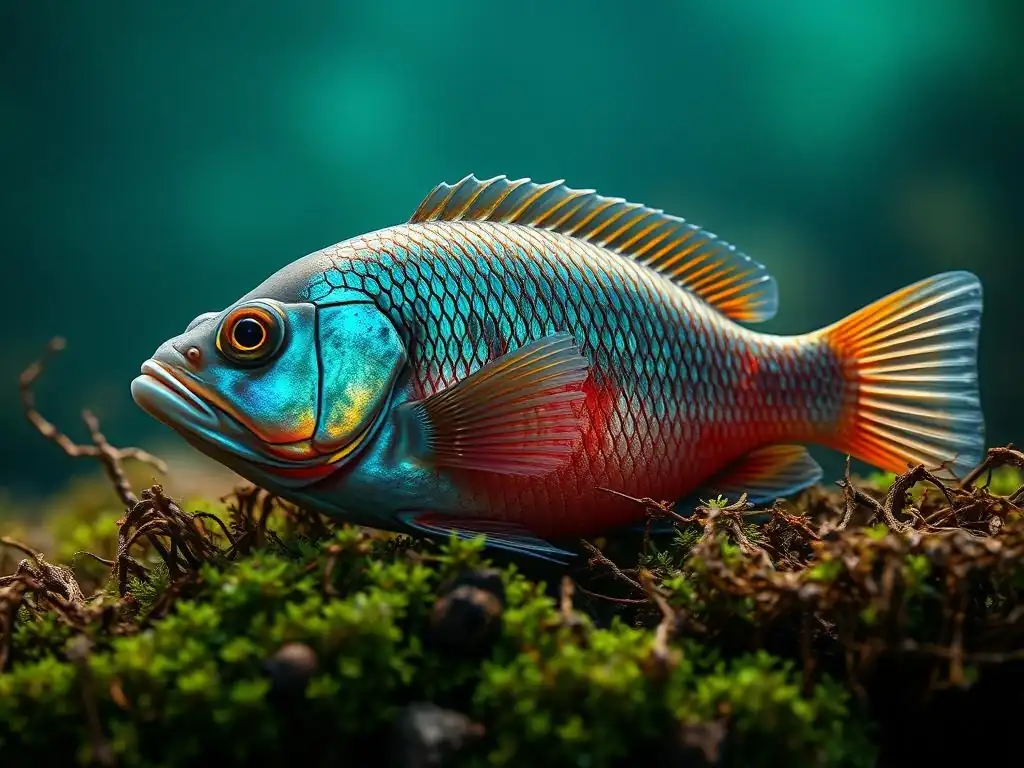
Maintaining optimal water parameters is the cornerstone of preventing African Cichlid Bloat. For African Rift Lake cichlids, this means consistently holding pH levels between 7.8 and 8.5, general hardness (GH) between 10-20 dGH, and carbonate hardness (KH) between 10-18 dKH. The temperature should be stable, typically within the range of 76-82°F (24-28°C). Regular water testing, ideally weekly, using a high-quality liquid test kit, is non-negotiable to monitor ammonia, nitrite, and nitrate levels, ensuring they remain at 0 ppm for ammonia and nitrite, and below 20 ppm for nitrates.
Consistent, scheduled water changes are the most effective method for controlling nitrates and maintaining overall water stability. A minimum of 25-30% of the tank water should be replaced weekly, or even more frequently for heavily stocked tanks. Proper filtration – including mechanical filtration for particulate removal, biological filtration for the nitrogen cycle, and potentially chemical filtration for polishing – is also crucial. A mature and robust nitrogen cycle is essential to prevent the accumulation of toxic ammonia and nitrite, which are significant stressors that can trigger bloat.
Proper Feeding Regimen: A Balanced Diet
A proper feeding regimen, centered on a balanced and species-appropriate diet, is arguably the most critical preventative measure against African Cichlid Bloat. For most Mbuna cichlids, which are primarily herbivorous, the staple diet should consist of high-quality, spirulina-based pellets or flakes. These foods are formulated to provide the necessary fiber and nutrients without excessive animal protein. Supplementation with blanched vegetables like zucchini slices, spinach, or shelled peas can further enhance their diet and provide beneficial roughage.
It is absolutely imperative to strictly avoid high-protein foods such as beef heart, bloodworms, tubifex worms, or live feeder fish for herbivorous African cichlids. These foods are extremely difficult for their long digestive tracts to process and are a leading cause of internal blockages, bacterial overgrowth, and ultimately, bloat. Feed small amounts, two to three times a day, only what the fish can consume within 1-2 minutes to prevent overfeeding and the accumulation of uneaten food, which can foul the water and contribute to bloat-inducing conditions.
Minimizing Stress: Creating a Calm Environment
Minimizing stress is crucial for preventing African Cichlid Bloat, as stress directly compromises a fish's immune system, making it vulnerable to disease. Overcrowding is a significant stressor; ensure your cichlids are housed in an adequately sized aquarium (e.g., a minimum of 55 gallons for a small Mbuna colony, with larger tanks like 75-125 gallons being ideal for more diverse or aggressive species). Proper aquascaping with ample rockwork, caves, and territorial breaks provides crucial hiding spots and reduces aggression among tank mates.
Choosing compatible tank mates is also vital. Avoid mixing overly aggressive species with more timid ones, and research the specific temperament and adult size of each cichlid before introduction. Maintain a consistent lighting schedule and avoid sudden loud noises or vibrations near the tank, which can startle and stress fish. A stable, well-structured environment allows cichlids to establish territories and reduces chronic stress, thereby bolstering their natural resistance to diseases like bloat, making Malawi bloat treatment options less likely to be needed.
Regular Observation: Monitoring for Early Signs
Regular, daily observation of your African cichlids is a simple yet powerful preventative measure against bloat. By closely watching your fish's behavior, appetite, and physical appearance, you can detect the subtle early warning signs of bloat before the disease progresses to a critical stage. Look for changes such as hiding more than usual, clamped fins, darkened coloration, refusal to eat, or any unusual swimming patterns. These behavioral cues often precede visible physical symptoms.
In addition to behavioral changes, pay close attention to the fish's feces. The presence of white, stringy feces is a strong indicator of internal issues, often Spironucleus, which can lead to bloat. By being vigilant and proactive, you can identify potential problems at their earliest stages, allowing for immediate intervention and significantly improving the chances of successful recovery. Maintaining a log of feeding habits and fish health can also help identify patterns or deviations from normal behavior, prompting timely action and the application of appropriate Malawi bloat treatment options.
Post-Treatment Care: Supporting Recovery
Gradual Reintroduction to the Main Tank
After a successful course of Malawi bloat treatment options and at least a week of observing the fish in the quarantine tank with no returning symptoms, it is time to consider reintroducing it to the main display tank. This process should be done gradually to minimize stress and prevent a relapse. Acclimate the recovered fish to the main tank's water parameters slowly, using a drip acclimation method over several hours. This allows the fish to adjust gradually to any subtle differences in pH, temperature, or hardness, reducing the risk of shock.
Once reintroduced, continue to monitor the fish closely for several days to ensure it integrates well with its tank mates and resumes normal behavior, including feeding and territorial interactions. Watch for any signs of stress, aggression from other fish, or a return of bloat symptoms. Avoid adding any new fish to the main tank during this sensitive period to prevent any additional stressors or potential reintroduction of pathogens.
Continued Monitoring and Preventative Measures
The period following successful Malawi bloat treatment options and reintroduction to the main tank is crucial for ensuring a full and lasting recovery. Continued diligent monitoring of the recovered fish for any returning symptoms is essential, as fish that have survived bloat may be more susceptible to future episodes, especially if the underlying causes are not fully addressed. Observe their appetite, activity levels, and physical appearance daily.
Beyond observation, strict adherence to all preventative measures is paramount. This includes maintaining impeccable water quality through regular testing and consistent water changes, providing a species-appropriate, high-fiber diet, and ensuring the tank environment minimizes stress (e.g., appropriate stocking, ample hiding spots). Consider a slightly reduced feeding schedule for a few weeks post-recovery to allow the fish's digestive system to fully heal and recuperate. This long-term commitment to optimal husbandry is the best defense against future bloat outbreaks.
Expert Tips for Prevention and Treatment
Proactive Water Changes
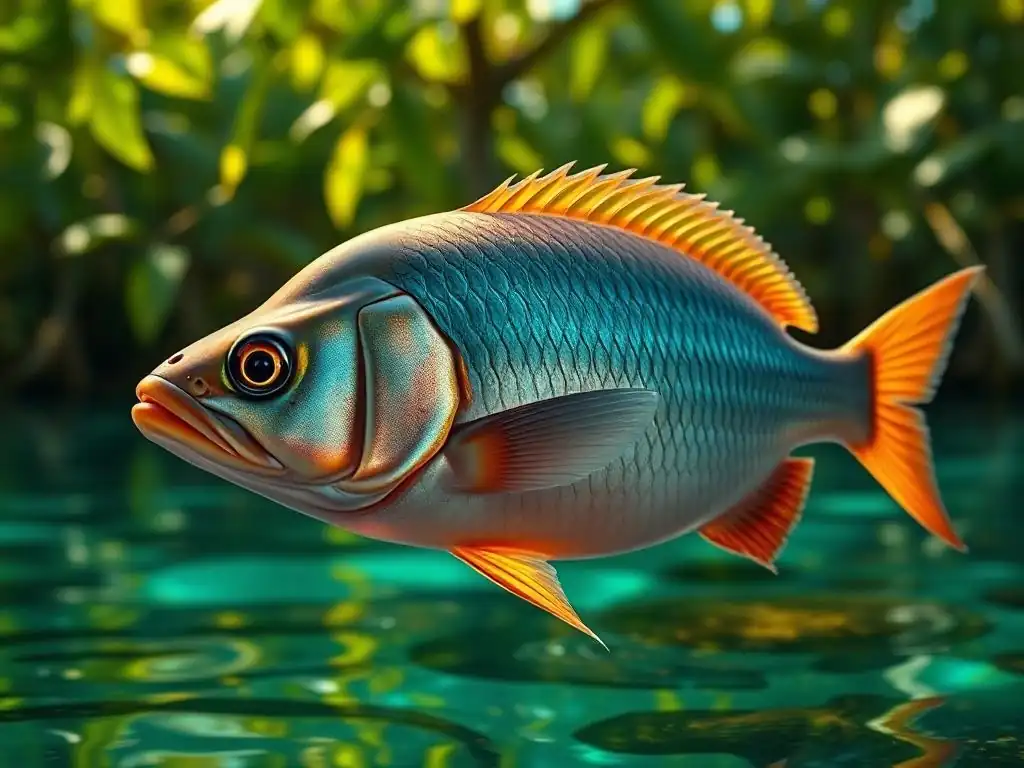
Proactive water changes are arguably the single most impactful preventative measure against African Cichlid Bloat. Rather than waiting for water parameters to become problematic, consistent and scheduled water changes dilute nitrates, replenish essential minerals, and maintain overall water stability, which are crucial for a robust immune system. For a typical African cichlid tank, a weekly water change of 25-30% is a good starting point, but heavily stocked tanks or those with larger fish may benefit from 40-50% weekly or even smaller, more frequent changes (e.g., 20% twice a week).
When performing water changes, always use a reliable water conditioner to neutralize chlorine and chloramines, and ensure the new water is temperature-matched to avoid thermal shock. Utilize a gravel vacuum to remove detritus and uneaten food from the substrate, as decomposing organic matter contributes to poor water quality. This commitment to pristine water conditions significantly reduces stress on the fish and minimizes the likelihood of bloat, thereby reducing the need for emergency Malawi bloat treatment options.
Quarantine New Fish
Quarantining new fish before introducing them to your main display tank is a non-negotiable practice for preventing the introduction of diseases, including the pathogens that trigger African Cichlid Bloat. A dedicated quarantine tank, set up as described earlier, should be used to house all new arrivals for a minimum of 4-6 weeks. During this period, observe the new fish closely for any signs of illness, such as lethargy, clamped fins, loss of appetite, or, crucially, white stringy feces, which could indicate Spironucleus.
Proactive treatment during quarantine, such as a general deworming or a preventative course of Metronidazole, can be considered, especially if the source of the fish is unknown or if similar issues have occurred in the past. This simple, yet often overlooked, step acts as a critical barrier, preventing the spread of diseases from a single infected fish to your entire established collection, thereby saving significant time, money, and emotional distress from widespread bloat outbreaks and the need for extensive Malawi bloat treatment options.
Use High-Quality Food
The quality and type of food you feed your African cichlids are paramount in preventing bloat. Investing in premium, species-appropriate cichlid foods is a direct investment in your fish's long-term health. For herbivorous Mbuna cichlids, this means selecting high-fiber, spirulina-rich pellets or flakes that have a low animal protein content (typically below 35-40%). Reputable brands known for their quality cichlid-specific formulations include New Life Spectrum, Hikari Cichlid Excel, and NorthFin Cichlid Formula. These foods are designed to be easily digestible and promote a healthy gut flora.
Avoid generic tropical flakes or pellets that often contain excessive fish meal or animal by-products, as these are difficult for the specialized digestive systems of African cichlids to process and are a leading cause of bloat. While omnivorous species like Peacock cichlids can tolerate slightly more protein, their diet should still be predominantly plant-based. By providing a consistent diet of high-quality, appropriate food, you directly support your cichlids' digestive health, reduce internal stress, and significantly lower the risk of bloat, making Malawi bloat treatment options a rare necessity.
Conclusion: Protecting Your Cichlids from Bloat
African Cichlid Bloat is a formidable and often fatal disease, but it is largely preventable through diligent husbandry and a deep understanding of these magnificent fish's specific needs. The key to protecting your cichlids lies in a multi-faceted approach that prioritizes pristine water quality, a meticulously balanced and species-appropriate diet, and a tank environment that minimizes stress. These three pillars form the bedrock of a healthy cichlid aquarium and significantly reduce the likelihood of a bloat outbreak.
Should bloat unfortunately strike, early detection of symptoms such as lethargy, appetite loss, and white stringy feces is paramount. Prompt and appropriate Malawi bloat treatment options, typically involving Metronidazole, Epsom salt, and potentially broad-spectrum antibiotics, administered in a dedicated quarantine tank, offer the best chance of recovery. Remember, prevention is always more effective and less stressful than cure. By committing to these practices, you can ensure your African cichlids thrive, allowing you to enjoy their vibrant colors and fascinating behaviors for years to come.
Frequently Asked Questions
What is Malawi Bloat and why is it so dangerous for African Cichlids?
Malawi Bloat is a serious intestinal infection affecting African Cichlids, particularly those from Lake Malawi. It's dangerous because it can lead to internal organ failure and is often fatal if left untreated.
What are the key symptoms to watch out for that might indicate Malawi Bloat?
Key symptoms include loss of appetite, swollen abdomen, lethargy, and white, stringy feces. Affected fish may also exhibit labored breathing and become reclusive.
What are the primary causes of Malawi Bloat in an aquarium setting?
The primary causes are often related to poor water quality, stress, and an inappropriate diet. An imbalance in the gut flora can also contribute, making the fish susceptible to opportunistic infections.
What are some common Malawi Bloat treatment options recommended by AquariumMastery.com?
Treatment options include antibiotic medications specifically formulated for fish, improving water quality through frequent water changes, and providing a more suitable diet. Isolate affected fish to prevent further spread.
How can I prevent Malawi Bloat from occurring in my African Cichlid aquarium?
Prevention involves maintaining excellent water quality, providing a balanced diet appropriate for African Cichlids, minimizing stress, and quarantining new fish before introducing them to the main tank.
Final Reflection: Hope Amidst the Bloat
The information presented in this article, while focusing on the specifics of Malawi bloat, ultimately speaks to the broader importance of proactive fishkeeping and responsible aquarium management. Understanding the causes, symptoms, and treatment options is not just about saving individual fish; it's about fostering a healthier and more sustainable aquatic ecosystem, both in our homes and, by extension, in the wild. The devastating impact of this disease underscores the interconnectedness of all living things and the responsibility we bear as caretakers.
The fight against Malawi bloat is a testament to our dedication to the well-being of these fascinating creatures. It reminds us that even seemingly small actions, like diligent water changes and careful observation, can make a profound difference in the lives of our fish. The knowledge shared here empowers aquarists to become better stewards of their underwater worlds. The greatness of a nation and its moral progress can be judged by the way its animals are treated.
- Mahatma Gandhi. This quote, though not specifically about fish, resonates deeply with the spirit of responsible pet ownership and the compassion we should extend to all living beings.
Now, armed with this knowledge, I encourage you to reflect on your own practices. Are you providing the optimal environment for your Malawi cichlids? Are you vigilant in observing their behavior and addressing potential issues early on? Let this article serve as a catalyst for continuous learning and improvement. By embracing a proactive approach to fishkeeping, you can not only prevent Malawi bloat but also create a thriving and vibrant aquarium that brings joy and wonder for years to come.
Unlock Your Fish Keeping Superpowers!
Thanks for diving deep into the complexities of Malawi bloat with us. We hope you now feel more equipped to recognize, treat, and even prevent this devastating disease in your beloved fish. Now, let's put that knowledge into action!
Here are a few key things you can do right now:
- Immediately review your feeding schedule and food quality. This is the single most impactful step you can take to prevent bloat.
- Consider starting a small online journal to document your fish's behavior, food intake, and any noticeable physical changes. This can be invaluable for early detection.
- Share this article with fellow aquarium enthusiasts! You might just help someone save their fish.
What small, practical change will you implement this week to safeguard your Malawi cichlids from bloat?