
The Unsung Heroes: Why Your Saltwater Tank Needs a CleanUp Crew

Welcome to Aquarium Mastery!
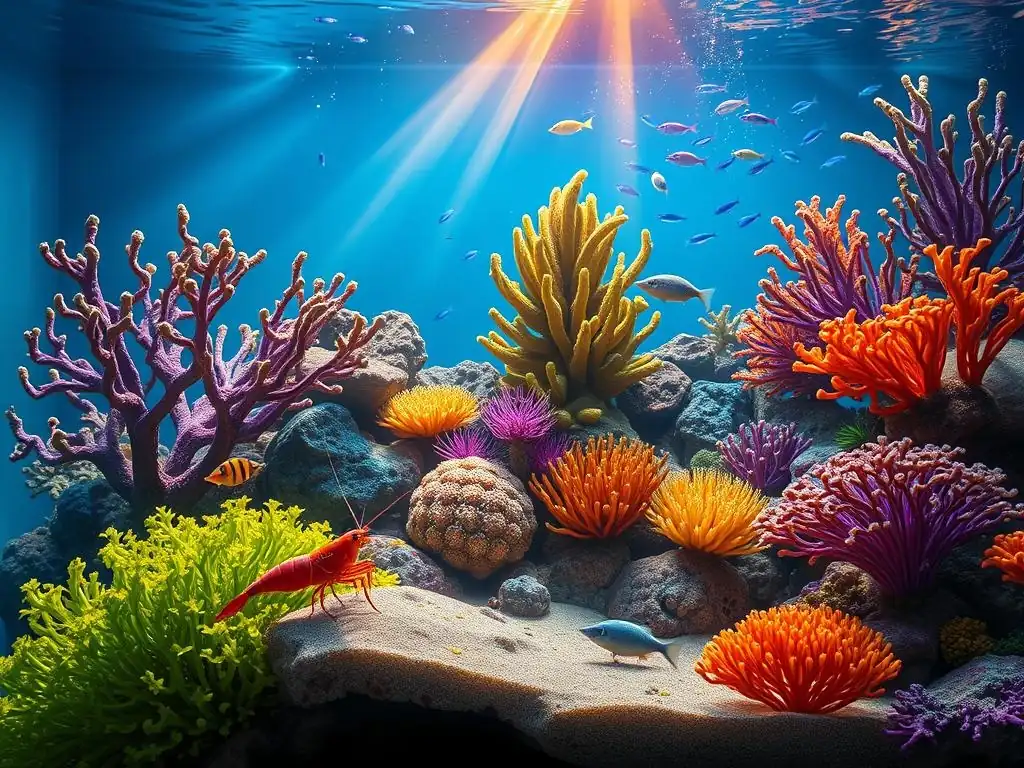
Ever wondered how to keep your saltwater tank sparkling clean without endless scrubbing? Dive in and discover the secrets of the saltwater tank cleanup crew! These unsung heroes work tirelessly to maintain a healthy and vibrant ecosystem, but choosing the right members is key. Let's explore the fascinating world of these essential invertebrates and unlock the secrets to a pristine aquarium...
- Understanding the Importance of a Saltwater Tank Cleanup Crew
- Top Benefits of Introducing a Saltwater Cleanup Crew
- Essential Members of a Saltwater Tank Cleanup Crew: Species Spotlight
- Choosing the Right Saltwater Cleanup Crew for Your Tank
- Introducing and Maintaining Your Saltwater Tank Cleanup Crew
- Troubleshooting Common Saltwater Cleanup Crew Problems
- Maximizing the Effectiveness of Your Saltwater Tank Cleanup Crew
-
Frequently Asked Questions
- What exactly is a saltwater tank cleanup crew?
- Why is a cleanup crew important for a saltwater aquarium?
- What types of creatures are commonly included in a saltwater tank cleanup crew?
- How do I choose the right cleanup crew for my saltwater tank?
- How many cleanup crew members do I need for my saltwater tank?
- Final Reflection: Appreciating the Silent Guardians
- Unleash the Power of Your Reef: Start Thriving Today!
Understanding the Importance of a Saltwater Tank Cleanup Crew
Defining a Saltwater Aquarium Cleanup Crew: What Do They Do?
A saltwater aquarium cleanup crew, often abbreviated as CUC, refers to a diverse group of invertebrates intentionally introduced into a marine aquarium to perform essential maintenance tasks. These unsung heroes primarily consist of various species of snails, crabs, shrimp, and sometimes other specialized invertebrates, all working in concert to consume nuisance algae, decaying organic matter, and uneaten food. Their collective efforts mimic the natural processes found on a coral reef, where a complex web of organisms constantly recycles nutrients and maintains ecological balance.
The primary role of a saltwater tank cleanup crew is to act as the tank's sanitation department. They tirelessly graze on biofilm and algae that accumulate on rocks, substrate, and glass surfaces, preventing unsightly outbreaks and maintaining clarity. Beyond visible cleaning, they also delve into the less obvious, breaking down detritus and processing waste products that could otherwise degrade water quality. This proactive approach to waste management significantly reduces the workload for the aquarist and contributes to a more stable and thriving marine environment.
The Role of Detritivores in a Healthy Saltwater Ecosystem
Detritivores are organisms that feed on dead organic material, and they form the backbone of an effective saltwater tank cleanup crew. In a closed aquarium system, uneaten fish food, fish waste, decaying plant matter, and dying algae constantly contribute to the organic load. Without efficient detritivores, this material would break down, releasing harmful ammonia, nitrites, and nitrates, leading to poor water quality and potential health issues for fish and corals.
By actively consuming and processing detritus, these specialized invertebrates play a crucial role in nutrient cycling, effectively exporting unwanted organic compounds from the water column and substrate. For instance, a well-balanced cleanup crew in a 50-gallon saltwater tank can process several grams of organic waste daily, significantly reducing the burden on mechanical and biological filtration. This natural breakdown and consumption of waste prevent anaerobic pockets in the sand bed and ensure that nutrients are locked away or consumed before they can fuel nuisance algae blooms.
Beyond Aesthetics: The Vital Functions of a Clean Up Crew
While a cleaner-looking tank is an obvious benefit, the functions of a saltwater tank cleanup crew extend far beyond mere aesthetics. They are critical components of a healthy, balanced marine ecosystem, contributing to the overall stability and resilience of the aquarium. By preventing the accumulation of decaying matter, they help to reduce the proliferation of pathogenic bacteria, thereby lowering the risk of disease outbreaks among fish and corals.
Furthermore, many members of a saltwater tank cleanup crew contribute to substrate aeration and nutrient availability. Snails and crabs that burrow into the sand bed prevent compaction and the formation of toxic hydrogen sulfide gas, which can be lethal to tank inhabitants. Their constant movement churns the substrate, making it easier for beneficial nitrifying and denitrifying bacteria to colonize and perform their vital roles in the nitrogen cycle. This holistic contribution ensures that the saltwater aquarium remains not just clean, but biologically robust and healthy for all its inhabitants.
Top Benefits of Introducing a Saltwater Cleanup Crew
Maintaining Water Quality: Nitrates, Phosphates, and Ammonia Control
One of the most significant advantages of a robust saltwater tank cleanup crew is their direct and indirect contribution to maintaining pristine water quality. By consuming uneaten food, fish waste, and decaying organic matter, they prevent these substances from breaking down and releasing ammonia, nitrites, and nitrates into the water column. While filtration systems handle much of the nitrogen cycle, the cleanup crew acts as a crucial first line of defense, proactively removing potential pollutants before they become problematic.
For instance, the consistent removal of detritus by a diligent saltwater tank cleanup crew can help keep nitrate levels significantly lower, often maintaining them below 10-20 ppm in a well-managed reef system, and phosphates below 0.03 ppm. This proactive consumption reduces the overall bio-load on the filtration system, allowing it to operate more efficiently. Their efforts mean fewer large nutrient spikes, leading to a more stable environment that is less prone to algae outbreaks and more conducive to the health of sensitive corals and fish.
Algae Control: Keeping Your Saltwater Tank Crystal Clear
Nuisance algae are a common headache for many aquarists, but a well-chosen saltwater tank cleanup crew can be an incredibly effective and natural solution. Different members of the CUC specialize in consuming various types of algae, from diatoms and film algae that coat the glass and rocks to more persistent forms like hair algae and even bubble algae. This biological control method reduces the need for constant manual scrubbing and chemical treatments.
For example, large Turbo snails are voracious grazers of film and hair algae, capable of clearing several square inches per hour on tank surfaces. Emerald crabs are renowned for their appetite for bubble algae (Valonia), a type of green macroalgae that can quickly overrun a tank. By introducing a diverse saltwater tank cleanup crew, you can significantly reduce the growth rate of nuisance algae, often by 50% or more compared to tanks without a dedicated CUC, leading to a much clearer and more aesthetically pleasing marine aquarium.
Detritus Removal: Preventing Waste Build-Up in Your Marine Aquarium
Detritus, a mixture of uneaten food, fish waste, and decaying organic material, inevitably accumulates in marine aquariums, settling in crevices, on live rock, and especially within the sand bed. If left unaddressed, this detritus can create anaerobic pockets, release harmful compounds, and fuel nutrient imbalances. A dedicated saltwater tank cleanup crew excels at locating and consuming this waste before it becomes a problem.
Nassarius snails, for example, are excellent burrowing scavengers that emerge from the sand to consume any uneaten food that settles on the substrate, preventing it from decaying. Hermit crabs and various snail species constantly sift through the sand and pick at the rockwork, ensuring that organic matter is broken down and consumed. In a typical 75-gallon reef tank, which can produce several grams of detritus daily, a healthy saltwater tank cleanup crew prevents this from accumulating, thereby maintaining a healthier and more stable ecosystem.
Enhancing Substrate Health: Aeration and Nutrient Cycling
Beyond simply eating waste, many members of a saltwater tank cleanup crew actively enhance the health of the aquarium's substrate, particularly the sand bed. Organisms like sand-sifting snails and certain sea cucumbers constantly churn and aerate the sand as they forage for food. This physical disturbance is vital for preventing the compaction of the sand bed and the formation of anoxic (oxygen-deprived) zones.
Anoxic zones can lead to the production of hydrogen sulfide, a highly toxic gas recognizable by its rotten egg smell, which can be lethal to tank inhabitants. By aerating the substrate, the saltwater tank cleanup crew ensures that oxygen-rich water can penetrate deeper into the sand, supporting a healthy population of beneficial aerobic bacteria that break down organic waste. This constant turning also helps to release trapped nutrients, making them available for beneficial microbial processes and contributing to the overall nutrient cycling efficiency of the marine aquarium.
Essential Members of a Saltwater Tank Cleanup Crew: Species Spotlight
Snails for Saltwater Aquariums: Turbo Snails, Cerith Snails, and Nassarius Snails
Snails are arguably the most fundamental component of any effective saltwater tank cleanup crew, offering a wide range of specialized cleaning services. Their hardiness and diverse feeding habits make them indispensable for maintaining a clean and balanced marine aquarium.
Turbo Snails: Algae Grazers for Large Saltwater Tanks
Turbo Snails (e.g., Turban Snails, Astrea Snails) are robust, herbivorous snails renowned for their voracious appetite for various types of algae, including diatoms, film algae, and nuisance hair algae. Growing up to 2 inches in diameter, they are powerful grazers that can clear significant patches of algae from tank glass and rockwork. Their strong suction foot allows them to cling firmly to surfaces, even in high flow areas, making them highly effective.
Native to warm waters, they thrive in temperatures around 72-78°F and prefer stable salinity levels. A single Turbo snail can often clear several square inches of algae per hour, making them ideal for larger saltwater tanks or those with persistent algae issues.
Cerith Snails: Versatile Cleaners for Algae and Detritus
Cerith Snails (Cerithium spp.) are smaller, typically ranging from 0.5 to 1 inch, but are incredibly versatile and agile members of a saltwater tank cleanup crew. Their conical shells allow them to navigate tight crevices in live rock and burrow effectively into the sand bed.
They are omnivores, consuming diatoms, cyanobacteria (red slime algae), film algae, and detritus found on both hard surfaces and within the substrate. Their dual-action cleaning makes them excellent generalists for any marine aquarium. Cerith snails are known for their continuous foraging, constantly sifting through the top layers of sand and picking at rock surfaces, contributing significantly to overall tank cleanliness.
Nassarius Snails: Scavengers for Uneaten Food and Organic Waste
Nassarius Snails (Nassarius spp.) are unique members of the saltwater tank cleanup crew known for their specialized role as scavengers of uneaten food and decaying organic waste. These small snails, usually 0.5 to 1 inch, spend most of their time buried in the sand bed, emerging rapidly when they detect food in the water column.
Their distinctive "siphon" acts like a snorkel, allowing them to breathe while buried. They are highly efficient at consuming any fish food or decaying organic matter that settles on the substrate, preventing it from decomposing and releasing harmful nutrients. Their burrowing behavior also helps to aerate the sand bed, preventing the formation of anaerobic pockets.
Crabs for Saltwater Aquariums: Hermit Crabs and Emerald Crabs
Crabs offer a different set of cleaning capabilities to a saltwater tank cleanup crew, often specializing in areas or types of waste that snails might miss. However, it's crucial to select species known for their reef-safe tendencies.
Hermit Crabs: Sand Bed Stirrers and Detritus Eaters
Hermit Crabs (e.g., Blue Leg Hermit Crab, Scarlet Reef Hermit Crab) are popular and effective members of a saltwater tank cleanup crew. They are opportunistic scavengers that consume detritus, uneaten food, and various types of algae, including film algae and cyanobacteria. Blue Leg Hermit Crabs, typically under an inch, are excellent for general cleanup and are known for their active sifting through sand and rockwork.
Scarlet Reef Hermit Crabs, growing up to 1.5 inches, are also efficient detritus eaters and are particularly effective against red slime algae. They require a steady supply of empty shells as they grow, as they will outgrow their current homes.
Emerald Crabs: Effective Bubble Algae Control
Emerald Crabs (Mithraculus sculptus) are highly valued for their specific appetite for bubble algae (Valonia spp. ), a common and often difficult-to-control nuisance algae in reef tanks. These crabs, which can grow up to 2 inches, are one of the few natural predators of bubble algae.
While generally reef-safe, it's important to ensure they are well-fed, as a hungry Emerald Crab might occasionally nip at corals or other invertebrates. A single Emerald Crab can significantly reduce a moderate bubble algae outbreak in a 50-gallon tank over several weeks, making them an invaluable asset for targeted algae control in a saltwater tank cleanup crew.
Shrimp for Saltwater Aquariums: Peppermint Shrimp and Cleaner Shrimp
Shrimp bring a unique set of skills to the saltwater tank cleanup crew, often specializing in pest control or even providing health services to fish. Their graceful movements and vibrant colors also add aesthetic appeal.
Peppermint Shrimp: Aiptasia Anemone Control
Peppermint Shrimp (Lysmata wurdemanni) are small, typically 1.5 to 2 inches, and are highly regarded for their natural predation on Aiptasia anemones. Aiptasia are invasive pest anemones that can quickly proliferate and sting corals and fish. While not every Peppermint Shrimp will target Aiptasia, many individuals will actively seek out and consume these pests, making them a popular biological control method.
Beyond Aiptasia, they also act as general scavengers, consuming uneaten food and detritus, further contributing to the overall cleanliness of the saltwater tank cleanup crew. A small group of 2-3 Peppermint Shrimp can effectively clear a moderate Aiptasia infestation in a 30-gallon tank within weeks.
Cleaner Shrimp: Parasite Removal and General Cleaning
Cleaner Shrimp (e.g., Skunk Cleaner Shrimp - Lysmata amboinensis, Blood Red Fire Shrimp - Lysmata debelius) are fascinating and beneficial additions to any saltwater tank cleanup crew. While they do scavenge uneaten food and detritus, their most notable behavior is setting up "cleaning stations" where fish will approach them to have external parasites and dead tissue removed. Skunk Cleaner Shrimp, reaching 2-3 inches, are particularly known for this symbiotic relationship, often seen perched on live rock, waving their antennae to attract fish. This service not only helps keep fish healthy but also adds an engaging dynamic to the aquarium.
Other Beneficial Organisms: Starfish, Sea Cucumbers, and Brittle Stars
Beyond the common snails, crabs, and shrimp, several other invertebrates can offer specialized cleaning services, particularly for the sand bed.
Sea Cucumbers: Sand Bed Vacuum Cleaners
Certain species of Sea Cucumbers (e.g., Tiger Tail Sea Cucumber, Sand-sifting Sea Cucumber) are exceptional sand sifters, acting as living vacuum cleaners for the substrate. They ingest large quantities of sand, digest the organic matter and detritus within it, and then expel clean sand. This constant processing helps to aerate the sand bed, prevent compaction, and remove accumulated organic waste.
A Tiger Tail Sea Cucumber, often growing 6-8 inches, can process a remarkable volume of sand in a 24-hour period, making them ideal for larger tanks (100+ gallons) with deep sand beds. However, caution is advised as some species can release toxins if stressed or dying.
Brittle Stars: Scavengers of Leftover Food
Brittle Stars (e.g., Green Brittle Star, Micro Brittle Star) are hardy and efficient scavengers that primarily hide within the live rockwork, extending their long, flexible arms to search for food. They are excellent at consuming uneaten food, detritus, and decaying organic matter that settles in hard-to-reach crevices.
Micro Brittle Stars, typically with an arm span of 2-3 inches, are particularly beneficial as they are small, highly efficient, and generally considered reef-safe. They are nocturnal for the most part, emerging at night or during feeding times to quickly snatch up any available scraps, ensuring that no food goes to waste in the saltwater tank cleanup crew.
Choosing the Right Saltwater Cleanup Crew for Your Tank
Assessing Your Tank's Needs: Algae Types, Detritus Levels, and Tank Size
Selecting the ideal saltwater tank cleanup crew begins with a thorough assessment of your aquarium's specific needs. Observe the types of nuisance algae present: are you battling diatoms, hair algae, or perhaps stubborn bubble algae? This will guide your choice of herbivorous snails and crabs. Similarly, evaluate the level of detritus accumulation in your sand bed and rockwork; high levels might necessitate more sand-sifting snails and detritivores.
Tank size is another critical factor. A 20-gallon nano tank will require a much smaller and more specialized saltwater tank cleanup crew than a 180-gallon reef system. Overstocking a small tank can lead to starvation for the CUC members, while understocking a large tank will render their efforts ineffective. Tailoring the CUC to your tank's unique challenges ensures maximum efficiency and long-term success.
Compatibility Considerations: Fish, Corals, and Invertebrate Interactions
Before introducing any new member to your saltwater tank cleanup crew, it is crucial to research their compatibility with your existing fish, corals, and other invertebrates. Some fish species, such as Triggerfish, Puffers, certain Wrasses, and Hawkfish, are known predators of snails, crabs, and shrimp, often viewing them as a food source rather than tank mates. Introducing expensive CUC members into a tank with such predators is often a futile exercise.
Furthermore, while most cleanup crew invertebrates are considered reef-safe, some crabs, if not adequately fed, might nip at corals or other sessile invertebrates. Even within the CUC, competition for food and space can occur if stocking density is too high. Always prioritize species known for their peaceful temperament and ensure they won't pose a threat to your valued fish and corals, making a harmonious saltwater tank cleanup crew.
Stocking Density: Avoiding Overcrowding and Competition
Determining the appropriate stocking density for your saltwater tank cleanup crew is vital for their survival and effectiveness. Overstocking can lead to starvation, as the available food sources (algae, detritus) become depleted, causing CUC members to die off and potentially foul the water. Conversely, too few members will be unable to handle the tank's waste load.
General guidelines often suggest starting with a conservative number, such as 1-2 snails per 5 gallons and 1 hermit crab per 10 gallons, then adjusting based on the tank's needs. For example, a 50-gallon tank might start with 10-15 assorted snails and 3-5 hermit crabs. Continuously monitor your tank's cleanliness and the health of your saltwater tank cleanup crew. If algae or detritus persist, you may need to add more. If CUC members appear lethargic or are dying off, it might indicate insufficient food or overcrowding.
Cleanup Crew for Different Tank Types
The ideal saltwater tank cleanup crew varies slightly depending on the specific type of marine aquarium you maintain.
- FOWLR (Fish Only With Live Rock) Tanks: These tanks typically have higher bioloads due to larger, more numerous fish and often higher feeding rates. They can benefit from a robust cleanup crew, including larger snails like Turbo snails and more numerous hermit crabs to handle the increased detritus. Compatibility with potentially aggressive fish is a key consideration.
- Soft Coral Tanks: Soft corals are generally more tolerant of minor water parameter fluctuations. A standard mix of snails (Cerith, Nassarius, Turbo) and hermit crabs works well. Peppermint shrimp are excellent if Aiptasia is an issue.
- LPS (Large Polyp Stony) Coral Tanks: LPS corals require stable water parameters. A diverse saltwater tank cleanup crew is beneficial for nutrient control. Ensure crabs are not known to nip at corals. Nassarius snails are excellent for keeping the sand bed clean around these corals.
- SPS (Small Polyp Stony) Coral Tanks: SPS corals are the most sensitive to water quality and require ultra-low nutrient environments. A highly efficient and carefully selected saltwater tank cleanup crew is essential to maintain very low nitrates and phosphates. Focus on species that consume micro-algae and detritus without disturbing delicate corals, such as smaller Cerith snails, Nassarius snails, and possibly a few hermit crabs. Avoid larger, more clumsy CUC members that could knock over frag plugs.
Introducing and Maintaining Your Saltwater Tank Cleanup Crew
Acclimation Procedures: Ensuring Survival and Reducing Stress
Proper acclimation is paramount for the survival and long-term health of your saltwater tank cleanup crew, especially for invertebrates which are highly sensitive to sudden changes in salinity, pH, and temperature. The drip acclimation method is widely recommended as it allows for a slow, gradual adjustment to your tank's water parameters, significantly reducing stress and shock.
To perform drip acclimation, place your new CUC members in a clean bucket or container with their original transport water. Use airline tubing to siphon water from your display tank into the container, tying a knot in the tubing or using a control valve to regulate the drip rate to about 2-3 drops per second. Allow this process to continue for 45-60 minutes, or until the volume of water in the container has at least quadrupled.
Once acclimated, gently net the invertebrates and place them directly into your tank, discarding the old water. This meticulous process ensures a smooth transition for your saltwater tank cleanup crew.
Feeding Your Cleanup Crew: Supplementing Their Diet When Necessary
While your saltwater tank cleanup crew primarily feeds on algae, detritus, and uneaten food within your aquarium, there are instances when supplementary feeding becomes necessary. In very clean tanks with low nutrient levels (e.g., Ultra-Low Nutrient Systems - ULNS) or tanks with a particularly large CUC population, natural food sources may become scarce. Signs of underfeeding include lethargy, snails falling off the glass and not righting themselves, or CUC members becoming noticeably smaller.
If supplementation is required, offer small amounts of algae wafers, spirulina flakes, or even a small piece of nori. Target feeding can ensure that the food reaches the cleanup crew and isn't consumed by fish. Providing a consistent, albeit minimal, food source ensures your saltwater tank cleanup crew remains active and healthy, continuing their vital work without starving.
Monitoring Water Parameters: Maintaining Optimal Conditions
Maintaining stable and optimal water parameters is crucial for the health and longevity of your saltwater tank cleanup crew. Invertebrates are particularly sensitive to fluctuations in salinity, temperature, pH, and alkalinity. Regular testing of these parameters is essential.
Aim for a stable salinity between 1.023 and 1.026 specific gravity, a temperature range of 72-78°F (22-26°C), a pH of 8.0-8.4, and alkalinity (dKH) between 7-11. Sudden swings in any of these parameters can cause significant stress, leading to weakened immune systems, molting issues for crustaceans, and ultimately, death. Consistent monitoring and prompt adjustments ensure a healthy environment for your saltwater tank cleanup crew, allowing them to thrive and effectively perform their duties.
Protecting Your Cleanup Crew: Avoiding Predatory Fish and Invertebrates
Even the most robust saltwater tank cleanup crew can be vulnerable to predation from certain tank mates. Before introducing CUC members, thoroughly research the compatibility of your existing fish and other invertebrates. Fish species such as Triggerfish, Puffers, some types of Wrasses (e.g., Six-Line Wrasses can nip at snails), and Hawkfish are notorious for preying on snails, hermit crabs, and shrimp.
Beyond fish, even some larger crabs or mantis shrimp (if present) can pose a threat to smaller or less aggressive cleanup crew members. Providing ample hiding spots within the live rockwork can offer some protection, and ensuring hermit crabs have a variety of appropriately sized empty shells available can reduce aggression among themselves and provide necessary shelter. Careful selection of tank mates is key to a thriving saltwater tank cleanup crew.
Troubleshooting Common Saltwater Cleanup Crew Problems
Population Decline: Identifying and Addressing Potential Issues
A noticeable decline in your saltwater tank cleanup crew population can be a clear indicator of underlying issues in your aquarium. Common causes include predation, starvation due to insufficient food sources, poor water quality (e.g., ammonia spikes, low salinity), lack of suitable empty shells for hermit crabs, or even disease.
To address this, first, check your water parameters for any anomalies. Next, carefully observe your fish and other invertebrates for any signs of aggression towards the CUC. If predation is suspected, consider relocating the aggressive fish or providing more hiding spots. If food scarcity is the issue, evaluate your feeding habits and consider supplementing your CUC's diet. Regularly inspect CUC members for any signs of distress or disease, such as inactivity or unusual growths. Identifying the root cause is crucial for restoring the health of your saltwater tank cleanup crew.
Predation: Protecting Your Clean Up Crew from Tank Mates
Predation is a frequent cause of saltwater tank cleanup crew losses. Many popular marine fish, while beautiful, view snails, crabs, and shrimp as a natural food source. For example, a single Clown Triggerfish can decimate an entire cleanup crew in a matter of days. Even seemingly docile fish like certain wrasses might develop a taste for snails.
To protect your clean up crew, the most effective strategy is proactive research and careful tank mate selection. Avoid keeping known predators with vulnerable invertebrates. If you already have predatory fish, consider whether a CUC is feasible or if you need to choose larger, less appealing species (e.g., larger snails that might be too big for a fish to consume easily). Providing abundant live rock with plenty of crevices can offer some refuge, but it's often not enough to deter a determined predator from a hungry saltwater tank cleanup crew.
Inadequate Food Supply: Recognizing the Signs of Starvation
One of the most common, yet often overlooked, problems for a saltwater tank cleanup crew is an inadequate food supply, leading to starvation. In a well-maintained, low-nutrient aquarium, or if the CUC population is too high for the available algae and detritus, these essential invertebrates can simply run out of food.
Signs of starvation include snails becoming lethargic, falling off the glass or rocks and struggling to right themselves, or dying off without any visible signs of predation or disease. Hermit crabs might become unusually aggressive towards each other, fighting over limited food or shells. If you suspect starvation, try supplementing their diet with algae wafers, spirulina flakes, or small pieces of dried nori. If the problem persists, it may be necessary to reduce the size of your saltwater tank cleanup crew to match the tank's natural food production capacity.
Maximizing the Effectiveness of Your Saltwater Tank Cleanup Crew
Regular Water Changes: Supporting a Healthy Ecosystem
While a saltwater tank cleanup crew excels at consuming detritus and algae, they are part of a larger ecosystem and not a replacement for essential aquarium maintenance, particularly regular water changes. Water changes are crucial for replenishing vital trace elements consumed by corals and invertebrates and for diluting accumulated pollutants that the CUC cannot fully process, such as nitrates and phosphates in their dissolved forms.
A consistent schedule of 10-20% weekly or bi-weekly water changes is generally recommended for optimal health of the entire system, including your saltwater tank cleanup crew. This practice helps maintain stable water parameters, reduces the overall nutrient load, and ensures a clean, healthy environment where your CUC can thrive and perform their duties most effectively. Regular water changes complement the cleanup crew's efforts, creating a synergistic approach to aquarium health.
Proper Filtration: Reducing the Bio-Load
A robust and well-maintained filtration system is a key partner to your saltwater tank cleanup crew, working together to manage the aquarium's bio-load. Mechanical filtration (e.g., filter socks, sponges) physically removes particulate matter before it can break down into detritus, while biological filtration (live rock, bio-media) processes ammonia and nitrites into less harmful nitrates.
By reducing the overall amount of organic waste and dissolved pollutants in the water column, efficient filtration lessens the burden on the saltwater tank cleanup crew. This allows the CUC members to focus their efforts on consuming algae and breaking down detritus in hard-to-reach areas, rather than being overwhelmed by excessive waste. A clean filter and an effective protein skimmer (in saltwater systems) significantly contribute to the overall water quality, making the cleanup crew's job easier and more impactful.
Avoiding Overfeeding: Minimizing Waste Production
One of the most impactful habits an aquarist can adopt to support their saltwater tank cleanup crew and overall tank health is to avoid overfeeding. Overfeeding is a primary cause of excess waste production, leading to nutrient spikes, algae blooms, and an overwhelmed cleanup crew. Uneaten food quickly decays, releasing ammonia and phosphates into the water column, creating a cycle of declining water quality.
Instead of large, infrequent feedings, aim to feed small amounts multiple times a day, only what your fish can consume in 2-3 minutes. Observe your fish during feeding to ensure all food is eaten. Minimizing the amount of uneaten food that settles on the substrate or rockwork directly reduces the burden on your saltwater tank cleanup crew and helps maintain a cleaner, more stable marine environment, allowing them to focus on natural algae and detritus.
The Long-Term Impact of a Thriving Saltwater Cleanup Crew on Your Aquarium
The long-term impact of a thriving saltwater tank cleanup crew on your aquarium is profound and multifaceted. These unsung heroes contribute to a naturally balanced and resilient ecosystem, significantly reducing the need for constant manual intervention. With an effective CUC, you'll observe consistently clearer water, significantly reduced nuisance algae growth, and healthier, more vibrant fish and corals.
By continuously processing detritus, aerating the sand bed, and grazing on algae, a well-chosen and maintained saltwater tank cleanup crew actively stabilizes water parameters, prevents harmful nutrient accumulation, and mimics the natural processes of a healthy coral reef. This investment in biological diversity leads to a more stable, visually appealing, and ultimately more enjoyable marine aquarium for years to come, making them an indispensable component of successful reefkeeping.
Frequently Asked Questions
What exactly is a saltwater tank cleanup crew?
A saltwater tank cleanup crew is a group of invertebrates, like snails and crabs, that consume algae and detritus, helping to maintain water quality and reduce tank maintenance.
Why is a cleanup crew important for a saltwater aquarium?
Cleanup crews are important because they naturally control algae growth and remove waste products, preventing the buildup of harmful substances like nitrates and phosphates in the aquarium. This helps create a healthier environment for your fish and corals.
What types of creatures are commonly included in a saltwater tank cleanup crew?
Common members include snails (like Nassarius and Turbo), hermit crabs, starfish, and sometimes shrimp. Each species has a unique role in cleaning different areas of the tank and consuming specific types of waste.
How do I choose the right cleanup crew for my saltwater tank?
Consider the size of your tank, the types of algae present, and the specific needs of your existing livestock. AquariumMastery.com provides detailed guidance on selecting the appropriate species based on your aquarium's requirements.
How many cleanup crew members do I need for my saltwater tank?
The number depends on the tank size and bioload. As a general rule, start with 1-2 snails per gallon and adjust based on observation. It's crucial to monitor your tank and add or remove members as needed to maintain a healthy balance.
Okay, here's a final reflection designed to close your article "The Unsung Heroes: Why Your Saltwater Tank Needs a CleanUp Crew," optimized for emotional connection and future-oriented thinking, while also subtly reinforcing the keyword "Saltwater tank cleanup crew."
Final Reflection: Appreciating the Silent Guardians
The importance of a thriving ecosystem within our saltwater aquariums cannot be overstated, and as we've explored, the saltwater tank cleanup crew plays a pivotal, often overlooked, role in maintaining that delicate balance. The health and beauty of our underwater worlds depend not just on the vibrant fish and corals we admire, but also on these diligent invertebrates working tirelessly behind the scenes.
This exploration has highlighted the profound interconnectedness within our tanks, mirroring the larger ecosystems of our planet. It's a humbling reminder that even the smallest creatures can have a monumental impact, shaping the environment and ensuring the well-being of the whole. In nature, nothing exists alone.
- Rachel Carson. This quote perfectly encapsulates the symbiotic relationships that define a healthy saltwater aquarium, where the cleanup crew's efforts directly contribute to the vitality of the entire system.
Now, as you gaze upon your own saltwater tank, consider the silent guardians diligently at work. Take a moment to appreciate their contribution and reflect on how you can further support their efforts. By understanding their needs and providing a suitable environment, you are not only ensuring the health of your aquarium but also fostering a deeper connection with the natural world. Let us all strive to be more mindful stewards of these miniature ecosystems, recognizing the invaluable role of the saltwater tank cleanup crew in creating a thriving and beautiful underwater landscape.
Unleash the Power of Your Reef: Start Thriving Today!
Thank you for diving into the world of cleanup crews! We hope you've gained a newfound appreciation for these unsung heroes of the saltwater aquarium. Now, it's time to put that knowledge into action and create a balanced, thriving ecosystem.
Here's how you can get started:
- Identify and introduce the perfect cleanup crew for your specific tank size and needs. Research compatible species and prioritize addressing your tank's unique algae and detritus challenges.
- Share this article with fellow aquarium enthusiasts to spread awareness about the importance of cleanup crews.
- Explore other articles on Aquarium Mastery about advanced reef keeping techniques and discover how to further optimize your aquarium ecosystem.
What's the first member you're planning to add to your cleanup crew, and why?