
Urchins in Reef Tanks: Pros, Cons, and How to Keep Them from Wreaking Havoc

Welcome to Aquarium Mastery!
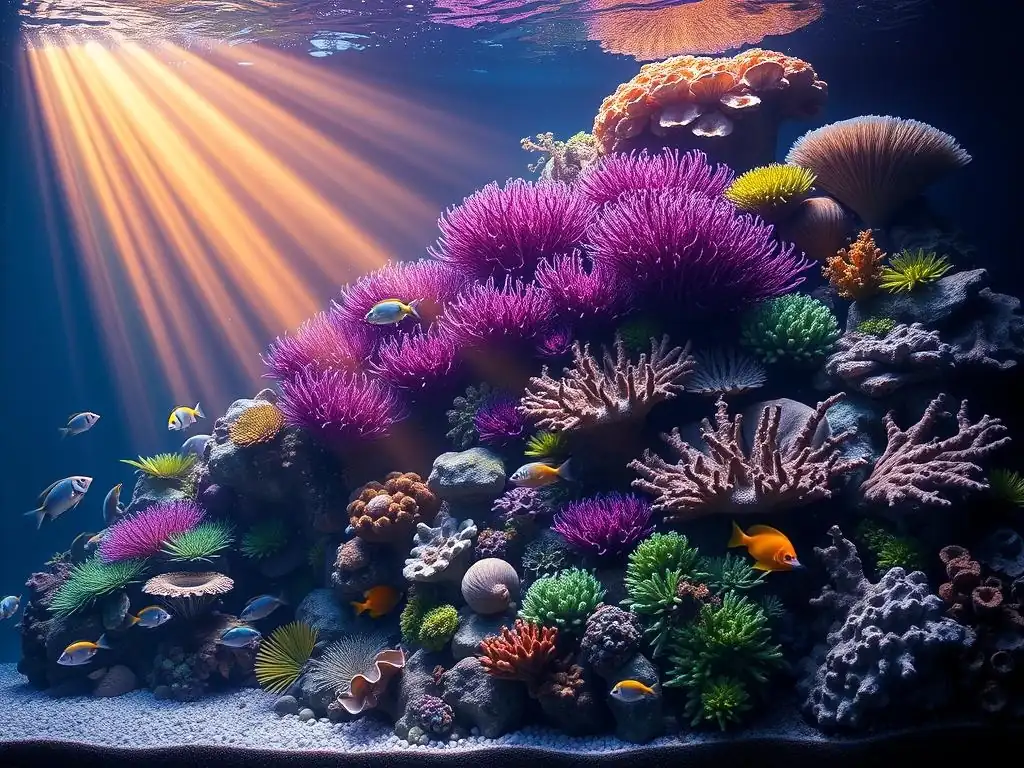
Ever wondered if those spiky little reef urchins are really worth the trouble in your saltwater aquarium? Dive in and explore our comprehensive guide to "Reef Urchins: Care and Maintenance" and discover the surprising pros, potential cons, and crucial secrets to keeping these fascinating creatures happy (and your reef safe!). Get ready to unlock the knowledge you need to master reef urchin care and decide if they're the right addition to your underwater world.
- Urchins in Reef Tanks: Pros, Cons, and How to Manage Them
- Introduction to Reef Urchins: A Guide for Aquarium Keepers
- The Pros of Keeping Urchins in a Reef Aquarium
- Selecting the Right Urchin Species for Your Reef Tank
- Reef Urchin Care: Essential Maintenance Practices
- Preventing Urchins from Causing Problems: Mitigation Strategies
- Recognizing and Addressing Common Urchin Health Issues
- Urchin Reef Tank Setup: Key Considerations
- Conclusion: Responsible Reef Urchin Keeping for a Thriving Aquarium.
-
Frequently Asked Questions
- What are the primary benefits of keeping reef urchins in a reef tank?
- What are some potential downsides to introducing reef urchins to a reef tank?
- What are the key water parameters to monitor when keeping reef urchins?
- How do you prevent reef urchins from harming corals or other tank inhabitants?
- What are some signs that a reef urchin is unhealthy or struggling in a reef tank environment?
- Final Reflection: Navigating the Spiny Path of Reef Keeping
- Unveil a Thriving Reef: Your Next Step!
Urchins in Reef Tanks: Pros, Cons, and How to Manage Them
Introduction to Reef Urchins: A Guide for Aquarium Keepers
Understanding the Role of Urchins in Reef Ecosystems
Sea urchins are vital components of natural marine ecosystems, particularly coral reefs. Their primary ecological role is that of a herbivore, grazing extensively on algae. This continuous grazing prevents macroalgae from overgrowing and suffocating corals, which are slower-growing and can be outcompeted for light and space. For instance, the dramatic decline of the Diadema antillarum urchin population in the Caribbean in the 1980s led to widespread algal blooms, demonstrating their critical role in maintaining the delicate balance of reef health and biodiversity. They act as natural custodians, ensuring that corals have the necessary space and light to thrive.
Beyond their direct impact on algae, urchins also contribute to the reef ecosystem by consuming detritus and aerating the substrate as they move. Their constant activity helps process organic matter and prevent the buildup of anaerobic pockets in the sand bed, which can release harmful substances. In a natural setting, a healthy urchin population signifies a resilient reef, capable of recovering from disturbances and maintaining its intricate structure. Understanding these natural roles is key to appreciating their potential benefits and challenges within a closed aquarium system, guiding effective reef urchins care maintenance.
Why Consider Reef Urchins for Your Saltwater Tank?
Bringing a reef urchin into a saltwater aquarium can offer several compelling advantages for the discerning aquarist. Foremost among these is their unparalleled efficiency in controlling nuisance algae, a common battle for many reef tank owners. Unlike some other clean-up crew members, urchins are persistent grazers that can tackle tougher, more established algae types, significantly reducing the need for manual scrubbing. Their unique appearance and movement also add a dynamic and intriguing element to the tank's aesthetic, providing a focal point of interest.
However, the decision to introduce a reef urchin requires careful consideration of their specific needs and potential drawbacks. While they excel at algae control, certain species can inadvertently damage corals or disrupt rockwork, necessitating diligent reef urchins care maintenance and careful species selection. For the aquarist committed to providing the right environment and understanding their behavior, a reef urchin can be an invaluable asset, contributing to a cleaner, healthier, and more visually engaging reef display.
The Pros of Keeping Urchins in a Reef Aquarium
Natural Algae Control: Urchins as Reef Tank Cleaners
One of the most significant advantages of incorporating reef urchins into a saltwater aquarium is their exceptional ability to control algae naturally. These invertebrates are voracious grazers, equipped with a specialized mouthpart called Aristotle's lantern, which allows them to scrape algae efficiently from nearly any surface. They are particularly effective against film algae, diatoms, and even some types of nuisance hair algae that other cleanup crew members might ignore or struggle with. This continuous grazing action helps maintain pristine glass, rockwork, and substrate, significantly reducing the manual effort required for tank cleaning.
Their round, spiny bodies allow them to navigate intricate rock structures and access crevices where algae often accumulate, ensuring comprehensive coverage. For example, a single Tuxedo urchin (Mespilia globulus) can effectively keep the glass and rockwork of a 20-gallon nano reef free from unsightly film algae, contributing to a consistently clear viewing experience. This proactive approach to algae management not only enhances the aesthetic appeal of the aquarium but also helps to prevent the proliferation of algae that could otherwise compete with and potentially harm corals by blocking light or releasing toxins. Consistent reef urchins care maintenance directly supports their grazing efficiency.
Effective Algae Grazing for a Pristine Aquarium
The efficiency of urchins as algae grazers stems from their continuous feeding habits. Unlike some fish or snails that might feed intermittently, urchins are constantly on the move, scraping and consuming algae throughout the day and night. This perpetual grazing helps to keep algae populations in check, preventing them from establishing a strong foothold. Their methodical movement across surfaces ensures that few spots are left untouched, making them highly effective at maintaining a spotless appearance.
For instance, in a tank struggling with green film algae on the glass, introducing a Pincushion urchin (Lytechinus variegatus) can often lead to a noticeable reduction in algae within a few days, as they leave clear trails behind them. This consistent and thorough cleaning action is invaluable for reef keepers aiming for a pristine, aesthetically pleasing aquarium environment. The effectiveness of this natural cleaning depends heavily on proper reef urchins care maintenance, including stable water parameters and ensuring they have sufficient algae to graze on or supplemental food if the tank is too clean.
Detritus Removal and Substrate Aeration Benefits
Beyond their prowess in algae control, reef urchins also play a beneficial role in the mechanical maintenance of a reef aquarium. As they move across the substrate and rockwork, their powerful tube feet dislodge detritus and settled organic matter. This action makes these particles more accessible to the tank's filtration system, allowing skimmers and mechanical filters to remove them before they can break down and contribute to nutrient buildup. This passive detritus removal helps maintain cleaner water parameters and reduces the burden on biological filtration.
Furthermore, species like the Pincushion urchin are excellent at aerating sand beds. As they burrow and sift through the sand in search of food, they disrupt compacted areas, preventing the formation of anaerobic pockets. These oxygen-deprived zones can produce harmful gases like hydrogen sulfide, which are toxic to marine life. By keeping the substrate stirred and oxygenated, urchins contribute to a healthier overall environment, supporting beneficial bacteria and preventing potential hazards. This aspect of reef urchins care maintenance often goes unnoticed but is critical for long-term tank health.
Urchins' Positive Impact on Reef Tank Biodiversity
Introducing reef urchins to a saltwater aquarium also enriches its biodiversity and ecological complexity. By adding a unique invertebrate with distinct behaviors and a crucial role in the food web (even if not as prey in a typical reef tank), they contribute to a more natural and balanced ecosystem within the confines of the glass. Their presence can stimulate a more dynamic environment, encouraging the growth of various microbial communities they graze upon.
Moreover, their interactions with the tank's landscape and other inhabitants add visual interest and offer opportunities for observation. Some aquarists find joy in watching urchins decorate themselves with small pieces of detritus, shells, or even small polyps, a behavior known as "covering" that is thought to provide camouflage or protection. While not a direct contribution to biodiversity in terms of species count, their specific ecological niche and unique behaviors enhance the overall "living" feel of the reef tank, making it a more comprehensive representation of a natural reef.
Potential for Coral Damage: A Reef Keeper's Concern
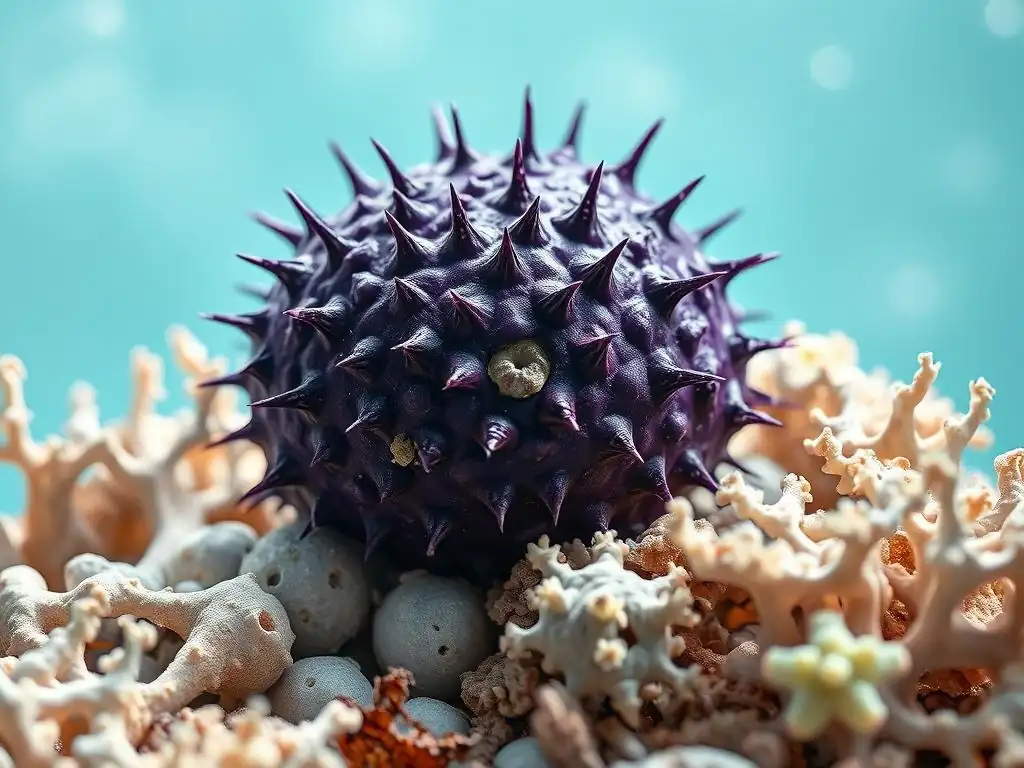
Despite their many benefits, the primary concern for reef keepers considering urchins is their potential to damage corals. Urchins are opportunistic grazers, and while their main diet consists of algae, they may occasionally graze on coral tissue, especially if algae sources are scarce or if they are particularly hungry. Their strong mouthparts, designed for scraping, can abrade or even consume the delicate polyps of certain coral species. This risk is amplified with smaller frags or newly introduced corals that have not yet firmly attached to the rockwork.
Furthermore, some urchin species may inadvertently dislodge corals as they move across the rockwork. Their powerful tube feet, used for locomotion and adhesion, can exert significant force, especially on unstable frags or lighter pieces of live rock. This can lead to corals falling onto the sand bed, getting stung by other corals, or becoming damaged by the fall itself. Vigilant reef urchins care maintenance is crucial to mitigate these risks.
Urchin Grazing and Fragile Coral Species
The risk of coral damage varies significantly depending on the urchin species and the type of coral. Fragile or fleshy coral species are particularly vulnerable. For instance, soft corals like zoanthids, palythoa, and mushroom corals have soft, easily damaged polyps that can be scraped or consumed by an actively grazing urchin. Small polyp stony (SPS) corals, especially fresh frags, are also at high risk. An urchin might graze the tissue off a frag plug or dislodge a frag that hasn't fully encrusted.
One common example involves Tuxedo urchins (Mespilia globulus) picking up small coral frags as "decoration" or Pincushion urchins (Lytechinus variegatus) inadvertently grazing on the base of a zoanthid colony, causing recession. While mature, large colony corals are generally more resilient, consistent grazing on their bases can still lead to localized tissue loss. Understanding these specific vulnerabilities is crucial for responsible reef urchins care maintenance and careful placement of corals to avoid direct contact or accidental grazing paths.
Invertebrate Displacement and Rockwork Disruption
Beyond corals, urchins can also pose a threat to other sessile invertebrates and the stability of the tank's aquascape. Their powerful tube feet and persistent movement enable them to climb and navigate almost any surface, including the underside of overhangs and through tight crevices. As they move, they can dislodge smaller, less mobile invertebrates such as snails, small sponges, or fan worms, potentially causing them harm or displacing them from their preferred locations.
More significantly, larger urchin species, or even smaller ones in a tank with loosely stacked rockwork, can disrupt the aquascape. They have been known to push over precariously balanced rocks, leading to rockslides that can crush corals, injure fish, or even damage tank equipment like heaters or powerheads. This disruptive behavior necessitates careful planning of rockwork stability during tank setup and ongoing monitoring as part of reef urchins care maintenance.
Urchin Size and Tank Space Requirements
While many reef urchin species start relatively small, they can grow to a considerable size, which becomes a significant factor in smaller or densely populated reef tanks. For example, a Tuxedo urchin might only reach 2-3 inches in diameter, but a Pincushion urchin can grow up to 4-6 inches, and a Pencil urchin can exceed 6 inches, including its spines. As they grow, their potential for disrupting the aquascape and damaging corals increases proportionally.
A large urchin in a small tank (e.g., a 20-gallon nano tank) can quickly become problematic, leaving limited space for corals and other inhabitants and increasing the likelihood of accidental damage. Their substantial appetite also means that a larger urchin might deplete algae faster in a smaller tank, necessitating more frequent supplemental feeding. Therefore, it is crucial to research the adult size of any potential urchin species and ensure the tank offers ample space for its movement and growth, a key consideration for effective reef urchins care maintenance.
Selecting the Right Urchin Species for Your Reef Tank
Reef-Safe Urchin Varieties: A Species Guide
When considering adding a reef urchin to your saltwater aquarium, selecting a truly "reef-safe" variety is paramount to avoid potential issues with corals and other invertebrates. While no invertebrate is 100% guaranteed not to cause issues, certain species have a much better track record in mixed reef environments due to their smaller size, more predictable grazing habits, and less destructive movement patterns. Thorough research into specific species' behaviors and adult sizes is essential before making a purchase.
Focusing on species known for their primary diet of algae and their less aggressive interaction with corals will significantly improve your chances of a harmonious tank. The following species are generally considered among the best choices for the average reef aquarium, balancing effective algae control with minimal risk to your valuable corals and rockwork. Proper species selection is the first step in successful reef urchins care maintenance.
Tuxedo Urchins (Mespilia globulus): Ideal for Beginners
The Tuxedo urchin, Mespilia globulus, is widely regarded as one of the best choices for beginner reef aquarists due to its smaller size, vibrant appearance, and generally peaceful nature. Typically reaching an adult size of about 2-3 inches in diameter, including its spines, it is less likely to dislodge rockwork or large coral colonies. Its distinctive appearance, often adorned with small pieces of detritus or even tiny coral frags it picks up, adds a unique aesthetic to the tank.
Tuxedo urchins are highly effective algae grazers, consuming various types of film algae and diatoms from glass and rock surfaces. They are less prone to grazing on corals compared to some other species, making them a relatively safe option for mixed reef tanks, especially those with established SPS and LPS corals. Their hardiness and ease of reef urchins care maintenance further solidify their reputation as an excellent entry-level urchin for the home aquarium.
Pincushion Urchins (Lytechinus variegatus): A Versatile Option
The Pincushion urchin, Lytechinus variegatus, is another popular and versatile choice for reef aquariums, known for its efficiency in both algae control and sand bed aeration. These urchins can grow larger than Tuxedos, typically reaching 4-6 inches in diameter, and come in various colors, including green, purple, and white. Their robust size allows them to be highly effective grazers, tackling larger patches of nuisance algae.
Pincushion urchins are particularly beneficial for tanks with deep sand beds, as they actively sift through the substrate, preventing compaction and the buildup of anaerobic zones. While generally reef-safe, their larger size means they can be more prone to inadvertently knocking over smaller, unsecured coral frags or lighter rockwork, especially in tanks under 50 gallons. Therefore, ensuring stable aquascaping is an important aspect of reef urchins care maintenance for this species.
Pencil Urchins (Eucidaris tribuloides): A Hardy Algae Grazer
The Pencil urchin, Eucidaris tribuloides, stands out with its distinctive, thick, blunt spines, giving it a unique appearance. These are incredibly hardy urchins, making them resilient in a variety of tank conditions. They are excellent grazers, particularly effective at consuming tougher, calcified algae and even some types of turf algae that other grazers might avoid. Pencil urchins can grow quite large, often reaching 5-6 inches in diameter.
While their hardiness and grazing ability are significant advantages, their large size and strong tube feet mean they are more likely to move rockwork and potentially dislodge corals compared to smaller species. They are generally considered reef-safe in terms of not actively consuming coral tissue, but their sheer power and movement can be disruptive. Therefore, they are best suited for larger, very stable reef tanks where corals are securely affixed, making reef urchins care maintenance for this species a balance of benefit and caution.
Urchin Compatibility with Other Reef Inhabitants
When introducing a reef urchin, it's important to consider its compatibility with the tank's existing inhabitants. Generally, most reef-safe urchin species are peaceful and pose no direct threat to fish or other motile invertebrates. However, certain large or aggressive fish, such as triggerfish or puffers, are known predators of urchins in the wild and should be avoided as tank mates, as they can easily crack an urchin's test (shell) to consume it.
Compatibility with other clean-up crew members is typically good; urchins generally coexist peacefully with snails, hermit crabs, and various shrimp. The main concern lies with their potential impact on sessile invertebrates and corals, as previously discussed. Therefore, careful observation during the initial introduction and ongoing monitoring are crucial. Ensuring the urchin has sufficient space and food, through diligent reef urchins care maintenance, will also help minimize any potential negative interactions or competitive behaviors within the tank's ecosystem.
Reef Urchin Care: Essential Maintenance Practices
Maintaining Optimal Water Parameters for Urchin Health
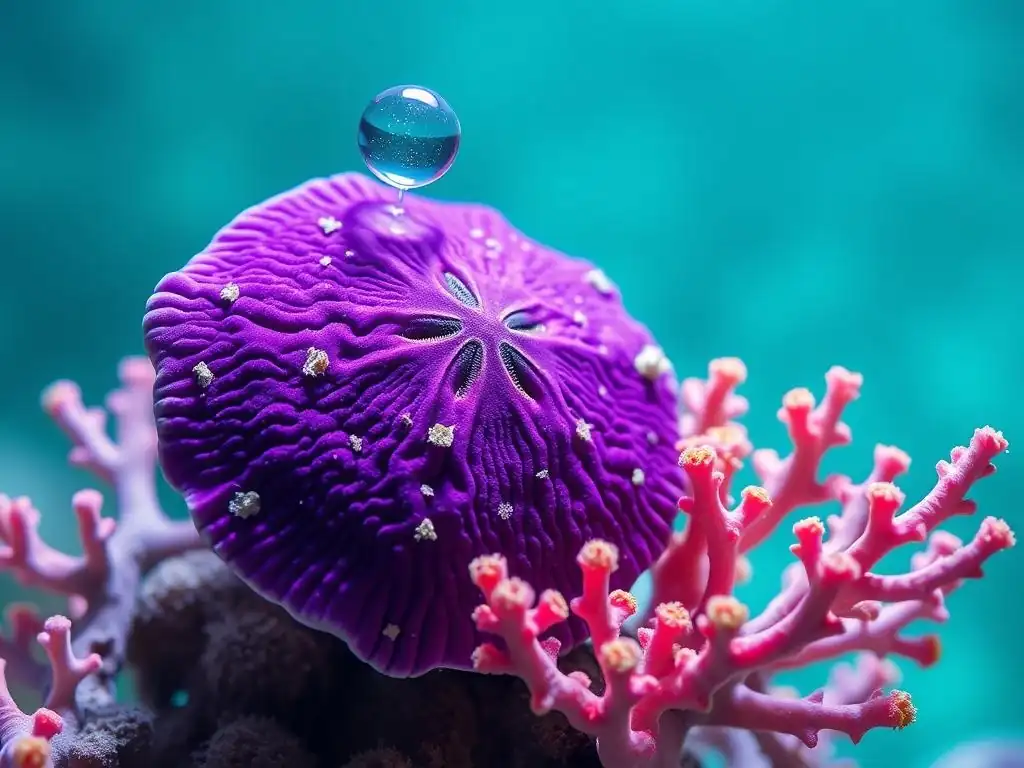
Maintaining stable and appropriate water parameters is fundamental to the health and longevity of reef urchins in a home aquarium. Like all marine invertebrates, urchins are highly sensitive to fluctuations in water quality, and poor conditions can quickly lead to stress, loss of spines, and ultimately death. Regular testing and consistent water changes are paramount to ensure their well-being.
Key parameters to monitor include salinity, temperature, pH, alkalinity, calcium, and magnesium. Urchins, with their calcified skeletons (tests) and spines, require stable levels of calcium and alkalinity for proper growth and maintenance of their structure. Deviations from ideal ranges can weaken their tests, making them more susceptible to disease or physical damage. Consistent reef urchins care maintenance revolves around these critical water quality checks.
Salinity, Temperature, and pH Level Considerations
For optimal reef urchin health, salinity should be maintained within a specific gravity range of 1.023 to 1.026, or approximately 33-35 parts per thousand (ppt). Sudden drops or spikes in salinity can be particularly detrimental, leading to osmotic shock. The ideal temperature range is typically between 74-80°F (23-27°C), mimicking natural reef conditions. Temperatures outside this range can stress the urchin, affecting its metabolism and immune system.
The pH level is also crucial, ideally remaining between 8.1 and 8.4. Consistent pH stability, along with adequate alkalinity (8-12 dKH) and calcium (400-450 ppm), is vital for the formation and integrity of the urchin's test and spines. Magnesium (1250-1350 ppm) also plays a supportive role in maintaining calcium and alkalinity levels. Any significant and prolonged deviation from these parameters can lead to "spine shedding" or general weakening, highlighting the importance of precise reef urchins care maintenance.
Providing Adequate Food Sources: Algae and Supplemental Feeding
While reef urchins are celebrated for their algae-grazing capabilities, it's crucial to ensure they have an adequate and consistent food supply. In a mature reef tank with a healthy amount of nuisance algae, they may thrive solely on the tank's natural algal growth. However, in cleaner tanks, or as the urchin grows larger, supplemental feeding becomes a necessary component of reef urchins care maintenance. Without sufficient food, urchins can become malnourished, lose spines, or even begin to graze on corals more aggressively out of hunger.
Suitable supplemental foods include dried marine algae (nori), spirulina flakes, algae wafers, and high-quality marine pellets. These should be offered a few times a week, especially if the tank appears largely free of visible algae. Simply attach a piece of nori to a rock or clip, or drop an algae wafer near the urchin. Observing the urchin's activity and the cleanliness of the tank will help determine the appropriate feeding frequency, ensuring it remains healthy and continues its beneficial grazing.
Acclimation Process: Introducing Urchins to Your Reef Tank
The acclimation process for introducing a new reef urchin to your aquarium is critical due to their sensitivity to changes in water parameters. A slow and gradual acclimation minimizes stress and reduces the risk of shock, which can manifest as spine loss or lethargy. The drip acclimation method is highly recommended for urchins, as it slowly equalizes the water chemistry over an extended period.
To perform drip acclimation, place the urchin and its shipping water in a clean bucket. Using airline tubing, siphon water from your display tank into the bucket, regulating the drip rate to a slow, steady stream (e.g., 2-3 drips per second). Continue this process until the volume of water in the bucket has quadrupled or at least for 1-2 hours. Once acclimated, gently net the urchin and place it directly into the display tank, avoiding transferring the shipping water. This meticulous approach to reef urchins care maintenance during introduction sets them up for success.
Preventing Urchins from Causing Problems: Mitigation Strategies
Secure Coral Placement: Protecting Your Reef Inhabitants
One of the most effective strategies to prevent urchins from causing damage to corals is to ensure all corals are securely placed within the aquascape. Urchins, particularly larger species or those with strong tube feet like the Pencil urchin, can inadvertently dislodge frags or even small colonies as they move. To mitigate this risk, it is highly recommended to glue or epoxy all coral frags firmly to stable rocks or frag plugs.
For larger colonies, ensure they are placed on stable, interlocking rockwork that cannot be easily shifted by a moving urchin. Avoid placing valuable or fragile corals directly in common urchin pathways, such as along the glass or in areas where they frequently graze. By securing corals firmly, you significantly reduce the chance of them being knocked over, falling into undesirable areas, or getting damaged by the urch urchin's movement, a key aspect of proactive reef urchins care maintenance.
Rockwork Stability: Minimizing Urchin Disruption
To minimize the risk of urchins disrupting your meticulously crafted aquascape, it is crucial to prioritize rockwork stability from the outset. Loose or precariously stacked rocks are an invitation for disaster when an active urchin is introduced. Urchins, with their powerful tube feet and persistent nature, can exert surprising force, capable of shifting even moderately sized rocks.
When building your aquascape, aim for interlocking structures where rocks support each other firmly. Consider using reef-safe epoxy or cement to permanently bond key pieces of rockwork together, especially those forming arches or overhangs. This creates a robust and unyielding foundation that can withstand the movements of larger urchins, preventing rockslides that could crush corals, injure tank inhabitants, or even damage the tank itself. Such structural foresight is a critical element of comprehensive reef urchins care maintenance.
Urchin Population Control
While urchins generally do not reproduce prolifically in home aquariums, population control primarily refers to managing the number of urchins introduced relative to the tank size and available algae. Overstocking urchins can lead to a rapid depletion of natural algae sources, forcing them to become more aggressive grazers on corals or to starve. A common guideline is to introduce one medium-sized urchin for every 50-75 gallons of tank volume, though this can vary based on the specific species and algae growth rate.
If an urchin grows too large for the tank, becomes overly disruptive, or if multiple urchins were introduced and are now competing for resources, rehoming them is the most humane solution. Contacting local fish stores or fellow hobbyists can often facilitate finding a new home for an oversized or problematic urchin. Proactive reef urchins care maintenance involves continuous assessment of their impact and numbers to maintain a balanced and healthy reef environment.
Recognizing and Addressing Common Urchin Health Issues
Identifying Signs of Stress or Disease in Reef Urchins
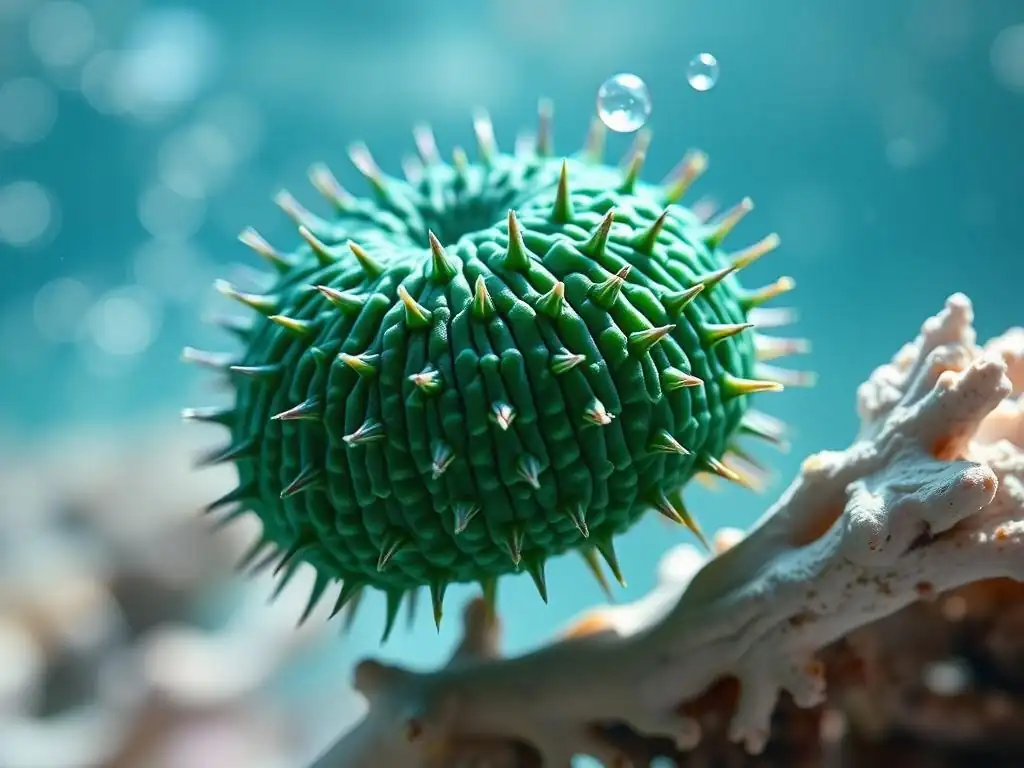
Recognizing signs of stress or disease in reef urchins is crucial for prompt intervention and successful reef urchins care maintenance. A healthy urchin will typically be active, moving around the tank, and its spines will be fully extended and firm. The most common signs of distress include significant spine loss or "shedding," where spines detach easily or appear shriveled. This can indicate severe stress from poor water quality, inadequate nutrition, or rapid changes in parameters.
Other indicators of poor health include lethargy, where the urchin remains in one spot for extended periods without moving, or a lack of response when gently touched. Discoloration, particularly a fading of their natural vibrant colors, or the appearance of white patches on their test, can also signal underlying issues. A healthy urchin's tube feet will be actively extended and used for movement and adhesion; retracted or inactive tube feet are a warning sign.
Quarantine Procedures for Sick or Injured Urchins
Implementing quarantine procedures for new or sick reef urchins is a proactive measure that significantly contributes to their health and the overall well-being of your main display tank. For new arrivals, a quarantine tank (QT) allows for observation and ensures they are free of pests or diseases before introduction. For sick or injured urchins, a QT provides a stable environment away from tank mates where they can recover without competition or further stress.
The QT should be a simple setup with stable water parameters mirroring your main tank. It should have minimal rockwork, a heater, and a small filter. Avoid harsh lighting during recovery. If an urchin is showing signs of stress or spine loss, moving it to a QT allows you to focus on improving water quality, providing targeted nutrition, and observing its recovery without the added variables of a mixed reef. This dedicated reef urchins care maintenance approach can make a significant difference in their survival rates.
Treatment Options for Common Urchin Ailments
Unlike fish, there are very few specific medications or "cures" for urchin ailments. Most common health issues in reef urchins are directly related to environmental stress, particularly poor water quality or inadequate nutrition. Therefore, the primary "treatment" involves addressing these underlying causes. If an urchin shows signs of distress, the first step in reef urchins care maintenance is to meticulously test all water parameters (salinity, temperature, pH, alkalinity, calcium, magnesium) and correct any deviations to their optimal ranges.
Ensuring the urchin has access to sufficient algae or providing supplemental feedings of high-quality nori or algae wafers can often reverse signs of starvation or malnutrition. In cases of physical injury, such as a damaged test from a fall, supportive care in a clean, stable environment is often the best approach, allowing the urchin to heal naturally. Prevention through stable parameters, proper nutrition, and careful handling is far more effective than trying to treat an already ailing urchin.
Urchin Reef Tank Setup: Key Considerations
Tank Size and Dimensions
The appropriate tank size and dimensions are crucial considerations when planning to house reef urchins, directly impacting their well-being and the stability of your aquascape. While a small Tuxedo urchin might be suitable for a well-established 20-gallon nano reef, larger species like Pincushion or Pencil urchins typically require tanks of 50 gallons or more. This is not only for the urchin's physical space but also to provide sufficient grazing area and to minimize the impact of their movement on corals and rockwork.
Larger tanks offer greater water volume, which contributes to more stable water parameters, reducing the stress on these sensitive invertebrates. Additionally, a larger footprint provides more surface area for algae growth, potentially reducing the need for supplemental feeding. Adequate tank dimensions also ensure that the urchin has ample room to move without constantly bumping into or dislodging tank inhabitants, a vital component of proactive reef urchins care maintenance.
Substrate Selection and Rockwork Arrangement
The choice of substrate and the arrangement of rockwork are significant factors in creating a suitable environment for reef urchins. For species like the Pincushion urchin that actively sift through the sand, a fine sand bed (e.g., aragonite sand with a grain size of 0.5-1.5 mm) is ideal, allowing them to burrow and forage efficiently. For urchins that primarily graze on rock surfaces, the substrate type is less critical, but a stable foundation for the aquascape remains paramount.
Rockwork should be arranged to provide ample grazing surfaces and secure hiding spots, while also being exceptionally stable. As discussed, urchins can dislodge loosely stacked rocks. Therefore, ensure all rock structures are interlocked or cemented together to prevent collapses. Creating various levels and overhangs can also provide interesting grazing opportunities and natural barriers to protect particularly delicate corals from direct urchin access, enhancing the overall reef urchins care maintenance strategy.
Lighting and Water Flow
The lighting and water flow in a reef tank designed for urchins are generally dictated by the needs of the corals, as urchins primarily graze on algae that grows under standard reef lighting. Urchins themselves do not have specific lighting requirements beyond what promotes healthy algal growth. Moderate to strong reef lighting is typically sufficient, ensuring there is enough light for the proliferation of the microalgae and film algae that constitute their primary diet.
Regarding water flow, reef urchins generally thrive in moderate to strong flow conditions, mimicking their natural reef habitats. Good water movement helps to keep detritus suspended, allowing it to be removed by filtration, and ensures that oxygenated water reaches all parts of the tank, including the urchin's grazing areas. Avoid direct, highly concentrated flow that could dislodge or stress the urchin. A well-distributed flow pattern across the tank, achieved with appropriately sized powerheads, is ideal for comprehensive reef urchins care maintenance.
Conclusion: Responsible Reef Urchin Keeping for a Thriving Aquarium.
Frequently Asked Questions
What are the primary benefits of keeping reef urchins in a reef tank?
Reef urchins are excellent algae eaters, helping to control nuisance algae growth. They also contribute to biological diversity and can aerate the substrate.
What are some potential downsides to introducing reef urchins to a reef tank?
Some urchin species can be destructive to corals and other invertebrates. They can also move rocks and decorations, disrupting the tank's aquascape.
What are the key water parameters to monitor when keeping reef urchins?
Maintaining stable water parameters is crucial. Specifically, ensure proper calcium levels for shell development, as well as stable alkalinity and pH levels.
How do you prevent reef urchins from harming corals or other tank inhabitants?
Choose urchin species carefully, selecting those known to be reef-safe. Provide ample algae and other food sources to minimize their need to graze on corals.
What are some signs that a reef urchin is unhealthy or struggling in a reef tank environment?
Signs of an unhealthy urchin include spine loss, lethargy, and refusal to eat. These issues could indicate poor water quality or a lack of suitable food.
The delicate balance of a reef tank ecosystem hinges on understanding the roles each inhabitant plays, and as we've explored, reef urchins present a unique challenge and opportunity for aquarists. Their algae-grazing habits can be a blessing, yet their potential for destruction demands careful consideration and proactive management. Ignoring this duality can lead to either a pristine reef or a chaotic underwater landscape.
The impact of these spiny creatures extends beyond the glass walls of our tanks. Understanding their needs and behaviors forces us to confront the broader implications of responsible reef keeping, pushing us to mimic natural environments and minimize our impact. In the end, we will conserve only what we love; we will love only what we understand; and we will understand only what we are taught.
- Baba Dioum. This quote resonates deeply, reminding us that informed care, driven by understanding, is the cornerstone of successful and ethical reef keeping.
So, as you consider adding a reef urchin to your aquatic family, or perhaps re-evaluate your current urchin management strategy, remember the lessons we've explored. Embrace the challenge, learn from your experiences, and strive to create a thriving, balanced reef ecosystem. Your dedication to responsible reef urchin care not only benefits your tank, but also contributes to a greater appreciation and understanding of the delicate beauty of our oceans.
Unveil a Thriving Reef: Your Next Step!
Thank you for diving into the world of urchins with us! Now that you're armed with the knowledge to navigate the pros and cons, let's turn that insight into action. Your reef's potential is waiting to be unlocked.
- Carefully consider introducing one urchin to your tank if your algae is getting out of control. Monitor its behavior closely!
- Share this article with fellow reef enthusiasts on social media – help spread the word and spark a conversation about urchin management!
- Research less common, reef-safe urchin species like the Tuxedo Urchin or Pincushion Urchin, to discover unique additions that can enhance your tank's biodiversity.
What's one specific adjustment you're planning to make in your reef tank, inspired by what you've learned about urchins?