
Majestic Angelfish (Euxiphipops navarchus): A True Showstopper Profile

Welcome to Aquarium Mastery!
Intrigued by the idea of adding a splash of vibrant color and regal grace to your saltwater aquarium? Dive in and discover the captivating world of the Majestic Angelfish (Euxiphipops navarchus) in our detailed profile. This showstopper can be a stunning addition, but understanding their specific needs is crucial. Are you ready to unlock the secrets to thriving Angelfish care in a saltwater aquarium? Let's explore their unique requirements and ensure your aquatic masterpiece truly shines!
- Majestic Angelfish (Euxiphipops navarchus): A Showstopper Profile
- Introduction to the Majestic Angelfish
- Majestic Angelfish Care: Essential Guidelines
- Understanding Behavior and Compatibility
- Identifying and Treating Common Diseases
- Reef Compatibility
- Obtaining a Majestic Angelfish: What to Look For
- Majestic Angelfish: A Summary of Key Care Considerations
-
Frequently Asked Questions
- How difficult is it to care for a Majestic Angelfish in a saltwater aquarium?
- What size tank is recommended for a Majestic Angelfish?
- What are the dietary needs of a Majestic Angelfish?
- What are some common health issues to watch out for in Majestic Angelfish?
- Can I keep a Majestic Angelfish with other Angelfish species?
- Final Reflection: Embracing the Majesty of Marine Life
- Dive Deeper: Unleash Your Angelfish Expertise!
Introduction to the Majestic Angelfish
Why the Majestic Angelfish is a Popular Choice
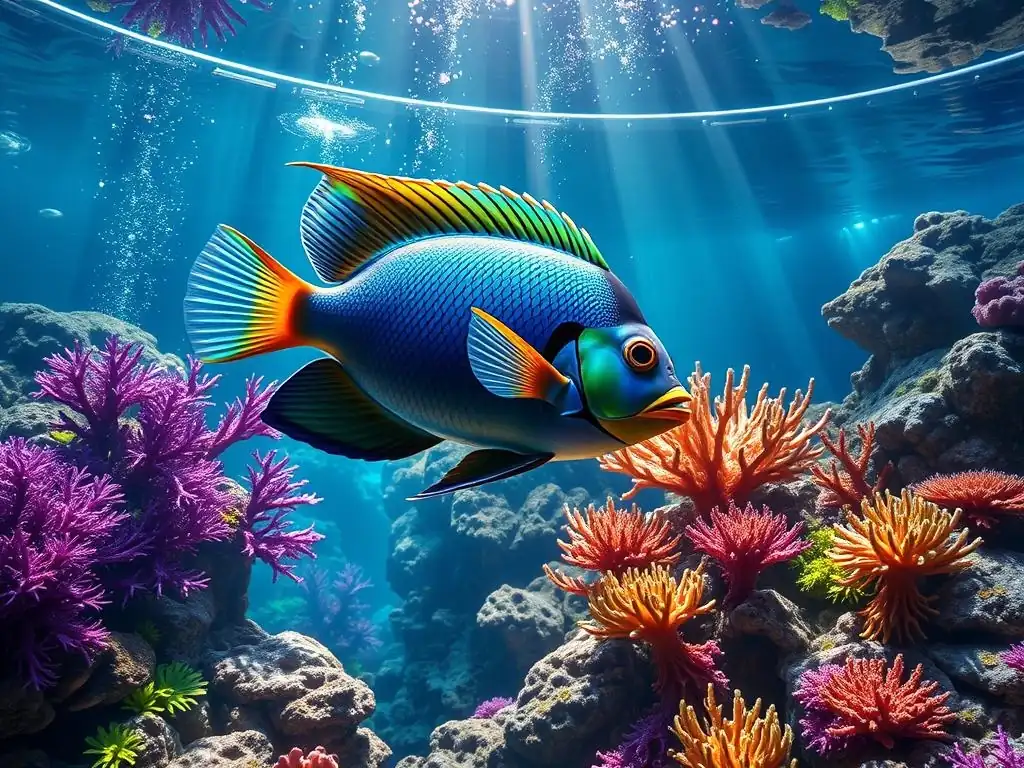
The Majestic Angelfish, scientifically known as Euxiphipops navarchus, is a highly coveted species among saltwater aquarists, primarily due to its breathtaking beauty and striking coloration. Its vivid blue body, accented by bright yellow and dark bands, creates a dramatic contrast that instantly captures attention, making it a true centerpiece in any large saltwater aquarium. Beyond its visual appeal, the Majestic Angelfish often exhibits a captivating personality, becoming quite interactive with its owner over time, which further enhances its popularity.
Experienced hobbyists often seek out the Majestic Angelfish for its regal presence and the challenge of providing optimal Angelfish care saltwater aquarium. Its graceful swimming patterns and ability to adapt to a well-maintained environment make it a rewarding long-term inhabitant. The dedication required to meet its specific needs, from water quality to diet, is part of the appeal for those committed to advanced saltwater aquarium keeping.
The Majestic Angelfish, also commonly referred to as the Blue Girdled Angelfish, originates from the Indo-Pacific region, where it thrives in the clear waters of outer reef slopes and lagoons. They are typically found at depths ranging from 10 to 100 feet (approximately 3 to 30 meters), often seeking shelter among rocky overhangs and coral formations. In their natural habitat, they are observed either solitary or in pairs, foraging for sponges and tunicates.
In captivity, Euxiphipops navarchus can attain an impressive size, reaching up to 10 inches (25 cm) in length, making it one of the larger angelfish species suitable for home aquariums. With diligent Angelfish care saltwater aquarium practices, including stable water parameters and a nutritious diet, these fish can live for 10 to 15 years, and sometimes even longer, becoming a long-term fixture in a dedicated aquarist's display.
Majestic Angelfish Care: Essential Guidelines
Optimal Water Parameters
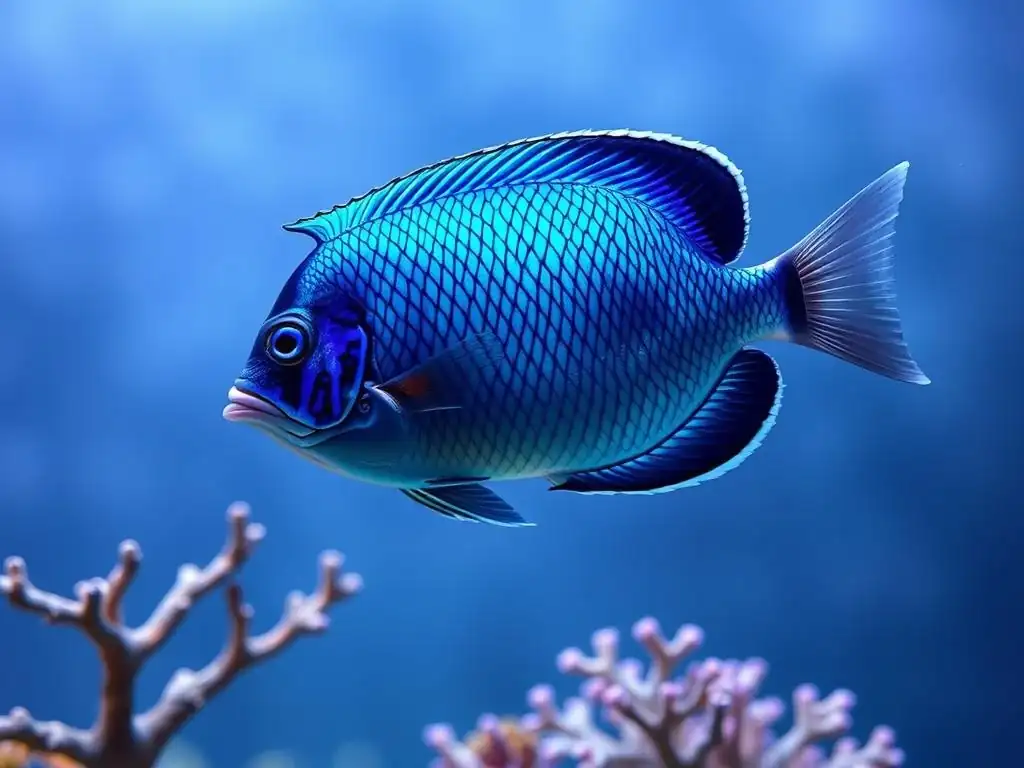
Maintaining pristine and stable water parameters is paramount for the health and longevity of the Majestic Angelfish in a saltwater aquarium. These fish are sensitive to fluctuations, and consistent water quality is a cornerstone of effective Angelfish care saltwater aquarium. Regular testing and immediate adjustments are crucial to prevent stress and disease.
Temperature, pH, and Salinity
The ideal temperature range for a Majestic Angelfish is between 74°F and 82°F (23°C to 28°C). Consistency within this range is more important than hitting an exact number; temperature swings exceeding 2°F (1°C) within a day can cause significant stress. The pH level should be maintained within a stable range of 8.1 to 8.4, which is typical for a marine environment. Similarly, salinity, measured as specific gravity, should be kept between 1.020 and 1.025. Precision is key, so investing in an accurate refractometer is highly recommended over hydrometers.
Maintaining Water Quality: Filtration and Water Changes
Robust filtration is non-negotiable for a fish of this size and its bioload. A comprehensive filtration system should include efficient biological filtration (live rock, bio-media), mechanical filtration (filter socks, sponges), and chemical filtration (activated carbon, GFO). Many successful saltwater aquarium setups for Majestic Angelfish utilize a large sump system, which provides ample space for filtration equipment and helps stabilize water volume.
Regular partial water changes are vital to dilute nitrates and replenish essential trace elements. A general guideline is to perform a 10-20% water change weekly or bi-weekly, depending on the tank's bioload and nutrient export capabilities. For instance, a 180-gallon saltwater aquarium housing a Majestic Angelfish might benefit from a 25-gallon water change every week to maintain nitrate levels below 10 ppm. Always use high-quality RO/DI (Reverse Osmosis/Deionized) water mixed with a reputable marine salt mix to avoid introducing contaminants.
Diet and Feeding
A varied and nutrient-rich diet is essential for the vibrant coloration, robust immune system, and overall well-being of the Majestic Angelfish. As omnivores, their diet in the wild consists primarily of sponges, tunicates, and algae, so their captive diet must reflect this diversity. Providing a balanced nutritional intake is a key aspect of superior Angelfish care saltwater aquarium.
What to Feed: A Balanced Diet
A balanced diet should include high-quality marine-specific flake and pellet foods as a staple. Supplement these with a variety of frozen foods such as mysis shrimp, spirulina-enriched brine shrimp, and chopped seafood like clams, squid, and krill. Algae-based foods, such as spirulina flakes or nori sheets, are also critical for their digestive health and to mimic their natural grazing habits.
Some aquarists also offer occasional live foods like feeder shrimp, though these should be gut-loaded and used sparingly. A good feeding regimen might involve rotating between products like Ocean Nutrition Formula One flakes, Hikari Marine S pellets, and frozen Rod's Food or similar quality blends.
Feeding Frequency and Techniques
Juvenile Majestic Angelfish should be fed 2-3 times per day, while adults typically thrive on 1-2 feedings daily. It is crucial to offer only what the fish can consume within a few minutes to prevent uneaten food from decaying and fouling the water. Overfeeding is a common mistake that can lead to elevated nutrient levels and poor water quality in the saltwater aquarium.
Observe the fish during feeding to ensure all tank inhabitants are getting enough food. Majestic Angelfish can be somewhat shy initially, so ensuring they have access to food without competition from more aggressive tank mates is important. Broadcast feeding, where food is scattered across the surface, generally works well, but targeted feeding with a pipette might be necessary for particularly timid individuals or to ensure specific nutrients are consumed.
Tank Size and Setup
The size and layout of the saltwater aquarium are critical factors directly impacting the health and stress levels of a Majestic Angelfish. Due to their potential adult size and active swimming nature, these angelfish require ample space to thrive. Providing an appropriately sized habitat is fundamental to successful Angelfish care saltwater aquarium.
Minimum Tank Size Requirements
For a single adult Majestic Angelfish, a minimum tank size of 180 gallons (approximately 680 liters) is strongly recommended. This generous volume provides sufficient swimming room and helps dilute waste products, contributing to more stable water parameters. While some sources might suggest slightly smaller tanks, opting for a 200-gallon or even 250-gallon saltwater aquarium offers significant benefits, especially if considering additional tank mates or if the fish grows to its full potential. Adequate space reduces stress, which in turn boosts the fish's immune system and promotes natural behaviors.
Creating a Suitable Habitat: Rockwork and Hiding Places
The aquascape within the tank should mimic the Majestic Angelfish's natural reef environment, featuring plenty of live rock arranged to create numerous caves, crevices, and overhangs. These structures provide essential hiding spots where the fish can retreat when feeling stressed or needing to rest. Ensure that the rockwork is stable and securely stacked to prevent collapses.
While providing ample hiding places, it is equally important to leave open swimming areas, particularly in the front of the saltwater aquarium, allowing the angelfish to display its graceful swimming patterns. A good guideline for live rock is 1 to 1.5 pounds per gallon, which not only offers habitat but also contributes significantly to biological filtration. For example, in a 180-gallon tank, aim for 180-270 pounds of high-quality live rock, strategically placed to create a complex and engaging environment.
Understanding Behavior and Compatibility
The Majestic Angelfish, while stunning, possesses a distinct personality and territorial tendencies that must be understood for successful integration into a community saltwater aquarium. Careful consideration of its social behavior and potential interactions with tank mates is a vital part of Angelfish care saltwater aquarium.
In their natural habitat, Majestic Angelfish are typically observed as solitary individuals or in bonded pairs. This inherent solitary nature often translates to territorial behavior in the confines of a home aquarium, particularly towards other angelfish species or fish with similar body shapes and coloration. Introducing them into a community tank requires forethought and planning to prevent aggression and stress among inhabitants.
When selecting tank mates, prioritize species that are either significantly different in appearance and swimming habits, or those that are large and robust enough to hold their own without being overly aggressive themselves. Avoid housing them with very small, timid, or slow-moving fish, as these are likely to be bullied or outcompeted for food.
Potential Tank Mates
Suitable tank mates for a Majestic Angelfish in a large saltwater aquarium include various species of tangs (such as Yellow Tangs, Purple Tangs, or Sailfin Tangs), certain larger wrasses (like the Blue-Headed Wrasse or intricate Leopard Wrasses), and some less aggressive triggerfish species (e.g., the Bluejaw Triggerfish). Other robust fish like certain puffers or hawkfish can also coexist.
For example, a Foxface Rabbitfish ( Siganus vulpinus) can be an excellent choice due to its herbivorous diet and distinct body shape, which minimizes direct competition with the angelfish. Introducing tank mates simultaneously or placing the angelfish into an established tank as the last addition can help mitigate territorial disputes by preventing it from claiming the entire tank as its domain.
Aggression and Territoriality: Managing Interactions
Majestic Angelfish can display territorial aggression, especially if the tank is too small or if new fish are introduced carelessly. Signs of aggression include chasing, nipping, or flaring fins. To manage these behaviors, ensure the tank is adequately sized and provides plenty of visual barriers and hiding spots within the rockwork. This allows all fish to establish their own territories and retreat when necessary.
If aggression becomes a persistent issue, consider rearranging the rockwork to disrupt established territories. This can often reset the social dynamics within the saltwater aquarium. In severe cases, temporary removal of the aggressor or the bullied fish into a separate tank may be necessary to allow them to recover or for a new pecking order to be established. Overcrowding is a major contributor to aggression; always adhere to responsible stocking levels for effective Angelfish care saltwater aquarium.
Identifying and Treating Common Diseases
Despite the best Angelfish care saltwater aquarium practices, fish can still fall ill. Early detection and prompt treatment are crucial for the recovery of a Majestic Angelfish. Understanding the common ailments that affect marine fish and knowing how to respond can make a significant difference in their prognosis.
Recognizing Signs of Illness
Vigilant daily observation is the first line of defense against disease. A healthy Majestic Angelfish should be active, alert, and exhibit vibrant coloration. Signs of illness can manifest in behavioral changes such as lethargy, excessive hiding, rapid breathing (gilling), rubbing or "flashing" against rocks, or refusing to eat. Physical symptoms may include faded colors, clamped fins, white spots resembling salt grains (Ich), a dusty or velvet-like coating, cloudy eyes, bloating, or visible sores and lesions. Any deviation from normal behavior or appearance warrants immediate investigation.
Common Diseases Affecting Angelfish
Majestic Angelfish are susceptible to several common marine fish diseases. Marine Ich (Cryptocaryon irritans) is perhaps the most prevalent, characterized by small white spots on the body and fins. Marine Velvet (Amyloodinium ocellatum) presents as a fine, dusty, yellowish-brown coating, often accompanied by rapid gilling. Both are highly contagious parasitic infections.
Bacterial infections can cause fin rot, body sores, or cloudy eyes, often a secondary issue resulting from stress or poor water quality. Lymphocystis, a viral infection, appears as cauliflower-like growths, which are generally benign and self-limiting but can be unsightly. Prevention through excellent Angelfish care saltwater aquarium is always superior to treatment.
Quarantine Procedures
Implementing a strict quarantine procedure for all new fish additions is arguably the single most important step in preventing disease outbreaks in your main saltwater aquarium. A dedicated quarantine tank, separate from the display tank, should be set up with a heater, simple filter, and PVC pipes for hiding spots.
New Majestic Angelfish, and any other fish, should be quarantined for at least 4-6 weeks. During this period, observe them closely for any signs of illness. If diseases are detected, they can be treated in the quarantine tank without exposing the established fish in your main display. This practice significantly reduces the risk of introducing pathogens that could wipe out an entire system, protecting your investment and the well-being of your current inhabitants.
Treatment Options
Treatment options vary depending on the disease. For parasitic infections like Ich and Velvet, copper-based medications are often effective, but their use requires careful monitoring with a copper test kit, as overdose can be fatal. Formalin is another effective treatment for various external parasites. Bacterial infections typically respond to broad-spectrum antibiotics, which can be administered in medicated food or as a bath, depending on the severity and type of infection.
It is crucial to remember that many medications, especially copper and some antibiotics, are toxic to invertebrates and corals. This underscores the importance of the quarantine tank, as it allows for safe and targeted treatment without harming the delicate ecosystem of a reef or FOWLR (Fish Only With Live Rock) saltwater aquarium. UV sterilizers can also be used in the main tank to help reduce free-floating parasites and bacteria, contributing to overall water health.
Reef Compatibility
The question of whether a Majestic Angelfish is "reef safe" is a common one among aquarists. While their beauty makes them a desirable addition to any saltwater aquarium, their natural feeding habits pose a significant risk to corals and other sessile invertebrates. Understanding this risk is crucial for responsible Angelfish care saltwater aquarium.
Is the Majestic Angelfish Reef Safe? Understanding the Risks
Majestic Angelfish are generally considered "reef-nippers" or "not reef safe." Their natural diet includes sponges and tunicates, and in a captive environment, they often develop a taste for corals, particularly large polyp stony (LPS) corals, soft corals, and even the mantle of clams. While some individual angelfish may ignore corals for extended periods, their behavior can change unpredictably, especially as they mature or if their dietary needs are not fully met.
The risk of them nipping at corals increases if they are not adequately fed a varied diet, leading them to seek alternative food sources within the tank. There is no guarantee that a Majestic Angelfish will remain reef-safe, making them a gamble in a dedicated reef saltwater aquarium.
Potential Damage to Corals and Invertebrates
The damage inflicted by a Majestic Angelfish can range from minor nips on coral polyps to severe tissue recession, ultimately leading to the death of entire coral colonies. They are known to target:
- Stony Corals (LPS and SPS): They may nip at the polyps, causing them to retract or leading to tissue damage.
- Soft Corals: Some individuals will nip at or even consume entire small colonies of soft corals like zoanthids, palythoas, or mushrooms.
- Clams: They are particularly notorious for nipping at the delicate mantle of Tridacna clams, causing significant stress and often leading to the clam's demise.
- Anemones: While generally ignored, caution is still advised as individual behavior can vary.
Given these potential risks, the Majestic Angelfish is best housed in a FOWLR (Fish Only With Live Rock) saltwater aquarium where its stunning beauty can be appreciated without the constant worry of damage to delicate and expensive corals and invertebrates. This setup allows for optimal Angelfish care saltwater aquarium without compromising other tank inhabitants.
Obtaining a Majestic Angelfish: What to Look For
Acquiring a healthy Majestic Angelfish is the first critical step toward long-term success in your saltwater aquarium. Careful observation and a methodical approach to selection and acclimation will minimize stress and reduce the likelihood of introducing diseases. This initial phase is as important as the ongoing Angelfish care saltwater aquarium.
Selecting a Healthy Specimen
When selecting a Majestic Angelfish, dedicate ample time to observing the fish in the store's holding tank. Look for the following signs of health:
- Appearance: The fish should have bright, vibrant colors without any dullness or fading. Its eyes should be clear and bright, not cloudy or sunken. Check for any visible spots, lesions, torn fins, or signs of external parasites like white dots or a dusty coating.
- Behavior: A healthy angelfish should be active, alert, and swimming confidently. Avoid fish that are hiding excessively, listless, clamped-finned, or breathing rapidly (gilling).
- Feeding: Ask the store staff to feed the fish. A healthy specimen should exhibit a strong feeding response and readily accept food. This indicates it has settled in and is not overly stressed.
Avoid any fish that appears emaciated with a pinched belly, as this can indicate prolonged starvation or internal parasites, both of which are difficult to overcome.
Acclimation Process
The acclimation process is crucial for minimizing the shock of moving a fish from the store's water parameters to your own. A slow, drip acclimation method is highly recommended for delicate species like angelfish.
- Temperature Equalization: Float the sealed bag containing the fish in your saltwater aquarium for 15-20 minutes to equalize the water temperature.
- Drip Acclimation: After temperature equalization, open the bag and use an airline tubing to slowly drip water from your aquarium into the bag. Aim for a drip rate of about 1-2 drops per second.
- Duration: Continue the drip acclimation for 1-2 hours, or until the volume of water in the bag has tripled. This allows for a gradual adjustment to your tank's pH, salinity, and other parameters.
- Transfer: Gently net the fish from the bag and transfer it to your quarantine tank (highly recommended) or main display. Discard all the water from the bag; do not introduce it into your aquarium.
Avoiding Common Mistakes When Purchasing
Several common mistakes can jeopardize the success of keeping a Majestic Angelfish:
- Impulse Buying: Never purchase a fish without thorough research into its specific care requirements, adult size, and compatibility.
- Skipping Quarantine: As emphasized, failing to quarantine new fish is a significant risk that can lead to devastating disease outbreaks in your established saltwater aquarium.
- Overstocking: Do not buy more fish than your tank can comfortably support. Overstocking leads to poor water quality, increased aggression, and stressed fish.
- Not Observing: Rushing the selection process and not taking the time to observe the fish's behavior and health in the store can lead to purchasing a sick or stressed specimen.
Patience and diligent research are key pillars of successful Angelfish care saltwater aquarium from the very beginning.
Majestic Angelfish: A Summary of Key Care Considerations
The Majestic Angelfish is undeniably a showstopper, but its successful long-term keeping in a saltwater aquarium hinges on consistent, diligent care. By adhering to key principles, aquarists can ensure the health and well-being of these magnificent fish, enjoying their beauty for many years.
Ensuring Long-Term Health and Well-being
To ensure the long-term health and vitality of your Majestic Angelfish, prioritize the following:
- Stable Water Parameters: Maintain consistent temperature (74-82°F), pH (8.1-8.4), and salinity (1.020-1.025 SG). Regular testing and prompt adjustments are non-negotiable.
- High-Quality, Varied Diet: Offer a diverse diet of marine flakes, pellets, frozen foods, and algae-based supplements 1-2 times daily. Avoid overfeeding.
- Adequate Tank Size: Provide a minimum of 180 gallons for a single adult, with plenty of live rock for hiding and open swimming areas.
- Strict Quarantine: Always quarantine new fish for at least 4-6 weeks to prevent disease introduction.
- Careful Tank Mate Selection: Choose compatible, robust tank mates that won't compete excessively or bully the angelfish, ensuring a peaceful saltwater aquarium environment.
Proactive maintenance, including regular water changes and vigilant observation, forms the backbone of superior Angelfish care saltwater aquarium. Addressing issues promptly can prevent minor problems from escalating into serious health crises.
The Rewards of Keeping a Majestic Angelfish
The effort invested in providing optimal Angelfish care saltwater aquarium is richly rewarded. A healthy and thriving Majestic Angelfish is a truly stunning addition to any FOWLR display.
- Stunning Beauty: Their vibrant blue, yellow, and black coloration and graceful movements make them an undeniable focal point, captivating all who view them.
- Engaging Personality: Over time, these angelfish often become accustomed to their owners, displaying curious and interactive behaviors, recognizing feeding times, and even following movements outside the tank.
- Longevity: With proper care, a Majestic Angelfish can be a long-term companion, living for over a decade and providing years of enjoyment.
Successfully maintaining such a magnificent and somewhat demanding species instills a profound sense of accomplishment, making the Majestic Angelfish a truly rewarding challenge for the dedicated saltwater aquarist.
Frequently Asked Questions
How difficult is it to care for a Majestic Angelfish in a saltwater aquarium?
Majestic Angelfish are considered moderately difficult to care for. They require a well-established and large aquarium with stable water parameters and plenty of hiding places.
What size tank is recommended for a Majestic Angelfish?
A minimum tank size of 125 gallons is highly recommended for a single Majestic Angelfish. This provides adequate swimming space and helps maintain stable water quality, crucial for their health.
What are the dietary needs of a Majestic Angelfish?
Majestic Angelfish are omnivores and require a varied diet. Offer a mix of high-quality marine flake food, frozen foods (like mysis shrimp and brine shrimp), and algae-based foods to ensure optimal health and coloration.
What are some common health issues to watch out for in Majestic Angelfish?
Common health issues include marine ich (white spot disease) and internal parasites. Maintaining excellent water quality and providing a stress-free environment are vital for preventing these problems.
Can I keep a Majestic Angelfish with other Angelfish species?
Keeping multiple angelfish species, especially in smaller tanks, can lead to aggressive behavior and territorial disputes. It's generally recommended to keep only one Majestic Angelfish per tank or choose tankmates carefully with ample space.
Final Reflection: Embracing the Majesty of Marine Life
The journey through the vibrant world of the Majestic Angelfish, as detailed in this profile, underscores the delicate balance between admiration and responsibility that defines our interaction with the natural world. Understanding the nuances of Euxiphipops navarchus care within a saltwater aquarium is not merely about maintaining a beautiful display; it's about acknowledging the profound commitment required to sustain life outside its natural habitat. The information presented serves as a crucial foundation for anyone considering welcoming this stunning creature into their home.
The allure of the Majestic Angelfish, with its breathtaking colors and graceful movements, has undoubtedly captivated aquarists for generations. This enduring fascination highlights our innate connection to the ocean and its inhabitants, a connection that demands respect and informed action. In the end, we will conserve only what we love; we will love only what we understand; and we will understand only what we are taught.
- Baba Dioum. This quote perfectly encapsulates the importance of education and responsible practices in ensuring the well-being of these magnificent creatures.
As you reflect on the information shared, consider the broader implications of your choices. The decision to keep a Majestic Angelfish is a testament to your appreciation for beauty, but it also carries a significant weight of responsibility. Let this knowledge inspire you to not only provide the best possible care for your aquatic companions but also to become an advocate for the conservation of their natural habitats. Embrace the challenge, learn continuously, and contribute to a future where the majesty of marine life thrives for generations to come.
Dive Deeper: Unleash Your Angelfish Expertise!
Thank you for exploring the captivating world of the Majestic Angelfish with us! We hope you found valuable insights into caring for this stunning species. Now, let's put that knowledge into action!
Here are a few ways to continue your Angelfish journey:
- Commit to researching specific needs of a Majestic Angelfish before even considering purchasing one. Be honest with yourself about your tank's suitability.
- Share this article with fellow reef-keeping enthusiasts to spread awareness about the challenges and rewards of caring for this magnificent fish.
- Visit local aquariums or respected fish stores and take notes on how they keep their majestic angels.
What's the single, most significant change you can make today to better prepare for owning a Majestic Angelfish, or to improve the life of one you already have?