
Choosing a Healthy Saltwater Angelfish: Expert Tips for Buyers

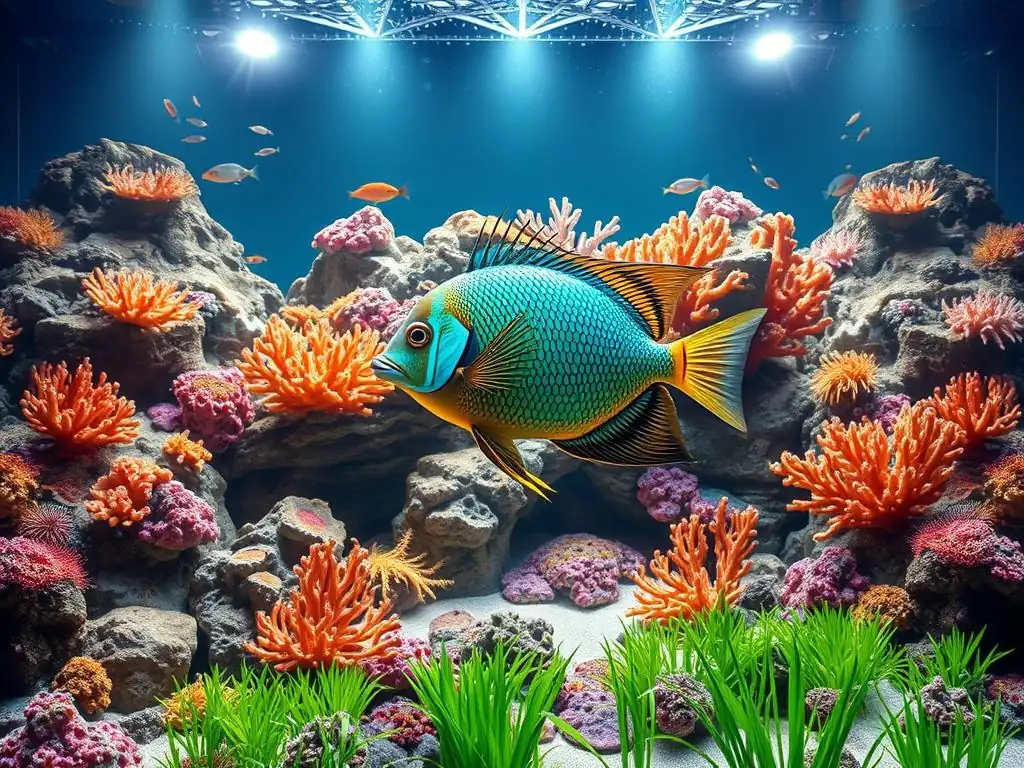
Welcome to Aquarium Mastery!
Ever dreamt of adding the dazzling beauty of a saltwater angelfish to your aquarium? Before you take the plunge, knowing how to spot a healthy specimen is absolutely crucial. Dive into our guide on healthy saltwater angelfish buying tips and unlock the secrets to choosing a vibrant, thriving addition to your underwater world. Curious about what to look for? Let's get started!
- Introduction: Ensuring a Thriving Saltwater Angelfish in Your Aquarium
- Understanding Saltwater Angelfish: Vital Considerations Before Buying
- Key Indicators of a Healthy Saltwater Angelfish
- Where to Buy Saltwater Angelfish: Selecting a Reputable Source
- Preparing for Your New Saltwater Angelfish: Acclimation and Tank Setup
- Common Saltwater Angelfish Diseases and Prevention
- Long-Term Care for Healthy Saltwater Angelfish
- Conclusion: Enjoying a Vibrant and Healthy Saltwater Angelfish
-
Frequently Asked Questions
- How can I tell if a saltwater angelfish is healthy when buying it?
- What are some key signs of illness to watch out for in saltwater angelfish?
- What size tank is generally recommended for most saltwater angelfish species?
- What are some essential water parameters to maintain for a healthy saltwater angelfish?
- What types of food should I feed a saltwater angelfish to ensure its health and vibrancy?
- Final Reflection: Navigating the Delicate Balance of Marine Life
- Unleash the Beauty: Start Your Saltwater Angelfish Adventure!
Introduction: Ensuring a Thriving Saltwater Angelfish in Your Aquarium
Saltwater angelfish are among the most striking and sought-after inhabitants for marine aquariums, captivating enthusiasts with their vibrant colors and graceful movements. However, bringing one of these magnificent fish into your home requires more than just admiration; it demands careful consideration and an informed approach to ensure its long-term health and well-being. The initial selection process is paramount, as a healthy start significantly increases the likelihood of a thriving angelfish in your established system.
This article delves into comprehensive healthy saltwater angelfish buying tips, guiding you through the critical steps of choosing a robust specimen. From understanding different species' needs to meticulously observing their physical condition and behavior, we will equip you with the knowledge necessary to make an educated decision. By following these expert guidelines, you can confidently select a healthy saltwater angelfish, minimizing potential issues and maximizing the enjoyment of your aquatic masterpiece.
Understanding Saltwater Angelfish: Vital Considerations Before Buying
Different Types of Saltwater Angelfish: Size, Temperament, and Reef Compatibility
Saltwater angelfish encompass a diverse group, ranging from the smaller "dwarf" species to impressive "large" angelfish, each with distinct characteristics regarding size, temperament, and reef compatibility. Understanding these differences is crucial for making an informed decision when seeking healthy saltwater angelfish. Dwarf angelfish, such as the Flame Angelfish ( Centropyge loriculus) or Coral Beauty Angelfish ( Centropyge bispinosa), typically reach adult sizes of 3 to 5 inches.
They are generally more docile and, while not 100% reef-safe as they might nip at corals, many aquarists successfully keep them in mixed reef systems. Their smaller size also means they can thrive in tanks starting from 30-50 gallons, making them accessible to a wider range of hobbyists.
In contrast, large angelfish species like the Emperor Angelfish ( Pomacanthus imperator) or Queen Angelfish ( Holacanthus ciliaris) can grow significantly, often reaching 10 to 15 inches in length. These magnificent fish demand much larger aquariums, typically 120 gallons or more, with some species requiring 200+ gallons to accommodate their adult size and swimming needs.
Their temperament can also be more assertive, and they are generally considered not reef-safe, as they are prone to consuming or aggressively nipping at corals, sponges, and other invertebrates. Therefore, selecting a healthy angelfish requires not just assessing its physical state but also ensuring its species-specific needs align with your existing aquarium setup and goals.
Assessing Your Aquarium's Suitability for Saltwater Angelfish
Before even considering healthy saltwater angelfish buying tips, a thorough assessment of your existing aquarium is essential. Angelfish, particularly the larger species, require a mature and stable environment. For instance, a small dwarf angelfish like a Lemonpeel Angelfish ( Centropyge flavissima) may require a minimum of 50 gallons, while an adult Blueface Angelfish ( Pomacanthus xanthometopon) needs upwards of 180 gallons to thrive and exhibit natural behaviors without stress. Tank size directly impacts the fish's ability to establish territory, find adequate swimming space, and reduce aggression towards tank mates.
Beyond volume, the tank must be fully cycled and established, typically running for at least 6-12 months, to ensure stable water parameters and a robust biological filter capable of handling the bioload. Adequate filtration, including protein skimming, is non-negotiable for angelfish, which are sensitive to water quality fluctuations.
Furthermore, the aquarium should provide ample live rock for hiding spots and grazing opportunities, as many angelfish species naturally graze on algae and detritus from rockwork. Understanding these foundational requirements is the first step in ensuring you can provide a suitable home for a healthy angelfish, setting the stage for its long-term success.
Key Indicators of a Healthy Saltwater Angelfish
Physical Appearance: Identifying Signs of Health and Disease
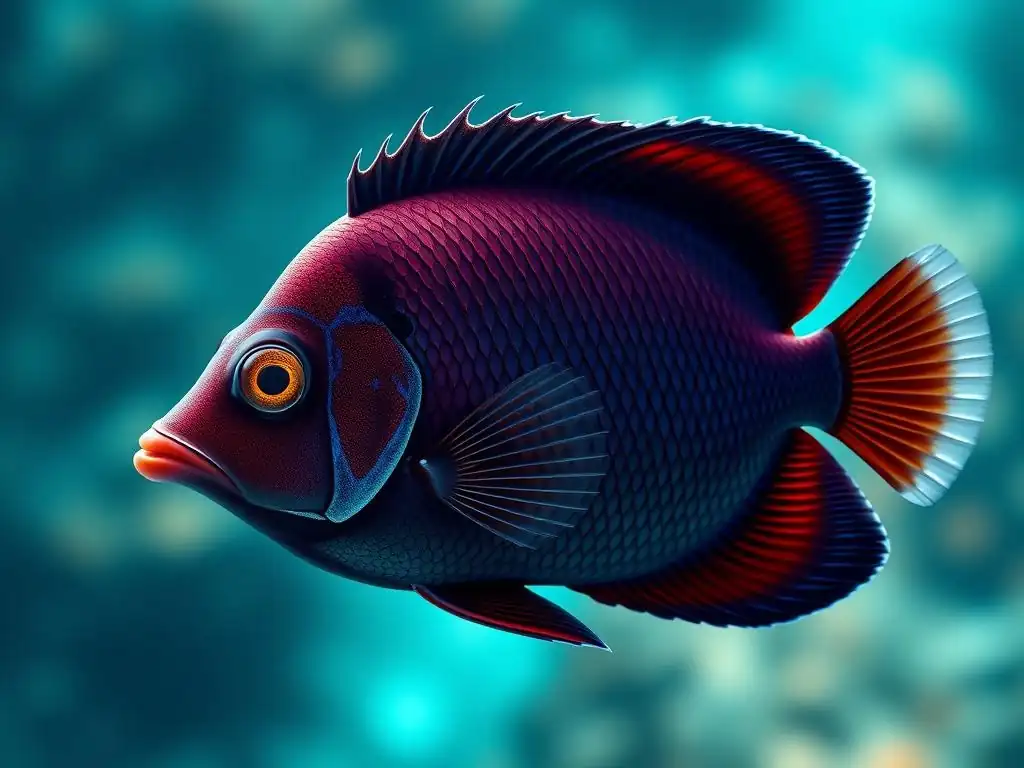
The physical appearance of a saltwater angelfish offers crucial insights into its overall health, making visual inspection a cornerstone of healthy saltwater angelfish buying tips. When evaluating a potential purchase, observe the fish meticulously for any anomalies that might indicate stress, disease, or poor nutrition. A healthy specimen will exhibit vibrant, characteristic coloration for its species, with clear and distinct markings.
For instance, a healthy Emperor Angelfish juvenile should display crisp white and deep blue concentric circles, while a Flame Angelfish should boast an intense fiery red-orange body with prominent black vertical bars. Dull, faded, or patchy coloration can often be a sign of stress, poor diet, or an underlying illness, indicating that the fish is not a prime candidate for purchase.
Furthermore, pay close attention to the angelfish's body shape and fin condition. A healthy angelfish will have a full, robust body without any signs of emaciation or a "pinched" belly, which can suggest internal parasites or starvation. All fins—dorsal, anal, caudal, and pectoral—should be fully extended, free from tears, nips, fraying, or white spots.
Clamped fins, where the fins are held tightly against the body, are a common indicator of stress or disease, such as Marine Ich ( Cryptocaryon irritans) or Velvet ( Amyloodinium ocellatum). The eyes should be clear, bright, and free of cloudiness, and the gills should appear normal, without swelling or rapid, labored breathing. Any visible lesions, ulcers, or excessive mucus on the body are definitive red flags that the angelfish is unhealthy and should be avoided.
Bright Colors and Clear Markings: A Sign of Healthy Angelfish
Vibrant coloration and distinct markings are primary indicators of a healthy saltwater angelfish, reflecting good nutrition, low stress, and a robust immune system. When evaluating a fish, compare its colors to typical species profiles; for example, a healthy Coral Beauty Angelfish should have a deep blue body with rich orange-red flanks, and these colors should be uniform and intense. Any dullness, pallor, or unusual blotches can signal underlying issues such as poor water quality in the holding tank, inadequate diet, or the onset of disease. This visual check is fundamental for effective healthy saltwater angelfish buying tips.
The markings on the fish, whether stripes, spots, or bands, should be sharply defined and unbroken. Fuzzy or faded markings may suggest stress or a compromised state. For instance, the intricate patterns on a Majestic Angelfish ( Pomacanthus navarchus) should be crisp and well-delineated. Observing the intensity and clarity of these natural patterns provides direct evidence of the fish's vitality, as a stressed or sick angelfish often diverts energy from maintaining vibrant pigmentation towards fighting off illness, leading to a noticeable decline in color quality.
Body Shape and Fin Condition: Examining for Deformities or Damage
A critical aspect of selecting a healthy saltwater angelfish involves a thorough examination of its body shape and fin condition. A well-nourished angelfish should possess a plump, rounded body without any sunken areas, particularly around the head or behind the gills, which can indicate severe malnourishment or chronic internal parasitic infections. The belly should be full, not concave or "pinched," a clear sign of starvation or internal issues. Any visible deformities, such as a bent spine or misshapen mouth, suggest genetic problems or developmental issues, making the fish unsuitable for purchase.
Furthermore, the fins should be pristine and fully extended, without any tears, nips, or signs of erosion. Fins should not appear frayed, ragged, or clamped tightly against the body. Clamped fins are a classic symptom of stress, poor water quality, or parasitic infestations like Marine Ich, where the fish attempts to reduce surface area exposure to irritants. Look for clear, translucent fins, free from cloudiness or white spots. Even minor damage can indicate a history of aggression, poor handling, or bacterial fin rot, which can be difficult to treat and compromise the long-term health of your angelfish.
Absence of Parasites or Lesions: Preventing Disease Introduction
The absence of visible parasites or lesions is perhaps the most critical factor when applying healthy saltwater angelfish buying tips, as introducing diseased fish can devastate an entire aquarium. Scrutinize the angelfish's entire body for any external parasites. The most common are Marine Ich ( Cryptocaryon irritans), appearing as tiny white spots resembling grains of salt, particularly on the fins and body. Another severe threat is Marine Velvet ( Amyloodinium ocellatum), which manifests as a dusty, yellowish or brownish coating, often accompanied by rapid breathing. Other potential issues include flukes (visible as small, worm-like organisms) or external copepods.
Beyond parasites, meticulously check for any open sores, red spots, ulcers, or areas of missing scales. These lesions can indicate bacterial infections, physical injuries, or more serious systemic diseases. Swollen gills or excessive mucus production are also strong indicators of gill flukes, bacterial infections, or severe parasitic infestations like Brooklynella hostilis. Even a single visible spot or lesion should deter you from purchasing the fish, as these conditions are highly contagious and can quickly spread to other inhabitants in your established display tank, potentially leading to significant losses and prolonged treatment challenges.
Behavior: Observing Angelfish Activity and Appetite
Beyond physical appearance, observing the angelfish's behavior provides equally vital clues about its health and adaptability. A healthy saltwater angelfish should exhibit active and natural swimming patterns, demonstrating curiosity and confidence in its environment. This behavioral assessment is a key component of effective healthy saltwater angelfish buying tips.
Active Swimming and Exploration: Assessing Normal Behavior
A healthy saltwater angelfish should be actively swimming and exploring its environment rather than hiding excessively or appearing lethargic. Observe the fish for several minutes, or even longer if possible, to gauge its typical activity level. A vibrant angelfish will typically swim with purpose, navigating around rockwork and occasionally interacting with other fish in the holding tank. For instance, a healthy Regal Angelfish ( Pygoplites diacanthus) should be seen gracefully cruising the middle to upper water column, not clamped in a corner or hovering listlessly near the bottom.
Conversely, signs of abnormal behavior include constant hiding, rapid or erratic swimming, gasping at the surface, or rubbing against tank decorations. Excessive hiding might indicate stress from bullying by tank mates, poor water quality, or the onset of illness. Rapid breathing, where the gill covers are moving much faster than normal, often points to gill irritation from parasites, high ammonia, or low oxygen levels. These behaviors are strong indicators that the angelfish is not well-adjusted or healthy, and such a specimen should be avoided regardless of its physical appearance.
Healthy Appetite and Feeding Habits: Ensuring Proper Nutrition
A robust appetite and enthusiastic feeding habits are strong indicators of a healthy saltwater angelfish. If possible, ask the store staff to feed the fish while you observe. A healthy angelfish should eagerly respond to food, swimming quickly to consume it. For example, a healthy African Flameback Angelfish ( Centropyge acanthops) should readily consume various foods, including flakes, pellets, and frozen preparations like mysis shrimp. Refusal to eat, spitting out food, or showing only a weak interest are significant warning signs.
A sustained lack of appetite can lead to rapid deterioration of the angelfish's condition, making it more susceptible to disease. It can also indicate internal parasites, bacterial infections, or severe stress from shipping or improper acclimation. When applying healthy saltwater angelfish buying tips, observing the fish's feeding response is paramount. A fish that is actively eating and exhibiting a strong feeding drive is much more likely to adapt well to your home aquarium and thrive in the long term.
Interaction with Other Fish: Evaluating Social Compatibility
Observing how a saltwater angelfish interacts with its tank mates in the store's holding tank provides valuable insights into its temperament and stress levels. While some mild territoriality is normal for angelfish, particularly between conspecifics or similar-looking species, excessive aggression or extreme timidity can be problematic. A healthy angelfish should be able to hold its own without being overly dominant or constantly harassed by other fish. For instance, a healthy Bicolor Angelfish ( Centropyge bicolor) should exhibit a confident swimming style and not appear constantly intimidated or bullied by other fish in the system.
Conversely, a fish that is constantly hiding, being relentlessly chased, or showing signs of fin nipping from other fish is under immense stress. This chronic stress weakens its immune system, making it highly susceptible to disease even if it appears physically sound initially. Similarly, an angelfish that is overly aggressive towards all tank mates in the store might continue this behavior in your home aquarium, potentially stressing or harming your existing fish. Evaluating these social dynamics is an important, often overlooked, aspect of choosing a healthy angelfish that will integrate well into your community.
Where to Buy Saltwater Angelfish: Selecting a Reputable Source
The source from which you acquire your saltwater angelfish significantly impacts its initial health and long-term success. Selecting a reputable vendor is as crucial as the physical inspection itself when applying healthy saltwater angelfish buying tips.
Choosing a Reputable Aquarium Store: Expertise and Quality Assurance
When considering where to buy a healthy saltwater angelfish, a reputable local fish store (LFS) often stands out as the best option. These stores typically maintain multiple holding tanks, allowing for better observation of fish behavior and health over several days or weeks. A good LFS will have clean, well-maintained tanks with appropriate filtration and stable water parameters, indicating a commitment to the health of their livestock. Furthermore, knowledgeable staff are invaluable; they should be able to answer detailed questions about the angelfish's origin, diet, temperament, and care requirements.
A sign of a truly reputable store is their quarantine protocol for newly arrived fish. Many top-tier stores will hold new shipments in a separate quarantine system for at least 7-14 days, observing for signs of illness and proactively treating if necessary, before moving them to display tanks for sale. This practice significantly reduces the risk of buying an already stressed or diseased angelfish. Ask about their guarantee policies; reputable stores often offer a limited guarantee (e.g., 24-48 hours) on livestock, demonstrating their confidence in the health of their fish and providing peace of mind for the buyer.
Buying from Online Vendors: Risks and Precautions
While online vendors offer a wider selection of saltwater angelfish species, purchasing from them comes with inherent risks that require careful consideration. The primary disadvantage is the inability to physically inspect the fish before purchase, relying solely on photos or videos that may not accurately represent the fish's current condition. Shipping itself is a stressful event for fish, and even a healthy angelfish can arrive stressed or weakened due to transit time, temperature fluctuations, or inadequate packing. This makes online purchases a less ideal scenario for ensuring a healthy saltwater angelfish from the outset.
To mitigate these risks, it is crucial to research online vendors extensively. Look for companies with consistently positive reviews regarding their livestock health, packaging, and customer service. Prioritize vendors who explicitly state their quarantine procedures and offer robust live arrival guarantees. It's also wise to check their shipping methods; reputable vendors use insulated boxes, heat or cold packs, and often offer expedited shipping options (e.g., overnight delivery) to minimize transit stress. While convenient, buying online demands extra diligence to ensure you receive a healthy specimen.
Quarantining New Angelfish: A Crucial Step for Preventing Disease
Regardless of where you purchase your saltwater angelfish, a dedicated quarantine tank (QT) is not merely a recommendation but a crucial, non-negotiable step for preventing the introduction of diseases into your main display aquarium. Even the healthiest-looking angelfish can carry latent parasites or bacterial infections that only manifest under the stress of a new environment. A typical QT setup for an angelfish can be a simple 20-40 gallon tank with a heater, small power filter, and PVC pipes for hiding, without sand or live rock to facilitate observation and treatment.
The recommended quarantine period is typically 4-6 weeks, during which the angelfish should be observed daily for any signs of illness, such as white spots, clamped fins, rapid breathing, or loss of appetite. During this time, it is common practice to perform prophylactic treatments for common external parasites like Marine Ich or Velvet, even if no symptoms are visible, using medications such as copper-based treatments or formalin.
This proactive approach ensures that by the time your new angelfish enters your display tank, it is truly healthy, acclimated to captive life, and free from pathogens that could devastate your established aquatic ecosystem.
Preparing for Your New Saltwater Angelfish: Acclimation and Tank Setup
Proper preparation is paramount to the successful introduction of your new saltwater angelfish, minimizing stress and ensuring a smooth transition into its new home. These steps are vital for maintaining the health of your angelfish.
Proper Acclimation Techniques: Minimizing Stress for Your Angelfish
Acclimation is the critical process of slowly adjusting your new saltwater angelfish to the specific water parameters of its new environment, thereby minimizing shock and stress. The most recommended method is drip acclimation, particularly for sensitive fish like angelfish. This involves slowly dripping water from your quarantine or display tank into the bag containing the fish over an extended period. For instance, using an airline tubing with a knot to control the flow, you can add tank water at a rate of 2-3 drips per second until the volume in the bag has quadrupled, typically taking 45-90 minutes.
This slow introduction allows the angelfish to gradually adjust to changes in temperature, pH, and salinity, which can differ significantly between the transport water and your aquarium. Floating the bag in your tank for 15-20 minutes initially helps equalize temperature before starting the drip. Once acclimation is complete, gently net the angelfish and place it into your quarantine or display tank, discarding the water from the bag to prevent introducing any potentially harmful substances or pathogens from the shipping water into your system. Proper acclimation is a cornerstone of ensuring a healthy angelfish and reducing susceptibility to stress-induced diseases.
Ideal Tank Parameters for Saltwater Angelfish: Water Chemistry and Temperature
Maintaining stable and appropriate water parameters is fundamental for the long-term health and vibrancy of saltwater angelfish. These fish thrive in specific conditions that mimic their natural marine environment. Key parameters include salinity, which should be maintained between 1.023 and 1.026 specific gravity, ideally with a refractometer for accuracy. Temperature is equally important, with a consistent range of 74-78°F (23-26°C) being optimal for most angelfish species. Fluctuations outside this range can cause significant stress and weaken the fish's immune system.
Furthermore, water chemistry parameters such as pH, alkalinity, calcium, and magnesium should be stable. A pH of 8.1-8.4 is ideal, supported by adequate alkalinity (dKH 8-12). Ammonia and nitrite levels must always be undetectable (0 ppm), as even trace amounts are highly toxic to marine fish. Nitrate levels should be kept below 20 ppm, preferably below 10 ppm, through regular water changes and efficient biological filtration. Consistent monitoring with reliable test kits is essential to ensure these parameters remain within the healthy range, providing a stable foundation for a thriving and healthy angelfish.
Providing a Suitable Diet: Meeting the Nutritional Needs of Angelfish
A varied and balanced diet is paramount for the health, coloration, and longevity of saltwater angelfish. These fish are omnivores, with many species having a significant herbivorous component to their diet, grazing on algae and sponges in the wild. Therefore, a captive diet should reflect this diversity. High-quality marine flake foods and pellets formulated for omnivorous marine fish should form the base, but these must be supplemented with a wide array of frozen foods. Examples of suitable frozen foods include mysis shrimp, brine shrimp (preferably enriched), spirulina-enriched brine shrimp, and various marine preparations containing algae or sponges.
For species known to graze heavily, such as the Regal Angelfish or Emperor Angelfish, offering marine algae sheets (nori) clipped to the tank or spirulina flakes multiple times a week is crucial. Some angelfish, particularly the larger species, also benefit from occasional offerings of finely chopped seafood like shrimp or clam.
Feeding small amounts multiple times a day (2-3 times) is generally better than one large feeding, as it mimics their natural grazing behavior and reduces water pollution. A well-rounded diet not only ensures proper nutrition but also enhances the fish's immune system, making it more resilient to disease and contributing significantly to a healthy angelfish over its lifespan.
Common Saltwater Angelfish Diseases and Prevention
Despite best efforts in selecting a healthy angelfish, these fish can still be susceptible to common marine ailments. Understanding how to recognize and prevent these diseases is crucial for long-term success.
Recognizing Early Signs of Illness: Marine Ich, Velvet, Brooklynella
Early detection of illness is critical for successful treatment and preventing widespread outbreaks in your aquarium. For saltwater angelfish, some of the most common and dangerous diseases include Marine Ich ( Cryptocaryon irritans), Marine Velvet ( Amyloodinium ocellatum), and Brooklynella hostilis. Marine Ich typically presents as small, white, salt-like spots scattered across the fish's body and fins, often accompanied by scratching against tank decorations. Velvet, on the other hand, appears as a fine, dusty, yellowish or brownish coating, making the fish look as if it's dusted with flour, often coupled with rapid respiration and clamped fins.
Brooklynella hostilis, often called "Clownfish Disease" but affecting many marine fish including angelfish, is characterized by excessive mucus production, skin sloughing, and rapid, labored breathing. The fish may appear grayish or cloudy, and lesions can develop. All these diseases require prompt identification and treatment. Observing your angelfish daily for changes in appearance, breathing rate, swimming patterns, or appetite is the first line of defense. Any deviation from normal behavior or appearance should trigger immediate investigation and, if necessary, isolation in a hospital tank to protect other healthy angelfish.
Proactive Disease Prevention Strategies: Maintaining Water Quality and Quarantine
Proactive disease prevention is far more effective than reactive treatment, especially for sensitive species like saltwater angelfish. The cornerstone of prevention is maintaining impeccable water quality. This involves performing regular water changes—typically 10-20% bi-weekly or monthly, depending on bioload—to dilute nitrates and replenish essential trace elements. Consistent monitoring of water parameters (ammonia, nitrite, nitrate, pH, salinity, temperature) with reliable test kits is crucial to identify and correct any imbalances before they stress the fish.
Beyond water quality, strict adherence to a quarantine protocol for all new fish, corals, and invertebrates is the single most important disease prevention strategy. As mentioned earlier, a 4-6 week quarantine period allows for observation and prophylactic treatment, preventing pathogens from entering your main display tank. Proper nutrition, providing a varied diet with vitamin supplementation, also plays a vital role by strengthening the angelfish's immune system, making it more resilient to potential pathogens. By focusing on these preventive measures, you significantly increase the chances of keeping a healthy angelfish population.
Treatment Options for Common Angelfish Ailments: Copper Treatment, Formalin Baths, Antibiotics
Should your saltwater angelfish fall ill, understanding common treatment options is essential, though always consult with a marine aquarium expert or veterinarian. For parasitic infections like Marine Ich and Velvet, copper-based medications (e.g., copper sulfate or chelated copper) are often effective, administered in a separate hospital tank at precise concentrations (e.g., 0.20-0.25 ppm for chelated copper). Formalin baths, often used in conjunction with malachite green, can also be effective against Velvet and Brooklynella hostilis, typically as short-duration dips or prolonged treatments in a hospital tank, requiring careful aeration.
Bacterial infections, which often manifest as fin rot, body sores, or cloudy eyes, typically require broad-spectrum antibiotics. These should only be used when a bacterial infection is strongly suspected and, ideally, after consulting with a professional, as overuse can lead to antibiotic resistance. Administering antibiotics through medicated foods is often preferred over direct water dosing to minimize impact on beneficial bacteria in the biological filter. Regardless of the treatment, it is critical to use medications accurately, follow dosage instructions precisely, and maintain excellent water quality in the hospital tank to support the angelfish's recovery.
Long-Term Care for Healthy Saltwater Angelfish
Ensuring a healthy saltwater angelfish thrives for years involves consistent long-term care that goes beyond initial setup and disease prevention. This ongoing commitment to optimal conditions is key.
Maintaining Optimal Water Quality: Regular Testing and Water Changes
Long-term water quality maintenance is the bedrock of a healthy saltwater angelfish habitat. Regular water changes are crucial for diluting accumulated nitrates, phosphates, and other pollutants, while simultaneously replenishing essential trace elements and maintaining stable alkalinity and calcium levels. A typical schedule might involve a 10-20% water change every two weeks, but this can vary based on tank size, bioload, and filtration efficiency. Using high-quality salt mix and RO/DI water is imperative to avoid introducing contaminants.
Consistent testing of key water parameters—including salinity, temperature, pH, ammonia, nitrite, and nitrate—should be performed weekly. For reef systems housing angelfish, testing alkalinity, calcium, and magnesium is also vital. Maintaining these parameters within their optimal ranges prevents stress, supports immune function, and promotes vibrant coloration, ensuring your angelfish remains healthy and active. Investing in reliable test kits and performing these checks diligently is a non-negotiable aspect of responsible angelfish husbandry.
Providing a Balanced Diet: Variety and Supplementation
The diet provided to your saltwater angelfish in the long term significantly impacts its health, growth, and coloration. Continuing to offer a diverse range of high-quality foods is essential. This includes a mix of marine flakes and pellets, various frozen foods (such as mysis shrimp, spirulina brine shrimp, and marine algae preparations), and fresh seafood options like finely chopped shrimp or clams. Many angelfish species benefit immensely from regular offerings of marine algae sheets (nori), which can be clipped to the tank for grazing throughout the day.
Beyond variety, supplementation can play a crucial role in boosting immunity and enhancing vitality. Vitamin supplements, such as Selcon or Vita-Chem, can be soaked into frozen foods before feeding, providing essential vitamins and fatty acids often lacking in captive diets. Garlic extracts can also be used as an appetite stimulant and potentially offer some immune-boosting benefits. A consistently varied and enriched diet helps prevent nutritional deficiencies, strengthens the angelfish's natural defenses, and ensures the continued display of its vibrant colors, contributing to a truly healthy angelfish.
Observing and Addressing Behavioral Changes: Early Intervention
Continuous observation of your saltwater angelfish's behavior is a powerful tool for early intervention and maintaining its health. Daily checks for subtle changes in swimming patterns, breathing rate, appetite, or social interactions can indicate the onset of stress or illness long before physical symptoms become obvious. For instance, an angelfish that suddenly becomes reclusive, stops eating, or starts breathing rapidly might be experiencing water quality issues or the initial stages of a disease.
Promptly addressing these behavioral shifts is critical. This might involve retesting water parameters immediately, increasing aeration, or isolating the fish in a hospital tank for closer observation and potential treatment. Early intervention significantly increases the chances of a successful recovery and prevents the spread of potential pathogens to other tank inhabitants. By being vigilant and responsive to your angelfish's needs, you ensure its continued well-being and contribute to a thriving, healthy angelfish for many years.
Conclusion: Enjoying a Vibrant and Healthy Saltwater Angelfish
Choosing and maintaining a healthy saltwater angelfish is a rewarding endeavor that enriches any marine aquarium with stunning beauty and dynamic behavior. The journey begins with applying meticulous healthy saltwater angelfish buying tips, from carefully inspecting physical appearance and observing behavior to selecting a reputable source and committing to a robust quarantine protocol. These initial steps are foundational, significantly reducing the risks of introducing disease and ensuring the angelfish starts its life in your care on the strongest possible footing.
Beyond the initial purchase, long-term success hinges on providing optimal tank parameters, a consistently varied and nutritious diet, and vigilant observation of your fish's well-being. By maintaining pristine water quality through regular testing and water changes, offering a diverse array of foods, and promptly addressing any behavioral changes, you empower your angelfish to thrive. The dedication involved in these comprehensive care practices culminates in the profound satisfaction of watching a vibrant, healthy saltwater angelfish flourish in your home, becoming a true centerpiece of your aquatic passion.
Frequently Asked Questions
How can I tell if a saltwater angelfish is healthy when buying it?
Look for bright colors, active swimming, and no visible signs of disease, such as spots or ragged fins. Also, observe if they're eating readily.
What are some key signs of illness to watch out for in saltwater angelfish?
Be wary of cloudy eyes, labored breathing, or unusual behavior like hiding excessively or flashing against rocks. These can indicate underlying health problems.
What size tank is generally recommended for most saltwater angelfish species?
Generally, a tank of at least 75 gallons is recommended, but some larger species require 125 gallons or more. Research the specific needs of the species you're interested in.
What are some essential water parameters to maintain for a healthy saltwater angelfish?
Maintain a stable salinity of 1.024-1.026 specific gravity, a pH between 8.1-8.4, and ammonia and nitrite levels at 0 ppm. Regular water changes are crucial.
What types of food should I feed a saltwater angelfish to ensure its health and vibrancy?
Offer a varied diet including high-quality flake food, frozen foods like mysis shrimp, and algae or spirulina to support their nutritional needs and color development.
The information presented throughout this article underscores the critical importance of responsible acquisition in the saltwater aquarium hobby. Understanding the nuances of selecting a healthy saltwater angelfish isn't merely about aesthetics; it's about contributing to the well-being of individual creatures and the sustainability of the marine ecosystem as a whole. The choices we make as aquarists have far-reaching consequences, demanding a commitment to informed decision-making.
The journey of selecting a healthy angelfish is a microcosm of our broader relationship with the natural world. It highlights the need for empathy, research, and a willingness to prioritize the animal's needs above our own desires. This responsibility extends beyond the initial purchase, encompassing ongoing care and a dedication to providing a suitable environment. The greatness of a nation and its moral progress can be judged by the way its animals are treated.
- Mahatma Gandhi. This quote resonates deeply when considering the ethical implications of keeping marine life in captivity.
As you embark on, or continue, your journey in the saltwater aquarium hobby, remember that knowledge is your most powerful tool. Let the insights shared here guide you in making informed and compassionate choices. Strive to be a responsible steward of these magnificent creatures, ensuring their health and well-being for years to come. By embracing this mindful approach, you not only enrich your own experience but also contribute to a more sustainable and ethical future for the marine aquarium hobby.
Unleash the Beauty: Start Your Saltwater Angelfish Adventure!
Thank you for exploring the world of saltwater angelfish with us! We hope this guide has given you the confidence to bring these stunning creatures into your aquarium. Now, let's turn that knowledge into action:
- Take the plunge and visit your local, reputable fish store this week! Observe their angelfish carefully, paying close attention to the health indicators we discussed.
- Browse online forums dedicated to saltwater aquariums. Share your top three angelfish choices and get feedback from experienced hobbyists.
- Document your angelfish selection journey! Start a journal (digital or physical) to track your observations, questions, and ultimately, the successful integration of your new finned friend.
What specific questions do you have for local fish store owners before purchasing your angelfish?