
Peacock Cichlid Harems: Why More Females Mean Less Trouble

Welcome to Aquarium Mastery!
Ever wondered why your Peacock Cichlids aren't breeding, or perhaps why your tank feels a little... tense? Our latest article, "Peacock Cichlid Harems: Why More Females Mean Less Trouble," delves into a surprising solution to common Peacock Cichlid breeding problems. Discover the secrets to a harmonious and thriving aquarium, and unlock the full potential of these vibrant fish. Intrigued? Dive in to learn more!
- Understanding Peacock Cichlid Aggression and Breeding Challenges
- The Harem Approach: A Strategy for Reducing Peacock Cichlid Breeding Problems
- Optimizing Your Tank for a Successful Peacock Cichlid Harem
- Choosing the Right Peacock Cichlids for Your Harem
- Feeding Your Peacock Cichlid Harem for Optimal Health and Breeding
- Monitoring and Managing Your Peacock Cichlid Harem
- Troubleshooting Common Peacock Cichlid Breeding Problems in Harems
- The Long-Term Benefits of a Well-Managed Peacock Cichlid Harem
-
Frequently Asked Questions
- How does keeping a harem of Peacock Cichlids relate to breeding success?
- What are some common Peacock Cichlid breeding problems that a harem setup can help prevent?
- What is the ideal male-to-female ratio for a Peacock Cichlid harem?
- What other factors, besides the harem setup, are important for successful Peacock Cichlid breeding?
- How does stress impact Peacock Cichlid breeding and what can be done to mitigate it?
- Final Reflection: Harmony in the Aquarium
- Unleash the Harmony: Transform Your Cichlid Tank!
Understanding Peacock Cichlid Aggression and Breeding Challenges
The Link Between Aggression and Peacock Cichlid Breeding Problems
Aggression, particularly male-on-female aggression, stands as a primary impediment to successful Peacock Cichlid breeding. Male Peacock Cichlids (genus Aulonocara) are driven by an intense instinct to spawn, and in setups where a single male is paired with only one or two females, this drive can manifest as relentless pursuit and harassment. The male will constantly attempt to herd the female, display aggressively, and nip, leading to severe stress, physical injury, and in extreme cases, the death of the female. This continuous pressure is a significant factor in many Peacock Cichlid breeding problems.
The biological impact of this constant stress is profound. High stress levels in female Peacock Cichlids can directly inhibit egg production, cause the female to reabsorb developing eggs, or result in poor quality spawns. Even if eggs are laid and fertilized, the ongoing harassment can prevent the female from properly incubating the brood in her mouth, often leading her to prematurely drop or even consume the eggs or fry. This cycle of stress and failed attempts directly contributes to the common Peacock Cichlid breeding problems reported by aquarists.
Identifying Common Signs of Aggression in Peacock Cichlid Tanks
Recognizing the signs of aggression early is crucial to preventing long-term Peacock Cichlid breeding problems. Physical indicators include torn fins, missing scales, body abrasions, and faded or darkened coloration, which are classic stress responses. Behaviorally, look for constant chasing, nipping at the fins or flanks of other fish, flaring gills and fins at specific individuals, and a general reluctance of the targeted fish to leave hiding spots or eat. Even subtle signs, such as a female consistently having clamped fins or appearing overly jittery, can indicate she is under duress.
Specific scenarios often highlight these issues. An overly zealous male might repeatedly "shake" or "quiver" at a female, attempting to force her to spawn. The female, in turn, might spend most of her time wedged into decor, pressed against the heater, or staying near the water surface to avoid the male's advances. For instance, in a 40-gallon tank with a single male and female, the female Aulonocara baenschi might exhibit extreme hiding behavior, refusing to come out even for food, a clear sign of stress hindering potential breeding success.
The Harem Approach: A Strategy for Reducing Peacock Cichlid Breeding Problems
What is a Peacock Cichlid Harem and Why Does it Work?
A Peacock Cichlid harem typically consists of one male paired with multiple females, often a ratio of one male to three to five or more females. The underlying principle of this setup is to distribute the male's often intense breeding attention and general aggression among several individuals. This dilution effect is exceptionally effective in reducing the stress on any single female, directly addressing one of the most common Peacock Cichlid breeding problems.
The effectiveness of a harem lies in its ability to mimic a more natural social structure for these fish. When a male is ready to breed, his focus is spread across several potential mates. This provides individual females with periods of respite from constant harassment, allowing them to de-stress, feed adequately, and prepare for spawning in a significantly less pressured environment. This reduction in individual female stress dramatically improves their overall health and willingness to spawn, leading to a much lower incidence of aggression-related Peacock Cichlid breeding problems.
Key Benefits of Maintaining a Peacock Cichlid Harem
The primary benefit of a Peacock Cichlid harem is the significant reduction in stress and aggression within the tank. By spreading the male's attention, individual females are less likely to be injured, harassed to exhaustion, or even killed. This directly addresses the root cause of many Peacock Cichlid breeding problems, fostering a healthier and more stable environment for all inhabitants.
Beyond reduced stress, a harem setup directly translates to increased breeding success. With less pressure and improved health, females are more inclined to spawn, carry their broods to full term, and release healthy fry. The male also benefits from more opportunities to breed with receptive females, leading to a higher overall yield of fry over time. For example, a single male Aulonocara maylandi in a 75-gallon tank with five females is far more likely to produce consistent spawns than if he were housed with just one or two females, thereby overcoming common Peacock Cichlid breeding problems.
Optimizing Your Tank for a Successful Peacock Cichlid Harem
Tank Size Considerations for Peacock Cichlid Harems
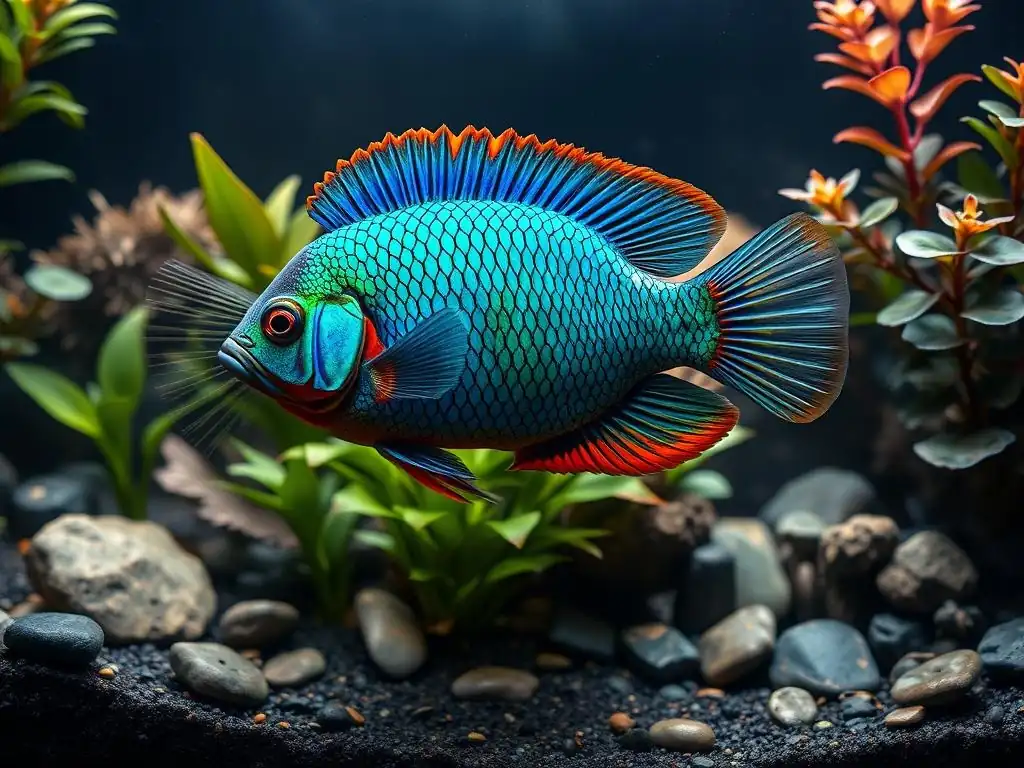
For a Peacock Cichlid harem consisting of one male and three to four females, a 55-gallon (approximately 208 liters) aquarium is often considered a bare minimum. However, to truly optimize aggression dispersion and ensure the long-term health and breeding success of your fish, a 75-gallon (approximately 284 liters) tank or larger is highly recommended. Larger tanks provide more stable water parameters and greater surface area for gas exchange, which are crucial for active fish like cichlids.
The rationale behind recommending larger tanks is simple: more space means more territory and more opportunities for females to escape aggressive advances. Ample swimming space and numerous visual breaks allow females to establish their own personal zones, significantly reducing direct confrontations and lowering overall stress levels. For instance, in a 75-gallon tank, a female Aulonocara stuartgranti can retreat to one end of the aquarium or behind a large rock formation while the male is occupied elsewhere, a luxury not afforded in a smaller 40-gallon tank, where confined spaces often exacerbate Peacock Cichlid breeding problems.
Creating a Suitable Environment: Substrate, Decor, and Hiding Places
The choice of substrate and decor is paramount in a Peacock Cichlid harem setup. A fine sand substrate is ideal, as Peacock Cichlids enjoy sifting through it and may dig small pits for spawning. Crucially, the tank must be rich in rockwork, caves, and other structures that serve as visual barriers and hiding spots. The goal is to break up lines of sight, preventing the male from constantly seeing and pursuing all females, which is vital for managing aggression and preventing Peacock Cichlid breeding problems.
Specific examples of effective decor include stacked slate, ceramic caves, PVC pipes, or even carefully arranged driftwood (though ensure it doesn't significantly lower pH if your water is already soft). Arrange these elements to create distinct territories and numerous escape routes.
For instance, in a 75-gallon tank, one might create a large rock cave system on one side and a series of smaller, individual caves on the other, allowing females to "disappear" from the male's view when stressed. This strategic placement of decor is a key factor in mitigating aggression and fostering a conducive environment for breeding, directly addressing Peacock Cichlid breeding problems related to inadequate shelter.
Maintaining Ideal Water Parameters for Breeding and Reducing Stress
Maintaining stable and appropriate water parameters is fundamental for the health and breeding success of Peacock Cichlids. These African cichlids thrive in hard, alkaline water, with ideal parameters typically ranging from a pH of 7.8-8.6, a temperature of 76-82°F (24-28°C), and a general hardness (GH) of 10-20 dGH. Consistency is more important than absolute values; sudden fluctuations in water chemistry are major stressors that can inhibit breeding and increase susceptibility to disease, exacerbating Peacock Cichlid breeding problems.
Beyond the baseline parameters, pristine water quality is non-negotiable. This necessitates robust filtration (e.g., canister filters, large hang-on-back filters) and consistent partial water changes, typically 25-30% weekly. High levels of nitrates, ammonia, or nitrites will severely stress fish, leading to compromised immune systems, faded coloration, and a complete cessation of breeding activity. For example, keeping nitrate levels consistently below 20 ppm is crucial for encouraging spawning behavior and ensuring the health of both adults and any developing fry, thus preventing many common Peacock Cichlid breeding problems linked to poor water conditions.
Choosing the Right Peacock Cichlids for Your Harem
Selecting Healthy and Compatible Females
When selecting females for your Peacock Cichlid harem, prioritize health and vitality. Look for active, alert fish with bright, if somewhat subdued, coloration, full bellies, and intact fins. Avoid any females exhibiting clamped fins, faded or patchy colors, or any visible signs of disease such as spots, growths, or labored breathing. Sourcing from reputable breeders or stores known for their healthy stock significantly reduces the risk of introducing illness or stressed fish into your established aquarium, which could lead to further Peacock Cichlid breeding problems.
Compatibility, while less of an issue with females of the same species, still warrants consideration. Aim for females that are roughly the same size as or slightly smaller than the male. Introducing significantly smaller or weaker females can make them disproportionate targets for the male's advances, even in a harem setup. For example, if adding new Aulonocara jacobfreibergi females to a tank, ensure they are at least 3-4 inches in length to better withstand the male's courtship and avoid becoming overly stressed, which could hinder their ability to breed.
Introducing New Fish to an Established Harem
The introduction of new fish, especially new females, to an established Peacock Cichlid harem requires careful planning to minimize stress and aggression. Always quarantine new fish for a minimum of 2-4 weeks in a separate tank to prevent the introduction of diseases. When the new fish are deemed healthy, a common strategy is to slightly rearrange the existing tank decor just before introduction. This disrupts established territories and can help diffuse initial aggression from the resident fish, making them less territorial.
It is often beneficial to introduce all new females simultaneously, if possible, to further spread any initial aggression from the male. Consider performing a "lights out" introduction by adding the new fish when the tank lights are off or after lights have been out for a few hours; this can reduce immediate stress.
Monitor the tank closely for the first few hours and days, watching for excessive chasing or nipping. In some cases, to drastically reduce Peacock Cichlid breeding problems related to new introductions, some aquarists opt to remove the male, introduce the females, let them settle for a day or two, and then reintroduce the male.
Feeding Your Peacock Cichlid Harem for Optimal Health and Breeding
The Importance of a Varied Diet for Peacock Cichlids
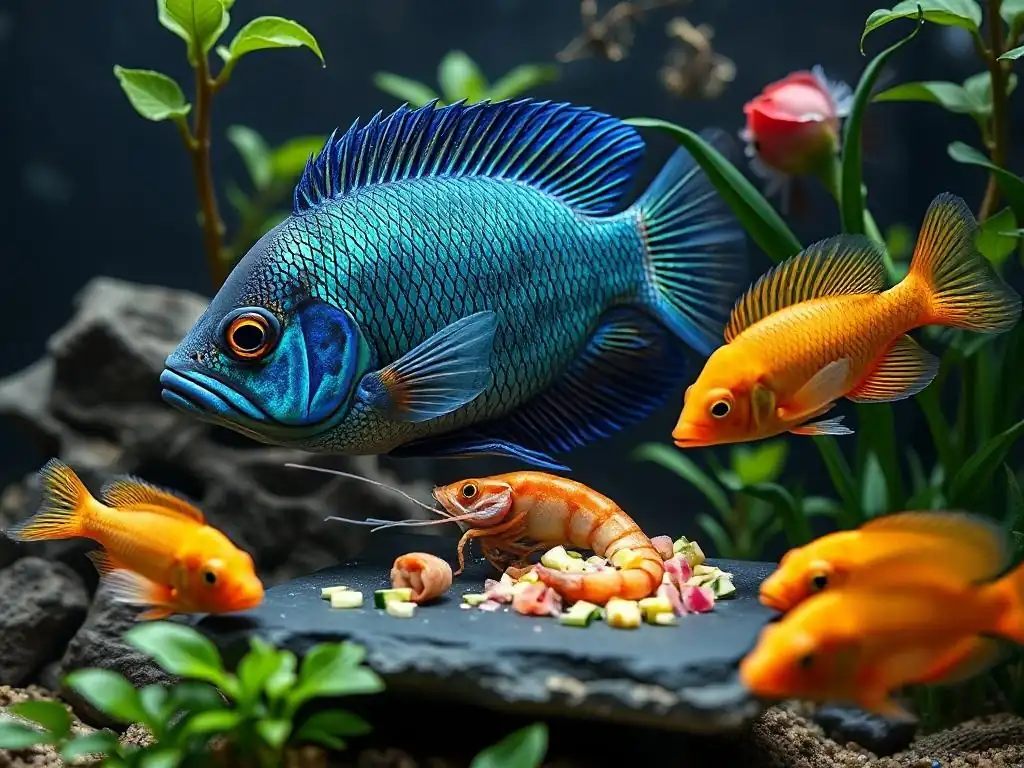
A varied and high-quality diet is paramount for the optimal health, vibrant coloration, and successful breeding of your Peacock Cichlid harem. While Peacock Cichlids are primarily carnivores or insectivores in their natural habitat, some species may also consume small amounts of plant matter. A staple diet should consist of a high-quality, cichlid-specific flake or pellet food.
This should be generously supplemented with a variety of frozen foods such as Mysis shrimp, brine shrimp, bloodworms, and krill. This diverse approach ensures your fish receive a full spectrum of essential nutrients, preventing nutritional deficiencies that can lead to Peacock Cichlid breeding problems.
The benefits of dietary variety extend beyond basic nutrition. It significantly enhances coloration, strengthens the immune system, and directly contributes to improved reproductive health. For instance, foods rich in astaxanthin, such as krill or specialized color-enhancing pellets, can boost female egg production and overall vitality, making them more receptive to spawning and improving the quality of their broods. Feeding small amounts multiple times a day (e.g., 2-3 small feedings) is generally better than one large meal, as it aids digestion and reduces the amount of uneaten food.
Preventing Overfeeding and Maintaining Water Quality
Overfeeding is one of the most common mistakes in aquarium husbandry and can quickly lead to degraded water quality, which in turn causes significant health issues like bloat and directly contributes to Peacock Cichlid breeding problems. Always feed only what your fish can consume entirely within 2-3 minutes. Any uneaten food should be promptly removed from the tank to prevent its decomposition, which releases harmful ammonia and nitrites.
The link between overfeeding, poor water quality, and breeding success is direct. High levels of nitrates, ammonia, or nitrites severely stress fish, making them less likely to spawn and far more susceptible to disease. Regular partial water changes (as discussed previously) and efficient filtration are non-negotiable for maintaining pristine water conditions. For example, a weekly 25% water change in a 75-gallon tank is far more effective at controlling waste byproducts than attempting to compensate for overfeeding with less frequent, larger changes, which can lead to unstable parameters and breeding failures.
Monitoring and Managing Your Peacock Cichlid Harem
Observing Behavior and Identifying Potential Problems
Consistent and careful observation of your Peacock Cichlid harem is a cornerstone of successful long-term management and crucial for preventing Peacock Cichlid breeding problems. Take time daily to watch your fish, looking for subtle changes in behavior. Pay close attention to females: is one consistently hiding, refusing food, or showing unusually faded colors? Note any specific individuals being disproportionately targeted by the male or even other females. Early detection of escalating aggression or signs of stress can allow for intervention before serious injury or even death occurs.
Keeping a mental, or even written, log for specific individuals can be incredibly helpful. Are certain fins consistently nipped? Is one particular female always being chased out of her preferred cave? For instance, if a male Aulonocara eureka is relentlessly pursuing and injuring a single female, despite the presence of others, it might indicate that particular male is exceptionally aggressive or that the female is perceived as weak. Such observations are critical for understanding the dynamics of your specific harem and addressing potential Peacock Cichlid breeding problems proactively.
Addressing Aggression Issues Within the Harem
Even in a well-planned harem, aggression can sometimes become problematic. If you observe persistent, harmful aggression, consider adding more females to further dilute the male's attention. Rearranging tank decor can sometimes disrupt established territories and "reset" the social hierarchy, often leading to a temporary reduction in aggression. In severe cases where a specific female is being relentlessly targeted and injured, temporary separation into a breeding box or a small hospital tank may be necessary for her recovery.
Occasionally, a particular male Peacock Cichlid may be excessively aggressive despite optimal conditions and a proper female ratio. In such rare instances, rehoming the male or keeping him in a species-only tank with a very large group of females might be the only viable solution.
Similarly, a very timid female might not thrive in any harem setup and may do better in a less active community tank or a dedicated breeding setup. For example, if a male Aulonocara korneliae consistently injures females even in a 100-gallon tank with six females, he might be an outlier whose temperament is not suited for a typical harem setup.
Recognizing Signs of Successful Breeding
The most definitive sign of successful Peacock Cichlid breeding is a female with a distended buccal cavity, indicating she is holding eggs or fry in her mouth. Her throat and lower jaw area will appear noticeably swollen, often giving her a "gargoyle" like appearance. During this period, she will typically refuse food and may become more reclusive, often seeking out a quiet corner or a secluded cave. While the male may continue to show interest, she will actively avoid his advances.
Other pre-spawning signs include the male displaying intense, vibrant coloration and actively flaring his fins to entice females. You might also observe the actual spawning process: the male quivering or shaking vigorously to attract a female, the female laying her eggs on a flat surface (a rock, a slate, or even a pit dug in the sand), and then quickly picking them up into her mouth.
The male will then display his anal fin spots (egg spots) to entice her to mouth his fin, at which point he releases milt to fertilize the eggs orally. Witnessing these behaviors confirms that your efforts to mitigate Peacock Cichlid breeding problems have been successful.
Troubleshooting Common Peacock Cichlid Breeding Problems in Harems
Egg Eating and Fry Predation: Prevention Strategies
While female Peacock Cichlids are mouthbrooders, meaning they protect their eggs and fry in their mouths, preventing predation after the fry are released is crucial. In a community tank, nearly all other fish, including the male and other females, will view the fry as food. To maximize fry survival, you can use a "fry saver" or breeding box to isolate the female just before she is due to release the fry (typically around 18-21 days of holding). Alternatively, a separate, dedicated fry grow-out tank with mature filtration and dense plant cover or fry-specific hiding places can be established.
Timing is key when isolating a holding female. Move her to a separate, quiet tank (e.g., a 10-gallon tank with a sponge filter and heater) when her buccal cavity is very prominent and she has refused food for several days, indicating she is nearing the release stage. This significantly reduces the risk of the fry being eaten by other tank inhabitants or even by the mother herself once they are released from her mouth, directly addressing a common Peacock Cichlid breeding problem related to fry survival.
Maintaining Water Quality During Spawning and Fry Rearing
Pristine and stable water quality is paramount for both the holding female and the developing fry. During the female's holding period, continue with your regular, small partial water changes in the main tank to maintain optimal conditions for her and the rest of the harem. If you've moved the female to a separate fry tank, ensure this tank also has excellent water quality. A well-cycled sponge filter is often ideal for fry tanks, as it provides gentle filtration and biological stability without strong currents.
Avoid large, sudden water changes in a fry tank, as this can shock delicate fry. Instead, perform smaller, more frequent water changes (e.g., 10-15% daily or every other day) to keep nitrates low, especially as the fry grow and feeding increases. Monitor water parameters closely in both the main tank and any fry tanks. For example, maintaining ammonia and nitrite at zero and nitrates below 10 ppm in a fry tank during the first few weeks is crucial to prevent water quality-induced Peacock Cichlid breeding problems that can lead to high fry mortality.
Dealing with Infertile Eggs and Unsuccessful Spawning
Despite optimal conditions, sometimes a female will hold eggs for a period but then release unfertilized or partially developed eggs. These eggs will typically appear opaque white and often develop a fuzzy fungal growth, unlike healthy, translucent amber eggs. This can be attributed to several factors: an infertile or immature male, the male not properly fertilizing the eggs during the spawning process, or the female dropping the eggs prematurely due to stress.
If infertile eggs are a recurring Peacock Cichlid breeding problem, assess the male's health, age, and maturity. Ensure he is fully mature (typically 6-8 months old or larger than 3 inches) and in prime condition. Observe the spawning process more closely to confirm proper fertilization. Consider trying a different male if the issue persists, or further optimizing conditions (diet, water parameters, minimizing stress) to encourage successful fertilization. Sometimes, even in a harem, an individual female might be particularly sensitive to stress and drop her eggs, necessitating even more secluded hiding spots for her.
The Long-Term Benefits of a Well-Managed Peacock Cichlid Harem
Reduced Stress and Improved Fish Health
The fundamental advantage of a well-managed Peacock Cichlid harem is the dramatic reduction in intense, constant aggression often observed in single-pair or smaller group setups. This significant decrease in stress levels for all fish, particularly the females, leads directly to stronger immune systems, fewer instances of disease, and a noticeably increased lifespan for your Peacock Cichlids. A less stressful environment means less energy is expended on avoiding aggression and more on growth, coloration, and overall vitality.
Healthier fish exhibit more vibrant colors, maintain better appetites, and engage in more natural behaviors. They are far less prone to common issues like fin rot, secondary bacterial infections, or parasitic infestations that frequently arise from constant nipping, injuries, and chronic stress. This holistic improvement in well-being is a major long-term benefit, effectively resolving many of the underlying health-related Peacock Cichlid breeding problems and leading to a thriving aquarium.
Increased Breeding Success
With reduced stress and improved overall health, females in a harem setup are significantly more likely to spawn regularly and successfully carry their broods to full term. The male, having multiple receptive females, also benefits from increased opportunities to breed. This consistent and successful breeding cycle translates directly to a higher yield of healthy fry over time, providing a more rewarding and productive experience for the aquarist interested in breeding Peacock Cichlids.
For example, in a meticulously maintained 75-gallon harem with one male and five females, it is not uncommon to have one or two females holding eggs at any given time, providing a continuous supply of fry. This contrasts sharply with a single pair in a smaller tank, which might spawn only sporadically, with many attempts failing due to stress or aggression. This consistent production of fry is a direct testament to the effectiveness of the harem strategy in overcoming common Peacock Cichlid breeding problems.
A More Peaceful and Visually Appealing Aquarium
While Peacock Cichlids are known for their territorial nature, a properly structured and managed harem tank is surprisingly peaceful compared to less balanced setups. The aggression, instead of being focused intensely on one or two individuals, is diffused across multiple females, leading to a more harmonious environment where fish behave more naturally and exhibit their full range of behaviors. This creates a calm and stable atmosphere within the aquarium.
Furthermore, a tank populated with multiple healthy, vibrantly colored females alongside a magnificent male is truly a sight to behold. The varied patterns, subtle female colorations, and dynamic behaviors of a thriving harem are far more engaging and aesthetically pleasing to observe than stressed, hiding, or injured fish. This makes the aquarium not just a breeding ground, but a captivating display of natural beauty, showcasing the full potential of Peacock Cichlids without the common Peacock Cichlid breeding problems.
Frequently Asked Questions
How does keeping a harem of Peacock Cichlids relate to breeding success?
Keeping a harem (more females than males) can significantly reduce aggression during breeding, as the male's attention is distributed. This leads to less stress for the females and a higher chance of successful spawning.
What are some common Peacock Cichlid breeding problems that a harem setup can help prevent?
A harem setup helps prevent problems like female harassment, stress-induced egg eating, and injury from an overly aggressive male. By distributing the male's attention, these issues are minimized.
What is the ideal male-to-female ratio for a Peacock Cichlid harem?
The ideal ratio is generally considered to be one male to at least three females, but more females are often better. This ensures that no single female is constantly under the male's attention.
What other factors, besides the harem setup, are important for successful Peacock Cichlid breeding?
Besides the harem setup, water quality is crucial, including maintaining proper temperature and pH levels. Also important are a proper diet and suitable spawning sites within the aquarium.
How does stress impact Peacock Cichlid breeding and what can be done to mitigate it?
Stress can severely inhibit breeding by causing egg eating, failure to spawn, or overall ill health. Maintaining a stable environment, a proper harem ratio, and reducing tank disturbances can help mitigate stress and improve breeding success.
Final Reflection: Harmony in the Aquarium
The insights shared in this article about Peacock Cichlid harems resonate deeply with the ongoing pursuit of sustainable and ethical aquarium keeping. Understanding the dynamics of these vibrant fish, particularly the benefits of a female-heavy ratio, isn't just about avoiding "Peacock Cichlid breeding problems"; it's about creating a thriving, balanced ecosystem within the glass walls of our aquariums, mirroring the delicate balance found in nature.
The practice of keeping Peacock Cichlids, and the knowledge we gain from it, reflects a broader trend towards responsible pet ownership and a deeper appreciation for the complexities of aquatic life. My own experience with these fish has taught me that careful observation and a willingness to adapt are crucial for success, not just in breeding, but in ensuring the overall well-being of the entire community. The best aquarium is not just a tank, but a miniature ecosystem where every inhabitant plays a vital role.
This quote encapsulates the essence of what we strive for: a harmonious environment where each fish can thrive.
Now, armed with this knowledge, I encourage you to reflect on your own aquariums and the choices you make. Are you truly considering the needs of your fish, or are you simply focused on aesthetics? By embracing the principles of responsible aquarium keeping, and by understanding the importance of balanced harems in Peacock Cichlids, you can create a more enriching and fulfilling experience for both yourself and your aquatic companions. Let's all strive to be better stewards of these miniature underwater worlds.
Unleash the Harmony: Transform Your Cichlid Tank!
Thank you for exploring the dynamics of Peacock Cichlid harems with us! We hope this knowledge empowers you to create a more peaceful and vibrant aquarium. Now, let’s put this understanding into action.
- Prioritize your Peacock Cichlids: Re-evaluate your cichlid ratios and adjust your tank to favor a one-male-to-multiple-female setup. Monitor their behavior for signs of improved harmony.
- Dive deeper into Cichlid social structures: Explore other cichlid species and their unique social dynamics to broaden your aquarium management knowledge.
- Share your success: Tell us about your experience of re-balancing your tank in the comments below or on social media for a chance to be featured on Aquarium Mastery!
Ready to witness the transformation a balanced harem can bring to your cichlid community?