
LowTech vs. HighTech Planted Aquariums: Which Path is Yours?

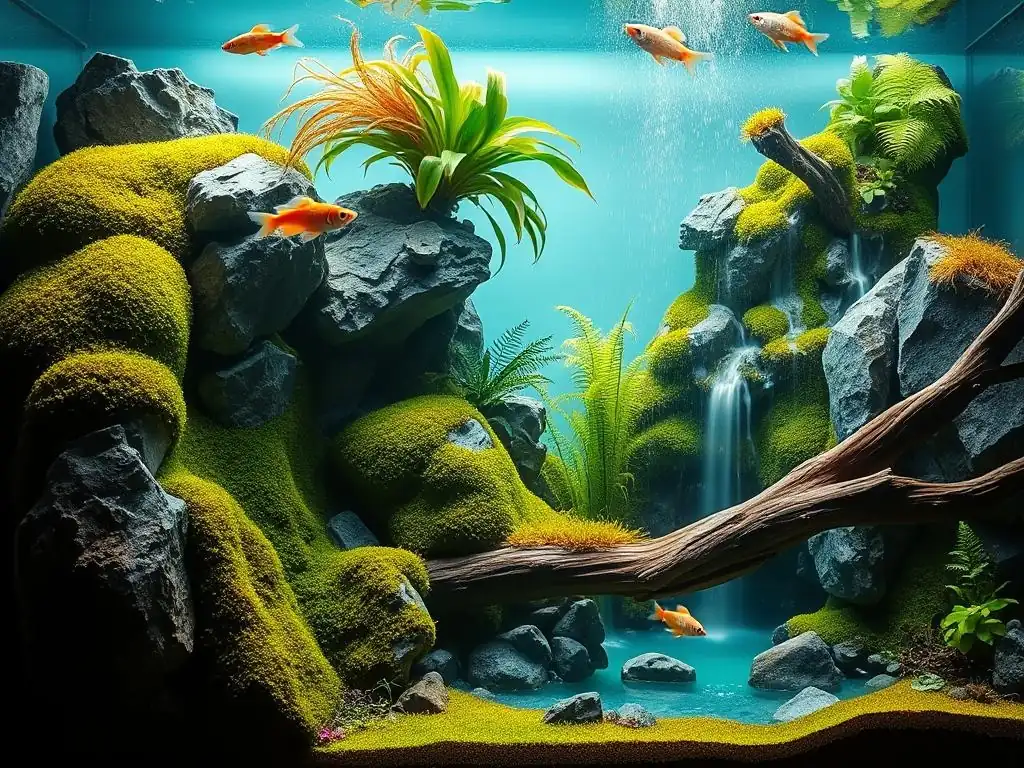
Welcome to Aquarium Mastery!
Intrigued by the beauty of underwater gardens, but overwhelmed by complex setups? You're in the right place! Discover the secrets to a thriving ecosystem without breaking the bank. This article dives deep into the world of Lowtech planted aquarium setup, exploring its simplicity and charm. Ready to unlock the secrets of a lush, low-maintenance aquatic paradise? Let's begin!
- Understanding LowTech and HighTech Planted Aquariums
- Key Differences Between LowTech and HighTech Planted Aquariums
-
Advantages of a LowTech Planted Aquarium Setup
- Lower Initial Investment and Running Costs
- Reduced Maintenance Requirements
- Stability and Resilience
- Natural Aesthetic Appeal
- Slower Plant Growth
- Limited Plant Species Options
- Potential for Algae Growth with Imbalances
- Rapid and Vigorous Plant Growth
- Wider Variety of Plant Species Possible
- Precise Control Over Water Parameters
- Disadvantages of a HighTech Planted Aquarium Setup
-
Essential Equipment for LowTech Planted Aquariums
- Low-Intensity Lighting Options
- Substrate Recommendations for LowTech Tanks
- Plant Choices for a LowTech Environment
- Simple Filtration Methods for LowTech Aquariums
- High-Intensity Lighting Systems
- CO2 Injection Systems and Regulators
- Advanced Substrate Options for HighTech Growth
- Sophisticated Filtration Systems for HighTech Aquariums
-
Setting Up a LowTech Planted Aquarium: A Step-by-Step Guide
- Planning Your LowTech Aquarium Design
- Choosing the Right Substrate for a LowTech Setup
- Planting Your LowTech Aquarium
- Initial Setup and Cycling Process
- Maintaining Your LowTech Planted Aquarium
- Planning Your HighTech Aquarium Design
- Installing High-Intensity Lighting
- Setting Up Your CO2 Injection System
- Planting for Optimal Growth in a HighTech Environment
- Monitoring and Adjusting Water Parameters in HighTech Tanks
- Choosing the Right Path: Which Aquarium is Best for You?
-
Troubleshooting Common Issues in LowTech Aquariums
- Addressing Algae Blooms in LowTech Tanks
- Identifying and Correcting Nutrient Deficiencies in LowTech
- Managing Plant Growth and Pruning in LowTech Setups
- Dealing with CO2 Imbalance in HighTech Aquariums
- Preventing Algae Outbreaks in HighTech Systems
- Addressing Plant Nutrient Deficiencies in HighTech Tanks
- LowTech vs. HighTech Planted Aquariums: Long-Term Maintenance
- Advanced Techniques for Both LowTech and HighTech Planted Aquariums
- Frequently Asked Questions
- Final Reflection: Cultivating Growth, Rooted in Choice
- Dive Deeper: Cultivate Your Underwater Oasis!
Understanding LowTech and HighTech Planted Aquariums
Defining LowTech Planted Aquarium Systems
A lowtech planted aquarium system is characterized by its simplicity, minimal equipment, and reliance on natural biological processes to support plant growth. These setups typically forgo pressurized CO2 injection, use lower intensity lighting, and often require less frequent fertilization, if any. The core philosophy behind a lowtech planted aquarium setup is to create a self-sustaining ecosystem where plants grow at a slower, more natural pace, often thriving on nutrients derived from fish waste and decomposing organic matter within the substrate.
This approach emphasizes stability and resilience, making it an attractive option for beginners or those seeking a beautiful aquascape without extensive daily intervention. Common examples include the "Walstad Method" tanks, which utilize a soil-based substrate capped with gravel or sand, or setups focused on robust, undemanding plant species like Anubias, Java Fern, and various Cryptocorynes. Lighting levels in a typical lowtech planted aquarium setup might range from 0.2 to 0.5 watts per liter (or 5-15 PAR at the substrate), providing just enough energy for photosynthesis without driving rapid, nutrient-demanding growth.
In contrast, a high-tech planted aquarium system is designed for rapid, vigorous plant growth and allows for the cultivation of a wider array of demanding aquatic plant species. These setups are defined by their use of advanced equipment, most notably pressurized carbon dioxide (CO2) injection systems, high-intensity lighting, and often a comprehensive daily fertilization regimen. The aim is to provide plants with all essential resources in abundance, pushing their growth potential to the maximum.
High-tech tanks are popular among experienced aquascapers who desire lush, dense plant displays or wish to cultivate challenging red and carpeting plants. Lighting in a high-tech system can range from 0.5 to over 1.0 watts per liter (or 30-80+ PAR), significantly accelerating photosynthesis. CO2 levels are precisely maintained, often between 20-30 parts per million (ppm), to ensure plants have ample carbon for growth, preventing algae by outcompeting it for nutrients. This precise control allows for intricate and dynamic aquascapes, but demands a higher level of knowledge and consistent monitoring.
Key Differences Between LowTech and HighTech Planted Aquariums
Lighting Requirements: Low vs. High
Lighting is a fundamental differentiator between lowtech and high-tech planted aquariums, directly influencing plant growth rates and the types of species that can thrive. In a lowtech planted aquarium setup, lighting is intentionally kept at a lower intensity, typically in the range of 0.2 to 0.5 watts per liter (WPL) or a Photosynthetically Active Radiation (PAR) value between 5 and 15 at the substrate level.
This moderate illumination is sufficient for slow-growing, less demanding plants, preventing excessive energy input that would necessitate CO2 supplementation to avoid algae proliferation. The objective is to provide just enough light for the plants to photosynthesize steadily, without creating an environment where nutrient deficiencies or CO2 limitations become problematic.
Conversely, high-tech planted aquariums utilize powerful lighting systems, often ranging from 0.5 to over 1.0 WPL or PAR values exceeding 30-80 at the substrate. This intense illumination drives rapid photosynthesis, allowing plants to grow quickly and display vibrant coloration. Such high light levels are crucial for demanding species, including many carpeting plants and red-pigmented varieties, which require significant energy input to thrive. However, this increased energy demand necessitates a balanced supply of CO2 and nutrients; without these, the high light can quickly lead to severe algae outbreaks as plants struggle to utilize the available energy.
CO2 Injection: Necessity in HighTech, Optional in LowTech
The presence and management of carbon dioxide (CO2) is arguably the most significant distinguishing factor between high-tech and lowtech planted aquariums. In high-tech setups, pressurized CO2 injection is not merely beneficial but essential. Plants require CO2 for photosynthesis, and in a high-light environment, the atmospheric CO2 dissolved in water (typically around 3-5 ppm) is quickly depleted, becoming a limiting factor for growth.
High-tech systems typically maintain CO2 levels between 20-30 ppm using a regulated injection system, dissolving it into the water column to ensure plants have an abundant supply. This consistent, elevated CO2 concentration, combined with high light, fuels the rapid and robust growth characteristic of these aquariums.
For a lowtech planted aquarium setup, CO2 injection is generally considered optional or entirely unnecessary. The lower light levels in these systems mean that plants have a reduced demand for CO2. The small amount of CO2 naturally present in the water, supplemented by the CO2 produced from fish respiration and the decomposition of organic matter within the substrate, is often sufficient to support the slower growth rates of undemanding plant species.
While some lowtech aquarists might experiment with liquid carbon supplements, these are not true CO2 sources and primarily serve as algaecides or provide a small amount of carbon in a different form. The emphasis in lowtech is on balance and natural processes, rather than external supplementation for growth acceleration.
Fertilization Needs: Comparing Approaches
Fertilization strategies vary significantly between lowtech and high-tech planted aquariums, directly correlating with the plants' growth rates and nutrient demands. In a typical lowtech planted aquarium setup, the need for external fertilization is often minimal or even non-existent, especially in tanks with a nutrient-rich substrate like aqua soil or a dirted tank. Fish waste, uneaten food, and decomposing organic matter naturally release essential nutrients into the water column and substrate, which are then absorbed by the slow-growing plants.
If a lowtech tank does show signs of nutrient deficiency, such as yellowing leaves or stunted growth, a simple all-in-one liquid fertilizer or root tabs might be occasionally used, but comprehensive daily dosing is rare. The slower metabolism of plants in low-light, no-CO2 environments means their nutrient uptake is considerably lower.
Conversely, high-tech planted aquariums demand a rigorous and precise fertilization regimen. The rapid growth fueled by high light and CO2 injection quickly depletes nutrients from the water column and substrate. Without consistent replenishment, plants will exhibit severe deficiencies, leading to stunted growth, discoloration, and increased susceptibility to algae.
High-tech aquarists often follow dosing methods like the Estimated Index (EI) or Perpetual Preservation System (PPS), which involve daily or thrice-weekly additions of macro-nutrients (Nitrogen, Phosphorus, Potassium) and micro-nutrients (Iron, Manganese, etc.). For instance, an EI dose for a 100-liter tank might involve adding 5-10 mg/L of nitrates, 1-2 mg/L of phosphates, and 10-15 mg/L of potassium multiple times a week, ensuring a constant surplus of all necessary elements for optimal plant health.
Substrate Choices: Implications for Plant Growth
Substrate choice plays a crucial role in both lowtech and high-tech planted aquariums, influencing nutrient availability, root development, and overall tank health. For a lowtech planted aquarium setup, a nutrient-rich substrate is often preferred, though not strictly necessary. Many successful lowtech tanks utilize a layer of organic potting soil or specialized aquatic plant soil capped with inert gravel or sand.
This "dirted" substrate provides a slow-release source of essential nutrients directly to the plant roots, minimizing the need for extensive liquid fertilization. For instance, a 50-liter lowtech tank might use 2-3 cm of organic soil topped with 4-5 cm of inert sand, providing a long-term nutrient reservoir for plants like Cryptocorynes and Swords.
In high-tech planted aquariums, the substrate's primary function shifts towards providing an ideal environment for root growth and cation exchange, rather than being the sole source of nutrients. Specialized aqua soils, often made from fired clay or volcanic ash, are commonly used. These substrates are designed to buffer water parameters, typically lowering pH and KH, and have a high Cation Exchange Capacity (CEC), allowing them to absorb and release nutrients.
While some aqua soils come pre-loaded with nutrients, their initial nutrient supply is often depleted within a few months, necessitating a comprehensive liquid fertilization regimen. For example, an aquascaper might use 6-8 cm of ADA Aqua Soil Amazonia for a high-tech setup, providing excellent rooting and buffering capabilities, but relying on external dosing for sustained growth.
Plant Selection: Suitable Species for Each Setup
The type of aquatic plants that can thrive is a direct consequence of the tech level of an aquarium, making plant selection a critical consideration for both lowtech and high-tech setups. In a lowtech planted aquarium setup, the focus is on hardy, undemanding species that can flourish under low light and without supplemental CO2. These plants typically have slower growth rates and are more tolerant of varying water parameters.
Excellent choices include Anubias species (e.g., Anubias barteri var. nana), Java Fern (Microsorum pteropus), various Cryptocoryne species (e.g., Cryptocoryne wendtii, Cryptocoryne beckettii), Bucephalandra, and certain types of mosses like Java Moss (Taxiphyllum barbieri). These plants primarily absorb nutrients from the water column or through their roots from a rich substrate, making them ideal for the more stable, less interventionist environment of a lowtech tank.
Conversely, high-tech planted aquariums open up the possibility of cultivating a vast array of challenging and visually stunning plant species that would simply melt away in a low-tech environment. The high light, CO2 injection, and comprehensive fertilization provide the optimal conditions for fast-growing, nutrient-demanding, and often more colorful plants.
Examples include vibrant red plants like Rotala rotundifolia 'Colorata' or Ludwigia repens 'Rubin', various carpeting plants such as Hemianthus callitrichoides 'Cuba' (HC Cuba), Monte Carlo (Micranthemum tweediei 'Monte Carlo'), and Glossostigma elatinoides, and intricate stem plants like Rotala macrandra or Myriophyllum. These species require consistent high light and CO2 to maintain their compact growth and intense coloration, making them exclusive to high-tech setups where precise environmental control is maintained.
Advantages of a LowTech Planted Aquarium Setup
Lower Initial Investment and Running Costs
One of the most compelling advantages of a lowtech planted aquarium setup is the significantly lower initial investment and ongoing running costs. Since these systems do not require expensive equipment such as pressurized CO2 kits, high-end LED lighting units, or elaborate dosing pumps, the upfront expenditure is substantially reduced.
For instance, a basic low-wattage LED fixture for a 20-gallon tank might cost around $30-$50, compared to $100-$300+ for a high-intensity unit suitable for a high-tech setup. Similarly, avoiding a CO2 system saves an initial outlay of $150-$400, plus the recurring cost of refilling CO2 tanks, which can be $15-$30 per refill every few months.
Beyond the initial purchase, the operational costs of a lowtech tank remain minimal. There's less electricity consumed by lower wattage lights, and the reduced need for liquid fertilizers means fewer regular purchases. Many lowtech setups thrive with just occasional root tabs or a basic all-in-one liquid nutrient solution, costing perhaps $5-$15 every few months, whereas high-tech tanks often require multiple specialized fertilizers costing $15-$30 per month. This cost efficiency makes the lowtech planted aquarium setup an accessible entry point for beginners and a budget-friendly option for experienced aquarists.
Reduced Maintenance Requirements
A lowtech planted aquarium setup is renowned for its significantly reduced maintenance demands compared to its high-tech counterpart. The slower growth rates of plants in a low-light, no-CO2 environment mean that pruning is required far less frequently. While a high-tech tank might need weekly or bi-weekly trimming to manage rampant growth, a lowtech setup may only require pruning once every few weeks or even months. This translates directly into less time spent with hands in the tank, making it ideal for busy individuals or those who prefer a more hands-off approach to their hobby.
Furthermore, the inherent stability of a lowtech system contributes to its low maintenance. Without the complex interplay of high light, CO2, and precise fertilization, there are fewer parameters to monitor and adjust. There's no need to constantly check CO2 drop checker colors or adjust regulator bubble counts, nor is there a daily regimen of dosing multiple liquid fertilizers. The reliance on natural processes and robust plant species means the system is more forgiving of minor fluctuations, leading to a more relaxed and less stressful maintenance schedule.
Stability and Resilience
The inherent design of a lowtech planted aquarium setup promotes remarkable stability and resilience, making it highly forgiving for aquarists. By operating without external CO2 injection and with lower light levels, the system is less prone to the dramatic fluctuations in pH and oxygen levels that can occur in high-tech tanks if CO2 regulation or aeration fails.
This consistent internal environment reduces stress on both plants and fish, contributing to overall tank health and longevity. For instance, a power outage in a lowtech tank might temporarily halt filtration, but the plants' lower metabolic rate means they won't quickly suffer from CO2 deprivation or oxygen swings, unlike high-tech systems where fish fatalities can occur.
Moreover, the reliance on a balanced ecosystem, where nutrients are recycled naturally through fish waste and organic decomposition, creates a robust and self-regulating environment. Algae outbreaks, while possible, are often less severe and easier to manage in a lowtech setup because the underlying causes (nutrient imbalances, CO2 fluctuations) are less pronounced. The slower growth of plants also means that nutrient uptake is gradual, leading to fewer sudden nutrient deficiencies that could trigger algae. This natural resilience makes a lowtech planted aquarium setup an excellent choice for beginners seeking a reliable and forgiving system.
Natural Aesthetic Appeal
A lowtech planted aquarium setup often cultivates a distinct natural aesthetic appeal, reminiscent of real underwater ecosystems found in nature. The slower growth rates of plants like Anubias, Java Ferns, and Cryptocorynes lead to a more organic, less "manicured" appearance, allowing the plants to develop their natural forms over time.
Unlike the often meticulously sculpted and densely packed high-tech aquascapes, lowtech tanks tend to have a more wild, unkempt beauty that many find calming and authentic. For example, a sprawling Java Fern clinging to driftwood or a dense patch of Cryptocorynes slowly colonizing an area creates a sense of established natural habitat.
This natural look is further enhanced by the typical absence of complex equipment cluttering the tank. Without bulky CO2 diffusers, elaborate inline heaters, or multiple sensors, the focus remains entirely on the aquatic landscape itself. The simplicity of a lowtech planted aquarium setup allows the natural beauty of the plants, fish, and hardscape to shine through, creating a serene and visually appealing slice of nature that requires less intervention to maintain its charm.
Slower Plant Growth
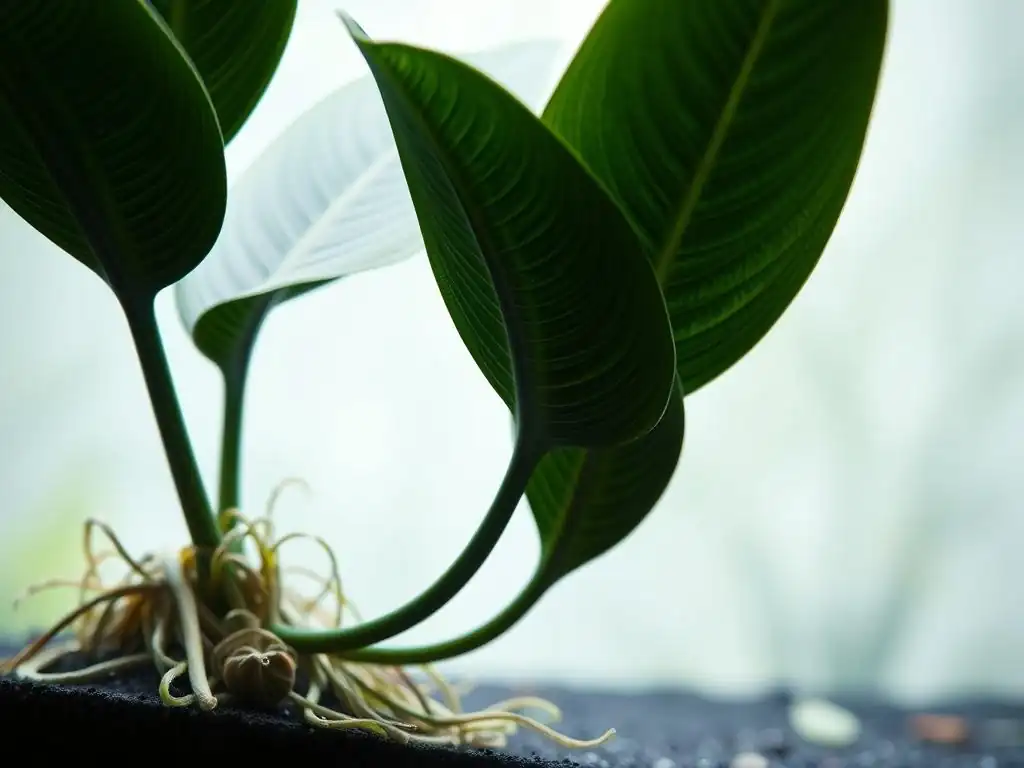
One of the primary drawbacks of a lowtech planted aquarium setup is the significantly slower rate of plant growth. Without the high intensity lighting and supplemental CO2 found in high-tech systems, plants in a lowtech environment photosynthesize at a much reduced pace.
This means that achieving a lush, dense aquascape can take considerably longer, often several months to a year or more, compared to the rapid growth seen in high-tech tanks where a similar density might be achieved in weeks. For example, a carpeting plant like Monte Carlo, which can spread across a 50-liter high-tech tank in 2-3 months, might take 6-12 months or simply fail to carpet effectively in a lowtech setup.
This slower growth can be frustrating for aquarists who desire immediate visual impact or wish to frequently change their aquascape design. Trimming is less frequent, but also, the ability to recover from disturbances or fill in empty spaces is much slower. While this characteristic contributes to lower maintenance, it also limits the dynamic nature of the aquascape, making it less suitable for those who enjoy rapid transformations and experimenting with diverse plant layouts.
Limited Plant Species Options
Another significant disadvantage of a lowtech planted aquarium setup is the considerable limitation in the variety of plant species that can be successfully cultivated. The absence of high light and, critically, supplemental CO2, means that many popular and visually striking aquatic plants simply cannot thrive, or even survive, in these conditions. Species that require high light for vibrant coloration (e.g., many red stem plants) or high CO2 for compact growth (e.g., most carpeting plants like HC Cuba or Glossostigma) will either melt away, display stunted growth, or grow leggy and pale.
This restriction means that aquascapers aiming for specific, intricate designs or those wanting to experiment with a wide range of plant textures and colors will find a lowtech setup insufficient. While hardy plants like Anubias, Java Fern, and Cryptocorynes are excellent choices, the inability to grow demanding species can limit creative expression and prevent the achievement of certain aquascaping styles, such as dense Dutch aquascapes or intricate Iwagumi layouts that rely on specific carpeting plants.
Potential for Algae Growth with Imbalances
While lowtech planted aquarium setups are generally more stable, they are not entirely immune to algae outbreaks, particularly if imbalances occur. The slower plant growth in these systems means that nutrient uptake by plants is also slower.
If there's an excess of nutrients, often from overfeeding fish, insufficient water changes, or too much light for the available plant mass, algae can seize the opportunity to proliferate. For instance, if a lowtech tank with a moderate fish load is suddenly exposed to higher-than-recommended light duration (e.g., 10-12 hours instead of 6-8 hours), green spot algae or hair algae can quickly become a problem because the plants cannot utilize the excess light energy without additional CO2.
Moreover, while CO2 injection isn't used, a lack of available carbon (even the naturally occurring kind) can still limit plant growth and allow algae to gain an advantage. If fish bioload is very low or there's insufficient organic decomposition, plants might still struggle to access enough carbon, making them vulnerable. Therefore, even in a lowtech setup, maintaining proper balance through appropriate lighting duration, responsible feeding, and regular water changes is crucial to prevent common algae issues that can detract from the tank's aesthetic.
Rapid and Vigorous Plant Growth
One of the most compelling advantages of a high-tech planted aquarium setup is the ability to achieve rapid and vigorous plant growth. The combination of high-intensity lighting, supplemental CO2 injection, and a comprehensive fertilization regimen creates optimal conditions for photosynthesis, allowing plants to grow at an accelerated pace.
For example, fast-growing stem plants like Rotala rotundifolia can grow several inches per week in a well-tuned high-tech tank, necessitating weekly trimming to maintain shape and density. This rapid growth allows aquascapers to quickly achieve a lush, mature look, often within a few months, significantly faster than the 6-12 months or more it might take for a similar density in a lowtech setup.
This quick growth also means that plants recover faster from pruning, are more resilient to minor disturbances, and can outcompete algae more effectively for nutrients when parameters are stable. The ability to see immediate results and continuous development is highly rewarding for many aquarists, providing a dynamic and ever-evolving aquascape that constantly transforms and allows for frequent design adjustments.
Wider Variety of Plant Species Possible
The high-tech planted aquarium setup offers a vastly expanded palette of aquatic plant species that can be successfully cultivated, a significant advantage for experienced aquascapers. The optimal conditions provided by high light, CO2 injection, and precise nutrient dosing allow for the growth of many challenging and visually stunning plants that would simply perish in a lowtech environment. This includes most carpeting plants, such as Hemianthus callitrichoides 'Cuba' (HC Cuba) or Micranthemum tweediei 'Monte Carlo', which require high light and abundant CO2 to grow densely and compactly.
Furthermore, many vibrant red and colorful stem plants, like Rotala macrandra, Ludwigia 'Super Red', or Alternanthera reineckii 'Mini', achieve their full coloration and compact growth only under intense lighting and with sufficient CO2 and iron. The ability to grow these diverse and demanding species unlocks a much wider range of aquascaping styles, from intricate Dutch aquariums to minimalist Iwagumi designs, allowing aquascapers unparalleled creative freedom in their underwater landscapes.
Precise Control Over Water Parameters
A significant advantage of a high-tech planted aquarium setup is the precise control it offers over crucial water parameters, allowing for optimal conditions tailored to specific plant species. With equipment like pH controllers, inline heaters, and advanced filtration systems, aquarists can maintain stable and ideal conditions. For instance, a pH controller linked to a CO2 regulator can automatically adjust CO2 injection to maintain a specific pH level (e.g., 6.5-6.8), which in turn keeps CO2 concentrations stable at optimal levels (e.g., 25 ppm) throughout the day, preventing wild swings that could stress fish or plants.
Moreover, the use of specific aqua soils helps buffer water hardness and pH, while comprehensive liquid fertilization allows for the exact dosing of macro and micro-nutrients. This level of control enables aquarists to fine-tune their environment to meet the exact demands of even the most sensitive or challenging aquatic plants. For example, if a specific plant shows signs of iron deficiency, a high-tech setup allows for precise iron supplementation to correct the issue without affecting other parameters, leading to healthier and more vibrant plant growth.
Disadvantages of a HighTech Planted Aquarium Setup
Higher Initial Investment and Running Costs
The most significant disadvantage of a high-tech planted aquarium setup is the substantially higher initial investment and ongoing running costs. Setting up a high-tech tank requires specialized and often expensive equipment that is not necessary for a lowtech planted aquarium setup. A quality pressurized CO2 system, including a regulator, solenoid, cylinder, and diffuser, can cost between $150 and $400 or more. High-intensity LED lights capable of supporting demanding plants can range from $100 to $500+, depending on tank size and brand, far exceeding the $30-$80 for a basic low-tech light.
Beyond the initial purchase, the running costs are also considerably higher. CO2 cylinders require regular refills (e.g., $15-$30 every 1-3 months for a 5-pound tank). Electricity consumption is higher due to more powerful lighting and potentially more advanced filtration. Furthermore, a comprehensive daily or weekly fertilization regimen involves purchasing multiple bottles of macro and micro-nutrients, which can easily add $15-$40 to monthly expenses. This accumulation of costs makes high-tech aquariums a more significant financial commitment.
Increased Maintenance and Monitoring
A high-tech planted aquarium setup demands a significantly increased level of maintenance and constant monitoring, which can be a deterrent for busy individuals or beginners. The rapid plant growth necessitated by high light and CO2 means that regular, often weekly, pruning is essential to prevent plants from overgrowing, shading others, or choking out the tank. For example, a 60-liter high-tech tank might require 30-60 minutes of trimming every week, compared to perhaps 15-30 minutes every month or two for a lowtech setup.
Beyond pruning, high-tech systems require diligent monitoring of water parameters (pH, KH, GH, nitrates, phosphates, potassium, iron) and precise adjustment of CO2 bubble rates and fertilizer dosing. A CO2 drop checker needs daily observation, and nutrient levels might be tested weekly to ensure balance. Any slight imbalance can lead to rapid algae outbreaks or plant deficiencies, requiring immediate corrective action. This hands-on, detail-oriented approach means that high-tech tanks are far less forgiving of neglect than their lowtech counterparts.
Risk of Imbalance and Plant Death
The intricate balance required in a high-tech planted aquarium setup introduces a higher risk of imbalance and, consequently, plant or even fish death if parameters are not carefully managed. The synergistic relationship between high light, CO2, and nutrients means that if one element is out of sync, the entire system can quickly destabilize.
For example, if CO2 levels drop due to an empty cylinder or equipment malfunction while high light is still on, plants can struggle to photosynthesize, leading to algae blooms (as plants cannot utilize the light energy) or even potential fish fatalities due to CO2 poisoning if levels spike uncontrollably.
Similarly, nutrient deficiencies can rapidly manifest in stunted growth or melting plants if fertilization is inconsistent. The rapid metabolism of plants in a high-tech environment means they quickly deplete available nutrients. A missed dose or an incorrect nutrient ratio can lead to severe issues within days. This delicate equilibrium requires constant vigilance and understanding, making high-tech setups less forgiving and more prone to catastrophic failures for inexperienced or inattentive aquarists.
Higher Learning Curve
Embarking on a high-tech planted aquarium setup involves a considerably steeper learning curve compared to a lowtech planted aquarium setup. Successfully managing a high-tech system requires a deep understanding of complex concepts such as the relationship between light intensity, CO2 levels, and nutrient uptake. Aquarists need to learn how to operate and troubleshoot pressurized CO2 systems, interpret CO2 drop checker readings, understand the various nutrient deficiencies and their corresponding remedies, and master precise dosing techniques for macro and micro-nutrients.
This complexity can be overwhelming for beginners, as missteps in any of these areas can quickly lead to severe algae outbreaks, stunted plant growth, or even harm to fish. For example, calculating the correct CO2 bubble rate based on tank volume, water hardness, and desired pH shift requires more than just guesswork. While resources like AquariumMastery.com provide detailed guides, the practical application and troubleshooting of a high-tech system demand significant dedication to learning and experimentation, making it a more challenging entry point into the planted aquarium hobby.
Essential Equipment for LowTech Planted Aquariums
Low-Intensity Lighting Options
For a lowtech planted aquarium setup, the selection of low-intensity lighting is crucial to support plant growth without triggering excessive algae. The goal is to provide sufficient light for hardy plants to photosynthesize slowly and steadily, typically targeting a Photosynthetically Active Radiation (PAR) range of 5-15 at the substrate level. Common choices include simple LED fixtures designed for general aquarium use, which often have a lower wattage output compared to dedicated planted tank lights.
For example, a 10-gallon (approx. 38-liter) tank might use a 10-15 watt LED fixture, while a 20-gallon (approx. 76-liter) tank could use a 20-25 watt LED.
Fluorescent T5 or T8 bulbs, while less energy-efficient than LEDs, can also be used, with a single bulb often being sufficient for a typical tank size. The key is to avoid "high-output" or "full-spectrum" lights marketed for intense plant growth, as these will provide too much energy for a lowtech setup without supplemental CO2. Setting the light timer to 6-8 hours per day is also essential to manage light exposure and prevent algae, even with low-intensity fixtures.
Substrate Recommendations for LowTech Tanks
The substrate is a critical component in a lowtech planted aquarium setup, often serving as a primary nutrient source for slow-growing plants. While inert substrates like sand or gravel can be used, a nutrient-rich substrate is highly recommended to minimize the need for liquid fertilizers.
One popular option is a "dirted" tank, which involves layering 1-2 inches (2.5-5 cm) of organic potting soil (ensure it's free of perlite, pesticides, and fertilizers) at the bottom, topped with 1-2 inches (2.5-5 cm) of inert gravel or sand to cap it off. This setup provides a long-term, slow-release supply of nutrients directly to the plant roots.
Alternatively, specialized aquatic plant soils designed for low-tech or general planted tanks can be used. Brands like Seachem Flourite or Eco-Complete are inert but porous, providing a good rooting medium and high cation exchange capacity (CEC) to hold onto nutrients from fish waste or occasional root tabs. These can be used alone or in conjunction with a thin layer of nutrient-rich base layer. The choice depends on the desired level of natural nutrient cycling and the specific plant species chosen for the lowtech planted aquarium setup.
Plant Choices for a LowTech Environment
Selecting the right plant species is paramount for the success of a lowtech planted aquarium setup, as these systems thrive with hardy, undemanding varieties. Plants that can tolerate low to moderate light, do not require supplemental CO2, and can absorb nutrients efficiently from the water column or substrate are ideal.
Here are some excellent choices:
- Anubias species (e.g., Anubias barteri var. nana, Anubias coffeefolia): Extremely hardy, slow-growing, and prefer to be attached to driftwood or rocks rather than planted in the substrate.
- Java Fern (Microsorum pteropus): Another robust epiphyte that attaches to hardscape, tolerant of a wide range of conditions.
- Cryptocoryne species (e.g., Cryptocoryne wendtii, Cryptocoryne beckettii, Cryptocoryne parva): Root feeders that thrive in nutrient-rich substrates, known for their ability to "melt" temporarily when introduced but recover strongly.
- Bucephalandra species: Similar to Anubias but often smaller and with iridescent leaves, also prefers to be attached to hardscape.
- Java Moss (Taxiphyllum barbieri): A versatile moss that can carpet, attach to hardscape, or float, providing excellent hiding spots for fry.
- Frogbit (Limnobium laevigatum) or Dwarf Water Lettuce (Pistia stratiotes): Floating plants that effectively absorb excess nutrients from the water column, helping to control algae.
These plants contribute to the stability and natural aesthetic of a lowtech planted aquarium setup, requiring minimal intervention once established.
Simple Filtration Methods for LowTech Aquariums
Simple and effective filtration methods are typically sufficient for a lowtech planted aquarium setup, as the goal is to provide gentle water movement and biological filtration without over-filtering or stripping necessary nutrients. The plants themselves act as natural filters, absorbing nitrates and other waste products.
Common filtration choices include:
- Sponge Filters: Powered by an air pump, these are excellent for biological filtration and provide gentle water flow. They are inexpensive, easy to maintain, and safe for small fish and invertebrates. A 20-gallon lowtech tank might use a medium-sized sponge filter.
- Hang-on-Back (HOB) Filters with minimal media: While HOB filters provide mechanical and biological filtration, it's important to choose models with adjustable flow or use lower flow rates to avoid excessive current, which can stress fish and plants. Removing chemical media (like activated carbon, unless treating for medication) is often recommended as it can remove beneficial nutrients.
- Canister Filters (low flow): For larger lowtech tanks, a canister filter set to a low flow rate can be used, primarily for biological filtration. Over-filtration can strip essential nutrients, so a balance is key.
The emphasis in a lowtech planted aquarium setup is on maintaining a stable, balanced ecosystem where the plants and beneficial bacteria in the substrate and filter media do most of the heavy lifting for water purification.
High-Intensity Lighting Systems
High-intensity lighting is a cornerstone of a high-tech planted aquarium setup, providing the necessary energy for rapid and vigorous plant growth. These lighting systems deliver high Photosynthetically Active Radiation (PAR) values, typically ranging from 30 to over 80 at the substrate level, depending on the tank height and specific plant demands. Unlike lowtech setups, the goal here is to maximize light penetration and energy for photosynthesis.
Common choices include:
- High-Output LED Fixtures: Brands like Chihiros, Twinstar, and ADA offer powerful LED lights specifically designed for planted tanks. These often include adjustable spectrums and dimming capabilities, allowing precise control over light intensity and color rendition. For example, a 60cm (approx. 24-inch) tank might use a 60-watt high-CRI LED fixture to ensure sufficient PAR for carpeting plants.
- T5 High Output (HO) Fluorescent Fixtures: While less common with the rise of LEDs, T5 HO fixtures with multiple bulbs (e.g., 2-4 bulbs over a 75-liter tank) can provide intense light suitable for high-tech setups.
Proper light timing, usually 6-8 hours per day, is also crucial, even with high-intensity lights, to prevent algae and ensure a healthy photoperiod for plants.
CO2 Injection Systems and Regulators
A pressurized CO2 injection system is an absolute necessity for a high-tech planted aquarium setup, providing the essential carbon source for rapid plant photosynthesis. Without it, even the most powerful lighting will lead to algae issues and stunted plant growth.
Key components of a CO2 system include:
- CO2 Cylinder: A refillable cylinder (e.g., 5 lb or 10 lb) stores the compressed CO2.
- CO2 Regulator: This crucial device attaches to the cylinder and precisely controls the CO2 flow. It typically features two gauges (one for cylinder pressure, one for output pressure), a needle valve for fine-tuning bubble rate, and often a solenoid valve.
- Solenoid Valve: An electronic valve that can be connected to a timer or pH controller to automatically turn CO2 injection on and off with the lights, preventing CO2 overdose during the dark cycle when plants are not photosynthesizing.
- Bubble Counter: A small device filled with water that allows visual monitoring of the CO2 bubble rate (e.g., 2-3 bubbles per second for a 100-liter tank).
- Check Valve: Prevents water from siphoning back into the regulator if CO2 flow stops.
- CO2 Diffuser/Reactor: A device that dissolves CO2 gas into fine bubbles or mixes it thoroughly with the tank water for efficient absorption by plants. Diffusers (ceramic disc) are common for smaller tanks, while inline reactors are often preferred for larger tanks to maximize dissolution.
Maintaining a consistent CO2 level of 20-30 ppm is critical, often monitored with a CO2 drop checker.
Advanced Substrate Options for HighTech Growth
For a high-tech planted aquarium setup, advanced substrate options are crucial for providing an optimal rooting medium, buffering water parameters, and in some cases, offering an initial nutrient boost. Unlike the simple gravel or dirted layers of a lowtech planted aquarium setup, high-tech substrates are engineered for performance.
The most common and highly recommended substrate type is aquatic plant soil (aqua soil). These are typically made from fired clay or volcanic ash and come in granular forms. Brands like ADA Aqua Soil Amazonia, Tropica Aquarium Soil, and Fluval Stratum are popular choices.
- Nutrient-rich (initial phase): Many aqua soils are pre-loaded with nutrients that benefit plants during the initial months, reducing the need for immediate comprehensive liquid fertilization.
- Buffering capacity: A key feature is their ability to buffer water, typically lowering pH (to around 6.0-6.8) and softening water (reducing KH and GH), which are ideal conditions for many demanding aquatic plants and promote better CO2 dissolution.
- High Cation Exchange Capacity (CEC): Aqua soils have a high CEC, meaning they can absorb nutrients from the water column and release them back to plant roots, acting as a nutrient reservoir.
- Porous structure: Their granular, porous nature provides an excellent environment for beneficial bacteria and strong root development.
For a typical high-tech setup, a substrate layer of 6-8 cm (2.5-3 inches) is often recommended to allow for deep rooting and effective buffering.
Sophisticated Filtration Systems for HighTech Aquariums
Sophisticated filtration systems are essential in a high-tech planted aquarium setup to maintain pristine water quality, manage biological load, and ensure optimal nutrient distribution. Unlike the minimal filtration of a lowtech planted aquarium setup, high-tech tanks often require robust mechanical, biological, and sometimes chemical filtration.
- Canister Filters: These are the most popular choice for high-tech tanks due to their large media capacity, efficiency, and ability to be hidden under the aquarium stand. They provide excellent mechanical filtration (removing particulate matter), biological filtration (housing beneficial bacteria for nitrogen cycle), and can be customized with various media. Many aquascapers also run CO2 inline reactors or external heaters through canister filters to declutter the tank. For example, an Eheim Classic or Fluval FX series filter might be used for a medium to large high-tech tank.
- External Heaters: To avoid unsightly heaters inside the display tank, many high-tech setups use inline heaters connected to canister filter output lines.
- Surface Skimmers: Often integrated into canister filter intake pipes or as separate units, surface skimmers remove unsightly biofilm from the water surface, improving light penetration and gas exchange.
- Wavemakers/Powerheads (optional): For very large or densely planted tanks, small powerheads might be used to improve water circulation and nutrient distribution, ensuring all plants receive adequate CO2 and fertilizers.
The goal is to provide consistent, strong water flow and excellent filtration without causing excessive turbulence that might disturb the substrate or stress delicate plants.
Setting Up a LowTech Planted Aquarium: A Step-by-Step Guide
Planning Your LowTech Aquarium Design
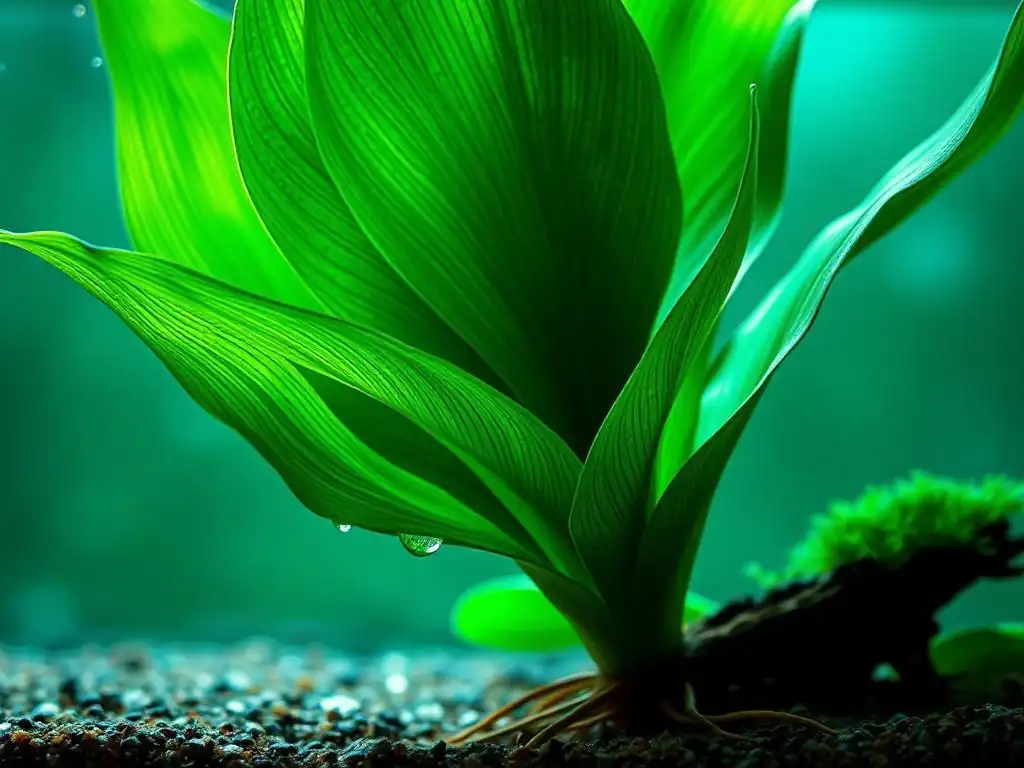
Planning is the foundational step for any lowtech planted aquarium setup, ensuring a cohesive and functional ecosystem. Begin by determining the tank size; for example, a 10-gallon (approx. 38-liter) or 20-gallon (approx. 76-liter) tank is a great starting point, offering sufficient space for plants and a small fish community without being overwhelming. Next, consider your desired aesthetic. Will it be a simple "nature aquarium" style focusing on a few plant types and natural hardscape, or a more functional setup for breeding?
Choose your hardscape elements: driftwood and inert rocks (like lava rock or dragon stone) are excellent for providing anchor points for epiphytic plants (Anubias, Java Fern) and creating visual interest. For instance, a medium-sized piece of spiderwood positioned centrally can become a focal point. Finally, research and select your desired low-light, low-CO2 plant species (e.g., Anubias, Java Fern, Cryptocorynes, Java Moss) and compatible fish species (e.g., Endler's Livebearers, Chili Rasboras, Dwarf Shrimp) that thrive in stable, less demanding environments. This initial planning prevents common pitfalls and sets the stage for a successful lowtech planted aquarium setup.
Choosing the Right Substrate for a LowTech Setup
Choosing the right substrate is a critical decision in establishing a lowtech planted aquarium setup, as it often serves as the primary nutrient source for your plants. For optimal long-term success without extensive fertilization, a nutrient-rich substrate is highly recommended. A popular and effective method is the "dirted tank" approach. This involves layering 1-2 inches (2.5-5 cm) of organic potting soil (ensure it's free of perlite, pesticides, and added fertilizers) at the bottom of the tank. This soil layer provides a slow-release source of essential macro and micro-nutrients directly to the plant roots.
Once the soil is laid, it must be capped with 1-2 inches (2.5-5 cm) of inert gravel or sand (e.g., natural river sand or small-grain aquarium gravel). This cap prevents the soil from clouding the water and keeps nutrients contained within the substrate, accessible to plant roots but less available for algae in the water column.
For example, for a 20-gallon long tank, you might use approximately 5-7 kg of organic soil covered by 7-10 kg of fine black sand. Alternatively, pre-packaged aquatic plant substrates like Seachem Flourite or Eco-Complete can be used, though these may require occasional root tabs as their nutrient content is lower than organic soil.
Planting Your LowTech Aquarium
Once your substrate is in place, the next exciting step in your lowtech planted aquarium setup is the actual planting. Before adding water, lightly moisten your substrate to make planting easier. Arrange your hardscape (driftwood, rocks) according to your design plan. For root-feeding plants like Cryptocorynes or sword plants, gently bury their roots into the nutrient-rich substrate using tweezers or your fingers. Ensure the crown (where leaves meet roots) is exposed to prevent rotting. For instance, plant a cluster of Cryptocoryne wendtii in the midground, spacing them about 2-3 inches apart to allow for growth.
Epiphytic plants such as Anubias and Java Fern should never have their rhizomes (the thick horizontal stem) buried in the substrate, as this will cause them to rot. Instead, tie or superglue them to your chosen hardscape elements. Java Moss can also be tied or spread onto rocks and wood to create a natural, carpet-like effect. After planting, you can gently add water, using a plate or plastic bag to break the flow and minimize substrate disturbance. Fill the tank slowly to avoid uprooting your newly planted flora, and trim any damaged leaves before filling.
Initial Setup and Cycling Process
After planting and filling your lowtech planted aquarium setup with water, the initial setup and cycling process begins, a crucial phase for establishing a stable ecosystem. First, install your low-intensity lighting system and set it to a timer for 6-8 hours per day. Connect your simple filtration (e.g., sponge filter or low-flow HOB) and heater (if necessary, maintaining temperatures between 22-26°C for most low-tech plants and fish). Perform your initial water tests for ammonia, nitrite, and nitrate.
The tank then enters its nitrogen cycling phase, where beneficial bacteria establish colonies to convert harmful ammonia and nitrite into less toxic nitrates. This process typically takes 3-6 weeks. During this time, avoid adding fish immediately. You can "fishless cycle" by adding a small amount of ammonia source (e.g., pure ammonia or a pinch of fish food daily).
Monitor water parameters regularly (every few days). Once ammonia and nitrite consistently read zero, and nitrates are present, your lowtech planted aquarium setup is cycled and ready for a small initial fish load. Introduce fish gradually to avoid overwhelming the nascent bacterial colonies.
Maintaining Your LowTech Planted Aquarium
Maintaining a lowtech planted aquarium setup is relatively straightforward due to its inherent stability and slower growth rates, making it ideal for busy aquarists. Regular water changes are still essential; typically, a 20-30% water change every 1-2 weeks is sufficient to replenish trace elements and remove excess nitrates. For example, if you have a 20-gallon tank, change 4-6 gallons of water bi-weekly. Test your water parameters (nitrates, pH) periodically, perhaps monthly, to ensure stability, though daily monitoring is unnecessary.
Pruning requirements are minimal. Slow-growing plants like Anubias and Java Fern may only need trimming every few months to remove older leaves or manage size. Cryptocorynes will naturally spread and might only need thinning if they become too dense.
If you observe signs of nutrient deficiency (e.g., yellowing leaves, stunted growth), you can add root tabs near heavy root feeders or a very diluted all-in-one liquid fertilizer once a week or bi-weekly. Avoid overfeeding fish, as excess waste can lead to nutrient imbalances and algae. Consistent, simple care ensures the long-term health and beauty of your lowtech planted aquarium setup.
Planning Your HighTech Aquarium Design
Planning is an even more critical step for a high-tech planted aquarium setup due to the precision required for its components and the specific needs of demanding plants. Begin by selecting your tank size, considering that larger tanks (e.g., 60-120 liters) offer more aquascaping possibilities but also require more powerful equipment and larger CO2 cylinders. Decide on your aquascape style – will it be an intricate Iwagumi (rock-focused), a lush Dutch (plant-focused), or a naturalistic design? This choice will heavily influence your hardscape selection (specific rocks, driftwood) and plant palette.
Research and select high-demand plant species (e.g., carpeting plants like HC Cuba, vibrant red stem plants, specific Rotala varieties) that require high light and CO2. Plan their placement considering light requirements and growth habits. For instance, place carpeting plants in the foreground, medium-height plants in the midground, and tall stem plants in the background. Finally, budget for the necessary high-tech equipment: powerful LED lighting, a complete pressurized CO2 system, and a robust canister filter. This meticulous planning phase is crucial for the success of your high-tech planted aquarium setup.
Installing High-Intensity Lighting
Installing high-intensity lighting is a pivotal step in setting up a high-tech planted aquarium, directly providing the energy for rapid plant growth. First, choose a high-output LED fixture specifically designed for planted tanks, ensuring it provides sufficient Photosynthetically Active Radiation (PAR) for your tank size and chosen plants (e.g., 30-80+ PAR at the substrate). For a standard 60cm (approx. 24-inch) tank with demanding plants, a fixture providing 50-70 watts of power might be appropriate.
Mount the light securely above the aquarium, ensuring even light distribution across the entire tank footprint. Many high-end LEDs come with adjustable mounting legs or suspension kits. Connect the light to a digital timer, which is essential for maintaining a consistent photoperiod, typically 6-8 hours per day for a high-tech setup. This precise control over light duration helps prevent algae outbreaks and ensures plants receive adequate rest. Some advanced lights allow for ramping up and down (sunrise/sunset effects), which can be beneficial for fish and plants.
Setting Up Your CO2 Injection System
Setting up your CO2 injection system is a critical and precise step in establishing a high-tech planted aquarium setup, as it provides the essential carbon for vigorous plant growth. First, securely attach the CO2 regulator to your CO2 cylinder, ensuring a tight seal.
Then, connect the CO2-resistant tubing from the regulator's output to the bubble counter (filled with water), then to the check valve, and finally to your CO2 diffuser or inline reactor positioned within the tank or connected to your filter output. For example, place a ceramic diffuser near the filter output or powerhead to ensure good CO2 distribution.
Slowly open the main valve on the CO2 cylinder, then adjust the regulator's needle valve to achieve the desired bubble rate, typically starting around 1-2 bubbles per second (BPS) for smaller tanks (e.g., 60L), and increasing gradually. Connect the solenoid valve (if present) to your light timer so CO2 turns on 1-2 hours before the lights come on and turns off 30-60 minutes before lights go off.
Monitor CO2 levels with a CO2 drop checker (which should turn lime green at optimal levels of 20-30 ppm) and observe fish behavior closely for any signs of distress, adjusting the BPS as needed. This careful setup ensures stable and sufficient CO2 for your high-tech planted aquarium.
Planting for Optimal Growth in a HighTech Environment
Planting for optimal growth in a high-tech planted aquarium requires a strategic approach, considering the rapid growth rates and specific needs of demanding species. Begin by laying your advanced aqua soil substrate, typically 6-8 cm (2.5-3 inches) deep, sloping it from back to front to create depth. Before adding water, lightly moisten the substrate to make planting easier and prevent floating.
For carpeting plants like HC Cuba or Monte Carlo, separate them into small portions (1-2 cm squares) and plant them densely, about 1-2 cm apart, using fine-tipped tweezers. This dense planting technique helps them spread quickly and form a solid carpet.
For stem plants, trim off the bottom few leaves and plant them individually or in small clusters (3-5 stems) into the substrate, leaving sufficient space for light and flow. For example, plant Rotala rotundifolia in the mid- to background, ensuring each stem has room to branch. After planting, very slowly fill the tank with water, using a plate or plastic bag to minimize disturbance. Once filled, begin your CO2 injection and lighting cycle. The initial dense planting in a high-tech planted aquarium setup minimizes algae by ensuring plants quickly utilize available nutrients and light.
Monitoring and Adjusting Water Parameters in HighTech Tanks
Monitoring and adjusting water parameters are ongoing, critical tasks in a high-tech planted aquarium setup to maintain the delicate balance required for optimal plant health and to prevent algae. Regular testing of key parameters is essential.
- CO2 Levels: Use a CO2 drop checker daily to ensure the indicator fluid is lime green (indicating 20-30 ppm CO2). Adjust your CO2 bubble rate as needed. If fish are gasping at the surface, CO2 is too high; if the drop checker is blue, CO2 is too low.
- Nitrates (NO3), Phosphates (PO4), Potassium (K), Iron (Fe): Test these macro and micro-nutrients weekly. For instance, target nitrates around 10-20 ppm, phosphates 1-2 ppm, and potassium 10-20 ppm. Adjust your liquid fertilizer dosing based on these readings and observe plant health. If nitrates drop to zero, increase nitrate dosing; if iron is consistently undetectable, increase iron supplementation.
- pH and KH: Monitor pH to ensure it aligns with your target CO2 levels (e.g., pH 6.5-6.8 with a KH of 3-4 for 25-30 ppm CO2). Aqua soils typically buffer pH and KH, but consistent CO2 injection also influences pH.
This continuous monitoring and precise adjustment of light, CO2, and nutrient dosing are fundamental to the success and long-term stability of a high-tech planted aquarium setup, allowing for vigorous plant growth and a vibrant aquascape.
Choosing the Right Path: Which Aquarium is Best for You?
Considering Your Budget and Time Commitment
When deciding between a lowtech and high-tech planted aquarium setup, your budget and available time commitment are paramount considerations. A lowtech setup offers a significantly lower initial investment, typically ranging from $100-$300 for a complete 20-gallon tank including basic equipment and plants. Running costs are also minimal, often less than $10-$20 per month for electricity and occasional fertilizers.
This makes it an excellent choice for budget-conscious individuals or those new to the hobby who want to minimize financial risk. Furthermore, lowtech tanks demand less time for maintenance, often requiring only weekly water changes and monthly pruning, making them suitable for busy schedules.
Conversely, a high-tech planted aquarium setup requires a substantial initial investment, easily ranging from $400-$1000+ for a 20-gallon tank, including specialized lighting, CO2 system, and advanced substrates. Ongoing costs are also higher, potentially $30-$70+ per month for CO2 refills, electricity, and comprehensive fertilizers. More importantly, high-tech tanks demand a significant time commitment: weekly pruning, daily monitoring of CO2 and parameters, and precise nutrient dosing. If you have limited funds or can only dedicate a few hours a month to maintenance, a lowtech planted aquarium setup is likely the more practical and less stressful choice.
Assessing Your Experience Level
Your current experience level in the aquarium hobby is a crucial factor in determining whether a lowtech or high-tech planted aquarium setup is best suited for you. For beginners, the lowtech approach is highly recommended. Its simplicity, lower maintenance requirements, and greater resilience make it a forgiving environment to learn the fundamentals of aquarium keeping and plant care.
There's less complex equipment to troubleshoot, and the slower pace of plant growth allows for more time to observe and understand the tank's ecosystem without being overwhelmed by rapid changes or potential imbalances. This gentle introduction helps build confidence and foundational knowledge.
Experienced aquarists, particularly those with a solid understanding of water chemistry, plant physiology, and CO2 management, will find the high-tech planted aquarium setup more rewarding. Their existing knowledge allows them to navigate the complexities of CO2 injection, precise fertilization, and intense lighting without succumbing to common pitfalls like severe algae outbreaks or nutrient deficiencies.
For example, someone who has successfully maintained a fish-only tank for several years and understands the nitrogen cycle is better equipped to transition to the intricacies of a high-tech planted tank. The higher learning curve of a high-tech system is less daunting for those with a strong hobby background.
Defining Your Aesthetic Preferences
Your aesthetic preferences play a significant role in choosing between a lowtech and high-tech planted aquarium setup. If you appreciate a more natural, wild, and organic look, reminiscent of a stream bank or a submerged forest floor, a lowtech setup might be your ideal choice. The slower growth of plants like Anubias, Java Ferns, and Cryptocorynes often results in a less manicured, more established appearance over time.
This approach allows plants to develop their natural forms without constant trimming, creating a serene and understated beauty. You might prefer the subtle greens and browns, and the gentle swaying of hardy plants.
Conversely, if your vision for an aquascape involves vibrant, dense carpets, intricate arrangements of colorful stem plants, or specific challenging species (like bright red Ludwigia or delicate carpeting plants), then a high-tech planted aquarium setup is the only way to achieve it. High light and CO2 enable rapid, compact growth and intense coloration, allowing for the creation of highly detailed, "picture-perfect" aquascapes often seen in aquascaping competitions. If you are drawn to the precise, dynamic, and visually striking designs that push the boundaries of underwater horticulture, the high-tech path will align better with your artistic aspirations.
Matching Your Plant Goals to the Right Tech Level
Matching your specific plant goals to the appropriate tech level is paramount for success and satisfaction in the planted aquarium hobby. If your primary goal is to have a beautiful, low-maintenance tank with healthy, robust plants that require minimal intervention, then a lowtech planted aquarium setup is perfectly suited. This path allows you to successfully grow a wide range of hardy and undemanding species like Anubias, Java Ferns, Cryptocorynes, and various mosses, which thrive without supplemental CO2 or intense lighting. Your goal is simply to enjoy a stable, green aquatic environment.
However, if your ambition is to grow fast-growing, vibrant, or challenging plant species—such as dense carpeting plants (e.g., Hemianthus callitrichoides 'Cuba'), intensely red stem plants (e.g., Rotala macrandra 'Green'), or intricate foreground plants (e.g., Glossostigma elatinoides)—then a high-tech planted aquarium setup is the only viable option. These plants absolutely require high light, abundant CO2, and precise nutrient dosing to achieve their full potential in terms of growth rate, coloration, and compact form. Your plant goals directly dictate the level of technology and commitment required for your aquarium.
Troubleshooting Common Issues in LowTech Aquariums
Addressing Algae Blooms in LowTech Tanks
Even in a lowtech planted aquarium setup, algae blooms can occur, often signaling an imbalance in the system. The most common culprits are excessive light duration or intensity for the available plant mass, or an accumulation of excess nutrients. For instance, if you're running your low-intensity light for 10-12 hours a day, reducing the photoperiod to 6-8 hours is often the first and most effective step to combat green dust algae or hair algae. Overfeeding fish also contributes to nutrient buildup; reducing feeding frequency or quantity can significantly help.
To address an existing bloom, manually remove as much algae as possible during a water change (e.g., scrubbing glass, siphoning off hair algae). Increase the frequency and volume of your water changes (e.g., 30-40% twice a week for a few weeks) to dilute excess nutrients. Introducing algae-eating invertebrates like Amano shrimp (Caridina multidentata) or Nerite snails (Neritina natalensis) can also provide a natural solution.
For example, 5-10 Amano shrimp in a 20-gallon lowtech tank can make a noticeable difference in green algae control. Consistent, small adjustments to light and feeding are key to preventing recurrence in a lowtech planted aquarium setup.
Identifying and Correcting Nutrient Deficiencies in LowTech
While a lowtech planted aquarium setup often relies on natural nutrient cycling, plants can still exhibit nutrient deficiencies, especially if the substrate is old or the fish load is low. Identifying specific deficiencies can be challenging, but common signs include:
- Yellowing or pale new leaves: Often indicates an iron deficiency.
- Yellowing or holes in older leaves: Can point to a potassium deficiency.
- Stunted growth or very dark green leaves: May suggest a nitrogen deficiency.
- Leaves turning yellow between veins (chlorosis): Could be magnesium or iron.
To correct these, consider adding root tabs near heavy root-feeding plants like Cryptocorynes or Swords, as these provide a slow-release source of micronutrients and macronutrients directly where they are needed. For instance, burying one root tab near the base of a Cryptocoryne every 3-4 months can revitalize its growth. If deficiencies are widespread, a diluted all-in-one liquid fertilizer can be dosed once a week after a water change.
Start with half the recommended dose and observe the plants for improvement, gradually increasing if necessary. The goal is to supplement minimally, maintaining the low-intervention philosophy of a lowtech planted aquarium setup.
Managing Plant Growth and Pruning in LowTech Setups
Managing plant growth and pruning in a lowtech planted aquarium setup is generally less intensive due to the slower growth rates, but it is still necessary to maintain the aquascape's health and aesthetic. For epiphytic plants like Anubias and Java Fern, pruning involves removing older, damaged, or algae-covered leaves by cutting them near the rhizome.
If the plant becomes too large, the rhizome can be cut to create new plants, which can then be reattached or shared. For instance, an Anubias nana that has grown too large for a foreground spot can be divided into two or three smaller plants.
Root-feeding plants such as Cryptocorynes and Sword plants typically do not require regular stem pruning. Cryptocorynes will spread via runners and can be thinned out by gently pulling up excess plantlets if they become too dense. Sword plants may grow very large leaves that shade other plants; these can be trimmed at the base to allow light to penetrate.
Floating plants like Frogbit should be regularly thinned to prevent them from completely covering the surface, which would block light from submerged plants. Aim to remove about 50-70% of floating plant coverage every 1-2 weeks in a lowtech planted aquarium setup to maintain light access.
Dealing with CO2 Imbalance in HighTech Aquariums
Dealing with CO2 imbalance is one of the most critical troubleshooting areas in a high-tech planted aquarium setup, as it directly impacts plant growth and fish health.
- Too Little CO2: If your CO2 drop checker is blue or pale green, or plants show signs of poor growth (e.g., pearling stops, leaves curl, algae appears on leaves), your CO2 levels are too low (below 20 ppm). Increase your CO2 bubble rate by small increments (e.g., 0.5 BPS every few hours) and re-check the drop checker. Ensure your diffuser is working efficiently and that there's good water flow to distribute CO2 throughout the tank.
- Too Much CO2: If your drop checker is yellow, or fish are gasping at the surface, especially after lights turn on, CO2 levels are too high (above 30 ppm), posing a risk to fish. Immediately reduce your CO2 bubble rate significantly (e.g., by 1-2 BPS) and increase surface agitation (e.g., lower water level slightly or direct filter output to break the surface) to help off-gas excess CO2. In severe cases, perform a small water change.
Consistent monitoring with a drop checker and careful adjustment are key to maintaining optimal CO2 levels in a high-tech planted aquarium setup, ensuring healthy plants without harming fish.
Preventing Algae Outbreaks in HighTech Systems
Preventing algae outbreaks in a high-tech planted aquarium setup is a constant battle, as the conditions for rapid plant growth (high light, CO2, nutrients) can also fuel algae if any element is out of balance. The most effective prevention strategy is maintaining strict consistency in all parameters:
- Consistent CO2: Ensure CO2 levels are stable at 20-30 ppm throughout the entire photoperiod. Fluctuations or insufficient CO2 (e.g., drop checker turning blue) are primary triggers for algae, as plants cannot utilize the high light effectively.
- Balanced Nutrients: Follow a consistent dosing regimen (e.g., EI or PPS) to ensure all macro and micro-nutrients are always in non-limiting supply. Nutrient deficiencies can cause plants to stunt, giving algae an advantage. Test periodically to confirm levels. For example, if green spot algae appears, it might indicate low phosphates; if hair algae, it could be low nitrates or inconsistent CO2.
- Appropriate Lighting: Use the correct light intensity and duration (typically 6-8 hours). Too much light, even with sufficient CO2 and nutrients, can still overwhelm plants and trigger algae, especially in newer setups.
- Good Flow: Ensure strong water circulation to distribute CO2 and nutrients evenly to all plants, preventing "dead spots" where algae can thrive.
- Regular Maintenance: Perform weekly 50% water changes to reset water parameters and remove accumulated organic waste. Consistent pruning also removes decaying plant matter that could feed algae.
By meticulously balancing these factors, algae can be largely kept at bay in a high-tech planted aquarium setup.
Addressing Plant Nutrient Deficiencies in HighTech Tanks
Addressing plant nutrient deficiencies is a common troubleshooting task in a high-tech planted aquarium setup due to the rapid growth and high demands of plants. Unlike a lowtech planted aquarium setup, where deficiencies are slow to appear, high-tech plants quickly show signs if a nutrient is lacking.
- Nitrogen (N) Deficiency: Symptoms include overall yellowing, especially of older leaves, and stunted growth. Remedy by increasing nitrate dosing (e.g., with potassium nitrate). Target 10-20 ppm NO3.
- Phosphorus (P) Deficiency: Dark green leaves, stunted growth, and sometimes purplish coloration on older leaves. Increase phosphate dosing (e.g., with monopotassium phosphate). Target 1-2 ppm PO4.
- Potassium (K) Deficiency: Pinholes, yellowing, or necrosis (tissue death) on older leaves. Increase potassium dosing (e.g., with potassium sulfate). Target 10-20 ppm K.
- Iron (Fe) Deficiency: Yellowing or paling of new growth, often with veins remaining green (chlorosis). Increase iron dosing (e.g., chelated iron supplements). Target 0.05-0.1 ppm Fe.
Regularly observe your plants for these specific symptoms and use a comprehensive liquid fertilization regimen, adjusting individual nutrient levels based on plant response and water test results. Consistent and precise dosing is key to preventing and correcting deficiencies in a high-tech planted aquarium setup.
LowTech vs. HighTech Planted Aquariums: Long-Term Maintenance
Consistent Water Changes and Testing
Consistent water changes and periodic water testing are fundamental long-term maintenance practices for both lowtech and high-tech planted aquariums, albeit with different frequencies and purposes. In a lowtech planted aquarium setup, weekly or bi-weekly water changes of 20-30% are typically sufficient. This helps replenish essential trace elements that plants slowly consume, dilute accumulated nitrates from fish waste, and remove any dissolved organic compounds.
For example, for a 20-gallon lowtech tank, changing 4-6 gallons every week or two is a standard practice. Testing in lowtech setups might be less frequent, perhaps monthly, focusing on nitrates and general hardness (GH) to ensure stability.
In a high-tech planted aquarium setup, water changes are often more frequent and larger, typically 50% weekly. This aggressive water change schedule is crucial for "resetting" the water column, preventing the buildup of excess nutrients from daily dosing, and removing waste products from the highly active biological system. For instance, a 50-gallon high-tech tank would require a 25-gallon water change every week.
Water testing is also far more rigorous, often weekly, focusing on nitrates, phosphates, potassium, and iron to fine-tune the fertilization regimen and ensure optimal nutrient levels for rapid-growing plants. Consistent water management is vital for preventing algae and maintaining plant health in both systems.
Regular Pruning and Plant Management
Regular pruning and plant management are essential long-term maintenance tasks for both lowtech and high-tech planted aquariums, though the frequency and intensity differ significantly. In a lowtech planted aquarium setup, pruning is a less frequent affair due to the slower growth rates of the chosen plants. You might find yourself pruning only every few weeks or even months.
This typically involves removing old, yellowing, or algae-covered leaves from plants like Anubias and Java Fern, or thinning out overgrown Cryptocoryne clumps. For example, a lowtech tank might only need 15-30 minutes of pruning every 4-6 weeks to maintain its natural aesthetic.
Conversely, a high-tech planted aquarium setup demands very frequent and often extensive pruning, typically on a weekly or bi-weekly basis. The rapid growth fueled by high light and CO2 means stem plants can quickly reach the surface, shading out lower plants and creating dense thickets. Pruning involves cutting stem plants and replanting their healthy tops, or trimming carpeting plants to maintain a uniform height.
For instance, a high-tech tank might require 30-60 minutes of intensive trimming every week to maintain the desired aquascape design and ensure light penetration to all plants. This constant management is crucial for the health and aesthetic of a high-tech setup.
Monitoring and Adjusting Fertilization Regimes
Monitoring and adjusting fertilization regimes are ongoing, critical aspects of long-term maintenance for both lowtech and high-tech planted aquariums, tailored to their respective needs. In a lowtech planted aquarium setup, the approach to fertilization is typically minimalist. If a nutrient-rich substrate is used, external fertilization might not be needed for months, or ever.
If plants show signs of deficiency (e.g., pale leaves, stunted growth), a mild, all-in-one liquid fertilizer might be dosed once every 1-2 weeks at a reduced concentration, or root tabs might be added every 3-6 months. Monitoring involves observing plant health and only supplementing when deficiencies are apparent, maintaining the low-intervention philosophy.
In a high-tech planted aquarium setup, fertilization is a precise and continuous process. Aquarists typically follow a comprehensive dosing method (e.g., Estimated Index or Perpetual Preservation System) that involves daily or thrice-weekly additions of macro and micro-nutrients. Long-term monitoring involves weekly water tests for nitrates, phosphates, potassium, and iron to ensure these nutrients are always in non-limiting supply.
For example, if nitrates consistently drop below 10 ppm, the daily nitrate dose is slightly increased. If iron levels are undetectable, the iron dose is adjusted upwards. This continuous feedback loop of testing, observing plant response, and adjusting dosing is essential to sustain the vigorous growth of demanding plants in a high-tech planted aquarium setup.
Advanced Techniques for Both LowTech and HighTech Planted Aquariums
Using Root Tabs for Enhanced Plant Growth
Using root tabs is an excellent advanced technique applicable to both lowtech and high-tech planted aquariums for enhanced plant growth, particularly for heavy root feeders. Root tabs are small, compressed capsules or tablets containing a concentrated blend of essential macro and micro-nutrients, designed to be inserted directly into the substrate near the roots of plants.
In a lowtech planted aquarium setup, where water column fertilization is minimal, root tabs become a crucial source of long-term nutrients for plants like Cryptocorynes, Amazon Swords, and Anubias planted in inert gravel. For example, burying one root tab near the base of a large Sword plant every 3-4 months can significantly boost its growth and coloration.
In high-tech planted aquariums, even with comprehensive liquid dosing, root tabs can provide an additional localized nutrient boost, especially in aqua soils where the initial nutrient charge might be depleted over time. They ensure that heavy root feeders have a consistent supply of nutrients directly at their uptake points, complementing the water column fertilization. This technique is particularly beneficial for deep-rooted plants in a high-tech setup where liquid nutrients might not fully penetrate the substrate. Root tabs are a versatile tool for ensuring robust growth and vibrant health for specific plant species in any planted tank.
Implementing a Dry Start Method
Implementing a dry start method (DSM) is an advanced technique primarily used for establishing carpeting plants in both lowtech and high-tech planted aquariums, significantly improving their initial growth and attachment. In DSM, the aquarium is set up with substrate and hardscape, and plants are planted into a moist (but not submerged) substrate. The tank is then covered (e.g., with plastic wrap) to maintain high humidity, and lights are run for 8-12 hours a day.
The absence of a water column allows plants to grow emersed, accessing abundant atmospheric CO2 and light without the challenges of submerged growth, such as algae. For instance, a carpet of Hemianthus callitrichoides 'Cuba' can establish much faster and denser in 4-8 weeks using DSM than it would submerged.
This method is particularly effective for carpeting plants in a high-tech setup, as it ensures a strong, established root system before flooding, which drastically reduces the risk of plants floating up and helps them transition more smoothly to submerged conditions. It can also be beneficial for a lowtech planted aquarium setup to establish difficult carpets or plants that typically struggle submerged. After the desired carpet density is achieved (typically 4-8 weeks), the tank is slowly filled with water, and the regular submerged lighting and CO2 (for high-tech) regimens begin.
Exploring Aquascaping Techniques for Both Styles
Exploring various aquascaping techniques enhances the aesthetic appeal of both lowtech and high-tech planted aquariums, allowing aquarists to create stunning underwater landscapes. While high-tech setups offer more flexibility with demanding plants, many fundamental aquascaping principles apply universally.
- Rule of Thirds: Dividing the tank into a 3x3 grid and placing focal points (e.g., a striking piece of driftwood or a large plant cluster) at the intersections creates a balanced and visually appealing composition. This works equally well for a lowtech planted aquarium setup with a prominent Anubias-covered rock or a high-tech Iwagumi layout.
- Golden Ratio: Using the 1.618 ratio to determine the placement of elements for natural harmony.
- Perspective and Depth: Creating the illusion of depth by using smaller hardscape and finer-leaved plants in the background, larger elements and broader-leaved plants in the foreground, and sloping the substrate. This technique is crucial for both styles to make the tank appear larger and more engaging.
- Paths and Open Spaces: Incorporating clear paths or open sandy areas can draw the viewer's eye through the aquascape and provide visual relief from dense planting. This can be achieved in a lowtech planted aquarium setup with a simple sand path or in a high-tech tank with a meticulously maintained gravel pathway.
- Triangular, Concave, and Convex Layouts: These basic layouts provide structural frameworks for placing hardscape and plants, guiding the eye and creating a sense of balance. For example, a triangular layout can be achieved with tall stem plants on one side in a high-tech tank, or with a large piece of driftwood dominating one side in a lowtech setup.
Mastering these techniques allows aquarists to create captivating scenes regardless of the tech level.
Frequently Asked Questions
What is a low-tech planted aquarium setup?
A low-tech planted aquarium setup is a type of aquarium that relies on natural processes for plant growth, minimizing the need for advanced equipment like CO2 injection systems. It generally uses lower light levels and less frequent fertilization.
How does a low-tech setup differ from a high-tech setup?
High-tech setups typically involve CO2 injection, high-intensity lighting, and regular fertilization to maximize plant growth. Low-tech setups aim for a more natural and sustainable environment with minimal intervention.
What are the benefits of choosing a low-tech planted aquarium?
Low-tech setups are generally easier to maintain and less expensive to set up compared to high-tech aquariums. They are also more forgiving and suitable for beginners looking to create a beautiful and thriving planted tank.
What types of plants thrive in a low-tech aquarium environment?
Many easy-to-grow plants are suitable for low-tech setups, including Java fern, Anubias, Cryptocoryne, and Java moss. These plants can flourish with moderate lighting and minimal CO2.
Are there any drawbacks to a low-tech planted aquarium setup?
Plant growth in low-tech setups is generally slower than in high-tech setups. You may also have limited plant selection compared to what can be grown in a high-tech environment.
Final Reflection: Cultivating Growth, Rooted in Choice
The journey through the realms of low-tech and high-tech planted aquariums reveals more than just contrasting methodologies; it highlights the power of mindful choice in nurturing life. The principles discussed, from balancing light and CO2 to understanding nutrient cycles, are not merely technical guidelines, but rather a framework for fostering a deeper connection with the natural world, even within the confines of a glass box.
The enduring appeal of the low-tech planted aquarium, in particular, speaks volumes about our desire for simplicity and sustainability. This approach, prioritizing natural processes and minimal intervention, resonates deeply with a growing awareness of our environmental impact and a yearning for a more harmonious relationship with nature. As the renowned aquascaper Takashi Amano once said, To know Mother Nature, is to love her smallest creations.
This sentiment perfectly encapsulates the spirit of the low-tech approach, where patience and observation are rewarded with a thriving ecosystem.
Now, as you consider your own aquatic aspirations, I invite you to reflect on the values that guide your choices. Are you drawn to the precision and control of high-tech systems, or the gentle rhythm of low-tech simplicity?
Whichever path you choose, remember that the true reward lies not just in the beauty of the final result, but in the journey of learning, nurturing, and connecting with the vibrant life that thrives within your planted aquarium. Let your choices be a reflection of your commitment to creating a sustainable and thriving ecosystem, a small but significant contribution to the well-being of our planet.
Dive Deeper: Cultivate Your Underwater Oasis!
Thank you for exploring the fascinating world of planted aquariums with us! We hope you've gained valuable insights into choosing the best approach for your aquatic garden. Now, it's time to put that knowledge into action!
Here are a few ways to continue your planted aquarium journey:
- Start Small, Dream Big: Begin with a low-tech setup to master the fundamentals of plant care and water chemistry before exploring high-tech options. This allows you to build a strong foundation and avoid costly mistakes.
- Join the Aquarium Mastery Community! Share your experiences, ask questions, and connect with fellow aquarists.
- Experiment with Unexpected Plants: Try incorporating less common aquarium plants like Bucephalandra or Cryptocoryne parva to add unique textures and colors to your scape.
What unique plant are you most excited to add to your aquarium, and how will it enhance your aquatic masterpiece?