
Can You Keep Multiple Angelfish Together? A Guide to Success & Failure

Welcome to Aquarium Mastery!
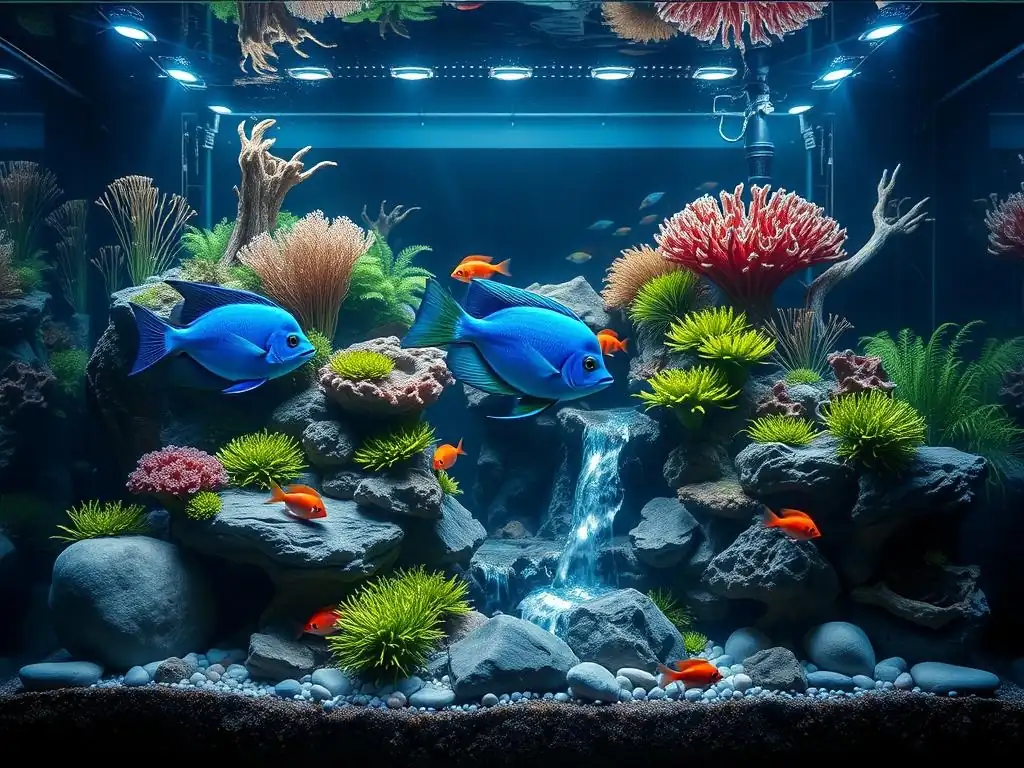
Ever wondered if your angelfish can truly thrive with company, or if you're setting them up for a territorial showdown? Dive into our Angelfish tank compatibility guide and discover the secrets to creating a harmonious underwater world. Will you achieve angelfish harmony, or witness a battle for dominance? Let's explore the possibilities and ensure your saltwater aquarium is a haven for these majestic creatures!
- Understanding Angelfish Aggression and Tank Compatibility
- Angelfish Tank Compatibility Guide: Species-Specific Considerations
- Achieving Angelfish Harmony: Essential Tank Setup and Management
- Introducing Angelfish to a Community Tank: A Step-by-Step Approach
- Successful Strategies for Keeping Multiple Angelfish
- Potential Problems and Solutions in Angelfish Communities
- When to Separate Angelfish: Recognizing Unsolvable Conflicts
- Angelfish Tank Mates: Expanding Your Saltwater Aquarium
- Conclusion: Mastering Angelfish Community Tanks
-
Frequently Asked Questions
- Can I keep multiple Angelfish in the same tank?
- What size tank is recommended for a group of Angelfish?
- What are the key signs of aggression among Angelfish?
- What tank mates are generally compatible with Angelfish?
- What are some strategies to minimize aggression when keeping multiple Angelfish together?
- Final Reflection: Harmony in the Aquarium
- Unlock the Secrets to a Thriving Angelfish Community!
Understanding Angelfish Aggression and Tank Compatibility
Natural Angelfish Behavior in the Wild
Marine angelfish, unlike their freshwater counterparts, are predominantly found in the vibrant coral reefs of tropical and subtropical oceans. Their natural habitats, spanning from the shallow waters of lagoons to deeper reef slopes, offer a complex tapestry of coral formations, rockwork, and crevices. In this environment, many angelfish species exhibit strong territorial behaviors, often defending a specific patch of reef as their feeding ground and shelter. This territoriality is a crucial aspect of their survival, ensuring access to food resources and protection from predators.
For instance, species like the Emperor Angelfish (Pomacanthus imperator) are known to stake out and defend large territories against conspecifics and sometimes even other large, similarly shaped fish. Dwarf angelfish, such as the Flame Angelfish (Centropyge loricula), while smaller, also display similar territorial instincts within their more confined reef niches. This innate drive to establish and defend personal space directly translates into potential aggression within the confined environment of a home aquarium, where escape options are limited and territories overlap. Understanding this natural inclination is the first step in creating a successful angelfish tank compatibility guide.
Factors Influencing Angelfish Aggression in Aquariums
Several key factors contribute to the level of aggression displayed by angelfish in an aquarium setting. Foremost among these is tank size; a smaller tank inherently increases competition for space and resources, leading to heightened territorial disputes. For example, attempting to house two large angelfish in a tank under 300 gallons often results in one fish constantly harassing the other, leading to chronic stress and potential injury. Resource competition, including food and prime hiding spots, also plays a significant role. If there aren't enough suitable shelters or if feeding is inconsistent, angelfish may become more agitated.
The order of introduction of fish into the tank is another critical factor. Introducing a new angelfish into an established tank where another angelfish has already claimed territory almost invariably leads to aggression from the resident fish. Furthermore, species-specific temperament varies widely; some angelfish are naturally more aggressive than others. For example, the majestic Queen Angelfish (Holacanthus ciliaris) is generally considered more assertive than the less common Vermiculated Angelfish (Chaetodontoplus mesoleucus), making the latter a potentially more amenable choice for a multi-angelfish setup, albeit still requiring immense space.
Angelfish Species and Temperament: A Compatibility Overview
When considering an angelfish tank compatibility guide, it's essential to differentiate between the general temperaments of large and dwarf angelfish species. Large angelfish, belonging primarily to the genera Pomacanthus, Holacanthus, and Chaetodontoplus, are renowned for their beauty but also for their strong personalities and territorial nature. Species like the Emperor Angelfish are often best kept as single specimens or in very large, species-specific pairs if introduced simultaneously and raised together. Mixing multiple large angelfish, even in immense aquariums, is a high-risk endeavor, often resulting in fatal aggression.
Dwarf angelfish, from the genus Centropyge, are generally less aggressive than their larger relatives, making them more popular for typical home aquariums. However, they are not without their own territorial quirks. Most dwarf angelfish, such as the popular Flame Angelfish (Centropyge loricula) or Coral Beauty Angelfish (Centropyge bispinosa), will show aggression towards conspecifics (other fish of the same species) or fish with similar body shapes and color patterns.
For instance, two Flame Angelfish in a 75-gallon tank will almost certainly fight to the death unless they are a proven mated pair. Successfully keeping multiple dwarf angelfish usually requires a very large tank (100+ gallons) and careful selection of distinct species.
Angelfish Tank Compatibility Guide: Species-Specific Considerations
Large Angelfish Compatibility: Emperor Angelfish, Queen Angelfish, French Angelfish
Attempting to keep multiple large angelfish species together is one of the most challenging aspects of an angelfish tank compatibility guide. The Emperor Angelfish ( Pomacanthus imperator), Queen Angelfish ( Holacanthus ciliaris), and French Angelfish ( Pomacanthus paru) are prime examples of highly territorial and aggressive large angelfish. These species typically require vast amounts of space, with a minimum of 180-250 gallons for a single adult specimen. When housed together, their innate territoriality escalates into severe aggression, often resulting in one fish dominating and relentlessly harassing the other, leading to stress, injury, and often, death.
For instance, introducing an adult Emperor Angelfish into a tank already occupied by a Queen Angelfish, even in a 300-gallon system, is highly likely to result in immediate and prolonged conflict. While some rare successes have been reported in public aquariums exceeding 1,000 gallons where multiple individuals were added simultaneously as juveniles, this is an exception, not a rule, for the home aquarist. The general recommendation remains to keep only one large angelfish species per tank, or a proven mated pair if the tank is exceptionally large (e.g., 400+ gallons for a pair of French Angelfish).
Dwarf Angelfish Compatibility: Flame Angelfish, Coral Beauty Angelfish, Potter's Angelfish
Dwarf angelfish species, while smaller and generally less overtly aggressive than their large counterparts, still present unique challenges for an angelfish tank compatibility guide. The Flame Angelfish ( Centropyge loricula) is a popular choice due to its vibrant coloration, but it can be quite territorial, especially towards other dwarf angelfish or fish with similar red/orange hues. Similarly, the Coral Beauty Angelfish ( Centropyge bispinosa), known for its striking blue and orange, exhibits territorial behavior, particularly in tanks under 75 gallons. These species are generally best kept as single specimens in a community tank.
Potter's Angelfish ( Centropyge potteri), a Hawaiian endemic, is often cited as one of the more docile dwarf angelfish, but it too will defend its chosen territory against similar-sized or shaped tank mates. Attempting to keep two dwarf angelfish of the same or very similar species (e.g., a Flame and a Coral Beauty) in a tank smaller than 100 gallons often leads to one fish becoming dominant and stressing the other.
Success with multiple dwarf angelfish typically requires a large, well-aquascaped tank (120+ gallons) with ample hiding spots and the introduction of species that are distinct in color and pattern, such as a Flame Angelfish with a Lemonpeel Angelfish ( Centropyge flavissima), though even this combination carries risks.
Mixing Large and Dwarf Angelfish: Challenges and Risks
Mixing large and dwarf angelfish species is generally ill-advised and poses significant challenges, making it a critical point in any comprehensive angelfish tank compatibility guide. The primary risk stems from the vast size disparity and the inherent territorial nature of large angelfish.
A large angelfish may view a smaller dwarf angelfish as a competitor for resources or, in some unfortunate cases, even as a potential food item, especially if the large angelfish is particularly aggressive or hungry. The constant stress of being chased or intimidated by a much larger fish can lead to severe health issues for the dwarf angelfish, including refusal to eat, chronic stress, and susceptibility to disease.
For example, an adult Emperor Angelfish, which can grow up to 15 inches, could easily intimidate and harass a 3-inch Flame Angelfish to the point of death, even in a seemingly spacious 200-gallon tank. While juvenile large angelfish might initially coexist with dwarf species, their temperament can change drastically as they mature, often becoming much more aggressive and territorial.
The safest approach is to avoid this combination entirely, or if attempting it in a truly massive system (e.g., 500+ gallons), ensure there are abundant visual barriers and hiding spots for the smaller fish, and be prepared for immediate separation if aggression arises.
Achieving Angelfish Harmony: Essential Tank Setup and Management
Tank Size Requirements for Multiple Angelfish
The cornerstone of an effective angelfish tank compatibility guide is understanding and adhering to appropriate tank size requirements. Insufficient space is the leading cause of aggression among angelfish.
For a single large angelfish like an Emperor or Queen, a minimum tank size of 180 gallons is generally recommended, though 250 gallons or more is preferable for long-term health and reduced stress. When considering keeping multiple large angelfish (a rare and challenging feat), the tank size must be exponentially larger, often exceeding 500 gallons, to even stand a remote chance of success, and even then, it's typically limited to specific pairs or very large groups in public aquariums.
For dwarf angelfish, while they are smaller, space is still crucial. A single dwarf angelfish like a Flame or Coral Beauty requires a minimum of 50-75 gallons to thrive without undue stress. If the goal is to keep multiple dwarf angelfish (of different species), a tank of at least 100-120 gallons is advisable, with 150 gallons or more being ideal.
This increased volume provides sufficient space for each fish to establish its own territory and allows for escape routes when minor conflicts inevitably arise. Skimping on tank size will almost always lead to chronic stress, disease, and aggression within an angelfish community.
Aquascaping for Reduced Aggression: Creating Territories and Break Lines
Strategic aquascaping is a vital component of any successful angelfish tank compatibility guide, serving as a powerful tool to mitigate aggression. The goal is to create a complex environment with numerous hiding spots, caves, and visual barriers that break up lines of sight. This allows angelfish to establish individual territories and provides opportunities for weaker or submissive fish to retreat from aggressive encounters. Instead of a single large rock structure, aim for multiple, distinct formations that offer varied environments.
For example, in a 150-gallon tank housing two dwarf angelfish, incorporating at least 80-100 pounds of live rock, arranged to form several distinct caves, overhangs, and swim-throughs, can significantly reduce direct confrontation. The use of tall rock structures or even strategically placed large corals can act as "break lines," preventing a dominant fish from constantly seeing and harassing a subordinate. This provides a sense of security and reduces stress, which in turn leads to more peaceful interactions within the angelfish community.
Water Quality and its Impact on Angelfish Behavior
Pristine and stable water quality is paramount for the health and temperament of angelfish, forming a critical pillar of an effective angelfish tank compatibility guide. Poor water conditions, characterized by fluctuating parameters or the presence of ammonia and nitrite, directly lead to stress in fish. Stressed angelfish are far more likely to exhibit increased aggression, become lethargic, or fall prey to disease. Maintaining ideal parameters—salinity between 1.023 and 1.026 specific gravity, pH between 8.1 and 8.4, and undetectable levels of ammonia and nitrite—is non-negotiable.
Nitrate levels should also be kept low, ideally below 20 ppm, as chronic exposure to higher concentrations can weaken the immune system and increase stress. Regular water changes, typically 10-20% weekly or bi-weekly depending on the bioload, are essential for replenishing trace elements and exporting accumulated nitrates and other undesirable compounds. For instance, a tank with nitrate levels consistently above 40 ppm will likely see angelfish displaying clamped fins, faded colors, and increased irritability, leading to more frequent aggressive interactions than in a system with pristine water.
Filtration and Oxygenation for a Healthy Angelfish Environment
Robust filtration and adequate oxygenation are indispensable for maintaining a healthy and harmonious angelfish environment, directly supporting the principles of any comprehensive angelfish tank compatibility guide. Angelfish, especially larger species, produce a significant bioload, necessitating powerful mechanical, biological, and chemical filtration to process waste efficiently. A well-sized sump with a high-quality protein skimmer is highly recommended.
The protein skimmer, often considered the heart of a saltwater system, removes organic waste before it can break down into harmful nitrates and phosphates. For example, a protein skimmer rated for at least twice the tank's actual volume (e.g., a 300-gallon rated skimmer for a 150-gallon tank) is a wise investment for angelfish-heavy setups.
Beyond waste removal, proper water movement and oxygenation are crucial for the active metabolism of angelfish. Powerheads should be strategically placed to ensure good circulation throughout the tank, preventing dead spots where detritus can accumulate and oxygen levels might drop. Adequate surface agitation promotes gas exchange, ensuring the water remains saturated with oxygen. A well-oxygenated environment reduces stress on the fish, making them less prone to aggression and more resilient against potential health issues.
Introducing Angelfish to a Community Tank: A Step-by-Step Approach
Quarantine Procedures for New Angelfish
A strict quarantine procedure is a non-negotiable step in any responsible angelfish tank compatibility guide. Introducing new fish directly into your main display tank without quarantine is a gamble that often results in devastating disease outbreaks, potentially wiping out your entire established population. New angelfish should be housed in a separate quarantine tank for a minimum of 4 to 6 weeks. This dedicated tank, typically 20-40 gallons for most angelfish, should have its own filtration, heater, and simple PVC pipe fittings for hiding spots, making it easy to observe and treat fish.
During quarantine, observe the angelfish closely for any signs of disease, parasites (like Ich or Marine Velvet), or unusual behavior. This period allows the fish to de-stress from transport and for any latent illnesses to manifest. If symptoms appear, appropriate medication can be administered in the quarantine tank without harming the beneficial bacteria or invertebrates in your main display. For instance, if a new Flame Angelfish shows signs of Ich within the first week, you can treat it with copper-based medications in quarantine, which would be lethal to corals and invertebrates in a reef tank.
Gradual Acclimation to the Main Tank
Once the quarantine period is successfully completed and the angelfish appears healthy, gradual acclimation to the main display tank is crucial. This process minimizes the shock of environmental changes, particularly differences in salinity, pH, and temperature. The most recommended method is drip acclimation, where water from the main tank is slowly dripped into the angelfish's transport container over an extended period, typically 1-2 hours. This allows the fish to slowly adjust to the new water parameters without sudden osmotic shock.
Before introducing the angelfish, it can be beneficial to dim the lights on the main tank or even turn them off completely for a few hours after introduction. Some aquarists also suggest subtly rearranging some of the existing rockwork in the main tank just before introduction.
This minor disruption can slightly disorient existing fish, making them less territorial and giving the new angelfish a better chance to find a hiding spot and settle in without immediate harassment. For example, ensuring the new angelfish's water salinity matches the main tank's within a 0.001 specific gravity difference is ideal to prevent stress.
Monitoring Angelfish Behavior After Introduction
Close and continuous monitoring of angelfish behavior after introduction to the community tank is paramount for the success of your angelfish tank compatibility guide. The first 24-72 hours are critical, as this is often when initial territorial disputes and aggression are most pronounced. Look for clear signs of aggression such as prolonged chasing, fin nipping, body ramming, or a dominant fish preventing another from accessing food or hiding spots. Conversely, observe for signs of stress in the new or bullied fish, including clamped fins, rapid breathing, hiding excessively, faded coloration, or refusal to eat.
It is normal for some initial chasing or posturing to occur as a new hierarchy is established. However, if aggression is severe, persistent (lasting more than 3-4 days with no signs of abatement), or results in physical injury, intervention may be necessary. Providing plenty of food during this period can help reduce aggression driven by competition. If the situation does not improve, be prepared to separate the fish, as prolonged stress and injury can lead to disease or even death.
Successful Strategies for Keeping Multiple Angelfish
Overstocking: A Controversial Technique for Reducing Aggression
"Overstocking," also known as "conspecific saturation" or "dilution of aggression," is a controversial strategy sometimes employed to reduce aggression in certain territorial fish, including angelfish. The theory behind this angelfish tank compatibility guide tactic is that by introducing a larger number of angelfish (or other aggressive species) than typically recommended for a given tank size, the aggression is diffused among many individuals rather than being concentrated on a single target. No single fish can effectively dominate every other fish, thus spreading out the aggressive behaviors.
However, this strategy comes with significant caveats and is generally not recommended for the average home aquarist. It requires an exceptionally large tank (e.g., 500+ gallons for a group of large angelfish or 200+ gallons for a diverse group of dwarf angelfish), an extremely robust filtration system, and a highly disciplined maintenance schedule. The bioload generated by a heavily stocked tank is immense, demanding oversized protein skimmers, large sumps, and frequent, substantial water changes (e.g., 25% weekly).
Without these extreme measures, water quality will rapidly decline, leading to stress, disease, and ultimately, fish loss. While occasionally seen in public aquariums with massive life support systems, it's a high-risk approach for private setups.
Maintaining a Stable Hierarchy: Avoiding Power Struggles
Maintaining a stable hierarchy is crucial for minimizing power struggles and fostering peace in an angelfish community. The goal is to establish a social structure that is not constantly challenged, reducing stress and aggression. One effective strategy is to introduce all angelfish simultaneously, if possible, or introduce the least aggressive/smallest angelfish first, followed by increasingly larger or more dominant individuals after a period of establishment. This prevents a single fish from becoming overly dominant before others are present.
Once a hierarchy is established, avoid removing and reintroducing angelfish unless absolutely necessary (e.g., for severe medical treatment). Removing a dominant fish, even temporarily, can cause the remaining fish to fight for the top spot. When the dominant fish is returned, the hierarchy may be completely disrupted, leading to renewed and potentially more intense aggression. Consistent feeding schedules and ensuring all fish receive adequate nutrition also help reduce competition-driven aggression, contributing to a more stable and less contentious angelfish tank compatibility guide.
Choosing Compatible Tank Mates for Angelfish
Selecting appropriate tank mates is a vital aspect of an effective angelfish tank compatibility guide, as they can significantly influence the overall harmony of the aquarium. The best tank mates for angelfish are typically species that occupy different ecological niches, possess different body shapes, and are not perceived as competitors for territory or food.
For large angelfish, fast-swimming, robust fish like tangs (e.g., Yellow Tangs, Zebrasoma flavescens, in a 180+ gallon tank) or certain wrasses (e.g., Six-Line Wrasse, Pseudocheilinus hexataenia) often make good companions. These fish are generally too quick and agile to be caught by an angelfish and typically ignore them, focusing on their own activities.
For dwarf angelfish, less aggressive species such as clownfish, gobies (e.g., Watchman Goby, Cryptocentrus cinctus), or blennies (e.g., Lawnmower Blenny, Salarias fasciatus) can be excellent choices. These fish tend to stay in their own areas (e.g., the bottom for gobies, anemones for clownfish) and are not direct competitors for the mid-water territory preferred by dwarf angelfish. Always avoid slow-moving or very shy fish, as they will likely be bullied, and never introduce fish that are known fin-nippers or overly aggressive themselves, as this will only exacerbate potential conflicts.
Potential Problems and Solutions in Angelfish Communities
Identifying and Addressing Aggression Issues
Even with the best planning, aggression can arise in an angelfish community, making prompt identification and intervention crucial. Key signs of aggression include constant chasing, fin nipping that results in visible damage, body ramming, preventing a fish from eating, or a subordinate fish constantly hiding, exhibiting clamped fins, or displaying faded colors. If you observe these behaviors, especially if they persist for more than 2-3 days, intervention is necessary.
Initial solutions can include rearranging the aquascape to disrupt established territories and create new hiding spots. Increasing the frequency of feeding or target feeding the bullied fish can reduce food competition. If aggression is severe, a clear, perforated tank divider can temporarily separate the aggressor from the victim, allowing the bullied fish to recover and de-stress. For example, if a dominant Emperor Angelfish repeatedly nips the fins of a smaller French Angelfish, causing torn fins within 48 hours, a divider should be installed immediately to prevent further injury and allow healing.
Treating Injuries from Angelfish Fights
Angelfish fights, unfortunately, can lead to physical injuries, ranging from minor fin nips to more severe body wounds. For minor fin nips or slight abrasions, maintaining pristine water quality is often sufficient for natural healing. Angelfish have a remarkable capacity to regenerate damaged fins if water parameters are stable and free of pollutants. Regular water changes and ensuring zero ammonia/nitrite and low nitrates are critical for this recovery.
However, more severe injuries, such as deep body wounds, extensive fin rot from persistent nipping, or secondary infections (bacterial or fungal), will require more active intervention. The injured angelfish should be moved to a separate hospital tank to receive appropriate medication, such as broad-spectrum antibiotics or antifungal treatments, without risking the main display tank's inhabitants or beneficial bacteria. For instance, a deep laceration on an angelfish's side from a fight could become infected within 24-48 hours if not treated, potentially leading to systemic illness.
Recognizing and Preventing Disease Outbreaks
Stress, often a direct result of aggression and poor angelfish tank compatibility, is a primary trigger for disease outbreaks in aquariums. When fish are constantly harassed or living in fear, their immune systems become compromised, making them highly susceptible to common parasitic (e.g., Ich, Marine Velvet) and bacterial infections. Recognizing the early signs of disease is vital: white spots, cloudy eyes, rapid breathing, flashing against decor, loss of appetite, or abnormal swimming patterns.
Prevention is always better than cure. Beyond managing aggression and ensuring compatible tank mates, maintaining consistently excellent water quality, providing a balanced and nutritious diet, and avoiding overcrowding are the best preventative measures. A varied diet, including high-quality pellets, frozen foods (like Mysis shrimp, brine shrimp, spirulina-enriched foods), and occasional nori, boosts the angelfish's immune system. Regular observation of your angelfish will allow you to catch subtle changes in behavior or appearance before a full-blown outbreak occurs, enabling early intervention and a healthier angelfish tank compatibility guide.
When to Separate Angelfish: Recognizing Unsolvable Conflicts
Setting up a Separate Quarantine or Hospital Tank
Recognizing when a conflict within your angelfish community is unsolvable is a crucial, albeit difficult, decision. If aggression persists despite all attempts at mitigation (aquascaping changes, target feeding, temporary dividers), and one fish is consistently being bullied to the point of injury, chronic stress, or refusal to eat, separation becomes necessary. At this point, a dedicated quarantine or hospital tank is indispensable. This separate tank, ideally 20-40 gallons for most angelfish, provides a safe haven for the bullied fish to recover and de-stress, or for the aggressor to be isolated.
The hospital tank should be fully cycled and maintained with stable parameters, offering a stress-free environment for healing or re-evaluation. It allows you to observe the fish's behavior in isolation and determine if its health improves away from the conflict. For example, if a dwarf angelfish has been hiding for days, refusing food, and displaying clamped fins due to constant harassment, moving it to a quiet hospital tank can often lead to a rapid recovery of appetite and normal behavior within a week.
Rehoming Angelfish: Ethical Considerations
If separation proves to be a temporary fix, or if the conflict is so severe that it's clear the angelfish cannot coexist in your current setup, rehoming one of the fish becomes the most ethical solution. This is a last resort but prioritizes the well-being of the fish. Before considering rehoming, ensure you've exhausted all other options outlined in this angelfish tank compatibility guide.
When rehoming, seek out a suitable new home where the angelfish will thrive. Options include contacting reputable local fish stores, some of which may offer trade-in programs or accept donations. Aquarium clubs or online forums dedicated to saltwater aquariums (e.g., Reef2Reef) can also connect you with experienced hobbyists who may have a suitable tank or be willing to take in the fish. Always be honest about the fish's temperament and history to ensure it goes to an appropriate environment. The goal is to find a long-term, stable solution that prevents further stress or harm to the angelfish.
Angelfish Tank Mates: Expanding Your Saltwater Aquarium
Best Tank Mates for Large Angelfish
When planning tank mates for large angelfish within an angelfish tank compatibility guide, the focus should be on species that can hold their own, occupy different areas of the tank, and are not direct competitors. Robust, active swimmers are often ideal. Tangs, such as the Yellow Tang ( Zebrasoma flavescens), Kole Tang ( Ctenochaetus strigosus), or various Surgeonfish, are frequently successful tank mates for large angelfish in appropriately sized aquariums (180+ gallons). They are often too fast for angelfish to consistently harass and typically graze on algae, not competing for the same food sources.
Certain wrasses, like the Six-Line Wrasse ( Pseudocheilinus hexataenia) or various Fairy Wrasses ( Cirrhilabrus spp.), can also coexist peacefully. They are agile, often occupy different niches (e.g., rockwork crevices), and are generally not perceived as threats by large angelfish. Other possibilities, depending on the specific angelfish's temperament and tank size, include certain triggerfish (e.g., Pinktail Triggerfish, Xanthichthys mento, which are generally less aggressive than other triggers) or even some larger pufferfish, though these require careful consideration for their own compatibility and potential for nipping.
Dwarf angelfish, while less aggressive than their larger relatives, still benefit from carefully chosen tank mates that adhere to the principles of an effective angelfish tank compatibility guide. Good choices generally include species that are peaceful, occupy different water columns, or have distinct body shapes and color patterns. Clownfish, such as Ocellaris Clownfish ( Amphiprion ocellaris) or Percula Clownfish ( Amphiprion percula), are often excellent companions, as they typically stay around their host anemone or a substitute, avoiding direct competition.
Gobies, like the Watchman Goby ( Cryptocentrus cinctus) or Diamond Watchman Goby ( Valenciennea puellaris), are bottom-dwellers that coexist well with dwarf angelfish, as they spend their time sifting sand or perching on rocks. Blennies, such as the Lawnmower Blenny ( Salarias fasciatus) or Bicolor Blenny ( Ecsenius bicolor), are also good options, primarily grazing on algae and occupying rockwork crevices. Small, peaceful wrasses like the Possum Wrasse ( Wetmorella nigropinnata) can also be successful. The key is to select tank mates that won't compete directly for territory or food and are not prone to nipping.
Incompatible Tank Mates to Avoid
Understanding which tank mates to avoid is just as crucial as knowing which ones are compatible in an angelfish tank compatibility guide. Foremost, avoid housing multiple angelfish species together unless you have an exceptionally large tank and are experienced with angelfish behavior, as discussed previously. Also, avoid other fish that are highly territorial, aggressive, or possess similar body shapes and color patterns to your angelfish, as this will inevitably lead to conflict. For example, housing a Flame Angelfish with a Coral Beauty in a tank under 100 gallons is a recipe for disaster.
Do not house angelfish with very slow-moving, delicate, or shy fish, as they will be easily outcompeted for food and constantly stressed by the angelfish's activity, potentially leading to their demise. Seahorses, for instance, are far too delicate and slow to thrive in an angelfish community.
Similarly, avoid certain predatory fish that might view smaller angelfish or their tank mates as food. Lastly, be wary of species known for fin-nipping, such as certain triggerfish or puffers (unless specifically chosen for their more docile temperament and the angelfish is robust), as they can inflict damage on the angelfish's fins, leading to stress and potential infection.
Conclusion: Mastering Angelfish Community Tanks
Key Takeaways for Angelfish Tank Compatibility
Mastering the art of keeping multiple angelfish, or indeed any angelfish in a community setting, hinges on a few critical principles. Firstly, tank size is paramount; providing ample space for territorial fish significantly reduces aggression. A 180-gallon tank is a bare minimum for a single large angelfish, while multiple dwarf angelfish generally require 100-150 gallons or more. Secondly, species selection is critical; understanding the inherent temperament of each angelfish species and avoiding overly aggressive or similarly patterned fish is key to preventing conflict. For instance, a Flame Angelfish and a Coral Beauty are rarely compatible in smaller tanks.
Thirdly, strategic aquascaping matters immensely. Creating numerous hiding spots, caves, and visual barriers allows angelfish to establish distinct territories and provides escape routes, diffusing potential aggression. Fourthly, pristine water quality is non-negotiable; stable parameters and low nitrates reduce stress, which in turn minimizes aggressive behaviors. Finally, careful introduction and continuous monitoring of angelfish behavior are essential, allowing for early intervention if conflicts arise. By adhering to these guidelines, aquarists can significantly increase their chances of success in creating a harmonious angelfish community, making this angelfish tank compatibility guide invaluable.
Further Resources for Saltwater Angelfish Care
For those passionate about saltwater angelfish and committed to providing the best possible care, continuous learning is key. While this angelfish tank compatibility guide offers a comprehensive overview, the nuances of angelfish husbandry are vast and ever-evolving. Dedicated hobbyists should delve deeper into species-specific care sheets for their chosen angelfish, which often provide more detailed information on their unique dietary needs, preferred water parameters, and specific behavioral traits.
Exploring reputable online forums and communities dedicated to saltwater aquariums can offer invaluable real-world experiences and troubleshooting advice from fellow enthusiasts. Many seasoned aquarists share their successes and failures, providing practical insights into managing angelfish communities. Additionally, consulting scientific literature or well-regarded aquarium textbooks can provide a deeper understanding of marine fish biology and the intricate ecological dynamics that influence angelfish behavior and compatibility in captive environments.
Frequently Asked Questions
Can I keep multiple Angelfish in the same tank?
The answer is it depends. While theoretically possible, success hinges on tank size, maturity of the fish, and careful observation. Smaller tanks often lead to aggression and territorial disputes.
What size tank is recommended for a group of Angelfish?
For a group of 5-6 juvenile Angelfish, a minimum of 75 gallons is advised. As they mature, a larger tank, such as 125 gallons or more, is often necessary to reduce aggression.
What are the key signs of aggression among Angelfish?
Watch for behaviors like fin nipping, chasing, and cornering. These indicate stress and potential bullying, requiring immediate intervention to prevent injury or even death.
What tank mates are generally compatible with Angelfish?
Generally, peaceful community fish that are not easily bullied are suitable. Avoid small, slow-moving fish that might be viewed as food. Good options include larger tetras, corydoras catfish, and some peaceful barbs.
What are some strategies to minimize aggression when keeping multiple Angelfish together?
Provide plenty of hiding places with plants and decorations to break up sightlines and create territories. Regular water changes and maintaining excellent water quality are also crucial for reducing stress and aggression.
Final Reflection: Harmony in the Aquarium
The question of angelfish tank compatibility remains a crucial consideration for any aquarist seeking to create a thriving and balanced underwater ecosystem. As we've explored the nuances of angelfish behavior and the factors influencing their ability to coexist, it's clear that success hinges not just on luck, but on informed planning and dedicated observation. The well-being of these majestic creatures, and indeed the entire aquarium community, depends on our commitment to understanding their needs.
This journey into the world of angelfish has underscored the importance of responsible pet ownership and the delicate balance of nature, even within the confines of a glass tank. The lessons learned here extend beyond the aquarium, reminding us that understanding and respecting the needs of others is fundamental to creating harmonious environments in all aspects of life. The greatness of a nation and its moral progress can be judged by the way its animals are treated.
- Mahatma Gandhi. This quote, while broad, resonates deeply when considering the ethical responsibility we bear towards the creatures in our care.
Now, as you consider adding angelfish to your aquarium, or perhaps re-evaluating your current setup, I urge you to reflect on the principles we've discussed. Consider not just the aesthetic appeal of these fish, but the complex social dynamics and environmental requirements that underpin their well-being. Let this guide serve as a catalyst for thoughtful planning and continuous learning, ensuring that your aquarium becomes a testament to your dedication and a haven for its inhabitants.
Unlock the Secrets to a Thriving Angelfish Community!
Thanks for diving into the world of angelfish! We hope you’ve found the insights you needed to decide whether a community of these majestic creatures is right for your aquarium. Now, let's transform that knowledge into action!
- Embark on a Trial Run: Before fully committing, carefully introduce a small group of juvenile angelfish into a well-established tank to observe their compatibility. This is your best bet for harmonious coexistence!
- Share Your Angelfish Adventures: Post photos and videos of your angelfish tank on social media using #AngelfishAquariumMastery to connect with fellow enthusiasts and learn from their experiences.
- Research Complementary Species: Explore compatible tank mates that can enhance your angelfish community without causing stress or competition.
Ready to take the plunge and create an angelfish haven, or are you leaning towards a solitary star? Share your angelfish ambitions in the comments below!