
Observing Invertebrate Behavior: Clues to Their Health and Happiness

Welcome to Aquarium Mastery!
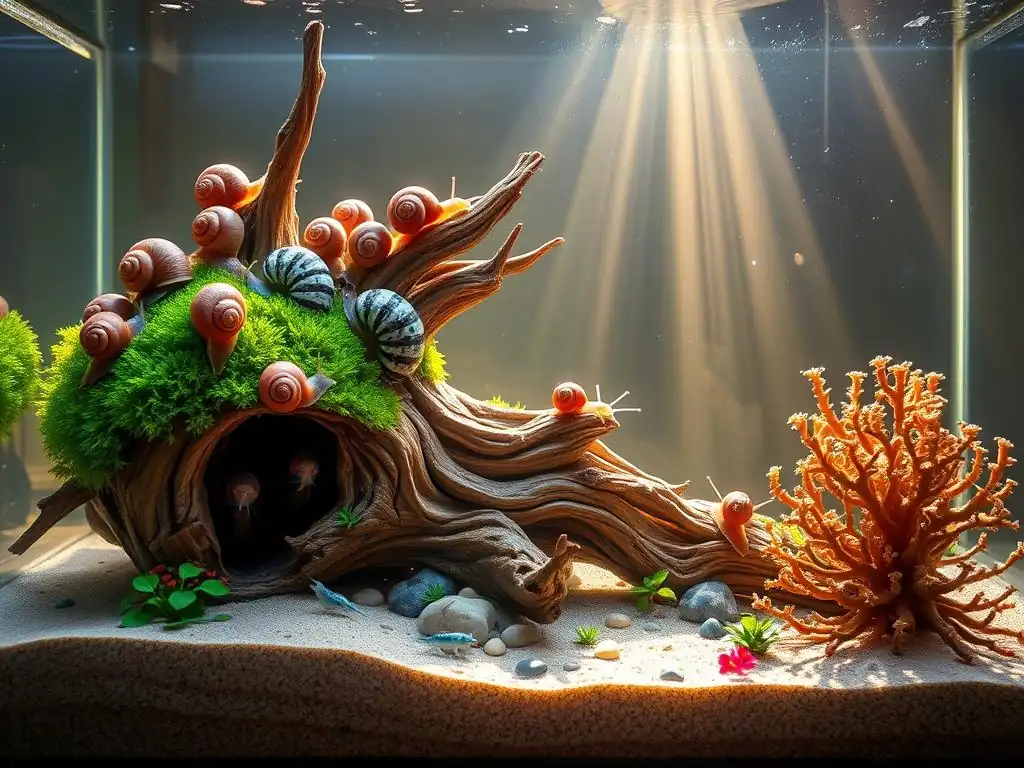
Ever wondered what your invertebrates are really telling you? Discover the secrets hidden within their behaviors. This article dives deep into healthy invertebrate tank behaviors, giving you the insights you need to ensure a thriving and balanced ecosystem. Keep reading to unlock the clues to their health and happiness!
- Observing Invertebrate Behavior: Clues to Their Health and Happiness in Saltwater Aquariums
- Understanding Healthy Invertebrate Tank Behaviors: An Introduction
- Deciphering Invertebrate Behavior: Key Indicators of Health
- Common Invertebrate Behaviors and Their Meanings
- Troubleshooting Abnormal Invertebrate Behaviors: A Guide
- Creating an Environment for Healthy Invertebrate Tank Behaviors
- Long-Term Invertebrate Health: Proactive Strategies
- Conclusion: Ensuring Healthy and Happy Invertebrates in Your Saltwater Aquarium
-
Frequently Asked Questions
- How can I tell if my invertebrates are healthy in my aquarium?
- What are some specific behaviors to watch out for in a healthy invertebrate tank?
- What are some signs of unhealthy behavior in invertebrates that I should be concerned about?
- How does water quality affect invertebrate behavior and overall health?
- Can observing molting behavior tell me anything about the health of my invertebrates?
- Final Reflection: Unveiling the Secrets of a Thriving Ecosystem
- Uncover Hidden Depths: Start Observing Today!
Observing Invertebrate Behavior: Clues to Their Health and Happiness in Saltwater Aquariums
Understanding Healthy Invertebrate Tank Behaviors: An Introduction
Assessing Invertebrate Wellbeing Through Observation
Observing the subtle cues in your invertebrates' behavior is paramount for assessing their overall wellbeing. Unlike fish that might show overt signs of disease like fin rot or ich, invertebrates often exhibit distress through changes in their natural activities. Early detection of these behavioral shifts can be the difference between a minor adjustment and a catastrophic loss in a saltwater aquarium. For instance, a cleaner shrimp suddenly refusing to groom fish or a turbo snail remaining stationary for days are immediate indicators that something is amiss, allowing aquarists to intervene before conditions worsen.
Invertebrates lack the ability to vocalize their discomfort, making their actions the primary means by which they communicate their health status. A healthy invertebrate tank behavior profile includes consistent feeding, active movement, and appropriate social interactions. Any deviation from this established baseline, such as a normally active hermit crab retreating into its shell for an extended period without molting, serves as a critical warning sign. Recognizing these changes promptly allows for investigation into potential stressors like water quality fluctuations, incompatible tank mates, or nutritional deficiencies.
The Importance of Recognizing Normal Invertebrate Activity
Establishing a baseline of normal invertebrate activity is fundamental to identifying issues swiftly. For example, a healthy Nassarius snail typically burrows rapidly into the sand, emerging quickly when food is introduced, covering several inches per minute. Similarly, a healthy cleaner shrimp will actively wave its antennae to attract fish for cleaning or readily accept small food pellets, constantly picking at the rockwork. These consistent, predictable actions represent healthy invertebrate tank behaviors.
A deviation from this normal activity pattern is a strong indicator of potential problems. If a snail known for its constant grazing activity suddenly remains motionless on the glass for an entire day, or if a usually vibrant peppermint shrimp appears listless and hides excessively, it signals distress. Understanding these species-specific healthy invertebrate behaviors allows aquarists to differentiate between typical resting periods and genuine signs of illness or environmental stress, enabling timely corrective measures.
Deciphering Invertebrate Behavior: Key Indicators of Health
Feeding Habits: A Primary Indicator of Invertebrate Health
Normal Feeding Responses in Saltwater Invertebrates
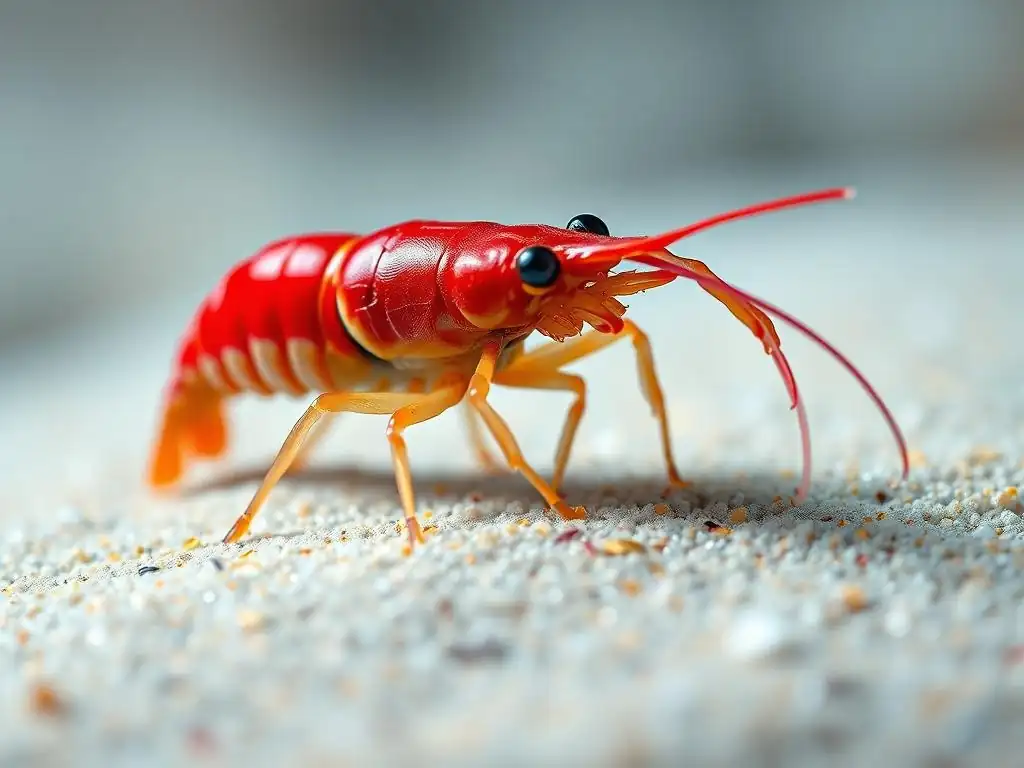
Healthy invertebrate tank behaviors are often most clearly reflected in their feeding habits. For instance, a robust emerald crab will actively graze on nuisance algae, including bubble algae, often seen meticulously picking at rock surfaces. Similarly, a healthy conch snail extends its proboscis to continuously sift and graze on detritus and algae across the sandbed. These animals should show consistent interest in food, whether it's naturally occurring biofilm or supplemental offerings.
Many invertebrates are opportunistic feeders. A brittle starfish, for example, should be observed extending its arms to scavenge detritus from the substrate or from the water column when food is introduced. A healthy cleaner shrimp will not only actively engage in cleaning fish but also quickly respond to target feeding, readily accepting small pieces of frozen mysis shrimp or brine shrimp. Observing these active and consistent feeding responses is a key sign of a thriving and healthy invertebrate tank.
Identifying Feeding Problems and Potential Causes
A significant departure from normal feeding patterns is a clear red flag for invertebrate health. Signs of poor feeding include refusal of food, visible emaciation, or a general lack of interest during feeding times. For instance, a normally voracious hermit crab ignoring a piece of nori or a Nassarius snail failing to emerge for a meaty offering suggests a problem. Visible shrinking of tissue or a "hollowed-out" appearance in snails or shrimp indicates prolonged starvation.
Feeding issues can often be linked to underlying problems such as poor water quality, stress from aggressive tank mates, or internal parasites. High levels of ammonia (above 0 ppm) or nitrate (above 20 ppm) can severely suppress an invertebrate's appetite and overall metabolic function. Additionally, competition for food in an overcrowded tank, or the presence of a predatory fish that prevents invertebrates from safely foraging, can lead to chronic underfeeding.
Movement and Activity Levels: Spotting Abnormalities
Healthy Movement Patterns for Common Saltwater Invertebrates
Observing healthy movement patterns is crucial for recognizing optimal invertebrate behavior. A healthy turbo snail, for example, should move steadily and deliberately across tank surfaces, leaving a clear path as it grazes algae. Many species of hermit crabs are constantly exploring the rockwork and substrate, actively searching for food and potential new shells. Their movements should be fluid and responsive, allowing them to quickly right themselves if overturned.
For species like sand-sifting starfish, constant, slow, and deliberate movement across the sandbed, with frequent burrowing and re-emergence, indicates good health. Brittle starfish should be observed extending their arms from crevices to scavenge. Cleaner shrimp will often be seen gracefully swimming or perched in prominent locations, swaying their antennae. These consistent, species-appropriate movements are hallmarks of healthy invertebrate tank behaviors.
Lethargy, Erratic Movements, and Other Warning Signs
Any significant deviation from typical movement patterns signals potential distress. Lethargy, such as a snail remaining stationary for days without apparent cause, or a shrimp exhibiting prolonged periods of inactivity, is a concerning sign. Erratic or uncontrolled movements, like a shrimp twitching uncontrollably, a crab struggling to right itself after being overturned, or a starfish with curled arms, often point to severe stress, neurological issues, or advanced stages of illness.
These abnormal movements can stem from various issues. Lethargy might indicate low oxygen levels, high levels of toxins like ammonia or nitrite, or extreme temperature fluctuations. Erratic movements could be a reaction to a sudden change in salinity or the presence of harmful chemicals. A hermit crab dragging its shell or appearing unable to move efficiently might be suffering from a poor-fitting shell, a parasitic infection, or general weakness due to poor nutrition or water quality.
Molting Process: Understanding Crustacean Health
Recognizing a Successful Molt in Shrimp and Crabs
For crustaceans like shrimp and crabs, the molting process is a vital indicator of healthy invertebrate behavior and growth. A successful molt is characterized by the complete shedding of the old exoskeleton (exuvia), which is often left largely intact and resembles a ghostly replica of the animal. After a successful molt, the invertebrate typically appears slightly larger and more vibrant in coloration. Many shrimp species, depending on their age and growth rate, will molt approximately every 3 to 6 weeks.
Immediately following a molt, the invertebrate is extremely vulnerable as its new shell hardens. Healthy individuals will typically seek a secluded hiding spot for a period, which can range from a few hours to a day or two for larger crabs. Once the new exoskeleton has sufficiently hardened, the animal will resume its normal activities, often with increased vigor. Observing an intact exuvia and the subsequent return to active, healthy invertebrate tank behaviors confirms a successful and healthy molt.
Identifying Molting Problems and Their Implications
Problems during the molting process are severe and often fatal for crustaceans. Signs of a problematic molt include incomplete shedding, where parts of the old shell remain attached, or the animal struggling for hours to free itself from its old exoskeleton. In some cases, the invertebrate may become completely stuck within its old shell, leading to its demise. A common issue is a "soft shell" after molting, where the new exoskeleton fails to harden properly, leaving the animal vulnerable and prone to injury or predation.
Molting issues are frequently linked to specific environmental factors or nutritional deficiencies. Insufficient levels of iodine, calcium, or magnesium in the water can severely impair the shell-hardening process. Poor water quality, particularly elevated nitrates or fluctuating salinity, also contributes significantly to molting stress and failures. Additionally, a lack of adequate hiding places can cause an invertebrate to delay molting, leading to health complications, or result in it being picked off by tank mates immediately after a vulnerable molt.
Normal Social Behaviors Among Invertebrates
Observing the social dynamics within your invertebrate community provides valuable insights into their overall wellbeing and the health of the aquarium ecosystem. In a well-balanced saltwater tank, many invertebrates exhibit generally peaceful coexistence. For instance, cleaner shrimp will often establish a "cleaning station" where fish approach them for parasite removal, showcasing a symbiotic relationship. Some snail species, like Nassarius snails, might occasionally cluster together, especially when attracted to a food source.
Hermit crabs, while sometimes appearing to "inspect" each other's shells, usually coexist without constant aggression, provided there are ample empty shells available. A healthy clean-up crew, consisting of a diverse mix of snails, hermit crabs, and other detritivores, will typically go about their scavenging duties independently, demonstrating appropriate healthy invertebrate tank behaviors. These interactions are subtle but reflect a harmonious and low-stress environment.
Signs of Aggression, Stress, or Competition
Problematic social interactions are clear indicators of underlying issues in the aquarium. Frequent and sustained aggression between hermit crabs, often involving forceful eviction from shells, signals a severe lack of suitable empty shells or overcrowding. A dominant shrimp species constantly harassing or physically preventing other invertebrates from accessing food or prime locations is another warning sign. In some cases, a crab might begin preying on smaller, weaker invertebrates, indicating starvation or an inherent predatory nature.
These aggressive or stressed behaviors have significant implications, ranging from chronic stress and injury to the outright death of the weaker individuals. Such issues often arise from overcrowding, insufficient resources (like food or adequate shell supply for hermit crabs), or the introduction of incompatible species pairings. A tank exhibiting consistent signs of invertebrate conflict is far from an ideal environment for healthy invertebrate tank behaviors and requires immediate intervention to restore balance.
Common Invertebrate Behaviors and Their Meanings
Shrimp Behavior in Saltwater Aquariums
Healthy Shrimp Behavior: Grazing, Swimming, and Molting
Healthy shrimp, such as the popular cleaner shrimp (Lysmata amboinensis) or peppermint shrimp (Lysmata wurdemanni), are typically very active and engaging inhabitants of a saltwater aquarium. They are constantly seen picking at live rock for detritus and uneaten food, meticulously grooming their antennae and legs, and often swimming gracefully throughout the water column. Cleaner shrimp are particularly known for their symbiotic behavior, actively approaching fish to offer parasite removal services, showcasing a key healthy invertebrate tank behavior.
Regular molting, where the shrimp sheds its old exoskeleton, is a strong indicator of growth and good health. Depending on age and growth rate, a healthy shrimp might molt every few weeks to a few months. Post-molt, they typically appear vibrant in color, and their antennae should be intact and in constant motion, actively sensing their surroundings. Their bodies should be firm, and they should respond quickly to external stimuli.
Abnormal Shrimp Behavior: Hiding, Twitching, and Parasites
Any significant deviation from these healthy invertebrate behaviors should raise concerns. Excessive hiding, even during periods when the aquarium lights are on, can indicate high levels of stress, illness, or the presence of a predatory tank mate. Twitching, erratic swimming, or a general lack of coordination in movement may point to severe water quality issues, such as an ammonia spike (even low levels are toxic) or a sudden drop in salinity.
Visible parasites, such as small white dots or thread-like worms on the shrimp's body, are clear signs of infection and require immediate treatment. Furthermore, a shrimp that consistently refuses food, appears listless, or has discolored patches on its body is likely experiencing significant distress or illness. For instance, a shrimp with a cloudy or opaque appearance may be suffering from a bacterial infection, compromising its overall health and ability to exhibit normal activity.
Crab Behavior in Saltwater Aquariums
Healthy Crab Behavior: Scavenging, Burrowing, and Climbing
Healthy crabs, including popular species like scarlet hermit crabs (Paguristes cadenati) or emerald crabs (Mithraculus sculptus), are typically active and robust scavengers. They are constantly exploring the tank, meticulously picking at algae on rocks and glass, and sifting through the sand for detritus. Hermit crabs, in particular, should be observed regularly inspecting and switching between various empty shells, indicating their growth and comfort in their environment.
Many crab species are also adept climbers, traversing live rock structures with ease. An emerald crab, for instance, is highly valued for its ability to actively graze on nuisance bubble algae, often seen methodically clearing patches from the rockwork. Healthy crabs should be responsive to stimuli, quickly retracting into their shells or moving away when approached, and should demonstrate a strong, coordinated grip with their legs. These actions are indicative of healthy invertebrate tank behaviors.
Abnormal Crab Behavior: Shell Vacancy, Lethargy, and Aggression
A hermit crab abandoning its shell without having recently molted is a critical sign of distress, often attributed to poor water quality, unsuitable new shell options, or an underlying illness. Lethargy, characterized by a crab remaining motionless for extended periods, even during feeding times, is also a significant concern. Such inactivity contrasts sharply with the typical active scavenging and exploration of healthy crabs.
Unprovoked aggression towards tank mates, such as nipping at fish fins or actively attacking other invertebrates, suggests stress, overcrowding, or an inadequate environment. For example, a hermit crab that constantly harasses other hermits or snails may be suffering from a lack of suitable larger shells. Consistent hiding, especially during feeding, can also signal distress. These deviations from normal healthy invertebrate tank behaviors require prompt investigation and corrective action to ensure the crab's wellbeing.
Healthy Snail Behavior: Algae Grazing and Substrate Movement
Healthy snails, such as turbo snails (Turbo fluctuosa), Astrea snails (Astrea tecta), and Nassarius snails (Nassarius vibex), are indispensable members of a saltwater clean-up crew, and their behavior provides clear insights into their health. Healthy grazers like turbos and astreas will actively move across the tank's glass and rockwork, leaving noticeable clear trails as they consume algae. They should maintain a strong suction, not easily falling off surfaces.
Nassarius snails, known for their scavenging, exhibit distinct healthy invertebrate tank behaviors by burrowing into the sandbed during the day and rapidly emerging, sometimes within seconds, when food hits the water. This quick response to food indicates a robust metabolism and healthy appetite. The operculum (trapdoor) of a healthy snail should be fully retracted when it is resting or stressed, and its foot should appear firm and fully extended during movement.
Abnormal Snail Behavior: Inactivity, Shell Problems, and Upside-Down Positioning
Prolonged inactivity is a primary warning sign for snails, especially for species known to be constant grazers. If a turbo snail remains stationary on the glass for more than a day, or a Nassarius snail fails to emerge for food, it indicates distress or death. A snail repeatedly falling off surfaces or remaining upside down for extended periods without attempting to right itself is also highly concerning and often signifies a severe problem or that the snail has passed away.
Shell problems are another clear indicator of poor health. Shell erosion, pitting, or a receding mantle (where the snail's soft tissue pulls significantly back into the shell) can be signs of inadequate water chemistry, specifically low alkalinity (below 7 dKH) or low calcium (below 350 ppm), which are crucial for shell growth. These issues prevent the snail from maintaining its protective shell, compromising its overall health and ability to exhibit healthy invertebrate tank behaviors.
Starfish Behavior in Saltwater Aquariums
Healthy Starfish Behavior: Movement, Feeding, and Regeneration
Healthy starfish, such as sand-sifting starfish (Archaster typicus) or various brittle starfish (Ophiuroidea species), exhibit characteristic behaviors that signify their wellbeing. Sand-sifting starfish will constantly move across and burrow into the sandbed, actively sifting through the substrate for detritus and micro-organisms. Their movement is slow and deliberate, powered by thousands of tube feet, and they should consistently re-emerge from the sand.
Brittle starfish are often seen extending their long, flexible arms from rock crevices or under the sand to scavenge for food. Their bodies should appear firm and their arms intact. A remarkable sign of overall health and resilience in starfish is their ability to regenerate a lost arm, although this process can take several months, depending on the species and the extent of the damage. These consistent activities are hallmarks of healthy invertebrate tank behaviors.
Abnormal Starfish Behavior: Tissue Loss, Disintegration, and Inactivity
Any visible tissue loss, lesions, or a general "melting" or disintegration of the body is an extremely severe and often fatal sign of illness in starfish, frequently indicative of a bacterial infection or severe environmental stress. Remaining stationary for days without any discernible movement is also a highly concerning sign, as healthy starfish are typically always in motion, albeit slowly.
Other red flags include arms curling upwards, a floppy or deflated appearance, or a refusal to attach to surfaces, indicating a loss of turgor pressure in their hydraulic system. These symptoms can be caused by sudden fluctuations in salinity, high levels of nitrates, or starvation. Once a starfish begins to show signs of tissue deterioration, recovery is often difficult, emphasizing the importance of recognizing these deviations from healthy invertebrate tank behaviors early on.
Troubleshooting Abnormal Invertebrate Behaviors: A Guide
Identifying Potential Causes of Stress in Invertebrates
Water Quality Issues Affecting Invertebrate Health
Poor water quality is arguably the most common and significant stressor for saltwater invertebrates, leading to a host of abnormal behaviors. High levels of ammonia (any detectable amount, ideally 0 ppm) and nitrite (ideally 0 ppm) are highly toxic, causing immediate stress and potentially death. Elevated nitrate levels, especially above 20 ppm, can also cause chronic stress, suppress appetite, and hinder molting in crustaceans.
Furthermore, fluctuations in critical parameters like salinity (outside the ideal range of 1.023-1.026 specific gravity) or temperature (outside 74-82°F) can be acutely detrimental. Low alkalinity (below 7 dKH) and insufficient calcium (below 350 ppm) directly impair shell growth and successful molting, particularly in snails, crabs, and shrimp. High phosphate levels (above 0.2 ppm) can also contribute to overall poor water quality and stress, preventing optimal healthy invertebrate tank behaviors.
Incompatible Tank Mates and Their Impact on Invertebrates
The presence of incompatible tank mates is a frequent cause of stress and injury for invertebrates. Many popular aquarium fish, such as certain puffers, triggerfish, some wrasses, and even some large angelfish, are known predators of invertebrates and can harass or consume them. Even seemingly peaceful fish might nip at a shrimp's delicate antennae or a crab's legs, causing chronic stress and preventing healthy invertebrate tank behaviors.
Overcrowding, even with compatible species, leads to increased competition for food, territory, and hiding places, which can elevate stress levels. For instance, too many hermit crabs in a tank with insufficient empty shells will inevitably lead to aggressive fights over limited resources. The constant threat or actual aggression from tank mates can cause invertebrates to hide excessively, refuse to feed, or become lethargic, significantly impacting their wellbeing.
Inadequate Diet and Its Consequences for Invertebrate Wellbeing
An inadequate or unbalanced diet is a common underlying cause of abnormal invertebrate behaviors and poor health. Many invertebrates are specialized feeders; for example, some snails are primarily herbivorous grazers, while others are detritivores or scavengers. A lack of appropriate food, such as insufficient algae for grazers, too little detritus for sand-sifting starfish, or a general absence of meaty foods for carnivorous shrimp, will lead to starvation and weakness.
For instance, a sand-sifting starfish can slowly starve in a tank with an insufficient sand bed or too little naturally occurring detritus, eventually leading to tissue loss. Similarly, crustaceans like shrimp and crabs require specific minerals, notably iodine and calcium, for successful molting and shell hardening. A deficiency in these essential nutrients can lead to failed molts, soft shells, and overall poor health, preventing them from displaying robust, healthy invertebrate tank behaviors.
Corrective Actions for Common Behavioral Problems
Improving Water Quality for Invertebrate Health
Addressing water quality issues is the first and most critical step in rectifying abnormal invertebrate behaviors. Regular, small water changes, typically 10-15% weekly, are highly effective in diluting accumulated toxins like nitrates and replenishing essential trace elements. Consistent monitoring of key parameters using reliable test kits – including ammonia, nitrite, nitrate, salinity, pH, alkalinity, calcium, and magnesium – is paramount.
Ensuring adequate filtration, encompassing mechanical, biological, and chemical methods, helps maintain stable and pristine water conditions. Good water flow is also important for oxygenation and preventing dead spots where detritus can accumulate. Promptly addressing the source of pollutants, such as overfeeding or decaying organic matter, is crucial for long-term water stability and fostering healthy invertebrate tank behaviors.
Selecting Compatible Tank Mates for a Peaceful Aquarium
To ensure a peaceful environment for your invertebrates, thorough research into the compatibility of all potential tank inhabitants is essential before introduction. Choose fish and other invertebrates that are known to be reef-safe and have similar environmental requirements. Prioritize species with peaceful temperaments and avoid known predators of your chosen invertebrates.
Providing ample hiding places, crevices, and open spaces within the aquarium can significantly reduce territorial disputes and stress among tank mates. If a fish or other invertebrate is consistently harassing or preying on your invertebrates, the most effective solution is often to rehome the aggressive individual. A well-selected and compatible community is vital for promoting natural, healthy invertebrate tank behaviors.
Providing a Balanced Diet for Optimal Invertebrate Nutrition
A balanced and species-appropriate diet is fundamental for the optimal health and behavior of your invertebrates. Offer a varied diet that caters to the specific feeding preferences of each species in your tank. This might include high-quality algae wafers, spirulina flakes, marine pellets, nori seaweed, frozen mysis shrimp, brine shrimp, or specialized invertebrate foods.
For crustaceans and other shell-building invertebrates, ensure that the water parameters for calcium, alkalinity, and magnesium are maintained at optimal levels, and consider supplementing with iodine if necessary to support successful molting. Always ensure that food reaches slower-moving or bottom-dwelling invertebrates, possibly through target feeding, to prevent competition from faster fish. A well-nourished invertebrate population will exhibit robust, healthy invertebrate tank behaviors.
Creating an Environment for Healthy Invertebrate Tank Behaviors
Optimizing Water Parameters for Invertebrate Health
Maintaining stable and optimal water parameters is the cornerstone of fostering healthy invertebrate tank behaviors. Salinity should be kept consistently between 1.024 and 1.026 specific gravity, mimicking natural reef conditions. Temperature should remain stable, ideally between 76-78°F (24-26°C), as sudden fluctuations cause significant stress. The pH level should be maintained within the range of 8.1-8.4.
Crucially, alkalinity (8-12 dKH), calcium (400-450 ppm), and magnesium (1250-1350 ppm) levels must be consistently monitored and supplemented as needed, as these are vital for shell growth and molting in crustaceans and calcifying invertebrates. Ammonia and nitrite must always be undetectable (0 ppm), and nitrates should be kept below 10-20 ppm. Regular testing and proactive adjustments are paramount for the long-term wellbeing of your invertebrates.
Providing Appropriate Substrate and Hiding Places
The physical environment plays a critical role in supporting natural and healthy invertebrate tank behaviors. Many invertebrates have specific substrate requirements: sand-sifting starfish and burrowing snails, for example, require a deep sand bed (at least 3-4 inches) to thrive and perform their natural sifting activities. Other invertebrates, like many crabs and shrimp, benefit from live rock with numerous crevices and caves.
Providing ample hiding spots using well-structured live rock formations, PVC pipes, or ceramic caves is essential. These refuges reduce stress, offer protection from tank mates, and are particularly vital for crustaceans during their vulnerable post-molt period. A well-designed aquascape that offers both open foraging areas and secure retreats encourages invertebrates to exhibit their full range of natural, healthy behaviors.
Maintaining a Balanced Ecosystem for Invertebrates
A truly balanced aquarium ecosystem is fundamental for promoting healthy invertebrate tank behaviors. This involves ensuring a robust biological filtration system capable of efficiently processing waste products. Introducing a diverse clean-up crew, comprising various species of snails, hermit crabs, and other detritivores, ensures that algae and detritus are managed naturally, reducing the risk of nutrient imbalances.
Avoid overstocking your aquarium, as this places undue strain on the biological filter, increases competition for resources, and can lead to elevated stress levels. A balanced system, where waste production is matched by filtration and consumption by the clean-up crew, creates a stable and thriving environment. This stability allows invertebrates to exhibit their natural foraging, social, and reproductive behaviors, contributing to a vibrant and healthy invertebrate tank.
Long-Term Invertebrate Health: Proactive Strategies
Regular Observation and Monitoring of Invertebrate Behavior
Proactive observation is the most powerful tool for ensuring long-term invertebrate health. Dedicate a few minutes each day to simply watch your invertebrates. Note their feeding patterns, activity levels, and interactions with tank mates. Pay attention to subtle changes in their appearance, such as discoloration or tissue loss. Keeping a simple log or mental checklist of typical healthy invertebrate tank behaviors for each species can help identify deviations quickly.
Early detection of subtle changes in behavior can prevent minor issues from escalating into major problems. For instance, noticing a slight decrease in a snail's movement or a shrimp hiding more than usual can prompt an immediate water parameter check, potentially averting a crisis. Consistent monitoring allows for timely intervention, whether it's adjusting water chemistry, modifying feeding, or addressing tank mate compatibility, thus maintaining a perpetually healthy invertebrate tank.
Implementing a Consistent Maintenance Schedule
A rigorous and consistent maintenance schedule is non-negotiable for the long-term health of invertebrates. Adhere strictly to a routine for water changes, equipment cleaning, and water parameter testing. For example, performing a 10-15% water change weekly, cleaning filter media monthly, and conducting bi-weekly tests for salinity, alkalinity, calcium, and nitrates are standard practices that contribute significantly to stability.
Consistency in maintenance reduces environmental stress and prevents the gradual accumulation of toxins or depletion of essential elements. Sudden shifts in water quality are far more detrimental to invertebrates than to most fish. By maintaining stable and pristine conditions through a predictable schedule, aquarists provide an optimal environment that fosters robust, healthy invertebrate tank behaviors and significantly extends their lifespan.
Adapting to the Changing Needs of Your Invertebrates
As your invertebrates grow and mature, their needs will inevitably change, requiring adaptive management strategies. Hermit crabs, for instance, will continuously require a selection of larger, appropriately sized empty shells to accommodate their growth. Growing shrimp may require an increase in food availability or more frequent molting support through trace element supplementation.
Be prepared to adjust feeding regimens, provide new or additional hiding spots, or even consider rehoming certain species if they outgrow the tank or become overly aggressive as they mature. A sand-sifting starfish, for example, might deplete the available detritus in a smaller tank over time, necessitating supplemental feeding or a larger environment. Recognizing and proactively adapting to these evolving needs is crucial for ensuring the continued exhibition of healthy invertebrate tank behaviors and overall wellbeing.
Conclusion: Ensuring Healthy and Happy Invertebrates in Your Saltwater Aquarium
Frequently Asked Questions
How can I tell if my invertebrates are healthy in my aquarium?
Healthy invertebrates generally exhibit active and natural behaviors. Look for signs like regular feeding, proper molting (if applicable), and responsiveness to their environment. Lack of activity or unusual behavior can indicate problems.
What are some specific behaviors to watch out for in a healthy invertebrate tank?
Observe your invertebrates for behaviors such as consistent foraging, efficient scavenging, and proper locomotion. These actions are strong indicators of a healthy and thriving invertebrate population.
What are some signs of unhealthy behavior in invertebrates that I should be concerned about?
Signs of ill health include lethargy, loss of appetite, and unusual discoloration. Also, look for erratic movements or a failure to respond to stimuli in their environment.
How does water quality affect invertebrate behavior and overall health?
Poor water quality can drastically impact invertebrate health. Invertebrates are highly sensitive to changes in parameters like ammonia, nitrate, and pH. Maintaining stable and optimal water conditions is crucial.
Can observing molting behavior tell me anything about the health of my invertebrates?
Yes, molting is a critical process for many invertebrates. Successful and complete molts indicate good health, whereas incomplete or failed molts can suggest issues with water quality, nutrition, or stress.
Final Reflection: Unveiling the Secrets of a Thriving Ecosystem
The insights gleaned from observing invertebrate behavior are not merely academic; they are profoundly relevant in today's world, where maintaining biodiversity and understanding ecosystem health are paramount. A healthy invertebrate tank is a microcosm of a larger, more complex world, and the behaviors we observe within it offer invaluable clues about the overall well-being of our planet. By paying attention to the subtle cues of these often-overlooked creatures, we gain a deeper understanding of the delicate balance that sustains all life.
This exploration into invertebrate behavior has undoubtedly shaped my perspective, highlighting the interconnectedness of all living things. It's a humbling reminder that even the smallest creatures play a vital role in the grand tapestry of life, and their health directly reflects the health of their environment. In nature, nothing exists alone.
- Rachel Carson. This quote perfectly encapsulates the essence of our observations, emphasizing the importance of considering the entire ecosystem when assessing the well-being of any single organism.
Now, I invite you to reflect on the lessons learned from these tiny inhabitants. Consider how you can apply this newfound awareness to your own actions, whether it's through responsible pet ownership, supporting conservation efforts, or simply appreciating the intricate beauty of the natural world. Let the pursuit of understanding healthy invertebrate tank behaviors inspire you to become a more mindful and compassionate steward of our planet.
Thanks for diving into the fascinating world of invertebrate behavior! We hope you've gained valuable insights into understanding the subtle cues that indicate their well-being. Now it's time to put that knowledge into action.
Here are a few things you can do right now:
- Dedicate 15 minutes each day to observe your invertebrates. Notice any changes in their activity, feeding habits, or interactions with each other. This focused observation is the most important step in ensuring their continued health and happiness.
- Share your observations and any interesting behavioral insights on aquarium forums or social media groups. Contributing to the community enhances our collective understanding.
- Try enriching their environment by introducing a new decoration or food source. Observe their reactions – you might be surprised by what you learn!
What surprising behavior have you observed in your invertebrates lately, and what do you think it means?