
Vampire Crabs (Geosesarma spp.): Colorful Jewels of the SemiAquatic World

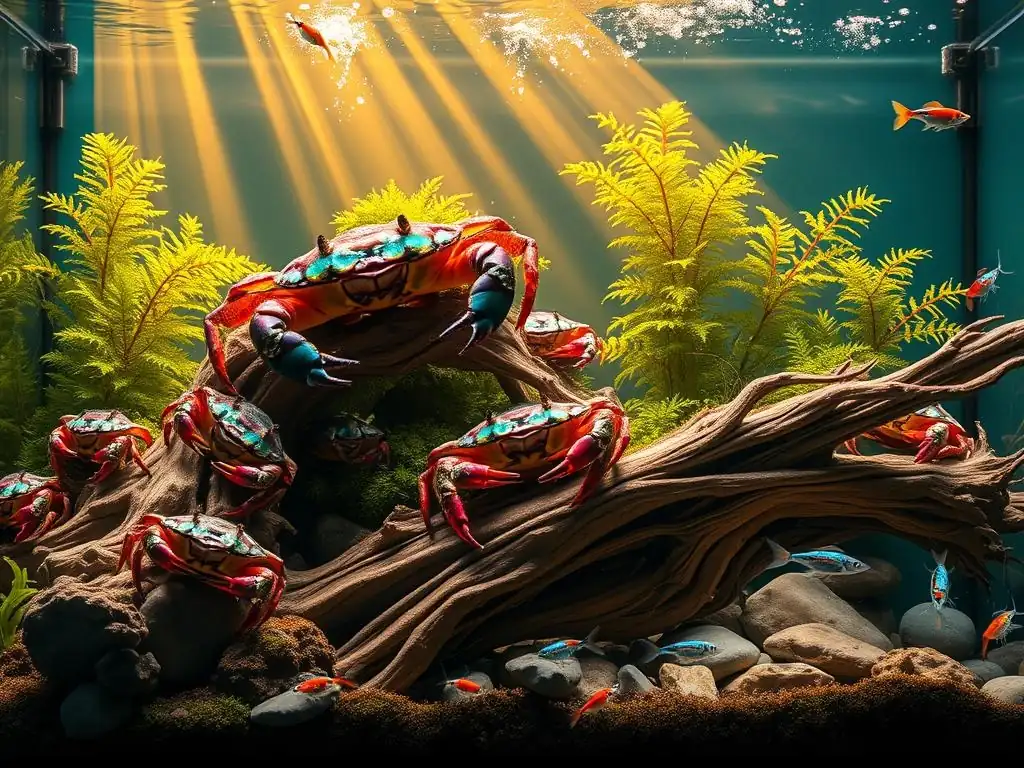
Welcome to Aquarium Mastery!
Intrigued by the vibrant colors and unique personalities of Vampire Crabs? You've come to the right place! Dive in to our comprehensive Vampire Crab Care Guide and uncover the secrets to successfully keeping these colorful jewels of the semi-aquatic world thriving. Ready to unlock the mysteries of Geosesarma spp. and create the perfect habitat? Let's get started!
- Introduction to Vampire Crabs: Unveiling the Geosesarma Genus
-
Frequently Asked Questions
- What are the ideal environmental conditions for Vampire Crabs in an aquarium?
- What do Vampire Crabs eat, and how often should they be fed?
- How can I maintain proper water quality in a Vampire Crab tank?
- Are Vampire Crabs compatible with other aquarium inhabitants?
- What are some common health issues that affect Vampire Crabs, and how can I prevent them?
- Final Reflection: Embracing the Miniature Marvels
- Unleash Your Inner Crab Keeper!
Introduction to Vampire Crabs: Unveiling the Geosesarma Genus
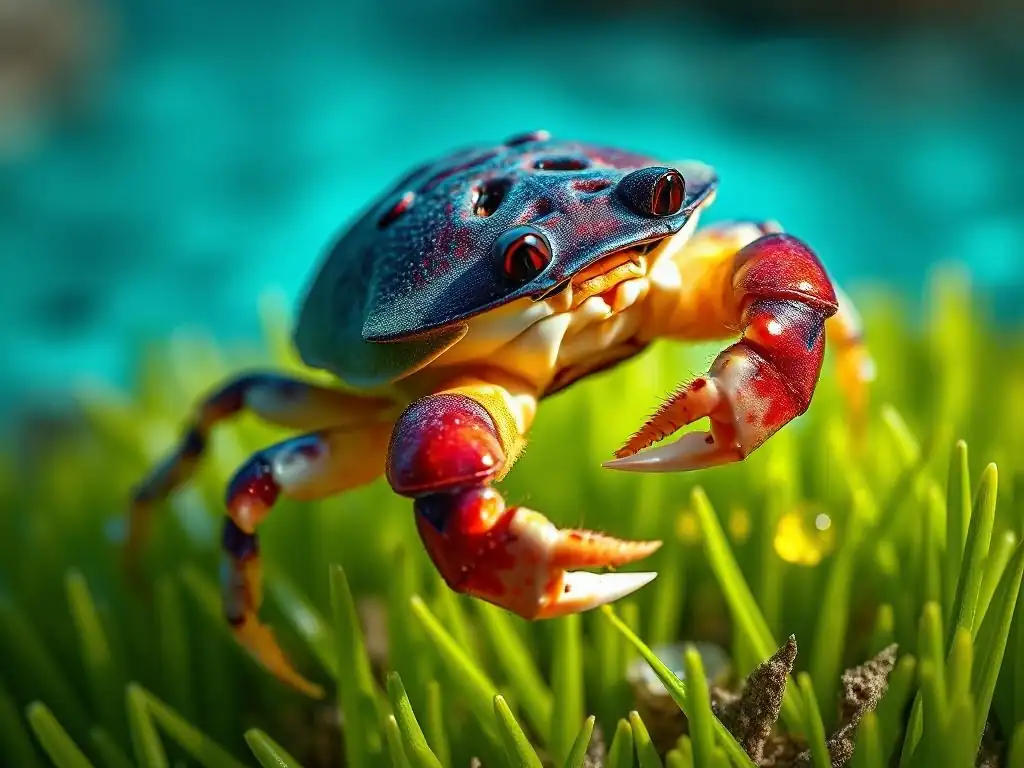
Discovering the Allure of Vampire Crabs for Paludariums
Vampire crabs, belonging to the genus Geosesarma, are captivating semi-aquatic crustaceans that have rapidly gained popularity among aquarists and terrarium enthusiasts. Originating primarily from the rainforests of Southeast Asia, particularly Indonesia and its surrounding islands like Java and Sulawesi, these diminutive creatures are renowned for their striking colors and intriguing behaviors.
Typically, an adult Vampire crab measures a mere 1 to 2 centimeters (approximately 0.4 to 0.8 inches) in carapace width, making them ideal inhabitants for smaller, specialized paludarium setups. Their appeal lies not only in their compact size but also in their vibrant hues, which can range from deep purples and bright reds to oranges and even blues, often accented with contrasting eye colors.
Their unique semi-terrestrial nature is what truly sets them apart and makes a comprehensive Vampire crab care guide essential. Unlike fully aquatic crabs, Geosesarma species spend a significant portion of their lives on land, often over 90% of their active time, foraging for food and exploring their environment. This necessitates a paludarium, an enclosure that seamlessly integrates both terrestrial and aquatic elements.
The allure of keeping Vampire crabs stems from their active, often diurnal, presence within these miniature ecosystems, offering a dynamic display of natural behaviors, from intricate burrowing to playful interactions and meticulous grooming. Their relatively low impact on well-established planted setups, combined with their fascinating characteristics, makes them a rewarding choice for enthusiasts seeking a unique challenge beyond traditional fishkeeping.
Geosesarma Species Diversity: A Spectrum of Colors and Patterns
The genus Geosesarma is remarkably diverse, encompassing over 50 scientifically described species, with new ones continually being identified in their native habitats. This vast diversity is a key factor in their widespread appeal, as each species often boasts a unique combination of colors and patterns. Perhaps the most iconic and widely recognized is Geosesarma dennerle, commonly known as the "Vampire Crab" itself, characterized by its deep purple body, creamy-yellow eyes, and often orange-tipped claws.
Other popular species include Geosesarma hagen, known for its striking red body and lighter eyes, and the "Blue Vampire Crab" ( Geosesarma bicolor or similar undescribed species), which exhibits a mesmerizing blue-black carapace. There are also species like Geosesarma tiomanicum with varying shades of brown and orange, and the "Red Devil" crab, showcasing vibrant red legs and a darker carapace.
While many Geosesarma species share similar fundamental care requirements, understanding their specific visual characteristics helps enthusiasts choose the perfect addition to their paludarium. This array of colors and patterns allows for stunning visual displays within a carefully designed habitat, encouraging hobbyists to explore different species or even create multi-species setups, provided adequate space and resources are available to prevent territorial disputes.
Despite their distinct appearances, a general Vampire crab care guide provides the foundational knowledge for maintaining these fascinating invertebrates, emphasizing their need for specific environmental conditions regardless of their specific coloration. Their aesthetic variety makes them not just pets, but living jewels within a meticulously crafted miniature world.
Frequently Asked Questions
What are the ideal environmental conditions for Vampire Crabs in an aquarium?
Vampire Crabs thrive in semi-aquatic environments, requiring both land and water. The water portion should be shallow, around 2-3 inches, with a temperature between 72-78°F. The land area needs high humidity and hiding places.
What do Vampire Crabs eat, and how often should they be fed?
They are omnivores and consume a variety of foods, including insect larvae, vegetables, and specialized crab food. Feed them 2-3 times per week with portions they can consume in a few hours.
How can I maintain proper water quality in a Vampire Crab tank?
Regular partial water changes (10-20% weekly) are crucial to remove waste. Use dechlorinated water and monitor water parameters like pH and ammonia levels to ensure they stay within a safe range.
Are Vampire Crabs compatible with other aquarium inhabitants?
They are generally peaceful but can be territorial, especially with their own kind. Small fish or invertebrates are not recommended as they may be preyed upon.
What are some common health issues that affect Vampire Crabs, and how can I prevent them?
Shell problems and fungal infections can occur if humidity and water quality are poor. Maintain a clean, humid environment, and provide a balanced diet to boost their immune system and prevent illness.
Final Reflection: Embracing the Miniature Marvels
The journey into the vibrant world of Vampire Crabs, as explored in this guide, underscores the growing fascination with responsible exotic pet ownership and the delicate balance of their semi-aquatic ecosystems. These miniature jewels, once relatively unknown, are now capturing the hearts of hobbyists worldwide, demanding a deeper understanding of their needs and the ethical considerations surrounding their care. This newfound popularity highlights the importance of accessible and accurate information, ensuring the well-being of these captivating creatures.
The allure of Vampire Crabs extends beyond their striking colors; it speaks to a broader desire to connect with nature on a personal level, even within the confines of our homes. Witnessing their intricate behaviors and unique adaptations fosters a sense of wonder and responsibility. In the end, we will conserve only what we love; we will love only what we understand; and we will understand only what we are taught.
- Baba Dioum's words resonate deeply, reminding us that education is the cornerstone of conservation and ethical pet keeping.
As you embark on, or continue, your journey with these enchanting crustaceans, remember that their well-being rests in your hands. Let this guide serve as a foundation, but never cease to learn, adapt, and advocate for their responsible care. Embrace the opportunity to become a steward of these miniature marvels, and in doing so, contribute to a world where both humans and Vampire Crabs can thrive.
Unleash Your Inner Crab Keeper!
Thank you for diving into the fascinating world of Vampire Crabs! We hope you've discovered the allure of these tiny, colorful crustaceans and are inspired by their unique semi-aquatic lifestyle. Now, it's time to take action and bring a splash of vibrancy to your own space.
Here are a few ways to continue your journey with Vampire Crabs:
- Dive into the deep end and begin planning your own Vampire Crab paludarium! Research the perfect setup, from substrate to tank mates, and prepare to create a thriving ecosystem.
- Explore the web and share your newfound knowledge with fellow aquarium enthusiasts in forums and social media groups dedicated to these amazing creatures.
- Go beyond the typical and sketch your dream Vampire Crab paludarium, detailing the plants, hardscape, and even the specific crab species you'd like to keep.
Ready to transform your living space into a mesmerizing microcosm for these colorful crustaceans?