
Setting Up a Dedicated Breeding Tank for Danios and Rasboras: Key Elements

Welcome to Aquarium Mastery!
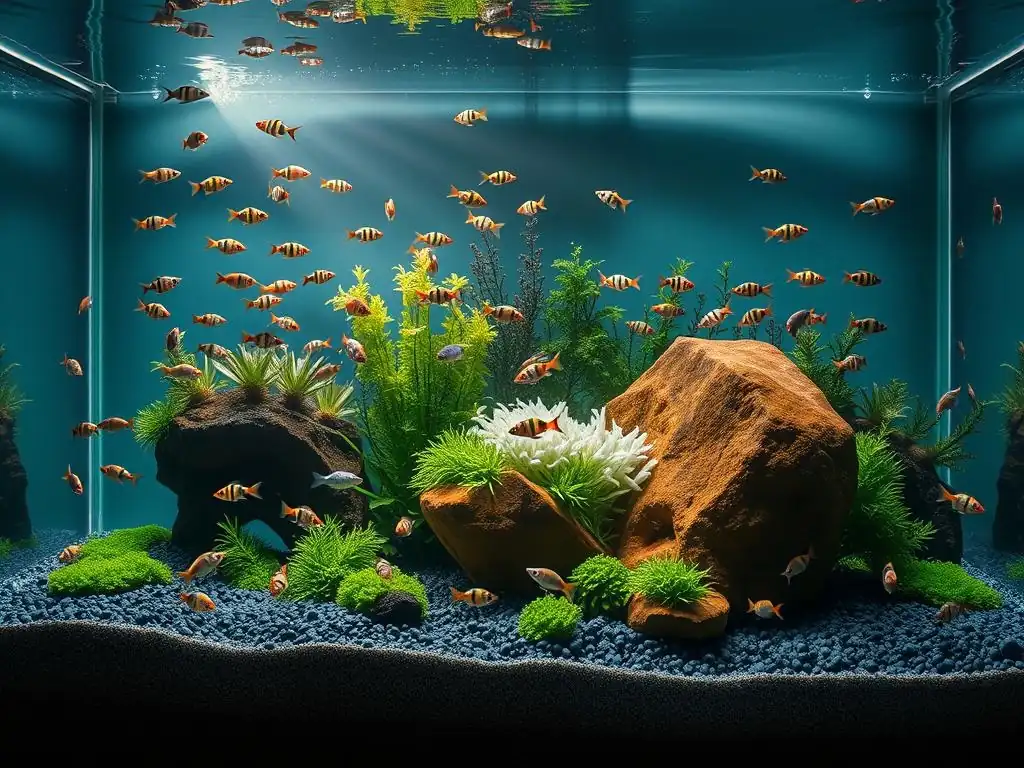
Curious about unlocking the secrets to successfully breeding your Danios and Rasboras? Dive in! This article reveals the key elements for creating the perfect Danios rasbora breeding tank setup, transforming your passion into a rewarding experience. Discover the essential tips and tricks that will help you raise healthy and thriving fry. Ready to embark on this exciting journey? Let's begin!
- Understanding the Breeding Needs of Danios and Rasboras
- Choosing the Right Tank Size for a Danios Rasbora Breeding Tank Setup
- Essential Equipment for a Successful Danios and Rasbora Breeding Tank
- Substrate and Decor for a Danios Rasbora Breeding Environment
- Water Chemistry and Conditioning for Breeding Success
- Preparing Your Danios and Rasboras for Breeding
- Spawning and Fry Care in the Dedicated Breeding Tank
- Troubleshooting Common Breeding Issues with Danios and Rasboras
- Maintaining the Breeding Tank After Spawning
-
Frequently Asked Questions
- What size tank is best for a dedicated Danios and Rasboras breeding tank?
- What are the key water parameters to maintain in a Danios and Rasboras breeding tank?
- What type of substrate or setup is recommended for preventing Danios and Rasboras from eating their eggs in a breeding tank?
- How often should I feed the Danios and Rasboras in the breeding tank, and what type of food is best?
- How long does it take for Danio and Rasbora eggs to hatch in a properly set up breeding tank?
- Final Reflection: Nurturing New Beginnings
- Unleash Your Inner Breeder!
Understanding the Breeding Needs of Danios and Rasboras
Key Differences in Breeding Behaviors Between Danios and Rasboras
Danios, such as the popular Zebra Danio ( Danio rerio) and Leopard Danio, are highly prolific egg scatterers. They typically spawn in open water or over fine-leaved plants, releasing numerous non-adhesive or slightly adhesive eggs that fall to the bottom. Their breeding behavior often involves vigorous chasing, with the male nudging the female to release eggs, and they are generally less demanding regarding specific water parameters for spawning.
Rasboras, including species like the Harlequin Rasbora ( Trigonostigma heteromorpha) and Chili Rasbora ( Boraras brigittae), are also egg scatterers but often exhibit a more specific spawning ritual. Many species prefer to spawn on the underside of broad leaves or within dense fine-leaved plants, with the pair often inverting to deposit eggs. While some Rasboras are adaptable, others, like Harlequins, may prefer softer, slightly more acidic water for optimal breeding success. Both groups will readily consume their own eggs if given the chance.
Why a Dedicated Breeding Tank is Crucial for Success
A dedicated Danios rasbora breeding tank setup is paramount for maximizing the survival rate of eggs and fry. In a community aquarium, adult fish, including the parents themselves and other tank mates, will almost immediately consume any eggs laid. Isolating the breeding pair or group in a separate tank ensures that the fragile eggs are protected from predation and can develop undisturbed.
Furthermore, a dedicated breeding tank allows for precise control over environmental factors such as water parameters, temperature, and lighting. These elements can be fine-tuned to create the ideal conditions that stimulate spawning and support the delicate development of eggs and fry. This controlled environment simplifies the process of monitoring spawning activity, collecting eggs, and providing specialized care for the newly hatched fry, significantly increasing the overall breeding success of your Danio and Rasbora colony.
Optimizing Water Parameters for Breeding Danios and Rasboras
For Danios, a general water parameter range of pH 6.5-7.5, general hardness (GH) of 5-15 dGH, and a temperature of 22-26°C (72-79°F) is typically suitable for breeding. While Danios are quite hardy and adaptable, maintaining consistent and clean water conditions within these ranges is crucial for inducing spawning and ensuring the viability of the eggs.
Rasboras often prefer slightly different parameters, especially species like the Harlequin Rasbora, which thrive in softer, more acidic water. Ideal conditions for many Rasbora species include a pH of 6.0-7.0, GH of 2-10 dGH, and a temperature of 24-28°C (75-82°F). Regardless of the specific species, stability in water parameters and pristine water quality are key factors that directly impact egg fertilization rates and the healthy development of embryos within your Danios rasbora breeding tank setup.
Choosing the Right Tank Size for a Danios Rasbora Breeding Tank Setup
Recommended Tank Dimensions for Breeding Small Cyprinids
For a small breeding group of Danios (e.g., 2 males and 3 females) or a single breeding pair of Rasboras, a 5-10 gallon (approximately 19-38 liters) aquarium is often sufficient. A 10-gallon tank, typically measuring around 20 inches long by 10 inches wide by 12 inches high, provides adequate swimming space for conditioning and spawning without being excessively large. This size also makes it easier to maintain stable water parameters and perform necessary water changes.
For larger breeding groups or if you anticipate a high yield of fry and plan to use the tank for initial grow-out, a 15-20 gallon (approximately 57-76 liters) tank can be more beneficial. This larger volume offers greater stability in water parameters and more room for multiple spawning sites. When considering a Danios rasbora breeding tank setup, prioritize a tank with more surface area rather than excessive depth, as these fish are active swimmers and egg scatterers who utilize horizontal space more effectively.
Considering School Size and Spawning Habits When Selecting Tank Size
Danios are typically bred in groups, with a common ratio being two males to three females to encourage competition and reduce stress on individual females. A 10-15 gallon tank can comfortably accommodate such a group, allowing for their energetic chasing and egg-scattering behavior across a wider area. The increased space can also lead to more eggs being laid, as the fish have ample room to perform their spawning rituals.
Rasboras, while schooling fish, often exhibit more defined pair-bonding during the actual spawning process. For species like the Harlequin Rasbora, a 5-10 gallon tank can be ideal for a single breeding pair or a small trio (one male, two females). The smaller, more confined space can encourage the pair to focus on spawning, making it easier for them to locate each other and deposit eggs. The tank size for your Danios rasbora breeding tank setup should align with the specific social and reproductive behaviors of the chosen species to maximize success.
The Importance of a Lid or Cover for Your Breeding Tank
A secure lid or cover is an absolute necessity for any Danios rasbora breeding tank setup. Danios, particularly species like the Zebra Danio, are well-known for their jumping ability, especially when startled, during active spawning, or if water quality is poor. An uncovered tank presents a significant risk of fish leaping out and perishing, leading to the loss of valuable breeding stock.
Beyond preventing escape, a lid serves several other crucial functions. It helps to maintain a consistent water temperature by minimizing heat loss through evaporation, which is vital for the proper development of eggs and fry. A lid also reduces water evaporation, thereby preventing rapid fluctuations in water parameters. Furthermore, it acts as a barrier, preventing dust, debris, or other contaminants from entering the delicate breeding environment, ensuring a clean and stable habitat for your future fry.
Essential Equipment for a Successful Danios and Rasbora Breeding Tank
Selecting a Gentle Filtration System for Fry Safety
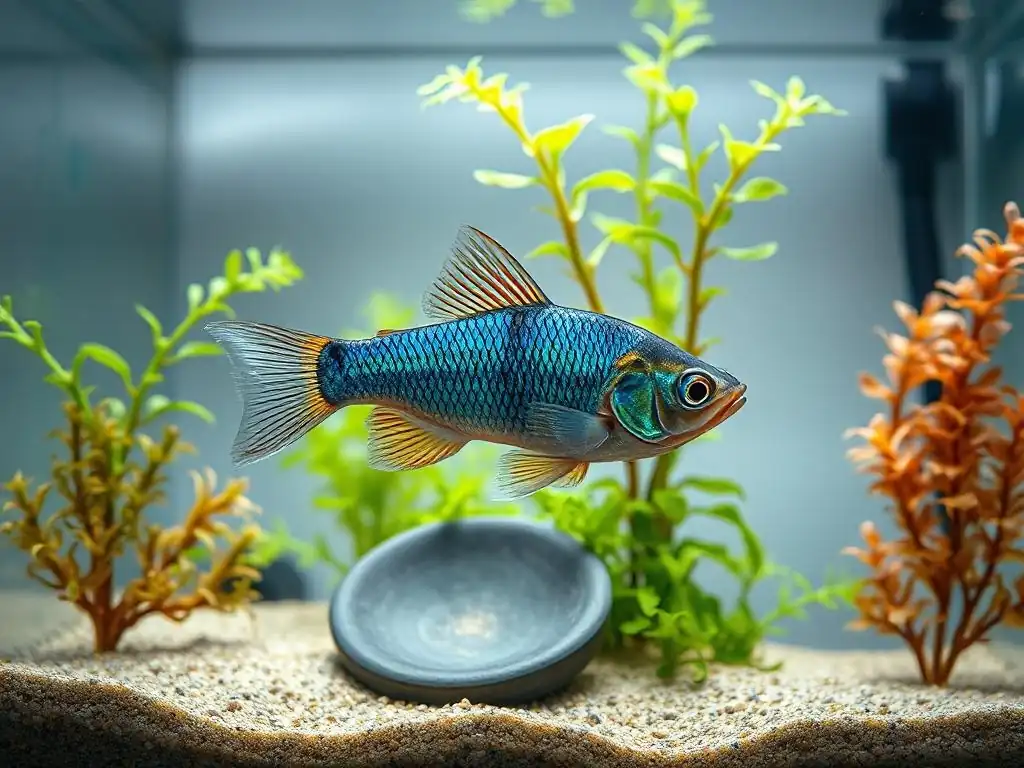
For a Danios rasbora breeding tank setup, the filtration system must prioritize the safety of delicate eggs and newly hatched fry. Sponge filters are highly recommended due to their gentle water flow and efficient biological filtration. They provide ample surface area for beneficial bacteria to colonize without creating strong currents that could harm or dislodge eggs, and their porous structure prevents fry from being sucked into the filter.
Alternatively, a small, air-driven corner filter or a very low-flow internal filter with its intake covered by a fine sponge can be used. It is crucial to avoid powerful hang-on-back (HOB) filters or canister filters unless they are heavily baffled and have specialized pre-filter sponges on their intakes. The strong suction and turbulent flow from these types of filters are detrimental to the survival of vulnerable fry, which can easily be drawn in or buffeted by the current.
The Role of a Heater and Thermostat in Maintaining Optimal Temperature
A reliable submersible heater equipped with an integrated thermostat is an indispensable component of a successful Danios rasbora breeding tank setup. Maintaining a stable and optimal temperature is critical for inducing spawning, ensuring proper egg development, and supporting the health of newly hatched fry. For Danios, a temperature range of 22-26°C (72-79°F) is generally suitable, while many Rasboras prefer slightly warmer conditions, typically 24-28°C (75-82°F).
Consistent temperature prevents stress on the breeding fish, which can inhibit spawning, and promotes the healthy embryonic development within the eggs. Fluctuations in temperature can lead to poor hatch rates or deformities in fry. For a 10-gallon breeding tank, a 25-50 watt heater is usually sufficient to maintain the desired stable environment, providing the warmth necessary for a productive breeding cycle.
Lighting Considerations for a Breeding Tank: Natural vs. Artificial
Moderate lighting is generally ideal for a Danios rasbora breeding tank setup. Excessive light can stress the breeding fish and encourage undesirable algae growth, which can compete with plants (if present) and potentially foul the water. Conversely, too little light can hinder the growth of live plants, which are often crucial for providing spawning sites and cover. A standard LED or fluorescent aquarium fixture that provides a soft, even illumination is appropriate.
Establishing a consistent light cycle, typically 10-12 hours of light followed by 12-14 hours of darkness, helps to mimic natural conditions and can act as a trigger for spawning. Avoid placing the breeding tank in direct sunlight, as this can cause rapid and extreme temperature swings throughout the day, leading to significant stress for the fish and potentially encouraging problematic green water blooms.
Substrate and Decor for a Danios Rasbora Breeding Environment
Choosing a Safe and Suitable Substrate for Egg Collection
For egg-scattering fish like Danios and Rasboras, a bare-bottom tank is often the most practical choice for a breeding setup. This allows for effortless cleaning and simplifies the collection of eggs. However, if a substrate is desired to provide a more natural environment or to protect eggs from immediate predation by parents, specific options are beneficial. A thin layer of marbles (approximately 1 inch in diameter) or a coarse plastic mesh, such as "egg crate" light diffuser, can be used.
These materials create numerous crevices or a raised platform that allows eggs to fall through to a safe zone below, where the adult fish cannot reach them. The marbles can be spread across the bottom, providing ample hiding spots for the eggs. Similarly, the plastic mesh can be elevated a few inches above the tank bottom, creating a protective layer beneath. This strategy is a cornerstone of a successful Danios rasbora breeding tank setup, significantly increasing egg survival rates.
Plants for Breeding Tanks: Providing Cover and Spawning Sites
Live plants are highly beneficial in a breeding tank, serving multiple purposes. They offer excellent spawning sites, provide crucial cover and security for the breeding fish, and contribute to overall water quality by absorbing nitrates. Fine-leaved plants are particularly effective as they offer numerous surfaces for eggs to adhere to or fall into, increasing their chances of survival.
Commonly used and highly effective live plant options include Java Moss ( Taxiphyllum barbieri), Hornwort ( Ceratophyllum demersum), and Water Wisteria ( Hygrophila difformis). These plants are generally hardy and easy to maintain, making them suitable for a breeding environment. Always ensure any new plants are thoroughly rinsed and inspected for pests before introduction to maintain the pristine conditions essential for delicate eggs and fry.
Fine-leaved Plants: Java Moss, Hornwort, and Similar Options
Java Moss is an incredibly versatile and popular choice for a Danios rasbora breeding tank setup. Its dense, intricate structure provides an ideal medium for egg deposition, allowing eggs to settle safely within its fronds, away from hungry adult fish. It can be loosely placed at the bottom or attached to small pieces of decor. Hornwort is another excellent option; it grows quickly and provides a thick, bushy environment that offers both spawning sites and immediate refuge for newly hatched fry.
Other fine-leaved plants like Guppy Grass ( Najas guadalupensis) or certain varieties of Cabomba also work well. These plants mimic the dense aquatic vegetation found in the natural habitats of Danios and Rasboras, encouraging natural spawning behaviors. Their ease of growth and ability to provide abundant surface area make them invaluable assets in promoting successful breeding outcomes.
Spawning Mops: An Alternative to Live Plants
Spawning mops offer a highly effective and convenient artificial alternative to live plants for egg-scattering fish. Typically constructed from acrylic yarn, these mops provide a fine, textured surface that mimics dense plant foliage, making them an attractive site for fish to deposit their eggs. They are particularly useful because they can be easily manipulated and removed from the tank.
To use spawning mops, simply tie strands of yarn together and weigh them down with a small lead weight or suction cup, allowing them to float freely or be anchored to the bottom. Once spawning is complete, the mop, now laden with eggs, can be gently lifted out and transferred to a separate hatching or grow-out tank. This method simplifies egg collection and ensures minimal disturbance to the delicate eggs, making it a favored technique in many Danios rasbora breeding tank setups.
Avoiding Decorations that Could Harm Fry
When setting up a Danios rasbora breeding tank, it is best to keep decorations minimal and functional. Elaborate ornaments with sharp edges or narrow crevices should be avoided, as newly hatched fry are incredibly delicate and can easily get trapped, injured, or even crushed. The primary purpose of this tank is breeding and fry rearing, not aesthetic display.
Large or heavy decorations can also make it challenging to access the tank bottom for egg collection or thorough cleaning, which is essential for maintaining optimal water quality for fry. Focus instead on providing essential elements like spawning sites (plants or mops) and a safe substrate. A simplified setup not only prevents potential harm to fry but also streamlines the entire breeding process, allowing for easier maintenance and observation.
Water Chemistry and Conditioning for Breeding Success
Achieving and Maintaining Ideal Water Parameters for Danios and Rasboras
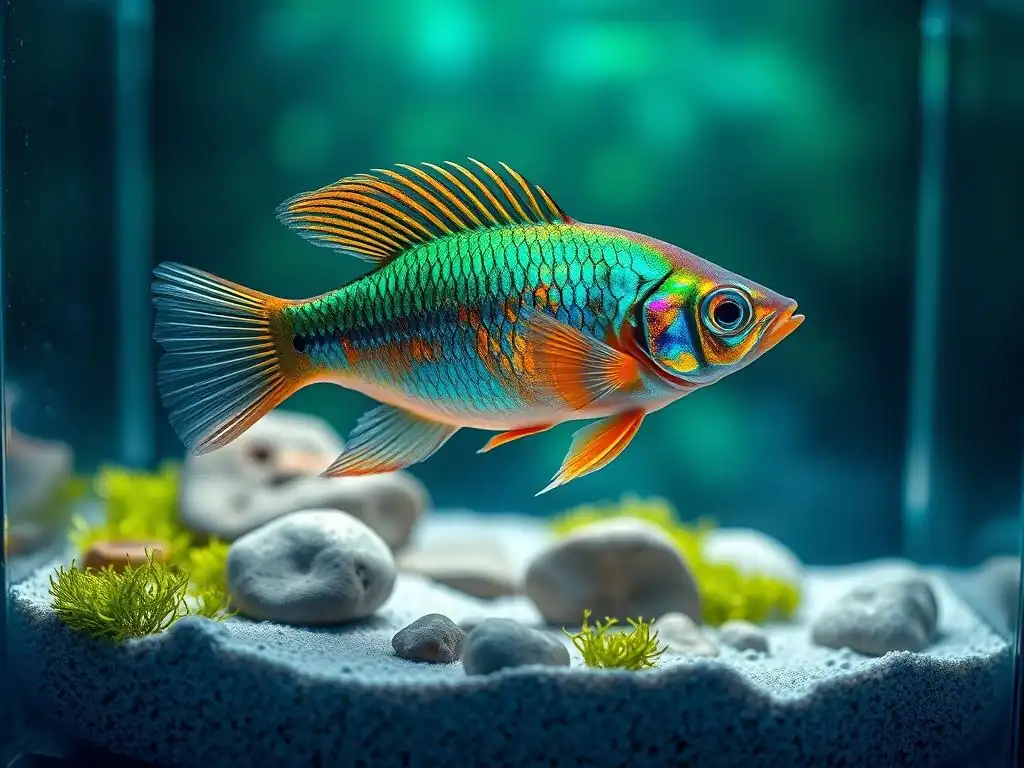
As previously noted, Danios are quite adaptable, generally thriving in pH 6.5-7.5 and GH 5-15 dGH, while many Rasboras prefer slightly softer, more acidic conditions (pH 6.0-7.0, GH 2-10 dGH). It is crucial to test your source water with a reliable liquid test kit to understand its baseline parameters. If your tap water does not fall within the ideal range, you may need to adjust it using techniques like mixing with reverse osmosis (RO) water to lower hardness or introducing buffering agents to stabilize pH.
Consistency is paramount in a Danios rasbora breeding tank setup. Sudden fluctuations in pH, hardness, or temperature can stress breeding fish and negatively impact egg viability. Regular monitoring of pH, GH, KH, ammonia, nitrite, and nitrate levels is necessary. Small, gradual adjustments are always preferred over large, abrupt changes to prevent shock to the fish and ensure a stable environment for successful reproduction.
The Importance of Regular Water Changes in a Breeding Tank
Pristine water quality is arguably the most critical factor for the successful development of eggs and the survival of fry. In a breeding tank, especially one without a powerful filter, waste products from breeding fish and uneaten food can rapidly accumulate. Small, daily water changes, typically 10-20% of the tank volume, are highly recommended, particularly after spawning and throughout the initial fry development phase.
These frequent water changes are essential for removing harmful ammonia and nitrite, and for keeping nitrate levels extremely low (ideally below 10 ppm). Clean water directly correlates with higher hatch rates and stronger, healthier fry. Neglecting water changes in a Danios rasbora breeding tank setup can quickly lead to fouled water, fungal growth on eggs, and high fry mortality rates, underscoring their vital importance.
Using Water Conditioners to Remove Chlorine and Chloramine
Tap water supplied by municipal systems almost invariably contains chlorine or chloramine, both of which are highly toxic to fish, fish eggs, and the beneficial bacteria that maintain biological filtration. It is absolutely essential to treat all new water with a high-quality water conditioner that effectively neutralizes both chlorine and chloramine before adding it to your breeding tank.
Many comprehensive water conditioners also include ingredients that detoxify heavy metals, providing an additional layer of protection for the delicate breeding environment. Even minute amounts of untreated water can prove fatal to eggs or newly hatched fry, compromise the health of breeding adults, and disrupt the delicate bacterial balance. Always ensure that every drop of water introduced into your Danios rasbora breeding tank setup is properly conditioned.
Preparing Your Danios and Rasboras for Breeding
Identifying Male and Female Danios and Rasboras
Accurately identifying the sex of your fish is crucial for setting up successful breeding pairs or groups. For Danios, males are typically more slender and torpedo-shaped, particularly when viewed from above. Their coloration, especially the stripes, may also appear more vibrant. Females, on the other hand, are noticeably plumper and rounder in the belly area, especially when they are gravid (full of eggs) and ready to spawn.
When observing Rasboras, males generally exhibit a more streamlined body profile and often display brighter, more intense coloration than females. Females, when conditioned and ready to breed, will develop a distinctly fuller, rounded abdomen, indicating the presence of mature eggs. Observing your fish during feeding can often highlight these differences in body shape, making sex identification easier for your Danios rasbora breeding tank setup.
Conditioning Breeders with a High-Quality Diet
A varied and nutrient-rich diet is fundamental for conditioning your Danios and Rasboras for successful breeding. Feeding live foods such as newly hatched baby brine shrimp, daphnia, micro-worms, and small bloodworms provides essential proteins, fats, and vitamins necessary for robust egg production in females and strong vigor in males. These foods closely mimic their natural diet and are highly palatable.
Supplement this live food diet with premium-quality frozen foods and high-grade flake or micro-pellet foods. Feed your prospective breeders small amounts multiple times a day (e.g., 3-4 times) for one to two weeks prior to introducing them to the dedicated Danios rasbora breeding tank setup. This intensive conditioning ensures that the fish are in peak physical condition, significantly increasing the likelihood of successful spawning and the viability of the eggs.
Recognizing Signs of Readiness to Spawn
Recognizing the signs of readiness to spawn in your Danios and Rasboras allows for timely transfer to the breeding tank. For Danios, increased activity, vigorous chasing behavior among males, and males actively pursuing females are common indicators. The female will appear significantly plumper due to the presence of eggs. Spawning often occurs in the early morning hours, shortly after the lights come on.
Rasboras may exhibit a more elaborate "dance" or courtship ritual, where the male chases and guides the female to a chosen spawning site, such as the underside of a broad leaf or a spawning mop. The female's abdomen will be noticeably distended. Observing these specific behaviors indicates that the fish are sexually mature, well-conditioned, and prepared to be moved into the dedicated Danios rasbora breeding tank setup for spawning.
Spawning and Fry Care in the Dedicated Breeding Tank
The Spawning Process: What to Expect
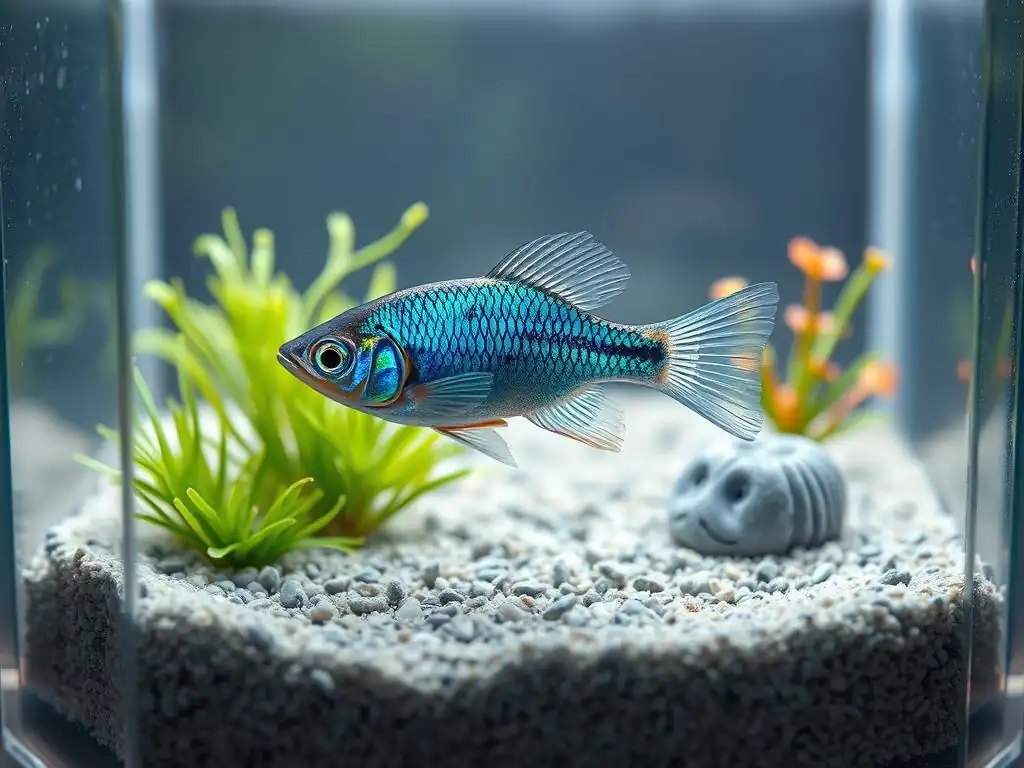
When Danios spawn, the process is typically energetic and rapid. Males will vigorously chase females, nudging their bellies to encourage egg release. Eggs are scattered freely throughout the tank, often adhering slightly to plants or surfaces, or simply falling to the bottom. A single spawning event can last for several hours, with a healthy female capable of laying hundreds of eggs.
Rasboras, while also egg scatterers, often have a more deliberate spawning ritual. The male will guide the female to a specific spawning site, such as the underside of a leaf or a spawning mop. The pair will typically invert, pressing their bellies together, as the female deposits a small clutch of eggs which the male immediately fertilizes. This process is repeated numerous times until all eggs are laid.
Removing Adult Fish After Spawning
Once spawning is complete, which typically occurs within a few hours of dawn for Danios or when the female's abdomen is visibly no longer distended for Rasboras, it is absolutely crucial to remove the adult fish from the breeding tank without delay. Both Danios and Rasboras are opportunistic egg eaters and will consume their own eggs if given the opportunity, severely limiting the number of fry.
Gently net the adult fish and carefully transfer them back to their main display or community tank. This step is non-negotiable for maximizing the survival rate of the eggs and subsequent fry in your Danios rasbora breeding tank setup. Leaving the adults in the tank will almost certainly result in the consumption of most, if not all, of the eggs.
Caring for Danio and Rasbora Fry: First Foods and Feeding Schedule
Danio eggs typically hatch within 24-48 hours, while Rasbora eggs may take 1-3 days, depending on the water temperature. Newly hatched fry will initially absorb their yolk sac for the first 2-3 days, during which they do not require external food and are often immobile or clinging to surfaces. Once their yolk sacs are absorbed and they become free-swimming, they will need their first food.
Feeding should commence as soon as the fry are free-swimming. Start with microscopic foods, as their mouths are incredibly tiny. It is vital to feed very small amounts multiple times a day, ideally 4-6 times, to ensure a constant supply of food. Fry have high metabolic rates and need frequent nourishment for rapid growth. However, overfeeding must be avoided, as it can quickly foul the water and lead to mass mortality.
Infusoria and Liquid Fry Food Options
Infusoria, which are microscopic protozoa and other tiny organisms, are an ideal first food for newly hatched fry, particularly for Rasboras whose fry are often smaller than Danio fry. Infusoria can be easily cultured at home by placing a piece of decaying vegetable matter (like a banana peel or lettuce leaf) in a jar of established tank water for a few days.
Commercial liquid fry foods or finely powdered spirulina are also suitable alternatives for initial sustenance. These products provide essential nutrients in a size small enough for the fry's mouths, sustaining them during their first few critical days until they grow large enough to consume larger food items. These options are vital components of early fry care in a Danios rasbora breeding tank setup.
Newly Hatched Baby Brine Shrimp (BBS)
Once the fry are approximately 4-7 days old and have grown slightly, they can be transitioned to newly hatched baby brine shrimp (BBS). BBS are highly nutritious, stimulate rapid growth, and are readily accepted by most fish fry. They are relatively easy to culture at home using a simple brine shrimp hatchery and specialized eggs.
Continue feeding BBS multiple times a day for several weeks. This diet is crucial for promoting robust development and significantly improves the overall survival rates of the fry. As the fry continue to grow, they can gradually be weaned onto finely crushed high-quality flake foods and micro-pellets, preparing them for a more varied adult diet.
Maintaining Water Quality During Fry Development
Maintaining pristine water quality is even more critical for developing fry than for adult fish. The absence of strong filtration and the high metabolic load of numerous growing fry mean that waste products can accumulate rapidly. Daily small water changes, typically 10-15% of the tank volume, are absolutely essential to remove uneaten food and metabolic waste, preventing dangerous ammonia and nitrite spikes.
Use a small air line tubing to gently siphon debris from the bottom of the tank without disturbing the delicate fry. Continuously monitor water parameters using a reliable test kit. Consistent, clean water with stable parameters is the cornerstone of successful fry rearing and is paramount for the health and survival of your offspring in a Danios rasbora breeding tank setup.
Troubleshooting Common Breeding Issues with Danios and Rasboras
Addressing Egg Fungus and Preventing Losses
Egg fungus is a common issue in breeding tanks, often appearing as white, fuzzy growth on unfertilized or damaged eggs. This fungus can quickly spread to healthy, fertilized eggs, leading to significant losses. To combat this, maintaining excellent water quality is paramount; clean, well-oxygenated water inhibits fungal growth. You can also consider adding a small amount of methylene blue or a commercial antifungal agent (following manufacturer's instructions carefully) to the breeding tank after spawning.
Prompt physical removal of any fungused or unfertilized eggs using a pipette or small baster can also prevent the spread. Ensuring proper, gentle water circulation around the eggs, often achieved with a sponge filter's air bubbles, helps to reduce stagnant areas where fungus can proliferate. A clean Danios rasbora breeding tank setup is the first line of defense against fungal infections.
Dealing with Infertility or Lack of Spawning Activity
If your fish are not spawning despite optimal conditioning, several factors might be at play. First, meticulously review your conditioning diet; ensure a rich, varied diet of live and frozen foods is provided regularly. Next, re-check your water parameters and temperature. Sometimes, a slight adjustment, such as a 1-2°C (2-4°F) temperature increase or a small, cool water change, can act as a trigger, mimicking natural rainy season conditions.
Ensure the sex ratio is appropriate for the species (e.g., more females than males for Danios, or a single pair for Rasboras). Stress caused by improper tank setup, inadequate cover, or a perceived threat can also inhibit spawning. If all else fails, consider trying a different breeding pair or giving the fish a few more days, as sometimes patience is key in a Danios rasbora breeding tank setup.
Preventing Predation of Eggs or Fry
The most effective and crucial method for preventing predation of eggs is the immediate removal of adult fish from the breeding tank as soon as spawning is complete. This is the primary reason why a dedicated Danios rasbora breeding tank setup is essential. Without prompt removal, adult fish, including the parents, will quickly consume the eggs.
For fry, ensure that any filter intakes are adequately covered with fine mesh or a sponge to prevent them from being sucked in. Avoid introducing any other tank inhabitants to the breeding tank until the fry are large enough to not be considered food, which typically means they are several weeks old and significantly larger than their initial size. A bare-bottom tank with marbles or an egg crate can also serve as a physical barrier, allowing eggs to fall out of reach of hungry adults.
Maintaining the Breeding Tank After Spawning
Cleaning and Preparing the Tank for the Next Breeding Cycle
Once the fry have been successfully raised and transferred to a grow-out tank or the main display aquarium, the breeding tank should undergo a thorough cleaning. Siphon out any remaining debris, uneaten food, and detritus from the bottom. A complete water change is often recommended to reset the water parameters and ensure pristine conditions.
Inspect all equipment, including the heater, sponge filter, and air stone, for cleanliness and proper function. Clean any algae from the tank surfaces. If live plants were used, trim them back or replace them if they are no longer in optimal condition. This comprehensive cleaning and preparation ensures that your Danios rasbora breeding tank setup is sterile and ready for the next breeding cycle, minimizing the risk of disease or water quality issues for future batches of fry.
Gradually Acclimating Fry to the Main Tank (If Applicable)
When the fry reach a suitable size, typically 1-2 centimeters (0.4-0.8 inches) depending on the species and their growth rate, they can be gradually acclimated to a larger grow-out tank or, if appropriate, the main display tank. Drip acclimation is the recommended method to minimize stress from differing water parameters. This involves slowly adding water from the new tank into the fry's current tank over several hours, allowing them to adjust gradually.
Ensure the target grow-out or main tank has stable, appropriate water parameters, gentle filtration (with covered intakes), and no aggressive tank mates that could prey on the young fish. Introduce them slowly, perhaps a few at a time, to observe their integration and ensure they are settling in well. This careful transition is vital for the long-term survival of your Danios rasbora breeding tank setup's offspring.
Long-Term Care of Your Danio and Rasbora Colony
Once your breeding efforts are successful, you will likely have a growing colony of Danios and Rasboras. To ensure their continued health and vibrancy, maintain excellent water quality in their permanent homes through regular water changes (e.g., 25% weekly) and consistent filter maintenance. Provide a balanced, high-quality diet that includes a mix of flakes, pellets, and occasional live or frozen foods.
Consider the long-term genetic health of your colony if you plan to continue breeding. Periodically introducing new bloodlines from different sources can help prevent inbreeding depression, which can lead to smaller, weaker, less fertile, or more disease-prone offspring over successive generations. Enjoy the rewarding experience of watching your self-sustaining Danio and Rasbora colony thrive, a testament to your successful Danios rasbora breeding tank setup.
Frequently Asked Questions
What size tank is best for a dedicated Danios and Rasboras breeding tank?
A 10-gallon tank is generally considered sufficient for breeding small Danios and Rasboras. This allows for adequate space and easier control of water parameters essential for successful spawning.
What are the key water parameters to maintain in a Danios and Rasboras breeding tank?
Maintain a temperature between 75-80°F, a pH of around 6.5-7.0, and a low hardness level. Regular water changes are also crucial for maintaining water quality.
What type of substrate or setup is recommended for preventing Danios and Rasboras from eating their eggs in a breeding tank?
Using a layer of marbles or a breeding net on the bottom of the tank allows the eggs to fall through, protecting them from the parents. This is vital for successful hatching.
How often should I feed the Danios and Rasboras in the breeding tank, and what type of food is best?
Feed your Danios and Rasboras small amounts 2-3 times daily with high-quality flake food or live/frozen foods like daphnia or brine shrimp. This ensures they're in optimal condition for breeding.
How long does it take for Danio and Rasbora eggs to hatch in a properly set up breeding tank?
Danio and Rasbora eggs typically hatch within 24-48 hours after being laid. The fry will then require specialized care and feeding with very small foods.
Final Reflection: Nurturing New Beginnings
The principles outlined in this guide, detailing the essential elements of a successful Danios and Rasboras breeding tank setup, extend far beyond the confines of a glass aquarium. They speak to the broader human desire to create environments conducive to growth, whether for tiny fish or burgeoning ideas. The meticulous planning and careful execution required for a successful breeding tank mirror the dedication needed to foster any new beginning.
This journey into the intricacies of fish breeding has underscored the delicate balance of life and the importance of providing optimal conditions for flourishing. Witnessing the emergence of new life, even on a small scale, is a powerful reminder of the resilience and beauty inherent in the natural world. The best way to predict the future is to create it.
- Peter Drucker. This quote resonates deeply, highlighting our active role in shaping the environments, both physical and metaphorical, that allow life to thrive.
Now, consider how you can apply these principles of careful planning, environmental control, and patient observation to other areas of your life. What "breeding tank" can you create – a project, a relationship, a personal skill – where you can nurture growth and witness the emergence of something new and beautiful? Embrace the challenge, and cultivate the conditions for your own vibrant future.
Unleash Your Inner Breeder!
Thank you for exploring the essentials of setting up a dedicated breeding tank! We hope you now feel equipped to create the perfect environment for your Danios and Rasboras. Ready to take the next step?
Here's how you can turn that knowledge into action:
- Build your breeding tank: Dedicate this weekend to setting up that breeding tank you've been planning!
- Explore local aquarium clubs: Connect with experienced breeders and learn their secrets for success.
- Share your newfound knowledge: Post a picture of your progress on social media using #AquariumMasteryBreeding.
What unique plant or decoration will you use to make your breeding tank stand out?