
Anemone Diseases & Pests: Protecting Your Clownfish's Symbiotic Partner

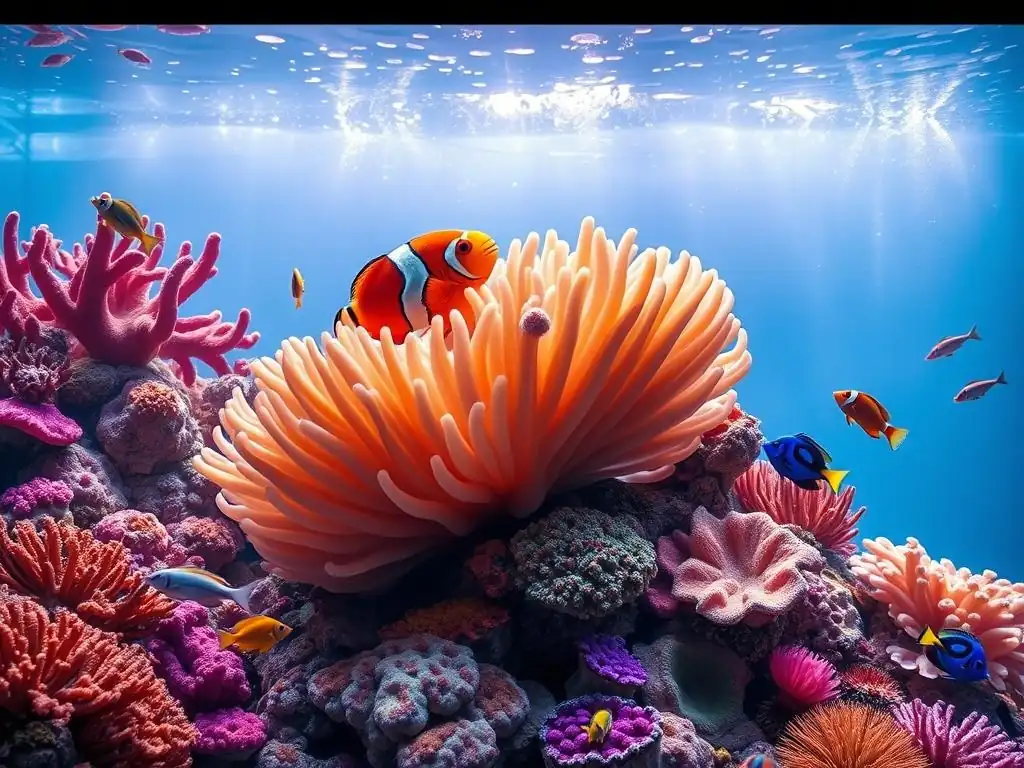
Welcome to Aquarium Mastery!
Is your clownfish's anemone looking a little under the weather? Dive into our comprehensive guide on Clownfish Anemone Disease Treatment and discover everything you need to know to protect this vital symbiotic relationship. Uncover the secrets to identifying, treating, and preventing common anemone ailments, ensuring a thriving and vibrant underwater world for your finned friends. Intrigued? Let's get started!
- Understanding Anemone Health and Clownfish Symbiosis
- Common Anemone Diseases and Ailments
- Identifying and Managing Anemone Pests
- Anemone Disease Treatment and Prevention Strategies
- Preventing Anemone Diseases: Proactive Measures
- Troubleshooting Common Anemone Health Issues
- Ensuring a Healthy Symbiotic Relationship
- Advanced Anemone Care Tips
- Conclusion: Promoting Long-Term Anemone Health
-
Frequently Asked Questions
- How does Anemone Disease directly impact Clownfish?
- What are the most common signs of disease in anemones that host Clownfish?
- Can Clownfish Anemone Disease Treatment be preventative, or is it only effective after symptoms appear?
- What are the key water parameters to monitor to prevent anemone diseases?
- What are some common pests that can affect anemones, and how do I remove them?
- Final Reflection: Safeguarding Symbiotic Harmony
- Nurture Your Anemone: Act Now to Ensure a Thriving Ecosystem!
Understanding Anemone Health and Clownfish Symbiosis
The Vital Role of Anemones in the Clownfish Ecosystem
Anemones are much more than just beautiful additions to a saltwater aquarium; they are the cornerstone of the clownfish's natural habitat and survival. This symbiotic relationship, known as mutualism, benefits both parties significantly. The anemone provides the clownfish with a safe haven from predators, thanks to its stinging tentacles to which the clownfish is immune due to a protective mucus layer. In return, the clownfish often cleans the anemone of parasites and detritus, defends it from predators like butterflyfish, and may even improve water circulation around its tentacles.
The health of the anemone directly impacts the well-being and longevity of its clownfish host. A stressed or diseased anemone can fail to offer adequate protection, leaving the clownfish vulnerable. Furthermore, an unhealthy anemone may not properly process waste or accept food, potentially deteriorating water quality in its immediate vicinity. Understanding and maintaining the delicate balance of this ecosystem is paramount for any aquarist aiming for a thriving clownfish-anemone pairing, and recognizing early signs of issues is crucial for effective clownfish anemone disease treatment.
Recognizing a Healthy Anemone: Key Indicators
Identifying a healthy anemone is fundamental to proactive care and early intervention for any potential issues. A healthy anemone typically exhibits vibrant, consistent coloration specific to its species, such as the rich greens of a Magnificent Anemone ( Heteractis magnifica) or the varied pinks and oranges of a Bubble Tip Anemone ( Entacmaea quadricolor). Its tentacles should be fully extended and turgid, appearing plump and responsive to water flow and touch, generally extending to their full length for over 90% of the day.
Another key indicator of health is a firmly attached foot, which should be buried securely in the substrate or attached to live rock. A healthy anemone's mouth should be tightly closed, resembling a small dimple, and should not gape open unless it is actively feeding or expelling waste.
Regular feeding response, where the anemone readily accepts and consumes meaty foods like mysis shrimp or silversides within a few minutes, also signifies good health. Any deviation from these indicators, such as a pale color, deflated tentacles, a gaping mouth, or detachment, warrants immediate investigation and consideration of clownfish anemone disease treatment options.
Common Anemone Diseases and Ailments
Anemone Bleaching: Causes and Prevention
Anemone bleaching is a severe stress response where the anemone expels its symbiotic zooxanthellae algae, leading to a loss of color and a significant reduction in its primary food source. The most common cause is temperature stress; prolonged exposure to temperatures above 82°F (28°C) or below 72°F (22°C) can trigger bleaching. Other significant factors include sudden or drastic changes in lighting intensity, poor water quality (high nitrates or phosphates), and prolonged exposure to air during tank maintenance.
Preventing bleaching hinges on maintaining stable and optimal aquarium conditions. Ensure your tank's temperature remains consistent, ideally between 74-78°F (23-26°C), using reliable heaters and chillers if necessary. Acclimate new anemones to your lighting system gradually, often starting with lower intensity or shorter photoperiods and slowly increasing over weeks. Regular water testing and changes are vital to keep nutrient levels low, specifically nitrates below 10 ppm and phosphates below 0.03 ppm, which are critical for preventing this common anemone ailment and reducing the need for extensive clownfish anemone disease treatment.
Bacterial Infections in Anemones: Symptoms and Treatment
Bacterial infections in anemones can manifest in various ways, often appearing as necrotic tissue, lesions, or an excessive production of cloudy, foul-smelling mucus. Affected areas may appear discolored, ranging from white to brownish-grey, and the anemone might exhibit a general decline in turgidity and responsiveness. These infections are often opportunistic, taking hold when an anemone is already stressed by poor water quality, physical injury, or other environmental factors.
Treating bacterial infections in anemones can be challenging, as many medications designed for fish are not safe for invertebrates. If an infection is suspected, the first step is to isolate the anemone in a hospital tank to prevent contamination and allow for targeted clownfish anemone disease treatment. Broad-spectrum antibiotics like Furan-2 or Erythromycin, administered at reduced dosages specifically formulated for invertebrates or in a bath treatment, might be considered under expert guidance. However, the most critical aspects of recovery involve restoring pristine water quality, providing optimal flow, and ensuring proper nutrition to boost the anemone's natural immune response.
Anemone Pox: Identification and Management
Anemone pox, while not fully understood, is characterized by the appearance of white, often raised, lesions or spots on the anemone's column or tentacles. These spots can sometimes ulcerate, leading to tissue erosion and a general decline in the anemone's health. The exact pathogen responsible is often debated, but it is generally believed to be a viral or possibly a fungal agent that exploits weakened anemones. The condition can be highly contagious, posing a significant risk to other anemones in the aquarium if not addressed promptly.
Management of anemone pox primarily focuses on supportive care and improving environmental conditions, as a specific, universally effective clownfish anemone disease treatment for this condition is not widely available. Isolating the affected anemone in a separate quarantine tank is crucial to prevent spread. Maintaining impeccable water parameters, including stable salinity (1.025-1.026), temperature (74-78°F), and low nutrient levels, is paramount.
Some aquarists have reported anecdotal success with very dilute iodine dips or antibacterial treatments in a separate bath, but these should be approached with extreme caution due to the anemone's sensitivity. Ensuring the anemone is well-fed and receives appropriate lighting and flow can help bolster its immune system and aid recovery.
Anemone Detachment: Causes and Prevention
Anemone detachment, where an anemone releases its foot and begins to float around the tank, is a clear sign of severe stress or discomfort. This behavior is usually a desperate attempt by the anemone to find more favorable conditions elsewhere in the aquarium. Common causes include unsuitable water parameters (sudden shifts in salinity, temperature, pH, or high nitrates/phosphates), insufficient water flow, inadequate lighting for its species, physical harassment by tank mates (including clownfish if not properly hosted), or the presence of predators.
Prevention of detachment relies on providing a highly stable and appropriate environment from the outset. Ensure that your aquarium meets the specific requirements of your anemone species regarding lighting intensity (e.g., a Bubble Tip Anemone prefers 100-300 PAR), water flow (moderate and turbulent), and substrate type (many prefer to anchor in deep sand beds or crevices in live rock). Acclimate new anemones slowly and carefully to avoid shock.
Regularly monitor water parameters and maintain consistent levels. If detachment occurs, gently guide the anemone to a shaded, low-flow area or a separate quarantine tank with ideal conditions, allowing it to reattach itself without being swept into powerheads, which can cause fatal injury and complicate any clownfish anemone disease treatment efforts.
Identifying and Managing Anemone Pests
Aiptasia Anemones: A Common Aquarium Pest
Aiptasia, often called glass anemones, are one of the most pervasive and problematic pests in marine aquariums. They are small, translucent, and reproduce rapidly, quickly colonizing live rock and equipment. While small, their powerful sting can harm corals, other invertebrates, and even larger host anemones, making them a significant threat to the overall health of the reef tank ecosystem. They compete for food and space, and their rapid proliferation can quickly overwhelm a system.
Managing Aiptasia requires persistence, as they are notoriously difficult to eradicate. Chemical treatments like Aiptasia-X or Kalkwasser paste can be injected directly into the Aiptasia's mouth to kill them, but care must be taken to avoid over-dosing the tank water. Biological controls include certain species of peppermint shrimp ( Lysmata wurdemanni), which can consume Aiptasia, though their effectiveness varies among individuals (some sources report 50-70% success rates).
Filefish ( Acreichthys tomentosus) are also known to eat Aiptasia but may pose a risk to corals. Manual removal is often impractical due to their ability to regenerate from small fragments, emphasizing the need for comprehensive clownfish anemone disease treatment strategies that include pest control.
Majano Anemones: Recognizing and Removing Them
Majano anemones ( Anemonia majano) are another common pest, often mistaken for Aiptasia but distinguishable by their more flower-like appearance, stouter tentacles, and often more vibrant coloration (green, brown, or even pink hues). Like Aiptasia, they possess a potent sting that can harm corals and other sessile invertebrates, and they can reproduce quickly, albeit typically not as aggressively as Aiptasia. They tend to prefer crevices and shaded areas within the rockwork.
Removal methods for Majano anemones are similar to those for Aiptasia. Direct injection of Kalkwasser paste or commercial Aiptasia removers into the Majano's mouth is generally effective. However, Majano anemones are often more resilient than Aiptasia, sometimes requiring multiple applications. Manual removal by scraping them off the rock can be done, but, like Aiptasia, any remaining tissue can regenerate into new anemones, making complete eradication challenging. Biological control options are less reliable for Majano than for Aiptasia, making chemical or physical removal the primary clownfish anemone disease treatment approach for these pests.
Anemone Eating Nudibranchs: Identification and Control
Certain species of nudibranchs, particularly those belonging to the genus Berghia (which ironically are sometimes used to control Aiptasia), can pose a direct threat to desirable host anemones. These specialized predators often mimic the color and texture of their prey, making them incredibly difficult to spot until significant damage has occurred. Signs of their presence include unexplained tissue damage or holes in the anemone's column or tentacles, particularly at night when nudibranchs are most active.
Identification often requires careful nocturnal observation with a flashlight, looking for small, slug-like creatures on or near the anemone. Control methods are primarily manual removal. If a nudibranch is spotted, it should be carefully siphoned out or removed with tweezers. Inspecting all new corals and live rock thoroughly before adding them to the display tank is crucial to prevent the introduction of these cryptic pests. In severe infestations, removing the affected anemone to a quarantine tank for observation and targeted removal may be necessary to protect its health and prevent further damage.
Sundial Snails: A Threat to Anemones?
Sundial snails ( Heliacus species) are small, attractive snails with distinctive, flattened, disc-shaped shells that resemble a sundial. While some species are harmless detritivores, certain varieties, particularly those found as hitchhikers on live rock or corals, are known to be obligate predators of various anemone species, including desirable host anemones and even nuisance Aiptasia. They can cause significant damage by feeding on the anemone's tissue, often starting from the base or column.
Identifying Sundial snails requires close inspection, as they are often nocturnal and can be well-camouflaged. Look for them on or around your anemone, particularly after lights out. If you observe any unexplained tissue damage on your anemone and find these snails nearby, they are a likely culprit.
Control is primarily through manual removal. Any Sundial snails found should be promptly removed from the aquarium. Thoroughly inspecting all new additions to the tank, especially live rock and coral frags, is the best preventative measure to avoid introducing these potential threats to your anemone's health and to minimize the need for clownfish anemone disease treatment related to predation.
Anemone Disease Treatment and Prevention Strategies
Quarantine Procedures for New Anemones
Implementing a robust quarantine procedure for all new anemones is a critical preventative measure against introducing diseases and pests into your main display tank. A dedicated quarantine tank, ideally 10-20 gallons for a single anemone, should be set up with stable water parameters mirroring your main tank, appropriate lighting, and a small amount of live rock for attachment. New anemones should be quarantined for a minimum of 2-4 weeks, or even longer if any signs of stress or disease are observed.
During quarantine, closely observe the anemone for any unusual spots, lesions, discoloration, or signs of pests like Aiptasia or nudibranchs. Perform daily visual checks and monitor water parameters diligently. Consider a prophylactic dip for the anemone, using a coral dip solution or a very dilute iodine solution, to dislodge external parasites or bacteria, but always research the specific dip and dosage for anemones, as they are highly sensitive. This proactive step significantly reduces the risk of introducing pathogens that could lead to widespread clownfish anemone disease treatment needs in your primary system.
Maintaining Optimal Water Parameters for Anemone Health
Stable and optimal water parameters are the cornerstone of anemone health and resilience against disease. Anemones are particularly sensitive to fluctuations. Ideal parameters include a stable salinity of 1.024-1.026 specific gravity, a consistent temperature between 74-78°F (23-26°C), and a pH level of 8.1-8.4. Alkalinity should be maintained between 8-12 dKH, calcium between 400-450 ppm, and magnesium between 1250-1350 ppm, as these are crucial for calcification and overall physiological function.
Furthermore, nutrient levels must be kept exceptionally low. Nitrates should ideally be below 10 ppm, and phosphates below 0.03 ppm. High nutrient levels contribute to algae growth, stress zooxanthellae, and can directly impair anemone health, making them more susceptible to infections and bleaching. Regular water testing (at least weekly) and consistent water changes (10-20% bi-weekly or monthly) are essential to maintain these parameters and prevent conditions that necessitate clownfish anemone disease treatment.
Implementing a Regular Anemone Feeding Schedule
While anemones derive a significant portion of their energy from photosynthesis via their zooxanthellae, regular target feeding is crucial for their long-term health, growth, and vibrant coloration. A well-fed anemone is more robust and better equipped to fend off diseases and recover from stress. The feeding frequency and portion size depend on the anemone species and its size. For larger species like Bubble Tip Anemones or Carpet Anemones, feeding 2-3 times per week is generally recommended.
Suitable foods include meaty items such as chopped silversides, mysis shrimp, krill, or small pieces of raw shrimp. The food should be cut into pieces small enough for the anemone to engulf easily but large enough to provide a substantial meal. Gently place the food on the anemone's oral disc or tentacles; a healthy anemone will quickly grab and consume it. Overfeeding should be avoided as it can foul the water, but consistent, appropriate feeding significantly boosts the anemone's energy reserves and overall vitality, reducing the likelihood of requiring intensive clownfish anemone disease treatment.
Choosing the Right Lighting for Your Anemone Species
Lighting is a critical factor for the health of photosynthetic anemones, as it directly impacts their symbiotic zooxanthellae. Different anemone species have varying light requirements, typically measured in PAR (Photosynthetically Active Radiation) values. For instance, a Bubble Tip Anemone ( Entacmaea quadricolor) generally thrives in moderate to high light, requiring PAR levels between 100-300. Carpet Anemones ( Stichodactyla species) often demand even higher intensities, sometimes up to 400 PAR, while some rock anemones prefer lower light.
Providing the correct spectrum, particularly a strong blue component (450-470nm), is also vital for zooxanthellae health. When introducing a new anemone, always acclimate it slowly to your tank's lighting, especially if the new light is more intense than its previous environment. This can involve placing it in a shaded area initially or reducing light intensity and gradually increasing it over several weeks. Inadequate or excessive lighting can lead to bleaching, stress, and poor health, ultimately increasing susceptibility to diseases and the need for clownfish anemone disease treatment.
Anemone Disease Treatment Options: A Detailed Overview
When an anemone exhibits signs of disease, understanding the available treatment options is crucial, though many are supportive rather than curative. The primary goal of clownfish anemone disease treatment is to stabilize the environment and support the anemone's natural healing processes. Isolation in a hospital tank with pristine water parameters is almost always the first step, allowing for targeted care without impacting the main display or other inhabitants.
Medications for Anemone Bacterial Infections
For suspected bacterial infections, broad-spectrum antibiotics can be considered, but their use in anemones is complex and carries risks. Medications like Furan-2 or Erythromycin are sometimes used, but they must be administered carefully, typically in a dedicated hospital tank, and often at reduced dosages compared to those for fish. These antibiotics target common gram-positive and gram-negative bacteria that might cause necrotic lesions or tissue decay.
However, their efficacy against specific anemone pathogens is not always guaranteed, and improper use can cause further stress or harm. Consultation with an experienced marine veterinarian or aquarist is highly recommended before administering any medication, as the wrong clownfish anemone disease treatment can be detrimental.
Treatments for Anemone Pox
Anemone pox, characterized by white spots or lesions, remains a challenging condition to treat effectively. There is no universally recognized cure, and treatments primarily focus on supportive care. Maintaining impeccable water quality, including stable temperature, salinity, and ultra-low nutrient levels, is paramount to help the anemone recover.
Some hobbyists have reported limited success with very dilute iodine dips or short-term baths in antibacterial solutions, but these are highly stressful for anemones and should be approached with extreme caution. The key is to reduce stress factors, provide optimal nutrition, and ensure excellent water flow, allowing the anemone's natural immune system to fight off the suspected pathogen. Early detection and environmental optimization are often the most effective "clownfish anemone disease treatment" for pox.
Natural Remedies for Anemone Health
Beyond specific medications, several "natural remedies" or supportive measures are vital for overall anemone health and resilience. These include ensuring consistent, high-quality water flow, which helps deliver oxygen and food while removing waste from the anemone's surface. Providing a consistent and appropriate feeding schedule with nutrient-rich foods like mysis shrimp or chopped silversides directly supports the anemone's energy needs and immune function.
Reducing overall tank stress by avoiding overcrowding, incompatible tank mates, and sudden environmental changes is also crucial. The addition of beneficial bacteria strains (probiotics) to the water column can sometimes help maintain a healthy microbial balance, potentially reducing the prevalence of opportunistic pathogens. These proactive measures are often the best "clownfish anemone disease treatment" by preventing problems before they start.
Preventing Anemone Diseases: Proactive Measures
Regular Water Testing and Maintenance
Consistent water quality is the single most important factor in preventing anemone diseases. Regular water testing, ideally weekly for key parameters like salinity, temperature, pH, alkalinity, calcium, magnesium, nitrates, and phosphates, allows aquarists to detect and correct deviations before they stress the anemone. Salinity should be maintained at 1.025-1.026, temperature at 74-78°F, and nitrates below 10 ppm.
Beyond testing, routine maintenance is critical. This includes performing 10-20% water changes every one to two weeks, which replenishes trace elements and removes accumulated pollutants. Cleaning protein skimmers regularly, maintaining filter media, and siphoning detritus from the sand bed also contribute to a pristine environment. A stable and clean habitat significantly reduces the likelihood of an anemone succumbing to stress-induced illnesses, minimizing the need for reactive clownfish anemone disease treatment.
Avoiding Overcrowding in the Aquarium
Overcrowding in a marine aquarium can lead to various issues that indirectly contribute to anemone diseases. A densely stocked tank places a higher bioload on the filtration system, leading to elevated nitrate and phosphate levels, which are detrimental to anemone health and can induce bleaching. Furthermore, insufficient space can lead to aggression among tank inhabitants, including competition for prime hosting spots, which can stress the anemone.
For larger anemone species like Bubble Tip Anemones, a minimum tank size of 30 gallons for a single specimen is often recommended, with more space needed for multiple anemones or larger species. Providing adequate swimming space for clownfish and ensuring other tank mates are compatible and non-aggressive helps reduce stress on the anemone. A balanced bioload and sufficient space create a less stressful environment, allowing the anemone to thrive and maintain its natural defenses against diseases, thus reducing the instance of clownfish anemone disease treatment.
Careful Acclimation of New Anemones
Proper acclimation is a critical step in preventing shock and stress-related diseases in new anemones. Anemones are highly sensitive to changes in water parameters, including salinity, temperature, and pH. A rapid change can lead to immediate stress, detachment, and increased susceptibility to infections. The drip acclimation method is highly recommended, allowing the anemone to slowly adjust to the new tank's water over an extended period.
Begin by floating the bag containing the anemone in the display tank for 15-20 minutes to equalize temperature. Then, transfer the anemone and its water into a separate container. Using airline tubing, start a slow drip from your display tank into the container, aiming for a drip rate of about 1-2 drops per second.
Allow this process to continue for at least 1-2 hours, gradually doubling the volume of water in the container. Once acclimated, gently transfer the anemone into a low-flow, shaded area of your tank, allowing it to choose its preferred spot. Avoid direct high lighting immediately after acclimation.
Observing Anemones for Early Signs of Disease
Vigilant daily observation of your anemone is perhaps the most effective proactive measure for preventing severe disease outbreaks. Early detection of subtle changes can allow for immediate intervention, often preventing minor issues from escalating into serious health crises requiring extensive clownfish anemone disease treatment. Look for changes in color; a healthy anemone should maintain its vibrant hue, while fading or bleaching indicates stress.
Pay close attention to tentacle extension and turgidity; deflated, shrunken, or stringy tentacles are red flags. The anemone's mouth should be tightly closed; a gaping mouth, especially if persistent, is a significant sign of distress. Observe its foot attachment; if it's lifting or detaching, it's seeking new conditions. Any unusual spots, lesions, or excessive, cloudy mucus production also warrant immediate investigation. Consistent daily checks enable swift action, whether it's adjusting water parameters, offering food, or isolating the anemone for closer observation and potential treatment.
Troubleshooting Common Anemone Health Issues
Anemone Not Extending: Possible Causes and Solutions
An anemone that is not extending its tentacles fully, appearing shrunken or withdrawn, is a common sign of distress. Several factors can contribute to this behavior. Poor water quality, particularly elevated nitrates or phosphates, is a frequent culprit; testing and correcting these parameters is crucial. Inadequate or excessive lighting, or incorrect water flow (too strong or too weak), can also cause an anemone to retract. Anemones may also retract if they are hungry or if they are being harassed by tank mates, including aggressive clownfish or other fish picking at them.
To address a non-extending anemone, systematically check all environmental parameters. Ensure salinity, temperature, pH, alkalinity, calcium, and magnesium are within optimal ranges. Adjust lighting intensity or duration if necessary, and evaluate water flow to ensure it's moderate and turbulent but not directly blasting the anemone. Offer a small, meaty food item; if it readily accepts, hunger may be a factor. Observe tank mates for aggression. If the issue persists, consider isolating the anemone in a hospital tank with ideal conditions to rule out disease, as this behavior can also be an early symptom requiring clownfish anemone disease treatment.
Anemone Shrinking: Identifying the Underlying Problem
Anemone shrinking, where the entire anemone appears smaller, deflated, or significantly reduced in size over time, is a serious indicator of chronic stress or illness. Unlike temporary retraction, shrinking suggests a prolonged period of energy deficit or tissue degradation. Common underlying problems include chronic starvation due to insufficient feeding or inadequate lighting for photosynthesis, which leads to the expulsion of zooxanthellae and subsequent loss of energy.
Poor water quality, including persistent high nutrient levels or unstable parameters, is another major cause. Internal bacterial infections or parasitic infestations can also lead to tissue loss and shrinking. If your anemone is shrinking, immediately re-evaluate its feeding regimen and ensure it's receiving appropriate, nutrient-rich foods several times a week. Test all water parameters thoroughly and correct any deficiencies or excesses. Check lighting PAR levels and ensure they meet the species' requirements. If other symptoms like lesions or excessive mucus are present, consider the possibility of a disease requiring specific clownfish anemone disease treatment.
Anemone Mucus Production: When is it Normal?
Anemones naturally produce mucus as part of their physiological processes, and not all mucus production is a cause for alarm. They use mucus for protection against irritants, to shed waste, and to aid in movement. For instance, an anemone moving across the sand bed or rockwork will often leave a trail of mucus. Similarly, a healthy anemone may produce a small amount of clear, stringy mucus after being handled or when expelling waste, which is generally normal.
However, excessive, cloudy, opaque, or foul-smelling mucus is a significant red flag and often indicates severe stress, irritation, or an underlying infection. If the anemone is constantly covered in a thick layer of mucus, or if the mucus appears discolored (e.g., brownish or greenish) and sloughing off in large quantities, it suggests a problem. This could be due to poor water quality, bacterial infection, physical damage, or a response to an irritant. In such cases, immediate investigation into water parameters, tank mates, and potential diseases is warranted, as this symptom often precedes the need for clownfish anemone disease treatment.
Ensuring a Healthy Symbiotic Relationship
Selecting Compatible Clownfish and Anemone Species
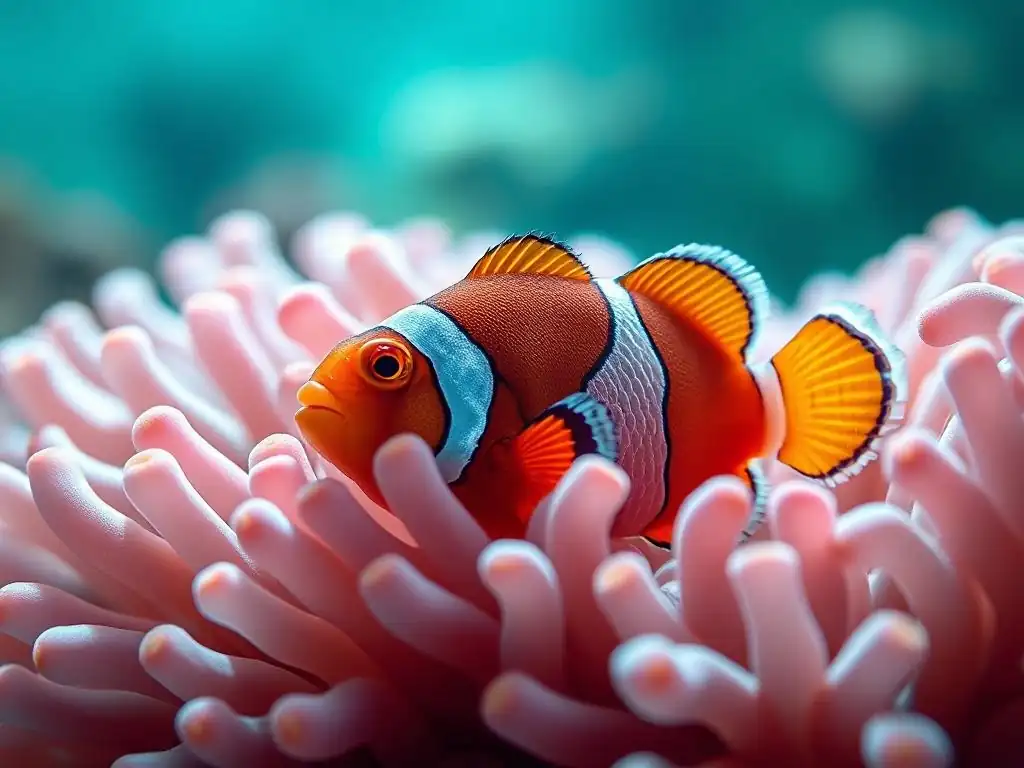
The success of a clownfish-anemone symbiosis hinges on selecting compatible species, as not all clownfish host all anemones, and vice-versa. The most common and reliable pairings involve Ocellaris ( Amphiprion ocellaris) and Percula ( Amphiprion percula) clownfish with Bubble Tip Anemones ( Entacmaea quadricolor), Sebae Anemones ( Heteractis crispa), or Long Tentacle Anemones ( Macrodactyla doreensis). Other pairings exist, but some anemones, like Carpet Anemones ( Stichodactyla species), can be highly aggressive and dangerous to clownfish or other tank inhabitants if not chosen carefully.
Researching the specific needs of both the clownfish and the anemone is paramount. Ensure the anemone's size is appropriate for the clownfish – a very small anemone may be overwhelmed by a large clownfish, and vice versa. Provide an aquarium large enough to accommodate the anemone's growth and movement, as some species can reach over 12 inches in diameter. A well-matched pair is more likely to establish a stable and enduring symbiotic bond, reducing stress on both organisms and minimizing the potential for health issues that require clownfish anemone disease treatment.
Monitoring Clownfish Behavior Around the Anemone
Observing the interaction between your clownfish and its host anemone provides valuable insights into the health of both organisms and the stability of their relationship. In a healthy symbiosis, the clownfish will gently rub against the anemone's tentacles, often darting in and out, and may bring food scraps to the anemone. This behavior should appear natural and non-aggressive. The clownfish should not show signs of stress, such as rapid breathing or clamped fins, when interacting with the anemone.
Conversely, if the clownfish avoids the anemone, or if the anemone appears shrunken or irritated when the clownfish is near, it could indicate a problem. While rare, some clownfish may be overly aggressive towards their anemone, causing irritation or damage. Similarly, an unhealthy or dying anemone might sting its clownfish host, leading to avoidance. Any significant deviation from typical hosting behavior warrants investigation to ensure the well-being of both partners and to identify potential issues that might lead to clownfish anemone disease treatment for either organism.
Addressing Aggression Between Clownfish and Anemones
While the clownfish-anemone relationship is typically symbiotic, instances of aggression, though rare, can occur and disrupt the harmony of the aquarium. Aggression from the clownfish towards the anemone might manifest as constant nipping, overly vigorous rubbing that causes the anemone to retract, or even attempts to move the anemone, potentially damaging its foot. This can happen if the clownfish is particularly territorial, if the anemone is too small for the clownfish, or if the anemone is stressed and its stinging capabilities are heightened.
If the anemone is the aggressor, it might sting the clownfish, causing visible marks or leading the clownfish to avoid it. This can occur if the anemone is unhealthy, dying, or simply not a compatible species for hosting. To address such aggression, first, ensure both organisms are healthy and that water parameters are optimal.
If the anemone is too small, consider upgrading the tank or providing a larger anemone. In extreme cases, if the aggression persists and harms either party, temporary separation of the clownfish and anemone into different tanks may be necessary to allow for recovery and to prevent further injury, which could otherwise lead to serious clownfish anemone disease treatment.
Advanced Anemone Care Tips
Understanding Anemone Reproduction
Anemones can reproduce both sexually and asexually, a fascinating aspect of their biology that aquarists may observe in a well-maintained tank. Asexual reproduction, particularly fission (splitting), is more commonly seen in home aquariums, especially with Bubble Tip Anemones. This process involves the anemone slowly dividing itself into two or more smaller, genetically identical individuals over several days or weeks. Signs of fission include the anemone appearing elongated, developing a constricted middle, or having multiple mouths.
Sexual reproduction involves the release of gametes (sperm and eggs) into the water column, typically triggered by environmental cues like lunar cycles or significant water changes. This is less common in home aquariums due to the need for specific conditions and often multiple anemones of different sexes. Understanding these reproductive methods can help aquarists anticipate changes in their anemone's behavior and plan for potential new additions to their tank, ensuring the long-term vitality of their symbiotic partners.
Propagating Anemones Responsibly
Intentional propagation of anemones, particularly popular species like Bubble Tip Anemones, can be a rewarding endeavor for experienced aquarists, but it requires careful consideration and responsible practices. The most common method of intentional propagation is manual fission, where a healthy anemone is carefully cut into two or more pieces using a sterile razor blade. This should only be attempted by knowledgeable individuals, as improper technique can severely injure or kill the anemone.
Ethical considerations are paramount: only propagate healthy, well-established anemones, and ensure you have suitable homes for the new offspring. Each new piece must contain a portion of the oral disc and foot to regenerate fully. After cutting, the pieces should be placed in a low-flow, stable environment to heal and reattach. Responsible propagation helps reduce demand for wild-caught specimens, contributing to sustainable aquarium practices. However, it's crucial to acknowledge the risks involved and prioritize the anemone's welfare, avoiding any actions that might necessitate extensive clownfish anemone disease treatment.
Bubble Tip Anemone Care
The Bubble Tip Anemone ( Entacmaea quadricolor, or BTA) is one of the most popular host anemones for clownfish due to its iconic appearance and relatively robust nature, yet it still requires specific care to thrive. BTAs need strong, stable lighting, typically in the range of 100-300 PAR, to support their photosynthetic zooxanthellae. Providing a full spectrum LED or T5HO lighting system is ideal. They also require moderate to strong, turbulent water flow to keep their tentacles clean and deliver oxygen and food.
A mature tank of at least 30 gallons is recommended for a single BTA, allowing ample space for growth and movement. They prefer to anchor their foot in crevices of live rock or in a deep sand bed (at least 4-6 inches deep). Regular target feeding with meaty foods like mysis shrimp, krill, or chopped silversides 2-3 times a week is crucial for their long-term health and vibrant coloration. Maintaining pristine and stable water parameters (salinity 1.025, temperature 74-78°F, low nitrates and phosphates) is paramount to prevent stress, bleaching, and other ailments that might require clownfish anemone disease treatment.
Conclusion: Promoting Long-Term Anemone Health
Maintaining the health of your anemone is not merely about aesthetic appeal; it's about fostering a thriving ecosystem for your clownfish and ensuring the longevity of their unique symbiotic bond. From the critical first step of understanding a healthy anemone's indicators to implementing proactive measures like rigorous quarantine procedures and meticulous water parameter management, every action contributes to a robust and resilient anemone. The key lies in consistent vigilance, observing your anemone daily for subtle changes that could signal impending issues.
By recognizing the early signs of distress, understanding common diseases and pests, and applying appropriate, often supportive, clownfish anemone disease treatment strategies, aquarists can significantly reduce the risk of severe health crises. Providing optimal lighting, a tailored feeding schedule, and a stable, uncrowded environment creates the ideal conditions for your anemone to flourish. Ultimately, a healthy anemone is a happy anemone, providing a secure and vibrant home for its clownfish partner, enhancing the beauty and ecological balance of your saltwater aquarium for years to come.
Frequently Asked Questions
How does Anemone Disease directly impact Clownfish?
Anemone disease weakens or kills the anemone, which is essential for Clownfish protection. Without a healthy anemone, Clownfish are more vulnerable to predators and stress. This can lead to secondary infections in the fish.
What are the most common signs of disease in anemones that host Clownfish?
Common signs include tissue recession, unusual color changes (bleaching or darkening), and deflated appearance. Look for excessive mucus production or the presence of visible pests on the anemone.
Can Clownfish Anemone Disease Treatment be preventative, or is it only effective after symptoms appear?
Treatment is most effective when initiated early, at the first sign of disease. While preventative measures like maintaining stable water parameters are key, specific treatment is usually reserved for active infections or infestations.
What are the key water parameters to monitor to prevent anemone diseases?
Maintaining stable salinity, temperature, and pH levels is crucial. Regularly test for and control nitrates, nitrites, and ammonia to ensure a healthy environment.
What are some common pests that can affect anemones, and how do I remove them?
Common pests include nudibranchs, Aiptasia anemones, and red bugs. Removal methods vary, but can include manual removal, chemical treatments, or introducing natural predators. Always research thoroughly before using any treatment.
Final Reflection: Safeguarding Symbiotic Harmony
The intricate dance between clownfish and anemones, a cornerstone of vibrant reef ecosystems, is increasingly threatened by diseases and pests. Understanding and addressing these challenges, as highlighted throughout this article, is more critical than ever for preserving the delicate balance of our marine environments and ensuring the survival of these iconic species. The health of the anemone directly impacts the clownfish, and neglecting one jeopardizes the other, underscoring the interconnectedness of life within the reef.
This symbiotic relationship, so captivating and seemingly resilient, is surprisingly vulnerable to environmental shifts and human impact. Witnessing the decline of anemone populations firsthand underscores the urgency of responsible aquarium practices and conservation efforts. In the end, we will conserve only what we love; we will love only what we understand; and we will understand only what we are taught.
- Baba Dioum. This quote resonates deeply, reminding us that education and awareness are the first steps towards protecting these fragile ecosystems for future generations.
Now, consider your own role in this narrative. Whether you're a seasoned aquarist or simply an admirer of the ocean's wonders, you have the power to contribute to the health of our reefs. Take the lessons learned here, apply them diligently, and share your knowledge with others. Let us all strive to be responsible stewards of the marine world, ensuring that the vibrant partnership between clownfish and anemones continues to thrive for years to come.
Nurture Your Anemone: Act Now to Ensure a Thriving Ecosystem!
Thank you for diving into the world of anemone health! Now that you're equipped with the knowledge to identify and combat common anemone diseases and pests, it's time to put that understanding into action and safeguard your underwater haven.
Here are some immediate steps you can take:
- Implement a quarantine protocol for all new anemones before introducing them to your main tank to prevent the spread of diseases.
- Share this guide with fellow reefing enthusiasts to spread awareness about anemone care and disease prevention within the aquarium community.
- Document your anemone’s health journey with weekly photos – you might discover subtle changes we missed!
What small adjustment will you make to your anemone care routine this week to ensure their long-term health and vibrancy?