
Lifespan of Danios, Rasboras, and White Clouds: How to Maximize Their Years

Welcome to Aquarium Mastery!
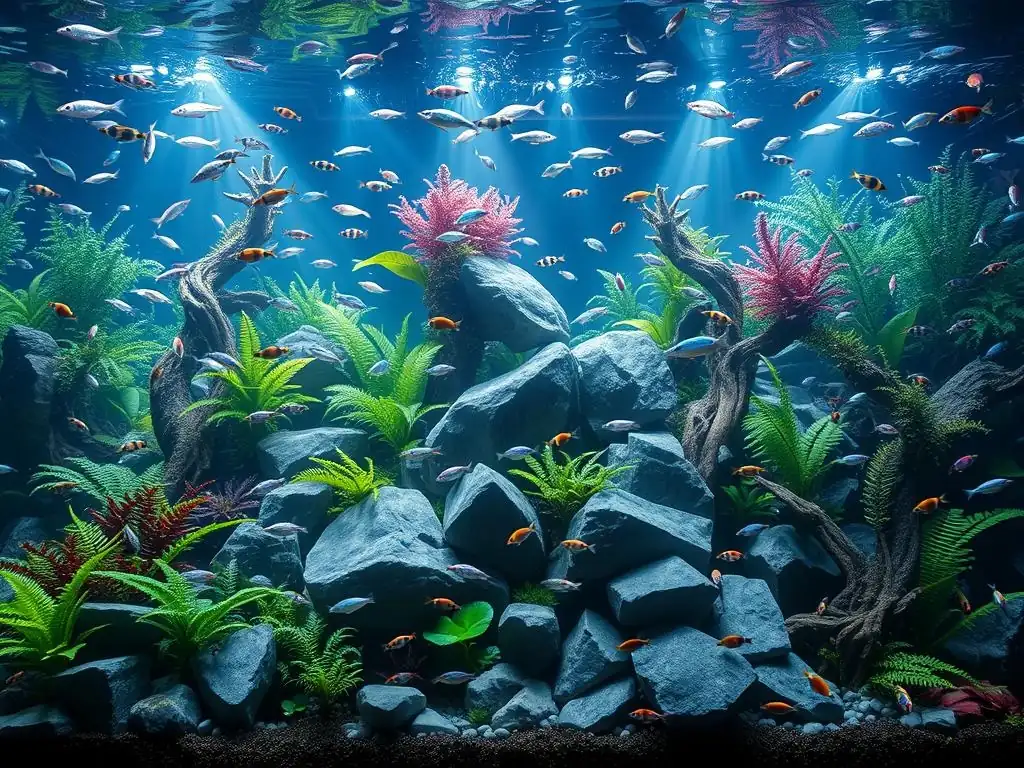
Ever wondered just how long your vibrant Danios, shimmering Rasboras, or graceful White Cloud Mountain Minnows can truly live? Unlocking the secrets to their longevity is easier than you think. Dive into our deep dive on Danios rasboras white cloud lifespan and discover proven strategies to ensure your freshwater friends thrive for years to come. Ready to maximize their life, and bring even more joy to your aquarium? Let's explore!
- Understanding the Natural Lifespan of Danios, Rasboras & White Cloud Mountain Minnows
- Factors Influencing the Lifespan of Small Cyprinids
- Maximizing the Lifespan of Your Danios, Rasboras, and White Clouds: Practical Tips
- Comparing Lifespan Across Species: Danios vs. Rasboras vs. White Clouds
- Extending Fish Lifespan: Advanced Techniques
- Troubleshooting Common Problems Affecting Fish Lifespan
- Conclusion: Enjoying a Long and Healthy Life with Your Danios, Rasboras, and White Clouds
-
Frequently Asked Questions
- How long do Danios, Rasboras, and White Cloud Mountain Minnows typically live in an aquarium?
- What are the most important factors that influence the lifespan of these fish?
- How can I ensure optimal water quality for Danios, Rasboras, and White Clouds?
- What is the best diet to maximize the lifespan of Danios, Rasboras, and White Cloud Mountain Minnows?
- What are some common signs of illness or stress in these fish, and how can I address them?
- Final Reflection: Nurturing Aquatic Longevity
- Unlock Longer Life for Your Aquatic Friends!
Understanding the Natural Lifespan of Danios, Rasboras & White Cloud Mountain Minnows
Expected Lifespan of Popular Danio Species
The lifespan of Danios can vary significantly depending on the specific species and the quality of their care. For instance, the popular Zebra Danio ( Danio rerio) typically lives for about 2 to 3 years in a well-maintained aquarium, though some individuals have been known to survive up to 5 years under exceptional conditions. Giant Danios ( Devario aequipinnatus), being larger, generally boast a longer Danio lifespan, often reaching 5 to 7 years, thanks to their robust nature and resilience.
Leopard Danios, which are a spotted variant of the Zebra Danio, share a similar Danios lifespan of 2 to 3 years. It's crucial for aquarists to understand that these figures represent averages, and the true longevity of any Danio species is heavily influenced by environmental stability, diet, and genetic predisposition. Providing optimal conditions from the outset significantly contributes to maximizing their years.
Typical Lifespan of Common Rasbora Varieties
Rasboras, another beloved group of small schooling cyprinids, also exhibit a range in Rasbora lifespan based on their species. Harlequin Rasboras ( Trigonostigma heteromorpha), one of the most common and hardy varieties, typically live for 5 to 6 years in a suitable aquarium environment. Their resilience and relatively low stress levels contribute to their impressive longevity compared to some other smaller fish.
In contrast, smaller species like Chili Rasboras ( Boraras brigittae) or Mosquito Rasboras ( Boraras urophthalmoides) tend to have a shorter Rasboras lifespan, often ranging from 2 to 3 years. While delicate due to their size, their lifespan can still be maximized through meticulous care, including stable water parameters and a specialized diet of appropriately sized foods. The common Threadfin Rasbora ( Rasbora einthovenii) falls somewhere in the middle, typically living 3 to 4 years.
White Cloud Mountain Minnow Lifespan Expectations
The White Cloud Mountain Minnow ( Tanichthys albonubes) is renowned for its hardiness and adaptability, making it an excellent choice for beginner aquarists and those with cooler water setups. Under ideal conditions, the White Cloud Mountain Minnow lifespan generally ranges from 3 to 5 years. However, anecdotal evidence suggests that in exceptionally stable and pristine environments, some individuals can live for up to 7 years.
Their remarkable tolerance for a wider range of temperatures, including unheated tanks in many homes, contributes to their potential for a longer White Cloud lifespan. Despite their adaptability, they still thrive best with consistent water quality, a balanced diet, and appropriate tank mates to ensure they reach their full lifespan potential.
Factors Influencing the Lifespan of Small Cyprinids
Water Quality's Impact on Danio, Rasbora, and White Cloud Longevity
The Role of Ammonia, Nitrite, and Nitrate Levels
The presence of toxic nitrogenous compounds – ammonia, nitrite, and nitrate – is perhaps the single most critical factor influencing the Danios rasboras white cloud lifespan. Ammonia (NH3) and nitrite (NO2) are highly toxic to fish, even in minute concentrations. Ammonia levels should always be 0 parts per million (ppm), as even 0.25 ppm can cause gill damage and internal organ failure over time. Nitrite, a byproduct of ammonia processing by beneficial bacteria, should also be at 0 ppm, as it interferes with oxygen absorption in fish blood.
Nitrate (NO3), the final product of the nitrogen cycle, is less toxic but still detrimental in high concentrations. While fish can tolerate some nitrate, levels ideally should be kept below 20 ppm, with 40 ppm being an absolute maximum before significant stress and health issues arise. Chronic exposure to elevated nitrates, even if not immediately fatal, significantly stresses the fish's immune system, leading to susceptibility to diseases and a drastically shortened Danios rasboras white cloud lifespan.
Importance of Regular Water Changes for Extended Lifespan
Regular water changes are the cornerstone of maintaining optimal water quality and are paramount for extending the Danios rasboras white cloud lifespan. They dilute and remove accumulated nitrates, phosphates, and other dissolved organic compounds that build up over time, which filtration alone cannot entirely eliminate. A typical maintenance schedule involves replacing 25% of the tank water weekly, or 50% bi-weekly, depending on stocking levels and filtration efficiency.
Beyond removing toxins, water changes replenish essential minerals and trace elements that are naturally depleted in the aquarium, helping to maintain stable pH and hardness levels. Neglecting this vital task leads to a gradual decline in water quality, increasing stress, weakening the immune system, and making fish more vulnerable to illness, ultimately cutting short the potential Danio, Rasbora, and White Cloud lifespan.
Diet and Nutrition for Maximizing Fish Lifespan
Optimal Feeding Strategies for Danios and Rasboras
Providing a varied and high-quality diet is fundamental to maximizing the Danios rasboras white cloud lifespan. For Danios and Rasboras, which are primarily omnivores with a carnivorous leaning, an optimal feeding strategy involves offering small amounts of food multiple times a day, typically 2-3 times, ensuring it is consumed within 2-3 minutes to prevent overfeeding and water fouling. The staple diet should consist of high-quality flake or micro-pellet foods formulated for small community fish, with a protein content of around 35-45%.
Supplementing their diet with live or frozen foods such as brine shrimp, daphnia, micro-worms, or small bloodworms is highly beneficial. These provide essential proteins, fats, and micronutrients that are often less available in dried foods, enhancing their vitality, color, and immune response. A diverse diet mimics their natural foraging habits and significantly contributes to their long-term health and resilience, directly impacting their potential Danio and Rasbora lifespan.
Nutritional Needs of White Cloud Mountain Minnows
White Cloud Mountain Minnows, while similarly omnivorous, have specific nutritional needs that, when met, can significantly extend their White Cloud Mountain Minnow lifespan. They are particularly fond of very small, finely crushed flakes or micro-pellets due to their smaller mouthparts. Their diet should also be supplemented regularly with tiny live or frozen foods like baby brine shrimp, daphnia, or cyclops, which provide crucial amino acids and fatty acids often lacking in commercial dry foods.
It is also beneficial to offer vegetable matter occasionally, such as spirulina flakes or blanched zucchini, as they do consume some plant material in their natural habitat. Overfeeding should be strictly avoided, as it leads to digestive issues and pollutes the tank, which can drastically shorten their lives. A well-rounded and appropriately sized diet ensures robust health, strong immunity, and supports the full potential of the White Cloud lifespan.
Tank Size and Environment: Crucial for a Long Fish Life
Minimum Tank Size Requirements for Schooling Cyprinids
Appropriate tank size is a critical, yet often underestimated, factor in determining the Danios rasboras white cloud lifespan. These fish are schooling species and require ample space not just for individual swimming but also for maintaining a healthy social hierarchy within their group. For a school of 6-8 Zebra Danios, a minimum of a 10-gallon tank is recommended. Harlequin Rasboras, being slightly larger and requiring more swimming space, generally thrive in a 10-20 gallon tank for a school of similar size.
White Cloud Mountain Minnows, while small, also benefit greatly from a 10-gallon tank or larger for a school of at least six. Insufficient tank size leads to cramped conditions, increased aggression among school members, and higher concentrations of waste products, all of which contribute to chronic stress. This constant stress weakens their immune systems, making them highly susceptible to disease and significantly shortening their natural Danios rasboras white cloud lifespan.
Creating a Stress-Free Aquarium Environment
Beyond just tank size, creating a truly stress-free aquarium environment is paramount for a long fish lifespan. This involves several key elements. Firstly, adequate hiding spots and visual breaks, provided by live plants (e.g., Java Moss, Anubias), driftwood, or rock formations, allow fish to retreat and feel secure, especially if they are feeling dominant or subordinate within the school. Secondly, appropriate lighting that mimics natural day-night cycles and isn't excessively bright can reduce anxiety.
Furthermore, maintaining a stable water temperature within their preferred range and ensuring gentle water flow prevents undue physical exertion. Overstocking the tank should be avoided at all costs, as it not only strains the filtration system but also increases competition for resources and personal space, leading to heightened stress levels. A calm, well-structured environment directly correlates with reduced stress hormones, stronger immune systems, and a significantly extended aquarium fish lifespan.
Preventing Disease: Key to Extended Lifespan in Aquarium Fish
Common Diseases Affecting Danios, Rasboras, and White Clouds
Danios, Rasboras, and White Cloud Mountain Minnows, despite their general hardiness, are susceptible to common freshwater aquarium diseases, which can drastically shorten their Danios rasboras white cloud lifespan if not addressed promptly. Ich, or White Spot Disease ( Ichthyophthirius multifiliis), is one of the most prevalent, characterized by small white spots resembling salt grains on the body and fins. Fin Rot, often caused by bacterial infections, manifests as frayed, deteriorating fins.
Other common ailments include Columnaris ( Flavobacterium columnare), which can appear as cotton-like growths around the mouth or body, and Velvet ( Oodinium), presenting as a fine, dusty gold or rust-colored coating. Internal parasites and bacterial infections can also occur, leading to symptoms like bloating, lethargy, or loss of appetite. These diseases, particularly when left untreated, weaken the fish, damage organs, and can quickly lead to fatalities, thereby impacting the overall Danios rasboras white cloud lifespan.
Proactive Disease Prevention Strategies
Proactive disease prevention is far more effective than treatment when it comes to preserving the Danio, Rasbora, and White Cloud lifespan. The cornerstone of prevention is maintaining pristine and stable water quality, as discussed earlier. This includes consistent water changes, proper filtration, and regular testing of parameters like ammonia, nitrite, and nitrate. Another critical strategy is quarantining all new fish for a period of 2-4 weeks in a separate tank before introducing them to the main display. This isolates potential pathogens, preventing their spread to established tank inhabitants.
Furthermore, providing a balanced and nutritious diet strengthens their immune systems, making them more resilient to pathogens. Avoiding overstocking and ensuring compatible tank mates minimizes stress, which is a major precursor to disease. Lastly, maintaining a stable temperature and avoiding sudden fluctuations reduces environmental stress. By implementing these strategies, aquarists can significantly reduce the incidence of disease and ensure their fish live out their full potential fish lifespan.
Maximizing the Lifespan of Your Danios, Rasboras, and White Clouds: Practical Tips
Maintaining Ideal Water Parameters for Longevity
Temperature, pH, and Hardness Considerations
Maintaining stable and appropriate water parameters is paramount for maximizing the Danios rasboras white cloud lifespan. While these species are generally adaptable, specific ranges optimize their health. Zebra Danios and most other Danio species thrive in temperatures between 68-78°F (20-25.5°C), a pH of 6.5-7.5, and moderate hardness (GH 5-15 dGH). Harlequin Rasboras prefer warmer water, 74-80°F (23.5-26.5°C), with a slightly acidic pH of 6.0-7.0 and soft to moderately soft water (GH 2-10 dGH).
White Cloud Mountain Minnows are unique in their preference for cooler temperatures, ideally 64-72°F (18-22°C), though they can tolerate lower. Their pH tolerance is broad, 6.0-8.0, and they are adaptable to a wide range of hardness (GH 5-20 dGH). The key is not just hitting these numbers, but maintaining them consistently. Sudden fluctuations in temperature or pH can cause significant stress, weakening the fish and shortening their potential Danios rasboras white cloud lifespan.
Using Water Conditioners and Test Kits Effectively
Effective use of water conditioners and test kits is indispensable for maintaining ideal water parameters and, consequently, extending the Danios rasboras white cloud lifespan. Water conditioners are crucial for neutralizing chlorine, chloramines, and heavy metals present in tap water, all of which are highly toxic to fish. Always add a quality water conditioner to new water before introducing it to the aquarium during water changes.
Regular testing with reliable liquid test kits for ammonia, nitrite, nitrate, and pH allows aquarists to monitor water quality accurately. For new tanks, daily testing for ammonia and nitrite is recommended until the nitrogen cycle is established. For mature tanks, weekly or bi-weekly testing of nitrates and pH is sufficient to detect imbalances early. Prompt identification and correction of any deviations prevent chronic stress and disease, directly contributing to the long-term health and fish longevity of your Danios, Rasboras, and White Clouds.
Providing a Balanced Diet for Optimal Health
Choosing the Right Fish Food: Flakes, Pellets, and Live Foods
Selecting the right variety of fish food is a cornerstone of maximizing the Danios rasboras white cloud lifespan. For daily feeding, high-quality flake foods are often sufficient, but ensure they are specifically formulated for small omnivorous fish and contain a good percentage of protein (e.g., 35-45%). Micro-pellets are also excellent, as they sink slowly, allowing all fish in the water column to feed, and often retain more nutrients than flakes. Look for brands that list fish meal, shrimp, or other aquatic proteins as primary ingredients.
To truly optimize their health and extend their years, supplementing the diet with live or frozen foods is highly recommended. Examples include brine shrimp, daphnia, bloodworms (chopped for smaller mouths), and cyclops. These foods provide essential vitamins, minerals, and natural pigments that enhance color, boost immunity, and stimulate natural foraging behaviors. A varied diet prevents nutritional deficiencies and contributes significantly to the overall Danios rasboras white cloud lifespan.
Avoiding Overfeeding and Food Waste
While providing a balanced diet is crucial, avoiding overfeeding is equally, if not more, important for the Danios rasboras white cloud lifespan. Overfeeding is a common mistake that leads to several detrimental outcomes. Firstly, uneaten food decomposes, rapidly fouling the water by releasing ammonia and nitrites, thus stressing the fish and compromising water quality. Secondly, overfeeding can lead to digestive issues in the fish, causing bloating, swim bladder problems, and general lethargy.
A good rule of thumb is to feed only what your fish can consume entirely within 2-3 minutes. If food remains after this time, remove it with a net and reduce the next feeding portion. Consider fasting your fish one day a week; this can aid their digestion and stimulate their natural foraging instincts. By carefully managing food portions, you maintain pristine water conditions and promote digestive health, directly contributing to the long-term vitality and extended Danios rasboras white cloud lifespan.
Creating a Thriving Aquarium Ecosystem
Selecting Compatible Tank Mates for a Peaceful Environment
Creating a thriving aquarium ecosystem, particularly through careful selection of compatible tank mates, plays a vital role in maximizing the Danios rasboras white cloud lifespan. Danios, Rasboras, and White Clouds are generally peaceful schooling fish that thrive when kept with other non-aggressive species of similar size. Ideal tank mates include other small tetras (e.g., Neon Tetras, Ember Tetras), Corydoras catfish, Otocinclus catfish, or peaceful snails.
Avoid introducing larger, aggressive, or fin-nipping species that could harass or stress these small cyprinids. Chronic stress from bullying can severely weaken their immune systems, making them highly susceptible to disease and significantly shortening their lives. Conversely, keeping them in adequately sized schools (typically 6-10 or more individuals) reduces internal aggression and allows them to exhibit natural schooling behaviors, contributing to their overall well-being and extended Danios rasboras white cloud lifespan.
Planting Live Plants for Water Quality and Enrichment
Incorporating live plants into the aquarium is an excellent strategy for creating a thriving ecosystem that directly benefits the Danios rasboras white cloud lifespan. Live plants offer multiple advantages: they absorb nitrates and other waste products, acting as natural filters and helping to maintain superior water quality. This reduction in pollutants lessens the burden on the fish's metabolic systems and contributes to a healthier environment.
Beyond water purification, plants provide crucial enrichment. They offer natural hiding spots, reducing stress and giving fish a sense of security. Many small cyprinids, including Rasboras and White Clouds, enjoy navigating through dense foliage. Plants also provide surfaces for beneficial biofilm growth and can even be a source of supplemental grazing for some species. A well-planted tank mimics their natural habitat, promoting natural behaviors and contributing significantly to the overall aquarium health and fish longevity.
Early Detection and Treatment of Illness
Recognizing Signs of Disease in Danios, Rasboras, and White Clouds
Early detection of illness is paramount for effectively treating diseases and preserving the Danios rasboras white cloud lifespan. Daily observation of your fish is crucial. Look for changes in behavior, such as lethargy, listlessness, or unusual swimming patterns (e.g., darting, rubbing against objects, swimming erratically). Clamped fins, where fins are held close to the body, are a common sign of stress or illness.
Physical signs can include visible spots (white spots for Ich, fuzzy patches for fungus/Columnaris), lesions, ulcers, or red streaks. Observe changes in color (dullness, darkening), bloating, or emaciation. Any sudden loss of appetite or refusal to eat is also a significant indicator. Recognizing these subtle cues early on allows for prompt intervention, which dramatically increases the chances of successful treatment and prevents the disease from spreading or becoming fatal, thereby safeguarding the Danios rasboras white cloud lifespan.
Quarantine Procedures for Sick Fish
Implementing proper quarantine procedures for sick fish is a vital step in preventing the spread of disease and maximizing the Danios rasboras white cloud lifespan of the entire tank. As soon as you notice signs of illness in a fish, it should be promptly moved to a separate "hospital tank." This tank doesn't need to be large (a 5-10 gallon tank is often sufficient for a few small fish), but it should have a heater, a simple sponge filter (to maintain biological filtration), and minimal decor to facilitate observation and treatment.
Treat the sick fish in the hospital tank using appropriate medications based on an accurate diagnosis. This prevents the medication from affecting the main tank's beneficial bacteria or invertebrates. Quarantining also allows you to observe the sick fish closely without the distraction of other tank inhabitants and prevents the disease from spreading to healthy fish. This proactive isolation significantly improves the chances of recovery for the affected fish and protects the health and longevity of your entire Danios, Rasboras, and White Cloud community.
Comparing Lifespan Across Species: Danios vs. Rasboras vs. White Clouds
Lifespan Variance Based on Species
When comparing the Danios rasboras white cloud lifespan, it's clear that there's a notable variance influenced by specific species and their inherent genetic potential. Generally, larger species within each group tend to live longer. For instance, Giant Danios can live up to 7 years, significantly outliving their smaller Zebra Danio cousins, which typically reach 2-3 years. Similarly, the robust Harlequin Rasbora often lives for 5-6 years, while the diminutive Chili Rasbora generally has a shorter 2-3 year lifespan.
White Cloud Mountain Minnows sit in a favorable middle ground, with an average lifespan of 3-5 years, often extending to 7 years under exceptional care. This demonstrates that while the overarching care principles apply to all, the inherent biological differences between species play a significant role in their maximum fish lifespan potential. Aquarists should research the specific needs and expected longevity of the species they intend to keep.
Common Factors Affecting All Three Species' Longevity
Despite the species-specific variances, the overarching common factors affecting the Danios rasboras white cloud lifespan remain consistent across all three groups. Pristine water quality, characterized by zero ammonia and nitrite and low nitrates, is universally critical. A balanced and varied diet, appropriate for their size and nutritional needs, directly impacts their immune system strength and overall vitality.
Furthermore, maintaining a stable and stress-free environment, including adequate tank size, compatible tank mates, and plenty of hiding spots, is crucial for all. Chronic stress, regardless of species, weakens the fish's defenses and predisposes them to disease, significantly shortening their lives. Therefore, while genetics set the potential, it is consistent, high-quality husbandry that ultimately allows these small cyprinids to achieve their maximum aquarium fish lifespan.
Extending Fish Lifespan: Advanced Techniques
Implementing a Consistent Aquarium Maintenance Schedule
Implementing a rigorous and consistent aquarium maintenance schedule is an advanced, yet fundamental, technique for significantly extending the Danios rasboras white cloud lifespan. This goes beyond just weekly water changes. A comprehensive schedule might involve daily visual checks for fish health and behavior, ensuring all equipment is functioning correctly, and verifying temperature. Weekly tasks should include a 25-30% water change, gravel vacuuming to remove detritus, and wiping down the glass to remove algae.
Monthly or bi-monthly, depending on tank size and stocking, more in-depth tasks are performed, such as rinsing filter media in old tank water (never tap water, to preserve beneficial bacteria), trimming live plants, and checking filter flow rates. Consistency in these routines prevents the gradual degradation of water quality and the accumulation of stressors, ensuring a stable environment that actively contributes to maximizing the Danios rasboras white cloud lifespan.
Utilizing Filtration Systems Effectively
Effective utilization of filtration systems is key to maintaining the water quality necessary for an extended Danios rasboras white cloud lifespan. A robust filtration system should incorporate all three types: mechanical, chemical, and biological. Mechanical filtration (e.g., sponges, filter floss) removes particulate matter, keeping the water clear. Chemical filtration (e.g., activated carbon, Purigen) removes dissolved organic compounds, odors, and discoloration.
Most critically, biological filtration (beneficial bacteria colonizing filter media, substrate, and decor) processes toxic ammonia and nitrite into less harmful nitrate. Ensure your filter is appropriately sized for your tank and stocking level, and clean mechanical media regularly to prevent clogging. However, avoid over-cleaning or replacing biological media too frequently, as this can crash the nitrogen cycle. Optimal filtration prevents the accumulation of toxins that would otherwise severely limit the Danios rasboras white cloud lifespan.
Monitoring Fish Behavior for Early Warning Signs
Advanced aquarists understand that continuously monitoring fish behavior for subtle early warning signs is a proactive technique that can literally save lives and extend the fish lifespan. Instead of just looking for obvious symptoms like spots, pay attention to deviations from normal behavior. Are your typically active Danios lethargic or hiding more than usual? Are Rasboras schooling less tightly or appearing disoriented? Is a White Cloud suddenly refusing food when it normally eats eagerly?
Subtle changes in color, such as dullness or darkening, or minor changes in fin position (e.g., slightly clamped) can precede overt disease symptoms by days. By observing these nuances, you can often detect problems like water quality issues, stress, or the very early stages of an infection. Prompt identification allows for immediate corrective action, whether it's a water change, a minor adjustment to tank parameters, or isolating a potentially sick fish, thereby preventing widespread illness and preserving the collective Danios rasboras white cloud lifespan.
Troubleshooting Common Problems Affecting Fish Lifespan
Addressing Aggression and Bullying in the Tank
Aggression and bullying, even among seemingly peaceful fish, can severely impact the Danios rasboras white cloud lifespan by causing chronic stress, injury, and increased susceptibility to disease. Common causes include insufficient school size (especially for Danios, which need larger groups of 8-10+ to spread out aggression), overstocking, or incompatible tank mates. A small school can lead to dominant individuals constantly harassing weaker ones.
To address this, first, ensure your school size meets or exceeds the minimum recommendations for the species. For example, if you have only 3 Zebra Danios in a 10-gallon tank, increasing their number to 8-10 can diffuse aggression. Second, assess tank size and stocking density; an overcrowded tank naturally leads to stress. Third, provide ample hiding spots and visual barriers using live plants and decor, allowing bullied fish to retreat. In extreme cases, rehoming overly aggressive individuals might be necessary to ensure the fish lifespan of their tank mates.
Dealing with Parasites and Infections
Prompt and accurate action when dealing with parasites and infections is crucial for preserving the Danios rasboras white cloud lifespan. Common culprits like Ich (white spots) and Fin Rot (frayed fins) are often stress-induced, making water quality and stable parameters the first line of defense. For Ich, a common approach involves slowly raising the tank temperature to 82-84°F (28-29°C) over 24 hours, combined with daily gravel vacuuming and water changes for 10-14 days. This accelerates the parasite's life cycle, making it vulnerable.
Bacterial infections like Fin Rot or Columnaris often require targeted antibiotic treatments. It's vital to correctly diagnose the ailment before administering medication, as broad-spectrum treatments can be harsh. Always follow medication instructions precisely and consider treating in a separate quarantine tank to protect beneficial bacteria in the main aquarium. Early intervention significantly increases the chance of recovery and prevents the disease from compromising the Danios rasboras white cloud lifespan of the entire school.
Correcting Water Chemistry Imbalances
Correcting water chemistry imbalances is fundamental to extending the Danios rasboras white cloud lifespan, as stable parameters are key to their health. Common imbalances include ammonia or nitrite spikes, high nitrates, or pH crashes. An ammonia or nitrite spike, often seen in new tanks or after overfeeding, requires immediate action: perform a large water change (50-75%) and dose with a beneficial bacteria supplement. Reduce feeding to prevent further buildup.
High nitrates, typically a result of insufficient water changes, are best addressed with larger, more frequent water changes (e.g., 50% every few days until levels drop). pH crashes can be dangerous; if pH drops suddenly, it usually indicates exhausted buffering capacity and often accompanies high nitrates. Gradual water changes with pH-matched water are key. Avoid rapid pH adjustments, as these are more stressful than slightly off but stable parameters. Regular testing and understanding the nitrogen cycle are your best tools to prevent these imbalances from cutting short the Danios rasboras white cloud lifespan.
Conclusion: Enjoying a Long and Healthy Life with Your Danios, Rasboras, and White Clouds
Frequently Asked Questions
How long do Danios, Rasboras, and White Cloud Mountain Minnows typically live in an aquarium?
Generally, you can expect a lifespan of 3-5 years for Danios and Rasboras, while White Cloud Mountain Minnows can live 5 years or more under ideal conditions. Proper care is essential for reaching these maximum lifespans.
What are the most important factors that influence the lifespan of these fish?
Water quality is paramount, as is providing a suitable diet and maintaining a stress-free environment. Overcrowding and poor tank maintenance can significantly shorten their lives.
How can I ensure optimal water quality for Danios, Rasboras, and White Clouds?
Regular water changes are crucial, along with effective filtration to remove waste products. Consistently monitoring and maintaining proper water parameters like pH, ammonia, and nitrite levels is also vital.
What is the best diet to maximize the lifespan of Danios, Rasboras, and White Cloud Mountain Minnows?
Offer a varied diet consisting of high-quality flake food, supplemented with live or frozen foods like daphnia or brine shrimp. Avoid overfeeding, which can lead to health problems and water quality issues.
What are some common signs of illness or stress in these fish, and how can I address them?
Signs include lethargy, loss of appetite, clamped fins, and changes in coloration. Addressing these issues promptly with appropriate medication or improved water quality is crucial for their survival.
Final Reflection: Nurturing Aquatic Longevity
The insights shared throughout this article highlight the profound impact of informed care on the extended lifespan of Danios, Rasboras, and White Cloud Mountain Minnows. Understanding their specific needs, from water parameters to social dynamics, isn't just about keeping them alive; it's about enabling them to thrive and experience a full and enriching life within our aquariums. This knowledge is particularly crucial now, as responsible fishkeeping becomes increasingly important in a world grappling with environmental concerns and ethical considerations.
The journey of understanding these small fish has deeply influenced my perspective on the interconnectedness of life within an aquarium. It's a constant reminder that even the smallest creatures deserve our respect and diligent care. The greatness of a nation and its moral progress can be judged by the way its animals are treated.
- Mahatma Gandhi. This quote resonates deeply, reminding us that our actions, even within the microcosm of a fish tank, reflect our broader values and commitment to compassion.
So, as you consider the information presented here, I invite you to reflect on your own role as a steward of these aquatic lives. Let this knowledge empower you to create environments where Danios, Rasboras, and White Clouds can flourish, reaching their full potential and bringing joy to your life for years to come. Embrace the opportunity to be a responsible and compassionate aquarist, and witness the rewarding experience of nurturing these vibrant creatures to a long and healthy life.
Unlock Longer Life for Your Aquatic Friends!
Thank you for diving into the fascinating world of nano fish! We hope you've gained valuable insights into extending the lives of your danios, rasboras, and white clouds. Now, let's put that knowledge into action!
Here are a few things you can do right now:
- Immediately review your tank parameters and adjust them to the optimal ranges outlined in the article. This is the single most impactful step you can take.
- Share this article with fellow aquarium enthusiasts on social media and spark a conversation about best practices for nano fish care.
- Try a unique approach: Introduce a small group of live blackworms into your fish's diet once a week as a supplemental protein source.
What specific changes will you make to your aquarium environment this week to help your nano fish thrive?