
Your First Aquascape Journey: A StepbyStep Guide to Designing an Underwater Paradise

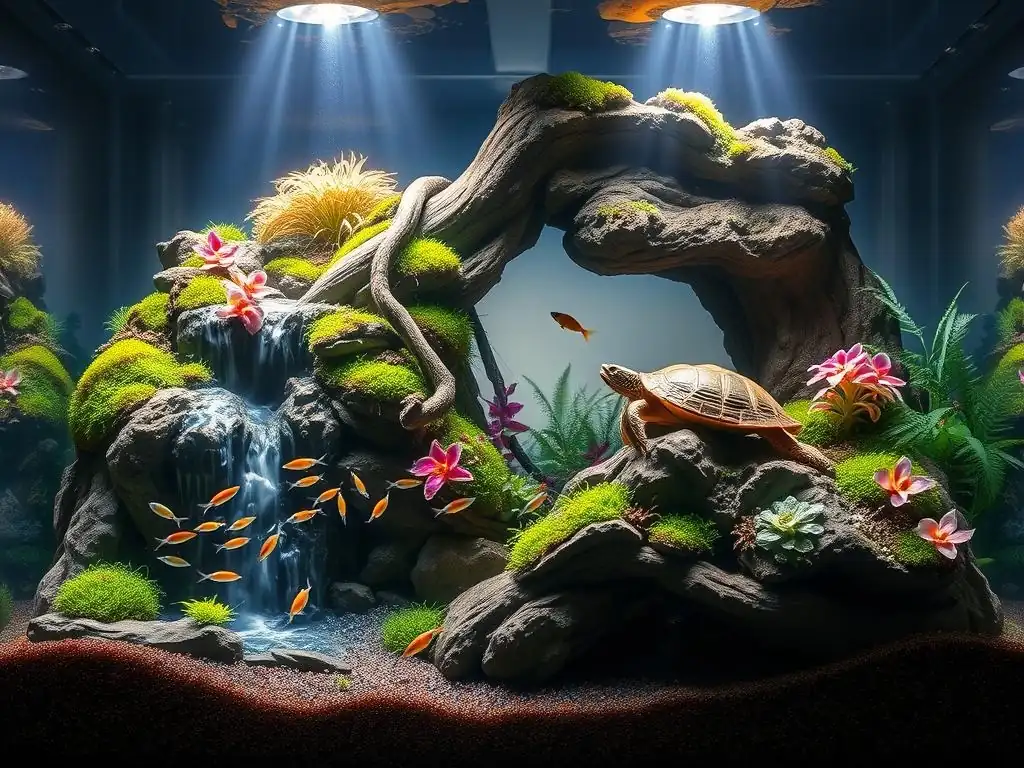
Welcome to Aquarium Mastery!
Ever dreamt of transforming your aquarium into a breathtaking underwater vista? Creating stunning freshwater aquascapes isn't as daunting as it seems. Dive in and discover our step-by-step guide to designing your very own aquatic paradise. Ready to unlock the secrets to a thriving and beautiful aquascape? Let's get started!
- Introduction to Creating Stunning Freshwater Aquascapes
- Step 1: Planning Your Freshwater Aquascape Design
- Step 2: Selecting the Perfect Hardscape for Your Underwater Landscape
- Step 3: Choosing the Right Plants for Your Freshwater Aquascape
- Step 4: Preparing Your Substrate and Setting Up Your Aquascape
- Step 5: Filling the Tank and Cycling the Aquarium
- Step 6: Maintaining Your Freshwater Aquascape
- Step 7: Adding Fish to Your Aquascape
- Troubleshooting Common Aquascaping Problems
- Advanced Aquascaping Techniques
- Conclusion: Enjoying Your Stunning Freshwater Aquascape.
-
Frequently Asked Questions
- What is an aquascape and why should I create one?
- What are the essential components needed to start my first freshwater aquascape?
- How do I choose the right plants for my freshwater aquascape?
- What are some common mistakes beginner aquascapers make?
- How do I maintain a healthy and thriving freshwater aquascape?
- Final Reflection: Cultivating Underwater Harmony
- Unleash Your Inner Aquascaper!
Introduction to Creating Stunning Freshwater Aquascapes
Why Aquascaping? The Art of Underwater Gardening
Aquascaping is much more than simply setting up a fish tank; it is the intricate art of designing and arranging aquatic plants, rocks, and driftwood within an aquarium to create an aesthetically pleasing underwater landscape. This captivating hobby offers a unique blend of creativity, horticulture, and a deep appreciation for nature.
Enthusiasts around the globe find immense satisfaction in cultivating a living, breathing ecosystem that mimics breathtaking natural scenes, from dense jungle riverbeds to serene mountain valleys. The process of creating stunning freshwater aquascapes can be incredibly therapeutic, providing a tranquil escape and a constant source of wonder as your miniature world evolves.
The global appeal of aquascaping is evident in major competitions like the International Aquatic Plants Layout Contest (IAPLC), which annually attracts thousands of entries from over 80 countries. This level of participation underscores the hobby's growth and its recognition as a legitimate art form.
Beyond the artistic expression, a well-executed aquascape contributes significantly to the well-being of its aquatic inhabitants, providing a stable, natural environment that reduces stress and encourages natural behaviors. The dedication involved in balancing light, nutrients, and CO2 for vibrant plant growth fosters a deeper understanding of ecological principles, making it an educational journey as well as a creative one.
Understanding the Basics: Aquascaping Styles and Principles
Before embarking on your aquascaping adventure, it's beneficial to familiarize yourself with the foundational styles and principles that guide the creation of these submerged masterpieces. The most popular style, the "Nature Aquarium," pioneered by Takashi Amano, aims to replicate natural terrestrial landscapes, often featuring intricate hardscape arrangements and dense plant growth.
Another prominent style is "Iwagumi," which focuses solely on rock arrangements, typically using three main stones to create a minimalist yet profound visual impact. The "Dutch Aquascape," in contrast, emphasizes a lush, dense garden feel with a wide variety of plant species, meticulously arranged by color, texture, and leaf shape, often without significant hardscape.
Regardless of the chosen style for creating stunning freshwater aquascapes, several universal design principles are applied to achieve visual harmony and depth. The "Rule of Thirds" and the "Golden Ratio" are frequently employed to position focal points and create balanced compositions.
For instance, placing the primary hardscape element at one of the intersections of an imaginary tic-tac-toe grid on the tank's front pane can create a more dynamic and engaging layout than a central placement. Furthermore, understanding concepts like negative space, visual flow, and the use of contrasting textures and colors between plants and hardscape materials are crucial for designing an aquascape that feels natural, expansive, and captivating.
Step 1: Planning Your Freshwater Aquascape Design
Defining Your Aquascape Theme: Nature Aquarium
The Nature Aquarium style is an excellent starting point for beginners interested in creating stunning freshwater aquascapes due to its emphasis on replicating natural beauty and its flexible design parameters. This theme encourages the use of natural elements like rocks, driftwood, and a diverse array of aquatic plants to evoke scenes found in forests, mountains, or riverbeds.
When planning, consider a specific natural inspiration—perhaps a mossy forest floor, a rocky streambed, or a dense jungle canopy—and let that vision guide your material selection and layout. This initial conceptualization is vital as it provides a clear direction for your entire project, from tank size to plant choices.
For example, if aiming for a "forest" theme, you might select branching driftwood to mimic tree trunks and branches, combined with mosses and epiphytic plants to simulate foliage. A "mountain" theme would lean heavily on jagged, textured rocks arranged to suggest peaks and valleys, possibly with foreground plants carpeting the "slopes."
This approach helps in selecting complementary hardscape elements and plant species that naturally coexist and contribute to the overall realism of your freshwater aquascape design. Visualizing the mature state of your aquascape, with plants fully grown and fish introduced, will also help in making informed decisions during the planning phase.
Choosing the Right Aquarium Tank for Your Aquascape Project
The aquarium tank is the canvas for your freshwater aquascape, and its dimensions significantly influence the design possibilities. For beginners, a tank size between 10 and 30 gallons is often recommended, such as a 20-gallon long (24"x12"x16") or a standard 30-gallon breeder (36"x18"x12").
These sizes offer sufficient space for creative layouts without being overwhelming in terms of maintenance or cost. Larger tanks, such as a 60P (60x30x36 cm) or 90P (90x45x45 cm) which are common in the metric system, provide even more depth and width, allowing for grander, more intricate designs and a greater sense of perspective, which is crucial for creating stunning freshwater aquascapes.
Beyond size, consider the type of glass. Standard aquariums often use float glass, which can have a slight green tint, especially when viewed from the edges. For the clearest view of your meticulously crafted underwater world, opt for tanks made with low-iron (or "starphire") glass.
This type of glass offers superior clarity, enhancing the vibrancy of your plants and fish and making the colors pop more vividly. While slightly more expensive, the visual difference is significant for an aquascape focused on aesthetic appeal. The tank's footprint (length and width) is often more important than its height for aquascaping, as it provides more surface area for hardscape arrangement and plant growth, allowing for greater depth perception in your freshwater aquascape design.
Essential Aquascaping Tools and Equipment: A Beginner's Checklist
Embarking on the journey of creating stunning freshwater aquascapes requires a specific set of tools to facilitate precise planting, trimming, and maintenance. For beginners, a foundational toolkit is indispensable. Key items include long-handled aquascaping tweezers, typically 10-12 inches long, crucial for meticulously placing small plants and individual substrate grains without disturbing the layout. Curved and straight aquascaping scissors, often 8-10 inches in length, are essential for precise trimming of aquatic plants, allowing you to sculpt your underwater garden as it grows.
Furthermore, a substrate spatula or sand flattener is vital for shaping and leveling the substrate, creating slopes and contours that add depth to your freshwater aquascape. Other critical equipment includes a reliable LED lighting system specifically designed for planted tanks, which provides the necessary spectrum and intensity for healthy plant growth.
A robust filtration system (canister or hang-on-back) to maintain water quality, a heater to ensure stable water temperatures, and basic water testing kits for monitoring parameters like pH, ammonia, nitrite, and nitrate are also non-negotiable. Having these tools ready will significantly streamline the setup and maintenance processes, making your aquascaping experience more enjoyable and successful.
Step 2: Selecting the Perfect Hardscape for Your Underwater Landscape
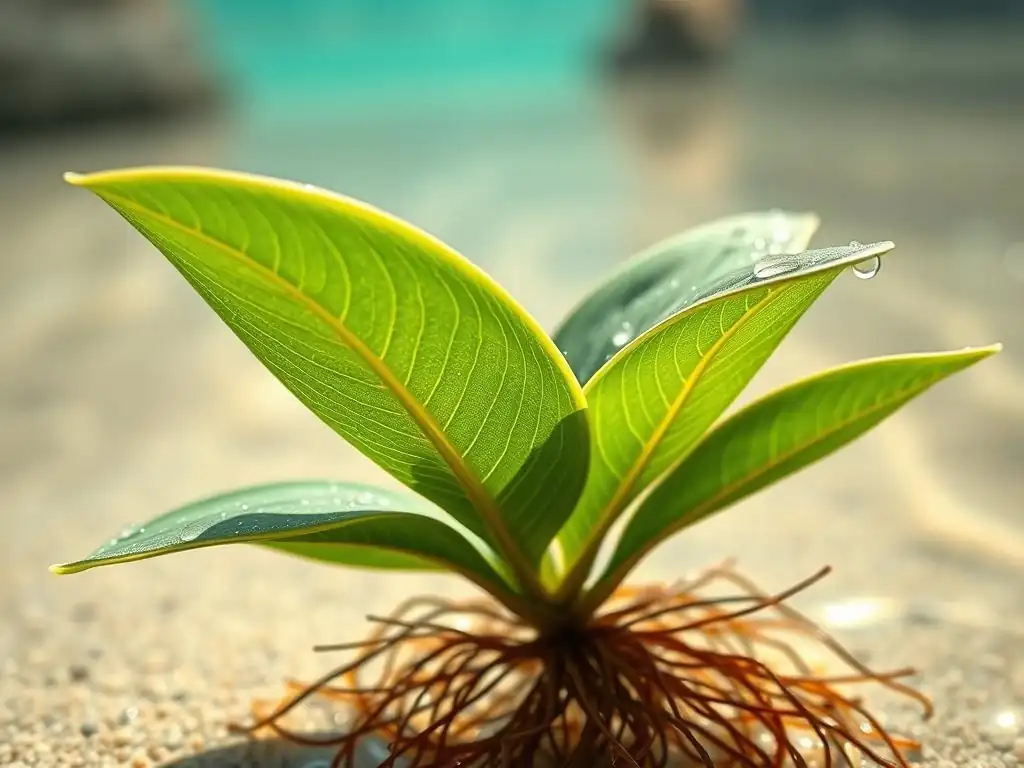
Understanding Hardscape Materials: Rocks, Wood, and Substrates
Hardscape forms the skeletal structure of your freshwater aquascape, providing the foundation and visual anchors around which your aquatic plants will grow. The primary materials used are rocks and wood, each offering unique textures, shapes, and chemical properties that can influence your tank's water parameters. For instance, some rocks, like Seiryu Stone, can slightly increase water hardness and pH, while others, like Dragon Stone, are generally inert. Similarly, most types of driftwood will release tannins, which can tint the water brown and lower pH, while also providing beneficial humic substances.
Beyond their aesthetic contribution, hardscape materials serve practical purposes in creating stunning freshwater aquascapes. They provide attachment points for epiphytic plants like Anubias and Java Fern, offer hiding spots for fish and invertebrates, and can be used to delineate different sections of your aquascape. When selecting materials, consider their scale relative to your tank size and the overall theme you're trying to achieve.
A careful balance of texture, color, and form among your chosen rocks and wood pieces is crucial for creating a cohesive and natural-looking underwater landscape. It's also important to ensure all hardscape materials are aquarium-safe and thoroughly cleaned before introduction to prevent introducing unwanted contaminants.
Choosing Rocks for Aquascaping: Seiryu Stone
Seiryu Stone is a highly popular choice for creating stunning freshwater aquascapes, particularly within the Nature Aquarium and Iwagumi styles, due to its distinctive jagged texture, intricate crevices, and beautiful blue-gray coloration. Its sharp, angular forms allow aquascapers to mimic natural mountain ranges or rocky riverbeds with remarkable realism.
When selecting Seiryu Stone, look for pieces that have interesting shapes and natural variations in texture, as these will contribute to the visual complexity and depth of your layout. A typical aquascape might utilize a primary "Oyaishi" (main stone), secondary "Fukuishi" (supporting stones), and smaller "Suteishi" (sacrificial stones) to create a harmonious arrangement.
While aesthetically stunning, it's important to note that Seiryu Stone is composed primarily of calcium carbonate, which can gradually leach into the water, slightly increasing its hardness (GH and KH) and pH over time. This effect is generally manageable with regular water changes, but it's a factor to consider if you plan to keep fish or plants that prefer very soft, acidic water.
Despite this, its dramatic visual impact and versatility make it a top choice for those aiming to create a compelling and natural-looking freshwater aquascape design. Other popular options include Dragon Stone (Ohko Stone) for its porous, earthy texture, and Manten Stone for its rugged, dark appearance.
Selecting Wood for Aquascaping: Driftwood
Driftwood is another indispensable hardscape element for creating stunning freshwater aquascapes, offering natural beauty, intricate forms, and beneficial properties for the aquarium environment. Popular types include Manzanita wood, known for its intricate branching patterns that resemble tree roots or branches, and Malaysian driftwood, which is denser and often has a more gnarled, robust appearance.
Spider Wood (Redmoor Wood) is also a favorite due to its numerous delicate branches, perfect for creating dense, root-like structures. When choosing driftwood, consider pieces that complement your chosen rocks and overall theme, aiming for shapes that create flow, depth, and interesting shadows within the tank.
A key characteristic of most driftwood is the release of tannins, organic compounds that can tint the water a tea-like brown color. While some aquascapers appreciate this natural look, others prefer clearer water. To minimize tannin release, it's recommended to pre-soak driftwood in a separate container for several days or weeks, changing the water daily until the discoloration significantly reduces.
Boiling the wood can also help accelerate this process and sterilize the wood. Beyond aesthetics, driftwood provides a surface for beneficial bacteria to colonize, contributing to biological filtration, and can release humic substances that are beneficial for certain fish species and aquatic plants, making it a multifaceted component of your freshwater aquascape design.
Arranging Your Hardscape: Creating Depth and Perspective
Arranging your hardscape is perhaps the most critical step in creating stunning freshwater aquascapes, as it establishes the fundamental structure and visual appeal of your underwater world. The goal is to create a sense of depth and perspective, making your aquarium appear larger and more expansive than it actually is. One effective technique is to use larger hardscape elements in the foreground and progressively smaller ones towards the back.
This creates an illusion of distance, much like how objects appear smaller the further away they are in a terrestrial landscape. Additionally, tilting rocks or logs slightly towards the back of the tank can enhance this effect, guiding the viewer's eye into the depth of the aquascape.
Another powerful principle is the creation of a "focal point" or "golden spot" within your layout, typically placed off-center according to the Rule of Thirds. This main hardscape element (e.g., a dominant rock or a striking piece of driftwood) draws the viewer's attention and acts as the anchor for the entire composition. Surrounding this focal point, arrange other hardscape elements to create a sense of flow or movement, often achieved by aligning shapes or lines that converge towards the focal point or recede into the background.
For instance, in an Iwagumi layout, the main rock is supported by two or more smaller rocks, all angled to create a harmonious, unified structure that suggests the timeless beauty of natural rock formations. This thoughtful arrangement is paramount for a captivating freshwater aquascape design.
Step 3: Choosing the Right Plants for Your Freshwater Aquascape
Understanding Aquatic Plant Types: Foreground, Midground, and Background Plants
Selecting the right aquatic plants is crucial for creating stunning freshwater aquascapes, and effective plant placement relies on understanding their growth habits and ultimate size. Plants are generally categorized into three main types based on where they are typically placed in an aquascape: foreground, midground, and background. Foreground plants are usually small, low-growing species that carpet the substrate, creating a lush green lawn effect. Examples include Hemianthus callitrichoides 'Cuba' (HC Cuba), Monte Carlo, or Glossostigma elatinoides. These plants help to define the front of your aquascape and emphasize depth.
Midground plants are medium-sized species that bridge the gap between the low-lying foreground and the taller background. They add texture, color, and visual interest to the middle section of your freshwater aquascape design. Common midground plants include Cryptocoryne species (such as Cryptocoryne wendtii or Cryptocoryne undulata), Bucephalandra varieties, and smaller stem plants like Rotala rotundifolia. Finally, background plants are tall, fast-growing species that provide a lush green wall, hiding equipment, and creating a sense of scale and depth. Vallisneria spiralis, Ludwigia repens, and various Rotala species are popular choices for the background, helping to frame the entire aquascape.
Selecting Easy-to-Care-For Plants for Beginners: Java Fern, Anubias, Cryptocoryne
For those just beginning their journey in creating stunning freshwater aquascapes, choosing hardy and low-maintenance plants is key to building confidence and ensuring success. Java Fern ( Microsorum pteropus) is an excellent choice, known for its resilience and ability to thrive in a wide range of water conditions and low light. It does not require planting in the substrate; instead, its rhizome should be attached to hardscape elements like rocks or driftwood using fishing line or super glue. This versatility makes it perfect for adding a natural, textured look to your hardscape.
Similarly, Anubias species ( Anubias barteri, Anubias nana, Anubias coffeefolia) are incredibly robust and forgiving plants. Like Java Fern, their rhizomes should not be buried in the substrate, as this can lead to rot. They are slow-growing, require minimal light, and are resistant to algae growth, making them ideal for beginners.
Cryptocoryne species (e.g., Cryptocoryne wendtii, Cryptocoryne spiralis) are also fantastic beginner plants that thrive rooted in the substrate. While they can experience "crypt melt" initially after being moved, they typically bounce back with strong, healthy growth, providing beautiful foliage and naturalistic forms in your freshwater aquascape. These plants provide a strong foundation for a thriving and visually appealing planted tank without demanding advanced care.
Plant Placement Strategies: Creating a Balanced and Visually Appealing Aquascape
Effective plant placement is critical for creating stunning freshwater aquascapes that possess depth, balance, and visual appeal. Once you've selected your plant types (foreground, midground, background), consider how their shapes, colors, and textures will interact. Avoid planting in straight lines or perfectly symmetrical patterns; instead, aim for natural-looking clusters and organic flows that mimic natural growth. For instance, plant foreground carpeting plants in an undulating manner, allowing them to gently curve around hardscape elements rather than forming a uniform block.
To enhance depth, use the principle of "forced perspective" by planting smaller-leafed or shorter varieties of background plants towards the rear of the tank, even if they are typically background species. This makes the tank appear longer than it is. Create distinct layers, ensuring that taller plants in the background don't completely overshadow midground plants, and midground plants don't obscure the foreground.
Varying plant heights and leaf shapes within each section adds visual interest and prevents monotony. For example, a cluster of fine-leaved Rotala in the background can be contrasted with broad-leaved Anubias in the midground, contributing to a dynamic and harmonious freshwater aquascape design.
Step 4: Preparing Your Substrate and Setting Up Your Aquascape
Choosing the Right Substrate for Plant Growth: Aquasoil
The substrate forms the foundation for healthy plant growth in a freshwater aquascape, providing essential nutrients and a stable rooting medium. For creating stunning freshwater aquascapes, especially those with demanding plants, specialized aquasoil is the preferred choice. Brands like ADA Aqua Soil Amazonia or UNS Controsoil are highly regarded for their rich nutrient content and excellent buffering capabilities. These substrates are typically composed of baked clay granules, which are porous, allowing for good water circulation around plant roots and providing ample surface area for beneficial bacteria to colonize.
Aquasoils are designed to slowly release essential plant nutrients, including nitrogen, phosphorus, potassium, and various trace elements, directly to the roots, promoting robust growth and vibrant coloration. Furthermore, many aquasoils have a natural buffering capacity that helps to lower and stabilize the pH of the water, typically in the range of 6.0 to 7.0, which is ideal for most aquatic plants and many popular tropical fish species. While more expensive than inert gravel, the benefits of aquasoil in fostering a thriving planted tank environment are significant, making it a worthwhile investment for a successful freshwater aquascape.
Layering Your Substrate for Optimal Plant Health
Proper substrate layering is a critical step in creating stunning freshwater aquascapes, as it ensures optimal conditions for plant root development and long-term nutrient availability. While a single layer of aquasoil can suffice, many experienced aquascapers opt for a multi-layered approach to enhance plant health and provide a nutrient reservoir.
The base layer often consists of a specialized power sand or nutrient-rich additive, such as ADA Power Sand or similar products, which contains volcanic rock, porous materials, and slow-release fertilizers. This layer provides a long-term nutrient source and helps to establish beneficial anaerobic bacteria colonies, which contribute to the nitrogen cycle.
Above this foundational layer, a thicker layer of aquasoil is meticulously spread. The depth of this layer is crucial; aim for a minimum of 2-3 inches (5-7.5 cm) across the entire footprint of the tank to allow sufficient rooting for most aquatic plants. In areas where larger background plants or heavy root-feeders will be placed, increasing the substrate depth to 4-6 inches (10-15 cm) can be highly beneficial.
Additionally, shaping the substrate with a gentle slope from the back to the front of the tank dramatically enhances the perception of depth and perspective, making your freshwater aquascape appear more expansive and natural. This careful layering establishes a robust environment for your plants to flourish.
Arranging Hardscape and Plants in the Aquarium Tank
With your substrate meticulously layered, the next exciting step in creating stunning freshwater aquascapes is arranging your hardscape and planting your chosen aquatic flora. Begin by placing your pre-selected rocks and driftwood onto the substrate, adhering to your planned design or allowing for organic adjustments as you visualize the layout within the tank. Ensure the hardscape is stable and securely positioned, as shifting elements after planting can be disruptive. Use larger pieces to establish the main structure and focal points, then fill in with smaller pieces to create detail and visual harmony.
Once the hardscape is set, proceed with planting. It is often easier to plant when the substrate is slightly damp or the tank is filled with only an inch or two of water, as this prevents the substrate from clouding excessively and allows plants to be manipulated more easily. Using long aquascaping tweezers, carefully insert each plant into the substrate, ensuring the roots are fully buried but the crown (where leaves emerge) is exposed, especially for stem plants.
For epiphytic plants like Java Fern and Anubias, attach them directly to your chosen hardscape elements using cotton thread, fishing line, or a tiny dab of aquarium-safe super glue. Plant from the background forward, starting with the tallest plants and moving towards the foreground carpets, meticulously filling in your freshwater aquascape design.
Step 5: Filling the Tank and Cycling the Aquarium
Gradually Filling the Tank to Avoid Disturbing the Aquascape
After the meticulous process of arranging your hardscape and planting your aquatic flora, the moment arrives to introduce water to your stunning freshwater aquascape. This step requires careful execution to avoid disturbing your painstakingly crafted layout. A common and effective method is to place a flat plate, a piece of plastic wrap, or even your hand directly onto the substrate or a large hardscape element, and then slowly pour or siphon water onto this surface. This diffuses the incoming water, preventing a strong current from dislodging plants, stirring up the substrate, or altering your hardscape arrangement.
Fill the tank gradually, pausing periodically to allow any suspended particles to settle. It is advisable to use dechlorinated water from the start, especially if you plan to introduce beneficial bacteria cultures. As the water level rises, you'll begin to see your freshwater aquascape come to life, revealing the depth and beauty of your design. Continue filling until the water reaches the desired level, typically leaving a small gap from the rim to prevent accidental spills. The initial cloudiness is normal and will usually clear within a few hours as the filter begins its work.
Understanding the Nitrogen Cycle: Essential for a Healthy Aquarium
The nitrogen cycle is the cornerstone of a healthy and stable freshwater aquascape, crucial for the survival of any aquatic life you plan to introduce. This biological process transforms harmful waste products into less toxic forms. It begins with ammonia (NH3/NH4+), which is highly toxic to fish and invertebrates, produced by fish waste, uneaten food, and decaying plant matter. Specialized beneficial bacteria, primarily Nitrosomonas species, colonize the filter media, substrate, and hardscape, converting ammonia into nitrite (NO2-), which is also highly toxic.
A second group of beneficial bacteria, Nitrobacter and Nitrospira species, then convert the nitrite into nitrate (NO3-). While nitrate is significantly less toxic than ammonia or nitrite, high concentrations can still be harmful over time and contribute to algae growth. Aquatic plants play a vital role in this cycle by absorbing nitrates as a primary nutrient, effectively removing them from the water column. Regular water changes are also essential to export accumulated nitrates, ensuring a balanced and healthy environment for your stunning freshwater aquascape and its future inhabitants.
Cycling Your Aquarium: A Step-by-Step Guide
Cycling your aquarium is the process of establishing a robust colony of beneficial nitrifying bacteria before adding fish, ensuring that your freshwater aquascape can safely process ammonia and nitrite. The most common and recommended method for a planted tank is "fishless cycling," which typically takes 4 to 6 weeks. Begin by setting up your filter, heater, and lights, and ensure the tank is filled with dechlorinated water. To initiate the cycle, you need a source of ammonia. This can be done by adding pure ammonia solution (without surfactants) directly to the tank, aiming for a concentration of 2-4 ppm.
Over the coming weeks, regularly test your water parameters using a liquid test kit (strips are less accurate). You will first observe a spike in ammonia, followed by a rise in nitrite as ammonia-oxidizing bacteria develop. Finally, as nitrite-oxidizing bacteria establish, nitrite levels will drop, and nitrates will begin to accumulate. The cycle is complete when both ammonia and nitrite consistently read 0 ppm for several consecutive days, usually within 24 hours of adding a dose of ammonia. At this point, your stunning freshwater aquascape is biologically mature and ready for the gradual introduction of fish.
Step 6: Maintaining Your Freshwater Aquascape
Regular Water Changes: Maintaining Water Quality
Regular water changes are arguably the most critical maintenance task for a thriving freshwater aquascape, directly impacting water quality, plant health, and the well-being of any aquatic inhabitants. While plants absorb nitrates, they don't consume all waste products, and trace elements can become depleted over time. Performing a partial water change of 25-50% of the tank volume weekly or bi-weekly helps to export accumulated nitrates, phosphates, and other dissolved organic compounds that can contribute to algae growth. It also replenishes essential minerals and trace elements that are consumed by plants and fish.
For example, in a 20-gallon aquascape, a 50% weekly water change would involve removing 10 gallons of water. Always use a gravel vacuum to siphon water from the bottom, removing detritus and uneaten food that accumulate in the substrate, while being careful not to disturb your meticulously placed plants. Ensure the fresh water added back to the tank is dechlorinated and temperature-matched to prevent shocking your fish and plants. Consistent water changes are fundamental to maintaining the pristine conditions necessary for creating stunning freshwater aquascapes that flourish long-term.
Fertilizing Your Plants: Providing Essential Nutrients
Even with nutrient-rich aquasoil, supplemental fertilization is often necessary to ensure optimal growth and vibrant coloration in a stunning freshwater aquascape, especially as the initial nutrients in the substrate deplete or for demanding plant species. Aquatic plants require a balanced supply of macronutrients (Nitrogen, Phosphorus, Potassium - NPK) and micronutrients (Iron, Manganese, Boron, Zinc, etc.). Deficiencies in any of these can lead to stunted growth, yellowing leaves, or other signs of distress. Liquid fertilizers, often dosed daily or weekly, provide a broad spectrum of nutrients directly to the water column, which is absorbed by the leaves.
Root tabs, on the other hand, are solid fertilizer capsules inserted directly into the substrate near the roots of heavy root-feeding plants like Cryptocorynes and Swords. These provide a slow-release source of nutrients specifically for plants that primarily draw sustenance from the substrate. The specific fertilization regimen will depend on your plant density, light intensity, and whether you are injecting CO2. For instance, a high-tech aquascape with intense lighting and CO2 injection will require a more robust fertilization plan compared to a low-tech setup, highlighting the tailored approach needed for creating stunning freshwater aquascapes.
CO2 Injection: Enhancing Plant Growth (Optional)
While not strictly necessary for all freshwater aquascapes, CO2 injection is a game-changer for those aiming to achieve lush, rapid growth and vibrant health in their aquatic plants, particularly for creating stunning freshwater aquascapes with carpeting plants or dense stem plant layouts. Carbon dioxide is a primary building block for photosynthesis, and in an enclosed aquarium environment, natural CO2 levels are often insufficient to support robust plant growth, especially under high lighting. Supplementing CO2 significantly boosts plant metabolism, leading to faster growth, larger leaves, and more intense coloration.
CO2 injection systems typically involve a pressurized CO2 cylinder, a regulator with a solenoid valve for precise control, and a diffuser that breaks the gas into fine bubbles for efficient dissolution in the water. For optimal plant health and to prevent harm to fish, CO2 levels should be maintained consistently throughout the lighting period, usually aiming for 20-30 ppm (parts per million).
A drop checker, a small glass device containing a pH-sensitive indicator solution, is used to visually monitor CO2 levels, turning green when levels are optimal. While an initial investment, CO2 injection elevates a freshwater aquascape from merely surviving to truly thriving.
Algae Control: Preventing and Managing Algae Blooms
Algae is an inevitable part of any freshwater aquascape ecosystem, but uncontrolled algae blooms can quickly detract from the beauty of your stunning freshwater aquascape and signal an imbalance in the tank. The primary causes of excessive algae growth are typically an overabundance of light, excess nutrients (especially nitrates and phosphates), or an imbalance in CO2 levels for high-tech setups. Common types include green spot algae (small, hard green spots), hair algae (long, stringy green strands), and black brush algae (BBA) (dark, fuzzy patches).
Effective algae control involves a multi-pronged approach. Firstly, optimize your lighting schedule, typically 6-8 hours per day, and ensure the light intensity is appropriate for your plants. Secondly, maintain consistent nutrient levels through regular water changes and balanced fertilization; avoid over-dosing.
If using CO2, ensure stable and sufficient levels, as fluctuating CO2 can trigger BBA. Manual removal of algae with a scraper or brush is also essential. Introducing an effective "clean-up crew" such as Amano shrimp ( Caridina multidentata), Otocinclus catfish ( Otocinclus affinis), or Nerite snails ( Neritina natalensis) can significantly help in controlling various algae types, contributing to a pristine freshwater aquascape.
Step 7: Adding Fish to Your Aquascape
Choosing Compatible Fish Species for Your Planted Tank
Once your stunning freshwater aquascape is fully cycled and stable, the exciting step of adding fish can begin. The key to success is selecting fish species that are compatible with a planted tank environment and with each other. Prioritize small, peaceful species that won't uproot plants, graze excessively on delicate foliage, or overwhelm the biological filtration capacity of your system. Good choices often include schooling fish that add dynamic movement and visual interest to the aquascape.
Excellent beginner-friendly options for a planted tank include Neon Tetras ( Paracheirodon innesi), Ember Tetras ( Hyphessobrycon amandae), or Chili Rasboras ( Boraras brigittae), which are small, colorful, and peaceful community fish that thrive in soft, acidic water. For algae control, Otocinclus catfish are highly effective at grazing on soft algae without harming plants, and Amano shrimp are diligent scavengers. Avoid large, boisterous, or known plant-eating species like many cichlids (e.g., Oscars) or goldfish, as they can quickly decimate a carefully crafted freshwater aquascape. Always research the specific needs and compatibility of fish before introducing them.
Introducing Fish Slowly to Avoid Stress
Introducing fish to your newly established stunning freshwater aquascape requires patience and a gradual approach to minimize stress and ensure their successful acclimation. Rushing this process can lead to shock, illness, or even death for your new inhabitants. Begin by floating the sealed bag containing your fish in the aquarium for 15-20 minutes. This allows the water temperature in the bag to gradually equalize with the tank water, preventing a sudden temperature shock.
After temperature equalization, open the bag and begin the drip acclimation process. This involves slowly adding small amounts of your aquarium water into the bag over a period of 30-60 minutes, using airline tubing and a knot to control the drip rate (e.g., 1-2 drops per second). This gradual mixing allows the fish to slowly adjust to the water chemistry (pH, hardness, etc.)
of their new environment. Once the bag contains approximately 2-3 times its original volume of water, gently net the fish and release them into the aquascape, discarding the bag water to avoid introducing any potentially harmful substances from the pet store. Introduce only a few fish at a time, waiting a week or two before adding more, to allow your biological filter to adjust to the increased bioload.
Monitoring Fish Health and Behavior
Once fish have been introduced into your stunning freshwater aquascape, continuous monitoring of their health and behavior is crucial for the long-term success of your planted tank. Healthy fish exhibit active swimming, clear eyes, intact fins, and vibrant coloration. They should also show a healthy appetite during feeding times. Any deviations from these norms can be early indicators of stress, disease, or water quality issues. For instance, lethargy, clamped fins, gasping at the surface, or unusual spots or growths on their bodies warrant immediate investigation.
Regularly observe your fish for signs of aggression or bullying, especially if you have multiple species. While minor skirmishes can occur, persistent aggression indicates incompatibility or overcrowding. Also, pay close attention to your water parameters (ammonia, nitrite, nitrate, pH, temperature) using your test kit. Spikes in ammonia or nitrite, even after the initial cycle, suggest an issue with your biological filtration, possibly due to overfeeding or an excessive bioload. Maintaining stable and optimal water conditions, along with daily observation, is key to ensuring the well-being of the inhabitants of your freshwater aquascape.
Troubleshooting Common Aquascaping Problems
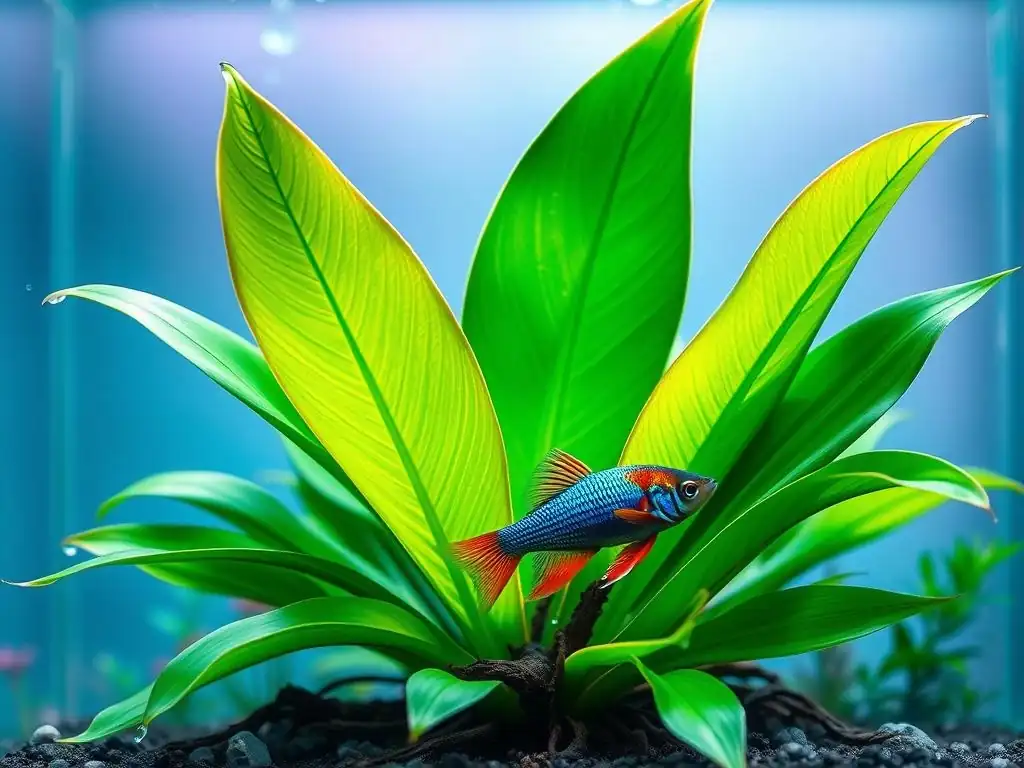
Dealing with Algae Issues in Your Freshwater Aquascape
Algae outbreaks are one of the most common and frustrating challenges when creating stunning freshwater aquascapes, often indicating an imbalance in the tank's ecosystem. Identifying the type of algae can help pinpoint the cause and the most effective solution. For instance, green spot algae, appearing as small, hard green dots on glass and slow-growing plant leaves, often signals low phosphate levels or excessive light intensity. Increasing phosphate fertilization and reducing light duration (e.g., from 10 hours to 7 hours per day) can help.
Hair algae, long stringy green strands, frequently results from excess light, high nutrient levels (especially nitrates and phosphates), or an insufficient clean-up crew. Manual removal, reducing light, and increasing water changes are primary remedies. Black brush algae (BBA), characterized by tough, dark, fuzzy patches, often points to fluctuating CO2 levels or inconsistent nutrient dosing in high-tech setups. Ensuring stable CO2, consistent fertilization, and spot-treating with liquid carbon products can be effective. A consistent maintenance routine and a balanced ecosystem are the best defenses against persistent algae in your freshwater aquascape.
Plant Deficiencies and How to Correct Them
Even in a well-maintained stunning freshwater aquascape, plants can exhibit signs of nutrient deficiencies, which manifest as specific symptoms on their leaves and growth patterns. Recognizing these signs is crucial for prompt correction. For example, yellowing or pale new leaves, often accompanied by stunted growth, typically indicates an iron deficiency. This can be addressed by increasing the dosage of iron-rich liquid fertilizers or adding iron-specific root tabs. Older leaves turning yellow or melting, especially starting from the tips, often points to a potassium deficiency, which can be remedied by adding potassium supplements.
Holes in leaves, or leaves that appear brittle or transparent, can signal a lack of phosphorus. Stunted growth with dark green, often twisted, older leaves might suggest a nitrogen deficiency. For these macronutrient issues, adjusting your NPK liquid fertilizer or adding more root tabs will be necessary. It's essential to use a comprehensive liquid fertilizer that contains a full spectrum of macro and micronutrients. Consistent observation and understanding the specific needs of your plant species are key to maintaining a vibrant and healthy freshwater aquascape.
Maintaining Water Parameters for Optimal Plant and Fish Health
Maintaining stable and appropriate water parameters is paramount for the long-term health of both plants and fish in your stunning freshwater aquascape. Fluctuations in key parameters can stress inhabitants and hinder plant growth. For most planted tanks, a slightly acidic to neutral pH range of 6.5 to 7.2 is ideal for nutrient absorption by plants and comfort for many popular tropical fish.
Regular testing with a reliable liquid test kit is essential. Hardness, measured as General Hardness (GH) and Carbonate Hardness (KH), also plays a significant role. A GH of 4-8 dGH (degrees of General Hardness) and a KH of 3-6 dKH (degrees of Carbonate Hardness) are often recommended, as KH buffers pH and provides carbon for plants, while GH supplies essential minerals like calcium and magnesium.
Temperature stability is equally important; most tropical aquascapes thrive between 72-78°F (22-26°C). Rapid temperature swings can cause stress and weaken fish immune systems. Furthermore, keeping ammonia and nitrite at 0 ppm is non-negotiable for fish health, while nitrates should be kept below 20 ppm through regular water changes and plant absorption. Consistent monitoring and proactive adjustments to these water parameters are fundamental to preventing problems and ensuring a thriving, beautiful freshwater aquascape.
Advanced Aquascaping Techniques
CO2 Injection Systems: A Deeper Dive
For those committed to creating truly stunning freshwater aquascapes with vibrant, dense plant growth, a high-quality CO2 injection system is an advanced but highly rewarding investment. Beyond the basic pressurized cylinder and regulator, understanding the nuances of a CO2 setup is key.
The regulator should feature a dual gauge, showing both tank pressure and working pressure, and a precision needle valve for fine-tuning the bubble count (bubbles per second, or bps). A solenoid valve is crucial, allowing the CO2 to turn on and off with your lights via a timer, preventing CO2 buildup overnight when plants aren't photosynthesizing, which could harm fish.
Diffusers come in various forms, from ceramic disc diffusers that produce fine mist-like bubbles to inline diffusers that integrate directly into your filter's output tubing for maximum dissolution efficiency. A CO2 drop checker, placed opposite the diffuser, provides a visual indication of CO2 levels in the water; a lime green color typically indicates optimal 30 ppm CO2. Achieving consistent CO2 levels throughout the day is paramount for plant health and preventing algae. Fluctuating CO2 can stress plants and trigger stubborn algae like Black Brush Algae. Mastering your CO2 system is a significant step in elevating your freshwater aquascape.
Aquascaping Fertilization Strategies: EI vs. Lean Dosing
As your stunning freshwater aquascape matures and plant growth intensifies, understanding advanced fertilization strategies becomes crucial. Two prominent methods are the Estimative Index (EI) and Lean Dosing. EI is a "non-limiting" approach, where nutrients (macros and micros) are dosed in excess, ensuring plants always have more than enough nutrients available.
This method typically involves adding dry salts of N, P, K, and a comprehensive micronutrient mix several times a week, followed by a large 50% weekly water change to reset the water column and prevent excessive buildup. EI is popular for high-tech aquascapes with intense lighting and CO2, as it supports rapid, vigorous growth and minimizes nutrient-related deficiencies.
Lean Dosing, conversely, involves adding only limited amounts of nutrients, often favoring micronutrients or specific macros, and relying heavily on the substrate and fish waste for the remaining nutrients. This method is often preferred for low-tech or low-light freshwater aquascapes, where plant growth is slower, and there's less demand for nutrients.
The idea is to keep nutrient levels low enough to starve algae, while still providing just enough for plants to thrive. While potentially more challenging to balance initially, Lean Dosing can result in very clean tanks with minimal algae, though plant growth may be slower and less dense compared to EI-dosed setups.
Trimming and Pruning Techniques for a Thriving Aquascape
Regular trimming and pruning are essential advanced techniques for maintaining the aesthetic appeal and health of your stunning freshwater aquascape. Without proper trimming, fast-growing stem plants can quickly become overgrown, shading out lower plants and leading to die-off, while carpeting plants can become too thick, trapping detritus and hindering nutrient flow. For stem plants, use sharp aquascaping scissors to cut the stem just above a leaf node. The cut-off top portion can often be replanted to propagate new plants, while the remaining stem will branch out, leading to denser growth.
Carpeting plants, such as Hemianthus callitrichoides 'Cuba' or Monte Carlo, require frequent trimming to maintain their low-growing, lush appearance. Use spring scissors or specialized carpet scissors to prune them down to about an inch or less from the substrate. This prevents the carpet from becoming too thick and lifting, and encourages new, healthy growth.
Epiphytic plants like Anubias and Java Fern should have old or algae-covered leaves removed at the rhizome. Consistent trimming not only maintains the intended design of your freshwater aquascape but also encourages stronger, healthier growth by redirecting energy to new shoots and preventing lower leaves from being choked out.
Conclusion: Enjoying Your Stunning Freshwater Aquascape.
Embarking on the journey of creating stunning freshwater aquascapes is a deeply rewarding endeavor, transforming a simple glass box into a vibrant, living piece of art. From the initial conceptualization of your chosen style, through the meticulous selection and arrangement of hardscape and plants, to the critical stages of cycling and ongoing maintenance, each step builds towards a breathtaking underwater paradise. It is a hobby that demands patience, attention to detail, and a willingness to learn, but the visual satisfaction and the tranquility it brings are immeasurable.
As your freshwater aquascape matures, you'll witness the dynamic interplay between plants, fish, and the subtle forces of nature unfolding within your home. The lush growth of plants, the graceful movements of fish, and the ever-evolving ecosystem become a constant source of fascination and pride.
Remember that aquascaping is an ongoing process of observation and adjustment; there will be challenges, but each one offers an opportunity to deepen your understanding and refine your skills. Ultimately, the reward is a beautiful, thriving slice of nature that provides a serene escape and a testament to your dedication to the art of creating stunning freshwater aquascapes.
Frequently Asked Questions
What is an aquascape and why should I create one?
An aquascape is essentially underwater gardening, arranging aquatic plants, rocks, wood, and substrate in an aesthetically pleasing way within an aquarium. It's more than just keeping fish; it's about creating a beautiful ecosystem and bringing a piece of nature into your home.
What are the essential components needed to start my first freshwater aquascape?
You'll need a suitable aquarium tank, aquascaping substrate, hardscape materials (rocks, driftwood), aquatic plants, a filtration system, lighting, and a source of carbon dioxide (CO2) for plant growth. Proper planning and research before buying are essential.
How do I choose the right plants for my freshwater aquascape?
Consider the light requirements, nutrient needs, and growth rate of different plant species. Choose plants that complement each other in terms of color, texture, and size. Match your plants to the fish that you plan on keeping.
What are some common mistakes beginner aquascapers make?
Overcrowding the tank with too many plants or hardscape materials is a common mistake. Also, neglecting water changes and failing to maintain proper water parameters can lead to algae problems and unhappy fish.
How do I maintain a healthy and thriving freshwater aquascape?
Regular water changes are crucial for removing excess nutrients and maintaining water quality. Trim plants regularly to prevent overcrowding and ensure proper light penetration. Monitor water parameters like pH, ammonia, nitrite, and nitrate to ensure a healthy environment for your plants and fish.
Final Reflection: Cultivating Underwater Harmony
The journey into creating stunning freshwater aquascapes, as we've explored, is more than just arranging plants and rocks; it's about crafting miniature ecosystems. This act of creation resonates deeply in a world increasingly disconnected from nature, offering a tangible connection to the beauty and complexity of the natural world right within our homes. It's a testament to the power of mindful design and the therapeutic benefits of nurturing life, even on a small scale.
This art form has profoundly influenced how we perceive and interact with aquatic environments. The aquascape, in its essence, is a living canvas, constantly evolving and reflecting the delicate balance of nature. It reminds us of the interconnectedness of all things and the importance of responsible stewardship. In nature, nothing is perfect and everything is perfect. Trees can be contorted, bent in weird ways, and they're still beautiful.
- Alice Walker. This quote perfectly encapsulates the beauty of imperfection that aquascaping allows us to embrace.
Now, as you embark on your own aquascaping adventure, remember that the most breathtaking creations are born from patience, observation, and a deep respect for the life you are nurturing. Let the principles of design and the wonders of nature guide you, and allow your aquascape to become a source of tranquility, inspiration, and a constant reminder of the beauty that can be found in even the smallest of worlds.
Unleash Your Inner Aquascaper!
Thanks for diving into the art of aquascaping with us! We hope this guide has sparked your creativity and given you the confidence to create your own underwater masterpiece. Now, it’s time to transform inspiration into action.
- Dive in and sketch your dream aquascape! Planning is key to success.
- Share your aquascaping vision with other enthusiasts on the Aquarium Mastery forums for feedback and inspiration.
- Surprise us – what unexpected element will you incorporate into your first aquascape?