
Stunning Aquascapes on a Shoestring: BudgetFriendly Design Tips & Hardscape Hacks

Welcome to Aquarium Mastery!
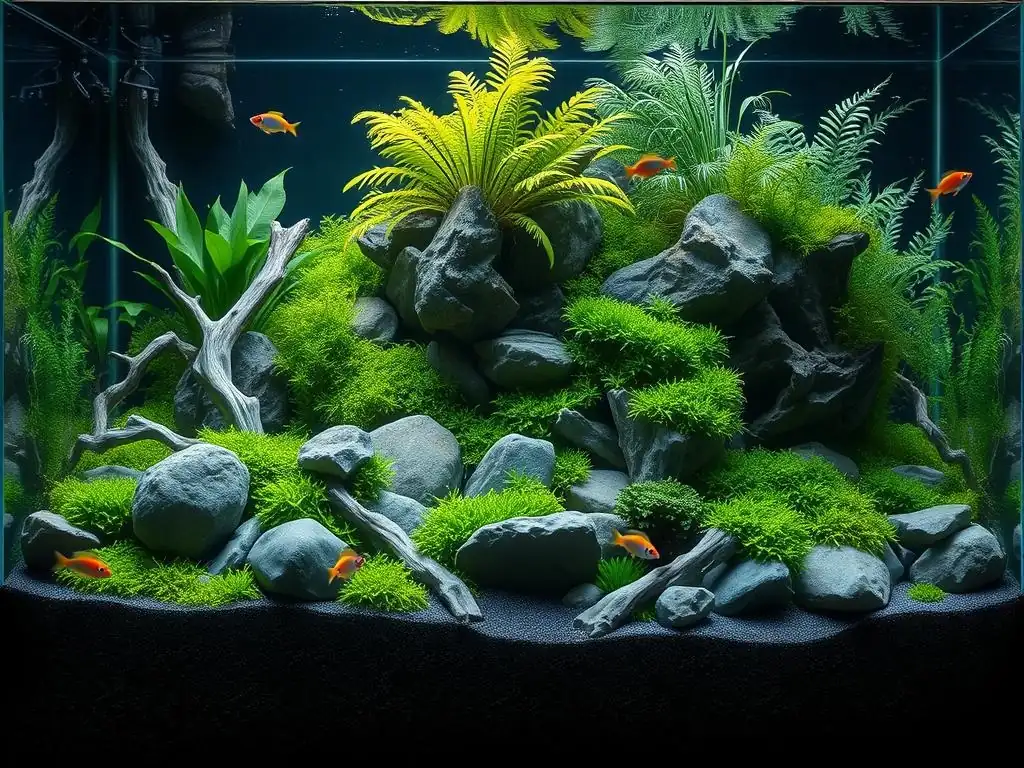
Ever dreamed of a breathtaking aquascape but worried about the price tag? Dive into our latest article, "Stunning Aquascapes on a Shoestring: Budget-Friendly Design Tips & Hardscape Hacks," and discover the secrets to creating a captivating underwater paradise without breaking the bank. Ready to transform your aquarium into a work of art? Let's explore some budget aquascaping design tips that will leave you, and your fish, in awe!
- Introduction: Achieving Aquascaping Excellence on a Budget
- Understanding the Principles of Budget Aquascaping Design
- Hardscape Hacks for a Stunning Low-Budget Aquascape
- Plant Selection for a Budget-Conscious Aquascape
- Substrate Strategies for a Cost-Effective Aquascape
- Lighting Solutions for a Budget-Friendly Planted Tank
- Aquascaping Tools and Equipment: Saving Money
- Water Chemistry Management on a Budget
- Examples of Successful Budget Aquascapes
- Maintaining Your Budget Aquascape: Long-Term Savings
- Conclusion: Unleashing Your Creativity with Budget Aquascaping Design Tips
-
Frequently Asked Questions
- How can I create a stunning aquascape on a tight budget?
- What are some budget-friendly hardscape hacks I can use in my aquarium?
- Where can I find affordable aquarium plants for my aquascape?
- What are some common mistakes to avoid when aquascaping on a budget?
- How important is planning and design when creating a budget aquascape?
- Final Reflection: The Enduring Beauty of Accessible Aquascaping
- Craft Your Dream Aquascape Today!
Introduction: Achieving Aquascaping Excellence on a Budget
Aquascaping, the art of creating underwater landscapes, is often perceived as an expensive hobby, requiring specialized equipment, exotic plants, and premium hardscape materials. However, this is a common misconception. With thoughtful planning, resourcefulness, and smart choices, it is entirely possible to craft breathtaking aquascapes without draining your wallet. This article will provide comprehensive budget aquascaping design tips and clever hacks to help you achieve a stunning aquatic masterpiece, proving that creativity, not cost, is the true limit.
The goal of budget aquascaping is to maximize visual impact and ecological health while minimizing financial outlay. By focusing on fundamental design principles, smart sourcing, and efficient maintenance, aquarists can enjoy the beauty and tranquility of a professionally designed tank for a fraction of the cost. From selecting affordable hardscape to optimizing plant growth with minimal investment, every aspect of the setup can be approached with a cost-conscious mindset, making the hobby accessible to a wider audience.
Understanding the Principles of Budget Aquascaping Design
Defining Your Aquascape Style: Low-Cost Options
Choosing an aquascape style early in your planning process can significantly impact your budget. Styles like the Iwagumi, characterized by a minimalist rock arrangement and a single type of carpeting plant, can be remarkably economical. This style often requires fewer plants and simpler hardscape elements, reducing initial purchase costs. For instance, a 10-gallon Iwagumi setup might only need 3-5 carefully selected rocks and a small batch of a single plant species like Monte Carlo, keeping material costs well under $50 for the aquascape itself.
Similarly, a low-tech "Nature Aquarium" can be very budget-friendly. Instead of dense, high-maintenance plant layouts, focus on hardy, easy-to-grow species that fill out over time. Utilizing larger, simpler hardscape pieces like a single prominent piece of driftwood or a few substantial rocks can create a strong focal point without needing an abundance of smaller, more expensive elements. This approach not only saves money on initial plant purchases but also reduces ongoing costs associated with CO2 injection systems and high-intensity lighting.
The Importance of Planning in Affordable Aquascaping
Thorough planning is arguably the most crucial step in achieving a beautiful aquascape on a limited budget. Impulse purchases of plants or hardscape can quickly inflate costs and often lead to unsuitable items that don't fit the overall design. Before buying anything, sketch out your desired layout, considering the rule of thirds and golden ratio principles, and visualize how each element will contribute to the final aesthetic. This foresight allows you to make precise purchases, avoiding wasted money on excess or ill-fitting materials.
Furthermore, detailed planning helps identify potential cost savings. For example, if your design relies heavily on a specific type of rock, researching local suppliers or even safe outdoor collection spots before visiting an aquarium store can save you significant amounts. Understanding the growth habits of your chosen plants will also prevent over-purchasing; a small portion of a fast-growing stem plant can quickly multiply to fill a large area, whereas buying a fully grown plant for immediate impact is often far more expensive. A well-executed plan can reduce overall setup costs by 20-40% compared to an unplanned, piecemeal approach.
Hardscape Hacks for a Stunning Low-Budget Aquascape
Sourcing Affordable Rocks and Wood for Your Aquascape
Finding Local Rock Options for Budget Aquascapes
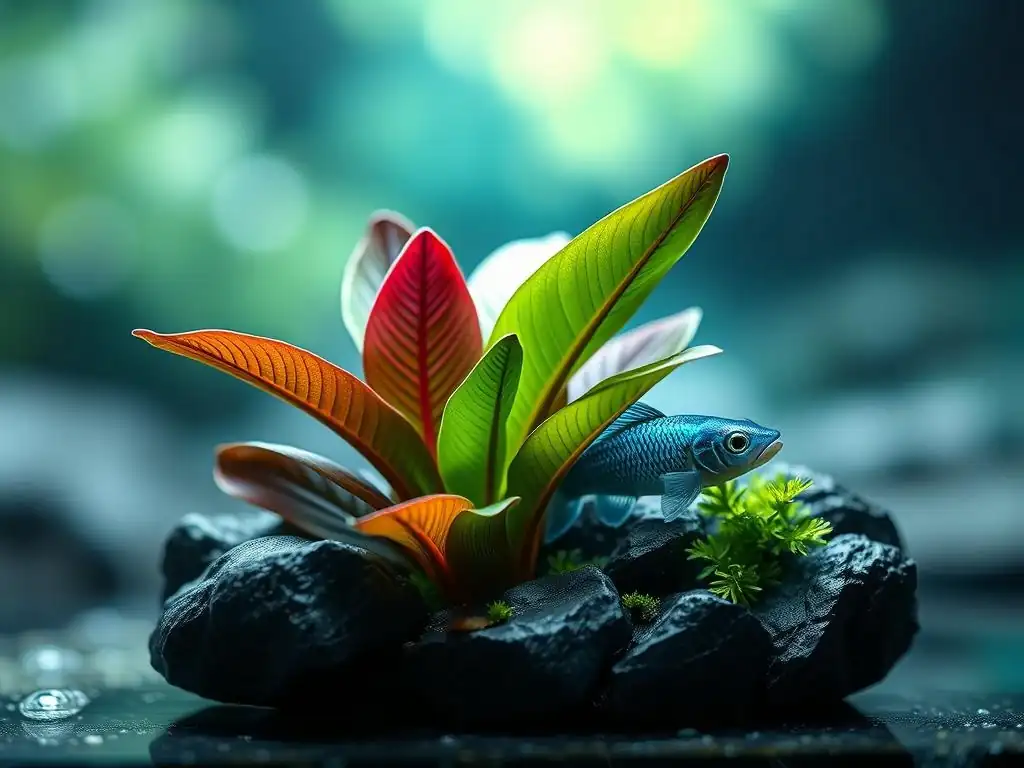
Rocks form the backbone of many aquascapes, but their cost can quickly add up. One of the best budget aquascaping design tips for hardscape is to look beyond specialized aquarium stores. Local landscaping supply companies often sell inert rocks like lava rock, slate, or river stones by the pound at a fraction of the cost of aquarium-specific varieties.
For example, while a pound of Dragon Stone might cost $8-$15 at an aquarium store, you could buy 50 pounds of lava rock or river stones for the same price from a landscape supplier, offering immense value. Always ensure any sourced rocks are inert (don't leach minerals that alter water parameters) by performing a simple vinegar test (if it fizzes, it's not suitable). Thorough cleaning and scrubbing are essential to remove any contaminants before placing them in your aquarium.
Another excellent option for economical aquascaping is carefully selected rocks from safe outdoor environments, such as riverbeds or non-polluted fields. Smooth, rounded river stones, for instance, can provide a natural, weathered look perfect for an Iwagumi or river-themed scape. However, caution is paramount: avoid rocks from areas treated with pesticides or fertilizers. Boil or thoroughly scrub any collected rocks to eliminate bacteria, parasites, or algae spores. This method offers the ultimate in cost savings, potentially reducing your hardscape expenditure to zero, but requires diligence in preparation to ensure your aquarium's safety.
Repurposing Wood for a Natural Look: Economical Choices
Driftwood is a staple in many aquascapes, providing visual interest, surfaces for plants, and even beneficial tannins. New, pre-cured aquarium driftwood can be quite expensive, with larger pieces costing upwards of $50-$100. A fantastic budget-friendly alternative is to repurpose wood found in nature. Safe, non-toxic wood types include Manzanita, grapewood, and various hardwoods (ensure they are completely dried and free of bark). Look for branches or roots that have been thoroughly dried out, ideally for several months, to prevent excessive leaching and buoyancy issues.
The preparation process for wild-collected wood is critical but simple: soak it for several weeks (changing water regularly) until it sinks and stops leaching excessive tannins. Boiling the wood for several hours can accelerate this process and sterilize it, killing any unwanted organisms. While this requires patience, the cost saving is substantial, often reducing the expense of driftwood from potentially $50-$100 to zero. This method embodies the spirit of affordable aquascaping, transforming readily available natural materials into stunning, unique hardscape elements.
Creating Depth and Perspective with Limited Resources
Achieving depth and perspective is fundamental to a compelling aquascape, and it doesn't require an abundance of expensive materials. One effective budget aquascaping design tip is to utilize the "rule of thirds" and "golden ratio" principles with even a few well-placed, low-cost hardscape elements. By placing your primary focal point (a larger rock or piece of wood) off-center, approximately two-thirds across the tank, you immediately create visual interest.
Gradual changes in rock or wood size, with larger pieces in the foreground and smaller ones towards the back, naturally enhance the illusion of distance. This technique can make a 20-gallon tank appear much deeper and more expansive than its actual dimensions.
Substrate sloping is another powerful and inexpensive technique to create perspective. By building up the substrate higher at the back of the tank and gradually sloping it down towards the front, you provide an immediate sense of depth. This creates more planting space in the rear for taller plants, further enhancing the illusion.
Even with basic, inexpensive gravel or sand, a well-executed slope can dramatically improve the visual appeal. For example, building the back substrate up by 3-4 inches while keeping the front at 1-2 inches can create a compelling landscape, costing nothing more than the initial substrate purchase. This simple yet effective method highlights how smart arrangement, rather than expensive materials, defines a captivating aquascape.
Plant Selection for a Budget-Conscious Aquascape
Low-Maintenance and Affordable Aquarium Plants
When it comes to budget aquascaping design tips, plant selection is paramount. Opting for low-maintenance, readily available, and affordable plant species can significantly reduce initial costs and ongoing care expenses. Hardy plants like Anubias barteri, Java Fern (Microsorum pteropus), and various Cryptocoryne species are excellent choices. A single small Anubias nana plant might cost around $8-$15, but it's incredibly durable, grows slowly, and requires minimal light and CO2, saving on electricity and CO2 injection systems. These plants often thrive in less-than-ideal conditions, making them perfect for a beginner's or low-tech setup.
Stem plants such as Rotala rotundifolia, Ludwigia repens, and Water Wisteria (Hygrophila difformis) are also incredibly cost-effective. While a small bunch might cost $5-$10, their rapid growth rate allows them to quickly fill out a tank, providing lush green backdrops or mid-ground accents. They are also easily propagated, meaning your initial investment can quickly multiply. Focusing on these resilient species not only keeps costs down but also reduces the likelihood of plant loss, which can be disheartening and expensive to replace.
Fast-Growing Plants for Quick Coverage on a Budget
Fast-growing plants are a cornerstone of affordable aquascaping because they provide rapid coverage, making a tank look lush and established much faster without needing to buy a large quantity of plants upfront. Species like Rotala rotundifolia, Ludwigia repens, and Water Wisteria can grow several inches per week under good conditions. For example, a single bunch of Rotala rotundifolia, costing around $5, can be trimmed and replanted weekly, effectively doubling its biomass every few weeks. Within a month or two, a small initial purchase can transform into a dense, vibrant bush.
Another excellent choice is Vallisneria (Vallisneria spiralis or americana), which propagates via runners, quickly sending out new plantlets across the substrate. A single mother plant costing approximately $6-$10 can produce dozens of offspring within a few months, effectively carpeting the background of a tank for free. This rapid propagation means you buy less, propagate more, and achieve a full, healthy-looking aquascape without continuous expenditure. These plants also compete effectively with algae, further reducing maintenance costs associated with algae control products.
Utilizing Plant Propagation to Expand Your Greenery Inexpensively
Plant propagation is perhaps the ultimate budget aquascaping design tip for expanding your plant collection without spending more money. Many common aquarium plants are incredibly easy to propagate from cuttings or divisions. For stem plants like Rotala, Ludwigia, or Bacopa, simply trim the top 4-6 inches of a healthy stem and replant it directly into the substrate. The original plant will branch out, and the cutting will establish roots, essentially giving you two plants for the price of one. This can be done repeatedly, allowing you to fill an entire tank from just a few initial stems.
Rhizome plants like Anubias and Java Fern can be propagated by carefully cutting the rhizome (the thick horizontal stem) into sections, ensuring each section has at least a few leaves and some roots. Each section will grow into a new plant.
Cryptocorynes and sword plants produce runners or plantlets that can be gently separated from the mother plant once they have developed a few leaves and roots. This method allows aquarists to exponentially grow their plant collection, turning a $10 initial purchase into potentially hundreds of dollars worth of plants over time, making it an indispensable strategy for economical aquascaping.
Choosing Plants That Thrive in Various Water Conditions
Selecting plants that are adaptable to a wide range of water parameters is a smart budget aquascaping design tip because it minimizes the need for expensive water conditioners, specialized buffers, or intricate CO2 systems. Plants like Anubias, Java Fern, various Cryptocorynes, and most stem plants (e.g., Rotala, Ludwigia) are incredibly forgiving.
They can thrive in soft or hard water, a broad pH range (typically 6.0-8.0), and do not require high levels of CO2 injection or intense lighting. This adaptability means you can use your tap water (after dechlorinating) without significant modifications, saving on reverse osmosis (RO) water units or chemical water adjusters, which can cost $20-$50 per month in continuous use.
Furthermore, these resilient plants are less susceptible to nutrient deficiencies or environmental stress, reducing the need for expensive specialized fertilizers or trace element supplements. While a basic all-in-one liquid fertilizer might be beneficial (costing around $10-$15 for several months' supply), high-end fertilizers or substrate additives are often unnecessary for these species. By choosing robust, adaptable plants, aquarists can focus their budget on the aesthetic elements and rely on the plants' natural hardiness to maintain a healthy and vibrant aquascape with minimal financial outlay.
Substrate Strategies for a Cost-Effective Aquascape
Affordable Substrate Options: Gravel, Sand, and Soil Alternatives
The substrate is the foundation of your aquascape, but specialized planted tank substrates can be expensive, often costing $30-$60 for a single bag. For budget aquascaping, inert options like play sand, pool filter sand, or basic aquarium gravel are excellent alternatives. A 50-pound bag of play sand can be purchased for $5-$10 at a hardware store, providing enough substrate for a 20-gallon tank, whereas a similar volume of a specialized substrate might cost $80-$120. While these inert substrates don't contain nutrients, their cost-effectiveness allows for a larger budget allocation elsewhere.
For tanks with moderate plant requirements, a thin layer of nutrient-rich material can be capped with an inert top layer. For instance, a base layer of mineralized topsoil (prepared through a process of anaerobic and aerobic decomposition, costing virtually nothing if you have access to garden soil) capped with 1-2 inches of play sand can provide sustained nutrients for years.
Alternatively, a small amount of laterite clay mixed into the bottom layer of gravel can offer iron and other micronutrients at a much lower cost than pre-packaged nutrient substrates. These methods allow plants to thrive without the high upfront investment, making them key budget aquascaping design tips.
DIY Substrate Enrichment for Plant Growth: Nutrient Control
Even with inexpensive inert substrates, you can effectively enrich your plant growth through DIY methods, saving considerable money on specialized substrate additives. One common approach is to create your own root tabs. These can be made by encasing slow-release terrestrial plant fertilizers (like Osmocote Plus, which costs about $15-$20 for a large container that lasts years) into gelatin capsules or clay balls. Burying these homemade tabs near the roots of heavy root-feeding plants like Cryptocorynes or sword plants provides targeted nutrition, often for less than $0.50 per tab compared to commercial tabs that can be $1-$2 each.
Another effective, though more involved, method is the Walstad method, which utilizes a thin layer of organic potting soil (often under $10 for a large bag) capped with sand or gravel. The soil provides a rich source of nutrients for plants, significantly reducing the need for liquid fertilizers. While this method requires careful setup to prevent nutrient leaching into the water column, it offers a nearly self-sustaining nutrient system for years. These budget aquascaping design tips for substrate enrichment ensure your plants receive vital nutrients without the continuous expense of high-tech substrates or frequent dosing with commercial products.
Lighting Solutions for a Budget-Friendly Planted Tank
Energy-Efficient LED Lighting for Aquascapes
Lighting is crucial for plant growth, but dedicated aquarium LED lights can be a significant expense. For budget aquascaping, energy-efficient LED lighting offers an excellent balance of performance and cost savings. Generic LED strip lights or "grow lights" designed for terrestrial plants, available at hardware stores or online for $20-$40, can often provide sufficient light for low-to-medium light plants.
These lights consume significantly less energy than traditional fluorescent or incandescent bulbs, leading to long-term savings on your electricity bill. For example, a 15-watt LED light can provide comparable light intensity to a 40-watt fluorescent bulb, reducing energy consumption by over 60%.
Furthermore, many budget-friendly LED fixtures offer a long lifespan, typically 25,000 to 50,000 hours, meaning you won't need to replace bulbs frequently, unlike fluorescents which often need replacement every 6-12 months. This reduces ongoing maintenance costs to virtually zero. While they may lack advanced features like customizable spectra or dimming, their core function of delivering sufficient light for hardy plants is achieved economically. This makes them a prime example of a practical budget aquascaping design tip for long-term savings.
Maximizing Natural Light in Your Aquarium
Utilizing natural light can be the most cost-effective lighting solution for an aquascape, though it requires careful management. Strategically placing your aquarium near a window, but avoiding direct, intense sunlight for prolonged periods, can provide a significant portion of the light needed for low-to-medium light plants. This approach can reduce your reliance on artificial lighting, potentially cutting electricity costs for lighting by 50% or more. For instance, a tank receiving indirect natural light for 6-8 hours a day might only need supplemental artificial light for 2-4 hours, or none at all if only very low-light plants are used.
However, a crucial caveat with natural light is the increased risk of algae blooms. Direct, unfiltered sunlight can lead to rapid and unsightly algae growth due to its intensity and broad spectrum. To mitigate this, consider using sheer curtains or placing the tank in a room with indirect ambient light. Combining natural light with a minimal artificial LED fixture on a timer (costing less than $10) ensures consistent light duration and intensity, providing a balanced and economical aquascaping lighting solution. This method demands observation and adjustment but can be incredibly rewarding for the budget-conscious aquarist.
Aquascaping Tools and Equipment: Saving Money
Essential Tools for Budget Aquascaping
You don't need a full set of specialized, expensive aquascaping tools to create a beautiful tank. Many essential functions can be performed with common household items or budget-friendly alternatives. For planting, long-handled kitchen tongs can serve as an excellent substitute for dedicated aquascaping tweezers, which can cost $15-$30. Regular sharp scissors from a craft store, costing $5-$10, are perfectly adequate for trimming plants instead of $20-$40 aquascaping shears. An old credit card or a plastic scraper can effectively clean algae off glass, replacing a $15 magnetic algae cleaner.
For substrate leveling, a simple ruler or a piece of cardboard can work just as well as a specialized substrate spatula. Water changes, a fundamental part of aquarium maintenance, can be done with a basic siphon gravel vacuum (often under $15) and buckets, rather than complex hose systems. By being resourceful with everyday items, the initial investment in tools can be reduced from potentially $100-$200 down to $20-$40, making budget aquascaping design tips truly actionable without compromising on functionality.
Sourcing Used Equipment and Supplies
One of the most impactful budget aquascaping design tips for saving money on equipment is to explore the used market. Websites like Facebook Marketplace, Craigslist, and local aquarium club forums are treasure troves for used tanks, filters, heaters, and even lighting. A used 20-gallon tank, for example, might cost $20-$40, compared to $60-$80 new. Filters (canister or hang-on-back) can often be found for 30-50% of their retail price. Always inspect used equipment thoroughly for cracks, leaks, or signs of wear before purchasing.
Local fish stores sometimes offer trade-in programs or have used equipment for sale. Attending aquarium club auctions or swaps can also yield excellent deals on plants, fish, and even equipment. By patiently sourcing used items, you can assemble a complete setup for a fraction of the cost of buying new. For instance, a basic 20-gallon setup (tank, filter, heater, light) that might cost $200-$300 new could potentially be acquired for $75-$150 through diligent searching in the used market, making economical aquascaping a very attainable goal.
Water Chemistry Management on a Budget
Cost-Effective Water Testing and Treatment
Maintaining stable water chemistry is vital for a healthy aquascape, and it doesn't have to be expensive. Instead of relying on costly test strips (which are often less accurate and expire quickly), invest in a liquid master test kit (e.g., API Freshwater Master Test Kit). While the initial cost might be around $25-$40, it provides hundreds of tests for pH, ammonia, nitrite, and nitrate, making the cost per test mere pennies.
This is a crucial budget aquascaping design tip for long-term savings and accurate monitoring. Many local fish stores also offer free or low-cost water testing services, which can be utilized for occasional verification.
For water treatment, a simple and inexpensive dechlorinator is usually all that's needed for tap water. A large bottle of dechlorinator, costing around $10-$15, can treat thousands of gallons, lasting for many months or even a year for a typical home aquarium. Avoid unnecessary chemical additives or "cure-all" solutions, which are often expensive and can destabilize water parameters. Focusing on the essentials—regular water changes and accurate testing—is the most cost-effective approach to water chemistry management.
Maintaining Water Quality with DIY Solutions
Beyond basic testing and dechlorinating, maintaining pristine water quality on a budget relies heavily on consistent, routine practices rather than expensive products. Regular water changes are the most effective and cheapest method to dilute nitrates, replenish trace elements, and remove accumulated organic waste. Performing a 25-30% water change weekly costs virtually nothing beyond the initial dechlorinator purchase. This proactive approach prevents the build-up of pollutants that might otherwise necessitate expensive chemical remedies or specialized filtration media.
For specific water parameter adjustments, natural and inexpensive DIY solutions can be employed. If your tap water is too hard, a bag of peat moss (available at garden stores for under $10) placed in the filter can slowly lower pH and soften water for a blackwater-style scape.
Conversely, for harder water requirements, a small amount of crushed coral or aragonite sand (often sold cheaply in bulk for marine tanks) can be added to the substrate or filter to buffer pH and increase hardness. These natural buffers are far more economical than liquid adjusters and provide a stable, long-term solution, embodying smart budget aquascaping design tips.
Examples of Successful Budget Aquascapes
Case Study 1: A Low-Tech Planted Tank Transformation
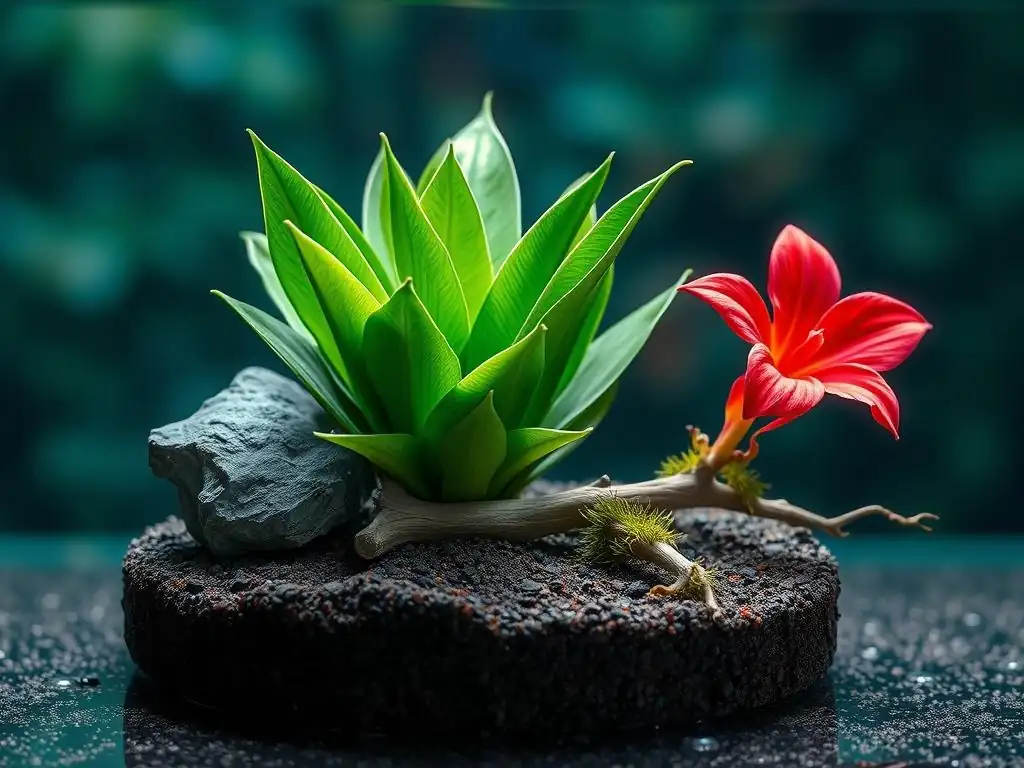
Consider a common 10-gallon aquarium, often acquired for under $20 used. For this budget aquascaping project, the substrate could be a 1-inch layer of inexpensive organic potting soil (costing less than $5 for a large bag) capped with 1.5 inches of play sand (another $5). Hardscape might consist of 3-5 smooth river stones collected from a local, clean stream (free) and a small piece of pre-boiled, found driftwood (free). Lighting could be a basic LED strip light from a hardware store ($25).
Planting would focus on hardy, fast-growing species: 3 bunches of Rotala rotundifolia ($15 total), 2 small Anubias nana plants ($16), and a small clump of Java Fern ($8). Over two months, regular trimming and replanting of the Rotala would fill the background, while the Anubias and Java Fern would slowly establish themselves on the driftwood and rocks.
The total initial aquascaping material cost would be approximately $69, excluding the tank and basic filter/heater. This low-tech setup, without CO2 or high-end fertilizers, thrives on consistent weekly 25% water changes and minimal liquid fertilizer, demonstrating how stunning aesthetics are achievable through smart budget aquascaping design tips and patience.
Case Study 2: Creating a Stunning Iwagumi Aquascape on a Budget
An Iwagumi, known for its minimalist beauty, is surprisingly achievable on a budget. For a 20-gallon long tank (perhaps $30-$50 used), the primary expense is often the rocks. Instead of buying expensive Seiryu Stone, imagine sourcing 5-7 pieces of textured lava rock from a landscaping supplier for around $10-$15. The substrate would be pool filter sand, costing approximately $10 for a 50-pound bag, providing a clean, bright base. Lighting could be a simple, full-spectrum LED light bar ($30-$40).
The key plant for an Iwagumi is a carpeting species. While Monte Carlo can be pricey, a small tissue culture cup (often $10-$15) of Dwarf Hairgrass (Eleocharis parvula) or even a few pots of more affordable foreground plants like Sagittaria subulata ($8-$10 for a pot) can be used. With consistent light and careful trimming, these plants will spread over several months.
The total aquascaping material cost for this minimalist Iwagumi would be roughly $70-$90, excluding the tank and basic equipment. This showcases how the power of negative space and careful hardscape arrangement, combined with budget aquascaping design tips, can yield a profound visual impact without a large investment.
Maintaining Your Budget Aquascape: Long-Term Savings
Regular Maintenance for a Healthy Ecosystem
Consistent and diligent maintenance is the cornerstone of a healthy and beautiful aquascape, and it's also the most cost-effective way to prevent major problems. Regular water changes (e.g., 25-30% weekly for a typical planted tank) are paramount. This simple act dilutes accumulating nitrates, replenishes essential trace elements, and removes organic waste, preventing the need for expensive chemical treatments or emergency interventions. For a 20-gallon tank, this amounts to changing about 5-6 gallons of water, costing virtually nothing beyond the initial dechlorinator purchase.
Beyond water changes, routine substrate vacuuming (especially in non-planted areas) removes trapped detritus, and gentle filter cleaning (rinsing media in old tank water) maintains biological filtration efficiency. Pruning plants regularly not only maintains the desired aesthetic but also prevents them from overgrowing and shading out other plants or causing nutrient imbalances. By adhering to a consistent maintenance schedule, you proactively address potential issues, saving money on medications, algae removers, or replacement plants/fish that would be necessary if problems escalate due to neglect. This proactive approach is a prime example of budget aquascaping design tips for long-term financial health.
Preventing Algae Growth in a Low-Budget Aquascape
Algae outbreaks can be costly to combat, requiring specialized products or even a complete tank reset. A fundamental budget aquascaping design tip is to prevent algae before it starts. This involves maintaining a balance of light, nutrients, and CO2, even in a low-tech setup. For instance, limiting your light cycle to 6-8 hours daily (controlled by an inexpensive timer, around $10) helps prevent excessive light exposure that fuels algae growth. Ensuring your plants are growing well, with sufficient (but not excessive) nutrients, allows them to outcompete algae for available resources.
Manual removal is the cheapest and most effective way to address any nascent algae. A simple toothbrush can scrub green spot algae off hardscape, and a plastic scraper can remove it from glass. Introducing algae-eating inhabitants like Otocinclus catfish ($4-$6 each) or Nerite snails ($2-$4 each) can provide biological control, but only after your tank is fully cycled and stable. By being vigilant and proactive with these simple, low-cost methods, you can largely avoid the expense and frustration of a severe algae problem, keeping your economical aquascaping project beautiful and sustainable.
Conclusion: Unleashing Your Creativity with Budget Aquascaping Design Tips
Creating a stunning aquascape does not require a lavish budget or access to exotic materials. As demonstrated throughout this guide, the true art of aquascaping lies in creativity, resourcefulness, and meticulous planning. By embracing budget aquascaping design tips, from smart hardscape sourcing and economical plant propagation to DIY substrate enrichment and diligent maintenance, aquarists can achieve breathtaking underwater landscapes without significant financial strain.
The journey of affordable aquascaping proves that limitations can spark innovation. Focus on understanding the fundamental principles of design, leverage readily available and inexpensive materials, and commit to consistent, proactive care. Your patience and ingenuity will be rewarded with a vibrant, thriving aquatic ecosystem that not only enhances your living space but also provides immense personal satisfaction, all while adhering to a sensible budget. Unleash your creativity, and discover the joy of crafting a masterpiece on a shoestring.
Frequently Asked Questions
How can I create a stunning aquascape on a tight budget?
Focus on using locally sourced materials like rocks and driftwood. Propagate aquarium plants or trade with other hobbyists to keep costs down.
What are some budget-friendly hardscape hacks I can use in my aquarium?
Repurpose items like slate tiles or carefully selected river stones as hardscape elements. Consider using DIY backgrounds made from materials like foam or cardboard.
Where can I find affordable aquarium plants for my aquascape?
Check local aquarium clubs or online forums for hobbyists selling or trading plants. Look for fast-growing, easy-to-propagate species to fill out your tank quickly.
What are some common mistakes to avoid when aquascaping on a budget?
Avoid using materials that could leach harmful chemicals into your aquarium water. Don't overcrowd your tank with too many hardscape elements or plants – less is often more.
How important is planning and design when creating a budget aquascape?
Planning is crucial! A well-thought-out design allows you to maximize your resources and create a visually appealing and functional aquascape without overspending.
Final Reflection: The Enduring Beauty of Accessible Aquascaping
The journey into creating stunning aquascapes on a budget reveals more than just cost-effective techniques; it demonstrates the power of creativity and resourcefulness in transforming limited resources into breathtaking underwater landscapes. The principles outlined in this article are particularly relevant today, as more individuals seek affordable ways to connect with nature and cultivate tranquility within their homes, proving that beauty and artistry are not exclusive to the wealthy.
This pursuit of accessible aquascaping has profoundly impacted the hobby, democratizing a once-exclusive art form and fostering a vibrant community of passionate creators. The ability to craft a captivating underwater world, regardless of financial constraints, empowers individuals to express their artistic vision and find solace in the natural world. The best things in life aren't things.
This sentiment resonates deeply with the spirit of budget aquascaping, where ingenuity and passion outweigh expensive equipment.
As you embark on your own aquascaping adventure, remember that the most captivating creations often stem from resourcefulness and a deep connection to nature. Let the principles of budget-friendly design inspire you to look beyond the price tag and discover the hidden potential within readily available materials. Cultivate your vision, embrace the challenge, and create an aquascape that not only delights the eye but also nourishes the soul.
Craft Your Dream Aquascape Today!
Thank you for diving into the world of budget aquascaping! Now that you're armed with these cost-effective tips and tricks, it's time to bring your dream underwater landscape to life. Here are a few simple actions you can take right now to get started:
- Begin sourcing materials locally: visit your local parks, rivers, or streams to find unique rocks and driftwood – remember to sanitize them properly! This will not only save you money but also add a touch of authenticity to your aquascape.
- Share your budget aquascaping ideas with the community – post pictures of your hardscape finds on our forum.
- Explore our collection of DIY plant propagation tutorials to multiply your aquatic flora for free.
What unique, budget-friendly hardscaping material will you add to your tank first?