🦐 Freshwater Shrimp (Neocaridina, Caridina): Care, Breeding & Color Forms
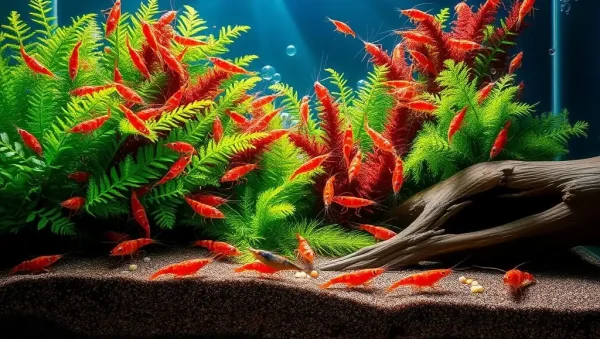
Explore expert guidance on freshwater shrimp care with Aquarium Mastery’s in-depth resources for Neocaridina and Caridina shrimp. Learn how to set up a stable shrimp aquarium, manage water parameters, choose compatible tank mates, provide proper nutrition, encourage breeding, and maintain vibrant color forms. Whether you are keeping beginner-friendly Cherry Shrimp or advanced Bee Shrimp, this subcategory provides practical information for building a healthy, thriving freshwater shrimp colony.
🌿 Freshwater Shrimp Aquarium Setup
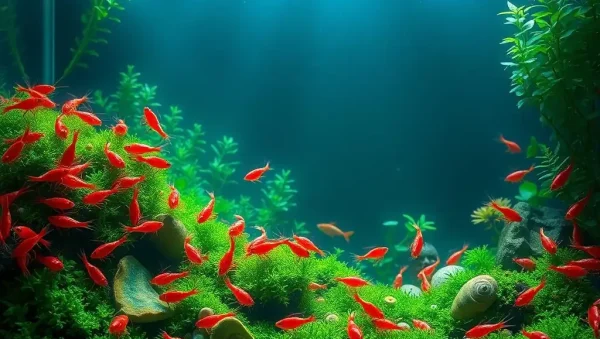
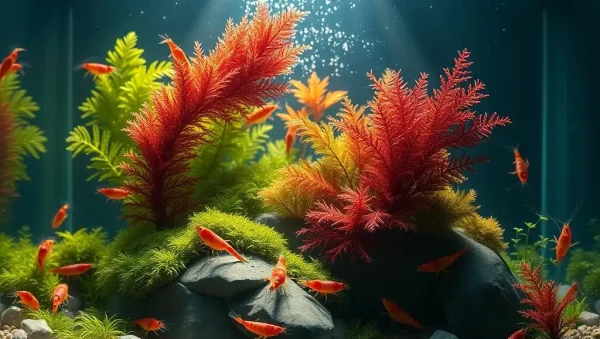
Discover how to create a safe and stable habitat for Neocaridina and Caridina shrimp. Our guides cover aquarium size, filtration, substrate, aquatic plants, moss, hiding places, water flow, lighting, and cycling methods. A mature aquarium with biofilm and beneficial microorganisms is especially important because shrimp constantly graze on natural surfaces.
Learn how to reduce common risks such as ammonia spikes, unstable water chemistry, excessive filtration, and unsafe decorations. You can also find advice on selecting shrimp-safe filters, using sponge pre-filters, maintaining oxygenation, and designing planted shrimp tanks that support both adult shrimp and delicate shrimplets.
💧 Water Parameters and Shrimp Water Chemistry
Successful shrimp keeping depends on consistent water quality rather than sudden changes. Expect practical information about pH, GH, KH, temperature, TDS, ammonia, nitrite, and nitrate, including the differences between Neocaridina and Caridina water requirements. These resources explain how to test aquarium water accurately and interpret results before problems affect your colony.
Learn how to perform safe water changes, remineralize reverse osmosis water, select appropriate shrimp salts, and acclimate new shrimp. Stable parameters are essential for healthy molting, strong shells, breeding success, and long-term survival, particularly for sensitive Caridina varieties.
🍒 Neocaridina Shrimp Care and Color Forms
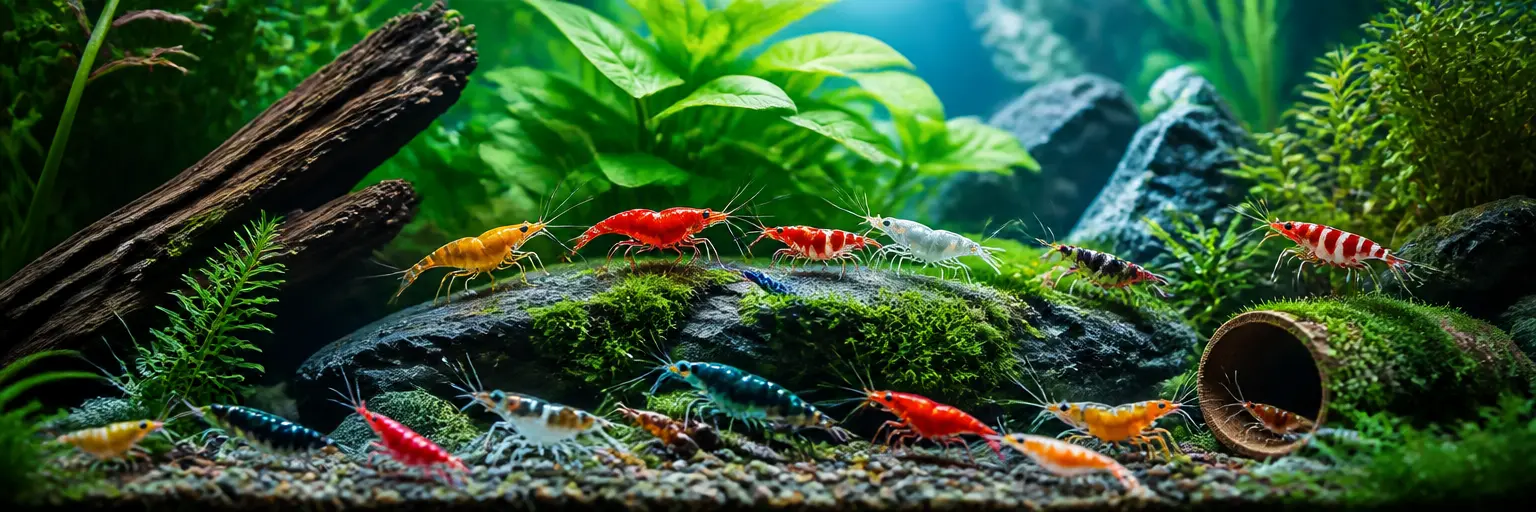
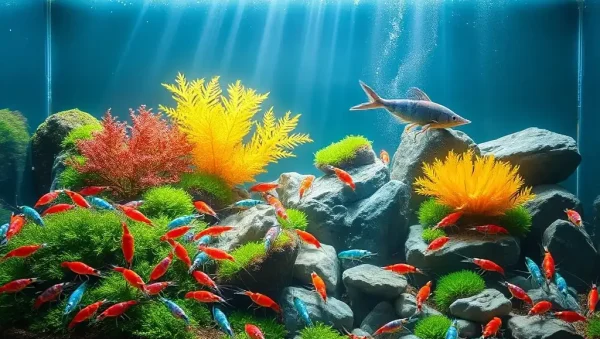
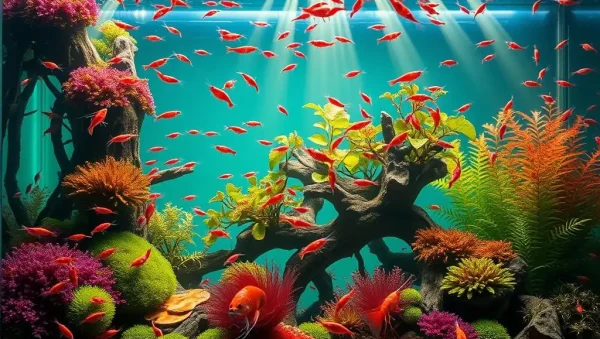
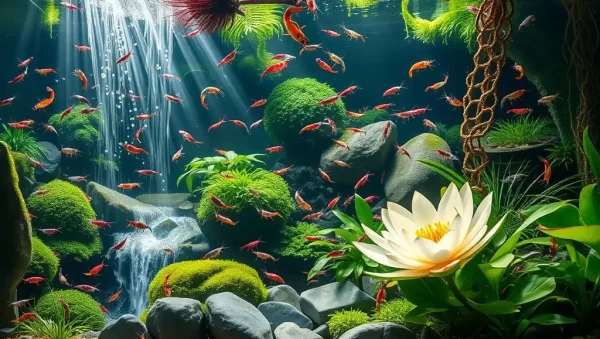
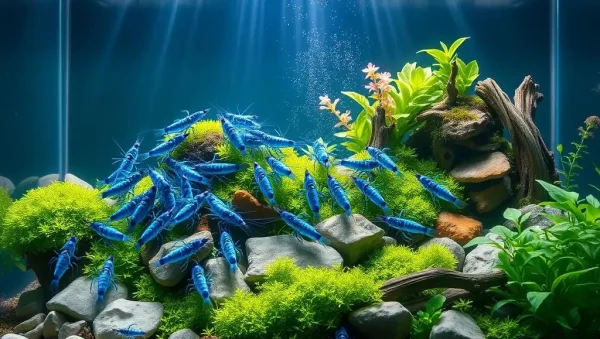
Neocaridina shrimp are among the most popular freshwater aquarium invertebrates because they are colorful, adaptable, and suitable for many community tanks. Explore care information for Red Cherry Shrimp, Blue Dream Shrimp, Blue Velvet Shrimp, Yellow Shrimp, Orange Shrimp, Green Jade Shrimp, Black Rose Shrimp, and Rili shrimp.
Our content explains how genetics, selective breeding, diet, lighting, background color, and stress can influence shrimp coloration. You will also learn how to maintain a strong line, manage mixed color colonies, identify lower-grade offspring, and avoid unwanted crossbreeding between different Neocaridina color forms.
🐝 Caridina Shrimp Care and Bee Shrimp Varieties
Caridina shrimp require more precise conditions, making them especially appealing to experienced aquarists. Find detailed guidance for Crystal Red Shrimp, Crystal Black Shrimp, Taiwan Bee Shrimp, Blue Bolt Shrimp, Shadow Panda Shrimp, Pinto Shrimp, and other Caridina varieties.
Learn why active buffering soil, soft acidic water, controlled conductivity, stable temperatures, and careful acclimation are commonly used in Caridina aquariums. These guides also discuss mineral balance, remineralized RO water, seasonal temperature control, and methods for reducing stress during transport and introduction.
🥚 Freshwater Shrimp Breeding and Colony Growth
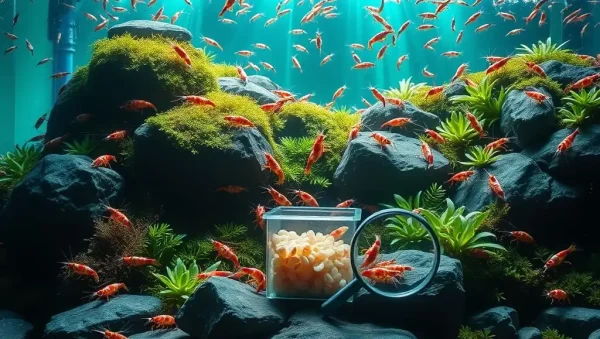
Freshwater shrimp breeding can be highly rewarding when the aquarium provides stable water parameters, adequate food, shelter, and mature biological filtration. Learn how to identify berried females, recognize saddled females, understand the shrimp breeding cycle, and protect eggs and newborn shrimplets from predators and poor water quality.
Discover strategies for increasing survival rates, including the use of Java moss, floating plants, cholla wood, leaf litter, powdered foods, and gentle filtration. You can also learn how to separate breeding groups, selectively raise color lines, and establish a productive shrimp colony over time.
🍽️ Shrimp Feeding, Minerals, and Molting Support
Healthy shrimp need a varied diet that supports growth, coloration, digestion, and successful molting. Expect recommendations for shrimp pellets, algae wafers, biofilm, blanched vegetables, specialized breeding foods, protein supplements, and natural foods such as Indian almond leaves.
Our guides explain how to avoid overfeeding, remove uneaten food, and provide essential minerals without destabilizing aquarium water. Because failed molts can result from stress or mineral imbalance, you will also find information about calcium, magnesium, GH, shell development, and the signs of a healthy molt.
🐟 Shrimp Tank Mates and Community Aquarium Compatibility
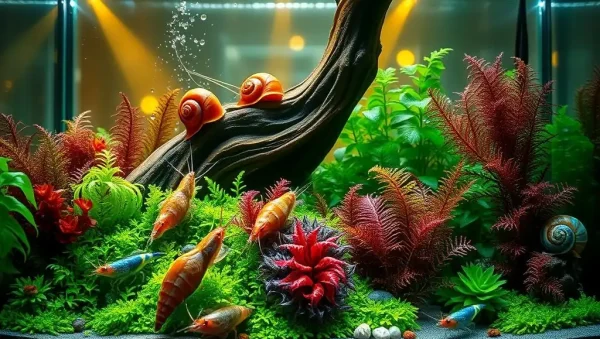
Choosing suitable tank mates is essential for protecting adult shrimp and tiny shrimplets. Learn which peaceful fish, snails, and other invertebrates are generally compatible with Neocaridina and Caridina shrimp, as well as which species may hunt or harass them.
These resources explain how aquarium size, plant density, fish temperament, and available hiding spaces influence compatibility. For maximum breeding success, a dedicated shrimp-only aquarium is often the safest option, while carefully planned community tanks can still support a visible adult shrimp population.
🩺 Shrimp Health, Molting Problems, and Troubleshooting
Recognize common freshwater shrimp problems before they become serious. Learn how to investigate failed molts, lethargy, faded colors, unexplained deaths, bacterial issues, planaria, hydra, shrimp parasites, poor growth, and sudden colony losses.
Our troubleshooting advice emphasizes testing water, checking temperature, reviewing recent maintenance, inspecting tank mates, and avoiding unnecessary treatments. You will learn how to correct problems gradually and how to prevent recurring issues through quarantine, stable maintenance routines, clean equipment, and careful stocking.
❓ Frequently Asked Questions About Freshwater Shrimp
What is the difference between Neocaridina and Caridina shrimp?
Neocaridina shrimp are generally more adaptable and are often recommended for beginners. Caridina shrimp, including Crystal and Taiwan Bee varieties, typically require softer, more acidic water, active substrate, and tighter control of temperature and mineral levels. Both groups benefit from stable, mature aquariums and gentle acclimation.
How large should a freshwater shrimp tank be?
A small aquarium can house shrimp, but a tank of approximately 10 gallons provides greater stability and room for a growing colony. Larger aquariums are easier to maintain because water parameters change more slowly. Always use a sponge filter or protect the filter intake with a shrimp-safe pre-filter.
Can Neocaridina and Caridina shrimp live together?
They can sometimes coexist if their water requirements overlap, but their ideal conditions are different. Neocaridina usually prefer harder, more alkaline water, while many Caridina varieties require softer, acidic water. Keeping them separately is often best for long-term health and for maintaining pure breeding lines.
How often should freshwater shrimp be fed?
Feed small portions once a day or every other day, depending on the amount of natural biofilm and algae in the aquarium. Food should be consumed within a few hours. Remove leftovers to prevent water quality problems, and provide a varied diet containing plant matter, protein, and mineral-rich foods.
Why are my shrimp dying or failing to molt?
Common causes include unstable water parameters, incorrect GH or KH, sudden temperature changes, ammonia or nitrite, poor acclimation, overcrowding, insufficient minerals, and incompatible tank mates. Test the water, make corrections gradually, and avoid large sudden changes. A mature, planted aquarium with stable conditions usually provides the best environment for successful molting and breeding.