Syntripsa matannensis (White Claw Sulawesi Crab): A Rare Freshwater Gem Profile
🌊 Discover the fascinating White Claw Sulawesi Crab, Syntripsa matannensis, a rare freshwater gem. Dive into expert White Claw Sulawesi Crab care…
Read article
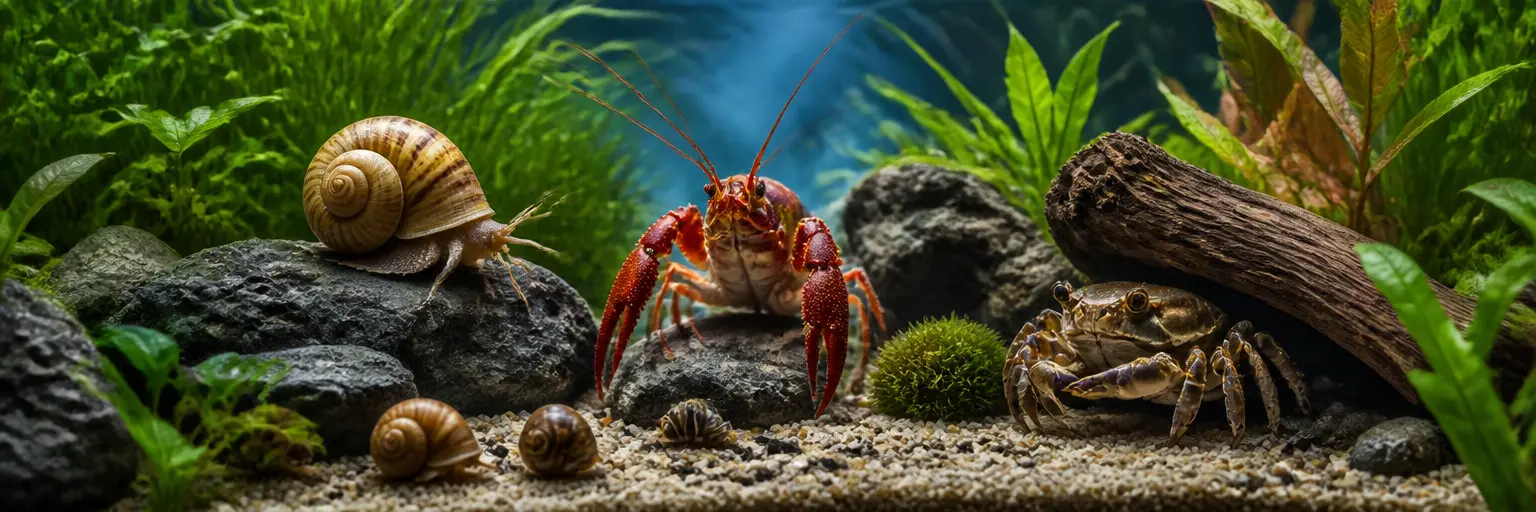
Explore freshwater snails, crayfish, and crabs with practical profiles and expert tank-dynamics guidance from Aquarium Mastery 🐌🦞🦀 Learn about species behavior, compatibility, feeding, water parameters, molting, breeding, and their vital roles in aquarium ecosystems. Whether you’re building a peaceful community tank or managing a specialized invertebrate setup, discover how to create a healthy, balanced habitat and prevent common care challenges.
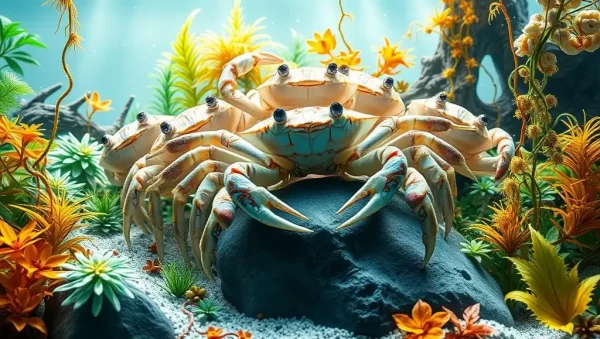
🌊 Discover the fascinating White Claw Sulawesi Crab, Syntripsa matannensis, a rare freshwater gem. Dive into expert White Claw Sulawesi Crab care…
Read article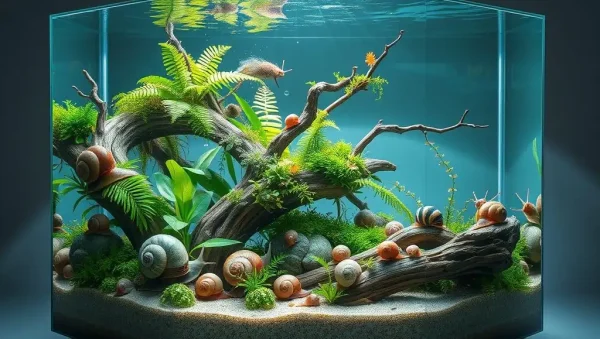
🌟 Enhance your aquascape with the charming allure of aquarium snails. Proper aquarium snail aesthetic placement not only boosts natural beauty but…
Read article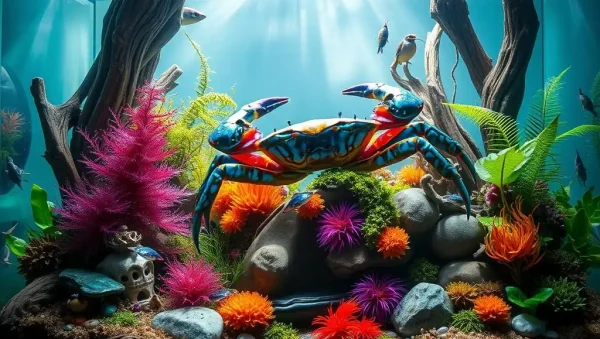
🌱 Discover essential tips for freshwater crab tank care in AquariumMastery.com’s comprehensive guide. Learn how to set up, maintain, and troubleshoot your…
Read article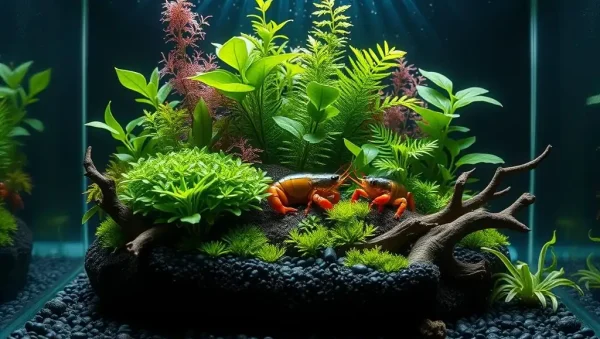
🌟 Dive into our Dwarf Crayfish Care Guide on AquariumMastery.com, exploring Cambarellus shufeldtii and C. diminutus. Discover essential tips for setting up,…
Read article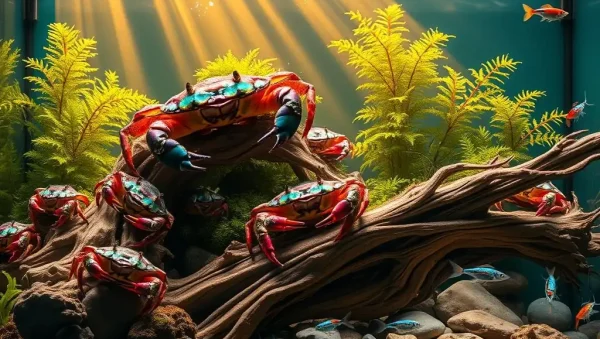
🌟 Discover the vibrant world of Vampire Crabs with our comprehensive Vampire Crab Care Guide. These colorful jewels of the semi-aquatic realm…
Read article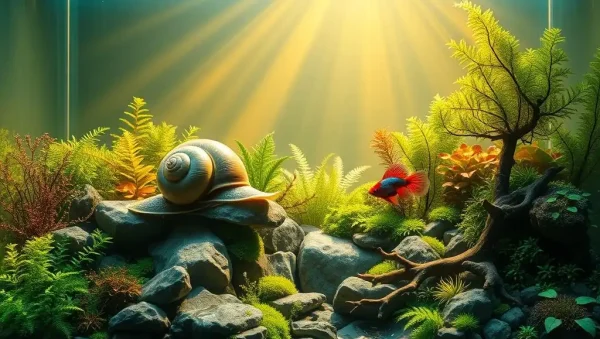
🐌 Discover the fascinating world of snail behavior in aquariums and learn how to interpret their actions. This guide on snail behavior…
Read article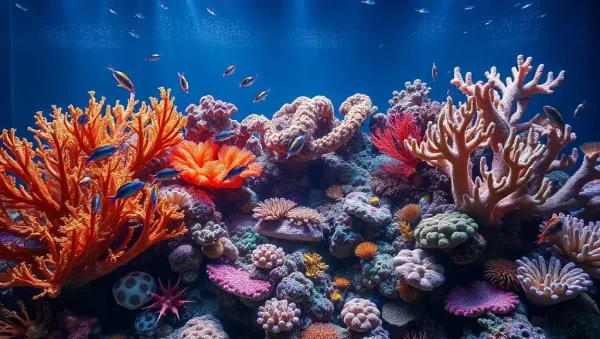
🌊 Discover essential tips for selecting the perfect saltwater tank invertebrate compatibility to ensure a harmonious and thriving aquarium environment tailored to…
Read article
🌟 Discover the captivating world of Majestic Rabbit Snails (Tylomelania spp.) with expert guidance on Rabbit snail aquarium care, ensuring these striking…
Read article
🌊 Discover the intriguing Cappuccino Spike Snails with our comprehensive Cappuccino snail care guide. Learn how these dark-hued freshwater creatures can become…
Read article
🌊 Unlock vibrant, healthy crayfish with our comprehensive Crayfish Water Parameter Guide, ensuring optimal water quality for stunning coloration, vitality, and longevity.…
Read article
🌱 Discover how crayfish act as ecosystem engineers, significantly influencing crayfish tank ecosystem balance. Their behaviors enhance tank dynamics, promoting a healthier…
Read article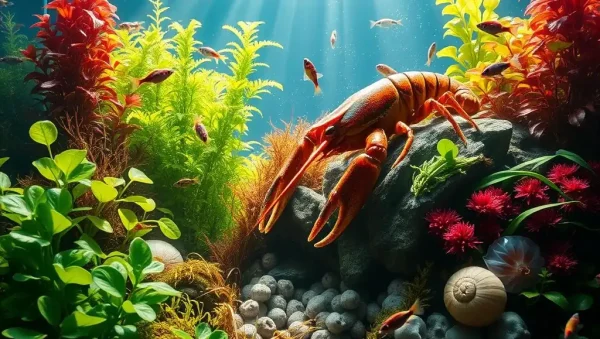
🐟 Discover the essentials of crayfish diet and feeding, understanding their omnivorous appetite to ensure a healthy, thriving aquarium. This guide on…
Read articleExplore the fascinating world of freshwater snails, crayfish, and crabs with Aquarium Mastery’s detailed species profiles, care guides, and aquarium behavior resources. This subcategory explains how aquatic invertebrates interact with fish, shrimp, plants, substrate, filtration, and water chemistry. Whether you are choosing a peaceful algae-eating snail, setting up a dedicated crayfish aquarium, or learning about freshwater crab care, you will find practical information for creating a stable, healthy, and visually engaging tank.
Learn how popular freshwater snails differ in appearance, size, diet, activity, and compatibility. Profiles may cover mystery snails, nerite snails, ramshorn snails, Malaysian trumpet snails, bladder snails, and other species commonly kept in community aquariums. Each guide focuses on freshwater snail care, including suitable tank size, water temperature, pH, hardness, calcium requirements, feeding, acclimation, and breeding behavior.
Readers can also discover how snails support aquarium maintenance by consuming algae, leftover food, and decaying organic matter. However, snails are not a replacement for regular water changes or gravel cleaning. Aquarium Mastery explains population control, shell health, egg clutches, overfeeding, and compatibility with shrimp, peaceful fish, live plants, and planted tank equipment.
Our crayfish resources cover essential information for selecting and keeping freshwater crayfish, including species temperament, adult size, coloration, hiding behavior, molting, feeding, and territoriality. You will learn why many crayfish require careful planning and species-appropriate housing, especially when they share an aquarium with fish, shrimp, snails, or other bottom-dwelling animals.
Expect practical advice on crayfish aquarium setup, secure lids, caves, driftwood, rocks, substrate, filtration, water quality, and safe tank mates. Guides also explain how to recognize stress, prepare for molting, reduce aggression, and avoid common mistakes such as overcrowding, insufficient shelter, or introducing slow-moving fish into an unsuitable crayfish community tank.
Freshwater crab care often requires more than simply filling an aquarium with water. Many crab species need access to land, shallow water, climbing areas, humid air, and escape-proof enclosures. Our profiles help aquarists understand the differences between fully aquatic and semi-aquatic crabs, including their habitat requirements, activity patterns, feeding habits, and social behavior.
Discover how to design a suitable freshwater crab habitat using platforms, stones, wood, plants, secure covers, and gentle water movement. Articles emphasize species-specific research, because a crab that appears suitable for a community aquarium may be territorial, an expert climber, or dependent on land access. You will also learn about acclimation, water quality, diet, molting, and safe companion choices.
Freshwater invertebrates influence an aquarium in many ways. Snails may clean surfaces and recycle organic waste, crayfish may rearrange décor and disturb plants, while crabs may spend time both in and out of the water. This section explores aquarium tank dynamics, helping readers predict how invertebrates interact with fish, shrimp, plants, substrate, caves, filters, and one another.
Compatibility depends on temperament, body size, feeding habits, tank layout, and available hiding places. Learn how to reduce conflict with visual barriers, separate territories, feeding stations, and adequate shelter. The guides also discuss warning signs such as missing limbs, damaged shells, repeated chasing, stress coloration, hiding, fin damage, and unexplained livestock losses.
Stable water conditions are essential for healthy freshwater snails, crayfish, and crabs. Aquarium Mastery explains the importance of temperature, pH, ammonia, nitrite, nitrate, general hardness, carbonate hardness, and calcium availability. Readers will learn how to test aquarium water, perform safe water changes, maintain mineral balance, and avoid sudden shifts that can cause molting problems or shell deterioration.
Feeding guidance includes algae wafers, sinking pellets, blanched vegetables, calcium-rich foods, protein sources, and species-appropriate treats. Since excess food can rapidly pollute aquarium water and encourage unwanted snail populations, the content emphasizes portion control, observation, and regular maintenance. Checklists and troubleshooting tips make it easier to maintain clean, stable, and biologically mature aquariums.
Explore the reproductive habits of common aquarium snails, crayfish, and crabs, including egg laying, juvenile development, mating behavior, and molting cycles. Species profiles explain when breeding is likely, how offspring affect bioload, and what equipment or habitat changes may be needed. Special attention is given to crayfish molting, when animals are vulnerable and require privacy, stable water, and suitable hiding spaces.
You will also find solutions for common problems such as exploding snail populations, cracked shells, inactive invertebrates, failed molts, aggressive behavior, cloudy water, plant damage, and unexplained deaths. The goal is to provide clear, responsible troubleshooting guidance while encouraging careful observation, quarantine practices, and gradual changes rather than risky quick fixes.
Many freshwater snails are peaceful and suitable for community tanks with non-aggressive fish. Nerite, mystery, and ramshorn snails can be useful scavengers, but compatibility depends on the fish species. Avoid tank mates known to attack, eat, or harass snails, and provide adequate calcium and stable water parameters for healthy shells.
Some crayfish may coexist with fast-moving, peaceful fish, but no combination is completely risk-free. Crayfish can be territorial opportunistic feeders and may catch slow fish, bottom dwellers, shrimp, or snails. A large aquarium with caves, visual barriers, secure décor, and careful species selection can reduce conflict, but a species-only setup is often the safest option.
Many freshwater crabs are semi-aquatic and require accessible land, climbing surfaces, and humid air. Only species confirmed to be fully aquatic should be kept in a completely submerged aquarium. Always research the exact species before purchasing, because incorrect habitat design can cause chronic stress, escape attempts, and poor health.
Requirements vary by species, but most freshwater snails, crayfish, and crabs need stable temperature, low ammonia, zero nitrite, controlled nitrate, and appropriate pH and hardness. Calcium and mineral availability are especially important for shell formation and molting. Test water regularly and make gradual adjustments instead of making sudden chemical changes.
Feeding frequency depends on species, tank size, natural algae growth, and the number of animals. Offer small portions of sinking food or vegetables and remove uneaten food before it decomposes. Crayfish and crabs often benefit from a varied diet containing plant matter and protein, while overfeeding snails can contribute to rapid population growth and poor water quality.