Choosing the Right Hermit Crab Shells: A Crucial Aspect of Care
🌟 Selecting the right hermit crab shell size is essential for their health and comfort. Proper shell choice prevents stress and molting…
Read article
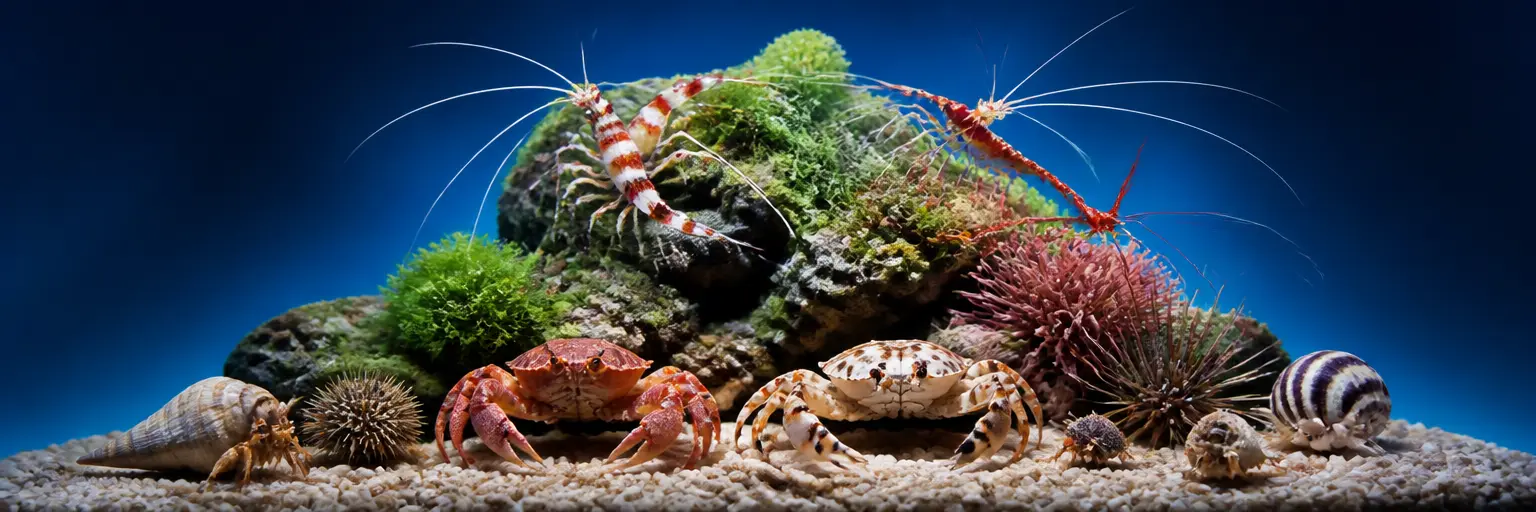
Discover fascinating saltwater invertebrates for a healthier, more dynamic marine aquarium! 🦐🦀 From efficient clean-up crew members that help manage algae and detritus to captivating shrimps, crabs, snails, and other reef-safe species, learn how to choose compatible additions and provide proper care. Explore practical guidance on feeding, acclimation, water parameters, breeding, and reef aquarium compatibility with Aquarium Mastery. 🌊✨
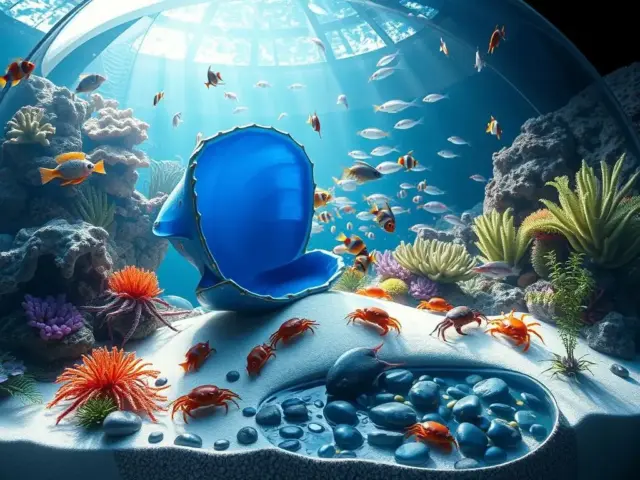
🌟 Selecting the right hermit crab shell size is essential for their health and comfort. Proper shell choice prevents stress and molting…
Read article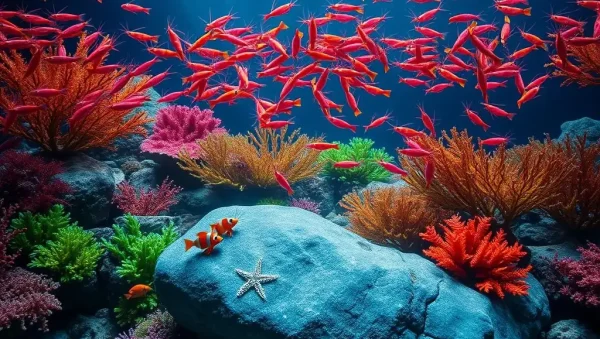
🌟 Discover the essential Blood Red Fire Shrimp care guide at AquariumMastery.com, offering expert tips on habitat setup, maintenance, and health to…
Read article
🌟 Explore the debate over Asterina starfish care problems—are they harmless or invasive? AquariumMastery.com provides expert insights into managing these fascinating creatures,…
Read article
🌟 Discover how observing healthy invertebrate tank behaviors offers vital insights into their well-being, helping aquarists maintain vibrant, thriving aquatic ecosystems. Learn…
Read article
🌊 Discover the vital role of a saltwater tank cleanup crew in maintaining a healthy, vibrant aquatic environment. Their dedicated work ensures…
Read article
🐠 Discover the fascinating world of Neopetrolisthes anemone crab care with our detailed guide. Learn how to maintain these delicate filter feeders,…
Read article
🌟 Discover the optimal timing and strategies for adding cleanup crew fish to maintain a healthy, thriving aquarium. AquariumMastery.com offers expert tips…
Read article
🐠 Protect your aquarium with expert tips on identifying and removing invertebrate predators. Ensure healthy shrimp and effective snail removal to maintain…
Read article
🌊 Discover the crucial role of Trapezia crabs in protecting Pocillopora and Acropora corals. Explore essential Trapezia crab care tips to ensure…
Read article
🌊 Discover the secrets of the reef invertebrates identification guide to determine if hitchhikers are beneficial allies or potential threats to your…
Read article
🌟 Discover the stunning beauty of the chocolate chip starfish, but beware—its care requirements and reef safety considerations are complex. This in-depth…
Read article
😊 Discover essential tips on shrimp compatibility freshwater aquarium setups to ensure peaceful coexistence among different shrimp species. This comprehensive guide from…
Read articleExplore the fascinating world of saltwater invertebrates with Aquarium Mastery’s in-depth profiles, care guides, and breeding resources. This subcategory covers reef-safe clean-up crews, marine shrimps, saltwater crabs, snails, starfish, urchins, sea cucumbers, and other valuable aquarium invertebrates. Learn how to choose compatible species, maintain stable marine water chemistry, provide proper acclimation, and create a healthy reef aquarium where every member of the ecosystem can thrive.
Discover how a carefully selected saltwater clean-up crew can help manage algae, uneaten food, detritus, and organic waste in marine aquariums. Our guides explain the roles of hermit crabs, turbo snails, trochus snails, cerith snails, nassarius snails, conchs, and other beneficial scavengers, helping you build a balanced and effective reef tank maintenance team.
Readers can expect practical advice about stocking levels, species compatibility, feeding requirements, and the limitations of clean-up crews. Learn why reef-safe invertebrates should complement—not replace—regular water changes, filtration, testing, and aquarium maintenance.
Find detailed information about popular saltwater shrimp species, including cleaner shrimp, peppermint shrimp, fire shrimp, pistol shrimp, sexy shrimp, and coral-banded shrimp. Each profile can help you understand adult size, behavior, diet, reef compatibility, water parameters, hiding places, and the best aquarium setup for long-term health.
Learn how marine shrimps interact with fish, corals, anemones, and other invertebrates. Our care guidance covers safe acclimation, molting support, supplemental feeding, tank mates, and common problems such as aggression, stress, poor appetite, and failed molts.
Saltwater crabs range from helpful algae grazers to opportunistic predators, making species identification especially important. Explore profiles for emerald crabs, porcelain crabs, hermit crabs, pom-pom crabs, and other marine crab species, with information about temperament, adult size, diet, behavior, and reef aquarium suitability.
Readers will learn how to choose reef-compatible crabs, provide suitable rockwork and shelter, and monitor interactions with snails, shrimp, corals, and fish. We also explain why some crabs may become territorial or prey on vulnerable tank inhabitants as they mature.
Marine snails are among the most popular additions to a saltwater aquarium because many species help control nuisance algae and consume leftover food. Discover the differences between trochus, turbo, astraea, cerith, nassarius, nerite, and conch species, including their preferred habitats and feeding behavior.
Our guides explain how to prevent starvation in clean-up crews, recognize inadequate natural food sources, and select snails for sand beds, live rock, glass, and aquarium substrate. Learn how proper invertebrate stocking supports a cleaner, more stable reef environment.
Explore the care requirements of sea stars, brittle stars, serpent stars, sea urchins, sea cucumbers, feather dusters, and other unusual saltwater invertebrates. These animals can add movement, color, and ecological variety to marine aquariums, but many require mature tanks, stable salinity, abundant natural food, or specialized care.
Find guidance on choosing appropriate species, avoiding delicate animals for immature aquariums, and understanding potential risks such as starvation, toxin release, coral damage, and accidental injury. Responsible species selection is essential for both animal welfare and reef aquarium success.
Successful marine invertebrate care begins with stable water conditions. Learn how salinity, temperature, pH, alkalinity, calcium, magnesium, nitrate, phosphate, and ammonia affect shrimps, crabs, snails, corals, and other reef inhabitants. These resources also explain why sudden parameter changes can be especially dangerous for sensitive invertebrates.
Discover how to create a suitable habitat with live rock, sand beds, caves, macroalgae, refugiums, strong biological filtration, and appropriate flow. Aquarium Mastery emphasizes stable marine water chemistry, gradual acclimation, and routine testing for a healthy saltwater ecosystem.
Marine invertebrates can be sensitive to salinity changes, temperature fluctuations, copper medications, and poor oxygenation. Our care articles explain drip acclimation, temperature equalization, quarantine considerations, safe handling, and how to introduce new invertebrates without causing unnecessary stress.
Learn when supplemental foods are needed and how to offer algae wafers, frozen foods, pellets, phytoplankton, detritus-based foods, and species-specific nutrition. Clear maintenance recommendations help aquarists identify healthy behavior, molting, starvation, disease, and water-quality stress.
Some saltwater invertebrates can reproduce in home aquariums, while others require specialized larval-rearing systems and carefully controlled conditions. Explore breeding information for cleaner shrimp, peppermint shrimp, pistol shrimp, snails, hermit crabs, and other marine species.
Readers can learn about mating behavior, egg development, larval stages, settlement, nursery tanks, feeding planktonic offspring, and the challenges of raising marine larvae. These resources provide realistic expectations for hobbyists interested in saltwater invertebrate breeding.
The best clean-up crew depends on aquarium size, substrate, algae growth, and existing livestock. A balanced combination of trochus or turbo snails, cerith snails, nassarius snails, conchs, and carefully selected hermit crabs can help manage algae and detritus. Avoid overstocking because clean-up crew animals can starve when natural food becomes scarce.
Many saltwater shrimp are reef safe, including cleaner shrimp, peppermint shrimp, fire shrimp, and some pistol shrimp. However, compatibility varies by species and individual behavior. Always research whether a shrimp may eat ornamental corals, small fish, snails, other shrimp, or vulnerable invertebrates before adding it to a reef aquarium.
Some hermit crabs can live peacefully with snails, but larger or aggressive hermits may attack them for food or their shells. Providing empty replacement shells, adequate feeding, and choosing smaller reef-safe hermit species can reduce conflict. Regular observation is important after introducing hermit crabs.
Most marine invertebrates require stable reef aquarium conditions, including marine salinity around natural seawater levels, consistent temperature, stable pH and alkalinity, and zero detectable ammonia and nitrite. Calcium, magnesium, nitrate, and phosphate should also remain appropriate for the species being kept. Stability is often more important than chasing exact numbers.
Use temperature acclimation followed by a slow drip acclimation when appropriate, especially if the transport water has different salinity or pH. Avoid exposing sensitive invertebrates to air unless the species is known to tolerate it, and never use copper-based medications with shrimp, crabs, snails, or other invertebrates. Introduce new animals to a mature, cycled aquarium with stable water quality.