
Avoiding Disaster: Fish Species to NEVER Keep with Tiger Barbs

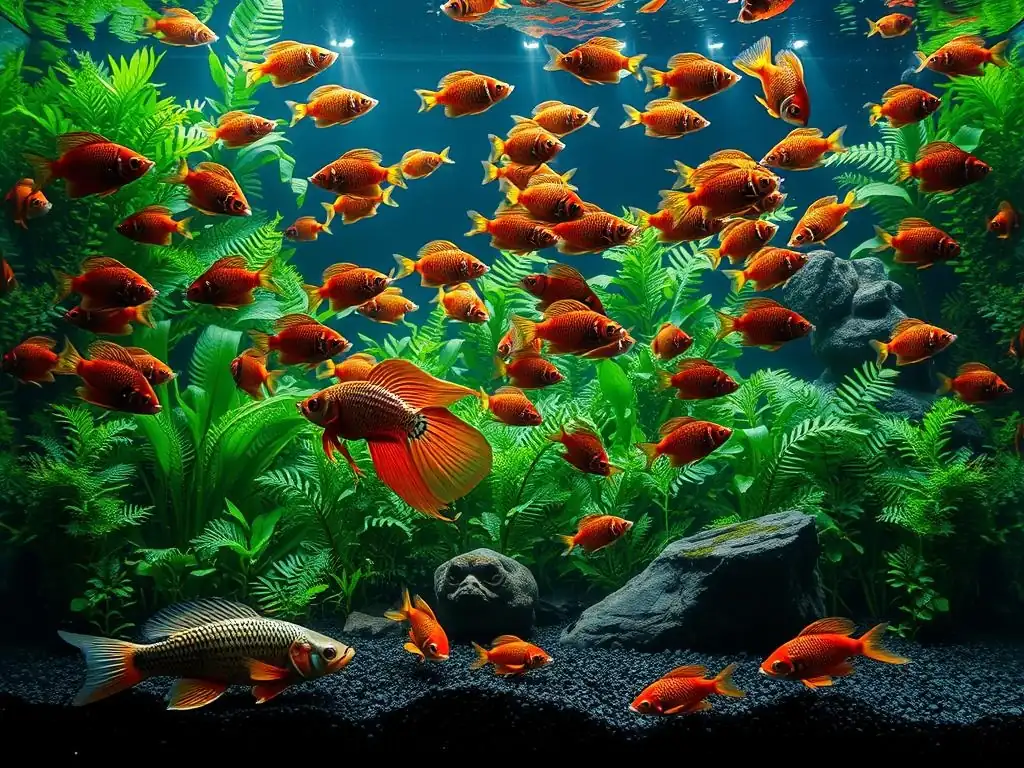
Welcome to Aquarium Mastery!
Curious about keeping Tiger Barbs but worried about compatibility issues? You've come to the right place! Dive into our in-depth guide, " Avoiding Disaster: Fish Species to NEVER Keep with Tiger Barbs," and unlock the secrets to a harmonious and thriving freshwater aquarium. Learn which tank mates can lead to trouble and discover expert tips to ensure your Tiger Barbs, and all your fish, live their best lives. Read on to avoid common mistakes and create the perfect aquatic community!
- Understanding Tiger Barb Temperament: Why Tank Mate Selection Matters
- High-Risk Tank Mates: Fish to Avoid with Tiger Barbs
- Fish with Similar Temperaments: Avoiding Competition and Aggression
- Creating a Harmonious Aquarium: Choosing Compatible Tank Mates for Tiger Barbs
- Recognizing Signs of Incompatibility: When to Intervene
- Conclusion: Prioritizing Compatibility for a Healthy Tiger Barb Aquarium
-
Frequently Asked Questions
- What makes Tiger Barbs potentially problematic tank mates?
- Which types of fish are most vulnerable to Tiger Barb aggression?
- Can Tiger Barbs coexist peacefully with any other fish?
- What should I do if I already have Tiger Barbs in my aquarium and want to introduce new fish?
- How many Tiger Barbs should I keep together to minimize aggression towards other fish?
- Final Reflection: Navigating the Tiger Barb Ecosystem
- Ignite Your Tiger Barb Adventure!
Understanding Tiger Barb Temperament: Why Tank Mate Selection Matters
The Active and Semi-Aggressive Nature of Tiger Barbs
Tiger barbs ( Puntigrus tetrazona) are renowned for their vibrant colors and energetic swimming patterns, making them a popular choice for many freshwater aquarists. Hailing from the streams and tributaries of Sumatra and Borneo, these cyprinids typically grow to about 3 inches (7.5 cm) in length.
While their schooling behavior is captivating, it's crucial to understand their inherent semi-aggressive nature, particularly their tendency towards fin-nipping. This behavior is usually directed at other tiger barbs within their school to establish a pecking order, but it can extend to other fish if they are not kept in appropriate numbers or with suitable tank mates.
To mitigate their natural aggression, tiger barbs should always be kept in a sizable school, ideally 6 to 10 individuals or more. When kept in smaller groups, their aggression is often amplified and directed outwards, making them a significant threat to other aquarium inhabitants. This schooling instinct helps diffuse their territorial and nipping tendencies among themselves, rather than focusing on other species. Therefore, choosing compatible fish for tiger barbs is paramount to ensuring a peaceful and healthy community tank.
Why Certain Fish Species Are Incompatible with Tiger Barbs
The primary reasons why certain fish species are incompatible with tiger barbs stem directly from the barbs' active and sometimes boisterous temperament. Their tendency to nip at fins, coupled with their high energy levels, can cause immense stress, injury, and even death to unsuitable tank mates. Delicate, slow-moving, or long-finned fish are particularly vulnerable to constant harassment.
Furthermore, fish that are themselves territorial or highly aggressive can create a volatile environment when paired with tiger barbs. This can lead to continuous skirmishes, stress-related illnesses, and a perpetually unstable aquarium ecosystem. Understanding these underlying behavioral clashes is the first step in avoiding disaster and ensuring the well-being of all your aquatic pets, especially when considering tiger barbs incompatible fish for your setup.
High-Risk Tank Mates: Fish to Avoid with Tiger Barbs
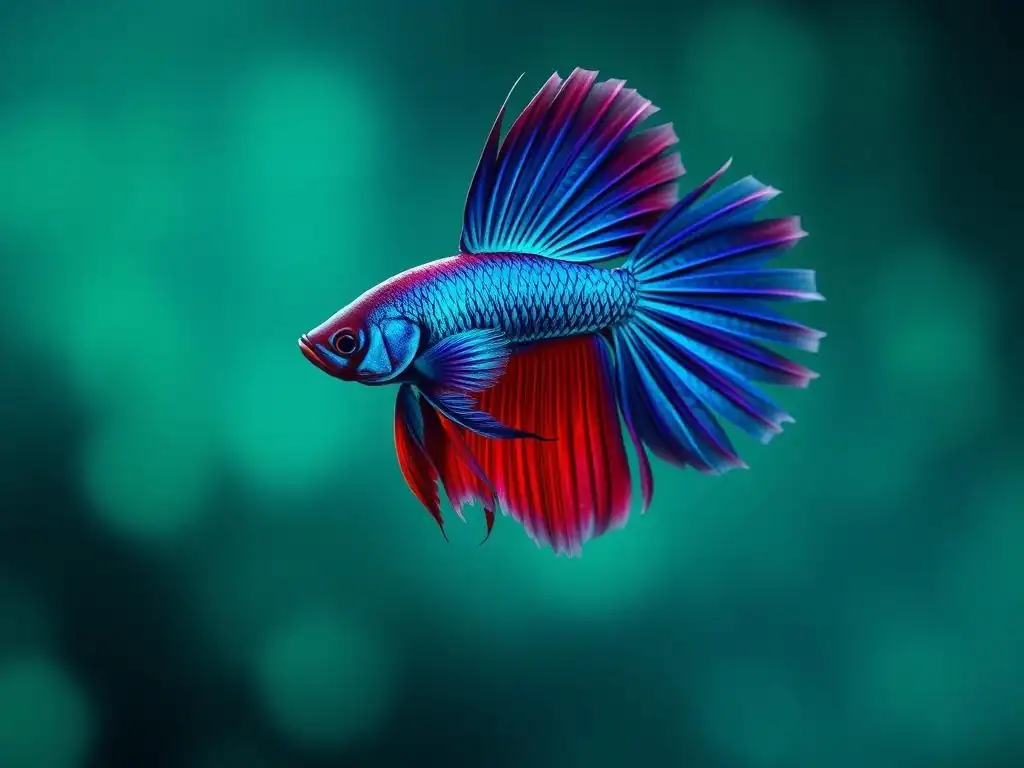
Long-Finned Fish: A Prime Target for Fin-Nipping Tiger Barbs
Long-finned fish are arguably the most common victims of tiger barb aggression. The flowing, elaborate fins of these species act as irresistible targets for the tiger barbs' nipping instincts. This constant harassment not only causes physical damage but also leads to chronic stress, which can severely weaken the immune system of the affected fish, making them susceptible to diseases like fin rot and Ich.
Angelfish: Why Their Flowing Fins Make Them Unsuitable
Angelfish ( Pterophyllum scalare), with their elegant, flowing dorsal and anal fins, are beautiful but notoriously incompatible with tiger barbs. Their slow, graceful movements make them easy targets for the quick, darting nips of tiger barbs. While an Angelfish might initially be larger than a young tiger barb, the continuous stress and fin damage will quickly deteriorate its health. Many hobbyists report instances where Angelfish fins are shredded within days of being introduced to a tiger barb tank, leading to severe stress, infection, and eventually death.
Guppies: Small Size and Long Fins Equal Disaster
Guppies ( Poecilia reticulata), particularly the males with their vibrant, elaborate caudal fins, are another prime example of fish that are highly incompatible with tiger barbs. Not only do their long, delicate fins present an inviting target, but their small size and generally docile nature also make them incapable of defending themselves. A small school of tiger barbs can quickly turn a guppy's beautiful tail into tattered remnants, leading to extreme stress, injury, and often death within a short period. This combination is a classic example of tiger barbs incompatible fish pairings.
Bettas: A Recipe for Aggression and Stress
Betta fish ( Betta splendens), especially the long-finned varieties, are perhaps one of the worst choices for tank mates with tiger barbs. Bettas are known for their stunning, expansive fins and relatively peaceful, albeit territorial, demeanor towards other species. However, their slow swimming and inability to quickly evade aggression make them incredibly vulnerable. Tiger barbs will relentlessly nip at a Betta's fins, causing severe damage, immense stress, and often leading to the Betta hiding constantly, refusing to eat, and eventually succumbing to stress-related illnesses or injuries.
Slow-Moving and Docile Fish: Overwhelmed by Tiger Barb Activity
Beyond just fin-nipping, the sheer activity level of tiger barbs can be overwhelming for more peaceful and slow-moving species. The constant darting, chasing, and general high energy can prevent docile fish from feeding properly, finding resting spots, and simply existing without chronic stress.
Dwarf Gourami: Too Peaceful for a Tiger Barb Tank
Dwarf Gouramis ( Trichogaster lalius) are known for their vibrant colors and shy, peaceful nature. They prefer a calm environment where they can leisurely explore and build bubble nests. Introducing them to a tank with tiger barbs is a recipe for disaster, as the constant commotion and potential nipping will overwhelm them. They will likely become withdrawn, hide frequently, stop eating, and eventually succumb to the persistent stress, making them a poor choice when considering tiger barbs incompatible fish.
Corydoras Catfish: Constant Harassment and Stress Concerns
Corydoras catfish ( Corydoras spp.) are peaceful, bottom-dwelling scavengers that are generally robust. However, their slow movement and tendency to browse the substrate make them vulnerable to harassment from active tiger barbs. While their fins are not as long as angelfish, tiger barbs may still nip at their barbels or body, preventing them from feeding comfortably. Chronic stress from constant chasing can weaken their immune system, leading to increased susceptibility to common fish diseases and a shortened lifespan, despite their hardy reputation.
Territorial Fish: Triggering Aggression in Tiger Barbs
While tiger barbs are known for their aggression towards others, pairing them with equally or more territorial fish can lead to a constant state of conflict, risking injury and stress for all inhabitants.
Cichlids (Smaller Varieties): Potential for Constant Conflict
Many smaller cichlid species, such as Kribensis cichlids ( Pelvicachromis pulcher) or some dwarf cichlids like German Blue Rams ( Mikrogeophagus ramirezi), exhibit strong territorial behaviors, especially during breeding. When these territorial instincts clash with the active, schooling nature of tiger barbs, it results in continuous skirmishes. Both species will constantly try to assert dominance over perceived territories, leading to high stress levels, physical injuries, and an unstable aquarium environment where neither fish can truly thrive. This makes these cichlids highly incompatible fish for tiger barbs.
Rainbow Shark: Territoriality Leading to Constant Chasing
The Rainbow Shark ( Epalzeorhynchos frenatum) is another highly territorial species that grows up to 6 inches (15 cm) and requires a defined territory, often a cave or a specific section of the tank. When kept with active, free-swimming tiger barbs, the Rainbow Shark's territorial aggression will be constantly triggered. This often results in relentless chasing and harassment of the tiger barbs, which, despite their own feistiness, can become stressed by the persistent aggression from a larger, more powerful fish. The result is a perpetually stressed tank with constant conflict.
Fish with Similar Temperaments: Avoiding Competition and Aggression
Sometimes, even fish with similar temperaments can be a poor match if there's a significant size difference or if the tank is overcrowded, leading to intensified aggression and competition.
Large, Aggressive Fish: A Dangerous Power Imbalance
Introducing tiger barbs to a tank with much larger, highly aggressive, or predatory fish is a severe miscalculation. While tiger barbs can hold their own against certain fish, they are still relatively small and can easily become prey.
Oscars: Why They're a Bad Idea Due to Size and Predatory Nature
Oscars ( Astronotus ocellatus) are large, intelligent, and highly predatory cichlids that can grow up to 14 inches (35 cm) or more. They are known for their opportunistic feeding habits, and anything small enough to fit in their mouths is considered food. Introducing tiger barbs to an Oscar tank is not about compatibility; it's about providing a live meal. The tiger barbs would be quickly consumed, making Oscars one of the most dangerous and incompatible fish for tiger barbs.
Overcrowding: Exacerbating Existing Aggression Issues
Regardless of the specific species chosen, an overcrowded aquarium is a breeding ground for aggression, especially with fish like tiger barbs. When space is limited, the natural territorial instincts and pecking order behaviors of tiger barbs intensify, leading to increased nipping and stress for all inhabitants.
For instance, housing a school of 8 tiger barbs in a tank smaller than the recommended 20-gallon minimum can lead to excessive aggression even among themselves, let alone towards other species. The lack of adequate swimming space and visual breaks (plants, decor) means fish are constantly in each other's line of sight, preventing them from establishing territories or escaping conflict. This heightened stress can lead to fin nipping, disease outbreaks, and a generally unhealthy environment. Proper stocking levels are crucial to maintain peace and health, especially when dealing with the potential for tiger barbs incompatible fish behaviors.
Creating a Harmonious Aquarium: Choosing Compatible Tank Mates for Tiger Barbs
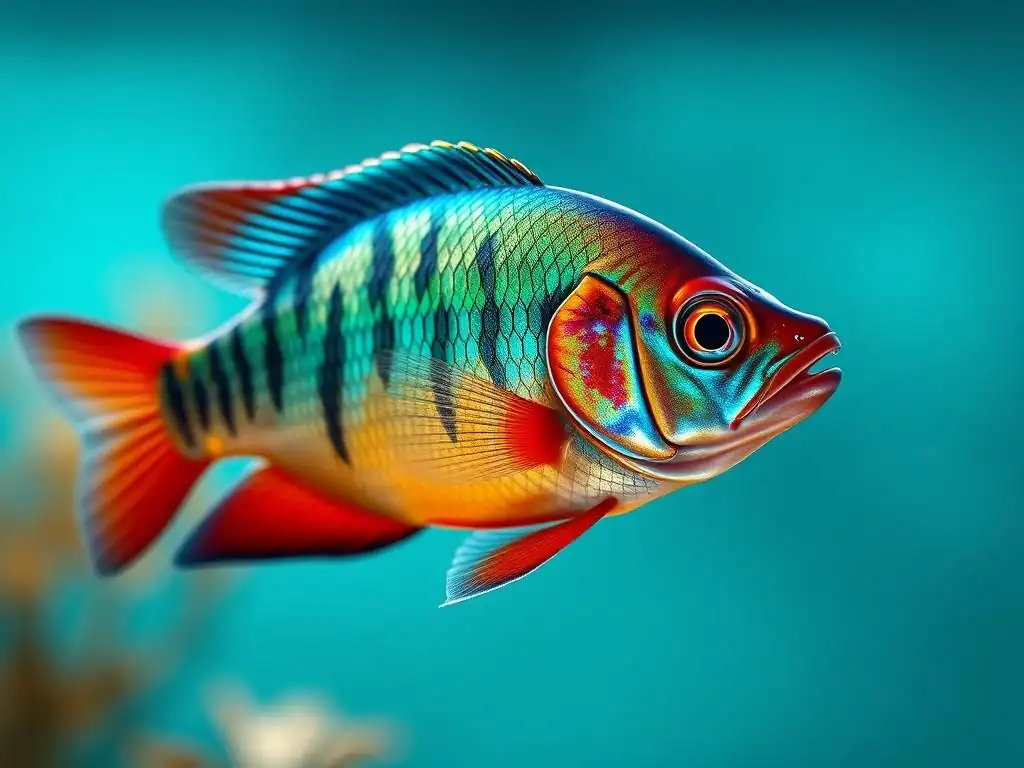
Despite their reputation, tiger barbs can be part of a vibrant and harmonious community tank if their tank mates are chosen carefully. The key is to select species that can either withstand their playful nips or are too fast and robust to be bothered.
Fish That Can Thrive with Tiger Barbs: A List of Suitable Options
Compatible tank mates for tiger barbs generally fall into categories of fast-swimming, robust, or similarly semi-aggressive species that can either hold their own or simply outmaneuver the barbs.
Fast-Swimming Species: Danios
Danios, such as the popular Zebra Danio ( Danio rerio) or Giant Danio ( Devario aequipinnatus), are excellent choices. They are incredibly fast swimmers, making it difficult for tiger barbs to land consistent nips. They also share a similar active temperament and prefer similar water parameters. Like tiger barbs, Danios thrive in schools (at least 6-8 individuals), which further diffuses any potential aggression and provides them with a sense of security. Their robust nature means they can generally tolerate the high energy of a tiger barb tank without undue stress.
Robust Species: Clown Loaches
Clown Loaches ( Chromobotia macracanthus) are another highly recommended tank mate for tiger barbs. These beautiful, striped fish are robust, grow to a considerable size (up to 12 inches in large aquariums), and are known for their playful, active nature. While they are peaceful, their size and hardiness mean they are generally unbothered by the nipping attempts of tiger barbs.
In fact, their own boisterous activity can sometimes deter the barbs. Clown Loaches are also schooling fish and should be kept in groups of at least three, preferably five or more, to thrive. Their presence can actually contribute to a more balanced dynamic in a tiger barb tank, as they are not tiger barbs incompatible fish.
Maintaining a Balanced Aquarium Environment: Minimizing Aggression
Beyond choosing the right species, environmental factors play a crucial role in minimizing aggression and promoting a healthy tiger barb community.
Adequate Schooling Size for Tiger Barbs: The Importance of Numbers
As previously mentioned, keeping tiger barbs in a sufficiently large school is perhaps the most critical factor in mitigating their aggression. A minimum of 6 individuals, and preferably 8-10 or more, ensures that their nipping and hierarchical behaviors are directed primarily towards each other, rather than towards other species. When confined to smaller groups, tiger barbs often become more aggressive and stressed, making them more likely to harass other fish in the tank. This "safety in numbers" principle allows their natural social structure to develop, leading to a more peaceful display.
Plenty of Hiding Places: Reducing Stress and Aggression
A well-decorated aquarium with ample hiding places is essential for any community tank, especially one containing active or semi-aggressive species like tiger barbs. Dense planting, driftwood, rocks, and caves provide visual breaks and escape routes for all fish. This reduces territorial disputes by breaking line of sight and offers refuge for any fish feeling stressed or bullied.
For instance, creating tall plant thickets or providing multiple caves allows fish to retreat and feel secure, significantly reducing overall stress levels and preventing aggressive encounters from escalating. This simple environmental enrichment can make a significant difference in the harmony of your tank and reduce the likelihood of tiger barbs incompatible fish interactions.
Recognizing Signs of Incompatibility: When to Intervene
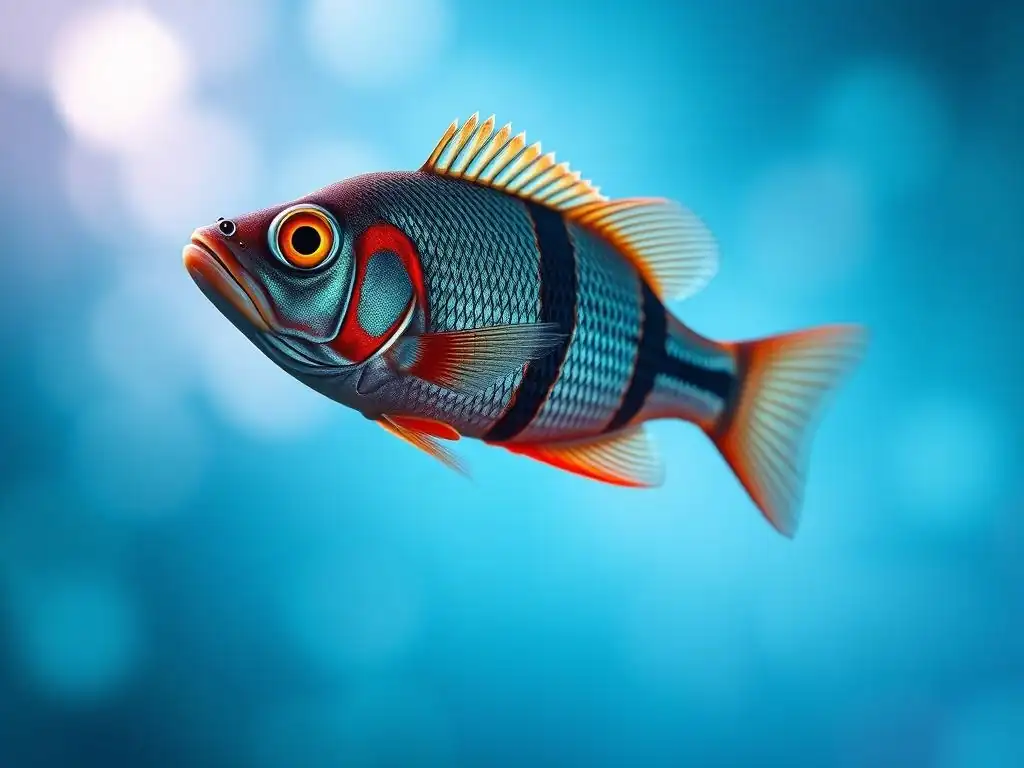
Even with careful planning, it's essential for aquarists to continuously monitor their fish for signs of stress or aggression. Early intervention can prevent serious harm or even death to your aquarium inhabitants.
Identifying Fin-Nipping Behavior: What to Look For
The most obvious sign of incompatibility with tiger barbs is visible fin damage on other fish. Look for frayed, torn, or missing pieces of fins, particularly on species with long or flowing fins. You might also observe fish with clamped fins, indicating stress. Beyond physical damage, observe the actual behavior: are the tiger barbs constantly chasing and nipping at a specific tank mate? Do other fish appear agitated or distressed when tiger barbs are nearby? Consistent targeting of a particular fish by the barbs is a clear indication of a problematic pairing.
Stress Indicators in Fish: Recognizing the Signs of Distress
Beyond fin damage, several general signs indicate that a fish is under stress due to an incompatible environment or tank mates. These include:
- Clamped fins: Fins held tightly against the body.
- Rapid gill movement/heavy breathing: Indicating difficulty breathing or high stress.
- Loss of appetite: Refusing to eat or showing little interest in food.
- Dull coloration: Fish losing their vibrant colors and appearing pale.
- Excessive hiding: Fish constantly retreating to hiding spots and rarely venturing out.
- Erratic swimming: Jerky movements, darting, or rubbing against surfaces.
- Increased susceptibility to disease: Stress weakens the immune system, making fish more prone to common ailments like Ich or fungal infections.
Observing any combination of these signs over a prolonged period suggests that the environment is unsuitable for the stressed fish, pointing to tiger barbs incompatible fish situations.
Rehoming Incompatible Fish: Prioritizing the Well-being of Your Aquarium Inhabitants
If you observe persistent signs of incompatibility, the most responsible course of action is to rehome the incompatible fish. Prolonging the situation will only lead to chronic stress, illness, and potentially the death of the affected fish. This might involve setting up a separate "hospital" or "quarantine" tank for the distressed fish, finding them a new home with another hobbyist, or returning them to a local fish store that accepts rehoming. Prioritizing the health and well-being of all your aquarium inhabitants should always be the guiding principle, even if it means adjusting your initial stocking plan.
Conclusion: Prioritizing Compatibility for a Healthy Tiger Barb Aquarium
The Importance of Researching Tank Mate Compatibility
The journey to a successful and thriving aquarium begins long before the first fish enters the water. Thorough research into tank mate compatibility is not just a recommendation; it is an absolute necessity, especially when considering species with strong personalities like tiger barbs.
Understanding their natural behaviors, preferred environments, and specific needs is crucial to prevent the common pitfalls of stocking errors. By taking the time to research which fish are tiger barbs incompatible fish and which are suitable, you lay the foundation for a peaceful and healthy aquatic ecosystem, minimizing stress and maximizing the lifespan and vibrancy of your fish.
Building a Thriving Community Tank: The Rewards of Careful Planning
While the prospect of tiger barbs incompatible fish pairings can seem daunting, the rewards of careful planning and informed decision-making are immense. A well-researched and thoughtfully stocked aquarium becomes a vibrant, dynamic display of aquatic life, where each species thrives in harmony.
Witnessing your fish exhibit their natural behaviors, grow to their full potential, and live long, healthy lives is the ultimate satisfaction for any aquarist. By prioritizing compatibility and creating an environment tailored to the needs of all its inhabitants, you can transform your aquarium into a truly thriving community tank, showcasing the beauty and wonder of the underwater world.
Frequently Asked Questions
What makes Tiger Barbs potentially problematic tank mates?
Tiger barbs are known for their semi-aggressive nature and tendency to nip fins. This behavior can cause significant stress and injury to other fish, making them unsuitable for peaceful community tanks.
Which types of fish are most vulnerable to Tiger Barb aggression?
Fish with long, flowing fins, such as angelfish, betta fish, and gouramis, are particularly susceptible to fin-nipping. Also, slow-moving or shy species will be easily intimidated.
Can Tiger Barbs coexist peacefully with any other fish?
Yes, but careful selection is crucial. They do best with other robust, active fish that can tolerate their boisterous behavior, like other barbs or fast-swimming danios.
What should I do if I already have Tiger Barbs in my aquarium and want to introduce new fish?
Observe the Tiger Barbs very closely. Ensure the new additions are large enough to defend themselves and that there is plenty of hiding places. Monitor them for signs of aggression.
How many Tiger Barbs should I keep together to minimize aggression towards other fish?
Keeping Tiger Barbs in a group of at least six often helps to distribute aggression amongst themselves. This can reduce the likelihood of them targeting other fish in the aquarium.
The information presented throughout this article highlights a crucial aspect of responsible fishkeeping: understanding species compatibility. Avoiding disastrous tank pairings, especially when dealing with active and sometimes aggressive fish like tiger barbs, is not just about preventing immediate conflict; it's about fostering a thriving and balanced aquatic environment. The stakes are high, as the well-being of these creatures rests entirely on our informed decisions.
This understanding of compatibility extends beyond the aquarium, mirroring the delicate balance within any community. The lessons learned about careful selection and mindful integration resonate deeply, reminding us that harmony requires awareness and consideration for the needs of others. The greatness of a nation and its moral progress can be judged by the way its animals are treated.
- Mahatma Gandhi. This quote, though speaking of animals generally, applies equally to the responsibility we undertake when bringing aquatic life into our homes.
Now, armed with this knowledge of "tiger barbs incompatible fish," I encourage you to reflect on your own role in the aquatic ecosystem. Consider the impact of your choices, not just on the immediate inhabitants of your tank, but on the broader understanding of responsible pet ownership. Let this article be a stepping stone towards creating a more compassionate and informed approach to fishkeeping, ensuring a vibrant and peaceful underwater world for all.
Ignite Your Tiger Barb Adventure!
Thank you for diving into the world of Tiger Barbs! We hope you now feel more confident in creating a thriving aquarium community. Ready to take the next step?
Here’s how you can keep the momentum going:
- Strategize your tank mates: Plan your tank with confidence by mapping out compatible species to avoid future conflicts and ensure a harmonious aquatic environment.
- Explore the depths: Dive into other fish species profiles and discover even more fascinating aquarium companions.
- Share your wisdom: Spread the knowledge by sharing this article with fellow aquarists.
What steps will you take today to ensure your Tiger Barbs thrive in a peaceful aquarium?