
Identifying Hitchhiker Invertebrates: Friend or Foe in Your Reef?

Welcome to Aquarium Mastery!
Ever wondered what mysterious creatures might be lurking in your reef tank, hitchhiking their way into your carefully curated ecosystem? This guide dives deep into the fascinating world of reef invertebrates, helping you quickly identify those unexpected guests. Are they a beneficial part of your reef, or a potential threat? Let's uncover the secrets together and ensure a thriving, balanced aquarium! Read on to become a master at Reef Invertebrates Identification!
- Introduction: Unmasking Reef Tank Hitchhikers - A Reef Invertebrates Identification Guide
- Common Beneficial Reef Invertebrates: The Good Guys
-
Potential Problematic Reef Invertebrates: The Bad and the Ugly
- Aiptasia Anemones: Controlling This Pest in Your Reef
- Majano Anemones: Similar to Aiptasia, Equally Troublesome
- Red Flatworms (Planaria): Reef Tank Pest Control Strategies
- Nudibranchs: Identifying and Managing the Coral-Eating Varieties
- Acropora Eating Flatworms (AEFW): A Serious Threat to SPS Corals
- Invertebrate Identification Methods: How to Spot the Difference
- Prevention and Quarantine: Minimizing the Risk of Introducing Pests
- Management and Control: Dealing with Problematic Invertebrates
- Resources for Further Reef Invertebrate Identification
- Conclusion: Proactive Invertebrate Management for a Thriving Reef Aquarium
- Frequently Asked Questions
- Final Reflection: Unveiling the Reef's Hidden Passengers
- Unveil Your Reef's Hidden Secrets!
Introduction: Unmasking Reef Tank Hitchhikers - A Reef Invertebrates Identification Guide
The vibrant ecosystem of a reef aquarium is often teeming with life beyond the corals and fish intentionally introduced by aquarists. These uninvited guests, known as hitchhiker invertebrates, are organisms that arrive in your tank inadvertently, typically on live rock, coral frags, or even within sand. They represent a vast array of marine life, from various worms and crustaceans to mollusks and tiny anemones, often remaining unseen until they establish a thriving population.
Understanding the nature of these hitchhikers is paramount for any reef keeper. While some are harmless or even beneficial, contributing to the tank's natural clean-up crew and biodiversity, others can pose significant threats. These problematic species can outcompete corals for space and light, sting tank inhabitants, or even consume valuable corals, making a comprehensive reef invertebrates identification guide an essential tool for proactive aquarium management.
Why Identifying Reef Invertebrates Is Crucial for a Healthy Aquarium
Accurate identification of every organism within your reef system is not merely an academic exercise; it is a critical practice for maintaining a healthy and balanced aquarium. Unidentified or misidentified invertebrates can quickly escalate from minor nuisances to full-blown infestations, potentially leading to widespread coral loss, fish stress, or even a complete tank crash. For instance, a small patch of Aiptasia anemones, if left unchecked, can rapidly multiply and sting adjacent corals, causing tissue recession within weeks.
Early and precise identification allows aquarists to take appropriate action, whether that involves nurturing beneficial species or implementing targeted removal strategies for pests. A robust understanding, gained through a reliable reef invertebrates identification guide, empowers hobbyists to differentiate between valuable detritivores and destructive coral predators, ensuring the long-term vitality and aesthetic appeal of their reef ecosystem.
Common Beneficial Reef Invertebrates: The Good Guys
Bristle Worms: Nature's Detritivores in Your Reef Tank
Often misunderstood and feared due to their appearance, many species of bristle worms (Polychaetes) are invaluable members of a reef tank's clean-up crew. These segmented worms, ranging in size from a few millimeters to over 20 centimeters, primarily act as detritivores, tirelessly burrowing through the substrate and live rock. They consume uneaten food, decaying organic matter, and various forms of detritus, effectively recycling nutrients and preventing the buildup of harmful waste products.
A healthy population of beneficial bristle worms, such as those from the Cirratulidae or Terebellidae families, indicates a thriving biological filtration system and a well-maintained substrate. While some larger, brightly colored species like the Red Fireworm ( Hermodice carunculata) can be predatory, the vast majority of hitchhiker bristle worms are benign scavengers. Their presence helps maintain pristine water quality and a clean sand bed, contributing significantly to the overall stability of the reef environment.
Copepods and Amphipods: Essential Food Source for Your Reef Ecosystem
Copepods and amphipods are tiny crustaceans that form the backbone of the microfauna in any healthy reef tank, acting as both grazers and a vital food source. Copepods, typically less than 1-2 millimeters in length, are often seen darting through the water column or grazing on surfaces. Amphipods, slightly larger at 2-10 millimeters, resemble miniature shrimp and are more commonly found scurrying across live rock or within the sand bed.
These microscopic powerhouses graze on nuisance algae, diatoms, and detritus, contributing to the tank's cleanliness. More importantly, they reproduce rapidly, providing a continuous, natural live food source for many marine fish, especially finicky eaters like Mandarin Dragonets ( Synchiropus splendidus) and Seahorses ( Hippocampus spp. ), as well as various corals that filter-feed. Establishing a healthy population of these beneficial invertebrates, often aided by a refugium, greatly enhances the biodiversity and food web of the reef aquarium.
Stomatella Snails: Algae Grazers and Reef Cleaners
Stomatella snails, often mistaken for small nudibranchs due to their flattened, ear-shaped shell that is frequently covered by their mantle, are highly efficient and beneficial hitchhikers. These small gastropods, typically reaching a maximum size of about 1-2 centimeters, are incredibly active and primarily nocturnal, though they can often be seen rapidly gliding across the glass or rockwork during the day. Their shell is usually small and inconspicuous, often leading to their misidentification.
Their primary role in the reef aquarium is as diligent algae grazers. Stomatellas are particularly effective at consuming film algae, diatoms, and even some types of cyanobacteria from various surfaces, including tank walls, live rock, and coral bases. They reproduce readily within the aquarium, often self-propagating without intervention, ensuring a continuous clean-up crew presence. Their unobtrusive nature and significant contribution to algae control make them one of the most welcome hitchhiker invertebrates in any reef system.
Sponges: Filter Feeders Contributing to Water Quality
Sponges (Phylum Porifera) are ancient, sessile filter-feeding invertebrates that frequently hitchhike on live rock, arriving as small, often colorful, encrusting patches or more complex structures. Ranging in appearance from vibrant blues, reds, and yellows to more subdued browns and grays, these organisms are foundational to marine ecosystems. While often overlooked, their presence in a reef tank signals a healthy and mature biological environment.
Sponges are highly efficient natural filters, constantly pumping water through their intricate canal systems to extract microscopic food particles, bacteria, and dissolved organic compounds. This continuous filtration process significantly contributes to water clarity and overall water quality by removing pollutants and excess nutrients that could otherwise fuel nuisance algae or negatively impact corals. Their role in nutrient cycling and maintaining a pristine aquatic environment makes them valuable, albeit often hidden, allies in the reef aquarium.
Potential Problematic Reef Invertebrates: The Bad and the Ugly
Aiptasia Anemones: Controlling This Pest in Your Reef
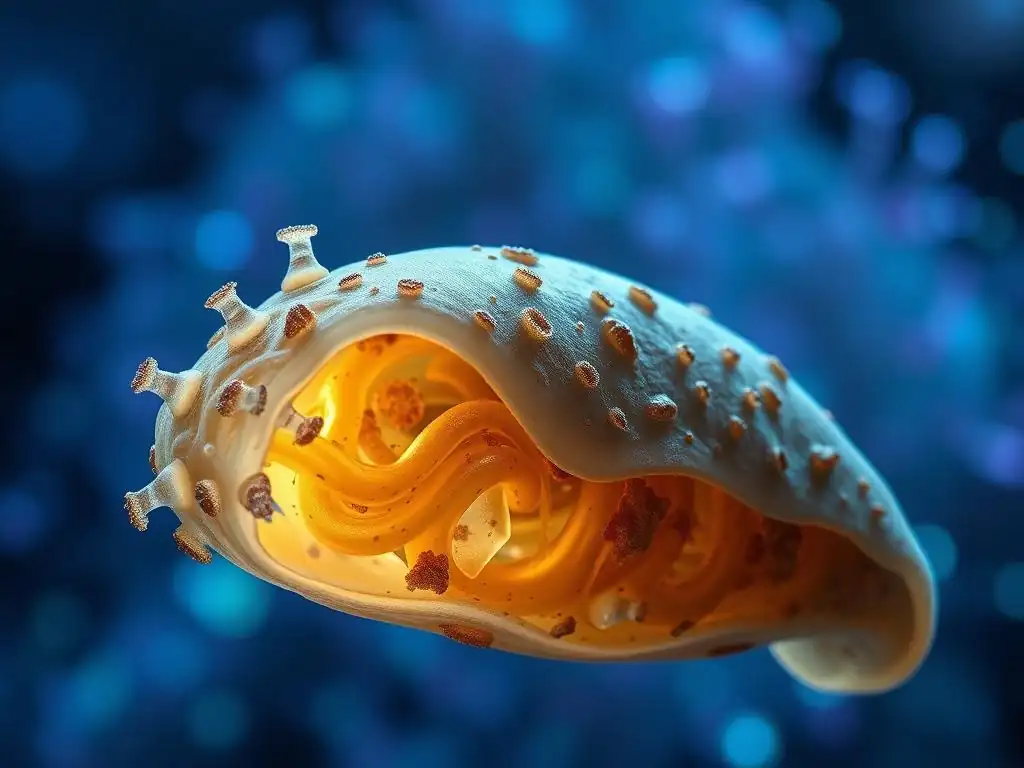
Aiptasia anemones ( Aiptasia diaphana being a common species) are arguably one of the most notorious and pervasive pests in reef aquariums. These small, translucent brown anemones possess potent stinging cells (nematocysts) in their tentacles, which they use to harm and kill adjacent corals, fish, and other invertebrates. They can appear suddenly, often as tiny, almost invisible polyps on new live rock or coral frags, and then rapidly multiply through asexual reproduction, particularly pedal laceration, where fragments of their foot break off and grow into new individuals.
Once established, Aiptasia can quickly overrun a reef tank, outcompeting and stinging valuable corals, leading to tissue necrosis and significant losses. Their resilience and ability to reproduce from even tiny fragments make manual removal challenging and often counterproductive if not done precisely. A small Aiptasia, initially less than a centimeter across, can grow to several centimeters and spawn hundreds of offspring within weeks if conditions are favorable, making early identification crucial for effective control.
Majano Anemones: Similar to Aiptasia, Equally Troublesome
Majano anemones ( Anemonia majano) are another common and troublesome pest often confused with Aiptasia due to their similar nuisance characteristics. While Aiptasia typically has a more pointed, conical oral disc, Majano anemones usually feature a more bulbous, often green or brown body with shorter, more colorful tentacles that may have swollen tips. They are also capable of rapid asexual reproduction and possess powerful stinging cells that can irritate, damage, and ultimately kill corals and other sessile invertebrates in close proximity.
Like Aiptasia, Majano anemones can quickly proliferate, forming dense colonies that compete aggressively for space and light. Their attractive, flower-like appearance often misleads novice aquarists into believing they are desirable, delaying intervention until the infestation becomes widespread. A single Majano anemone, starting as a polyp barely a few millimeters wide, can expand into a colony covering several square inches of live rock within months, necessitating prompt identification and control measures to protect the reef ecosystem.
Red Flatworms (Planaria): Reef Tank Pest Control Strategies
Red flatworms, most commonly identified as Convolutriloba retrogemma, are a ubiquitous pest in reef aquariums. These small, oval, reddish-brown worms typically measure between 1 to 5 millimeters in length and are often seen covering large areas of live rock, sand, and especially coral surfaces. While they do not directly consume coral tissue, their sheer numbers can smother corals by blocking light and hindering their ability to feed and respire, leading to coral stress and eventual tissue loss.
Their rapid reproductive cycle allows populations to explode, sometimes covering several square feet of a large display tank within weeks. A significant concern with red flatworms is their ability to release toxins into the water column when they die in large numbers, which can cause severe health issues for fish and other invertebrates, potentially leading to a tank crash. Effective control involves careful siphoning, introducing natural predators, and in severe cases, targeted chemical treatments, always followed by substantial water changes to mitigate toxin release.
Nudibranchs: Identifying and Managing the Coral-Eating Varieties
While some nudibranchs are beneficial (like Berghia for Aiptasia control), many species are highly specialized predators of specific corals, posing a significant threat to a reef tank. These soft-bodied sea slugs are notoriously difficult to spot due to their small size, typically under 1 centimeter, and their remarkable cryptic coloration, often mimicking the coral they prey upon. Examples include the Montipora-eating nudibranch ( Phestilla sibogae) and various species that target Zoanthids or Palythoa.
These coral-eating nudibranchs can devastate a coral colony within days or weeks. They feed by rasping away coral tissue, leaving distinct bite marks or areas of recession. The challenge in managing them lies in their ability to lay inconspicuous egg masses directly on the host coral, ensuring a continuous cycle of infestation. For instance, a single Montipora-eating nudibranch can lay hundreds of eggs, each hatching into a new coral predator, necessitating diligent inspection and removal as part of any reef invertebrates identification guide.
Acropora Eating Flatworms (AEFW): A Serious Threat to SPS Corals
Acropora Eating Flatworms (AEFW), scientifically known as Amakusaplana acroporae, are among the most feared and destructive pests for aquarists specializing in Small Polyp Stony (SPS) corals, particularly Acropora species. These small, oval, tan-brown flatworms, usually 3-5 millimeters long, are extremely cryptic and blend seamlessly with the Acropora branches they infest. They feed exclusively on the coral's tissue, causing rapid tissue recession, polyp retraction, and eventually, the death of the coral colony.
The presence of AEFW is often indicated by characteristic "bite marks" or areas of bare skeleton on the Acropora branches, typically starting from the base. They reproduce rapidly, laying camouflaged egg masses on the coral's skeleton, which makes eradication challenging once an infestation takes hold. A severe AEFW infestation can decimate an entire Acropora collection within a matter of weeks or months, making early detection through careful inspection and a thorough reef invertebrates identification guide absolutely critical for SPS keepers.
Invertebrate Identification Methods: How to Spot the Difference
Visual Inspection: Key Characteristics to Look For
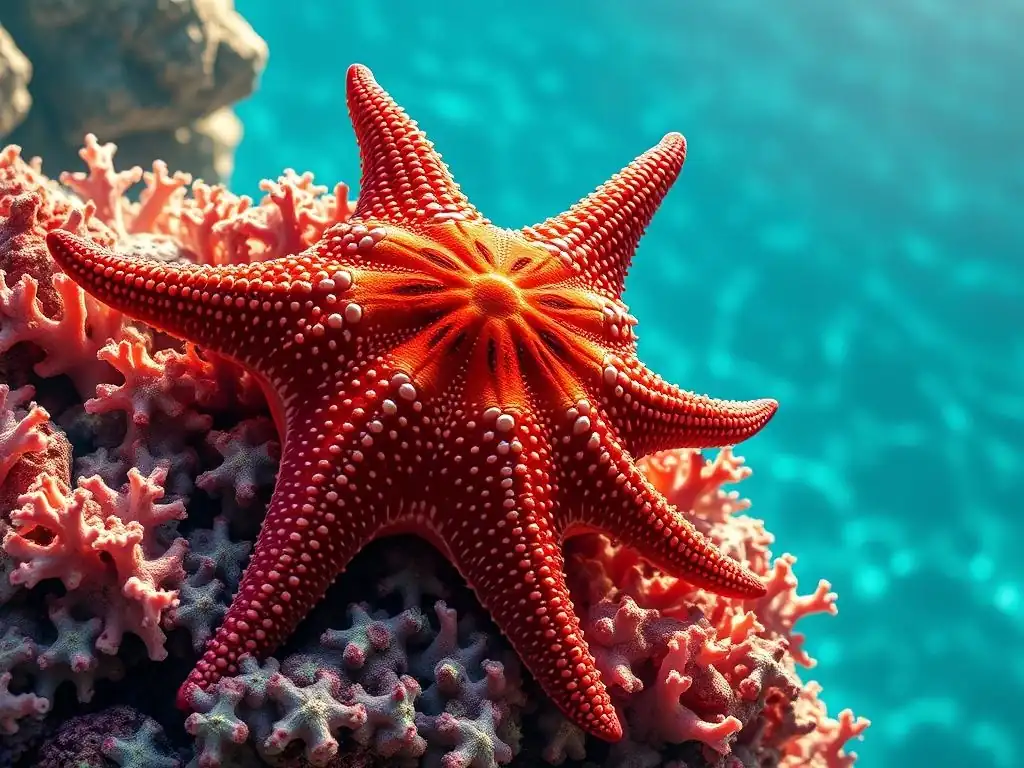
The most fundamental method for identifying hitchhiker invertebrates is meticulous visual inspection. Regular, close observation of your reef tank, including live rock, sand bed, and especially new coral acquisitions, is paramount. When examining an unknown organism, pay close attention to its shape, size, color, texture, and how it moves. For instance, is it sessile or motile? Does it have a shell, tentacles, or bristles? Does it retract when disturbed?
Using a powerful flashlight, particularly after the main tank lights are off, can reveal nocturnal creatures that hide during the day. Observe patterns of behavior, such as whether it's grazing on algae, burrowing, or stinging nearby corals. For example, a small, translucent anemone that rapidly divides and stings corals is likely Aiptasia, a key element in any comprehensive reef invertebrates identification guide. These detailed observations provide the initial clues necessary for accurate identification.
Using a Magnifying Glass or Microscope for Invertebrate ID
Many problematic hitchhiker invertebrates are incredibly small, making identification with the naked eye challenging or impossible. For these tiny organisms, a magnifying glass, a jeweler's loupe (10x to 30x magnification), or even a basic hobbyist microscope becomes an indispensable tool. This is particularly true for pests like flatworms, copepods, and the eggs of coral-eating nudibranchs or AEFW, which can be less than a millimeter in size.
When dipping new corals, the detritus that settles at the bottom of the dip bucket often contains dislodged pests. Examining this detritus under magnification can reveal the presence of otherwise invisible threats, such as Amakusaplana acroporae flatworms or their distinctive egg masses. This enhanced view allows for precise identification of minute features, such as the distinct eyespots of some flatworms or the unique body shape of certain copepods, greatly aiding in creating an effective reef invertebrates identification guide.
Online Resources and Forums: Leveraging the Reefing Community's Knowledge
The global reefing community is an invaluable resource for identifying unknown invertebrates. Numerous online forums (e.g., Reef2Reef, Reef Central), dedicated identification websites, and social media groups are populated by experienced aquarists and experts eager to help. These platforms often host extensive photo databases and detailed discussions on common and rare hitchhikers, serving as a dynamic, collaborative reef invertebrates identification guide.
When seeking identification assistance online, it is crucial to provide as much detail as possible. This includes a clear description of the organism, its size, color, observed behavior, and the specific location where it was found in the tank. Searching these resources with keywords like "small brown flatworm on Acropora" or "clear anemone stinging coral" can often lead to existing threads with similar identifications and recommended management strategies.
Taking Photos/Videos and Sharing for Identification Assistance
When faced with an unidentified organism, taking clear, well-focused photographs or short videos is often the most effective way to obtain accurate identification from the wider reefing community. Good quality visuals allow others to examine the creature's morphology, color patterns, and behavior in detail, even if they are not physically present. Use a macro lens or a phone camera with macro capabilities to capture the intricate features of smaller invertebrates.
Once you have clear visuals, share them on reputable reef aquarium forums or dedicated identification groups. Accompany your images or videos with relevant information, such as the approximate size of the organism, its location in the tank (e.g., on live rock, sand, specific coral), and any notable behaviors observed (e.g., movement, interaction with other tank inhabitants). This comprehensive approach significantly increases the chances of receiving a quick and accurate identification from knowledgeable members of the reefing community, effectively leveraging a collective reef invertebrates identification guide.
Prevention and Quarantine: Minimizing the Risk of Introducing Pests
Quarantine Tank Setup: Best Practices for New Arrivals
Establishing and diligently using a dedicated quarantine tank (QT) is the single most effective measure to prevent the introduction of unwanted hitchhiker invertebrates and diseases into your main display aquarium. A QT should be a separate, fully cycled tank, ideally with its own heater, powerhead for circulation, and simple filtration (e.g., sponge filter or hang-on-back filter). It should be bare-bottom for easy cleaning and observation.
All new fish, corals, and even live rock should undergo a mandatory quarantine period, typically 4 to 6 weeks, before being introduced into the display tank. During this time, observe the new arrivals daily for any signs of pests, parasites, or diseases. This allows for targeted treatments without risking the established ecosystem of your main tank, preventing costly outbreaks and ensuring the long-term health of your reef.
Dipping Corals: Effective Methods for Pest Removal Before Introduction
Coral dipping is a crucial preventative step that complements quarantine, specifically targeting external pests that may reside on coral frags or colonies. Various coral dips are available commercially (e.g., iodine-based dips, specialized coral pest removers like CoralRx or Revive), each formulated to dislodge or kill common hitchhikers such as flatworms, nudibranchs, and AEFW. The process typically involves submerging the coral in a diluted dip solution for a specific duration, often 5-15 minutes, while gently agitating it or blowing water over it with a turkey baster to dislodge pests.
After dipping, the coral should be rinsed thoroughly in clean, new saltwater before being placed in the quarantine tank. Critically, the dip water should be discarded immediately, as it may contain dislodged pests or their eggs. While dipping is highly effective for many external pests, it may not eliminate those embedded within the coral tissue or hidden deep in crevices, underscoring the importance of combining it with a quarantine period and careful visual inspection, as detailed in any comprehensive reef invertebrates identification guide.
Careful Inspection of Live Rock Before Adding to the Main Tank
Live rock is a cornerstone of reef aquariums, providing biological filtration and structural habitat, but it is also a common vector for introducing unwanted hitchhiker invertebrates. Before adding any new live rock to your main display tank, a thorough and methodical inspection is essential. Examine every crevice, hole, and surface for suspicious organisms, including Aiptasia, Majano anemones, or any unusual worms or crustaceans.
A common practice, especially for uncured or freshly collected live rock, is "rock cooking." This involves placing the live rock in a separate container with circulating saltwater, often in darkness, for several weeks or even months. This process encourages the die-off of unwanted organisms, revealing them as they decompose or emerge seeking light. Any suspicious hitchhikers found during inspection should be manually removed, scraped off, or treated to prevent their establishment in the main reef system, a vital step in any preventative reef invertebrates identification guide.
Management and Control: Dealing with Problematic Invertebrates
Natural Predators: Introducing Biological Control Agents
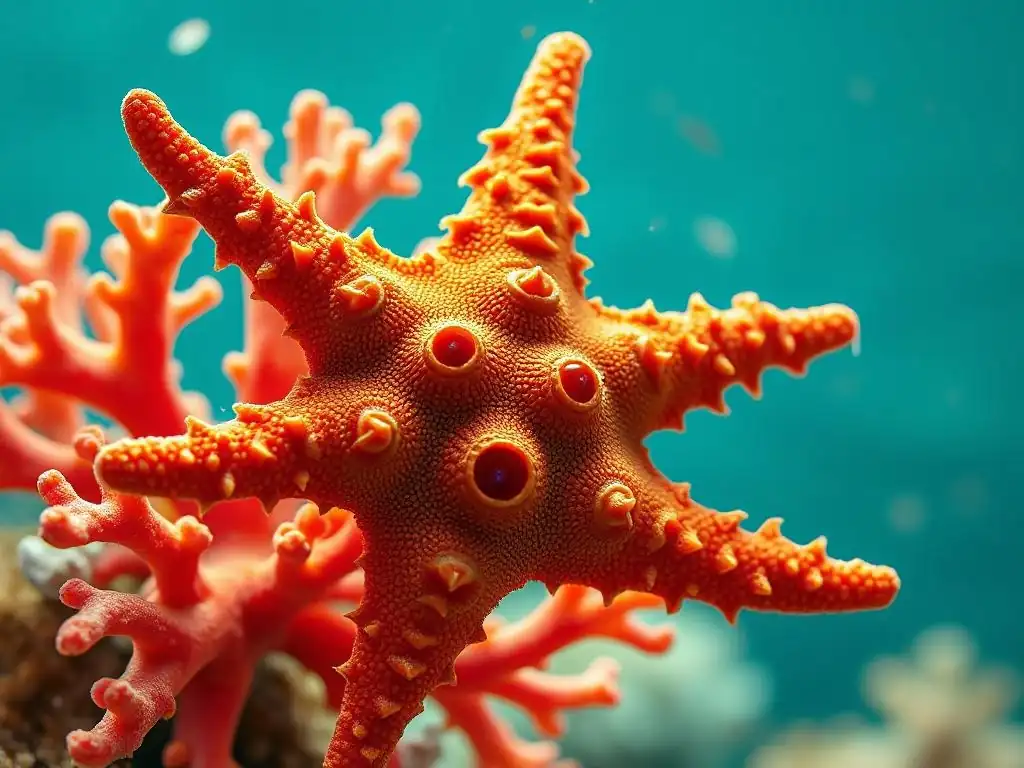
One of the most appealing strategies for managing problematic hitchhiker invertebrates is the introduction of natural predators, often referred to as biological control agents. For instance, Peppermint Shrimp ( Lysmata wurdemanni) are widely known for their appetite for Aiptasia anemones, often consuming small to medium-sized infestations. Similarly, Six-Line Wrasses ( Pseudocheilinus hexataenia) can help control various types of flatworms, while certain species of Berghia nudibranchs are highly specialized predators of Aiptasia.
While biological control can be effective, it's important to understand its limitations. Predators may not always eliminate an entire pest population, especially if the infestation is severe. Their effectiveness can vary, and they may not always target the specific pest as desired. For example, a Peppermint Shrimp might prefer scavenging on fish food over Aiptasia. Always research the compatibility of any biological control agent with your existing tank inhabitants and ensure it has a sustainable food source if the pest population is fully eradicated.
Manual Removal: Tips and Techniques for Eradicating Pests
Manual removal is often the first line of defense for larger, more visible problematic invertebrates. This method involves physically extracting the pest from the aquarium. For Aiptasia and Majano anemones, direct injection of a kalkwasser paste, boiling water, or a commercial Aiptasia-specific solution (e.g., Aiptasia-X) directly into the anemone's mouth or base can be effective. Exercise caution to avoid spreading fragments, as this can lead to new anemones.
For red flatworms, siphoning them off the rockwork and corals with a small hose during a water change is a common technique, especially during population explosions. Use a fine mesh net over the siphon end to catch the worms while returning the water to the tank. Nudibranchs and AEFW can often be removed with tweezers or a turkey baster during detailed inspections. Consistent manual removal, often performed daily or weekly depending on the infestation level, is crucial for keeping pest populations under control and is a fundamental aspect of any reef invertebrates identification guide.
Chemical Treatments: When and How to Use Them Safely
In cases of severe or widespread infestations that are unresponsive to natural predators or manual removal, chemical treatments may be necessary. Products like Flatworm Exit (for red flatworms) or specific Aiptasia solutions are designed to target particular pests. However, chemical treatments should always be a last resort due to their potential impact on beneficial invertebrates, corals, and overall water chemistry.
When using chemical treatments, it is absolutely vital to follow the manufacturer's instructions precisely regarding dosage and application. Overdosing can have catastrophic consequences for the entire reef ecosystem. Always perform significant water changes (e.g., 25-50%) after treatment to remove dead pests and any residual chemicals, especially after flatworm treatments where mass die-offs can release toxins. Monitor your tank's inhabitants closely for several days post-treatment, and be prepared to perform additional water changes if necessary.
Maintaining Optimal Water Parameters to Discourage Pest Outbreaks
While not a direct eradication method, maintaining stable and optimal water parameters is a critical preventative and management strategy for discouraging pest outbreaks. A healthy reef environment, characterized by consistent salinity (1.025-1.026 SG), stable alkalinity (8-11 dKH), calcium (400-450 ppm), and magnesium (1300-1400 ppm), along with low nitrates (<10 ppm) and phosphates (<0.03 ppm), promotes strong coral health and resilience.
Stressed or weakened corals are significantly more susceptible to pest infestations and less able to recover from their damage. High nutrient levels (nitrates and phosphates) can also encourage the rapid proliferation of certain pests, such as Aiptasia and red flatworms, by providing an abundant food source. By focusing on consistent water quality and nutrient control, aquarists can create an environment where corals thrive and pests are less likely to gain a foothold, supporting the overall goals of a comprehensive reef invertebrates identification guide.
Resources for Further Reef Invertebrate Identification
Recommended Books and Guides on Reef Invertebrates
For the serious reef aquarist, a well-stocked library of physical books and comprehensive guides remains an invaluable resource for identifying and understanding reef invertebrates. Titles such as "The Reef Aquarium" series by J. Charles Delbeek and Julian Sprung offer encyclopedic knowledge on various marine organisms, including detailed sections on invertebrates with high-quality photographs. Other notable works like "Marine Invertebrates" by Ronald L. Shimek or "Aquarium Corals" by Eric Borneman provide in-depth profiles and identification cues for a vast array of species commonly found in reef tanks.
These authoritative texts often include morphological descriptions, ecological roles, and sometimes even specific care requirements or pest management strategies. Their detailed illustrations and photographs serve as an excellent visual reef invertebrates identification guide, allowing aquarists to cross-reference their observations with documented species, thereby enhancing their ability to discern friend from foe.
Online Databases and Identification Tools for Reef Keepers
The internet offers a dynamic and ever-expanding suite of resources for reef invertebrate identification. Numerous online databases maintained by universities, research institutions, and dedicated hobbyist communities provide extensive information and visual aids. Websites like the World Register of Marine Species (WoRMS) offer scientific classifications and species details, while popular reefing forums and dedicated identification sections (e.g., on LiveAquaria's marine life profiles or Reef Central's ID forums) host user-submitted photos and collective knowledge.
Many online tools allow users to search by common name, scientific name, or even by visual characteristics, making them highly accessible for quick look-ups. These platforms are regularly updated with new discoveries and insights from the global reefing community, providing a living, evolving reef invertebrates identification guide that complements traditional printed materials. Leveraging these digital resources can significantly expedite the identification process for both common and obscure hitchhikers.
Local Reefing Clubs and Experts
Beyond books and online resources, connecting with local reefing clubs and experienced aquarists provides a direct, hands-on avenue for invertebrate identification and advice. Local clubs often organize meetings, frag swaps, and educational events where members can bring in photos or even small samples of unknown organisms for collective identification. The shared knowledge and practical experience within these communities can be invaluable, particularly for identifying rare or unusual hitchhikers that may not be extensively documented online or in general guides.
Experts within these clubs, often seasoned hobbyists or marine biologists, can offer insights based on years of direct observation and management. They can provide specific advice tailored to your tank's unique situation, guiding you through the nuances of a reef invertebrates identification guide that might not be covered in generic materials. Building relationships within the local reefing community fosters a supportive network for troubleshooting and continuous learning.
Conclusion: Proactive Invertebrate Management for a Thriving Reef Aquarium
The Importance of Continuous Monitoring and Observation
The journey of maintaining a thriving reef aquarium is an ongoing process that fundamentally relies on diligent and continuous monitoring. Regular, even daily, observation of your tank's inhabitants, including corals, fish, and the often-overlooked microfauna, is the first and most critical line of defense against problematic hitchhiker invertebrates. Early detection of new growths, changes in coral tissue, or unusual behaviors among your tank's residents can signal the presence of unwelcome guests before they escalate into full-blown infestations.
Developing a keen eye for detail and familiarizing yourself with the subtle signs of both beneficial and harmful organisms, guided by a comprehensive reef invertebrates identification guide, empowers you to act swiftly. A small patch of Aiptasia or a single Montipora-eating nudibranch, if identified and removed early, can prevent weeks or months of struggle and potential coral loss. This proactive vigilance is indispensable for maintaining the long-term health and aesthetic appeal of your reef ecosystem.
Creating a Balanced Reef Ecosystem for Long-Term Success
Ultimately, the goal of understanding and managing hitchhiker invertebrates is to foster a balanced, resilient reef ecosystem capable of thriving for years. This holistic approach encompasses not only vigilant identification and pest control but also consistent adherence to best husbandry practices. Maintaining stable water parameters, ensuring proper nutrient control, providing adequate lighting and flow, and stocking your tank appropriately all contribute to the overall health and vigor of your corals and fish.
A healthy reef is inherently more robust and better equipped to resist pest pressures and recover from minor disturbances. By conscientiously applying the knowledge gained from a thorough reef invertebrates identification guide, implementing strict quarantine protocols, and acting decisively when problematic organisms are detected, aquarists can create a beautiful, sustainable, and truly thriving slice of the ocean in their homes.
Frequently Asked Questions
What are "hitchhiker" invertebrates in a reef tank?
These are invertebrates that enter your aquarium unintentionally, often as larvae or small creatures attached to live rock or coral. They can be beneficial or harmful to your reef ecosystem.
Why is it important to identify hitchhiker invertebrates?
Identifying them is crucial to determine if they pose a threat to your corals or other tank inhabitants. Early identification allows you to take appropriate action to protect your reef.
What are some examples of common beneficial hitchhiker invertebrates?
Some beneficial hitchhikers include copepods, which are a food source for fish, and bristle worms, which help clean up detritus. These contribute to a healthy ecosystem.
Harmful hitchhikers can include Aiptasia anemones, which sting corals, and certain types of crabs, which may prey on fish or invertebrates. Immediate removal is often necessary.
Where can I find a comprehensive "Reef Invertebrates Identification Guide"?
AquariumMastery.com offers a detailed "Reef Invertebrates Identification Guide" with pictures and descriptions to help you identify potential hitchhikers. This guide will help you determine if they are friend or foe to your reef aquarium.
The journey of understanding the intricate ecosystems within our reef aquariums, as highlighted throughout this guide, is more crucial now than ever. The health and sustainability of these miniature oceans depend on our informed actions and responsible practices. As hobbyists and conservationists, we hold the power to either nurture or disrupt the delicate balance of life teeming within our glass walls.
This exploration into the world of hitchhiker invertebrates has undoubtedly broadened our perspective, revealing the hidden complexities and potential impacts of these often-overlooked creatures. The ability to accurately identify and understand these organisms is not just about maintaining a beautiful reef, but about contributing to a deeper appreciation and respect for the natural world. In the end, we will conserve only what we love; we will love only what we understand; and we will understand only what we are taught.
- Baba Dioum. This quote perfectly encapsulates the importance of continuous learning and observation in our reef-keeping journey.
Now, armed with this knowledge, I urge you to look anew at your own reef aquarium. Take the time to observe, identify, and understand the roles of these tiny inhabitants. Let this guide serve as a stepping stone towards becoming more responsible and informed reef keepers, contributing to the long-term health and beauty of these captivating ecosystems. Embrace the challenge, and together, let's cultivate thriving reef environments for generations to come.
Thanks for diving into the fascinating world of reef inhabitants! Now that you're equipped to identify those tiny hitchhikers, let's put that knowledge to good use and ensure a thriving reef environment.
Here's what you can do right away:
- Carefully inspect your aquarium glass during the night with a flashlight to catalog all invertebrates.
- Share your findings and ask for expert advice on reef forums – learning from the community is invaluable!
- Consider starting a photographic journal of your reef's biodiversity to track changes over time.
What surprising invertebrates have you discovered lurking in your reef tank?