
Keeping Multiple Shrimp Species Together: A Compatibility Guide

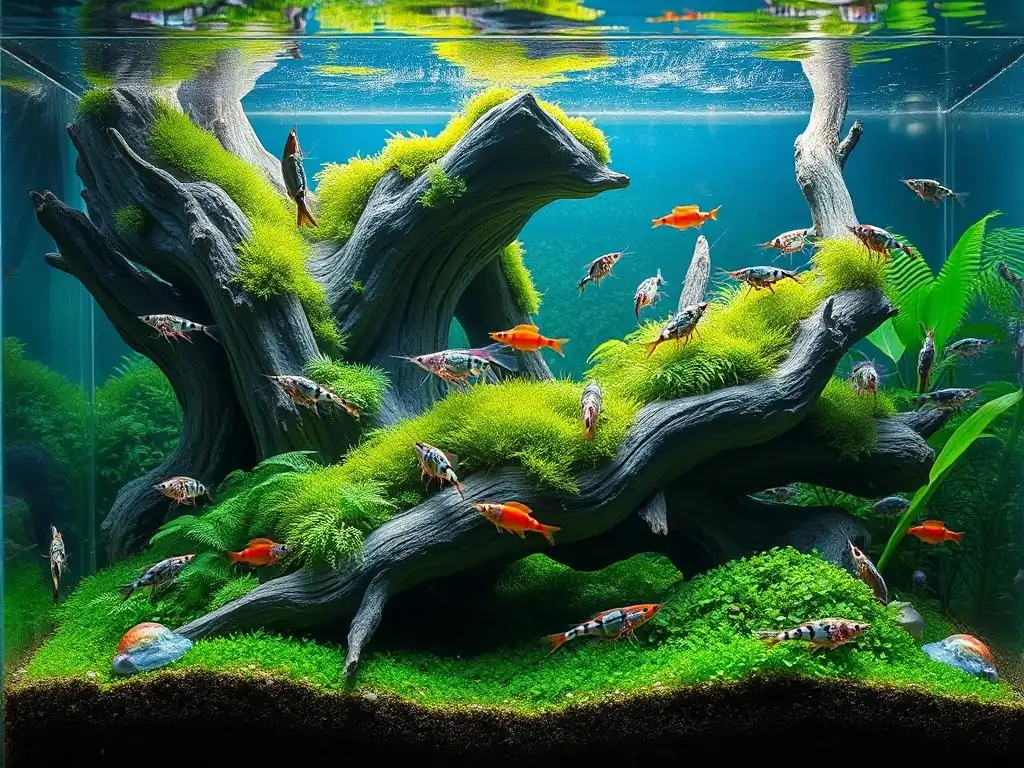
Welcome to Aquarium Mastery! Ever wondered if those vibrant Cherry Shrimp can truly co-exist with your Amano Shrimp in perfect harmony? Or if your Bamboo Shrimp will get along with the others? Dive into our comprehensive guide on Shrimp compatibility freshwater aquarium and unlock the secrets to a thriving, multi-species shrimp tank. Get ready to discover which shrimp combinations lead to peaceful coexistence and which are best avoided. Let's create your dream shrimp community!
- Understanding Shrimp Compatibility in Freshwater Aquariums
-
Frequently Asked Questions
- How do I determine if two shrimp species are compatible in my freshwater aquarium?
- What are some examples of compatible shrimp species for a freshwater aquarium?
- Will larger shrimp species, like Amano shrimp, predate on smaller shrimp species, like Cherry shrimp?
- What role does tank size play in shrimp compatibility?
- How can I improve the chances of success when keeping multiple shrimp species together?
- Final Reflection: Navigating the Delicate Ecosystem of Coexistence
- Unlock a Thriving Shrimp Paradise!
Understanding Shrimp Compatibility in Freshwater Aquariums
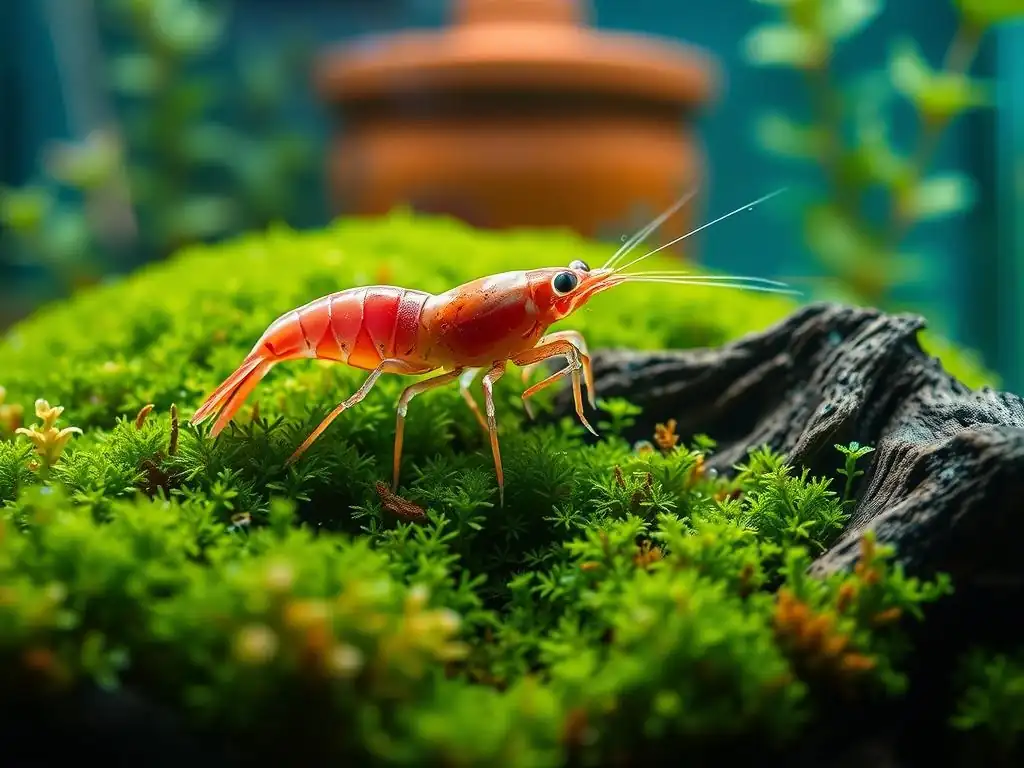
Why Shrimp Compatibility Matters for a Thriving Aquarium
Achieving successful shrimp compatibility freshwater aquarium setups is paramount for the long-term health and prosperity of your aquatic inhabitants. When shrimp species are compatible, they experience significantly reduced stress levels, which directly translates into stronger immune systems, vibrant coloration, and a higher likelihood of successful breeding.
Conversely, an incompatible mix can lead to chronic stress, increasing susceptibility to common diseases like bacterial infections or chitinolytic problems, ultimately shortening their typical lifespan, which for many species like Neocaridina davidi is about 1 to 2 years. A harmonious environment fosters natural behaviors, allowing shrimp to thrive and contribute to the aquarium's ecosystem.
The consequences of poor freshwater aquarium shrimp compatibility extend beyond individual health; they can disrupt the entire tank's balance. Incompatible species might compete aggressively for food resources, leading to starvation for the less dominant or slower feeders. Predation on shrimplets, a common issue with certain larger or more opportunistic shrimp, can decimate breeding efforts, turning a potentially thriving colony into a stagnant population.
For instance, if Caridina cantonensis shrimplets, which are quite small, are housed with certain Palaemonetes paludosus (Ghost Shrimp) that exhibit predatory tendencies, the survival rate of the young can drop from over 80% to less than 10%, effectively preventing the colony from growing. Understanding these dynamics is crucial for any aquarist aiming for a flourishing shrimp community.
Key Factors Affecting Shrimp Compatibility: Water Parameters and Behavior
Two primary factors dictate freshwater aquarium shrimp compatibility: shared water parameter requirements and behavioral traits. Water chemistry, including pH, General Hardness (GH), and Carbonate Hardness (KH), is critical. Different shrimp species originate from diverse geographical regions with distinct water profiles.
For example, Neocaridina species, such as Cherry Shrimp, are known for their adaptability, thriving in a pH range of 6.5 to 8.0 and GH of 6-10 dGH. In contrast, many Caridina species, including Crystal Red Shrimp, demand softer, more acidic water, typically preferring a pH between 5.8 and 7.2 and a GH of 4-6 dGH. Attempting to house species with vastly different parameter needs in the same tank often results in one or both groups being under chronic stress, struggling to molt properly, and exhibiting dull coloration.
Beyond water chemistry, the inherent behavior of shrimp species plays a significant role in determining shrimp compatibility freshwater aquarium success. Some shrimp are naturally peaceful and shy, preferring to graze on biofilm and algae, while others can be more assertive or even predatory. For instance, Amano Shrimp ( Caridina multidentata) are excellent algae eaters and generally peaceful, but their larger size (up to 2 inches) can inadvertently intimidate smaller Neocaridina species, especially during feeding times, leading to competition for food.
Conversely, certain types of Ghost Shrimp can occasionally prey on very young or weak shrimplets, despite being marketed as peaceful scavengers. Assessing these behavioral tendencies – whether a species is solitary or communal, active or reclusive, and its potential for aggression or predation – is vital to prevent conflict and ensure a harmonious environment for all inhabitants.
Frequently Asked Questions
How do I determine if two shrimp species are compatible in my freshwater aquarium?
Consider their water parameter needs. Incompatible species have drastically different requirements for temperature, pH, and hardness. Also, assess breeding potential; some species will readily hybridize, creating undesirable offspring.
What are some examples of compatible shrimp species for a freshwater aquarium?
Neocaridina shrimp (like Cherry Shrimp) are generally compatible with each other and with Amano shrimp. However, avoid mixing different Neocaridina colors if you want to maintain pure bloodlines.
Will larger shrimp species, like Amano shrimp, predate on smaller shrimp species, like Cherry shrimp?
While Amano shrimp are larger, they are primarily algae eaters and scavengers. They are unlikely to actively hunt and kill smaller shrimp, but may compete for food.
What role does tank size play in shrimp compatibility?
A larger tank provides more space and hiding places, reducing stress and competition between different shrimp species. A smaller tank can quickly become overcrowded, leading to aggression and water quality issues.
How can I improve the chances of success when keeping multiple shrimp species together?
Provide plenty of hiding places with plants, driftwood, and caves. Maintain excellent water quality and offer a varied diet to ensure all shrimp species have access to sufficient food.
The intricate dance of life within a freshwater aquarium, particularly when considering shrimp compatibility, mirrors the complexities of broader ecosystems. Understanding the nuances of species interaction, as we've explored in this guide, is not merely about preventing conflict; it's about fostering a thriving, balanced environment where each creature can flourish. The principles of observation, research, and careful planning we apply to our aquariums can also inform our approach to creating harmonious communities in the world beyond.
This journey into the world of shrimp compatibility has underscored the importance of empathy and understanding in any shared space. It's a reminder that even seemingly small differences can have significant impacts, and that careful consideration of individual needs is crucial for collective well-being. The greatness of a nation and its moral progress can be judged by the way its animals are treated.
- Mahatma Gandhi. This quote, though speaking of animals in general, resonates deeply with the responsibility we undertake when creating a miniature ecosystem.
Now, as you embark on your own aquascaping adventures, remember the lessons learned about shrimp compatibility. Consider not just the aesthetic appeal of different species, but also their temperaments, dietary needs, and environmental preferences. Cultivate a space where diversity thrives, and where every shrimp, and indeed every creature, can contribute to the vibrant tapestry of life within your aquarium. Let your tank be a testament to the power of thoughtful coexistence, a microcosm reflecting the potential for harmony in a world that so desperately needs it.
Unlock a Thriving Shrimp Paradise!
Thank you for diving into the world of shrimp compatibility! We hope this guide has empowered you with the knowledge to create a harmonious aquatic environment. Now, let's put that knowledge into action.
Here are some ways to elevate your shrimp-keeping journey:
- Start planning your ideal shrimp community tank! Consider the specific needs of each species to ensure a balanced and thriving ecosystem.
- Share this guide with fellow aquarists to spread the joy of successful shrimp keeping and help others avoid common pitfalls.
- Try a small-scale experiment: Introduce a couple of carefully selected shrimp of different, compatible species into a quarantine tank to observe their interactions before adding them to your main aquarium.
What fascinating shrimp combinations are you considering for your next aquatic adventure?