
Molting Saltwater Shrimp: Understanding This Crucial Process

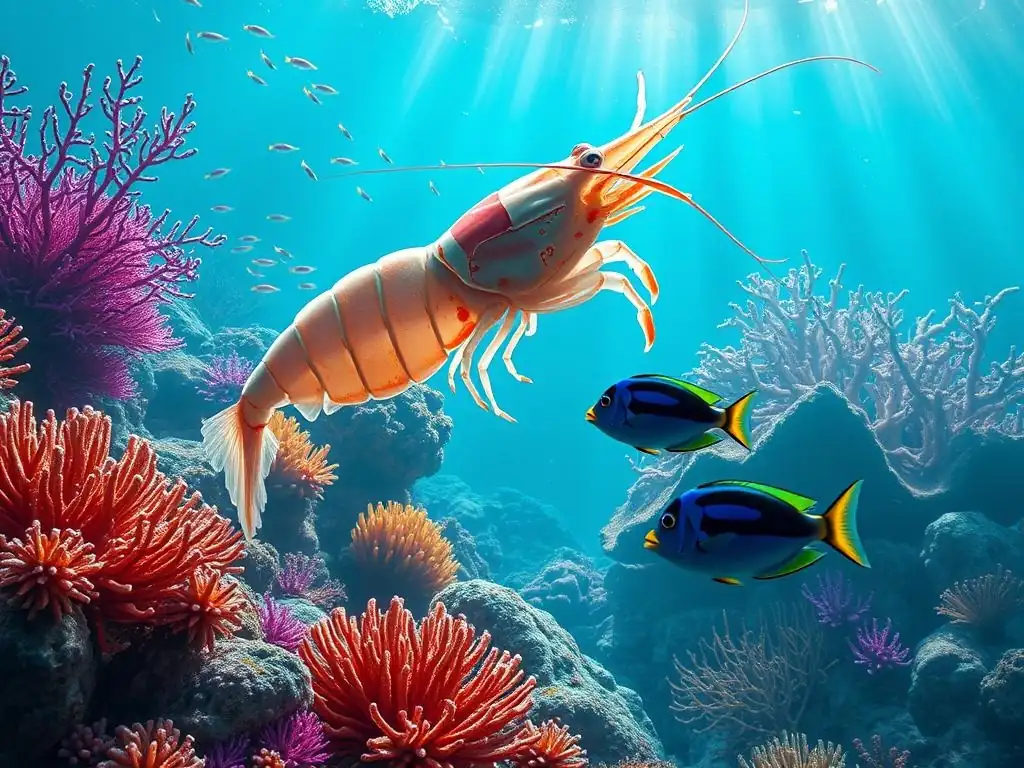
Welcome to Aquarium Mastery! Ever wondered about the secrets behind a thriving saltwater aquarium? Dive into the fascinating world of invertebrates with us, starting with a process crucial to the health of your crustaceans.
Are you curious about what happens when your saltwater shrimp disappear for a day, leaving behind an empty shell? Today, we're unraveling the mystery of the saltwater shrimp molting process, explaining why it's vital, what to look for, and how to ensure your shrimp thrive through each molt. Get ready to decode this essential part of their lifecycle!
- Introduction to the Saltwater Shrimp Molting Process
- The Molting Cycle of Saltwater Shrimp: A Detailed Breakdown
- Factors Influencing Saltwater Shrimp Molting Frequency
- Troubleshooting Molting Problems in Saltwater Shrimp
- Supporting a Healthy Saltwater Shrimp Molting Process in Your Aquarium
- Conclusion: Mastering the Saltwater Shrimp Molting Process for a Thriving Aquarium
-
Frequently Asked Questions
- What exactly is the saltwater shrimp molting process, and why is it important?
- How often do saltwater shrimp typically molt?
- What are the key signs that a saltwater shrimp is about to molt?
- What water parameters are most important for successful saltwater shrimp molting?
- What should I do if my saltwater shrimp is having difficulty molting?
- Final Reflection: The Dance of Renewal
- Embark on Your Shrimp Keeping Journey!
Introduction to the Saltwater Shrimp Molting Process
Why is Molting Essential for Saltwater Shrimp?
Molting, scientifically known as ecdysis, is an indispensable biological process for all crustaceans, including saltwater shrimp. Unlike vertebrates, shrimp possess a rigid external skeleton, or exoskeleton, which does not grow with their body. To increase in size, repair damaged tissues, or even remove parasites and algae that have attached to their outer shell, they must periodically shed this old, confining armor. This shedding is a complex, energy-intensive cycle that is fundamental to their survival and development throughout their lifespan.
Without the ability to molt, a saltwater shrimp would be permanently restricted by the size of its initial shell, preventing any form of growth. Each successful molt represents a significant step in the shrimp's development, allowing it to expand its soft body before the new exoskeleton hardens. This cyclical renewal is not merely about growth; it's also a vital mechanism for maintaining hygiene and health, as the old shell carries away accumulated debris and potentially harmful organisms.
The Significance of Molting for Shrimp Growth and Health
The saltwater shrimp molting process is directly correlated with their growth rate. Juvenile shrimp, which are growing rapidly, will molt more frequently—sometimes every few days or weeks. As they mature and their growth slows, the frequency of molting decreases, often occurring every month or two, depending on the species and environmental conditions. A consistent and successful molting cycle is a primary indicator of a healthy, thriving shrimp, demonstrating that it is receiving adequate nutrition and living in optimal water conditions.
Conversely, difficulties or failures in the molting process are often the first signs of underlying health issues or unsuitable aquarium parameters. A shrimp that struggles to molt, or cannot complete the process, is at severe risk of injury or death. This highlights why understanding and supporting the natural saltwater shrimp molting process is paramount for aquarists. It directly impacts their longevity, ability to reproduce, and overall vitality within the captive environment.
The Molting Cycle of Saltwater Shrimp: A Detailed Breakdown
Premolt Stage: Preparing for the Shed
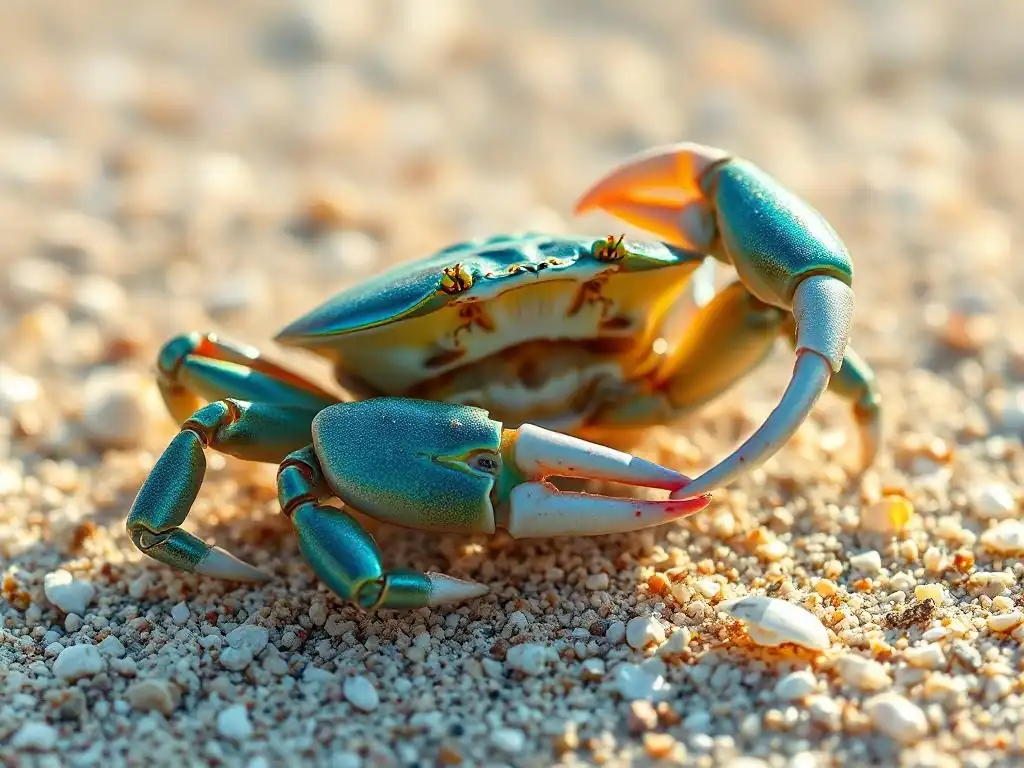
The premolt stage is a critical preparatory phase where the shrimp's body undergoes significant physiological changes in anticipation of shedding its old exoskeleton. During this period, the shrimp begins to reabsorb minerals from its existing shell and forms a new, soft cuticle underneath the old one. This internal process is largely invisible to the aquarist, but external behavioral cues often indicate its onset.
Identifying Premolt Signs in Saltwater Shrimp
Identifying premolt signs can be subtle but crucial for anticipating the saltwater shrimp molting process. Shrimp in premolt often exhibit reduced activity levels, becoming more reclusive and spending more time hidden in rockwork or crevices. Their feeding may decrease, and some aquarists report a slight dulling of the shrimp's vibrant coloration, though this can vary significantly by species. For example, a Peppermint Shrimp (Lysmata wurdemanni) might appear slightly opaque or develop a faint gap between its carapace and abdomen as the new shell forms beneath.
Other behavioral indicators include increased grooming or twitching, as if uncomfortable in their current shell. While these signs are not universally observed in all individuals or species, a general shift towards shyness and less foraging activity often precedes a molt within 24 to 72 hours. Recognizing these subtle cues allows aquarists to be prepared for the shrimp's temporary vulnerability during and immediately after the actual shedding.
Calcium Absorption and Shell Hardening Before Molting
During the premolt phase, the shrimp actively reabsorbs a significant portion of the calcium carbonate and other minerals from its old exoskeleton. These minerals are then stored, often in specialized calcium carbonate structures called gastroliths, located in the shrimp's stomach. This mineral recycling strategy is vital because it provides a readily available supply of building blocks for the rapid calcification of the new shell immediately after molting, minimizing the period of vulnerability.
The availability of dissolved calcium and magnesium in the aquarium water is also paramount during this stage. While some minerals are recycled, a substantial amount must be absorbed directly from the surrounding water to form a robust new exoskeleton. If water parameters, particularly calcium (ideally 400-450 ppm) and alkalinity (8-12 dKH), are insufficient or unstable, the shrimp may struggle to properly prepare its new shell. This can lead to a weakened new cuticle, an incomplete molt, or even death, underscoring the delicate balance required for a successful saltwater shrimp molting process.
The Act of Molting: Shedding the Exoskeleton
The actual act of molting, or ecdysis, is a rapid and energy-intensive event where the shrimp physically extracts itself from its old, rigid exoskeleton. This process is typically brief, lasting only a few minutes, as prolonged exposure in a vulnerable state is highly dangerous for the shrimp. It's a testament to the efficiency of nature that such a complex maneuver can be completed so swiftly.
How Saltwater Shrimp Actually Shed Their Exoskeleton
When the shrimp is ready, it will typically arch its back, creating a split along the dorsal side of the carapace (the upper shell covering its head and thorax). Through a series of muscular contractions and careful movements, the shrimp slowly backs out of its old shell, pulling its legs, antennae, and tail free. The shed exoskeleton, known as the exuvia, is a perfect, transparent replica of the shrimp, often mistaken for a deceased animal by new aquarists.
Once freed, the shrimp is initially soft and much larger than its old shell, having absorbed water to expand its body. It will usually quickly move away from the discarded exuvia, often seeking immediate cover. Some shrimp species may even consume their shed exoskeleton within a few hours or days, recycling the valuable calcium and other minerals back into their system, further highlighting the efficiency of the saltwater shrimp molting process.
Potential Challenges During the Molting Process
Despite being a natural process, the act of molting can present significant challenges for saltwater shrimp, leading to complications or even fatalities. One common issue is the "stuck in the shell" syndrome, where the shrimp fails to fully extract itself from the old exoskeleton. This often results from poor water quality, insufficient mineral levels (especially calcium and magnesium), or chronic stress, which can weaken the shrimp or make the old shell too rigid to shed properly. A shrimp struggling for hours to free itself will likely succumb to exhaustion or predation.
Another challenge involves incomplete shedding of specific appendages. A shrimp might successfully shed its main body, but an antenna, a leg, or part of its tail may remain trapped in the old shell. While not immediately fatal, this can lead to deformities, hinder mobility, or increase the shrimp's vulnerability until the next successful molt. These difficulties underscore the importance of maintaining optimal aquarium conditions to ensure a smooth and complete saltwater shrimp molting process.
Postmolt Stage: Recovery and Shell Hardening
Immediately after molting, saltwater shrimp enter the postmolt stage, a critical period of recovery and rapid shell hardening. This phase is characterized by extreme vulnerability as the shrimp's new exoskeleton is still soft and pliable, offering little to no protection against predators or environmental hazards. The success of this stage is largely dependent on the availability of essential minerals in the water and the safety of the aquarium environment.
The Vulnerability of Newly Molted Shrimp
During the postmolt stage, which can last from a few hours to several days depending on the shrimp's size and species, the newly formed exoskeleton is soft and highly susceptible to damage. The shrimp's body is larger and softer, having absorbed water to expand, making it an easy target for opportunistic predators such as certain fish, crabs, or even other larger invertebrates within the aquarium. For instance, a soft Cleaner Shrimp (Lysmata amboinensis) could become prey for a seemingly peaceful fish that would otherwise ignore it.
To mitigate this extreme vulnerability, newly molted shrimp instinctively seek immediate refuge. They will typically hide deep within live rock crevices, under overhangs, or among dense patches of macroalgae or corals. They remain in seclusion, minimizing movement and exposure, until their new shell has sufficiently hardened to provide adequate protection. This period of hiding is a natural and vital part of the saltwater shrimp molting process.
Essential Minerals for Postmolt Shell Hardening in Saltwater Aquariums
The rapid hardening of the new exoskeleton during the postmolt stage is critically dependent on the immediate absorption of calcium, alkalinity (carbonate hardness), and magnesium from the surrounding aquarium water. Calcium carbonate is the primary building block for the shell, and high, stable levels (e.g., Calcium 400-450 ppm, Alkalinity 8-12 dKH) are essential for efficient calcification. Without sufficient calcium, the new shell will remain soft and unable to provide structural support or protection.
Magnesium also plays a crucial role, as it aids in the absorption and utilization of calcium, contributing to the overall strength and integrity of the new exoskeleton. Maintaining magnesium levels within the optimal range of 1250-1350 ppm is therefore vital. If these essential minerals are deficient or fluctuate wildly, the shrimp may develop "soft shell disease," where the shell remains pliable, leaving the shrimp permanently exposed and highly susceptible to injury, infection, or death, thus hindering a successful saltwater shrimp molting process.
Factors Influencing Saltwater Shrimp Molting Frequency
Water Parameters and Their Impact on Molting
Maintaining stable and optimal water parameters is perhaps the single most critical factor influencing the health and frequency of the saltwater shrimp molting process. Any deviation from ideal conditions can stress the shrimp, leading to premature, incomplete, or failed molts. Key parameters include salinity, temperature, pH, and the absence of harmful nitrogenous compounds.
The Role of Calcium and Magnesium in Healthy Molts
Calcium and magnesium are the fundamental mineral components required for the construction and hardening of a shrimp's exoskeleton. Calcium serves as the primary building block, with levels ideally maintained between 400-450 ppm for most saltwater aquariums. If calcium levels drop significantly below this range, for example, below 350 ppm, shrimp will struggle to form a strong new shell, leading to soft shells or incomplete molts.
Magnesium, typically maintained at 1250-1350 ppm, is equally important as it facilitates the uptake and proper utilization of calcium by the shrimp. It also helps stabilize alkalinity. Without adequate magnesium, even sufficient calcium levels may not be effectively used, thereby hindering the saltwater shrimp molting process. Consistent monitoring and supplementation of these two key minerals are non-negotiable for successful shrimp keeping.
Maintaining Optimal Water Chemistry for Shrimp Molting
Beyond calcium and magnesium, a stable overall water chemistry is paramount for a healthy saltwater shrimp molting process. Salinity should be consistent, ideally at specific gravity 1.025 (or 35 ppt), as rapid fluctuations can induce osmotic stress. Temperature, usually between 72-78°F (22-26°C), and pH, typically 8.1-8.4, also need to be stable. Sudden drops or spikes in these parameters can trigger premature molts or cause molting complications.
Furthermore, pristine water quality, free of ammonia, nitrite, and low in nitrate (preferably below 20 ppm), is essential. Elevated levels of these pollutants are highly toxic to invertebrates, weakening their immune systems and making the energy-intensive molting process much more challenging, often leading to failure. Regular partial water changes are crucial for maintaining these optimal conditions and flushing out accumulating toxins.
Diet and Nutrition for Successful Molting
A comprehensive and balanced diet is indispensable for supporting the energy demands and mineral requirements of the saltwater shrimp molting process. Insufficient or inappropriate nutrition can lead to weak exoskeletons, molting difficulties, and overall poor health. Shrimp require a variety of nutrients, including proteins, fats, carbohydrates, and essential trace elements.
Essential Nutrients That Support the Molting Process
For a successful saltwater shrimp molting process, a diet rich in high-quality protein, chitin, and calcium is vital. Protein is necessary for building the new cuticle, while chitin provides structural integrity to the new exoskeleton. Many high-quality marine-based flake and pellet foods designed for invertebrates will provide these. Additionally, foods like frozen mysis shrimp and spirulina flakes offer excellent sources of protein and beneficial nutrients.
Trace elements, particularly iodine, are also believed to play a role in the molting process, though supplementation should be approached with extreme caution due to its toxicity in high concentrations. Some aquarists opt for specialized invertebrate foods that include a balanced array of vitamins and minerals. Providing a varied diet ensures the shrimp receives all necessary components for healthy growth and robust shell formation.
Avoiding Overfeeding and Its Effect on Molting
While adequate nutrition is essential, overfeeding can paradoxically hinder the saltwater shrimp molting process. Excess food that goes uneaten decays, leading to a rapid decline in water quality, including spikes in nitrates and phosphates. Poor water quality directly stresses shrimp, making them more susceptible to molting complications and increasing the risk of incomplete molts or molting deaths.
Moreover, overfeeding can lead to excessive growth spurts without the shrimp having sufficient time to accumulate the necessary mineral reserves for the next molt. This can result in a weaker new shell or the inability to properly shed the old one. It is always better to feed small amounts frequently, ensuring that all food is consumed within a few minutes, thus maintaining stable water parameters crucial for invertebrate health.
Stress and Environmental Conditions Affecting Molting
Beyond water parameters and diet, the general environmental conditions and the level of stress experienced by a saltwater shrimp significantly impact its ability to undergo a healthy molting process. A stressful environment can lead to premature molts, often before the shrimp is fully prepared, or inhibit molting altogether.
Minimizing Stressors in the Saltwater Aquarium
Common stressors for saltwater shrimp include aggressive tank mates, unstable lighting cycles, excessive noise or vibration, and frequent disturbances from human activity (e.g., constantly moving rockwork). For instance, a Skunk Cleaner Shrimp continuously harassed by a territorial wrasse may become too stressed to successfully molt, leading to a decline in health. Even seemingly peaceful fish can opportunistically prey on a newly molted, soft shrimp.
To minimize stress, provide ample hiding spots and ensure that tank mates are compatible and non-aggressive. Maintain a consistent photoperiod and avoid sudden, drastic changes in the aquarium environment. A calm and predictable setting significantly contributes to the shrimp's well-being and its ability to navigate the complex saltwater shrimp molting process without undue duress.
Maintaining a Stable Environment for Shrimp Health
Consistency is key for a thriving saltwater aquarium, especially for sensitive invertebrates like shrimp. Beyond stable water parameters, maintaining a stable physical environment is crucial. This means avoiding frequent re-arrangements of live rock, which can disrupt established territories and hiding spots, causing stress. The introduction of new, potentially aggressive fish should be carefully considered and executed.
A mature, well-established aquarium generally provides a more stable environment than a newly set up tank, which often experiences parameter fluctuations during its cycling phase. Allowing an aquarium to fully cycle and stabilize for several months before introducing sensitive invertebrates like shrimp can greatly improve their chances of long-term success and healthy molting cycles. A predictable and secure habitat directly supports the intricate saltwater shrimp molting process.
Troubleshooting Molting Problems in Saltwater Shrimp
Identifying Common Molting Issues
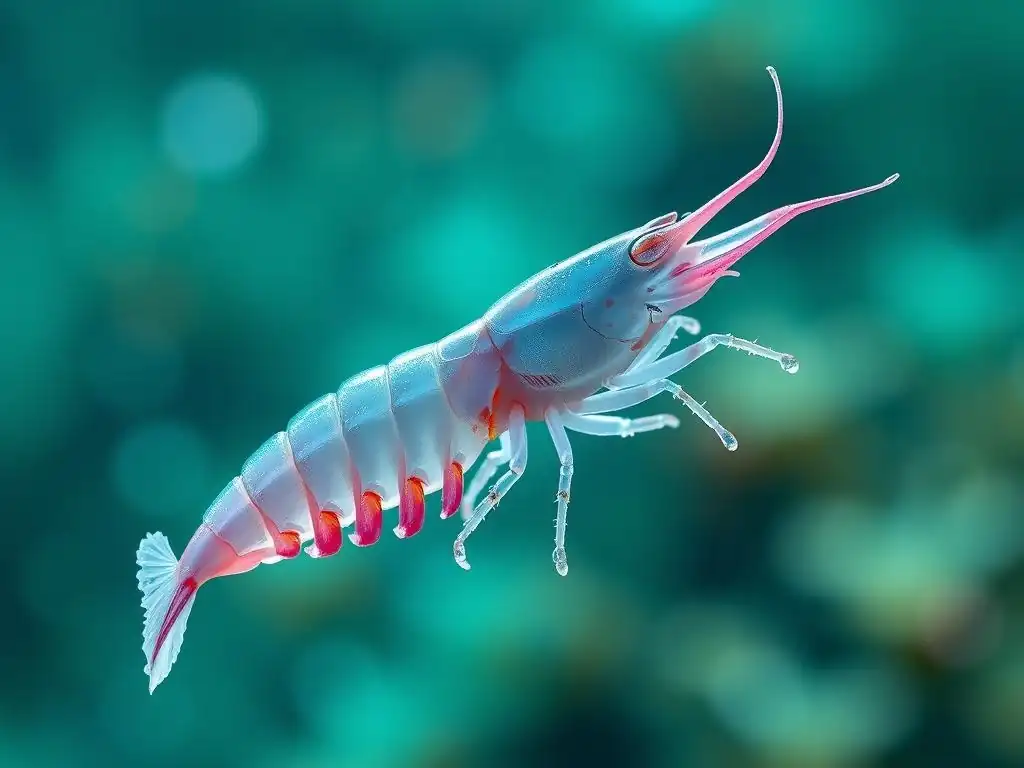
Despite best efforts, saltwater shrimp can sometimes encounter difficulties with their molting process. Recognizing the signs of common molting issues early is vital for intervention and improving the shrimp's chances of survival. These problems often manifest as incomplete shedding, persistent soft shells, or, unfortunately, molting deaths.
Incomplete Molts: Causes and Solutions
An incomplete molt occurs when the shrimp fails to fully shed its old exoskeleton, leaving remnants attached to its body, often around the tail, legs, or antennae. This is a common and serious issue, typically caused by a lack of essential minerals (calcium, magnesium) in the water, poor water quality (high nitrates, unstable pH), or general weakness due to inadequate nutrition or prolonged stress. The old shell becomes too rigid, or the shrimp lacks the energy to extricate itself entirely.
To address an incomplete molt, first, meticulously test all water parameters. Ensure calcium is between 400-450 ppm, alkalinity 8-12 dKH, and magnesium 1250-1350 ppm. Perform a small, precise water change (e.g., 10-15%) with freshly mixed saltwater that matches target parameters. Supplementing with a high-quality calcium/alkalinity/magnesium product if levels are low is crucial. Ensure the shrimp's diet is varied and nutrient-rich. While the shrimp may be temporarily hindered, improving conditions can allow for a complete molt in the subsequent cycle.
Soft Shells After Molting: Addressing Mineral Deficiencies
If a shrimp successfully sheds its old exoskeleton but its new shell remains soft and pliable for an extended period (more than 24-48 hours), it indicates a "soft shell" problem. This is almost exclusively a direct consequence of insufficient calcium, alkalinity, or magnesium in the aquarium water, preventing the new shell from properly calcifying and hardening. A soft shell leaves the shrimp extremely vulnerable to injury, infection, and predation.
The immediate solution is to test and adjust the critical mineral parameters. Aim for Calcium 400-450 ppm, Alkalinity 8-12 dKH, and Magnesium 1250-1350 ppm. Use high-quality marine-grade supplements, adding them slowly and precisely to avoid shocking the system. Consistent monitoring and small, regular adjustments are more effective than large, infrequent doses. Ensuring the shrimp's diet is rich in marine-based proteins and trace elements also contributes to the internal availability of these vital minerals for the saltwater shrimp molting process.
Molting Deaths: Prevention and Management
Molting deaths occur when a shrimp perishes during or immediately after the molting process, often found still partially encased in its old shell. This is typically the result of severe stress, chronic poor water quality, or critical long-term mineral deficiencies that render the act of shedding physically impossible or the post-molt recovery fatal. For example, a sudden temperature swing of more than 3°F (1.5°C) or a spike in ammonia (even 0.25 ppm) can be enough to trigger a failed molt in a sensitive shrimp.
Prevention is paramount as intervention during a molting death is rarely successful. Maintain pristine, stable water parameters consistently. Provide a balanced, nutrient-rich diet. Ensure the aquarium offers ample, secure hiding spots for the shrimp to retreat to during its vulnerable post-molt phase. Avoid aggressive tank mates. If a molting death occurs, it serves as a strong signal to thoroughly re-evaluate all aspects of the aquarium environment and husbandry practices to prevent future losses, focusing on the entire saltwater shrimp molting process.
Providing a Safe Environment During and After Molting
Beyond water chemistry, the physical environment of the aquarium plays a crucial role in ensuring a safe and successful saltwater shrimp molting process. Newly molted shrimp are extremely vulnerable, and a secure habitat can significantly reduce the risks of predation or injury during their recovery period.
Shelters and Hiding Places for Vulnerable Shrimp
Ample and diverse shelters are absolutely essential for saltwater shrimp, particularly during and immediately after molting. Newly molted shrimp instinctively seek immediate refuge to hide from potential predators while their new exoskeleton hardens. Without adequate hiding spots, such as crevices in live rock, small caves, or dense patches of coral or macroalgae, they become easy targets for fish, even those generally considered "reef safe."
It is advisable to incorporate a variety of hiding structures into the aquarium aquascape. Small, intricate openings in live rock are ideal, as are ceramic caves or even PVC pipes cut to size and camouflaged. Providing multiple escape routes and secure retreats ensures that every shrimp has a safe haven during its most vulnerable hours, allowing it to complete the critical post-molt recovery phase of the saltwater shrimp molting process undisturbed.
Avoiding Aggressive Tank Mates During Molting Periods
The presence of aggressive or opportunistic predatory tank mates is a significant risk factor for newly molted shrimp. Fish species such as hawkfish, triggerfish, certain wrasses (e.g., six-line wrasse, some larger fairy wrasses), and even some damselfish can view a soft, defenseless shrimp as an easy meal. Even if these fish normally ignore shrimp, their predatory instincts are heightened when presented with a vulnerable target.
Therefore, careful consideration of tank mate compatibility is crucial when keeping saltwater shrimp. If there are any fish in the aquarium that could potentially prey on a soft shrimp, ensuring an abundance of secure hiding spots becomes even more critical. In some cases, it may be necessary to house shrimp in a species-specific tank or a dedicated invertebrate refugium to guarantee their safety during the delicate saltwater shrimp molting process.
Supporting a Healthy Saltwater Shrimp Molting Process in Your Aquarium
Regular Water Changes and Parameter Monitoring
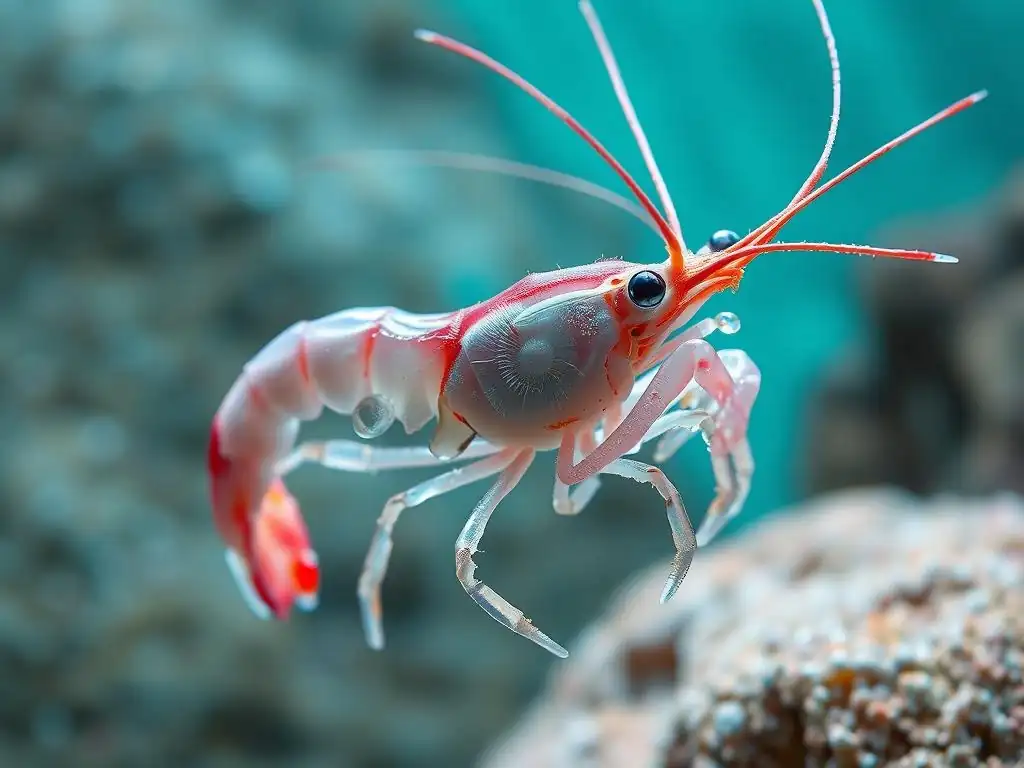
Consistent and precise water quality management is the cornerstone of supporting a healthy saltwater shrimp molting process. Regular partial water changes (e.g., 10-20% bi-weekly or monthly, depending on tank size and stocking) are vital for diluting accumulated nitrates and other pollutants, while replenishing essential trace elements that are consumed by aquarium inhabitants. Using high-quality salt mix ensures the introduction of a balanced mineral profile.
Equally important is diligent parameter monitoring. Aquarists should regularly test key parameters such as salinity (specific gravity 1.025), temperature (72-78°F or 22-26°C), pH (8.1-8.4), calcium (400-450 ppm), alkalinity (8-12 dKH), and magnesium (1250-1350 ppm). Ammonia and nitrite should always be undetectable. Consistent logging of these readings helps identify trends and allows for proactive adjustments, preventing stress and complications during the shrimp's molting cycle.
Supplementing Calcium and Minerals
Given the high demand for calcium and other minerals during the saltwater shrimp molting process, direct supplementation is often necessary, especially in heavily stocked reef tanks or those with a high bioload of calcifying organisms. While water changes replenish some minerals, continuous absorption by corals, coralline algae, and invertebrates like shrimp can quickly deplete them.
Aquarists can choose from various supplementation methods, including liquid calcium and alkalinity additives, two-part solutions, or using a calcium reactor. It is crucial to test parameters before supplementing and to dose slowly and accurately according to manufacturer instructions or calculated consumption rates. Additionally, ensuring magnesium levels are within the optimal range (1250-1350 ppm) is vital, as magnesium aids in calcium uptake and prevents calcium precipitation, ensuring these crucial building blocks are readily available for the shrimp's new exoskeleton.
Observing Shrimp Behavior for Early Signs of Molting Problems
Proactive observation is one of the most effective tools an aquarist has for ensuring the success of the saltwater shrimp molting process. Regular, attentive observation of shrimp behavior can provide early warning signs of impending molting issues, allowing for timely intervention. Look for subtle changes such as increased reclusiveness, reduced feeding, or unusual twitching, which can indicate the premolt phase.
Post-molt, carefully observe the shrimp for signs of a complete shed and proper hardening. If a shrimp remains hidden for an unusually long period, or if it emerges with a visibly soft or incomplete shell, it signals a problem. By being vigilant and understanding the normal molting cycle, aquarists can quickly identify distress signals and address underlying issues, such as water quality deficiencies or lack of hiding spots, before they lead to severe complications or fatalities.
Conclusion: Mastering the Saltwater Shrimp Molting Process for a Thriving Aquarium
Key Takeaways for Successful Shrimp Keeping
Mastering the saltwater shrimp molting process is fundamental to the long-term health and success of these fascinating invertebrates in a home aquarium. The core principles revolve around maintaining impeccable and stable water quality, providing a nutrient-rich and varied diet, and ensuring a stress-free environment with ample hiding places. The availability of essential minerals like calcium, alkalinity, and magnesium at optimal levels is non-negotiable, as these are the building blocks of the shrimp's exoskeleton.
Understanding the different stages of molting—premolt, ecdysis, and postmolt—allows aquarists to anticipate needs and identify potential problems early. By consistently monitoring water parameters, observing shrimp behavior for subtle cues, and promptly addressing any issues like incomplete molts or soft shells, aquarists can significantly reduce the risks associated with this crucial biological function. A healthy molting cycle is a clear indicator of a thriving, well-managed saltwater aquarium.
Further Resources for Saltwater Aquarium Enthusiasts
For those passionate about maintaining a thriving saltwater aquarium and ensuring the well-being of their shrimp, continuous learning is key. Numerous reputable online forums and dedicated websites offer extensive databases of information on invertebrate care, species-specific profiles, and troubleshooting guides for common aquarium issues. These platforms often host experienced aquarists who can provide valuable insights and practical advice based on real-world scenarios.
Additionally, comprehensive books on marine aquarium husbandry and invertebrate biology can provide deeper scientific understanding of the physiological processes, including the intricate saltwater shrimp molting process. Engaging with local aquarium clubs or specialized fish stores can also offer hands-on advice and access to a community of like-minded enthusiasts. By leveraging these resources, aquarists can enhance their knowledge and skills, ensuring their saltwater shrimp not only survive but truly flourish.
Frequently Asked Questions
What exactly is the saltwater shrimp molting process, and why is it important?
Molting is the process where shrimp shed their exoskeleton to grow. It's crucial because the rigid shell prevents them from increasing in size. Successful molting is essential for their survival and growth.
How often do saltwater shrimp typically molt?
The frequency of molting varies depending on the shrimp's species, age, and environmental conditions. Younger shrimp molt more frequently as they grow rapidly, while older shrimp molt less often.
What are the key signs that a saltwater shrimp is about to molt?
Signs include decreased appetite, hiding more often, and a dulling of the shell's coloration. You might also notice a swelling at the base of the carapace.
What water parameters are most important for successful saltwater shrimp molting?
Maintaining stable water parameters is crucial. This includes proper salinity, temperature, and ensuring sufficient levels of calcium and iodine in the water, which are vital for shell formation.
What should I do if my saltwater shrimp is having difficulty molting?
Ensure the water parameters are optimal and consider adding supplements like iodine or calcium if levels are low. Avoid interfering directly with the shrimp, as this can cause further stress and injury.
Final Reflection: The Dance of Renewal
The intricacies of the saltwater shrimp molting process, as we've explored, are far more than just a biological function; they represent a fundamental cycle of renewal and growth mirrored throughout the natural world. Understanding this delicate dance is crucial, not only for aquarists striving to maintain healthy shrimp populations, but also for appreciating the resilience and adaptability inherent in marine ecosystems.
The constant shedding of the old to make way for the new is a powerful metaphor for life itself. Witnessing this process firsthand, whether in a home aquarium or through scientific observation, fosters a deeper connection to the natural world and underscores the importance of providing the right conditions for life to flourish. Change is the only constant in life.
- Heraclitus. This ancient wisdom resonates deeply when observing the saltwater shrimp molting process, reminding us that adaptation and transformation are essential for survival and progress.
Now, consider the lessons learned from the saltwater shrimp molting process. How can you apply the principles of renewal and adaptation to your own life? Just as these tiny creatures shed their exoskeletons to embrace growth, we too must be willing to let go of the old, embrace change, and create the conditions necessary for our own personal evolution. Let the dance of the saltwater shrimp inspire you to shed what no longer serves you and step into a brighter, more vibrant future.
Embark on Your Shrimp Keeping Journey!
Thanks for diving deep into the fascinating world of saltwater shrimp molting! We hope this guide gave you a clearer understanding of this vital process. Now, let's put that knowledge into action!
Here's how you can further explore and support your shrimp:
- Carefully Observe your shrimp over the next few weeks for signs of successful molting and healthy post-molt behavior.
- Share this article with fellow aquarium enthusiasts to spread awareness about the importance of proper shrimp care.
- Experiment: Try adding a small piece of cuttlebone to your tank to see if it helps improve your shrimp's molting process.
What's one thing you'll do differently in your shrimp care routine after learning about molting?