
From Acclimation to Thriving: Your Goby, Blenny & Dragonet Nano Journey Map

Welcome to Aquarium Mastery!
Ever wondered if you could house those charming goby, blenny, or dragonet fish in a nano aquarium and have them thrive? You're in the right place! We're diving deep into the fascinating world of nano aquarium goby care, unraveling the secrets to creating a miniature paradise for these captivating creatures. Get ready to unlock the essential insights that will transform your nano tank into a flourishing ecosystem. Intrigued? Let's begin!
- Understanding Nano Reef Aquariums for Gobies, Blennies & Dragonets
-
Frequently Asked Questions
- What are the most important factors to consider when choosing a goby for my nano aquarium?
- How should I properly acclimate a new goby to my nano aquarium environment?
- What are the key water parameters to monitor to ensure the health of gobies in a nano aquarium?
- What are some common health issues that affect gobies in nano aquariums, and how can I prevent them?
- What type of diet is best suited for gobies, blennies, and dragonets in a nano aquarium setting?
- Final Reflection: Embracing the Miniature Reef
- Ignite Your Nano Reef: Transform Insights into Vibrant Reality!
Understanding Nano Reef Aquariums for Gobies, Blennies & Dragonets
What Makes a Nano Reef Ideal for Small Saltwater Fish?
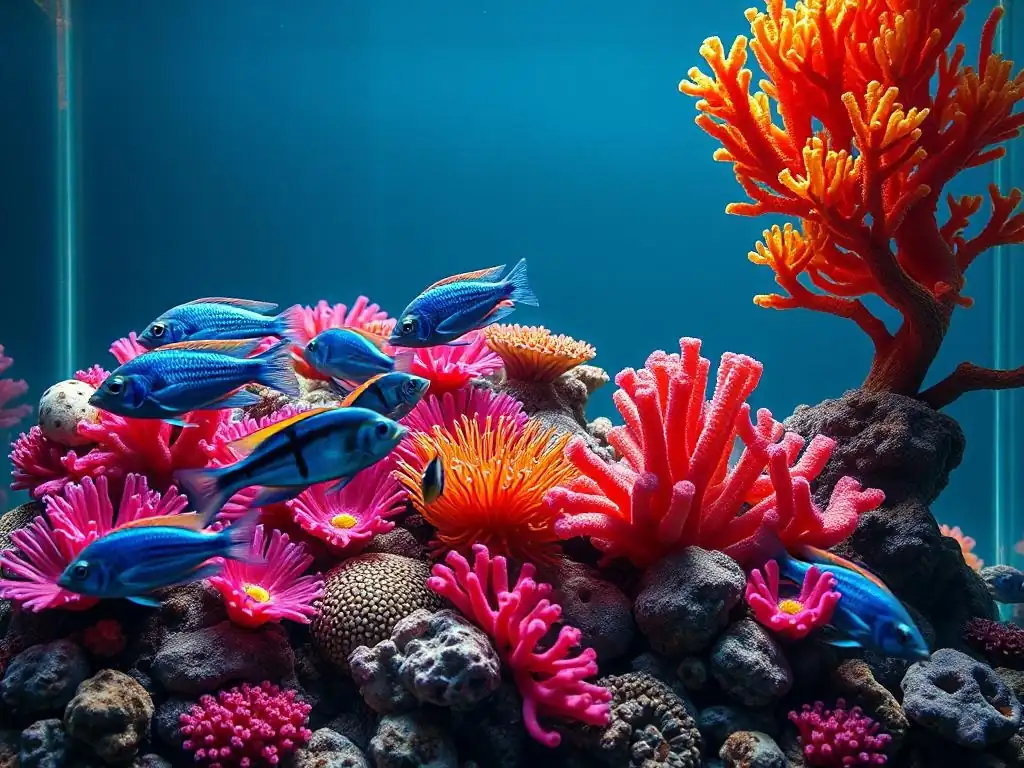
Nano reef aquariums, typically defined as tanks under 30 gallons (approximately 114 liters), offer a uniquely suitable environment for many species of gobies, blennies, and dragonets. These small saltwater fish are often characterized by their diminutive size, with many species remaining under 4 inches (10 cm) in length, making them perfectly scaled for smaller volumes of water.
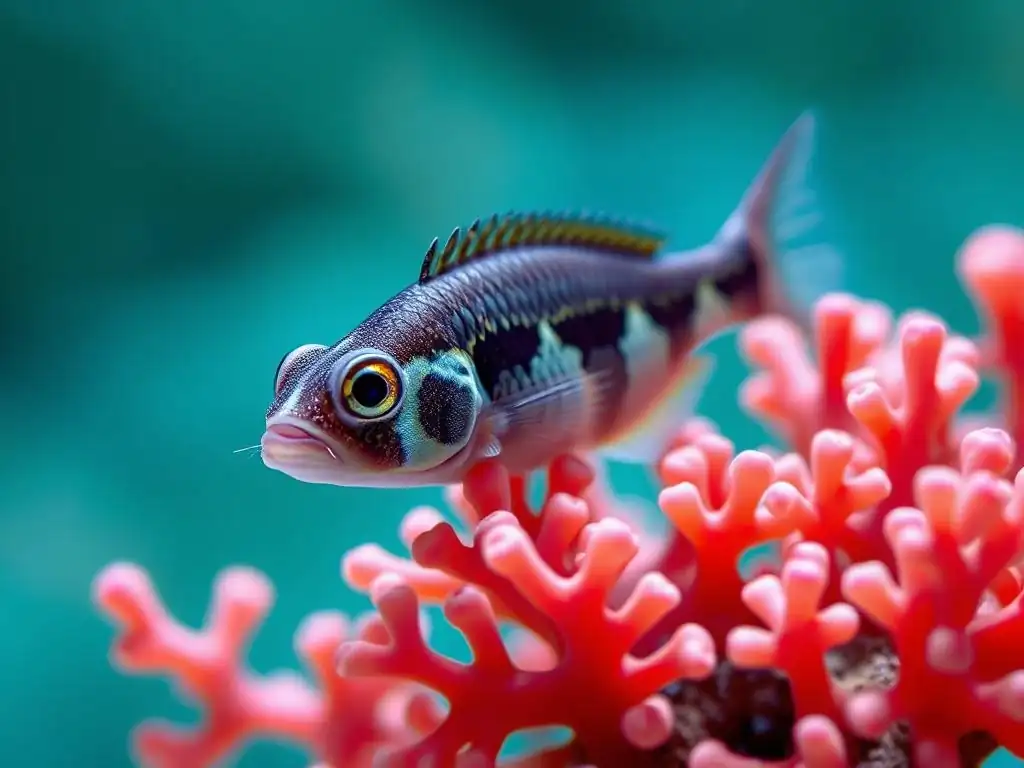
Unlike larger, active swimmers, many gobies and blennies are benthic, meaning they primarily inhabit the bottom substrate or perch on live rock, exploring crevices and small territories rather than requiring vast open swimming spaces. For instance, a popular choice like the Neon Goby ( Elacatinus oceanops) typically reaches only 2 inches (5 cm), thriving in a 10-gallon (38-liter) nano setup where its cleaning behaviors can be easily observed.
The confined space of a nano reef also allows aquarists to appreciate the intricate behaviors and vibrant colors of these fascinating fish up close. In a larger tank, a tiny Synchiropus splendidus (Mandarinfish) might get lost, but in a 10-20 gallon (38-76 liter) nano tank, its deliberate movements and striking patterns become a focal point.
Furthermore, the initial setup and ongoing maintenance costs for a nano aquarium can be significantly lower than for a larger reef system. A basic 10-gallon nano tank kit might cost around $150-$300, whereas a 50-gallon (190-liter) setup could easily exceed $600-$1000 for equipment alone, making nano aquarium goby care an accessible entry point into saltwater aquatics for many enthusiasts.
Key Considerations for a Thriving Nano Reef Ecosystem
Establishing a thriving nano reef ecosystem for gobies, blennies, and dragonets requires meticulous attention to stability and water quality, given the inherent challenges of a smaller water volume. The limited buffering capacity of a nano tank means that water parameters such as salinity, temperature, and pH can fluctuate rapidly, stressing sensitive fish. It is crucial to maintain stable parameters: salinity at 1.025-1.026 specific gravity, temperature between 76-82°F (24-28°C), and pH levels consistently between 8.1 and 8.4. Regular testing, at least 2-3 times per week, becomes paramount to catch and correct any shifts before they become detrimental.
Beyond water parameters, proper filtration, adequate water flow, and careful stocking density are vital for successful nano aquarium goby care. Effective filtration, often achieved through hang-on-back (HOB) filters with media baskets, small sumps, or all-in-one (AIO) tank designs, is essential to process waste and maintain water clarity. Sufficient water flow, typically 10-20 times the tank volume per hour for circulation, ensures oxygenation and prevents dead spots where detritus can accumulate.
Overstocking is arguably the most common pitfall in nano reefs; a general guideline suggests a maximum of one small fish per 5-10 gallons (19-38 liters), depending on the species' adult size and activity level. For instance, a 10-gallon tank is generally suitable for a single small goby or blenny, rarely more than two very small, peaceful species.
Frequently Asked Questions
What are the most important factors to consider when choosing a goby for my nano aquarium?
Consider the goby's adult size, temperament, and dietary needs. Ensure the goby is compatible with your tank size and other inhabitants.
How should I properly acclimate a new goby to my nano aquarium environment?
Acclimation should be slow, using the drip acclimation method over several hours. This minimizes stress and helps the goby adjust to your water parameters.
What are the key water parameters to monitor to ensure the health of gobies in a nano aquarium?
Maintain stable temperature, salinity, and pH levels. Regularly test for ammonia, nitrite, and nitrate, keeping them as close to zero as possible.
What are some common health issues that affect gobies in nano aquariums, and how can I prevent them?
Common issues include ich, fin rot, and internal parasites. Prevent these through quarantine, proper water quality, and a healthy diet.
What type of diet is best suited for gobies, blennies, and dragonets in a nano aquarium setting?
Offer a varied diet including high-quality flake food, frozen foods, and live foods. Ensure the food is appropriately sized for their mouths and feeding habits.
Final Reflection: Embracing the Miniature Reef
The journey from acclimating a new goby, blenny, or dragonet to witnessing it thrive in a nano aquarium is more than just a technical exercise; it’s a testament to our dedication to creating miniature ecosystems. This commitment to responsible nano aquarium keeping reflects a growing awareness of our impact on the natural world, even within the confines of our homes. By understanding the specific needs of these fascinating creatures, we elevate the hobby from mere ownership to genuine stewardship.
This journey has profoundly shaped my understanding of the delicate balance within a reef environment. Witnessing the vibrant colors and unique personalities of these small fish flourish in a carefully curated space is incredibly rewarding. It underscores the importance of patience, observation, and continuous learning in this hobby. The sea, once it casts its spell, holds one in its net of wonder forever.
- Jacques Cousteau. This quote perfectly encapsulates the captivating allure of reef keeping and the responsibility that comes with it.
As you embark on or continue your nano aquarium adventure, I encourage you to reflect on the profound connection you share with these tiny inhabitants. Let the knowledge gained here inspire you to create not just a visually stunning display, but a thriving, sustainable ecosystem where your goby, blenny, or dragonet can truly flourish. The beauty and wonder of the reef are within your reach; embrace the challenge and become a champion of responsible nano aquarium keeping.
Ignite Your Nano Reef: Transform Insights into Vibrant Reality!
Thank you for exploring the captivating world of gobies, blennies, and dragonets! We hope this journey has equipped you with the knowledge to create a thriving nano reef environment for these fascinating creatures. Now, let's turn that knowledge into action:
- Embark on meticulous research to hand-select species that resonate with your nano reef's specific parameters and your personal preferences. This deep dive is critical for ensuring happiness and long-term health.
- Share this article with fellow reef enthusiasts to spark conversation and foster a community of nano reef expertise. Let's learn and grow together!
- Dare to design a unique aquascape using unconventional, sustainable materials. Think beyond the ordinary and create a truly captivating habitat.
What innovative aquascaping technique will you implement to provide the perfect haven for your gobies, blennies, or dragonets?