
Avoiding Common Pitfalls: Keeping Gobies, Blennies & Dragonets Healthy in Nanos

Welcome to Aquarium Mastery!
Ever dreamt of the vibrant personality of a goby, blenny, or dragonet gracing your nano aquarium? Healthy nano goby care can be tricky, but incredibly rewarding. Dive in to discover the common mistakes that can derail your success and learn how to create a thriving environment for these captivating little fish. Let's unlock the secrets to a flourishing nano reef!
- Understanding the Unique Needs of Nano Reef Fish: Gobies, Blennies & Dragonets
- Essential Nano Tank Parameters for Gobies, Blennies & Dragonets
- Selecting the Right Gobies, Blennies & Dragonets for Your Nano Aquarium
- Nutrition and Feeding Strategies for Healthy Nano Gobies
- Common Diseases and Health Issues Affecting Nano Gobies, Blennies, and Dragonets
- Creating an Ideal Nano Reef Environment for Long-Term Goby, Blenny, and Dragonet Health
- Troubleshooting Common Problems in Nano Reefs with Gobies, Blennies & Dragonets
- Maintaining a Consistent Maintenance Schedule for Healthy Nano Reef Fish
- Advanced Tips for Thriving Gobies, Blennies & Dragonets in Nano Reefs
-
Frequently Asked Questions
- How do I choose the right nano goby for my small aquarium?
- What are the most important water parameters to maintain for healthy nano goby care?
- What should I feed my nano goby to ensure optimal health and nutrition?
- How often should I perform water changes in my nano aquarium to keep my goby healthy?
- What are some common health problems that affect nano gobies and how can I prevent them?
- Final Reflection: The Delicate Dance of Nano Reef Keeping
- Ignite Your Nano Reef: Become a Goby, Blenny & Dragonet Guardian!
Understanding the Unique Needs of Nano Reef Fish: Gobies, Blennies & Dragonets
The Appeal of Gobies, Blennies, and Dragonets in Nano Reef Aquariums
Gobies, blennies, and dragonets are highly sought-after inhabitants for nano reef aquariums due to their captivating behaviors, vibrant colors, and relatively small adult sizes. Species like the Yellow Watchman Goby ( Cryptocentrus cinctus) with its symbiotic relationship with pistol shrimp, or the Tailspot Blenny ( Ecsenius stigmatura) with its comical perching habits, bring immense personality to smaller tanks. Their unique traits, from sand sifting to cryptic hiding, provide endless fascination for aquarists and contribute significantly to the dynamic ecosystem of a nano reef.
These fish typically remain compact, with many species reaching only 2-4 inches (5-10 cm) in length, making them perfectly suited for tanks under 30 gallons (approx. 113 liters). Their diverse roles within the aquarium, such as the sifting behavior of a Diamond Watchman Goby that keeps the substrate clean, or the microfauna grazing of a Green Mandarin Dragonet ( Synchiropus splendidus), add both aesthetic appeal and functional benefits. This makes understanding their specific needs paramount for achieving successful healthy nano goby care.
Challenges of Maintaining Healthy Gobies, Blennies, and Dragonets in Small Tanks
Despite their suitability for size, maintaining gobies, blennies, and dragonets in nano aquariums presents unique challenges primarily due to the inherent instability of small water volumes. A 10-gallon (approx. 38-liter) tank, for instance, has significantly less buffering capacity than a 50-gallon (approx. 189-liter) system, meaning water parameters like temperature, pH, and salinity can fluctuate rapidly. Even minor changes in environmental conditions can induce severe stress on sensitive species, making them highly susceptible to disease and hindering their ability to thrive.
Furthermore, the limited space in nano tanks can lead to increased competition for resources and territory, even among seemingly peaceful species. Overfeeding or insufficient filtration can quickly lead to nutrient accumulation, resulting in ammonia or nitrite spikes that are far more dangerous in concentrated volumes. These factors underscore the need for meticulous planning and consistent maintenance to ensure healthy nano goby care and the long-term well-being of these delicate fish.
Essential Nano Tank Parameters for Gobies, Blennies & Dragonets
Maintaining Stable Water Chemistry for Sensitive Nano Fish
Maintaining unwavering water chemistry is the cornerstone of healthy nano goby care. Sensitive fish like gobies, blennies, and especially dragonets, are highly intolerant of fluctuating parameters such as pH, alkalinity (dKH), and calcium. For instance, a sudden pH swing from 8.2 to 7.8, which can easily occur in a small, unbuffered system, can severely stress fish, compromising their immune systems and making them vulnerable to common ailments. Ideal ranges for a nano reef typically include pH between 8.1 and 8.4, alkalinity between 8-12 dKH, and calcium levels around 400-450 ppm.
Consistent stability is more critical than hitting exact numbers, provided they are within acceptable marine ranges. This is particularly challenging in nano tanks where evaporation can quickly concentrate dissolved solids, and waste products can rapidly alter water chemistry. Regular, small water changes—for example, 10-15% weekly—using high-quality, pre-mixed saltwater are often the most effective method to replenish trace elements, dilute pollutants, and maintain the necessary chemical balance for robust healthy nano goby care.
The Importance of Proper Salinity and Temperature for Goby, Blenny, and Dragonet Health
Salinity and temperature are two critical environmental factors that directly impact the physiological well-being of gobies, blennies, and dragonets. A stable specific gravity (SG) between 1.023 and 1.026, or approximately 32-35 parts per thousand (ppt) salinity, is ideal for most marine fish and invertebrates. In nano tanks, evaporation causes salinity to rise rapidly, necessitating daily top-offs with purified RO/DI water to prevent osmotic stress and ensure consistent healthy nano goby care. Even a daily fluctuation of 0.002 SG can be detrimental.
Similarly, a consistent temperature range of 76-80°F (24-27°C) is vital. Small tanks are prone to rapid temperature swings due to ambient room temperature changes, inadequate heating, or even excessive light. Using an appropriately sized, reliable heater and a precise thermometer is essential. Temperature fluctuations, particularly drops below 75°F (24°C) or spikes above 82°F (28°C), can weaken fish immune systems, increase metabolic stress, and directly contribute to disease outbreaks, undermining efforts for healthy nano goby care.
Avoiding Ammonia and Nitrite Spikes in Nano Reefs: Best Practices
Ammonia and nitrite are highly toxic compounds that are the primary byproducts of the nitrogen cycle, and their presence, even in trace amounts, can be lethal to marine fish. In nano reef aquariums, the limited water volume means that any sudden increase in organic waste—such as from overfeeding, a deceased fish, or insufficient biological filtration—can lead to rapid and dangerous spikes in these toxins. Ammonia levels should always be 0 ppm, and nitrite levels should likewise be undetectable, as even 0.25 ppm can cause severe gill damage and stress.
Preventing these spikes is paramount for healthy nano goby care. This involves properly cycling the aquarium before adding any livestock, which establishes a robust population of beneficial nitrifying bacteria. Best practices include avoiding overfeeding, carefully managing stocking levels to prevent excessive bioload, and conducting regular water parameter tests (e.g., weekly ammonia and nitrite checks). Should a spike occur, immediate large water changes (e.g., 25-50%) and the use of ammonia-detoxifying products can provide temporary relief, but addressing the root cause is crucial for long-term stability.
Selecting the Right Gobies, Blennies & Dragonets for Your Nano Aquarium
Compatibility Considerations: Choosing Peaceful Tank Mates for Gobies, Blennies, and Dragonets
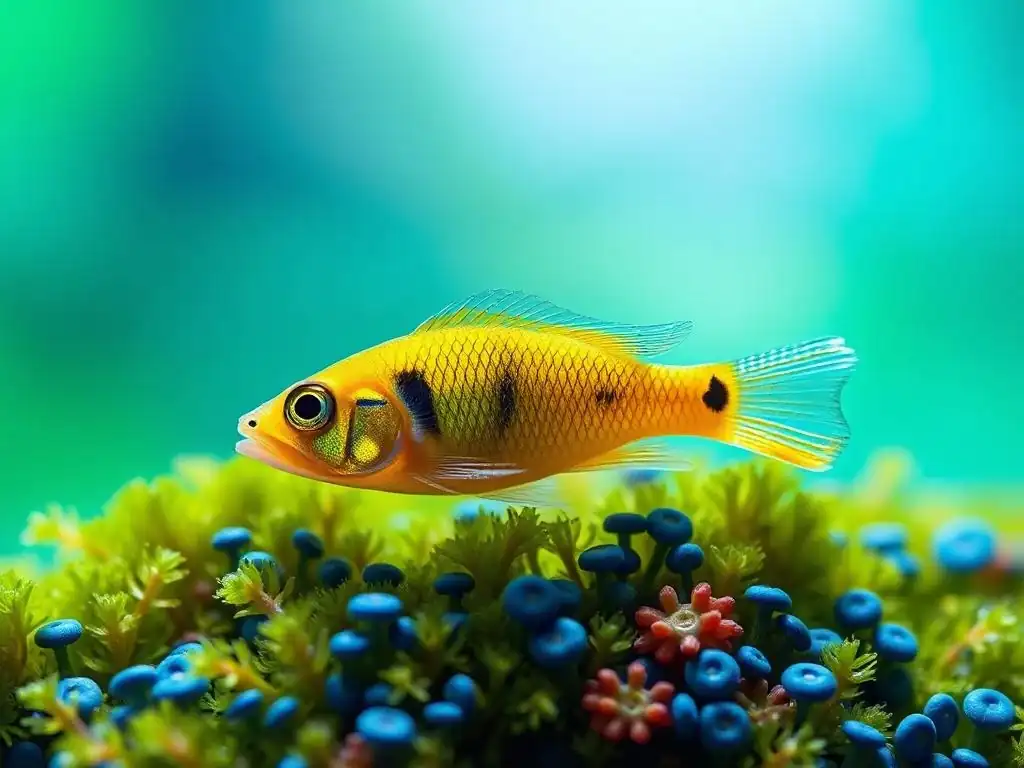
Choosing compatible tank mates is a critical step in ensuring healthy nano goby care and the overall well-being of your reef community. While many gobies and blennies are generally peaceful, their small size and the confined nature of a nano tank make them vulnerable to aggression from more boisterous species. It's essential to avoid fish known for territoriality or bullying, such as many damselfish or certain aggressive dottybacks, which can stress or injure smaller, shyer inhabitants. Even species within the same family can exhibit aggression towards each other if not properly paired or if sufficient territory is not provided.
Ideal tank mates for gobies, blennies, and dragonets in nano reefs include other small, peaceful fish like certain clownfish (e.g., Ocellaris or Percula), small cardinalfish, or non-aggressive wrasses. Invertebrates such as various shrimp (e.g., Cleaner Shrimp, Peppermint Shrimp) and snails (e.g., Turbo Snails, Nassarius Snails) are generally excellent companions, often contributing to tank cleanliness without posing a threat. Always research the specific temperaments and adult sizes of all potential inhabitants to prevent conflicts and ensure a harmonious environment conducive to healthy nano goby care.
Identifying Healthy Gobies, Blennies, and Dragonets at the Fish Store
The health of your fish begins at the point of purchase. When selecting gobies, blennies, or dragonets from a fish store, careful observation is key to identifying healthy specimens. Look for fish that are active and alert, exhibiting natural behaviors for their species—whether it's a goby sifting sand, a blenny perching confidently, or a dragonet actively foraging. Their body should appear full and well-fed, not emaciated or sunken. Fins should be fully intact, without tears or signs of fin rot, and their eyes should be clear and bright, not cloudy or bulging.
Avoid any fish displaying signs of stress or disease, such as rapid breathing, clamped fins, white spots (Ich), fuzzy growths (fungus), red lesions, or excessive hiding (unless it's a naturally shy species). Observe them for at least 10-15 minutes to gauge their general demeanor and feeding response if possible. Furthermore, inquire about the store's quarantine procedures and the fish's origin. Selecting robust, healthy specimens from the outset, followed by a proper quarantine period at home, significantly increases the chances of successful long-term healthy nano goby care.
Avoiding Overcrowding: Stocking Levels for a Healthy Nano Reef Community
Overcrowding is one of the most common pitfalls in nano reef keeping and a direct threat to healthy nano goby care. While the "one inch of fish per gallon" rule is a simplistic guideline for freshwater, it is often inadequate and misleading for marine nano tanks, especially with sensitive species. The biological load generated by even a few small fish can quickly overwhelm the limited filtration capacity of a small system, leading to rapid accumulation of nitrates, phosphates, and other pollutants.
For example, a 10-gallon (approx. 38-liter) nano tank might only comfortably support one small goby or blenny and a few small invertebrates, rather than multiple fish.
Conservative stocking is paramount. Beyond the sheer bioload, overcrowding also leads to increased stress from territorial disputes, reduced access to food, and compromised immune systems. A stressed fish is a sick fish. Consider the adult size of the species, its activity level, and its territorial needs. Prioritize quality over quantity, opting for one or two well-chosen, compatible species that can truly thrive in the confined space. A less crowded tank is easier to maintain, experiences fewer water quality issues, and ultimately provides a more stable and stress-free environment for healthy nano goby care.
Nutrition and Feeding Strategies for Healthy Nano Gobies
Providing a Varied Diet for Gobies, Blennies, and Dragonets: Live, Frozen, and Prepared Foods
A diverse and appropriate diet is fundamental to ensuring healthy nano goby care and the vibrant health of blennies and dragonets. While many gobies and blennies are omnivores or carnivores, their specific dietary needs can vary significantly. For instance, most gobies readily accept a mix of high-quality frozen foods such as mysis shrimp, brine shrimp (preferably enriched), and finely chopped seafood.
Blennies, depending on the species, might graze on algae or consume small invertebrates. Providing a variety of foods ensures they receive a full spectrum of essential nutrients, vitamins, and minerals, which boosts their immune system and enhances their natural coloration.
Dragonets, particularly the Green Mandarin, present a unique feeding challenge as they are micropredators that primarily feed on copepods and other small invertebrates found naturally in live rock and sand. While some may eventually accept frozen foods, a continuous supply of live copepods is often essential for their long-term survival and healthy nano goby care. Supplementing with various high-quality prepared foods, such as marine pellets or flakes specifically designed for carnivorous or omnivorous fish, can also be beneficial, but should not be the sole food source.
Targeted Feeding Techniques for Picky Eaters
Some gobies, blennies, and especially dragonets, can be notoriously picky eaters or simply slow feeders, struggling to compete for food in a community tank. For these species, targeted feeding techniques are crucial to ensure they receive adequate nutrition. Turning off powerheads and return pumps during feeding can reduce water flow, allowing food to settle and giving slower fish more time to consume it. Using a pipette, turkey baster, or specialized feeding stick allows you to deliver food directly to the fish, minimizing waste and competition.
For finicky eaters like Mandarin Dragonets, who often starve if not given a constant supply of live microfauna, culturing copepods in a refugium or a separate container can provide a sustainable food source. Dosing the display tank with live copepods several times a week ensures a continuous supply for grazing. Offering multiple small feedings throughout the day, rather than one large meal, can also be beneficial, mimicking their natural grazing behavior and significantly improving the chances of successful, healthy nano goby care for these challenging species.
Preventing Malnutrition in Nano Reef Fish: Recognizing the Signs
Malnutrition can severely compromise the health and longevity of gobies, blennies, and dragonets in a nano reef, often manifesting subtly before becoming critical. Recognizing the early signs is vital for intervention and maintaining healthy nano goby care. A primary indicator is a sunken belly or an overall emaciated appearance, especially noticeable around the dorsal area. Other signs include faded or dull coloration, lethargy, reduced activity levels, and increased susceptibility to common diseases like Ich or bacterial infections due to a weakened immune system.
Proactive prevention involves a thorough understanding of each species' dietary requirements and consistent observation of their feeding habits. Ensure that all fish are actively consuming food and not being outcompeted by tank mates. If a fish appears to be losing weight despite regular feedings, consider targeted feeding or diversifying its diet with more appealing or nutrient-dense options. Early detection and prompt adjustment of feeding strategies are key to reversing malnutrition and ensuring the long-term vitality of your nano reef inhabitants.
Common Diseases and Health Issues Affecting Nano Gobies, Blennies, and Dragonets
Identifying and Treating Ich (White Spot Disease) in Nano Tanks
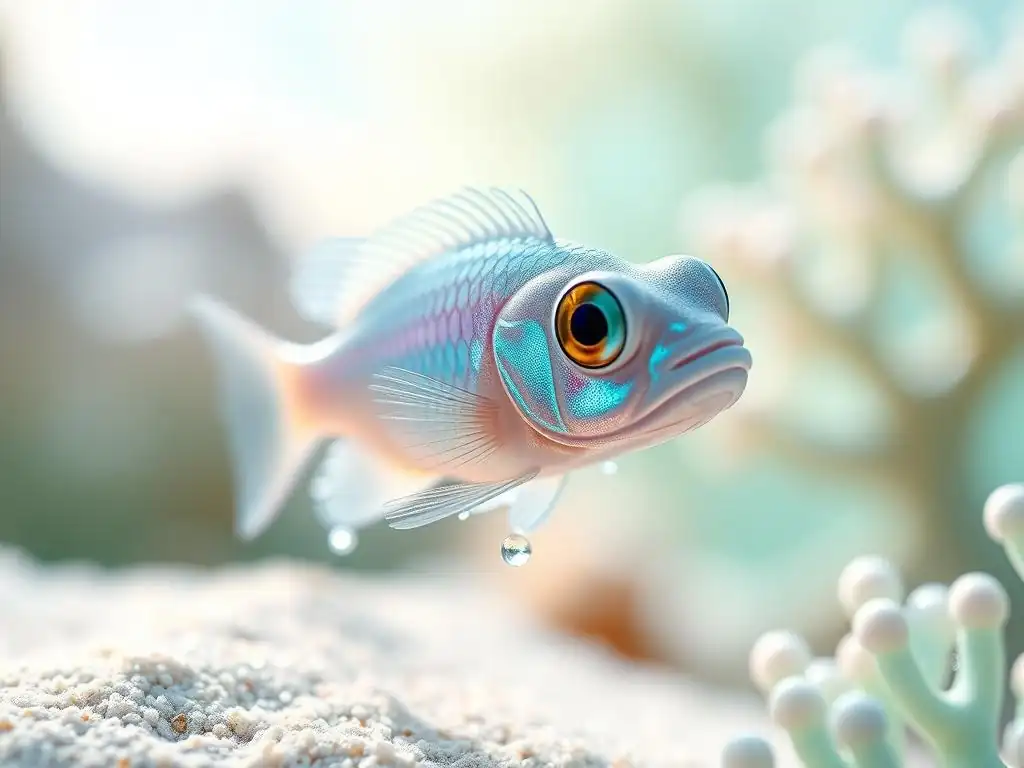
Ich, caused by the parasite Cryptocaryon irritans, is one of the most common and devastating diseases in marine aquariums, and its rapid spread is particularly challenging in the confined space of a nano tank. It manifests as small, white spots resembling grains of salt on the fish's body and fins, often accompanied by rapid breathing, scratching against rocks, and lethargy. The parasite has a complex life cycle, making it highly contagious and difficult to eradicate in a mixed reef where medications can harm invertebrates.
Treatment options in nano reefs are limited and require careful consideration for healthy nano goby care. Hyposalinity (gradually reducing salinity to 1.008-1.010 SG) can be effective for fish-only tanks but is generally not safe for corals or invertebrates.
Copper-based medications are highly effective against Ich but are toxic to most invertebrates and should only be used in a separate hospital tank. Formalin dips or specialized reef-safe medications (though often less potent) can be considered, but the most effective approach for a nano reef is prevention through strict quarantine of all new fish for at least 4-6 weeks before introduction to the main display.
Recognizing and Addressing Bacterial Infections in Gobies and Blennies
Bacterial infections are another significant threat to healthy nano goby care, often arising from poor water quality, stress, or physical injury. Signs of bacterial infections in gobies and blennies can include fin rot (frayed, discolored fins), cloudy eyes, red streaks on the body or fins, ulcers, white patches, and general lethargy or loss of appetite. These infections can progress rapidly in small tanks due to the concentrated pathogen load and the fish's compromised immune system.
Prompt action is crucial. The first step should always be to assess and improve water quality through immediate large water changes (e.g., 25-50%) and thorough testing of ammonia, nitrite, and nitrate levels. If the infection persists or worsens, the affected fish should be moved to a hospital tank for treatment with broad-spectrum antibiotics, such as Furan-2 or Maracyn, following the manufacturer's instructions. Treating in a separate tank prevents harm to corals and invertebrates in the main display and allows for more precise dosing, enhancing the chances of successful recovery and long-term healthy nano goby care.
Managing Parasites and Internal Worms in Nano Reef Fish
Beyond Ich, gobies, blennies, and dragonets can be susceptible to other external and internal parasites, which can be more challenging to diagnose and treat. External parasites like marine flukes might cause fish to scratch themselves against surfaces, exhibit rapid breathing, or develop a slimy coating. Internal worms, while less visible, can lead to chronic emaciation despite the fish eating regularly, stringy white feces, lethargy, and a gradual decline in health. For example, a goby that consumes copepods from the wild might carry internal nematodes.
Diagnosis often requires close observation and sometimes even microscopic examination of feces or skin scrapes. Treatment typically involves specific anti-parasitic medications, which are usually administered via medicated food or through water treatments in a dedicated quarantine or hospital tank. PraziPro is a common medication used for flukes and some internal worms. Maintaining excellent water quality, providing a varied and nutritious diet, and thoroughly quarantining all new fish for several weeks are the best preventative measures to minimize the risk of these insidious parasites and ensure robust, healthy nano goby care.
Creating an Ideal Nano Reef Environment for Long-Term Goby, Blenny, and Dragonet Health
The Importance of Live Rock and Substrate for Biological Filtration
Live rock and a suitable substrate are not merely decorative elements in a nano reef; they are the fundamental components of its biological filtration system, crucial for healthy nano goby care. Live rock provides an immense surface area for the colonization of beneficial nitrifying bacteria, which convert highly toxic ammonia and nitrite into less harmful nitrates. A well-cured live rock structure can effectively process the waste produced by the tank's inhabitants, maintaining stable water quality. For instance, a 10-gallon nano tank might benefit from 5-10 pounds of live rock to establish robust filtration.
Similarly, a proper substrate, typically aragonite sand, plays a vital role. A sand bed, particularly a deep one (2-4 inches or 5-10 cm), can host anaerobic bacteria that perform denitrification, converting nitrates into harmless nitrogen gas. Many gobies, such as the Diamond Watchman Goby, actively sift through the sand, helping to oxygenate it and prevent anaerobic pockets. Beyond filtration, live rock also provides essential hiding places, territories, and foraging opportunities for gobies, blennies, and dragonets, contributing to their overall well-being and natural behaviors.
Providing Adequate Hiding Places and Territory for Nano Fish
For gobies, blennies, and dragonets, adequate hiding places and clearly defined territories are not a luxury but a necessity for their survival and long-term healthy nano goby care. These fish are often shy by nature and require secure retreats to escape perceived threats, reduce stress, and establish their personal space. Many gobies are burrowers, needing a sand bed of sufficient depth (e.g., 2-3 inches for a Yellow Watchman Goby) and stable rockwork to create their homes. Blennies, on the other hand, typically prefer small crevices, holes, or perching spots within the rockwork.
Aquascaping should prioritize functionality over aesthetics alone, creating a varied landscape with numerous caves, overhangs, and visual barriers using live rock. This helps to break up lines of sight, minimizing aggression among tank mates and allowing each fish to establish its own territory. A stress-free environment, rich in secure hiding spots, directly contributes to a stronger immune system and more natural behaviors, which are essential for robust, healthy nano goby care.
Optimizing Water Flow and Oxygenation for a Healthy Nano Reef
Optimized water flow and sufficient oxygenation are critical, yet often overlooked, factors in creating a thriving nano reef environment for gobies, blennies, and dragonets. Proper water flow ensures that detritus and waste products are kept in suspension for mechanical filtration and prevents the formation of "dead spots" where harmful anaerobic pockets can develop. It also distributes nutrients evenly throughout the tank, benefiting corals and invertebrates. However, excessively strong flow can stress small fish, making it difficult for them to swim or feed.
A general guideline for reef tanks is a flow rate of 10-20 times the tank volume per hour, achieved through strategically placed powerheads. For a 10-gallon tank, this might mean a total flow of 100-200 gallons per hour. Surface agitation, created by the powerheads or return pump, is also vital as it facilitates gas exchange, ensuring high levels of dissolved oxygen in the water. High dissolved oxygen levels are crucial for fish respiration and overall metabolic health, directly supporting healthy nano goby care. Regular cleaning of powerheads to prevent buildup and ensure consistent flow is also important.
Troubleshooting Common Problems in Nano Reefs with Gobies, Blennies & Dragonets
Addressing Algae Blooms and Nutrient Imbalances
Algae blooms are a common frustration in nano reefs and often signal underlying nutrient imbalances, which can indirectly stress fish and hinder healthy nano goby care. Hair algae, diatoms, and cyanobacteria (red slime algae) typically thrive in tanks with elevated levels of nitrates and phosphates. These nutrients usually accumulate from overfeeding, insufficient water changes, inadequate biological filtration, or decaying organic matter. For instance, a nitrate reading consistently above 10 ppm or phosphate above 0.03 ppm will likely trigger an algae outbreak.
Addressing algae blooms requires a multi-pronged approach. First, identify and reduce the nutrient source: cut back on feeding, ensure all food is consumed, and remove any uneaten portions promptly. Increase the frequency and volume of water changes (e.g., 20% twice weekly) to export excess nutrients. Enhance mechanical filtration (e.g., replace filter floss regularly) and consider adding nutrient export methods like a small refugium with macroalgae (e.g., Chaetomorpha) or a nano protein skimmer. Introducing algae-eating invertebrates like turbo snails or hermit crabs can also help manage the issue, creating a cleaner environment for healthy nano goby care.
Dealing with Aggression and Territorial Disputes
Even in a carefully stocked nano reef, aggression and territorial disputes can arise, particularly in confined spaces, leading to stress, injury, and compromised healthy nano goby care. While many gobies and blennies are peaceful, some species can become territorial, especially if their preferred hiding spots are scarce or if similar-looking fish are present. For example, two blennies of the same genus might fight over a prime perching spot. Signs of aggression include chasing, nipping, fin nipping, or one fish constantly hiding.
To mitigate aggression, ensure your aquascape provides ample hiding places and visual barriers using live rock, breaking up lines of sight and allowing each fish to establish its own territory. Careful species selection is paramount; avoid known aggressive fish, and research the specific territorial needs of your chosen gobies, blennies, and dragonets. Introducing fish in order of their temperament (least aggressive first) can also help. If severe aggression persists, separating the aggressor into a different tank or rehoming one of the fish may be necessary to restore peace and ensure the well-being of all inhabitants.
Solving Cloudy Water Issues in Nano Aquariums
Cloudy water in a nano aquarium can be alarming and is often an indicator of underlying water quality problems that can negatively impact healthy nano goby care. The cloudiness can manifest in several ways: a milky white haze, which typically signifies a bacterial bloom (common in new tanks or after a significant die-off); green cloudiness, indicating a phytoplankton or green algae bloom; or particulate matter stirred up from the substrate. A sudden increase in organic waste, such as from overfeeding or decaying matter, often triggers these issues.
To address cloudy water, begin by testing all primary water parameters (ammonia, nitrite, nitrate, pH). If ammonia or nitrite are present, perform an immediate 25-50% water change. Enhance mechanical filtration by adding fresh filter floss or a filter sock and clean it daily until the water clears. Reduce feeding to prevent further organic waste accumulation. Ensure adequate water flow to keep particles suspended for filtration and good surface agitation for oxygenation. For persistent bacterial blooms, ensuring the biological filter is fully established and avoiding further disturbances are key to restoring clarity and supporting healthy nano goby care.
Maintaining a Consistent Maintenance Schedule for Healthy Nano Reef Fish
Regular Water Changes and Testing Protocols
Consistent and frequent water changes are the most critical maintenance task for healthy nano goby care. Due to their small volume, nano tanks are prone to rapid accumulation of nitrates, phosphates, and other dissolved organic compounds, while essential trace elements are quickly depleted. Performing small, regular water changes—typically 10-15% of the tank volume weekly—effectively dilutes pollutants, replenishes vital minerals, and maintains overall water quality. For instance, a 10-gallon tank would benefit from a 1-1.5 gallon water change every 7 days.
Equally important are regular water testing protocols. Consistent monitoring of key parameters like salinity (daily top-offs, weekly testing), temperature (daily checks), ammonia, nitrite, nitrate, pH, alkalinity (dKH), and calcium (weekly or bi-weekly) provides crucial insights into the tank's health. Using reliable test kits and keeping a log of results allows you to identify trends and address potential issues before they become critical. This proactive approach to water chemistry is the bedrock of stable conditions and successful healthy nano goby care.
Cleaning the Substrate and Live Rock Effectively
Effective cleaning of the substrate and live rock is essential to prevent the accumulation of detritus and organic waste, which can otherwise break down into harmful nitrates and phosphates. For sandy substrates, light gravel vacuuming or using a turkey baster to gently stir and siphon detritus from the top layer of the sand bed during weekly water changes is highly beneficial. This removes uneaten food, fish waste, and other debris that can fuel nuisance algae growth and degrade water quality.
Live rock should also be periodically cleaned. During water changes, use a turkey baster or small powerhead to blast detritus out of crevices and off rock surfaces. This released debris can then be siphoned out of the water column. Avoid removing large amounts of live rock for cleaning, as this can disturb the beneficial bacterial colonies. Regular, gentle cleaning helps maintain a pristine environment, reduces the bioload on the filtration system, and directly contributes to the overall stability required for healthy nano goby care.
Monitoring Equipment and Ensuring Proper Function
The proper functioning of all aquarium equipment is paramount for maintaining stable conditions in a nano reef and ensuring healthy nano goby care. Malfunctioning heaters, pumps, or filtration systems can lead to rapid and detrimental parameter swings, insufficient oxygenation, or inadequate waste removal. Therefore, a consistent schedule for monitoring and maintaining all equipment is essential. For example, daily checks of the heater's temperature setting and the actual tank temperature are crucial to prevent dangerous fluctuations.
Regularly inspect powerheads and return pumps for blockages or reduced flow, cleaning impellers and pump bodies as needed (e.g., monthly) to remove algae and detritus buildup. Check filter media (e.g., filter floss, carbon, GFO) and replace or rinse them according to their recommended schedule to ensure efficient mechanical and chemical filtration. If using an auto-top-off (ATO) system, verify its sensor and pump are working correctly to prevent salinity swings. Proactive equipment maintenance minimizes the risk of system failures and provides the consistent environment vital for thriving gobies, blennies, and dragonets.
Advanced Tips for Thriving Gobies, Blennies & Dragonets in Nano Reefs
Utilizing a Refugium for Nutrient Control
For advanced nano reef keepers aiming for optimal healthy nano goby care, incorporating a refugium can be a game-changer. A refugium is a separate compartment, typically part of a sump, designed to house macroalgae (such as Chaetomorpha or "chaeto") and provide a safe breeding ground for copepods and other beneficial microfauna. The macroalgae actively absorb nitrates and phosphates from the water column as they grow, acting as a natural, continuous nutrient export system. This significantly reduces the chemical burden on the main display tank, leading to cleaner, more stable water.
Beyond nutrient control, the refugium serves as a natural food source, especially for demanding species like Mandarin Dragonets. The copepods that proliferate in the refugium can continuously populate the main display, providing a steady supply of live food that these specialized feeders rely upon. This natural grazing opportunity reduces the need for frequent manual feeding of live foods, making it easier to meet the dietary requirements of these delicate fish and dramatically improving their chances for long-term healthy nano goby care.
Employing a Protein Skimmer for Waste Removal
While not strictly essential for every nano tank, employing a appropriately sized protein skimmer is an advanced step that can dramatically enhance water quality and contribute significantly to healthy nano goby care. A protein skimmer works by creating a column of fine air bubbles that attract and remove dissolved organic compounds (DOCs) from the water before they can break down into nitrates and phosphates. This physical removal of waste directly reduces the bioload on the biological filter and prevents the accumulation of unsightly nutrients.
In nano reefs, where water volume is limited and nutrient accumulation can be rapid, a protein skimmer acts as a powerful additional layer of filtration. It helps maintain crystal clear water, higher dissolved oxygen levels, and more stable parameters, all of which are beneficial for sensitive marine fish. Regular cleaning of the skimmer collection cup (e.g., every 2-3 days) is necessary to ensure its efficiency. For tanks larger than 10-15 gallons (approx. 38-57 liters) especially, a protein skimmer is a highly recommended tool for maintaining pristine conditions and robust healthy nano goby care.
Considering a UV Sterilizer for Disease Prevention
For aquarists seeking to provide the ultimate protection and ensure the most robust healthy nano goby care, a UV sterilizer can be a valuable addition. A UV sterilizer works by passing aquarium water through a chamber containing an ultraviolet light bulb. The UV-C light emitted by the bulb alters the DNA of free-floating bacteria, viruses, algae spores, and some parasites (like the free-swimming stages of Ich), rendering them unable to reproduce and effectively sterilizing the water.
While a UV sterilizer is not a cure for existing diseases and does not affect parasites attached to fish or within the substrate, it acts as a powerful preventative measure. By reducing the overall pathogen load in the water column, it significantly lowers the risk of disease outbreaks, which can be particularly devastating in a small, closed nano system.
It also helps control nuisance algae blooms. When selecting a UV sterilizer for a nano tank, ensure it is appropriately sized for the water volume and flow rate to achieve the desired sterilization effect, providing an extra layer of defense for your delicate gobies, blennies, and dragonets.
Frequently Asked Questions
How do I choose the right nano goby for my small aquarium?
Consider the goby's adult size and temperament. Research compatibility with other tank inhabitants and ensure the goby is suited for a nano aquarium environment.
What are the most important water parameters to maintain for healthy nano goby care?
Stable and appropriate water parameters are crucial. Monitor and maintain proper salinity, temperature, and pH levels, as well as keep ammonia and nitrite levels at zero through regular testing.
What should I feed my nano goby to ensure optimal health and nutrition?
Offer a varied diet of small, high-quality foods. Include live or frozen foods, such as brine shrimp, daphnia, and copepods, to meet their nutritional needs.
How often should I perform water changes in my nano aquarium to keep my goby healthy?
Regular, small water changes are vital for maintaining water quality. Aim for 10-20% water changes weekly or bi-weekly, depending on the tank's bioload and stability.
What are some common health problems that affect nano gobies and how can I prevent them?
Common issues include ich (white spot disease) and fin rot. Prevent these with good water quality, a balanced diet, and proper quarantine procedures for new fish.
Final Reflection: The Delicate Dance of Nano Reef Keeping
The insights shared throughout this article highlight a crucial truth: successful nano reef keeping, especially with delicate fish like gobies, blennies, and dragonets, demands meticulous attention and a deep understanding of their specific needs. Ignoring these nuances can lead to preventable health issues and ultimately, a less-than-thriving ecosystem. The principles of careful selection, appropriate tank mates, and a stable environment are not just suggestions, but the cornerstones of responsible nano reef husbandry.
This journey into the world of nano reef keeping has underscored the profound impact our choices have on these miniature ecosystems. The responsibility we bear as caretakers is immense, requiring us to constantly learn and adapt to the ever-changing needs of our aquatic companions. It's a reminder that even in the smallest of spaces, life thrives, and deserves our utmost respect and dedication. The sea, once it casts its spell, holds one in its net of wonder forever.
- Jacques Cousteau. This quote perfectly encapsulates the captivating allure of reef keeping, but also the enduring commitment it demands.
Now, as you embark on, or continue, your nano reef journey, I encourage you to reflect on the knowledge shared here. Consider how you can further refine your practices, ensuring the health and happiness of your gobies, blennies, and dragonets. Let this article serve as a catalyst for continuous learning and a reminder that the beauty of a thriving nano reef lies not just in its aesthetic appeal, but in the ethical and informed care that sustains it.
Ignite Your Nano Reef: Become a Goby, Blenny & Dragonet Guardian!
Thanks for diving into the world of nano reef keeping and learning how to best care for these captivating fish! We hope you now feel more equipped to tackle the challenges and enjoy the unique beauty they bring. Ready to put your knowledge to the test?
Here are a few steps you can take right now:
- Commit to meticulously researching the specific dietary needs of your chosen Goby, Blenny, or Dragonet before you even think about bringing them home. This is KEY to their long-term health!
- Share this article with a fellow nano reef enthusiast! Help spread the word and empower others to avoid common pitfalls.
- Think about which of your current tank inhabitants are compatible with gobies, blennies or dragonets. Maybe it's time for a change?
What's one unexpected thing you've learned today that you'll immediately implement in your nano reef care routine?