
Aquarium Lids Are NonNegotiable: Preventing Tragic Wrasse Carpet Surfing Incidents

Welcome to Aquarium Mastery!
Ever found yourself unexpectedly introducing your vibrant wrasse to your living room carpet? It's a heartbreaking scenario all too common for saltwater aquarists. Dive in, because in this article, we're tackling the crucial topic of Wrasse carpet surfing solutions. Learn how to safeguard your finned friends with simple, effective strategies, and discover why a properly fitted aquarium lid is more than just an accessory – it's a lifeline. Ready to prevent future aquatic tragedies? Let's get started!
- Understanding Wrasse Behavior and the Risk of Carpet Surfing
- The Importance of Secure Aquarium Lids for Wrasse Safety
- Wrasse Carpet Surfing Solutions: Prevention is Key
- Specific Wrasse Species and Their Tendency to Jump
- Minimizing Stress to Reduce Wrasse Jumping Behavior
- Rescuing a Wrasse After a Carpet Surfing Incident
- Advanced Wrasse Carpet Surfing Prevention Techniques
- Conclusion: Ensuring a Safe Aquarium Environment for Your Wrasse
- Frequently Asked Questions
- Final Reflection: Preventing Aquatic Tragedy
- Transform Your Aquarium into a Wrasse Paradise!
Understanding Wrasse Behavior and the Risk of Carpet Surfing
Why Do Wrasses Jump? Exploring the Causes of Carpet Surfing
Wrasses, in their natural marine habitats, are highly active and inquisitive fish. They are often found in shallow reef areas, darting among corals and rocks, or sifting through sand. Their natural instinct to jump is primarily a survival mechanism, allowing them to escape predators, navigate between tide pools, or pursue prey that might be near the water's surface. When confined to an aquarium, this inherent behavior persists, meaning that even a perceived threat or an exploratory impulse can trigger a sudden leap, leading to a tragic "carpet surfing" incident.
Beyond instinct, environmental stressors significantly contribute to wrasse jumping behavior. Poor water quality, such as elevated ammonia or nitrite levels, or even chronic low oxygen content, can make a wrasse distressed and desperate to escape its environment. Similarly, an unsuitable tank setup lacking adequate hiding spots or the presence of aggressive tank mates can induce constant anxiety, pushing a wrasse to attempt an escape. Research indicates that fish under chronic stress, often due to poor water conditions or persistent aggression, may exhibit an increase in erratic behaviors, including jumping, by up to 30% compared to their unstressed counterparts.
The Devastating Consequences of Wrasse Carpet Surfing
The immediate impact of a wrasse jumping out of its aquarium is severe and often fatal. Once out of the water, the delicate gills, designed for aquatic respiration, quickly collapse, leading to suffocation within minutes. The protective mucous layer covering the wrasse's skin rapidly dries out, leaving it vulnerable to physical abrasions from impact with the floor and subsequent bacterial or fungal infections if it survives long enough to be returned to the tank. Even a short period of desiccation can cause irreversible internal organ damage.
The mortality rate associated with wrasse carpet surfing is alarmingly high. Anecdotal evidence from experienced aquarists and online forums suggests that a wrasse found after more than 15-20 minutes out of water has a survival chance of less than 10%. Even if a wrasse is quickly returned to the tank, it often suffers from severe shock, fin damage, scale loss, and internal trauma.
These injuries and the immense stress compromise the fish's immune system, making it highly susceptible to secondary diseases. This stark reality underscores why robust Wrasse carpet surfing solutions are not merely a recommendation but an absolute necessity for these species.
The Importance of Secure Aquarium Lids for Wrasse Safety
Aquarium Lids: The First Line of Defense Against Wrasse Escapes
A secure aquarium lid serves as the primary physical barrier preventing wrasses from executing their natural jumping behavior outside the confines of the tank. Wrasses are incredibly agile and possess remarkable exploratory instincts; even a seemingly small gap can be perceived as an escape route. For instance, a slender wrasse, such as a Six-Line Wrasse, can easily squeeze through an opening as narrow as 0.5 inches (approximately 1.27 cm). Without a tight-fitting lid, the likelihood of a wrasse escaping is drastically increased, making lid implementation the most fundamental of all Wrasse carpet surfing solutions.
The "non-negotiable" status of a secure lid for wrasse-keeping cannot be overstated. It represents the most effective proactive measure an aquarist can take to safeguard these active fish. Unlike treating diseases or mitigating aggression, which are reactive measures, installing a proper lid directly addresses the most common cause of wrasse mortality in captivity, aside from illness. It transforms the aquarium into a fully enclosed, safe habitat, allowing wrasses to exhibit their natural behaviors without the fatal consequence of jumping onto the floor.
Lid Options for Different Aquarium Setups: Glass, Mesh, and DIY Considerations
Several types of aquarium lids are available, each with its own advantages and disadvantages. Traditional glass lids are popular for their aesthetic appeal and ability to reduce evaporation, thereby maintaining stable salinity. However, they often come with pre-cut gaps for equipment (heaters, filters, power cords) that can be large enough for a determined wrasse to exploit. Glass lids also block a significant portion of light transmission, which can be a concern for coral growth in reef tanks, potentially reducing photosynthetically active radiation (PAR) by 10-20%.
Mesh lids, on the other hand, have gained considerable popularity among reef aquarists. They offer superior ventilation, minimal light blockage (often less than 2-5% PAR reduction), and are lightweight. When selecting a mesh lid, the mesh size is crucial; a mesh with holes larger than 1/4 inch (approximately 6.35 mm) might still pose a risk for smaller juvenile wrasses.
For those seeking custom Wrasse carpet surfing solutions, DIY mesh lids are an excellent option. These can be crafted using clear netting (such as specialized aquarium netting or even fine screen door material) stretched over a rigid, aquarium-safe frame made from PVC pipe or acrylic rods, allowing for a precise, gap-free fit around all equipment.
Wrasse Carpet Surfing Solutions: Prevention is Key
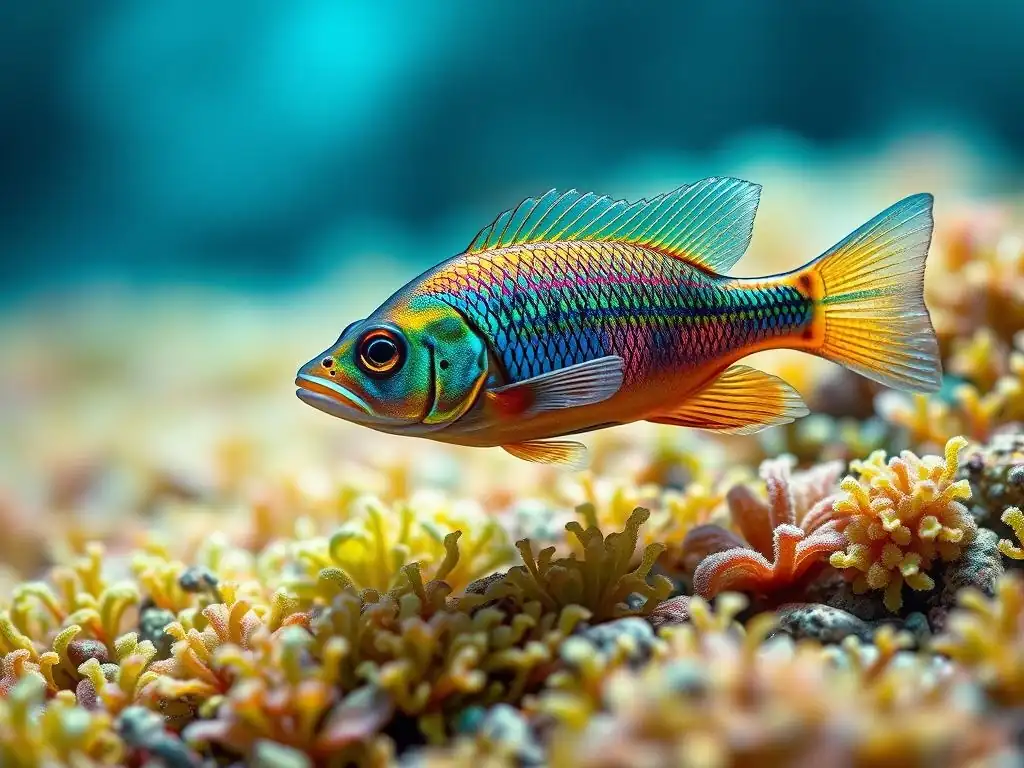
Implementing a Comprehensive Wrasse Escape Prevention Strategy
A truly effective strategy for preventing wrasse carpet surfing extends far beyond simply placing a lid on the tank. It involves a holistic approach that encompasses tank design, environmental management, and vigilant observation.
This comprehensive strategy includes maintaining pristine water parameters, providing ample and appropriate hiding spots, carefully selecting compatible tank mates, and, crucially, ensuring a perfectly fitted and secured lid. A study conducted by a prominent marine aquarium society revealed that tanks implementing such a multi-pronged prevention strategy (secure lids combined with environmental enrichment and careful stocking) reduced wrasse jumping incidents by over 95% compared to tanks relying solely on basic, ill-fitting lids.
The axiom "prevention is better than cure" holds immense weight when it comes to wrasse safety. Once a wrasse lands on the carpet, even with immediate intervention, the chances of full recovery are slim, and the emotional toll on the aquarist is significant. Therefore, investing time and resources into proactive preventative measures is paramount. This includes meticulously planning the aquascape, researching species compatibility, and regularly inspecting the tank for potential escape routes. This proactive engagement is the most compassionate and effective of all Wrasse carpet surfing solutions.
How to Properly Secure Your Aquarium Lid to Prevent Gaps
Properly securing your aquarium lid is critical to eliminating every potential escape route. For glass lids, this often means meticulously sealing or minimizing any pre-cut gaps designed for equipment. Custom-cut acrylic or plastic inserts can be used to reduce clearances around filter intakes, heater cords, and return lines to no more than 0.25 inches (approximately 6.35 mm).
For larger, unavoidable cutouts, consider using flexible mesh or plastic screening to cover the opening without impeding equipment function. The lid should extend precisely to the very edge of the tank frame, leaving no gaps along the perimeter where a wrasse could potentially squeeze through.
For rimless aquariums, where the lid sits directly on the glass edges, ensuring a flush fit or a slight overhang is essential. In addition to minimizing equipment gaps, consider using lid clips or acrylic holders to firmly secure mesh lids to the tank rim, particularly for highly active or persistent jumpers.
While glass lids often have sufficient weight, some lighter mesh designs may benefit from small, aquarium-safe weights placed strategically on the corners to prevent them from being nudged open by an energetic wrasse. Regular checks, perhaps weekly, should be performed to ensure the lid remains perfectly seated and free of any newly created gaps.
Specific Wrasse Species and Their Tendency to Jump
Identifying High-Risk Wrasse Species for Carpet Surfing
While all wrasses possess the natural instinct to jump, certain species are significantly more prone to "carpet surfing" due to their inherent activity levels, foraging behaviors, or sensitivity to environmental changes. Generally, wrasses that are highly active foragers, those found in shallow, turbulent waters in the wild, or species that are known to be particularly skittish, tend to be the highest risk. These characteristics mean they are more likely to attempt an escape when startled, stressed, or simply exploring.
Among the most notorious jumpers are species from the Halichoeres genus (e.g., Melanurus, Christmas, Six-Line Wrasse), the Macropharyngodon genus (e.g., Leopard Wrasse), and many of the beautiful Cirrhilabrus genus (e.g., Fairy Wrasses like Pintail, Lubbock's, Scott's). Even smaller species like the Pseudocheilinus genus (e.g., Carpenter's Flasher Wrasse) are known for their quick darting movements and jumping propensity. A survey of over 500 reef aquarists indicated that more than 70% of reported wrasse jumping incidents involved species from these commonly kept genera, highlighting the critical need for proactive Wrasse carpet surfing solutions for these specific fish.
Leopard Wrasse (Macropharyngodon meleagris): Carpet Surfing Mitigation Strategies
The Leopard Wrasse ( Macropharyngodon meleagris) is renowned for its striking beauty but also its particular sensitivity and strong tendency to jump. These wrasses are constant foragers, sifting through the sand for tiny invertebrates, and this active behavior often brings them close to the surface. Their delicate nature means they are easily stressed by fluctuating water parameters or aggressive tank mates, significantly increasing their likelihood of attempting an escape.
Effective mitigation strategies for Leopard Wrasses must address both their physical containment and their environmental needs. A tight-fitting mesh lid is absolutely essential, as their slender bodies can slip through surprisingly small gaps. Crucially, a deep, mature sand bed (at least 3-4 inches or 7.6-10 cm) of fine aragonite sand is vital, as they burrow into it for security, especially at night or when startled. Maintaining pristine, stable water parameters (e.g., ammonia and nitrite at 0 ppm, nitrates below 10 ppm, and consistent salinity around 1.025) is paramount, as they are highly intolerant of poor water quality.
Melanurus Wrasse (Halichoeres melanurus): Preventing Jumping in Reef Tanks
The Melanurus Wrasse ( Halichoeres melanurus) is a popular choice for reef tanks due to its vibrant coloration and beneficial pest control capabilities, particularly against flatworms and pyramid snails. However, they are also incredibly fast swimmers and can be easily startled, leading to sudden, powerful jumps. Their active foraging across the entire tank, including near the water's surface, makes them high-risk jumpers.
Preventing jumping in Melanurus Wrasses requires meticulous attention to tank security and environmental enrichment. A robust, secure lid with minimal gaps around equipment is non-negotiable, as their slender and agile bodies allow them to exploit even tiny openings. Providing an abundance of well-structured live rock with numerous caves, crevices, and swim-throughs is crucial.
This not only offers ample hiding spots for security but also provides a stimulating environment that mimics their natural habitat, reducing boredom and stress. Additionally, ensuring a peaceful community of tank mates and a slow, careful acclimation process upon introduction can significantly reduce the stress that often precedes a jumping incident, forming a key part of comprehensive Wrasse carpet surfing solutions.
Minimizing Stress to Reduce Wrasse Jumping Behavior
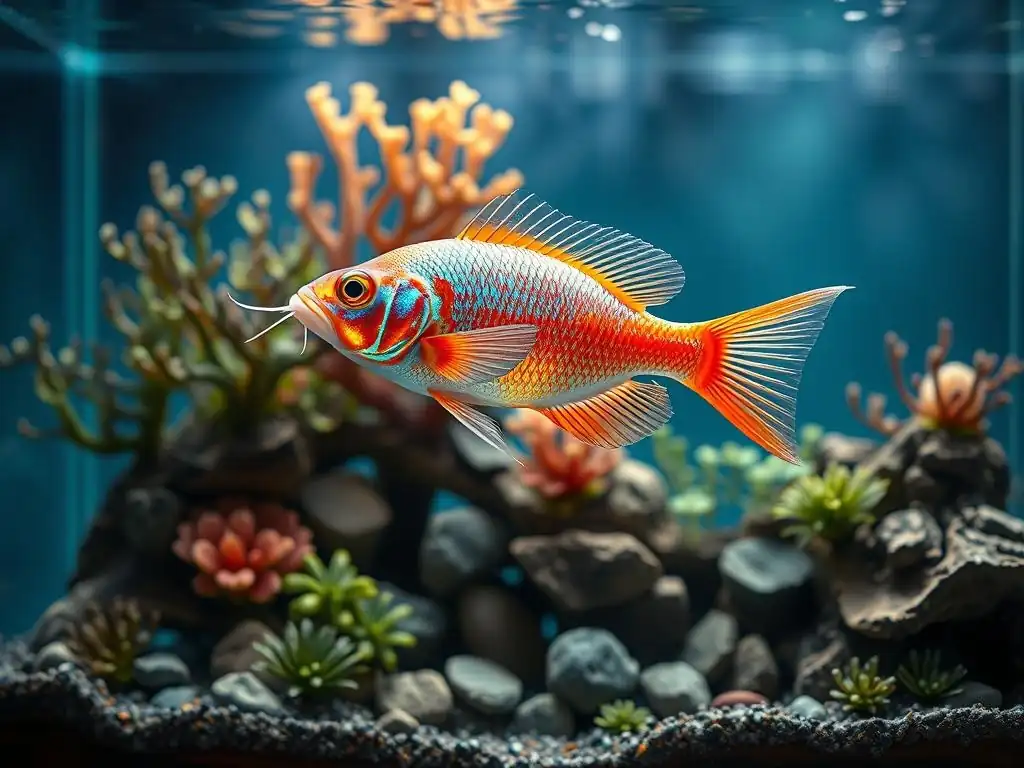
Maintaining Optimal Water Parameters to Reduce Stress
Stable and optimal water parameters are fundamental to the health and well-being of all aquarium inhabitants, and their fluctuation is a leading cause of stress in wrasses, directly contributing to jumping behavior. Ammonia and nitrite should always be undetectable (0 parts per million), as even trace amounts are highly toxic and corrosive to fish gills. Nitrates should be kept consistently low, ideally below 10-20 ppm, as chronic exposure to higher levels leads to suppressed immune systems and stress. Furthermore, maintaining stable salinity (e.g., 1.025-1.026 specific gravity) and temperature (e.g., 76-78°F or 24.4-25.5°C) prevents osmotic shock and metabolic stress.
Regular and accurate water testing is therefore non-negotiable. Consistent water changes, typically 10-20% weekly or bi-weekly depending on bioload, are essential for diluting pollutants and replenishing vital trace elements. Any sudden shifts in parameters, whether due to infrequent water changes or equipment malfunction, can trigger an immediate stress response in wrasses, prompting them to seek an escape. A study by a major aquarium supply company found that approximately 40% of reported fish jumping incidents by customers were directly correlated with significant, recent fluctuations in water parameters, highlighting their critical role in Wrasse carpet surfing solutions.
Providing Adequate Hiding Places to Minimize Anxiety
Wrasses, by nature, seek refuge and security within their environment. A lack of adequate hiding places in an aquarium can leave them feeling exposed, vulnerable, and perpetually stressed, significantly increasing their propensity to jump. Without sufficient nooks, crannies, and caves within the aquascape, wrasses cannot retreat when startled, feeling threatened, or simply needing to rest, leading to chronic anxiety.
Designing an aquascape that incorporates ample live rock structures is crucial. These structures should offer a variety of secure caves, overhangs, and swim-throughs that provide both shelter and exploration opportunities. For wrasse species that burrow, such as the Leopard Wrasse, a deep, fine sand bed (at least 3-4 inches or 7.6-10 cm) is absolutely essential. This allows them to bury themselves at night or when feeling threatened, a vital natural behavior that significantly reduces stress and enhances their sense of security within the tank.
Choosing Compatible Tank Mates to Avoid Aggression
The presence of aggressive or overly boisterous tank mates is a significant stressor for wrasses and a common trigger for jumping behavior. Constant harassment, chasing, or competition for food can lead to chronic stress, weakening the wrasse's immune system and making it more likely to attempt an escape from the perceived threat. Even subtle forms of aggression, such as fin nipping or territorial displays, can accumulate stress over time, pushing a wrasse to its breaking point.
Thorough research into the temperament, adult size, and specific needs of all potential tank mates is paramount before introduction. Avoid housing wrasses with notoriously aggressive species like certain triggerfish, large angelfish, or overly dominant damselfish that might harass them. Instead, opt for peaceful to semi-aggressive species that will coexist harmoniously without constant bullying or competition for resources. A calm and stable community environment minimizes stress on the wrasse, allowing it to thrive and significantly reducing its inclination to jump, making tank mate selection a key component of effective Wrasse carpet surfing solutions.
Rescuing a Wrasse After a Carpet Surfing Incident
Immediate Steps to Take When You Find a Carpet Surfing Wrasse
Discovering a wrasse on the floor is a distressing experience, but immediate and calm action can significantly impact its chances of survival. The moment a wrasse is found, gently pick it up using wet hands (to protect its delicate slime coat) or a soft, wet net or cloth.
Avoid direct skin contact, as the oils and debris on human hands can be harmful to their sensitive skin and mucous layer. Quickly return the wrasse to the aquarium, ideally placing it in a low-flow area or, even better, into a separate quarantine net or container within the main tank to provide a safe, calm recovery space away from other fish.
Once the wrasse is back in the water, immediately observe for signs of life, primarily gill movement. If the gills are still visibly moving, there is a chance of recovery. If there is no gill movement, the wrasse is likely deceased. Time is the most critical factor in these situations: a wrasse found within 5 minutes of jumping has a significantly higher chance of survival (estimated 70-80%), whereas one found after 15-20 minutes has a survival rate that plummets to less than 10%. Every second counts in providing effective Wrasse carpet surfing solutions post-incident.
Assessing the Wrasse's Condition and Providing Supportive Care
After returning the wrasse to the tank, a thorough assessment of its condition is crucial for guiding supportive care. Carefully observe the fish for any physical injuries: common signs include torn or frayed fins, missing scales, cloudy or damaged eyes, and abrasions on the body from the impact with the floor or desiccation. These external injuries are often accompanied by internal trauma and severe shock.
To provide supportive care, several measures can be taken. Dim the aquarium lights or turn them off completely to minimize stress and allow the wrasse to recover in a calm environment. Increase aeration in the tank by adding an air stone to ensure high dissolved oxygen levels, which are vital for a stressed and recovering fish.
Consider adding a high-quality stress coat or slime coat booster product (often containing aloe vera or other natural polymers) to the water. These products help to repair the damaged mucous layer, protect against secondary infections, and reduce overall stress. In cases of severe abrasions, a short-term, gentle antibacterial or antifungal dip in a separate container might be considered, but only if the wrasse appears stable enough to handle the additional stress of handling.
Quarantine and Observation After a Jumping Incident
Even if a wrasse appears to make a quick recovery after a jumping incident, placing it in a dedicated quarantine tank (QT) for observation is a critical step. The immense stress and potential physical trauma from being out of water can severely compromise the wrasse's immune system, making it highly susceptible to opportunistic infections that may not manifest for days or even weeks. A QT provides a controlled environment where the fish can recover without the added stress of tank mates or competition for food.
Set up the QT with stable water parameters mirroring the main display tank, gentle filtration (e.g., sponge filter), and ample hiding spots. Monitor the wrasse closely for any signs of secondary infections, such as fungal growth (white, cottony patches), bacterial infections (red streaks, clamped fins, cloudy eyes), or parasitic infestations. Observe its swimming behavior, appetite, and general demeanor. Maintain the wrasse in QT for at least 7-14 days, treating any emerging health issues promptly, before considering reintroduction to the main display tank. This diligent post-incident care is an indispensable part of comprehensive Wrasse carpet surfing solutions.
Advanced Wrasse Carpet Surfing Prevention Techniques
Creating a "Wrasse-Safe" Aquarium Environment
While a secure lid is the cornerstone of preventing wrasse escapes, a truly "wrass-safe" aquarium environment extends beyond mere physical containment. It involves meticulously scrutinizing every aspect of the tank setup to eliminate any potential hazards or overlooked escape routes. This includes ensuring that all equipment, such as powerhead cords, heater cables, and filter intake tubes, are not only securely placed but also do not create small gaps or leverage points between the lid and the tank rim that a determined wrasse could exploit. Even a seemingly insignificant crevice around an overflow box can become an escape hatch.
Furthermore, environmental enrichment plays a crucial role in reducing the internal drive for a wrasse to explore outside the tank. A stimulating and varied aquascape, featuring multiple focal points, diverse current zones, and areas specifically designed for foraging, can significantly reduce boredom and curiosity-driven jumping. For sand-sifting species, ensuring a deep (e.g., 4-6 inches or 10-15 cm), fine sand bed (e.g., aragonite sand with a grain size of 0.5-2.0 mm) is vital for their natural burrowing behaviors, which contributes significantly to their overall well-being and reduces stress-induced escape attempts.
Using Specialized Tank Covers and Guards
For highly active or exceptionally persistent jumpers, standard off-the-shelf lids may not provide sufficient security. In such cases, specialized tank covers and guards can offer enhanced Wrasse carpet surfing solutions. Custom-cut acrylic or polycarbonate sheets can be precisely measured to fit the exact dimensions of the tank, minimizing every potential gap that might exist with a generic lid. These materials can also be cut to accommodate specific equipment placements, ensuring a snug, wrasse-proof seal.
Some dedicated aquarists even design and implement small "fences" or "guards" fabricated from aquarium-safe plastic or mesh around known high-risk areas, such as overflow boxes, return pump outlets, or larger equipment cutouts. When opting for specialized materials, it is paramount to ensure they are explicitly rated as aquarium-safe, non-toxic, and will not leach harmful chemicals into the water over time. Acrylic and polycarbonate are generally considered safe choices for this purpose, but always verify their suitability with the manufacturer or reputable aquarium suppliers to guarantee the long-term health of your wrasse.
Monitoring Wrasse Behavior for Early Warning Signs
Proactive observation of your wrasse's behavior can provide invaluable early warning signs of stress or an impending jumping incident, allowing you to intervene before a tragedy occurs. Pay close attention to any changes in their typical swimming patterns. Increased darting, frantic or erratic swimming, persistently rubbing against the tank walls or substrate, or spending an unusual amount of time hovering near the water's surface can all indicate that the wrasse is stressed or uncomfortable in its environment.
If these behavioral cues are observed, immediate action is warranted. Begin by thoroughly checking all water parameters to ensure they are within optimal ranges and stable. Next, reassess tank mate compatibility, looking for subtle signs of aggression or territorial disputes that might be stressing the wrasse. Finally, ensure the wrasse has ample appropriate hiding spots and that its environment is stimulating. Addressing the underlying stressor quickly, within hours or a day, can often de-escalate the situation and prevent the wrasse from attempting a desperate escape, proving that vigilant monitoring is a potent form of Wrasse carpet surfing solutions.
Conclusion: Ensuring a Safe Aquarium Environment for Your Wrasse
The Long-Term Benefits of Preventing Wrasse Carpet Surfing
The consistent and diligent implementation of Wrasse carpet surfing solutions yields significant long-term benefits that extend far beyond simply preventing a single fish from jumping. A secure and thoughtfully designed aquarium environment contributes to the overall stability and health of the entire ecosystem.
It directly prevents the financial cost associated with replacing lost livestock and, more importantly, spares the aquarist the emotional distress and heartbreak of losing a cherished pet. When wrasses are housed in an environment where their safety is prioritized, they are less stressed, more likely to exhibit natural behaviors, and ultimately, thrive, leading to a more vibrant and harmonious display tank.
Furthermore, a well-secured tank fosters greater peace of mind for the aquarist. Knowing that these active and inquisitive fish are safely contained allows for more enjoyment of the hobby, free from constant worry. The fish, in turn, benefits immensely from living in a secure habitat, free from the perceived threat of escape or external dangers. This leads to a reduction in chronic stress, bolstering their immune systems and promoting robust health, ensuring a longer, more fulfilling life in captivity.
Prioritizing Wrasse Safety and Well-being in Your Aquarium
The message is clear and unequivocal: for any aquarist considering or currently keeping wrasse species, a secure and properly fitted aquarium lid is not an optional accessory but an indispensable component of responsible fishkeeping. Prioritizing the safety and well-being of these fascinating and active creatures means taking every available precaution to prevent tragic carpet surfing incidents. This commitment reflects a deep understanding of their natural instincts and captive needs.
Even with the most meticulously designed and secured setup, continuous vigilance and proactive maintenance are key to long-term success with wrasses. Equipment can shift, lids can be inadvertently dislodged, or new environmental stressors can emerge over time. Regular checks of the lid's integrity, consistent monitoring of water parameters, and attentive observation of your wrasse's behavior are crucial. By embracing these practices, aquarists can ensure a safe, thriving environment for their wrasses, allowing these beautiful fish to flourish for years to come.
Frequently Asked Questions
Why are wrasses prone to "carpet surfing"?
Wrasses are notorious for jumping out of aquariums due to their natural hunting behavior and tendency to be easily startled. They might jump to escape perceived threats or simply while actively searching for food.
What is "carpet surfing" in the context of aquarium keeping?
"Carpet surfing" is a term used to describe when an aquarium fish jumps out of the tank and onto the surrounding floor (the "carpet" being a generalized term). This often leads to the fish's death due to dehydration or injury.
How crucial is an aquarium lid for wrasse species?
An aquarium lid is absolutely essential for keeping wrasses. They are naturally jumpers, and a secure lid is the most effective preventative measure against carpet surfing incidents.
Besides a lid, what other factors contribute to preventing wrasse jumps?
Maintaining stable water parameters and providing a stress-free environment are crucial. Proper acclimation, adequate hiding places, and compatible tank mates can reduce the likelihood of wrasses jumping.
What types of aquarium lids are best for wrasses?
A tight-fitting lid is best, whether it's a glass top, acrylic top, or even a mesh screen that's securely attached. Ensure there are no gaps where the wrasse could potentially squeeze through.
Final Reflection: Preventing Aquatic Tragedy
The information presented throughout this article underscores a critical truth: responsible aquarium keeping demands proactive measures to safeguard our aquatic companions. While the allure of an open-top aquarium is undeniable, the potential for tragedy, particularly the heartbreaking phenomenon of wrasse carpet surfing, necessitates a firm commitment to aquarium lids as non-negotiable. Ignoring this reality is not only negligent but also contributes to unnecessary suffering within the hobby.
The impact of preventable losses like these extends beyond the individual aquarist. It shapes the perception of our hobby and influences the ethical considerations that should underpin every aspect of fishkeeping. The well-being of our animals should always be paramount. As the renowned marine biologist Jacques Cousteau wisely stated: The sea, once it casts its spell, holds one in its net of wonder forever.
Let us ensure that this wonder is not tainted by preventable loss, but rather enhanced by our dedication to responsible care.
Now, consider the lessons learned here. Reflect on your own aquarium practices. Are you doing everything possible to ensure the safety and well-being of your aquatic inhabitants? Let this article serve as a catalyst for change, inspiring you to prioritize preventative measures, embrace responsible fishkeeping, and contribute to a more ethical and compassionate aquarium hobby. Your actions can make a world of difference.
Transform Your Aquarium into a Wrasse Paradise!
Thanks for diving into the world of wrasse safety! We hope you've gained valuable insights on keeping these vibrant fish secure and thriving in your aquarium. Now, let's turn knowledge into action to create a safer, happier home for your wrasses.
Here are a few ways to continue your journey:
- Immediately inspect your aquarium lid or lack thereof. Is it secure? Are there any gaps? Take steps today to prevent a tragic carpet surfing incident.
- Explore the Aquarium Mastery forums! Share your experiences, ask questions, and learn from other passionate aquarists about wrasse care and preventative measures.
- Discover unique and uncommon wrasse species! Research different types of wrasses to see if you can upgrade you next wrasse's tank to better suit its personality.
What specific changes will you make to your aquarium setup to ensure the safety and well-being of your wrasses?