
Maldive Anemonefish (Amphiprion nigripes): BlackFooted Charmer & Its Anemone

Welcome to Aquarium Mastery!
Intrigued by the captivating dance of the Black footed anemonefish? Dive in and discover the secrets to successfully caring for these charming Maldive Anemonefish ( Amphiprion nigripes). Learn everything you need to know about their unique needs, symbiotic relationships, and how to create the perfect saltwater haven for these captivating creatures. Your journey to Black footed anemonefish care mastery starts now – explore the fascinating details below!
- Understanding the Black Footed Anemonefish: An Introduction to Amphiprion nigripes
- Black Footed Anemonefish Care: Essential Guidelines for a Thriving Fish
- Anemone Symbiosis: The Key to Black Footed Anemonefish Well-being
- Breeding Black Footed Anemonefish: A Comprehensive Guide
- Black Footed Anemonefish Tank Mates: Compatibility and Considerations
- Purchasing Your Maldive Anemonefish: Finding Healthy Specimens
- Conclusion: Enjoying the Beauty of the Black Footed Anemonefish in Your Aquarium
-
Frequently Asked Questions
- What is the difference between a Maldive Anemonefish and a Blackfooted Anemonefish?
- What type of anemone is best suited for a Blackfooted Anemonefish in an aquarium?
- What are the key water parameters to maintain for optimal Blackfooted Anemonefish care?
- What should I feed my Blackfooted Anemonefish?
- What are some common health problems to watch out for in Blackfooted Anemonefish?
- Final Reflection: Embracing Symbiosis in Our Lives
- Dive Deeper: Embrace the Anemonefish Fascination!
Understanding the Black Footed Anemonefish: An Introduction to Amphiprion nigripes
Identifying the Maldive Anemonefish: Key Characteristics
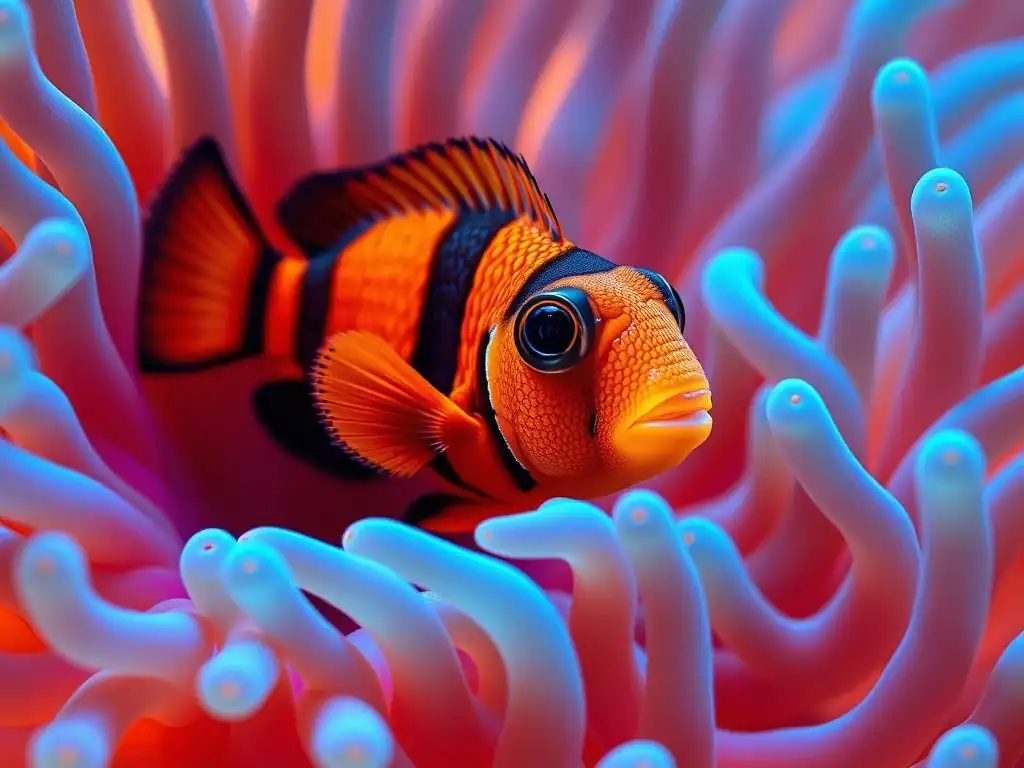
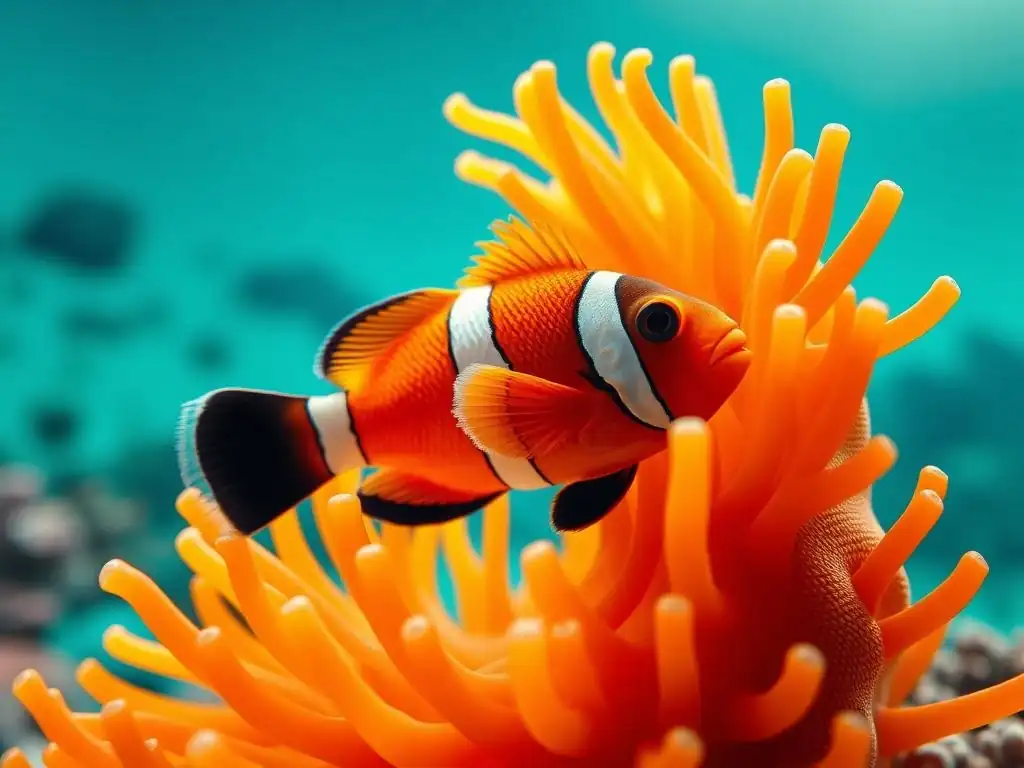
The Maldive Anemonefish, scientifically known as Amphiprion nigripes, is easily recognizable by its striking appearance. Its body is predominantly a vibrant orange-yellow, often with a subtle gradient to a deeper orange towards the tail. A single, prominent white vertical stripe borders the back of the head, contrasting sharply with its colorful body. The most distinctive feature, which gives it its common name, is the presence of black pelvic and anal fins, differentiating it from other orange clownfish species.
Adult Amphiprion nigripes typically reach a modest size, growing to about 10-11 cm (approximately 4-4.3 inches) in length, making them a suitable inhabitant for many home aquariums. In a well-maintained environment, these hardy fish can enjoy a lifespan of 6-10 years, and sometimes even longer, providing years of enjoyment to the dedicated aquarist. Their relatively compact size and durability contribute to the manageable nature of Black footed anemonefish care.
Natural Habitat and Distribution of Amphiprion nigripes
The Maldive Anemonefish is endemic to the central Indian Ocean, with its primary distribution centered around the Maldives and Sri Lanka. Its range also extends to some parts of the Laccadive Sea. These charming fish inhabit the shallow, sunlit waters of coral reefs, typically found at depths ranging from 1 to 25 meters (about 3 to 82 feet). They are often observed in close association with specific species of host anemones, which provide them with protection and a home.
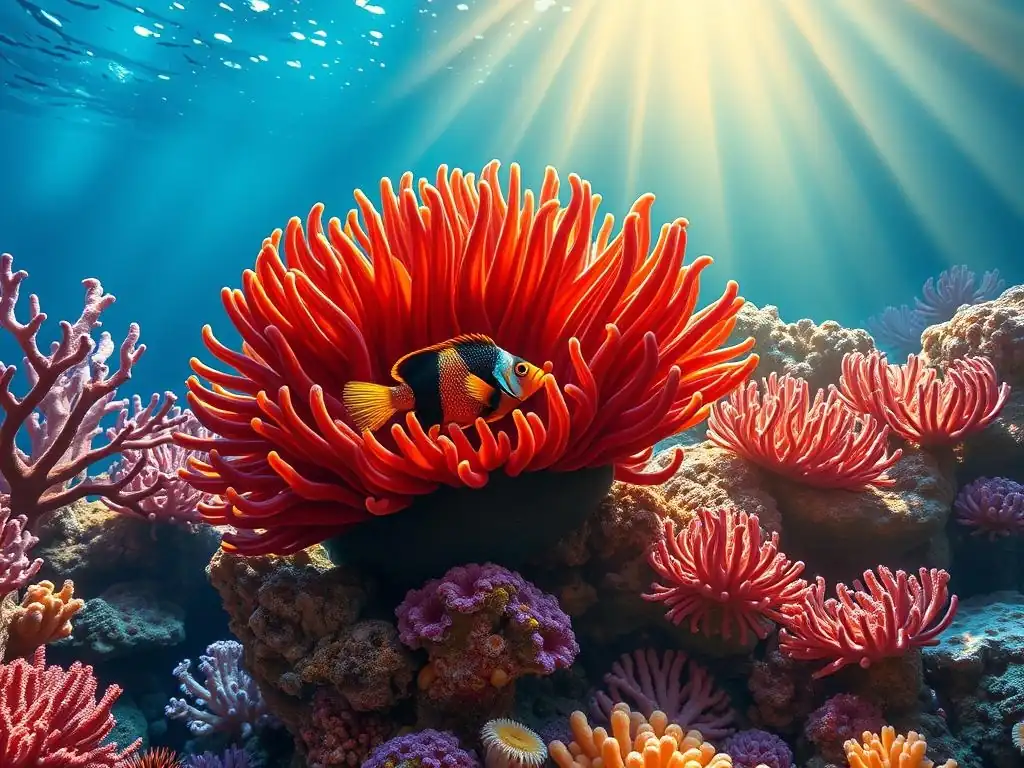
In their natural environment, Amphiprion nigripes forms symbiotic relationships primarily with the Magnificent Sea Anemone ( Heteractis magnifica) and Merten's Carpet Anemone ( Stichodactyla mertensii). This mutualistic bond is crucial for the clownfish's survival in the wild, as the anemone's stinging tentacles offer a formidable defense against predators, while the clownfish, in turn, helps protect its host from certain threats and keeps it clean. Understanding this natural habitat is vital for optimal Black footed anemonefish care in captivity.
Why Choose a Black Footed Anemonefish for Your Saltwater Aquarium?
Choosing a Black Footed Anemonefish for your saltwater aquarium offers a multitude of benefits. Their vibrant orange-yellow coloration, accented by the distinctive black fins and white head stripe, makes them an immediate focal point in any reef tank. Beyond their aesthetic appeal, Amphiprion nigripes are generally considered peaceful and relatively hardy, making them an excellent choice for both novice and experienced aquarists looking for a captivating addition to their marine setup.
Furthermore, the opportunity to observe the fascinating symbiotic relationship between the clownfish and its host anemone provides an enriching educational experience. While an anemone is not strictly necessary for Black footed anemonefish care, providing one allows for the display of natural behaviors that are truly captivating. Their manageable size and robust nature mean that with proper Amphiprion nigripes care, these fish can thrive and become a long-term, rewarding inhabitant of your home aquarium.
Black Footed Anemonefish Care: Essential Guidelines for a Thriving Fish
Optimal Tank Setup for Maldive Anemonefish: Recreating Their Natural Environment
Providing an optimal tank setup is foundational to successful Black footed anemonefish care. For a single Maldive Anemonefish or a pair, a minimum tank size of 20-30 gallons (approximately 75-115 liters) is generally recommended. However, if you plan to introduce a host anemone, a larger tank of 40 gallons (about 150 liters) or more becomes ideal to accommodate the anemone's specific needs for space, light, and water stability. The aquarium should include ample live rock, providing numerous hiding spots and contributing to natural biological filtration, typically at a ratio of 1-1.5 pounds per gallon.
The substrate can consist of sand or crushed coral. Lighting should be moderate to strong, especially if you intend to keep a host anemone, which requires intense illumination (e.g., metal halide or high-output LEDs) to thrive. Essential equipment for proper Amphiprion nigripes care includes a robust filtration system, such as a sump, protein skimmer, and efficient powerheads for water circulation. Maintaining a consistent water temperature between 75-82°F (24-28°C) is crucial for their well-being.
Water Parameters for Amphiprion nigripes: Maintaining a Healthy Aquarium
Maintaining precise and stable water parameters is paramount for the health and longevity of your Maldive Anemonefish. The specific gravity, which measures salinity, should be kept within a range of 1.023-1.025. The pH level is ideally maintained between 8.1 and 8.4, replicating natural seawater conditions. Essential chemical parameters include alkalinity (dKH) at 8-12, calcium at 400-450 ppm, and magnesium at 1250-1350 ppm. These levels support overall reef health, including the growth of beneficial coralline algae and the stability of the water chemistry.
Regular water changes are a non-negotiable aspect of effective Black footed anemonefish care. A routine of 10-20% bi-weekly or 5-10% weekly water changes helps to replenish trace elements and remove accumulated nitrates. It is critical to keep ammonia and nitrite levels at 0 ppm, as even trace amounts can be highly toxic. Nitrate levels should be maintained below 20 ppm. Consistent testing using reliable kits is essential to monitor these parameters and ensure a healthy, stable environment for your Amphiprion nigripes.
Black Footed Anemonefish Diet and Feeding: What to Feed Your Clownfish
The Maldive Anemonefish is an omnivorous species, and a varied diet is key to ensuring its vibrant coloration, robust health, and active behavior. They readily accept a range of high-quality marine-specific foods. This includes premium marine flakes and pellets, which form the staple of their diet. To provide essential nutrients and mimic their natural feeding habits, supplement these with frozen foods such as mysis shrimp, brine shrimp (preferably spirulina-enriched), and finely chopped seafood like silversides. Feeding small amounts 2-3 times a day is generally recommended to prevent overfeeding and maintain water quality.
Nutritional balance plays a significant role in Black footed anemonefish care. Ensuring their diet is rich in essential vitamins and minerals can enhance their immune system and overall vitality. If your clownfish hosts an anemone, you might observe it taking food to its host, a fascinating natural behavior. Always avoid overfeeding, as excess food can quickly degrade water quality, leading to potential health issues. A diverse and consistent feeding regimen is a cornerstone of successful Amphiprion nigripes care.
Common Health Issues in Maldive Anemonefish and Prevention
Despite their hardiness, Maldive Anemonefish can be susceptible to common saltwater fish diseases if not provided with optimal Black footed anemonefish care. Marine Ich ( Cryptocaryon irritans) and Velvet ( Amyloodinium ocellatum) are two prevalent parasitic infections that manifest as white spots or a dusty film on the fish's body, respectively, often accompanied by labored breathing and lethargy. Bacterial infections can also occur, leading to symptoms like cloudy eyes, fin rot, or unusual growths.
Prevention is always better than cure in Amphiprion nigripes care. The most effective preventative measure is to quarantine all new fish for a minimum of 3-4 weeks in a separate tank before introducing them to your main display. This allows you to observe for signs of disease and treat them without risking the health of your established inhabitants. Maintaining stable water parameters, providing a nutritious diet, and minimizing stress are also crucial for bolstering their immune system and preventing outbreaks. Prompt identification and treatment of any symptoms are vital for recovery.
Anemone Symbiosis: The Key to Black Footed Anemonefish Well-being
Compatible Anemones for Amphiprion nigripes: Choosing the Right Host
While Amphiprion nigripes can thrive without a host anemone in a home aquarium, introducing a compatible species can significantly enhance their natural behaviors and overall well-being, enriching the Black footed anemonefish care experience. The primary natural host anemones for the Maldive Anemonefish are the Magnificent Sea Anemone ( Heteractis magnifica) and Merten's Carpet Anemone ( Stichodactyla mertensii). These species offer the ideal environment for the clownfish's symbiotic relationship.
Other potential host anemones, though less commonly associated in the wild, can include the Sebae Anemone ( Heteractis crispa) and the Giant Carpet Anemone ( Stichodactyla gigantea). It is crucial to remember that anemones are demanding inhabitants requiring very specific conditions, including strong lighting (often metal halide or high-output LEDs), pristine water quality, stable parameters, and sometimes target feeding. Ensuring the anemone's health is as important as the fish's, as a failing anemone can pose a risk to its host.
Understanding the Anemone-Clownfish Relationship: A Symbiotic Bond
The relationship between the Black Footed Anemonefish and its host anemone is a classic example of mutualism, a symbiotic bond where both organisms benefit. The clownfish gains crucial protection from predators, such as larger fish, which are deterred by the anemone's stinging tentacles. The clownfish is immune to these stings due to a special mucus coating on its skin, allowing it to safely reside within the anemone's embrace. Additionally, the clownfish may benefit from leftover food scraps caught by the anemone.
In return for shelter, the anemone also receives several advantages. The clownfish actively defends its host from certain predators, such as butterflyfish, which might otherwise feed on the anemone's tentacles. The clownfish's movements within the anemone can also help improve water circulation around its tentacles, aiding in respiration and waste removal. Furthermore, the clownfish may clean the anemone by removing detritus and parasites. This intricate interaction is a highlight of observing proper Amphiprion nigripes care.
How to Introduce a Black Footed Anemonefish to Its Anemone
Introducing a Black Footed Anemonefish to its anemone requires patience and observation to ensure a smooth transition. First, ensure your host anemone is well-established and healthy in your aquarium, ideally for several weeks, allowing it to settle into its preferred location. Once the anemone is stable, you can introduce the clownfish. Place the newly acclimated fish into the display tank, and it may or may not immediately host. Many aquarists find that dimming the tank lights or gently guiding the fish near the anemone can sometimes encourage interaction.
It is important to understand that not all clownfish, especially captive-bred specimens, will immediately host an anemone, and some may never host at all. This is normal behavior and does not indicate a problem with the fish's health or the anemone's suitability. Avoid forcing the interaction, as this can stress both organisms. Simply ensure the anemone is thriving and the fish has comfortable hiding spots. Observing the eventual embrace between your Amphiprion nigripes and its host is one of the most rewarding aspects of Black footed anemonefish care.
Breeding Black Footed Anemonefish: A Comprehensive Guide
Setting Up a Breeding Tank for Maldive Anemonefish
For aquarists interested in breeding Maldive Anemonefish, setting up a dedicated breeding tank is crucial for success. A separate tank, typically 20-30 gallons (approx. 75-115 liters), is ideal for a single breeding pair. The tank setup should be minimalistic: a bare bottom or a very fine sand bed, which makes it easier to clean and manage fry.
Provide a flat, smooth surface for egg deposition, such as a ceramic tile, a terracotta pot, or a large piece of PVC pipe. Filtration should be gentle, like an air-driven sponge filter, to prevent accidental suction of delicate fry. Include a heater to maintain stable temperatures and a small powerhead for gentle water circulation.
To encourage spawning, maintain stable water parameters, similar to those in the main display, but consider elevating the temperature slightly to 79-82°F (26-28°C). Using water from your main display tank can help acclimate the pair. While not strictly necessary for spawning, providing a host anemone or a surrogate structure can make the pair feel more secure and stimulate breeding behavior. Proper setup of the breeding environment is a key component of successful Black footed anemonefish care for reproduction.
Identifying Male and Female Amphiprion nigripes
Identifying male and female Amphiprion nigripes is straightforward once you understand their unique reproductive biology. Clownfish are protandrous hermaphrodites, meaning all individuals are born male. In a group of clownfish, the largest and most dominant individual will undergo a sex change to become the female. The second largest and most dominant fish will then assume the role of the breeding male. This hierarchy is well-defined, and the female will typically be noticeably larger than the male.
To establish a breeding pair, it is often best to purchase several juvenile Black Footed Anemonefish and allow them to naturally pair off in a sufficiently sized tank. Over several months, as they mature, the largest fish will become the female, and the next largest will become the male. The female will typically display more assertive behavior. A pair can take 1.5 to 2 years to reach sexual maturity and begin spawning. Observing these natural social dynamics is a fascinating part of advanced Black footed anemonefish care.
Spawning and Egg Care: Ensuring Successful Hatching
Once a pair of Black Footed Anemonefish has formed and matured, spawning can occur regularly, often every 10-14 days. Spawning typically happens in the morning, with the female depositing a clutch of eggs on the chosen flat surface, usually at the base of their host anemone or surrogate structure. The eggs are small, elongated, and range in color from orange to reddish-brown, measuring approximately 2-3 mm each. A healthy, mature female can lay anywhere from 100 to 500 eggs per clutch, depending on her size and age.
Both parent fish actively participate in egg care. They meticulously guard the eggs, fanning them with their fins to ensure proper oxygenation and prevent fungal growth. They will also remove any unfertilized or unhealthy eggs. Hatching usually occurs 7-10 days after spawning, typically at night, shortly after the tank lights go out. Preparing a separate rearing tank for the fry is essential before hatching, as the tiny larval fish are highly vulnerable. This diligent parental care is a remarkable aspect of Amphiprion nigripes behavior.
Raising Black Footed Anemonefish Fry: From Hatching to Juvenile
Raising Black Footed Anemonefish fry is the most challenging, yet rewarding, aspect of breeding them. Upon hatching, the fry are minuscule, measuring only about 3-4 mm, and are planktonic, meaning they drift in the water column. They require live food immediately after hatching. For the first 5-7 days, rotifers ( Brachionus plicatilis) are the indispensable first food source due to their small size. Some breeders also use "green water" (phytoplankton culture) to sustain the rotifers and provide initial nourishment.
After approximately one week, as the fry grow slightly, they can be transitioned to newly hatched brine shrimp ( Artemia nauplii). Over the next 2-3 weeks, as they continue to develop, gradually introduce finely crushed high-quality flake food or small pellets. Maintaining pristine water quality in the fry tank is paramount; daily small water changes (10-20%) are often necessary. Metamorphosis into juvenile clownfish, where they begin to resemble miniature adults, typically occurs around 2-3 weeks post-hatching, marking a significant milestone in Black footed anemonefish care for breeders.
Black Footed Anemonefish Tank Mates: Compatibility and Considerations
Ideal Tank Mates for Amphiprion nigripes: Creating a Peaceful Community
The Black Footed Anemonefish is generally considered a peaceful species, making it a good candidate for a community reef tank with careful selection of tank mates. Ideal companions are other small to medium-sized, non-aggressive reef fish that share similar water parameter requirements. Excellent choices include various gobies, such as the Watchman Goby or Diamond Watchman Goby, which occupy the bottom stratum and pose no threat. Peaceful blennies, like the Lawnmower Blenny, are also suitable.
Other compatible species include non-aggressive damselfish, such as Chromis species, which are active and schooling fish, adding dynamic movement to the tank. Cardinalfish, like the Banggai Cardinalfish, and Royal Grammas are also excellent choices due to their calm demeanor and striking appearance. When planning for Black footed anemonefish care in a community setting, it's generally best to keep only one pair of Amphiprion nigripes or a single specimen, as multiple clownfish species can sometimes lead to territorial disputes unless the tank is exceptionally large.
Fish to Avoid: Aggressive Tank Mates for Maldive Anemonefish
To ensure the long-term well-being of your Maldive Anemonefish, it is crucial to avoid housing them with aggressive or overly territorial tank mates. Large angelfish, triggers, puffers, and large predatory groupers are generally unsuitable, as they can intimidate, harass, or even prey upon smaller, more docile fish like Amphiprion nigripes. Some larger wrasses might also be problematic, especially if they are known to be aggressive towards smaller tank inhabitants.
Certain species of damselfish, particularly the more robust and territorial varieties like the Domino Damsel, should also be avoided, as they can become highly aggressive as they mature, bullying your clownfish and other peaceful residents. Always research potential tank mates thoroughly to understand their temperament, adult size, and specific needs before introducing them to your aquarium. Preventing stress and aggression from incompatible tank mates is a vital component of comprehensive Black footed anemonefish care.
Maintaining a Balanced Ecosystem with Your Black Footed Anemonefish
Maintaining a balanced ecosystem is essential for the long-term health and harmony of your Black Footed Anemonefish and its tank mates. This involves careful consideration of stocking density; avoid overstocking your aquarium, as this can lead to increased aggression, poor water quality, and heightened stress levels for all inhabitants. Providing ample live rock structures creates numerous hiding spots and distinct territories, which helps to reduce potential conflicts among fish.
Regular observation of your fish's behavior is key. Watch for any signs of aggression, stress, or illness among your Amphiprion nigripes or their tank mates. Addressing these issues promptly, whether by rearranging decor, adjusting stocking, or providing medical treatment, can prevent minor problems from escalating. A well-planned and balanced ecosystem not only ensures the survival but also the thriving and natural behavior of your Maldive Anemonefish, making Black footed anemonefish care a more rewarding experience.
Purchasing Your Maldive Anemonefish: Finding Healthy Specimens
Where to Buy Amphiprion nigripes: Reputable Sources
When purchasing your Maldive Anemonefish, choosing a reputable source is paramount to acquiring a healthy and resilient specimen. Established local fish stores (LFS) with clean tanks, knowledgeable staff, and a good reputation are excellent places to start. These stores often have a rigorous quarantine process for incoming fish. Online retailers specializing in marine livestock can also be a viable option, especially for specific or captive-bred specimens, but always check their reviews, shipping policies, and live arrival guarantees.
Prioritize sources that offer captive-bred Amphiprion nigripes. Captive-bred clownfish are generally hardier, more accustomed to aquarium life, and less prone to disease than wild-caught specimens. Furthermore, choosing captive-bred fish reduces the pressure on wild populations, contributing to sustainable aquarium keeping. Don't hesitate to ask the dealer about the fish's origin, how long it has been in their care, and what it is currently eating; a reputable dealer will gladly provide this information.
Selecting a Healthy Black Footed Anemonefish: Key Signs to Look For
Selecting a healthy Black Footed Anemonefish is a critical step in ensuring successful Black footed anemonefish care. Before making a purchase, take time to observe the fish carefully in the store's tank. Look for active and alert swimming behavior; a healthy fish should not be hiding excessively or listlessly hovering. Its eyes should be clear and bright, and its fins should be fully extended, without any signs of tears, nips, or clamping.
Pay close attention to the fish's body condition. A healthy Amphiprion nigripes should have a full, rounded body, indicating it is well-fed and not emaciated or "pinched" in appearance. Inspect its skin for any visible signs of disease, such as white spots (Ich), cloudy patches, unusual growths, or excessive mucus. Ideally, ask the store to feed the fish to ensure it is eating readily. A vibrant, rich orange-yellow coloration is also a good indicator of overall health and vitality.
Acclimating Your New Anemonefish to Your Aquarium
Proper acclimation is a crucial final step when introducing your new Black Footed Anemonefish to your aquarium, minimizing stress and increasing its chances of thriving. The drip acclimation method is highly recommended for marine fish, as it slowly equalizes both temperature and water parameters (pH, salinity). Float the sealed bag containing the fish in your sump or a separate container for 15-20 minutes to equalize temperature, then begin a slow drip of your aquarium water into the bag for 30-60 minutes, or until the water volume in the bag has tripled.
During this process, avoid exposing the fish to sudden light changes. Once acclimated, gently net the fish out of the bag and transfer it into your display tank, discarding the water from the bag. Never add the store's water to your main aquarium, as it may contain pathogens or undesirable parameters.
Keep the aquarium lights dim for the first few hours, or even a full day, to allow the fish to adjust and find hiding spots. Closely monitor your new Amphiprion nigripes for the first few days, ensuring it is eating and behaving normally. This careful acclimation is fundamental to effective Black footed anemonefish care.
Conclusion: Enjoying the Beauty of the Black Footed Anemonefish in Your Aquarium
The Joys of Keeping Amphiprion nigripes: A Rewarding Experience
Keeping the Maldive Anemonefish ( Amphiprion nigripes) in your home aquarium is an incredibly rewarding experience that brings a splash of vibrant color and engaging personality to your marine setup. Their distinctive black fins, lively orange bodies, and charming movements make them a constant source of fascination. Observing their natural behaviors, especially the endearing symbiotic dance with a host anemone, adds an unparalleled dimension to the aquarium hobby, creating a truly dynamic display.
With diligent Black footed anemonefish care, including stable water parameters, a varied diet, and thoughtful tank mate selection, these resilient fish can thrive for many years. Their relatively hardy nature makes them accessible to a wide range of aquarists, from beginners to seasoned hobbyists. The joy derived from watching a healthy, active Amphiprion nigripes explore its environment and interact with its surroundings is a testament to the beauty and tranquility a well-maintained saltwater aquarium can offer.
Resources for Further Learning About Maldive Anemonefish Care
The journey of providing exceptional Black footed anemonefish care is an ongoing process of learning and discovery. To deepen your understanding and ensure the continued well-being of your Amphiprion nigripes, it is highly recommended to explore additional resources. Reputable online forums and communities dedicated to marine aquariums offer a wealth of shared experiences and expert advice from fellow hobbyists. Scientific journals and comprehensive marine biology texts can provide in-depth information on their natural history and physiology.
Aquarium Mastery is dedicated to being a comprehensive resource for all aquarists, offering detailed guides and insights into various aspects of marine life. Continue to utilize such platforms for troubleshooting, species-specific information, and advanced care techniques. Engaging with the wider aquarium community, attending local club meetings, and staying updated on new research will further enhance your ability to provide the best possible environment for your Maldive Anemonefish, ensuring years of enjoyment from these captivating creatures.
Frequently Asked Questions
What is the difference between a Maldive Anemonefish and a Blackfooted Anemonefish?
The terms are often used interchangeably. Amphiprion nigripes is the scientific name, and "Blackfooted Anemonefish" is a common name referencing the distinctive black markings on its fins.
What type of anemone is best suited for a Blackfooted Anemonefish in an aquarium?
Blackfooted Anemonefish are known to host with Heteractis magnifica (Ritteri Anemone) most commonly. They can also host with Stichodactyla gigantea (Giant Carpet Anemone), though success varies.
What are the key water parameters to maintain for optimal Blackfooted Anemonefish care?
Maintain stable water parameters, specifically a temperature between 72-78°F, a pH of 8.1-8.4, and a salinity of 1.023-1.025. Regular water changes are also critical for their health.
What should I feed my Blackfooted Anemonefish?
Offer a varied diet of high-quality marine flakes or pellets, supplemented with frozen or live foods like brine shrimp and mysis shrimp. Variety is key to ensure they get all the necessary nutrients.
What are some common health problems to watch out for in Blackfooted Anemonefish?
Watch for signs of diseases like marine ich (white spot disease) or brooklynella. Early detection and treatment are vital for preventing widespread issues in your aquarium.
Final Reflection: Embracing Symbiosis in Our Lives
The intricate relationship between the Maldive Anemonefish and its anemone, as we've explored, is more than just a fascinating biological phenomenon; it's a powerful metaphor for the interconnectedness of life and the benefits of symbiotic relationships. Understanding the nuances of Amphiprion nigripes care, therefore, extends beyond aquarium keeping and offers a lens through which we can examine our own interactions and dependencies in the broader world.
This delicate dance of mutual benefit, where the anemone provides shelter and the fish offers protection and cleaning, resonates deeply within our own cultural and social fabric. It reminds us that true strength lies not in isolation, but in collaboration and mutual support. The best and most beautiful things in the world cannot be seen or even touched - they must be felt with the heart.
- Helen Keller, a sentiment that perfectly captures the unseen yet vital connections that sustain us, much like the anemone and its black-footed charmer.
As you reflect on the needs of the Blackfooted Anemonefish, consider the ecosystems you inhabit and the relationships you nurture. What can you do to foster a more symbiotic environment, both within your own life and in the wider world? Let the lessons learned from this tiny creature inspire you to seek out and cultivate mutually beneficial connections, creating a richer, more resilient, and ultimately, more beautiful existence for all.
Dive Deeper: Embrace the Anemonefish Fascination!
Thank you for exploring the captivating world of the Maldive Anemonefish! We hope you found this glimpse into their unique symbiosis and vibrant life both informative and inspiring. Now, it’s time to take your fascination further.
Here are a few ways to continue the adventure:
- Commit to Conservation: Support organizations dedicated to protecting coral reefs and the anemonefish habitats. Every little bit helps ensure these black-footed charmers thrive for generations to come.
- Explore More Marine Wonders: Dive into our other articles showcasing the diversity of reef life. Uncover the secrets of the deep and expand your aquarium knowledge.
- Share the Charm: Introduce friends and fellow aquarists to the captivating world of Amphiprion nigripes by sharing this article. Let's spread the anemonefish love!
What's one surprising fact you learned about the Maldive Anemonefish that you're excited to share with others?