
Are Your Gobies, Blennies, or Dragonets Happy? Behavioral Clues in Nano Tanks

Welcome to Aquarium Mastery!
Ever wondered if your tiny tank inhabitants are truly thriving? Dive into the fascinating world of nano tank goby behavior and unlock the secrets to understanding their subtle cues. Are those blennies really content, or is something amiss? Discover the key behavioral clues that will help you ensure a happy and healthy environment for your miniature reef companions. Let's explore!
- Understanding Goby, Blenny, and Dragonet Behavior in Small Reef Aquariums
- Decoding Goby Behavior in Nano Tanks: Signs of Happiness and Stress
- Blenny Behavior in Nano Aquariums: Reading Their Body Language
- Dragonet Behavior in Nano Reefs: Monitoring Feeding Habits and Activity Levels
- Optimizing Your Nano Tank Environment for Goby, Blenny, and Dragonet Well-being
- Troubleshooting Common Behavioral Issues in Nano Tank Gobies, Blennies, and Dragonets
- Promoting a Thriving Nano Reef Ecosystem for Happy Gobies, Blennies, and Dragonets
- Frequently Asked Questions
- Final Reflection: Decoding the Silent Language of Nano Reefs
- Transform Your Nano Tank Today!
Understanding Goby, Blenny, and Dragonet Behavior in Small Reef Aquariums
Importance of Observing Fish Behavior in Nano Reef Tanks
Observing the behavior of your fish is paramount for maintaining a healthy and thriving nano reef aquarium. In these smaller aquatic environments, changes in water parameters, stress, or the onset of illness can manifest rapidly and have a more profound impact due to the limited water volume.
A subtle shift in a fish's routine, such as a normally active goby becoming lethargic or a blenny losing its vibrant coloration, can be the first indication that something is amiss, often before physical symptoms become apparent. Proactive observation allows aquarists to address potential issues promptly, preventing minor problems from escalating into significant health crises for their delicate inhabitants.
Furthermore, understanding the baseline behavior of each species helps distinguish normal activities from stress-induced anomalies. For instance, while a Yellow Watchman Goby's tendency to stay near its burrow is natural nano tank goby behavior, continuous hiding without emerging for food signals distress. By meticulously monitoring feeding habits, swimming patterns, and interactions with tank mates, aquarists can gain invaluable insights into the well-being of their gobies, blennies, and dragonets, ensuring their nano reef remains a stable and hospitable habitat.
Key Differences in Goby, Blenny, and Dragonet Temperaments
Gobies, blennies, and dragonets, while often considered excellent choices for nano reef tanks due to their smaller size, each possess distinct temperaments and behavioral traits that significantly influence their suitability and care requirements. Gobies, such as the popular Yellow Watchman Goby, are primarily bottom-dwellers, often seen sifting sand for food or maintaining intricate burrows, sometimes in symbiotic relationships with pistol shrimp. Their nano tank goby behavior typically involves a more sedate, ground-oriented lifestyle, relying on camouflage and quick retreats into their burrows for safety.
In contrast, blennies, like the Bi-Color Blenny, are often charismatic perching fish. They prefer to rest on live rock or coral, surveying their territory and darting out to graze on algae or snap at passing food. Their temperament can range from peaceful to mildly territorial, especially towards other blennies or fish of similar body shape.
Dragonets, exemplified by the Mandarin Dragonet, are unique in their highly specialized feeding habits and slow, deliberate movements. They are visual hunters, meticulously picking copepods and other microfauna from the rockwork, requiring a mature, microfauna-rich environment to thrive. Understanding these fundamental differences is crucial for selecting compatible tank mates and providing an environment that caters to each species' specific needs.
Decoding Goby Behavior in Nano Tanks: Signs of Happiness and Stress
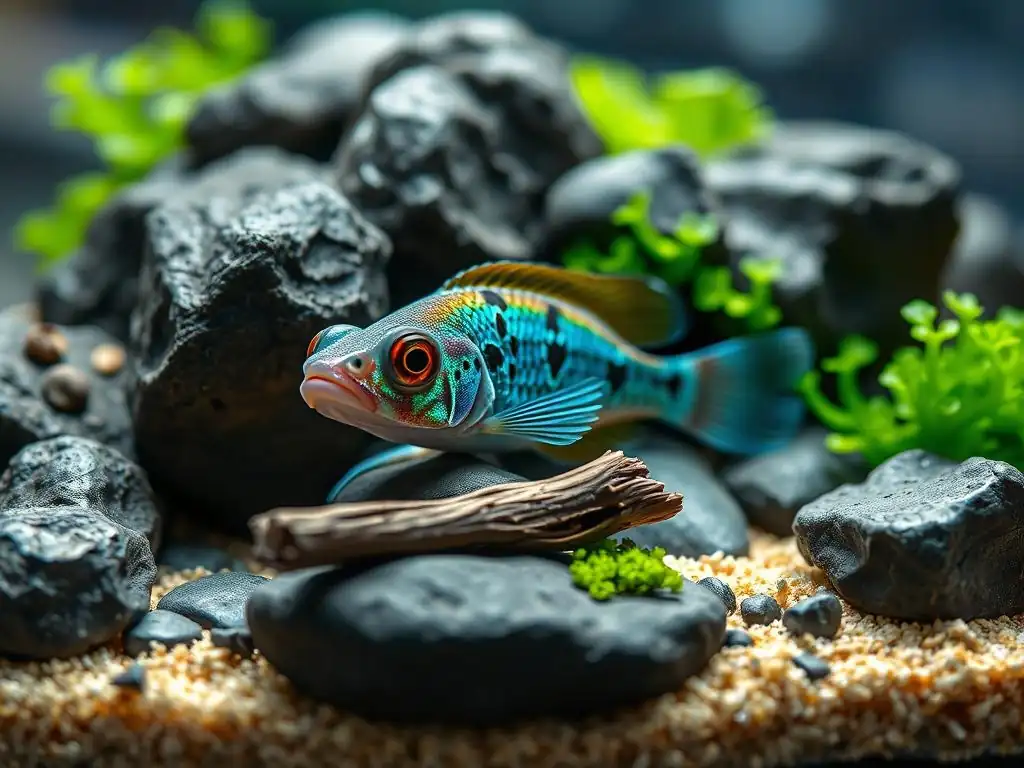
Healthy nano tank goby behavior is characterized by consistent activity levels appropriate to the species, good coloration, and active engagement with their environment. Most gobies are benthic, meaning they spend the majority of their time near or on the substrate. A happy goby will actively sift sand through its gills, searching for detritus and small invertebrates, a process vital for substrate health. For burrowing species like the Diamond Watchman Goby, the meticulous maintenance of their burrows is a clear sign of contentment and security. They will tirelessly move sand and small rocks, creating secure retreats.
Furthermore, a well-adjusted goby will exhibit a healthy appetite, readily accepting appropriate foods. Species known for symbiotic relationships, such as the Yellow Watchman Goby with its pistol shrimp partner, will display coordinated movements and communication, with the goby standing guard while the shrimp excavates. Observing these natural behaviors—active foraging, diligent burrow maintenance, and species-specific interactions—indicates a comfortable and thriving nano tank goby behavior within the aquarium.
Recognizing Stress Signals in Gobies: Hiding, Rapid Breathing, and Color Changes
Identifying stress signals in gobies is crucial for early intervention. One of the most common indicators of stress or illness is prolonged hiding. While some gobies are naturally shy, excessive or unusual hiding, especially during feeding times, suggests discomfort. Another critical sign is rapid gill movement, often referred to as "rapid breathing." A healthy fish typically exhibits 60-90 gill movements per minute; significantly higher rates (e.g., over 120 per minute) can indicate poor water quality, low oxygen levels, or the presence of parasites.
Additionally, changes in coloration are a strong indicator of stress. Many gobies, when stressed or ill, may lose their vibrant hues, appearing faded, dull, or developing stress bars. Clamped fins, where the fins are held tightly against the body instead of being spread naturally, also signify distress. Observing any of these changes in nano tank goby behavior warrants immediate investigation into water parameters, tank mate compatibility, or potential disease.
Specific Goby Species and Their Behavioral Quirks in Nano Reefs: Clown Goby, Yellow Watchman Goby
The Clown Goby ( Gobiodon okinawae) is a popular choice for nano tanks due to its diminutive size, typically reaching only about 1.5 inches. Their unique nano tank goby behavior involves perching almost exclusively on stony corals, particularly Acropora, where they find shelter and graze on coral mucus or small invertebrates. A healthy Clown Goby will be seen actively perched on its chosen coral, occasionally darting to another branch or a nearby piece of live rock.
While generally peaceful, they can show territoriality towards other Clown Gobies or very similar-looking small fish if space is limited. Their small bioload and charming perching habits make them an attractive, albeit delicate, nano tank resident.
The Yellow Watchman Goby ( Cryptocentrus cinctus), growing up to 4 inches, is renowned for its symbiotic relationship with pistol shrimp. Its characteristic nano tank goby behavior centers around maintaining a burrow excavated by its shrimp partner, with the goby acting as a lookout. A happy Yellow Watchman Goby will constantly hover near its burrow entrance, often with its shrimp companion visible.
They are generally peaceful but can be territorial towards other gobies, especially those that also burrow. Ensuring a deep sand bed (at least 2-3 inches) and suitable pistol shrimp species (e.g., Alpheus bellulus) are critical for observing their natural and fascinating behaviors in a nano reef.
Blenny Behavior in Nano Aquariums: Reading Their Body Language
Normal Blenny Behavior: Algae Grazing, Perching, and Territory Defense
Normal blenny behavior in a nano aquarium is often characterized by their engaging personalities and distinctive movements. Many blenny species, like the Tailspot Blenny, are enthusiastic grazers, spending significant portions of their day meticulously picking at film algae on live rock, powerheads, and the aquarium glass. This continuous grazing is not only a feeding behavior but also a sign of a healthy and active individual. They often exhibit a peculiar "perching" behavior, resting on their pectoral fins on rocks or corals, observing their surroundings with curious eyes.
Furthermore, blennies are known for their territoriality. A healthy blenny will establish a specific crevice or rock as its home base and defend it from perceived intruders, often by flaring its fins or making quick, darting movements. This territorial display, if not excessive or aggressive towards tank mates, is a natural part of their behavioral repertoire, indicating they feel secure and have established their place within the nano ecosystem.
Signs of Unhappiness in Blennies: Listlessness, Fin Clamping, and Aggression Towards Tank Mates
When a blenny is unhappy or stressed, its behavior will deviate noticeably from its normal patterns. One common sign is listlessness or lethargy, where the blenny becomes unusually inactive, spending prolonged periods hiding or simply sitting without its typical inquisitive movements. Fin clamping, where the fins are held tightly against the body rather than being spread open, is another strong indicator of discomfort, often associated with poor water quality, parasites, or general stress.
Moreover, an increase in aggression towards tank mates, even those it previously ignored, can signal that a blenny is stressed by its environment. This might manifest as constant nipping, chasing, or guarding resources more intensely than usual, often due to insufficient space, lack of hiding spots, or competition for food in a confined nano tank. A blenny that refuses to eat or exhibits a sunken belly is also a critical sign of distress requiring immediate attention.
The Bi-Color Blenny ( Ecsenius bicolor), growing up to 4 inches, is a popular choice for nano tanks due to its vibrant coloration and active personality. However, understanding its social dynamics is crucial. Bi-Color Blennies are known for their strong territorial instincts; they will claim a specific rock or crevice as their home and defend it vigorously from perceived threats.
While generally peaceful with fish of dissimilar shape and color, they can become highly aggressive towards other blennies or fish that resemble them, especially in the confined space of a nano tank. It is generally recommended to keep only one Bi-Color Blenny per nano aquarium to prevent conflict.
In contrast, the Tailspot Blenny ( Ecsenius stigmatura), typically reaching 2.5 inches, is considered one of the most peaceful blenny species, making it an excellent candidate for smaller nano reefs. Their social dynamics are less confrontational; while they still establish a territory, their defense is usually limited to subtle body language rather than overt aggression. They are excellent algae grazers and tend to coexist well with a variety of small, peaceful tank mates. Their smaller size and calmer demeanor allow for a more harmonious environment in nano tanks where space is a premium.
Dragonet Behavior in Nano Reefs: Monitoring Feeding Habits and Activity Levels
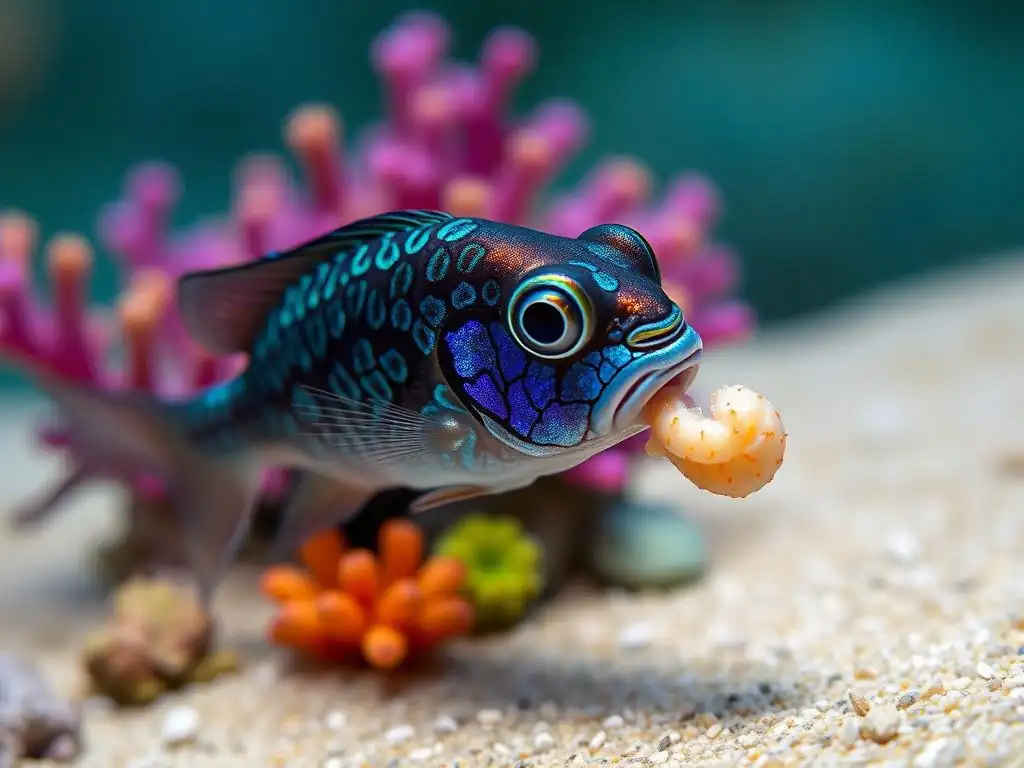
Healthy dragonet behavior in a nano reef is uniquely centered around their specialized feeding habits and slow, deliberate movements. A thriving dragonet, such as a Mandarin Dragonet ( Synchiropus splendidus), will be observed constantly foraging across the live rock and substrate, meticulously picking at surfaces for tiny copepods and other microfauna. Their characteristic "hovering" and "pouncing" motion as they spot and consume prey is a clear indicator of a well-fed and active fish. This continuous hunting is not merely a pastime but an essential survival mechanism, as they require a near-constant supply of live food.
Furthermore, a healthy dragonet will exhibit full coloration, navigate the tank with a sense of purpose, and show no signs of a sunken belly. Their activity levels, though slow compared to many other reef fish, should be consistent, indicating they are successfully finding sufficient food to sustain their metabolism. Observing this diligent, continuous foraging confirms that your nano tank provides the rich microfauna population necessary for their well-being.
Identifying Potential Problems: Thinness, Lack of Activity, and Refusal to Eat
Identifying problems in dragonets often comes down to their feeding and activity. The most critical and common sign of an unhealthy dragonet is visible thinness or a sunken belly, indicating severe malnourishment. Unlike many other reef fish that readily accept prepared foods, dragonets are highly specialized feeders, and a lack of sufficient live copepods in the tank will quickly lead to starvation. A dragonet can become fatally emaciated within weeks if its dietary needs are not met.
Other warning signs include a pronounced lack of activity, where the dragonet remains stationary in one spot for extended periods, or a complete refusal to forage and eat. While they are naturally slow, a sudden or prolonged period of inactivity suggests severe distress or illness. Changes in coloration, such as fading or dullness, can also accompany these behavioral changes, signaling that the delicate balance required for a dragonet's survival in a nano tank has been disrupted.
Addressing Nutritional Needs of Dragonets in Nano Tanks: Copepod Cultures and Supplemental Feeding
Addressing the demanding nutritional needs of dragonets in nano tanks is paramount for their survival and happiness. A mature nano reef, ideally at least six months to a year old with abundant live rock (e.g., 1-1.5 pounds per gallon), is essential to establish and sustain a natural population of copepods. However, even in well-established tanks, the bioload of a dragonet can quickly deplete the natural microfauna, especially in smaller volumes.
Therefore, regular supplemental feeding is often necessary. This typically involves culturing copepods (such as Tisbe, Tigriopus, or Apocyclops) and dosing the tank with live cultures several times a week. While challenging, some aquarists successfully train dragonets to accept frozen foods like enriched brine shrimp or Mysis shrimp, often using a feeding pipet for target feeding. However, live copepods should remain the primary food source. Establishing a refugium can also help continuously replenish the copepod population, creating a more sustainable feeding environment for these exquisite, yet challenging, nano reef inhabitants.
Optimizing Your Nano Tank Environment for Goby, Blenny, and Dragonet Well-being
Maintaining Ideal Water Parameters for Small Reef Fish
Maintaining stable and ideal water parameters is the cornerstone of a healthy nano reef, especially for delicate species like gobies, blennies, and dragonets. Due to their small water volume, nano tanks are inherently more susceptible to rapid fluctuations in water chemistry. Key parameters to consistently monitor include: Salinity (1.023-1.026 specific gravity), Temperature (75-80°F, with minimal daily swings), Ammonia (0 ppm), Nitrite (0 ppm), and Nitrate (ideally under 10-20 ppm). Ammonia and nitrite are highly toxic, even in minute amounts, and regular testing is critical, especially in newer setups.
Beyond the basics, parameters like alkalinity (8-12 dKH), calcium (400-450 ppm), and magnesium (1250-1350 ppm) are also important, particularly if corals are present, as they contribute to overall water stability and fish health. Regular, small water changes (e.g., 10-20% weekly or bi-weekly depending on bioload) are vital for diluting pollutants and replenishing essential elements. Consistent monitoring, perhaps even daily for new tanks or sensitive species, ensures that the environment remains pristine, preventing stress that could alter nano tank goby behavior or lead to illness in blennies and dragonets.
Providing Adequate Hiding Places and Substrate for Natural Behaviors
Providing adequate hiding places and a suitable substrate is crucial for promoting natural behaviors and reducing stress in gobies, blennies, and dragonets within a nano tank. Live rock aquascaping should include numerous caves, crevices, and overhangs that offer security and established territories. For blennies, these structures provide ideal perching spots and safe retreats. A Bi-Color Blenny, for example, will readily claim a specific crevice as its home base, demonstrating a sense of security.
For gobies, especially burrowing species, a deep sand bed (at least 2-3 inches, or 5-7.5 cm) of fine to medium grain sand is essential. This allows them to engage in natural nano tank goby behavior like sifting and burrow construction, which are vital for their well-being and sense of security. Providing varied substrate types and rockwork heights caters to the different preferences of these species, ensuring each fish has its niche and feels safe within its confined environment.
Ensuring Proper Tank Mates for Peaceful Coexistence in Nano Reefs
Careful selection of tank mates is paramount for peaceful coexistence in the limited space of a nano reef. Introducing incompatible species can lead to chronic stress, aggression, and ultimately, the demise of fish. When choosing tank mates for gobies, blennies, and dragonets, prioritize species with similar temperament requirements and different ecological niches to minimize direct competition for space and food. Avoid overly aggressive or large fish that could intimidate or outcompete your target species.
Good nano tank mates often include small, peaceful clownfish, certain types of small wrasses, or other small gobies that occupy different areas of the tank (e.g., a top-swimming clownfish with a bottom-dwelling goby). It is crucial to research each species' adult size and temperament.
For instance, while a Tailspot Blenny is generally peaceful, a Bi-Color Blenny might be too territorial for other blennies in a small tank. Always introduce the most peaceful fish first, allowing them to establish themselves before adding potentially more assertive species, ensuring a harmonious community where natural nano tank goby behavior and other species' traits can flourish without undue stress.
Troubleshooting Common Behavioral Issues in Nano Tank Gobies, Blennies, and Dragonets
Addressing Aggression Between Fish in Limited Space
Aggression between fish is a common behavioral issue in the confined environment of nano tanks, often stemming from limited space, insufficient hiding spots, or competition for resources. If you observe one fish consistently nipping, chasing, or guarding territory aggressively, it's crucial to intervene. First, assess the tank's layout: does it offer enough visual barriers and hiding spots? Rearranging the rockwork can sometimes break established territories and create new, neutral zones. Adding more caves or crevices might provide adequate retreats for bullied fish.
If aggression persists, consider temporarily isolating the aggressor in a breeder box for a few days to disrupt its dominance, then reintroduce it. In severe cases, or if the tank simply cannot accommodate the species' territorial needs, rehoming one of the aggressive fish might be the only viable solution. Understanding the natural nano tank goby behavior or blenny temperament specific to your species can help anticipate and prevent such conflicts by choosing compatible tank mates from the outset.
Managing Competition for Food and Resources
Competition for food and resources is another frequent challenge in nano tanks, particularly when keeping species with different feeding rates or specialized diets. Dragonets, for example, are often outcompeted by faster, more aggressive eaters like blennies or even some gobies. Signs of food competition include fish appearing thin despite regular feeding, or certain individuals consistently missing out on meals.
To manage this, consider feeding small amounts multiple times throughout the day rather than one large meal. Target feeding, using a pipette or turkey baster, can ensure that slower or more specialized feeders like dragonets receive adequate nutrition. For nano tank goby behavior that involves sifting, ensure sufficient substrate area. If space for hiding or distinct territories is limited, adding more live rock or rearranging existing structures can reduce competition for prime real estate, allowing all inhabitants to access resources without undue stress.
Dealing with Parasites and Diseases Affecting Fish Behavior
Behavioral changes are often the earliest and most critical indicators of parasites or diseases affecting your fish. Symptoms such as scratching against rocks (flashing), rapid breathing, clamped fins, lethargy, loss of appetite, or abnormal swimming patterns (e.g., darting, spiraling) should immediately raise a red flag. Common saltwater diseases like Marine Ich ( Cryptocaryon irritans), Velvet ( Amyloodinium ocellatum), or Brooklynella can rapidly spread and be fatal in nano tanks due to the small water volume.
Upon noticing such behavioral changes, a thorough inspection of the fish for physical signs (white spots, velvet-like dust, frayed fins) and a comprehensive water parameter test are essential. Quarantining new fish in a separate observation tank before introduction is highly recommended to prevent disease outbreaks in the main display. Treating diseases in a mixed-reef nano tank can be challenging due to the sensitivity of corals and invertebrates to many medications, making early detection and intervention through behavioral observation paramount for the health of your gobies, blennies, and dragonets.
Promoting a Thriving Nano Reef Ecosystem for Happy Gobies, Blennies, and Dragonets
Regular Water Changes and Tank Maintenance
Regular water changes and consistent tank maintenance are fundamental to promoting a thriving nano reef ecosystem and, consequently, the well-being of your gobies, blennies, and dragonets. Due to their small water volume, nano tanks are prone to rapid accumulation of nitrates and other pollutants, as well as significant swings in parameters if neglected. Performing small, frequent water changes (e.g., 10-20% weekly or bi-weekly) is far more effective than larger, less frequent ones. This practice dilutes harmful substances, replenishes essential trace elements, and maintains the stable water chemistry vital for sensitive marine life.
Beyond water changes, routine maintenance includes siphoning detritus from the sand bed, cleaning the glass to prevent algae buildup, and inspecting all equipment (heaters, pumps, skimmers) for proper function. Consistent maintenance minimizes stress on your fish, supports beneficial bacterial populations, and ensures that the environment remains pristine enough for natural nano tank goby behavior and the delicate feeding habits of dragonets to flourish.
Consistent Monitoring of Fish Behavior and Addressing Issues Promptly
Consistent, daily monitoring of your fish's behavior is arguably the most powerful tool an aquarist possesses for ensuring the long-term health and happiness of their nano reef inhabitants. By establishing a baseline understanding of what constitutes normal nano tank goby behavior, blenny perching, or dragonet foraging, you become attuned to even subtle deviations that may signal an impending problem. This proactive approach allows for the earliest possible detection of stress, illness, or aggression before it escalates into a crisis.
Keep a mental, or even written, log of feeding responses, activity levels, and interactions between tank mates. If a goby suddenly stops sifting, a blenny becomes unusually reclusive, or a dragonet appears thinner, prompt investigation into water quality, tank mates, or potential disease is critical. Early identification of issues, followed by swift and appropriate action, can often prevent minor concerns from becoming irreversible health problems, ensuring a robust and resilient nano reef environment.
Creating a Sustainable Environment for Long-Term Fish Health and Happiness
Creating a sustainable environment for long-term fish health and happiness in a nano reef goes beyond just maintaining good water parameters; it encompasses a holistic approach to tank management. This includes careful planning of stocking levels, ensuring that the bioload is appropriate for the tank's size and filtration capabilities. Overstocking is a common pitfall in nano tanks that quickly leads to poor water quality and stressed fish. A sustainable environment also means providing a diverse and mature ecosystem, complete with ample live rock for biological filtration and a healthy population of microfauna to support specialized feeders like dragonets.
Furthermore, it involves a commitment to ongoing education and adaptation. As your nano tank matures, its needs may change, and understanding the specific requirements of each species will allow you to evolve your care practices. A well-designed, stable, and attentively managed nano reef fosters natural nano tank goby behavior, encourages the unique personalities of blennies, and sustains the delicate lives of dragonets, leading to a thriving and rewarding aquatic experience for years to come.
Frequently Asked Questions
How can I tell if my goby is stressed in a nano tank?
Stressed gobies often display erratic swimming, loss of appetite, and may hide excessively. Observing these signs early is crucial for addressing the underlying problem.
What are some common behavioral issues in nano tank gobies?
Common issues include territorial aggression towards other gobies or similar species, lack of activity, and failure to thrive. These are often linked to tank size or incompatible tank mates.
What size tank is best for ensuring healthy goby behavior?
While "nano" implies small, even nano tanks have size variations. A minimum of 5 gallons is generally recommended for a single small goby, but larger is always better to reduce stress and encourage natural behaviors.
What type of substrate encourages natural goby behavior?
Many gobies, especially those that sift sand, thrive with a fine sand substrate. This allows them to exhibit natural foraging behaviors and create burrows.
How does water quality affect goby behavior in nano tanks?
Poor water quality can significantly impact goby behavior. Elevated nitrates or ammonia can cause lethargy, loss of color, and increased susceptibility to disease, directly affecting their happiness and activity levels.
Final Reflection: Decoding the Silent Language of Nano Reefs
The insights into goby, blenny, and dragonet behavior within nano tanks, as explored in this article, are more than just observations; they are a crucial key to responsible reef keeping in miniature. Understanding these subtle behavioral cues allows us to move beyond simply housing these fascinating creatures and towards truly providing them with thriving, enriching environments within the confines of our nano reefs. This deeper understanding is paramount, especially as the popularity of nano tanks continues to surge.
This journey into the nuanced world of nano tank goby behavior has profoundly underscored the importance of mindful observation and empathy in our aquarist practices. It's a reminder that even the smallest ecosystems demand our utmost respect and attention to detail. The greatness of a nation and its moral progress can be judged by the way its animals are treated.
- Mahatma Gandhi. This quote, while broad, resonates deeply with the responsibility we bear as caretakers of these miniature aquatic worlds. We must strive to be more than just observers; we must be interpreters of their silent language.
Now, armed with this knowledge, I invite you to reflect on your own nano reef. Are you truly seeing your gobies, blennies, and dragonets, or are you simply looking at them? Take the time to observe, to learn, and to adapt your tank to their specific needs. By doing so, you not only enhance their lives but also enrich your own experience as a reef keeper, fostering a deeper connection with the delicate beauty and intricate balance of the nano reef ecosystem.
Transform Your Nano Tank Today!
Thanks for diving into the world of nano reef behavior! We hope you've gained a fresh perspective on how to truly connect with your tiny tank inhabitants. Now it's time to put that knowledge into action and elevate your nano reef game.
Here's how you can start right now:
- Start observing your fish: Dedicate 15 minutes each day to watching your gobies, blennies, or dragonets, noting any changes in their behavior, fin position, or activity levels.
- Share your observations! Post a picture or short video of your fish's behavior in a nano reef forum or social media group and ask for feedback or insights from other hobbyists.
- Explore the diets! Research one new food item suitable for your fish and introduce it in a small quantity to observe their reaction, enriching their diet and stimulating natural behaviors.
What specific behavioral change are you most eager to observe in your nano reef inhabitants after applying these insights?